

As in previous years, "OPUS: Prism Peak" did not provide onsite demos for players at this year's BitSummit.
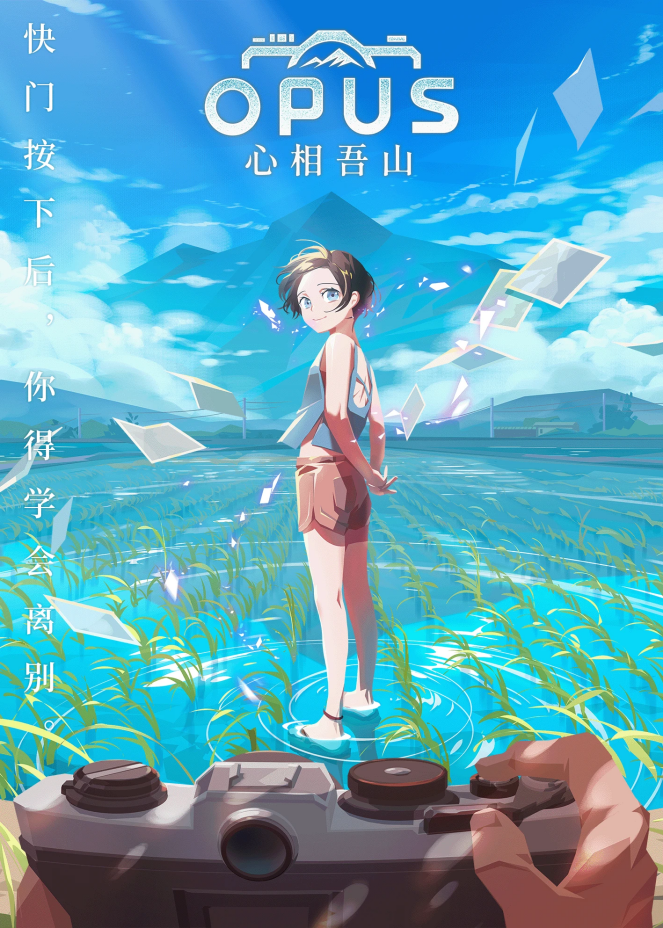
Fortunately, at the recent Bilibili World, the game brought an onsite demo version, making it less unfamiliar to us than before.
But with a bit more familiarity, the curiosity left by this work has only increased—compared to previous "OPUS" titles, the changes in "OPUS: Prism Peak" are truly massive. What thoughts led the creators to make these changes? Questions emerge like carbonated bubbles.
With these questions in mind, and with the help of Shueisha Games staff, I interviewed Scott, one of the founders of SIGONO studio, and their marketing manager Sissi, delving quite deeply into some of the design philosophies behind "OPUS: Prism Peak" and some of the things they wanted to accomplish.
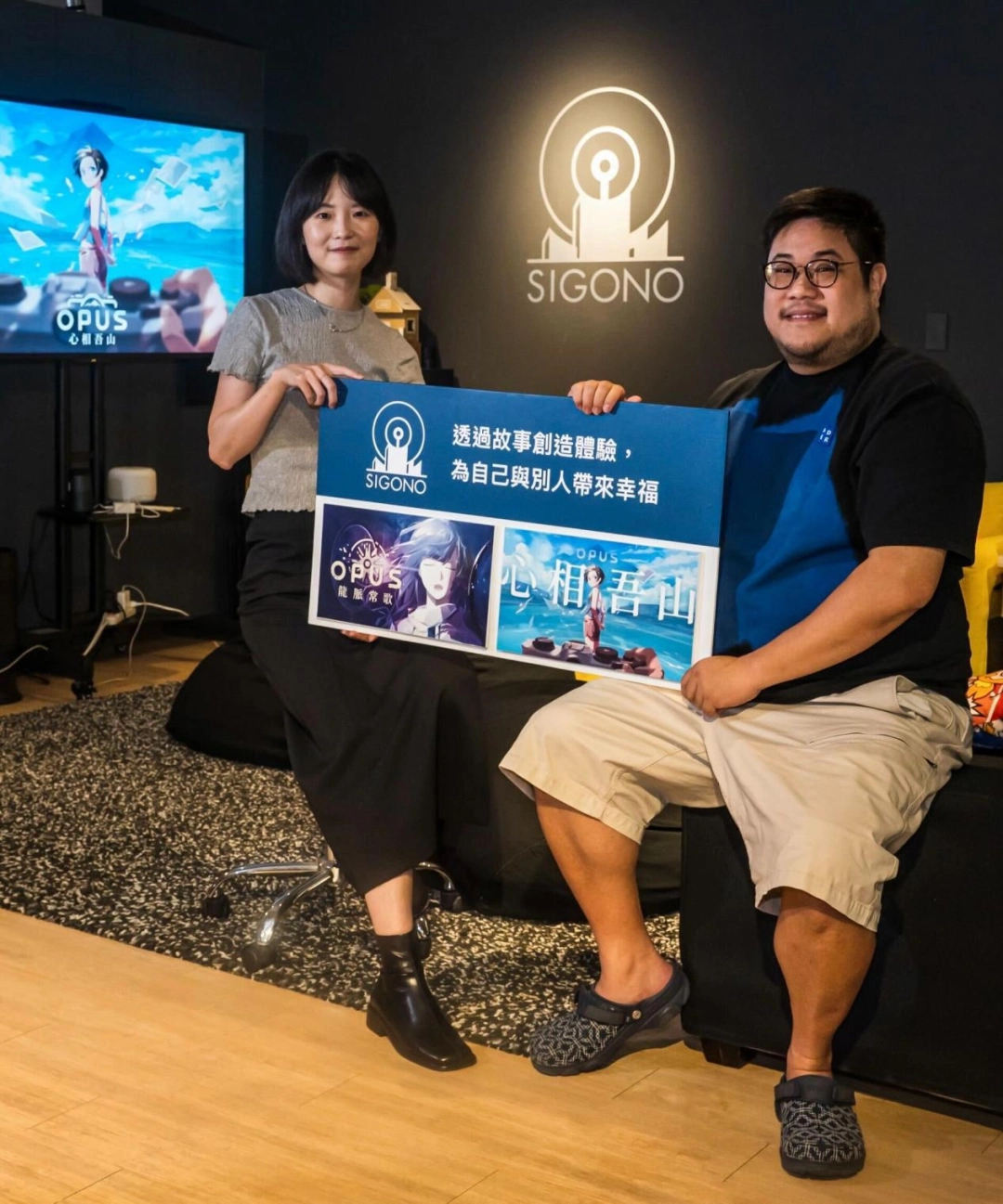
Left: Sissi, Right: Scott
Below is the full interview:
Q: From the space opera-style narratives of previous titles to the return to the ground in "OPUS: Prism Peak," how has the change in setting influenced the storytelling of the "OPUS" series?
Sissi:We can share our creative journey along the way. The first "OPUS" title was set in the sky, the second returned to the ground, and with the third, "OPUS: Echoes of the Plum Grove," we went back to the sky—so this time, we've returned to the ground. It's somewhat like a tradition for us; after spending too much time in the sky, returning to the ground feels more grounded.
But to be serious, the stories that "OPUS" has consistently told are always about a vast world and a lonely, insignificant soul. The vast world is diverse—it can be the universe, a desolate land, the ocean, or mountains. This time, we focused on the mountains. The production scale of "OPUS: Prism Peak" is larger than before, driven by our desire to continuously explore and innovate in narrative—we want to bring players a more immersive experience. To achieve this goal, it was necessary to constantly push the limits of our R&D team's capabilities.
Scott:Of course, in the creation of this series, we indeed do not want to limit ourselves to a single theme. We feel that the spirit of "OPUS" is to explore the three themes of "love," "soul," and "self-fulfillment" through stories—at the same time, we hope players can feel a sense of exploration and gradual completion in the vast world. In this title, we want to take photos with the camera to collect more stories.
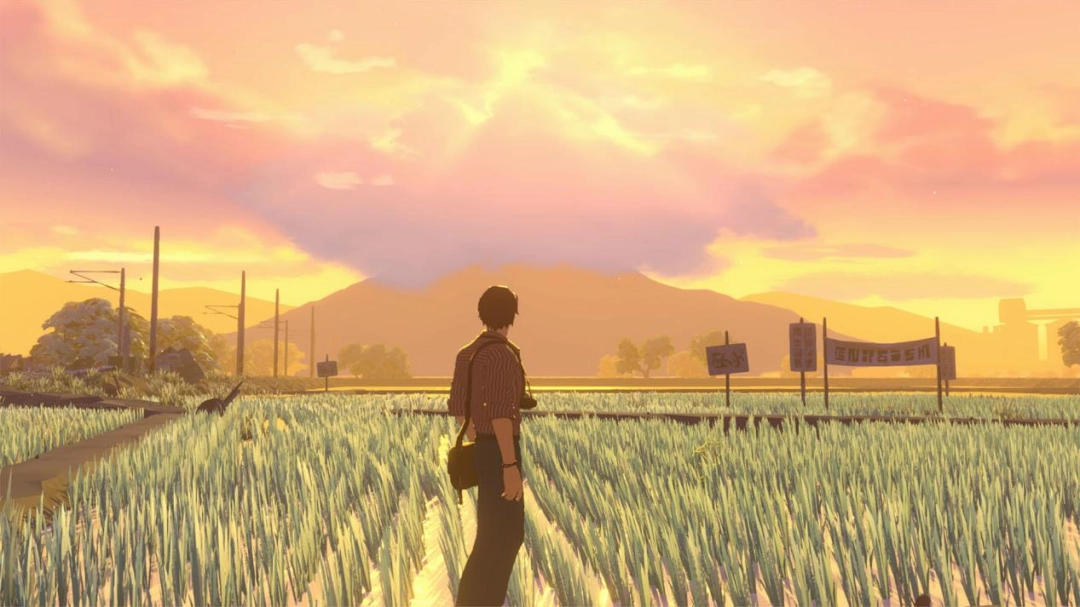
Q: Each "OPUS" title has a different theme under a grand proposition—the loneliness of the first, facing death in the second, and becoming a complex space opera in the third... In your view, what kind of story does "OPUS: Prism Peak," returning to the ground, aim to tell?
Sissi:"OPUS: Echoes of the Plum Grove" expressed a story of "meeting." In this "OPUS: Prism Peak," we want to express a story of "observation and parting."
Scott:The so-called "observation" and "parting" refer to the story we want to express using the camera. The camera is a method of "observation"—through it, we can clearly see the true nature of many objects.
Q: Compared to previous entries in the series, "OPUS: Prism Peak" has breakthroughs in various aspects. Why did you decide to include a photography system in this title?
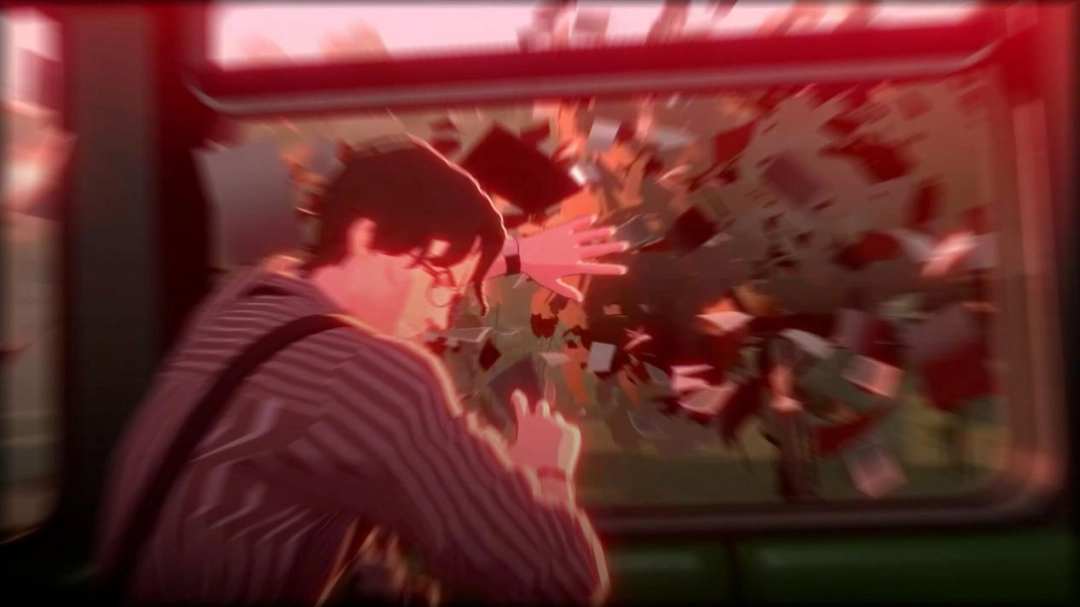
Scott:For each title, we hope to start with narrative, thinking about what kind of exploration method we should use to enhance the narrative experience. In the previous work, we used the exploration of Dragon Veins and opening Dragon Gates. In this title, we feel that exploring with photography as the core better fits the narrative we desire. The underlying narrative here is invoking the protagonist's memories through photography, connecting the appearance of things with his past experiences and memories—on top of this, we construct our story through multiple layers of narrative.
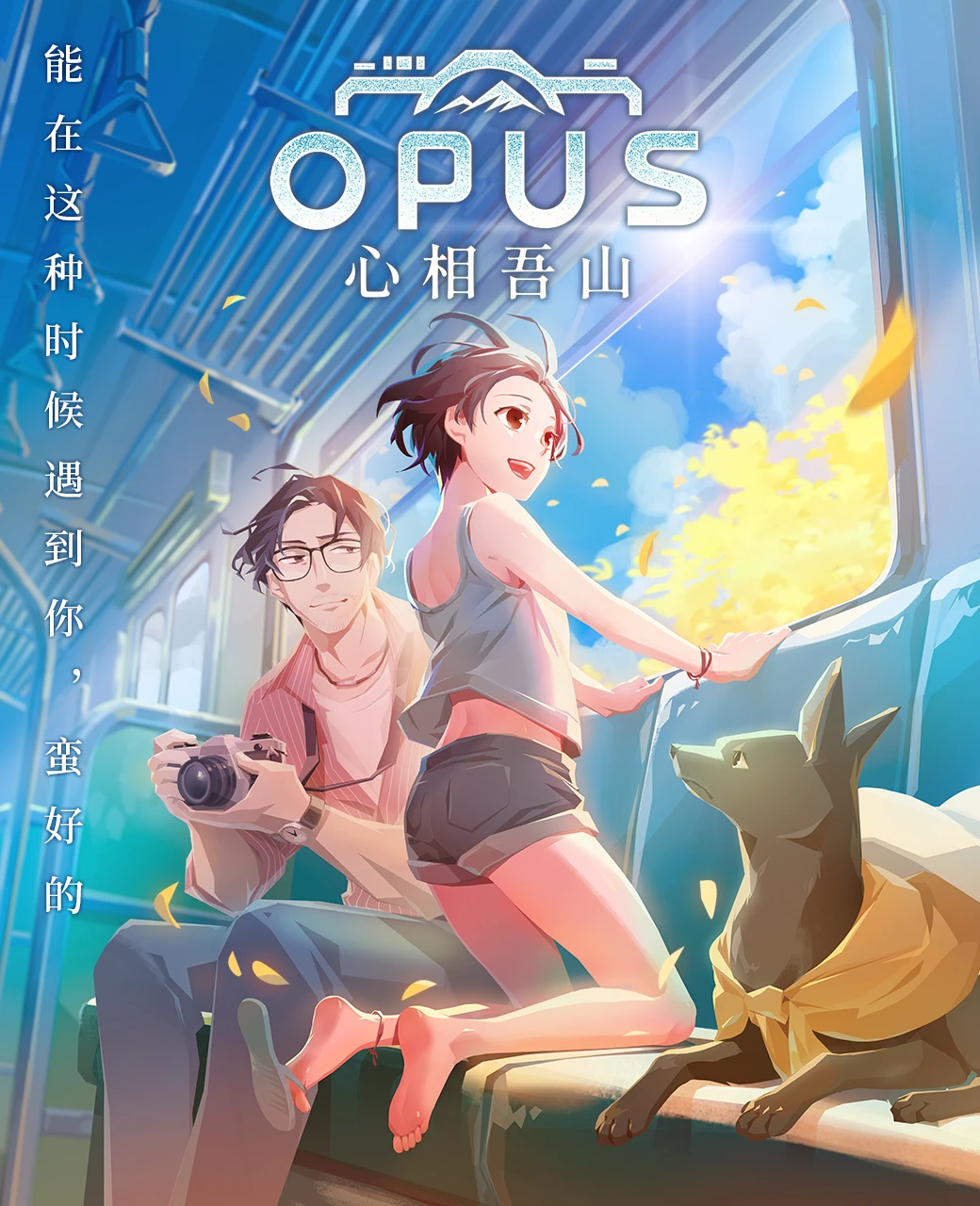
Sissi:The English title of this work is "OPUS: Prism Peak." Prism is the most important part of a camera; when light enters a prism, it refracts into different colors. Peak represents the mountain peak, symbolizing the focal point of our journey. Together, they represent that players will meet various characters through the camera during their journey to the destination. In the process of photographing different objects in this world, various facets of life will be refracted, forming a kaleidoscope-like plot, and these stories will ultimately return to the heart, which is the endpoint of our story.
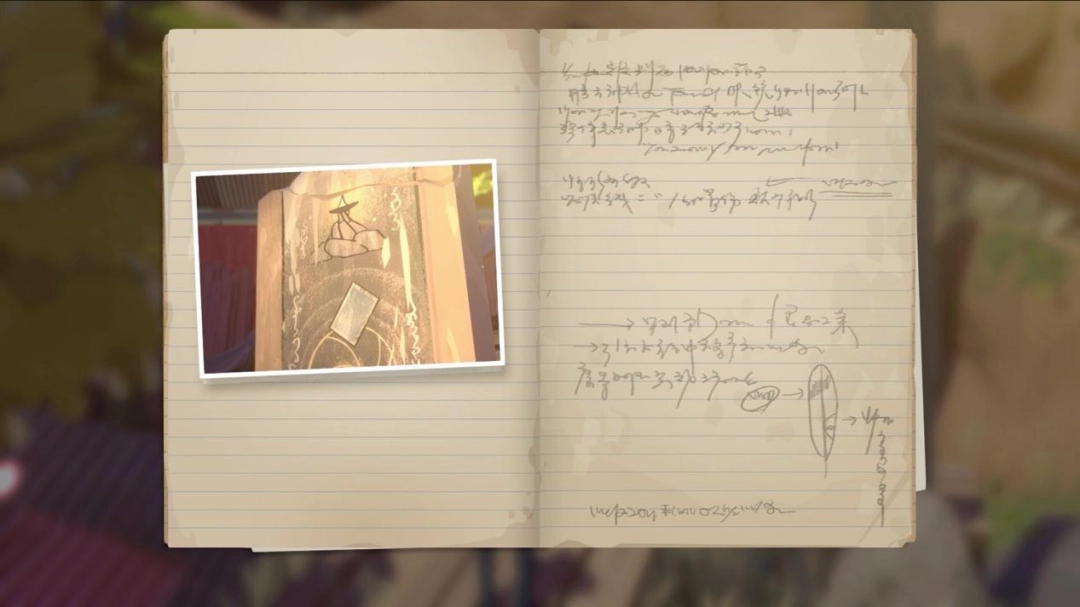
Q: Why photography?
Brian (additional answer provided by producer Brian):Photography captures a sense of "ephemerality"; it's akin to an art of farewell. Because capturing "the moment" of anything beautiful is essentially an attempt to preserve "a moment that can never return," an act of resisting time, and this effort is beautiful.
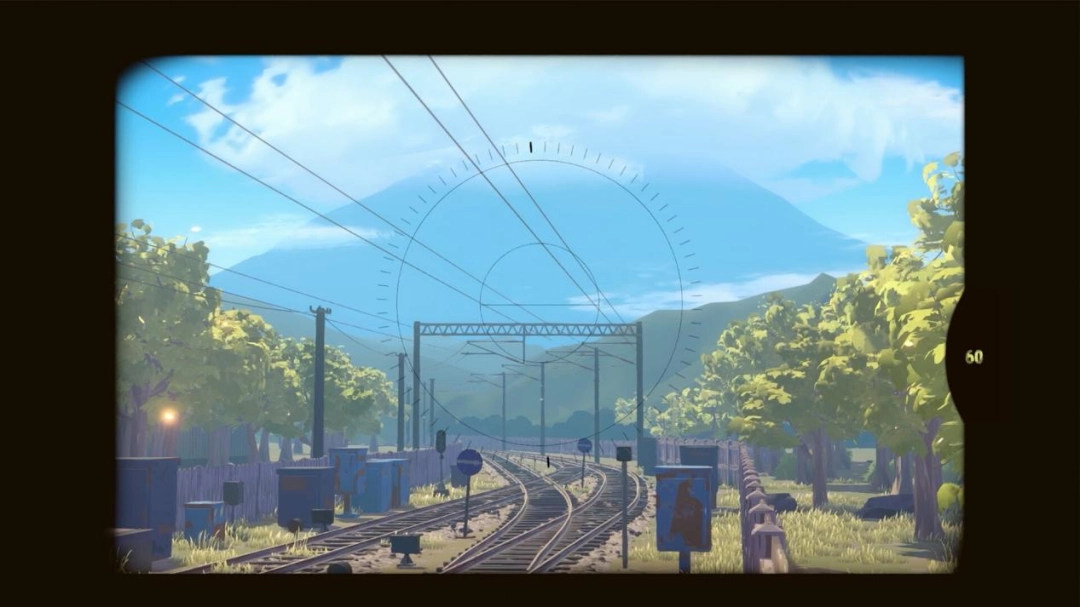
At the same time, photography also aligns with the creative philosophy of "OPUS": small individuals facing a large environment, struggling yet striving to survive. And even though meetings are destined to end in parting, we still strive to meet.
We believe these concepts align very well with the imagery of photography. Additionally, in the game's trailer, we mentioned, "You think Everythinggj will disappear, but if you take a picture, it won't be gone," and "When you press the shutter, you must learn to part."
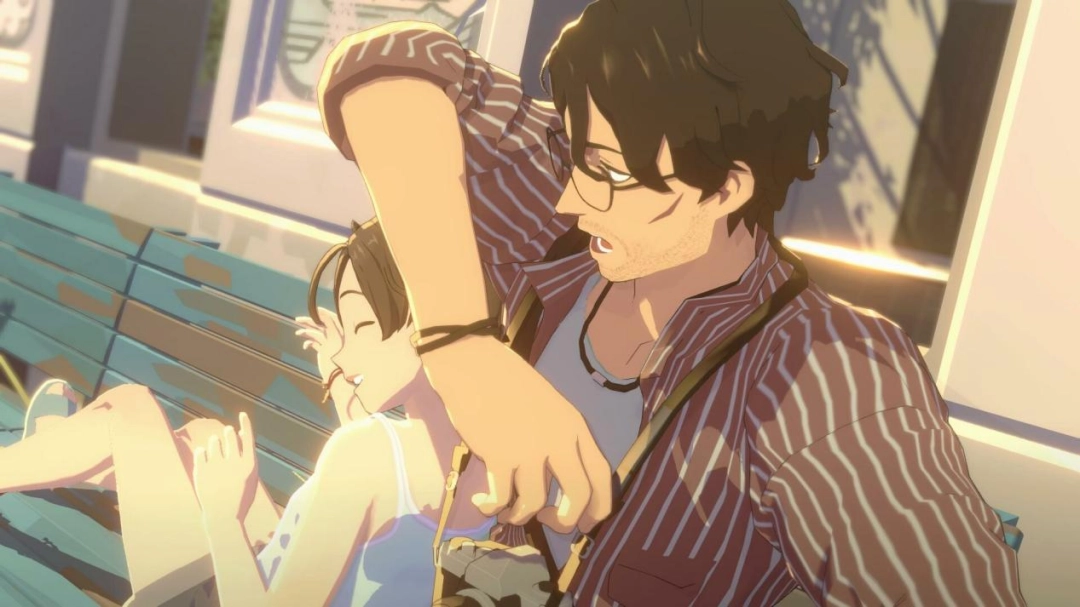
Q: Stories where a confused adult and an innocent child become travel companions are quite common in many previous works, often leading to mutual redemption. Will you tell a different story?
Brian:Of course, it won't unfold in a conventional way. The story of "OPUS: Prism Peak" is very special, and we hope players will understand the various mysteries wrapped within the game through observation. Of course, the focus remains on the core concepts of the "OPUS" series—"love," "soul," and "self-fulfillment."
As for the specific details of the story, please allow me to keep it a secret for now.
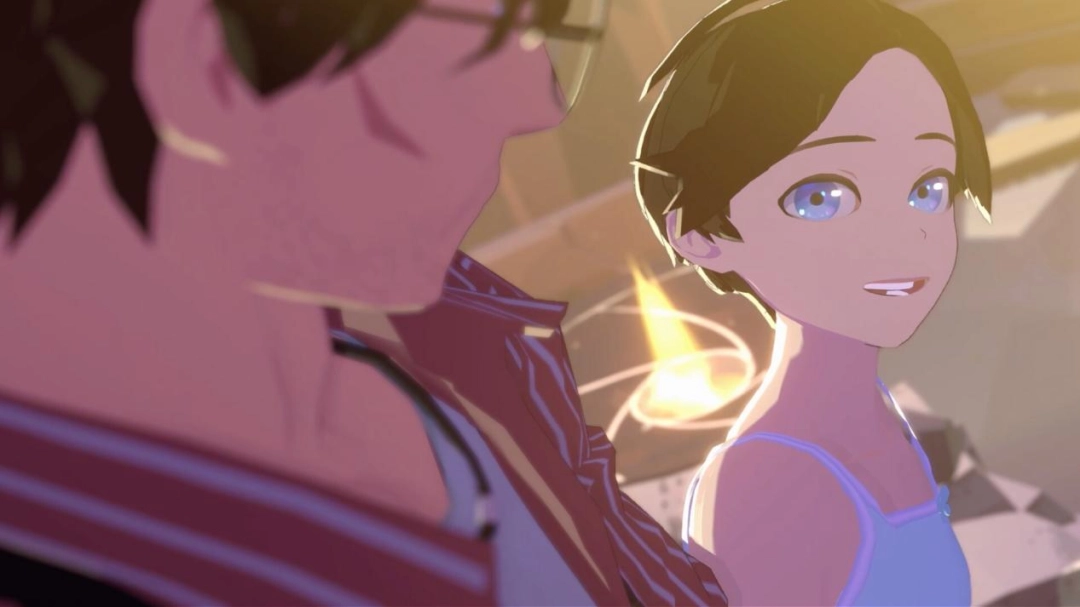
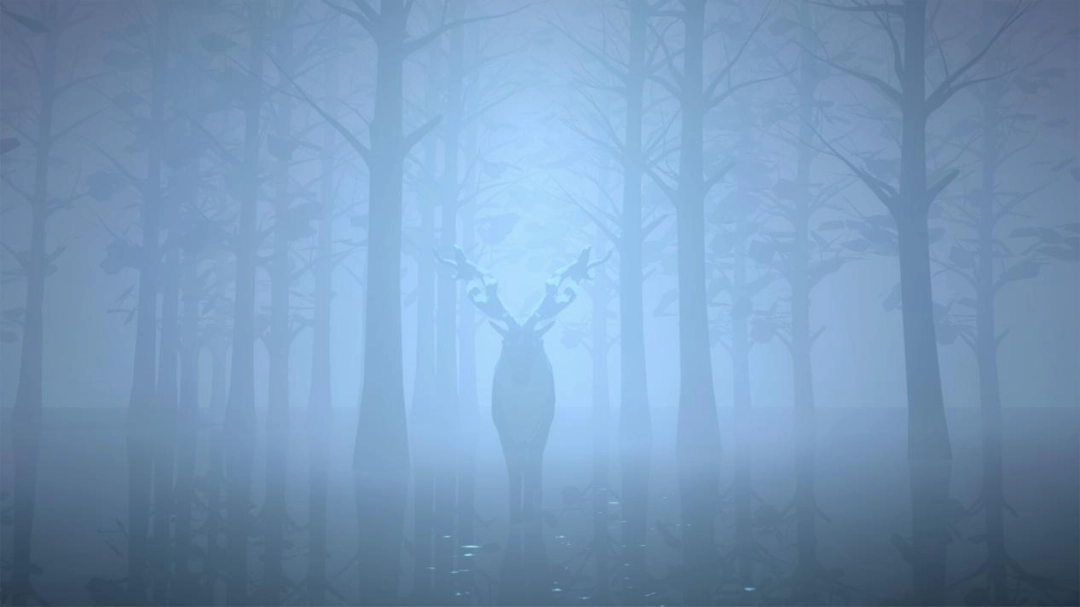
Q: In your previous works, there were often significant sci-fi elements—but at the same time, the distance between the imagery of "deities" and "humans" has been continuously closing. In "OPUS: Prism Peak," this form has changed significantly; it seems closer to the "nature" on the ground, and "deities" appear directly beside people. How did this change come about? What did you want to express with this change?
Brian:You put it very accurately. We have always felt that the stories conveyed in the "OPUS" series carry some kind of spiritual sustenance and attitude towards life, which is why the concept and imagery of "deities" have always existed in the works.
This is because, for us, whether it's sci-fi or nature, it ultimately returns to humans, souls, love, or as you said, "deities." "OPUS: Echoes of the Plum Grove" used a space opera worldview to tell a story of life, while "OPUS: Prism Peak" uses a natural magic worldview to tell a story of life. These two works are similar to us.
If we consider how this change came about, what can be revealed at present is that "OPUS: Prism Peak," as the title suggests, will be a story closer to the "heart"—to convey this, "deities" seemed to emerge naturally.
Q: "OPUS: Prism Peak" is the first 3D entry in the "OPUS" series. Moving from 2D to 3D brings significant differences in technology application, gameplay design, and aesthetic expression. What challenges did these differences bring, and how did you overcome them?
Sissi:Half a year after the release of "OPUS: Echoes of the Plum Grove," we entered the preparation phase for the new project. We ultimately chose "OPUS: Prism Peak" because our biggest technical goal for this project was to incorporate cinematic elements. SIGONO has always been a company that develops games with storytelling at its core, and cinematic presentation is the most powerful way to tell a story—so we decided to take on the challenge of full 3D cinematic narration, which is the inevitable path to conveying a richer and more tense narrative experience.
Scott:In each installment, we strive to refine our technology and ability to shape narrative experiences. Our previous works had many limitations in storytelling; for example, if characters were too small, their expressions couldn't be seen, so we had to draw avatars to express their emotions. But with full 3D, we can consider using camera movements or 3D character models to realistically present their current mood. Combined with voice actor performances, this can elevate emotional expression to a high level.
Of course, this time we encountered many development challenges, and most of our accumulated experience had to be discarded and relearned. Exploring in 3D is very different; we also need to consider character turning, movement direction, camera operation methods, and the distance between the lens and characters. These aspects were things we hadn't considered before, but they require special attention in 3D games—so the development difficulty of this work far exceeded our initial expectations. But after actually doing it, our experience was quite good. I think players who have tried it will clearly feel the improvement in exploration and narrative experience.
Q: After the game's PV and the offline demo at Bilibili World, players generally reported an improvement in the voice acting quality. Have you done any further work in this area?
Scott:I think it's mainly due to the changes brought by 3D, which allowed us to show voice actors directly how the characters perform during recording. It's somewhat similar to the process for anime voice actors. Voice acting involves many detailed adjustments; character movements and facial expression changes all affect the voice actor's imagination of the character. With 3D, our character changes become much more vivid, allowing voice actors to clearly feel how they should voice the character. This is different from 2D games—where we hoped voice actors would enhance the character's performance—but in 3D games, the character's performance and the voice actor's delivery complement each other. I think the improvement in voice acting quality is partly attributable to this.
Q: "OPUS: Prism Peak" is your first collaboration with Shueisha Games, which was somewhat unexpected for everyone. So far, what help has collaborating with Shueisha Games brought you?
Scott:To some extent, I feel that our game's art style and gameplay quite fit the demands of the Japanese market, and we've never been opposed to finding a publisher. Later, when Shueisha Games approached us, their attitude of always putting creators first made me feel respected. In their view, a game is not just a game, but an IP. They are a well-established company with rich experience in this area—so I felt that this collaboration could help expand the "OPUS: Prism Peak" IP in a bigger direction.
Sissi:From a brand management perspective, we have long been managing the "OPUS" IP. From "OPUS: Rocket of Whispers" to "OPUS: Prism Peak," many publishers have contacted us during this process, but what we focus on most is whether our long-term goals align. Our vision is to create an IP with profound influence; we hope "OPUS" can become a memory of an era. Therefore, we greatly appreciate Shueisha Games' attitude of prioritizing creation and then amplifying the IP's influence. Additionally, many people in our company grew up reading Shueisha's works, which created some chemical reactions during this collaboration.
In our collaboration with Shueisha Games, they have also provided us with much help. For example, at this Bilibili World, we wouldn't have been able to participate so easily in the past. We choose publishers mainly from a complementary perspective, as we primarily focus on development, while Shueisha Games helps us handle distribution matters, amplifying our influence, which is a great help to us. Additionally, we have intensive meetings with Shueisha Games every week to discuss future directions—the release plan for "OPUS: Prism Peak" was completed together.
Q: The game is scheduled for release within the year. AtAt this point, what would you like to say to long-time fans or new players of the series?
Sissi:We are deeply grateful for the support from our long-time players—without them, we wouldn't have been able to release new titles one after another. As for new players, we want them to learn more about the "OPUS" series. We hope they understand that "OPUS" is not just a game, but a journey of self-discovery and exploration of the world through storytelling. We hope they find their own moments of emotion or inspiration within this game.
If you're playing our games for the first time, we hope you'll add them to your wishlist.
Scott:Long-time players are always a group that moves us. During many exhibitions, I've met players who told me they've been following us since "OPUS: Rocket of Whispers"—that was nearly ten years ago, and such support always shocks me. Thank you so much for still remembering us. As developers, the way we can respond to them is by making this story even better, so as not to disappoint their expectations.
Sissi:We have received much feedback from players officially, saying that watching "OPUS" feels like watching a child grow up. We sincerely thank these players for growing up alongside us.