

Aside from the LOGO, it's hard to immediately find other connections between Bungie's early "Marathon Trilogy" and Marathon.
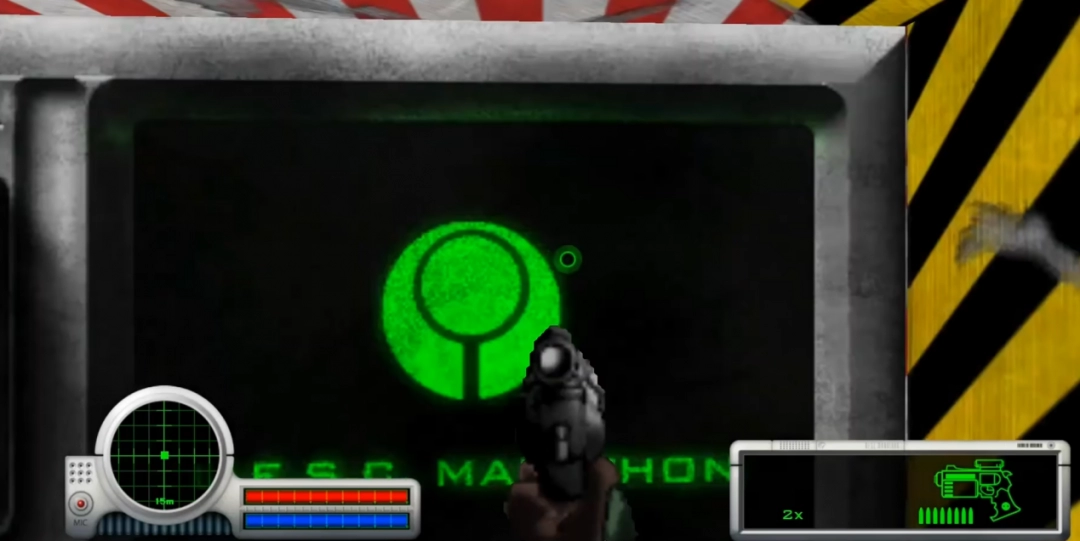
The time span between the two is greater than my age. The former, a pioneer of "narrative FPS," has long been forgotten in the 20th century; while the latter's avant-garde art style makes one believe it is a work from the future.
As you know, we generally don't discuss a game's visuals in our reviews, unless we can't help it.
The art style of Marathon is indeed stunning, somewhat reminiscent of Mirror's Edge, but more extreme and flamboyant. The developers call this style "graphic realism": streamlined lines, sharp edges, and large areas of highly saturated colors combine to form simple artificial geometric shapes that populate this alien world. This style is common in graphic design language, but when anchored in tangible reality through realistic lighting and shadows, a sense of contradiction arises. The collision between abstract graphics and photorealistic rendering creates the surreal visual texture of Marathon.
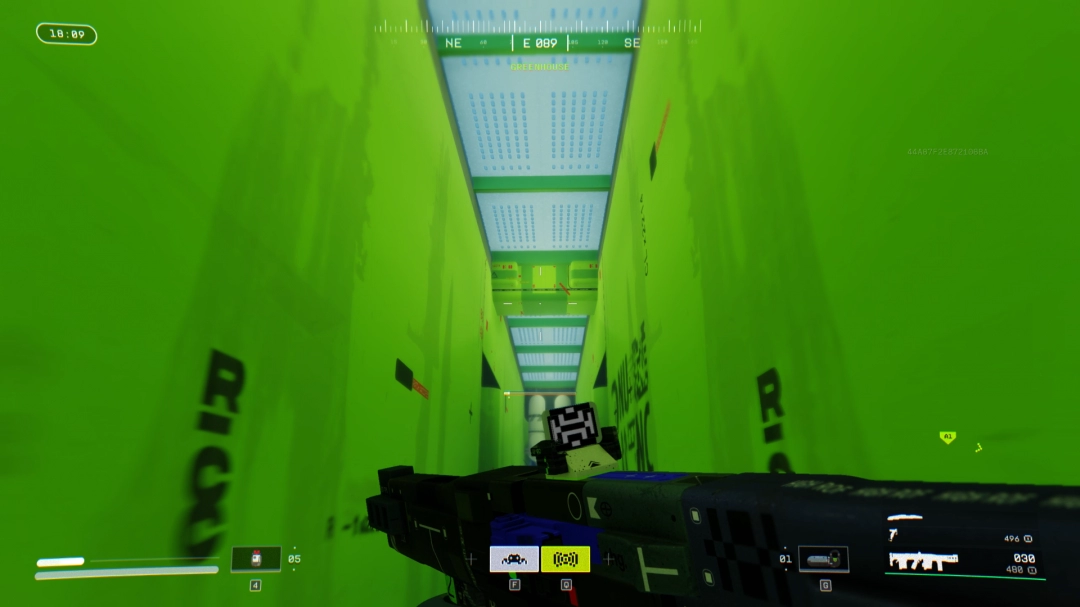
However, compared to the promotional CG, the actual test footage suffers from a decline in overall visual appeal due to lack of material detail and slightly rough lighting effects.
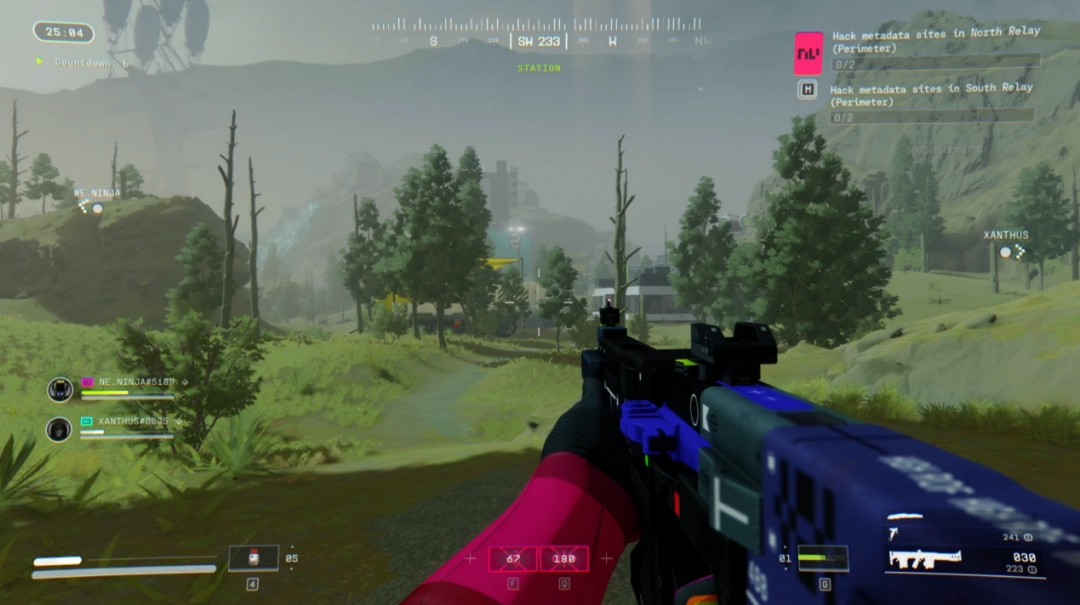
While the game's art style breaks the mold, its gameplay follows the "extraction shooter" trend that many major publishers have flocked to in recent years.
I don't have much issue with the extraction shooter gameplay itself, but considering that Marathon has undergone major layoffs since its announcement, suffered development delays due to a change in project director, and even underwent "radical design adjustments" to its development direction, it's hard to have much confidence in it.
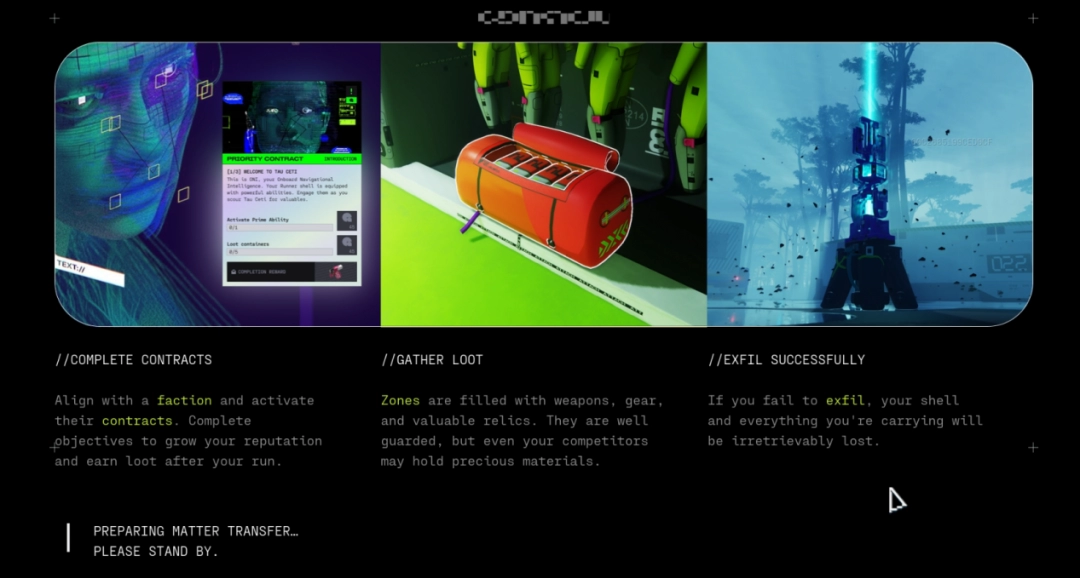
However, after this Alpha test, I think Marathon performs adequately, adapting the extraction shooter gameplay into its own style, but that's about it for now. I say "for now" because some content in this test is still under development, and long-term content hasn't been fully released, so it doesn't represent the final quality of the game. Nevertheless, considering the game's official release on September 24th this year, you should be able to get a glimpse of what to expect from this preview report.
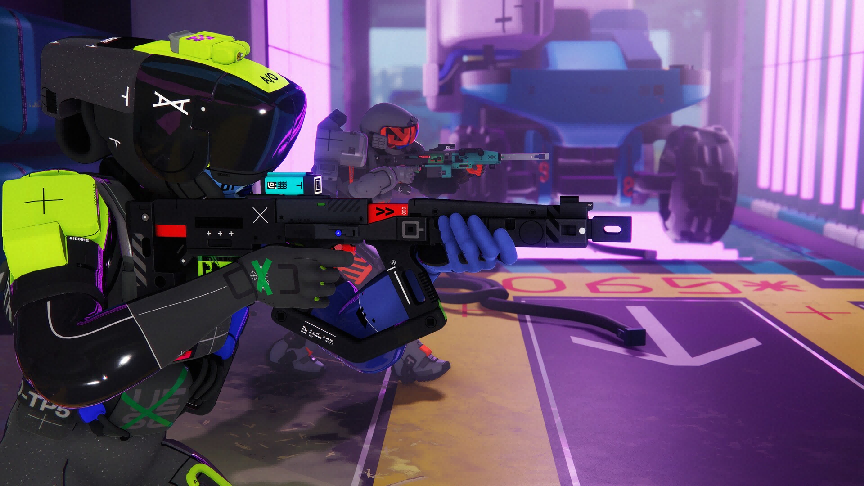
Although Marathon's gameplay is an "extraction shooter," it is also unique. If other extraction shooters are still striving to find a balance among "looting, fighting, and extracting" to complete the resource cycle among the three, Marathon, like its subtitle "Loot-Fight-Fight-Fight-Fight-Fight-Extract," abandons balancing and tilts the focus directly towards "combat satisfaction." And Bungie's strength happens to be "combat satisfaction."
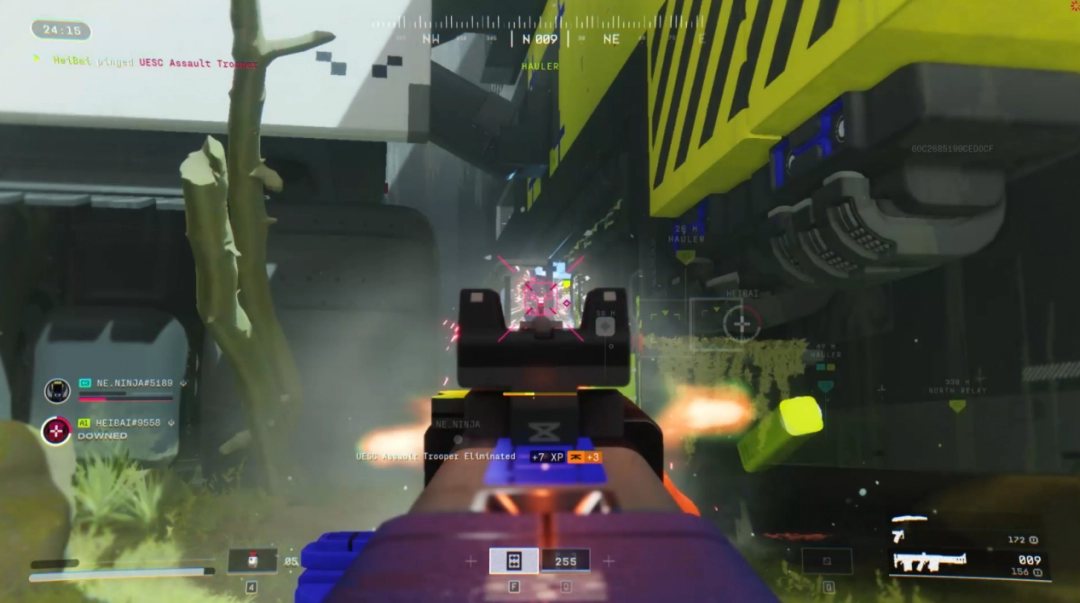
Although there is some asset reuse in the game, and you can see some familiar interaction animations, this isn't necessarily a bad thing. Marathon inherits Bungie's consistently excellent Gunplay, making the act of pulling the trigger itself rewarding for players. Bungie placed the focus of Marathon on "combat satisfaction," largely because they have enough confidence in their Gunplay.
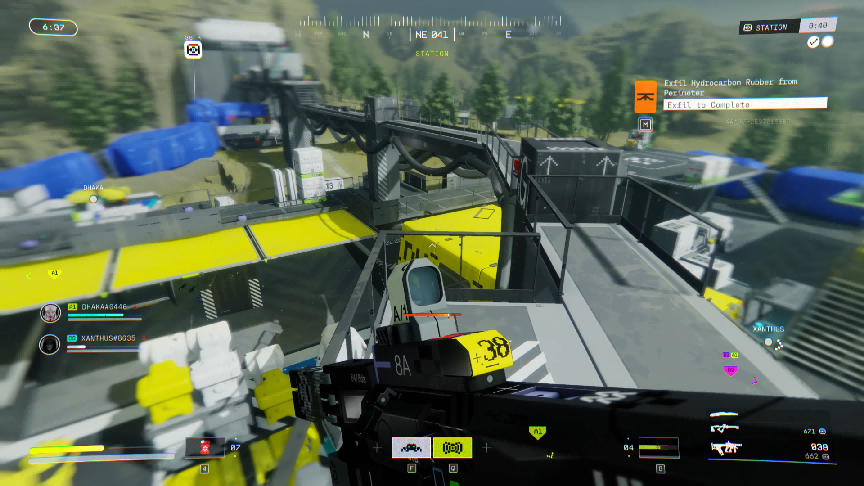
To ensure "combat satisfaction," Marathon has drastically cut and simplified many mechanics in "looting" and "extracting," allowing players to focus on fighting. Furthermore, through AI enemies and map mechanics, the game increases the frequency of combat encounters. It can be said that most designs in the game encourage fighting and pave the way for it.
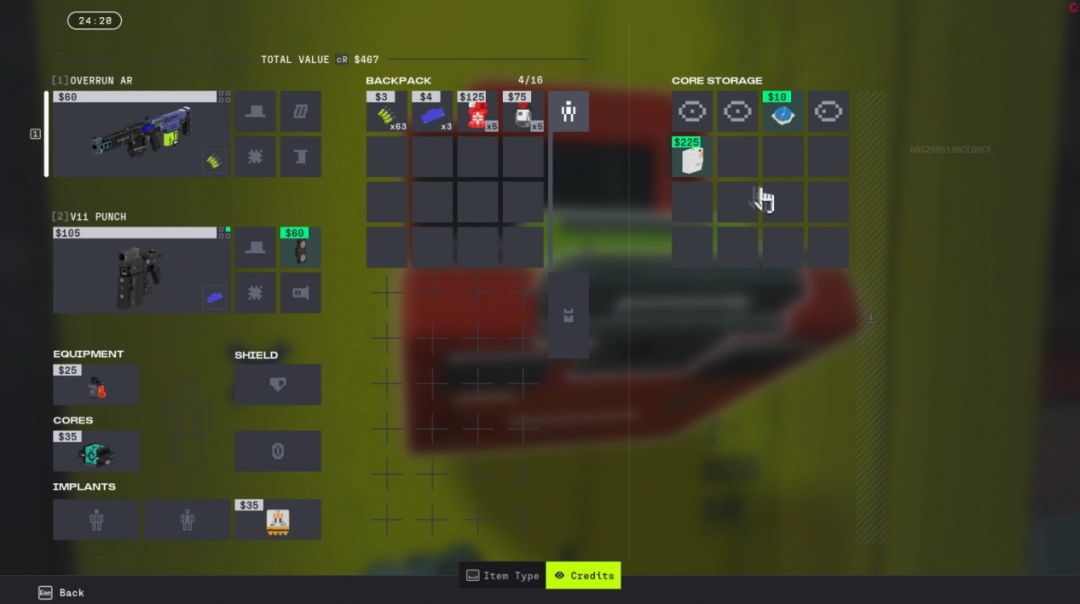
For example, many items found in the game can be stacked and do not require "grid management." High-value materials picked up by teammates are shared. Trade items automatically convert to cash upon extraction, and equipment and attachments can only be sold at fixed prices in the shop. Players no longer need to spend much effort on the "flea market," allowing them to quickly jump into the next match after each extraction.

For example, when activating an extraction point, the device emits a towering beam of light, letting everyone nearby know you're trying to escape.
Additionally, AI enemies periodically drop in near players, and the sound of gunfire from battles against AI exposes your position to others. The AI's high aggression and large detection range make "stealth" tactics difficult to execute.
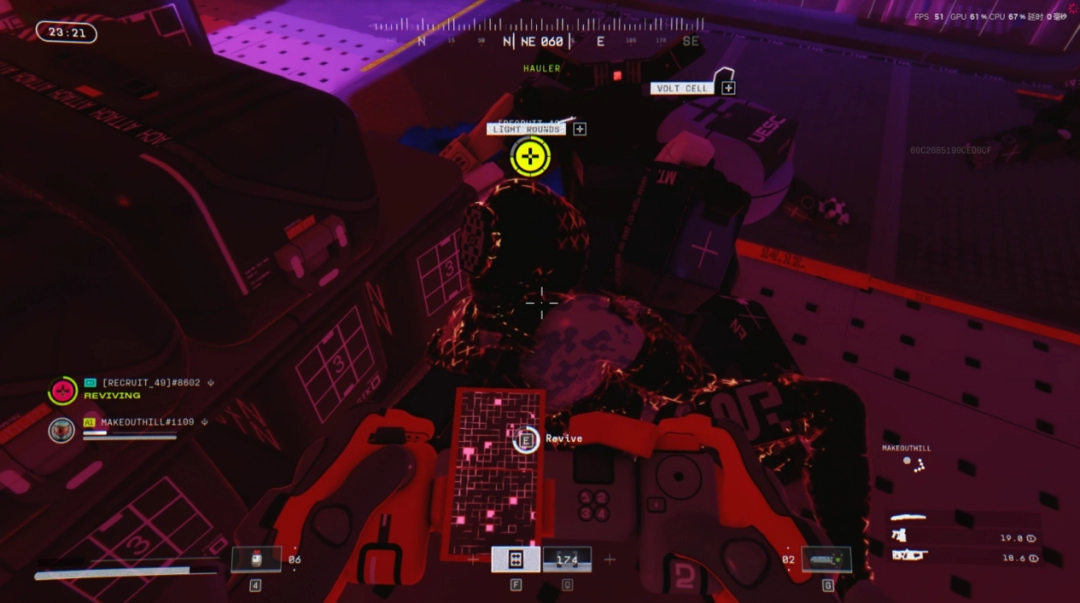
With increased combat frequency, to reduce negative feedback from battles, Marathon has lowered the penalties for death and failed extraction—players can be revived by teammates regardless of how many times or how long they have been downed.
In terms of equipment, Marathon has also significantly compressed the gap between gear. Typically, in extraction shooters, the equipment hierarchy is strict. Higher-level armor offers better bullet resistance, impenetrable by lower-level bullets; fully modified guns outperform stock ones by a mile. When two players of similar skill engage in a gunfight, the one with superior gear often wins. Conversely, good equipment costs orders of magnitude more than basic gear.
However, in Marathon, players can frequently pick up materials and trade items worth hundreds on the ground, with thousand-value items being quite common. Most equipment costs only around a hundred, and even better gear and attachments are just in the four-digit range. Ammo is practically free, and you can stash hundreds of rounds in a single inventory slot. Thus, you don't need to worry about losing all your gear after dying in combat and suffering a "huge loss," nor do you need to fret over the cost of each bullet, allowing you to unleash firepower on enemies without hesitation.
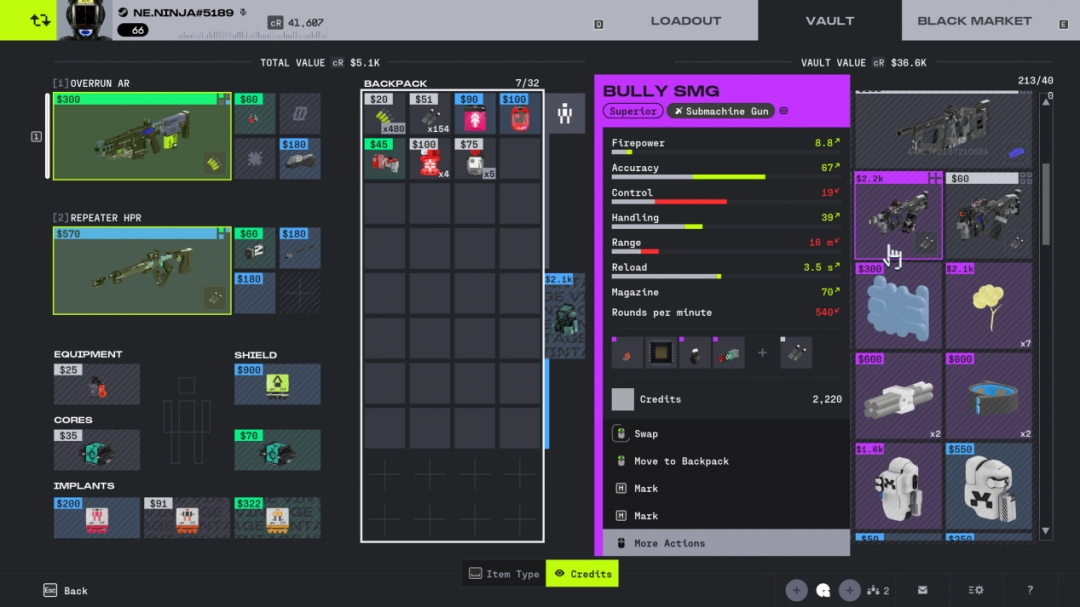
Meanwhile, the performance gap between equipment has been significantly narrowed. For instance, "bulletproof levels" no longer exist; different tiers of armor only have slight differences in shield capacity. Therefore, in Marathon, the effect of gear suppression is not as pronounced as in other extraction shooters.
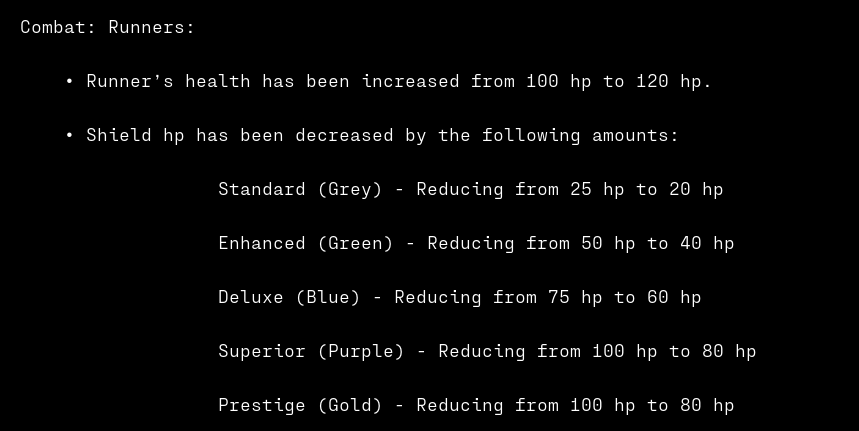
Armor shield capacity was nerfed once during the test period
You might find this familiar—isn't this armor from Apex Legends? Honestly, yes. Besides armor, items like "Large/Small Shield Batteries," "Large/Small Medkits," and "Phoenix Kits" are all present. To accelerate combat pacing, mechanisms that restrict "combat satisfaction" during gunfights have been heavily optimized—healing times are significantly reduced, and the limb-loss system has been replaced by another debuff system that allows quick recovery and increased resistance using specific medicines. Of course, there is also a "Heat System" similar to a "Stamina System" to limit character mobility and regulate the pace of encounters. Overall, however, the combat rhythm and Time-to-Kill (TTK) in Marathon are closer to battle royales like Apex Legends than traditional extraction shooters.
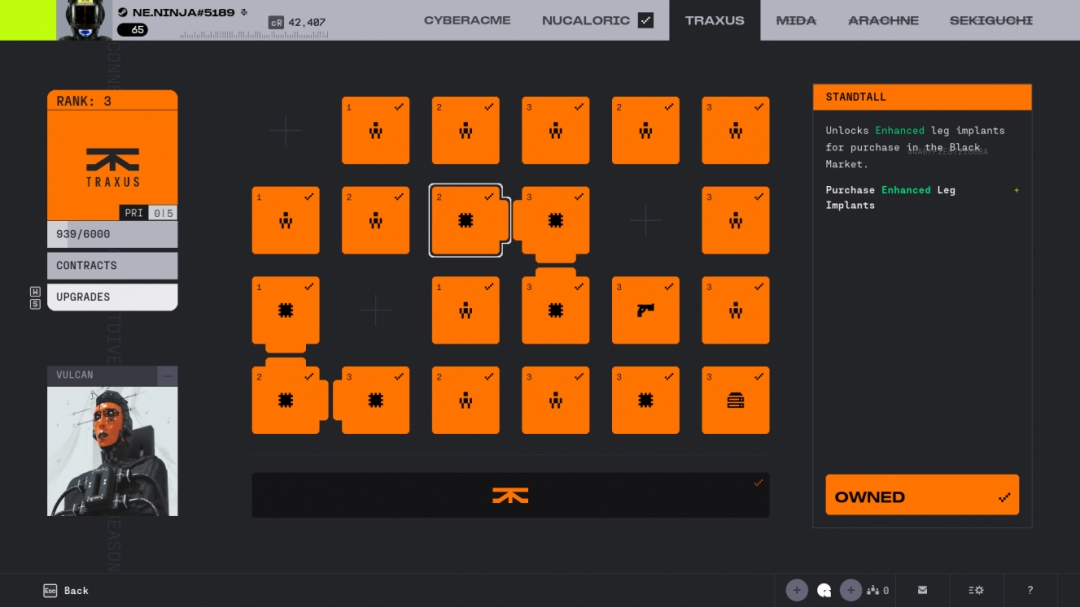
As for features similar to the "Hideout," they were not fully unlocked in this test. However, based on the released content, it mainly provides off-match progression, and the upgrade mechanism has also been significantly simplified. The tasks to unlock progression items are quite accessible, consisting of mundane tasks like "investigate a location" or "deal a certain amount of damage at a location," which are usually completed incidentally during matches. Materials for upgrading progression items are also relatively easy to obtain.
Marathon also features a build system. But honestly, I personally feel that this build system does not integrate well with the extraction shooter gameplay, appearing somewhat stiff and abrupt, much like its placement in this article.
Specifically, characters can equip a series of "Cores" and "Mods" that provide buffs, and some armor pieces offer additional stats besides shields. However, players cannot directly obtain the specific gear they want; they must extract with it from matches or luckily purchase it from randomly refreshed shops. I imagine that, like me, upon seeing "combo buffs," you immediately thought of the possibility of Builds and the long-term engagement drive they bring. Due to the randomness of stats, the cost of assembling a full Build cannot be quantified by in-game currency—if your luck is poor, the acquisition cost might be higher than top-tier fully kitted loads in other extraction shooters.
But I suspect you'll soon raise a question: "What if I fail to extract? Won't my carefully constructed Build be lost? With such high sunk costs, why would I casually bring my assembled Build into a match?"
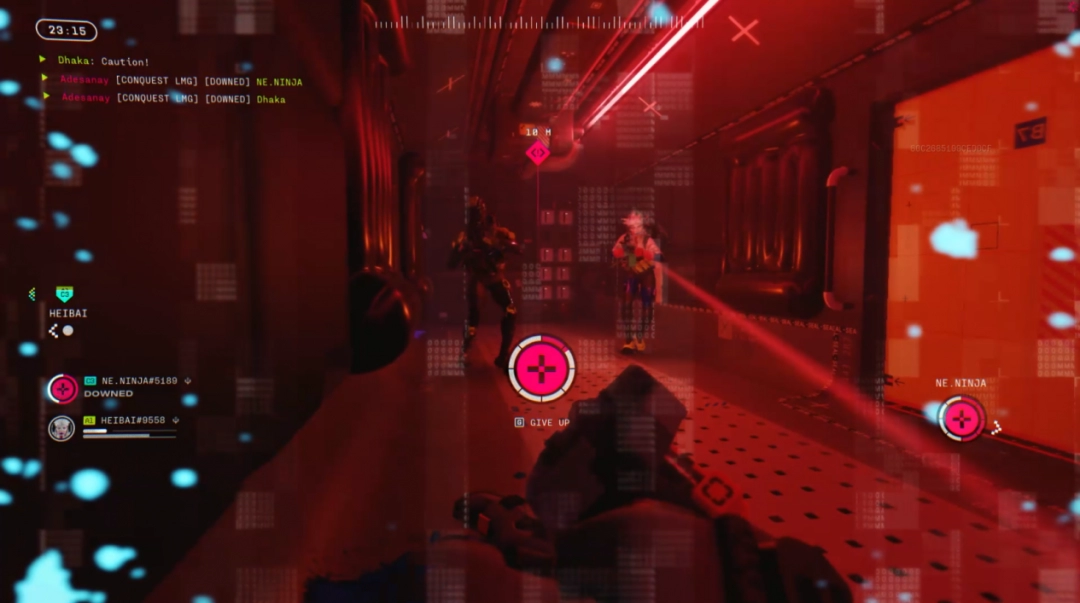
So, how does Marathon address this issue?
The answer is that it hasn't been addressed—at least not in the test version.
Therefore, the current positioning of this build system is quite awkward. Although individual pieces of equipment are cheap, the sunk cost of a complete Build is high. Under the pressure of sunk costs, I usually just bring a few random stats into a match or use whatever I find during the game. Without a systematic build structure, the minor buffs from most equipment don't bring perceptible changes to character performance, naturally failing to alter my gaming experience. So, except for occasionally using powerful "Cores" or "Mods," the build system has little presence in the game and struggles to provide long-term engagement drive.
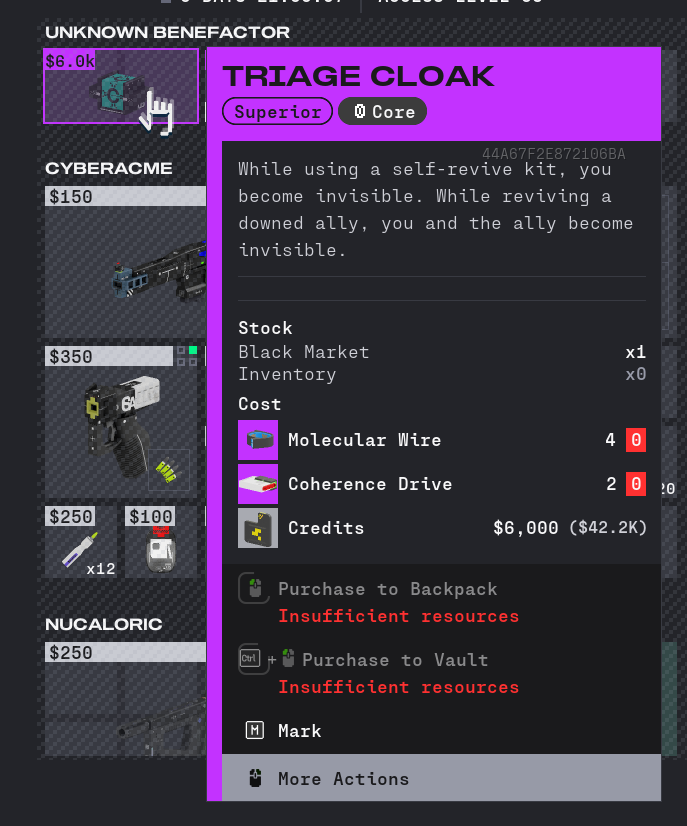
However, the "vintage" stat is an exception—it randomly appears on any piece of equipment. If you bring gear with the "vintage" stat into a match and successfully extract with it, its selling price increases. Admittedly, this stat synergizes surprisingly well with extraction shooters, encouraging players to bring their own gear into matches and providing a gambling-like thrill in the choice between "quitting while ahead" and "going for one more run."
With the build system unable to carry the load, the burden of "providing long-term engagement drive" falls almost entirely on "fighting."
What about "Looting" and "Extracting"?
They have been simplified to the point where they hardly contribute to long-term engagement drive for "fighting."
"Looting" and "Extracting" are originally the parts best suited for providing positive feedback, keeping players engaged. The magic of "looting" and "extracting" can even make people skip "fighting" entirely—for example, many "hoarders" focus solely on avoiding combat and bringing home "big gold" items, purely enjoying the thrill of accumulation.
Of course, you can enjoy the positive feedback of increasing deposits in Marathon, but the trade items in the game are abstract geometric shapes that are automatically sold, turning into mere numbers, which pales in comparison to "big gold" items.
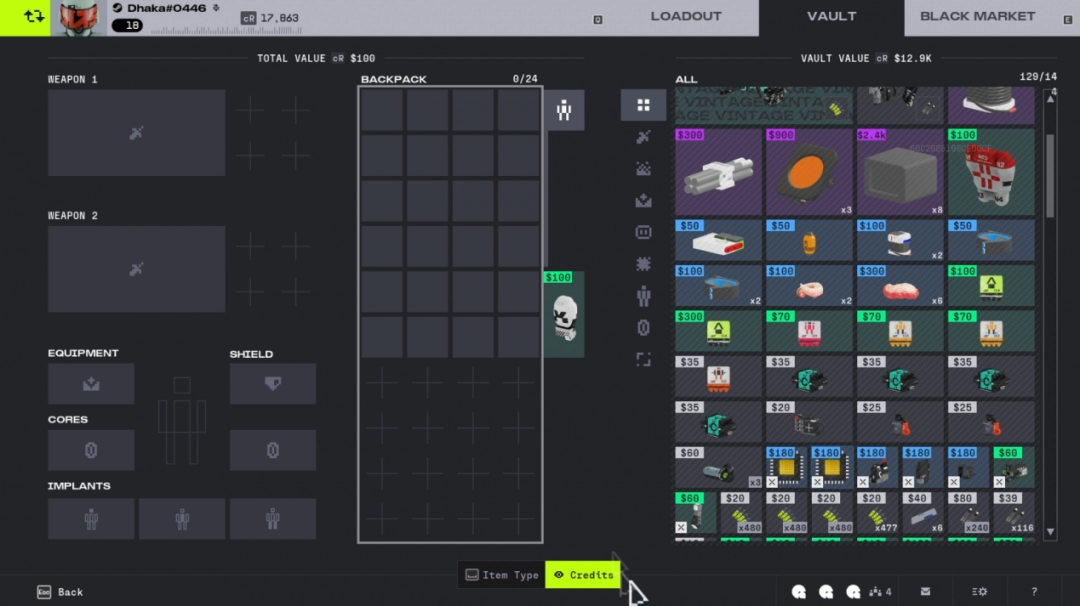
Although there is no essential difference between the two—they are both strings of code in storage media—when this string of code is coated with sugar, transforming from abstract numbers into objects with concrete forms, it becomes more palatable, turning players into willing cyber laborers hauling data.
Features similar to the "Hideout" were not fully unlocked during this test, so I won't elaborate further.
In summary, based on this test, I feel that Marathon's trade-offs in the extraction shooter genre are somewhat "penny wise, pound foolish"—"looting" and "extracting" concede too much to "fighting," becoming mere appendages rather than core pleasures. While the "fighting" experience is good, it's not pure enough due to the constraints of "looting" and "extracting"—you inevitably think about the materials needed for off-match progression upgrades and the hassle of having to scavenge again if extraction fails.

In other words, if I really want "combat satisfaction," why does it have to be an "extraction shooter"?
It can't just be because it's trendy lately, right?