

When I first started playing PC games, I thought the only computer gaming acronym formed by the letters "A," "M," and "D" was "AMD"—one of the computer hardware giants known for its cost-effectiveness. However, after being beaten by "genius youths" in various games over the past couple of years, I realized that these three letters could also be rearranged to form "DMA," hated by all.
In fact, the full name of "DMA"—Direct Memory Access—is itself a neutral technical term. It refers to a technology that allows external devices (such as hard drives, graphics cards, network cards, etc.) to bypass the CPU and exchange data directly with memory, thereby achieving high-efficiency data transmission.

However, once targeted by some criminals, DMA, a technology originally intended to benefit computer users, became the main culprit allowing "genius youths" to cheat blatantly in matches without even pretending otherwise.
Before the appearance of DMA cheats, the cheats we could see in matches either directly modified the game process to change in-game values, achieving simple and crude effects like "invincibility" or "flight," or injected additional malicious code into the game process to enable features like "aimbot" or "wallhack."
Regardless of the specific method, these cheating techniques inevitably require the cheater to run additional programs on their computer. Once this step is taken, the cheater leaves traces of their misconduct, which will eventually be dealt with by the game officials. Unless the cheater is using an account they don't care about, planning to "cheat once and run," very few people currently use this method.
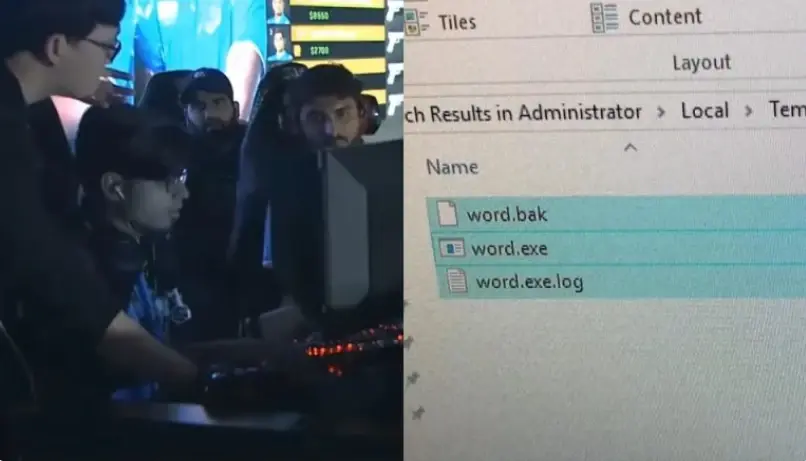
However, the emergence of DMA cheats temporarily rendered the principle that "cheaters will eventually pay for their actions" ineffective in many games. Since DMA cheats achieve their effects by accessing memory data directly through external hardware, they do not leave operational traces within the game like other cheats do.
Additionally, DMA cheat devices often disguise themselves as normal computer peripherals like hard drives or network cards, making them difficult to trace. To combat DMA cheats, the game official's technology, strategy, and determination to "fight cheats to the end and punish cheaters severely" are all crucial.
The reason for emphasizing the last point is that in PUBG's recent massive ban wave against DMA cheats, this final element of "determination" played a very important role.
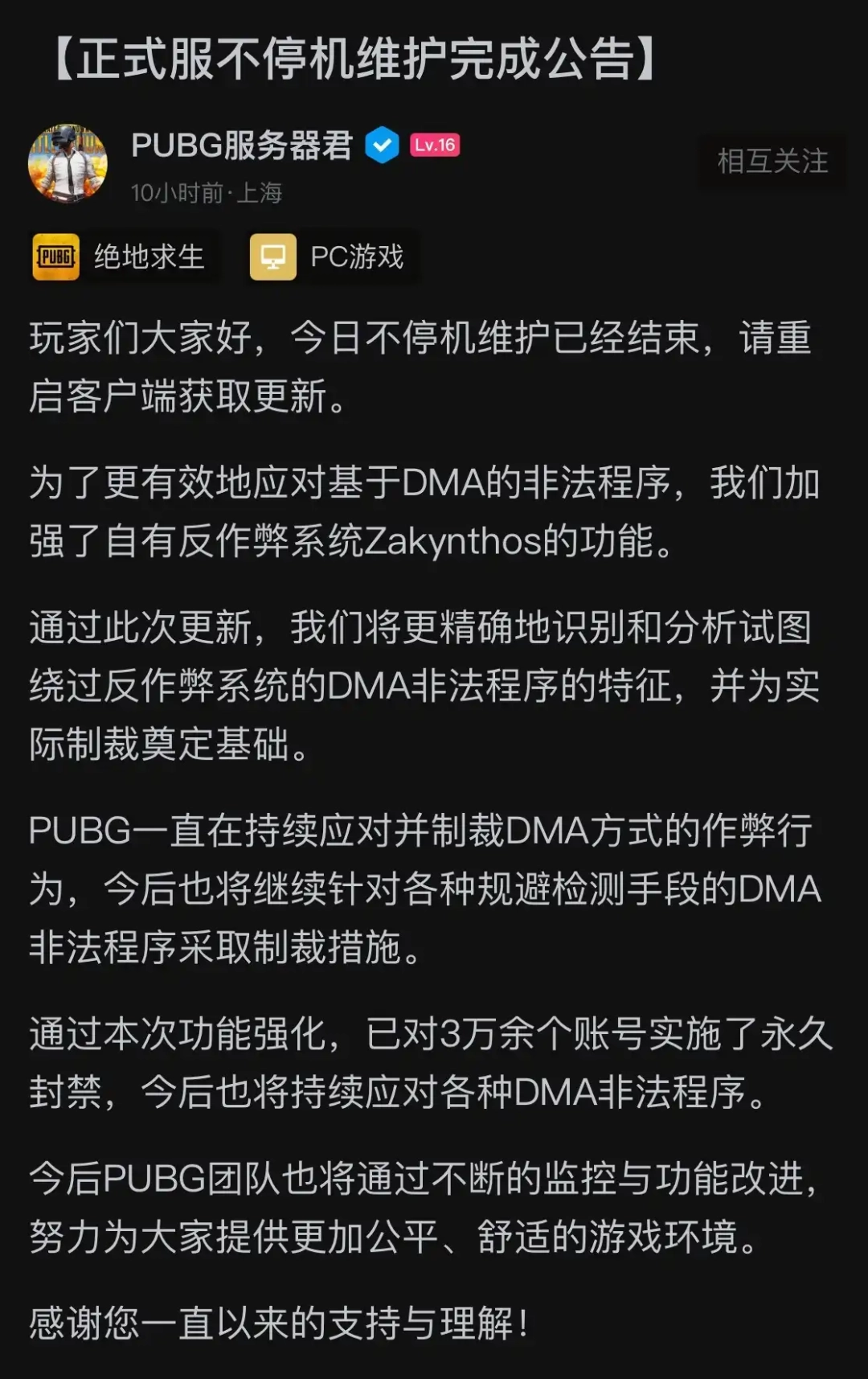
On August 6, PUBG underwent maintenance without downtime. This seemingly ordinary event directly triggered a storm among the user base cheating in PUBG with DMA hacks.
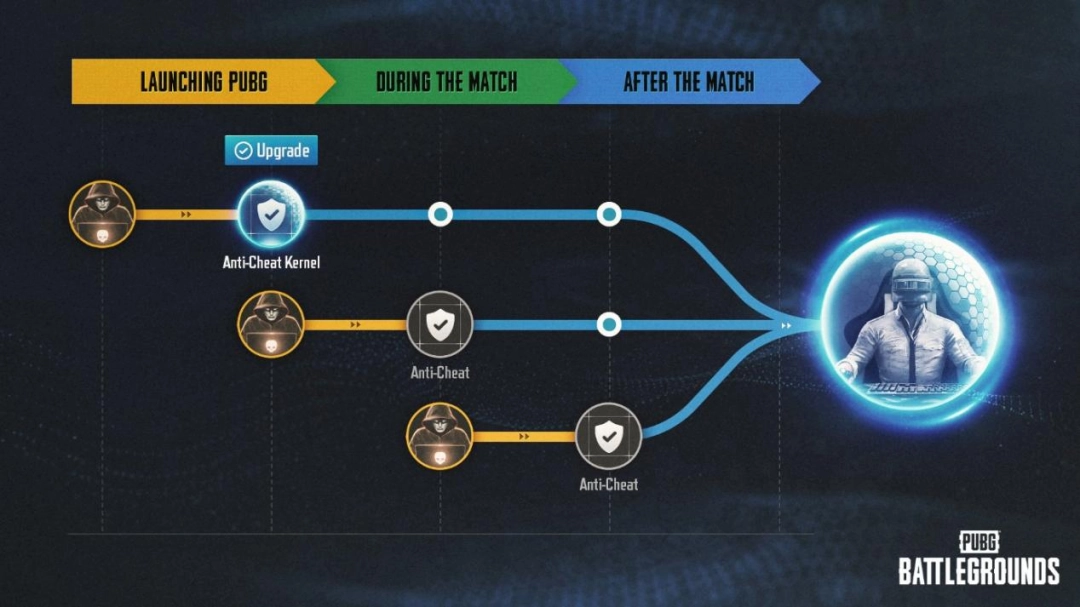
It turns out that during this maintenance without downtime, Krafton's self-developed anti-cheat system, Zakynthos, underwent an upgrade that implemented feature analysis for DMA cheat behavior. Since Krafton had not previously announced the Zakynthos upgrade, many "board users" who were using DMA cheats remained under the false impression that they were safe. They continued cheating on the day of the update, only to be caught red-handed by the updated Zakynthos, triggering this massive ban wave against DMA cheats in PUBG.
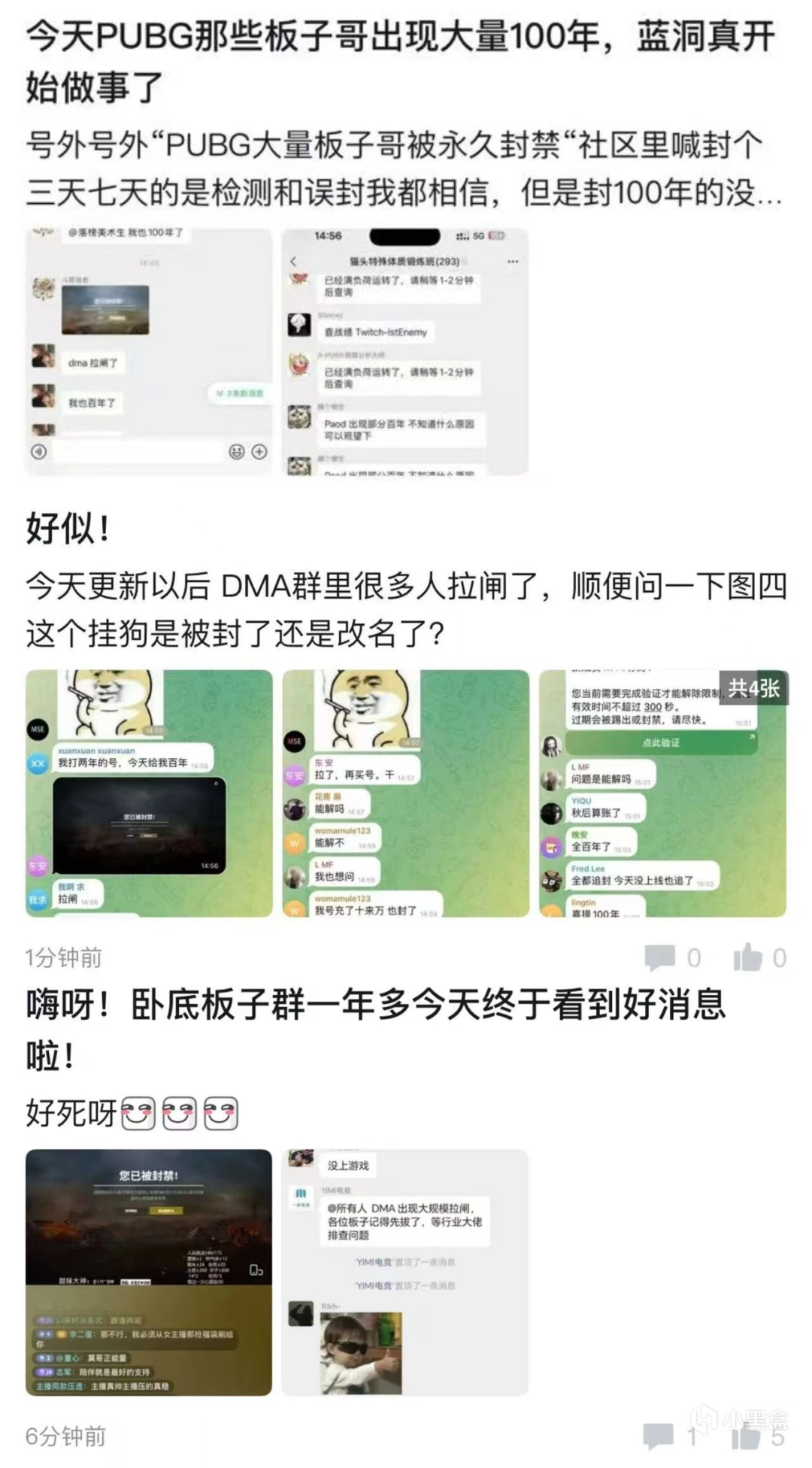
On the first day after the Zakynthos update, over 30,000 game accounts were banned for 100 years for using DMA cheats. Subsequently, players reported that permanent ban notifications for cheaters would occasionally pop up in the top right corner after entering a match. In fact, so many people were checking account ban statuses that related websites became inaccessible due to exceeding official rate limits from excessive traffic.
It can be said that this Zakynthos update delivered an unprecedented blow to cheats.
Furthermore, Krafton did not show leniency towards streamers on streaming platforms due to their status this time. According to community statistics, following the Zakynthos update, a large number of streamers caught cheating—whether they were major influencers with hundreds of thousands or even millions of followers, or "boss accounts" with inventories worth hundreds of thousands of yuan—were banned alike. It is said that some even received 100-year bans mid-stream, forcing them to end their broadcasts abruptly.
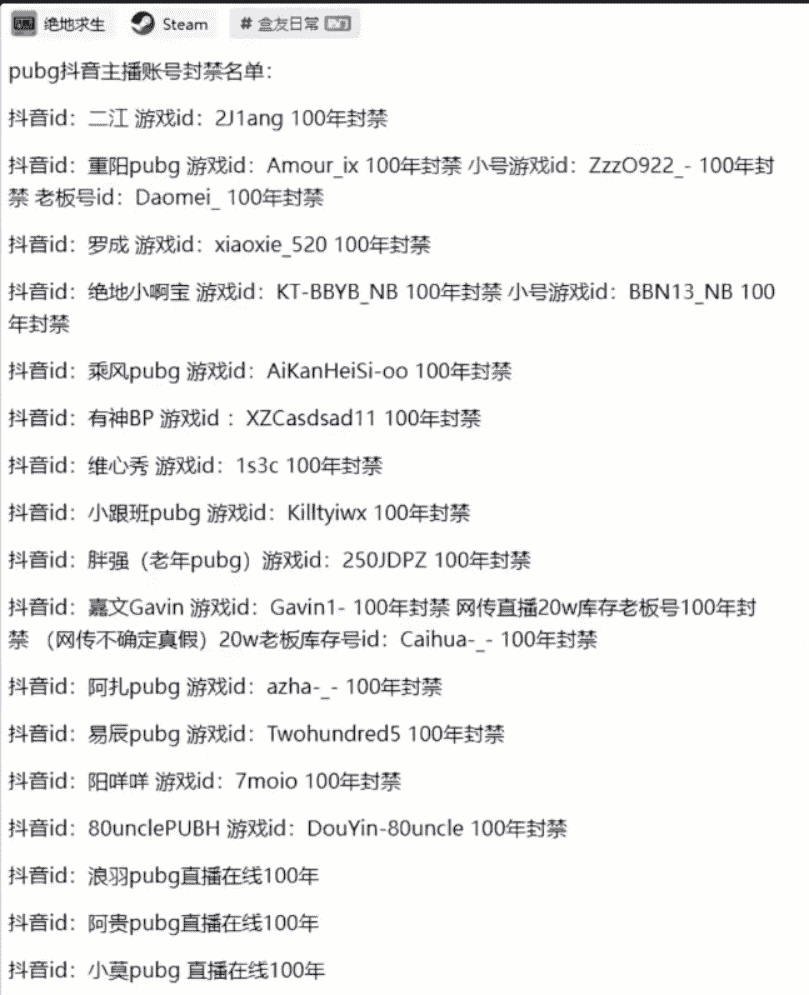
Beyond serving as a deterrent ("killing the chicken to scare the monkey"), this wave of bans against streamers also reflects Krafton's current stance on anti-cheat issues. The notion that "officials ignore cheating by partners with large follower counts because they need them to promote PUBG on various community platforms" has long been a controversial topic within the player community. This ban on cheating streamers across various platforms undoubtedly provides an answer to this longstanding issue: regardless of influence, if you cheat in PUBG, Krafton will take action.
Although immature technology and the inherently difficult-to-trace nature of DMA previously allowed some streamers to cheat with impunity while branding themselves as "technical streamers," technological advancements and Krafton's continuous efforts in anti-cheat are ensuring that PUBG will ultimately resolve its cheating issues, providing players with a cleaner gaming environment.

Moreover, although this massive ban wave benefited from the element of surprise against unprepared cheaters, it does not mean that DMA cheats will make a large-scale comeback after evolving. This is because shortly after updating the anti-cheat system, Krafton released a new developer diary interview stating that their self-developed anti-cheat system, Zakynthos, not only detects known DMA cheats and their associated abnormal behaviors but also introduces more functions to enhance anomaly detection and analysis capabilities. This allows Zakynthos to detect abnormal behaviors directly at the highest kernel level within the operational system.
In other words, whether DMA cheats attempt to disguise themselves as normal external hardware by modifying their identification information, or try to bypass detection by running before security programs, these actions cannot escape the monitoring of the updated Zakynthos. Moreover, this change indicates that Krafton has now established a mature anti-cheat governance model. Even new types of DMA cheats that may emerge in the future will still be analyzed and banned promptly by Zakynthos.
Although this massive ban wave against DMA cheats seemed sudden, relevant personnel had actually revealed during the "Omniscient View EP.7" livestream event in June, attended by PUBG Director Kim Tae-hyun and others, that the team had invested significant manpower and resources into anti-cheat efforts. They not only made substantial investments but also hired numerous relevant talents, expanding the entire anti-cheat team to several times its original size.

With a large number of DMA cheaters already banned en masse, looking back at the content from that time reveals that the various improvements promised regarding anti-cheat during the livestream were not just empty talk by Krafton to appease players. They have been implemented in reality, truly bringing a better and cleaner gaming environment to those who support PUBG.
Looking at it now, this incident has given me more confidence in the improvements regarding the "secondary password" mentioned in previous livestreams. Although legal issues related to phone numbers in different countries may delay the official launch of the "secondary password," the decisive anti-cheat actions taken this time lead me to believe that the various changes promised by the officials will be officially implemented in the game in the near future.
With such determination, I believe that PUBG, an eight-year veteran in the online gaming industry, will continue to thrive.