

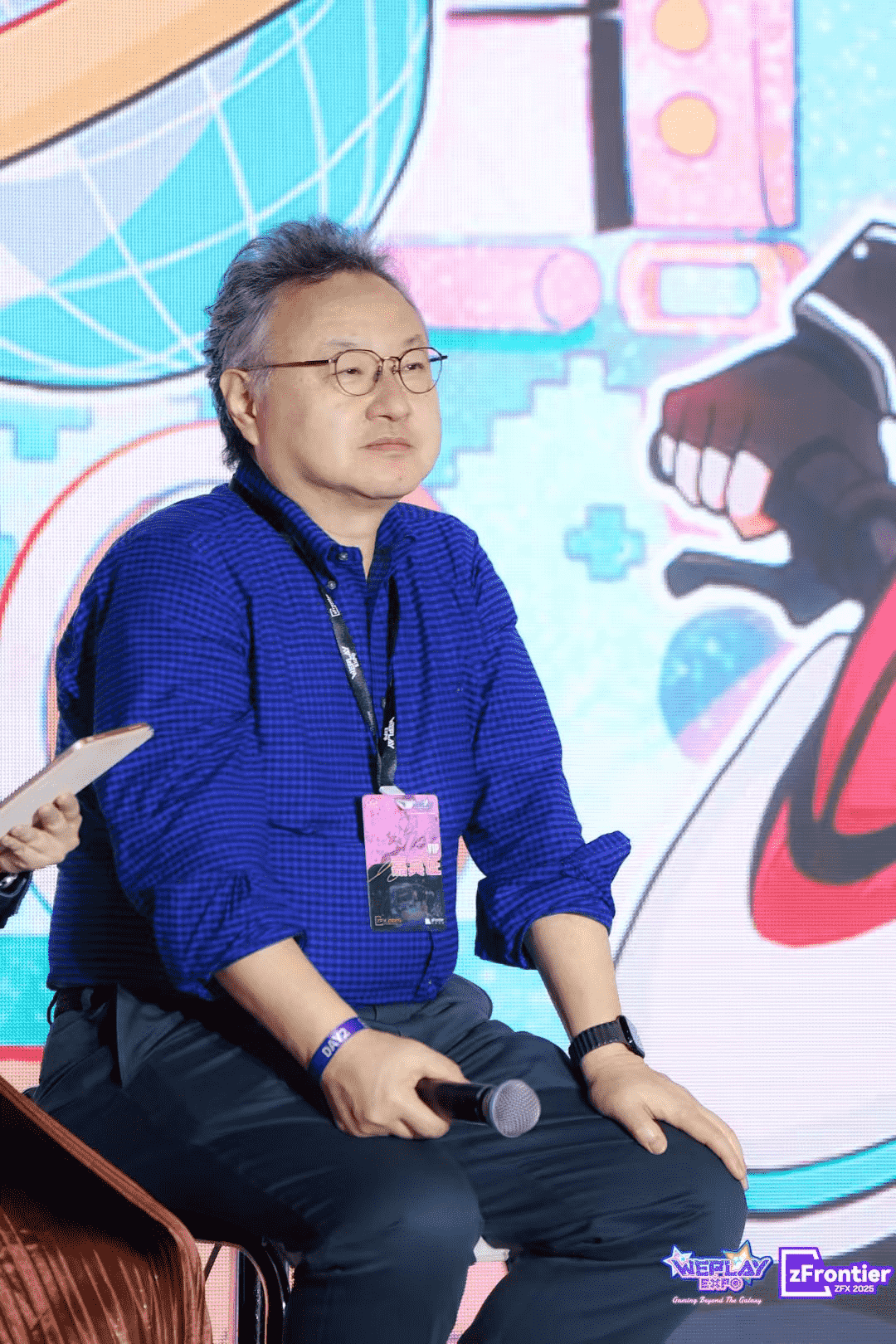
At the recently concluded WePlay exhibition, I had the honor of meeting a heavyweight guest—Mr. Shuhei Yoshida, former President of SIE. As one of the founders of the contemporary game industry, Mr. Yoshida places great importance on the development of indie games and has publicly stated on social media multiple times that he pays close attention to the current state of China's game industry.
For China's game industry, which has been reborn and is ready to step into a broader world, Mr. Shuhei Yoshida's opinions are undoubtedly valuable and highly referenceable. Therefore, within my capabilities, I asked him as many questions as possible for advice on China's game industry.
If you are seeking answers to related questions, I hope the content of this interview can help you.
Q: You have stated that your passion for game creation will not fade. After retiring, do you still plan to be deeply involved in the game industry?
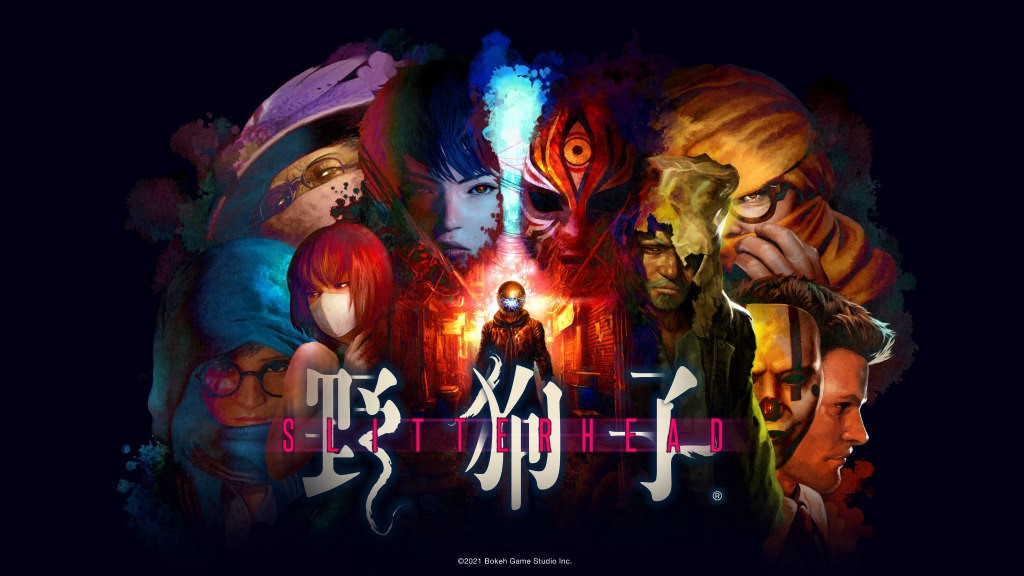
A:After retiring this January, I have mainly been working as a consultant in the game industry—connecting with indie game developers and publishers to provide consulting services and assistance. For instance, the team behind "Light & Shadow: Expedition 33" contacted me after becoming independent from Ubisoft. There are also similar indie projects launched by developers I knew from my time at SEGA after they left the company, but I cannot reveal details yet. Additionally, I served as a consultant for "Slitterhead," created by Keiichiro Toyama, the producer of "Gravity Rush."
Also, I serve as a judge for various game events, such as the Taipei Game Show and Tokyo Game Show... On average, I receive new games every month, which I then score and provide feedback on. Through this process, I get to encounter and play many new games. As everyone knows, the Tokyo Game Show has a dedicated indie game award. As a judge, I received over 1,500 indie games this year, of which I watched trailers or tried demos for more than 500. This process (of judging and providing feedback) is quite lengthy. Now that I have more freedom, I participate in more public events, making me busier than before.
Q: You strongly support the development of indie games. From your perspective, what role do indie games play in the entire game industry? Why hasn't the industry become dominated solely by major studio games?
A:First, I want to emphasize that indie games are a very important presence in the industry. For large companies, their works may attract more players, so they act as pillars of the industry. However, due to high development costs, they cannot make relatively risky or radical attempts. But since games are essentially a form of entertainment, if no new game modes or gameplay mechanics appear, players will eventually leave, and industry development will stagnate. Indie games take on this responsibility.
For indie game developers, although they bear significant costs during production, these costs are relatively low compared to AAA games. Therefore, they are willing to create new things in their own preferred ways. This is crucial.

For the industry, gameplay mechanics developed by indie games, once validated by the market, update the industry's established perceptions. Large companies can then showcase these mechanics with better resources—thus driving a new round of development for the entire industry.
Why hasn't the industry become dominated solely by major studio games? For example, both movies and music have their own awards and rating systems, but does that mean works not participating in them are not good?
Furthermore, for indie game creators, receiving support from many people and constantly feeling the interaction between players and developers is a unique experience. This drives them to continue their career. Indie games may have poor development conditions, with lower visual effects and production scale, but regardless of size, they can convey ideas to players. This is what makes games different from other media. Regardless of the developer's identity, they can connect with people around the world through their game's gameplay and receive their support. Therefore, this is an industry full of dreams.
Q: Do you think mid-scale (or so-called AA) games are facing new development opportunities amidst high-cost AAA games and the fiercely competitive indie game market? What is the key to success for teams with limited resources?
A:For example, "Light & Shadow: Expedition 33" is an AA game. Although its development cost is much higher than that of indie games, it is still far less than that of AAA games. This gives it characteristics similar to the indie games mentioned earlier—taking risks to try new ideas. The producer of "Light & Shadow: Expedition 33" believes that the turn-based RPG genre he loves has hit a bottleneck, and he wants to break through. With this idea and its corresponding development scale, this goal can be better achieved.
However, having said that, the development cost of AA games is objectively not low, so they cannot be as radical as indie game development. It is best to seek assistance from large game companies or other investors to ensure the project can proceed. For example, well-known AA games like "Stellar Blade" and "Split Fiction" were developed using this model.

Q: You have participated in game selection events many times and have a deep understanding of the game industry. At what stage do you think China's game industry development currently stands?
A:Chinese games are currently receiving worldwide attention. I believe the starting point of this trend was the launch of "Genshin Impact." As a cross-platform game spanning mobile, PC, and console, it was very innovative within the industry. Later titles like "Wuthering Waves" and "Arknights: Endfield" also inherited this characteristic.
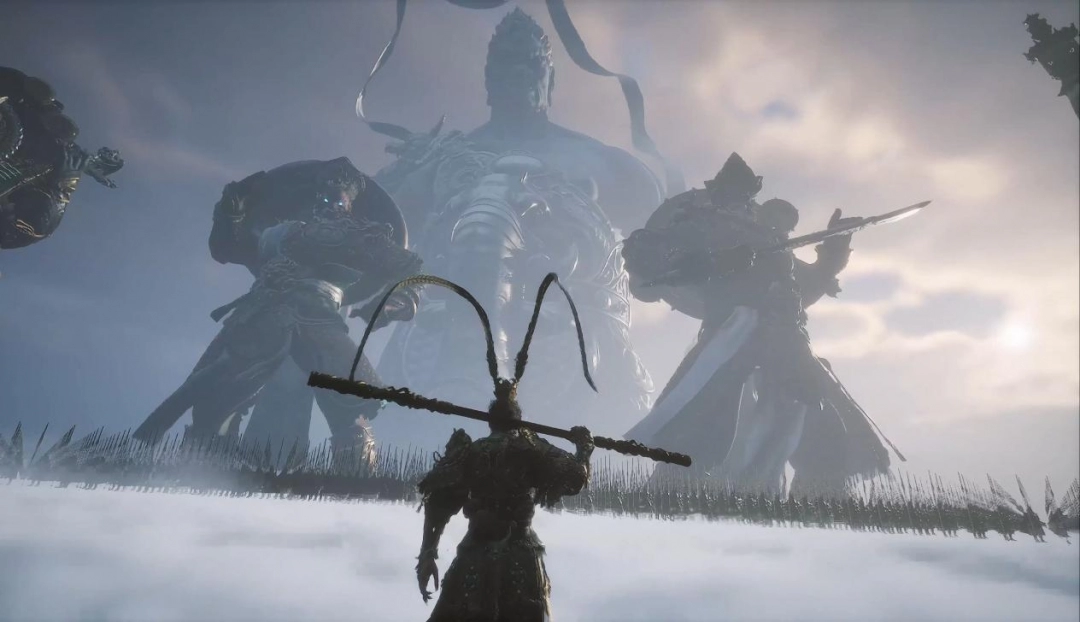
In addition, Chinese cultural-themed action games like "Black MYTH - Steam Edition: Wukong," "Phantom Blade Zero," and "Loulan: The Cursed Sand" are being accepted by players worldwide.
I also look forward to seeing better development for Chinese indie games. Currently, there are no Chinese indie games with significant global influence, but after visiting the WePlay exhibition today, I saw many promising Chinese indie games—so I am still very much looking forward to that day.
Q: In recent years, Asian game developers have been rising vigorously, producing many remarkable works. Whether it's China's "Black MYTH - Steam Edition: Wukong" or South Korea's "Lies of P" and "Stellar Blade," they have all shown strong momentum. In your opinion, what unique advantages do these new-generation Asian game developers have compared to Western manufacturers?
A:Currently, Chinese games are second to none worldwide in the cross-platform sector. If we talk about advantages, this category of games is undoubtedly China's greatest strength right now.
Furthermore, "Black MYTH - Steam Edition: Wukong" and "Phantom Blade Zero" are also worth mentioning. Action games are made worldwide, but these Chinese action games integrate unique Chinese culture, making players around the world feel novelty and consider them creative—and this is a very suitable entry point for new-generation Asian developers.
Combining these two characteristics, we can say that current Asian game developers do not need to blindly imitate the development path of the West. Instead, they can forge their own path by exploring routes others haven't taken.

Q: You are also a gamer. How do your preferences change at different ages? Do you think that as players age, more segmented game types targeting specific age groups will be released?
A:Regarding my personal experience, I initially liked side-scrolling games like "Super Mario," then moved on to RPGs such as "Dragon Quest" and "Final Fantasy." Later, I played "Souls-like" games, card games, and many online games. Personally, I try every genre. As times change, game modes become more diverse... So, this process is likely to continue indefinitely.
For younger age groups, the situation in China and Japan should be similar. Children today have many ways and devices to play games. Many play with friends or try games recommended by their favorite streamers. However, due to the existence of anti-addiction systems, Chinese children may face some restrictions on gaming time and available genres, but overall, it should be quite similar.
Q: Currently, Xbox is promoting its "Xbox Play Anywhere" service, and SIE is gradually abandoning the strategy of permanent exclusivity. From your perspective as an industry veteran, will consoles gradually lose their dominance in the future, or will they maintain their current performance?
A:Currently, Xbox has introduced such new services, and PlayStation has added time limits to exclusive games. I think your question is mainly directed at these two platforms—because as we all know, Switch does not have this issue; it is different from these two platforms.
Discussing based on this foundation, Xbox has indeed shifted its focus from hardware to publishing and building its own gaming platform, changing its strategy. However, for PlayStation, first-party games—especially single-player games—will still follow the model of launching on the PlayStation platform first, followed by releases on other platforms later.

For PC players, they can also play these high-quality first-party titles after waiting for a while. So, if these players are willing to wait, they just need to wait for the timed exclusivity to end; there is no major need to specifically buy a PlayStation for this reason. Nevertheless, I believe consoles will not disappear. For example, PlayStation can be played on a TV in the living room or on a monitor in a separate room, offering a wide range of usage scenarios. Additionally, the hardware cost of PlayStation itself is relatively low, which is its biggest advantage.
As for how consoles will evolve in the future, I cannot say for sure now, but PlayStation's policy remains to provide players with the best gaming experience. PlayStation will continue to develop and offer products and services supporting visual effects like 4K and 240Hz. If the Switch 2 launches in mainland China, it should bring more new players into the console user base.