

It's time again for my favorite segment of nostalgic reminiscence.
Real-Time Tactics, or RTT games, are in a much worse position than before. It's not that the genre has declined, but compared to the rapid advancements in the industry, its craftsmanship no longer matches its potential; others have far surpassed it. Describing it as lethargic isn't accurate; it's more like being trapped in a portrait, where a fireball hovering not far above the ground is frozen in time. When the sun rises and sets, there is a period when you can't tell if it's climbing up or falling down.
The "Commandos" series should be included in relevant professional textbooks, as it greatly benefits our understanding of the evolution and iteration of game genres. From the pioneering first installment, to the comprehensive second, to the increasingly action-oriented third, and finally to the completely transformed and disappointing sequel, and then... and then it made a comeback. I haven't studied business, but this resurgence should have been traceable. Just as toy manufacturers can predict long-term trends from early signs, nostalgia and sentiment seem to follow a tidal law; demand doesn't disappear, it just gets stuck in low tides, and one day it will wash ashore again.
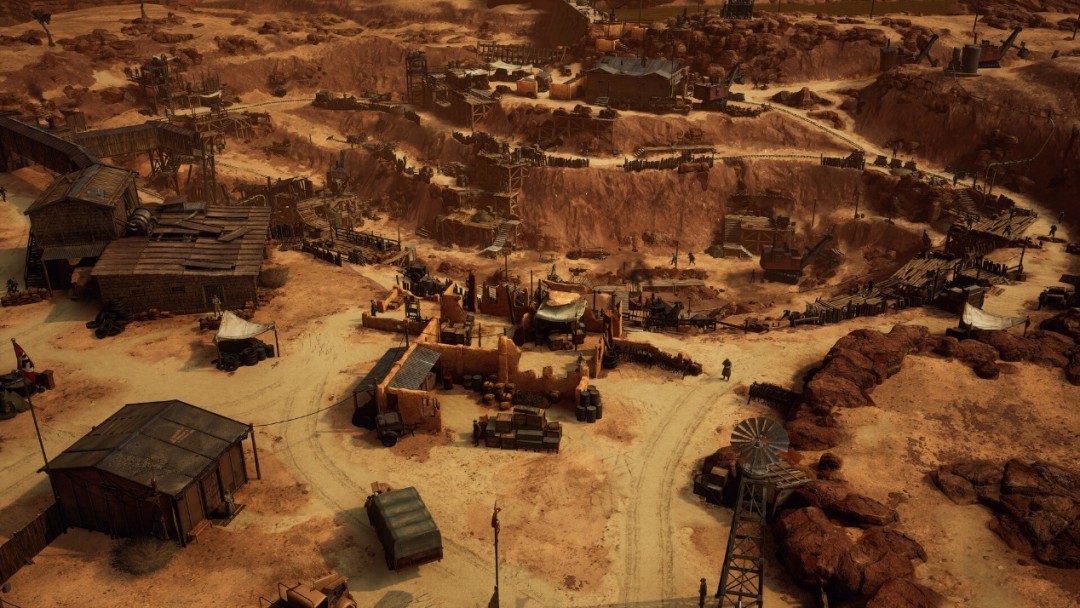
Unfortunately, Commandos: Origins was born during a second ebb tide. It didn't do anything wrong, but the principle of "advance or retreat" doesn't apply to it—in such a receding tide, even moving forward is a form of retreat. Unlike swimming against the current, this is drifting downstream. It can be called brave, or it can be called untimely.
Since it's "Origins," it likely means the game has a strong "old-school" feel, or so-called authentic flavor. This is a somewhat ambiguous statement; it can be seen as respecting nostalgia or as being stuck in old ways. In fact, both are correct. It sells this superposition. Some people opened the box twenty years ago, and the cake inside hadn't rotted. Others are just opening the box today and find it utterly repulsive.
I've always wondered at what stage a game genre can be considered truly dead. The answer is precise: when no one plays it anymore. By this standard, real-time strategy hasn't died; its community has always been very active. But forming this answer requires a process. If an audience always exists, why would creators abandon it? Did it cool down gradually, or did it snap off cleanly like breaking a sugarcane stalk?
This is probably one of those truths that can't be fully explained to others; you have to manage a game as a project yourself to understand the reasons. So, regrettably, this interview didn't yield the answer process I was looking for—perhaps such a process doesn't exist, and they simply did what they wanted to do.
This raises another question: why can they do what they want? There are so many people in this world; how many can do what they want? And how many dislike their jobs? Yet most people never think about this issue.
Perhaps it's simpler to understand Commandos: Origins as a rare business decision—they just had a high probability of failing.
Q: As a classic IP with over twenty years of history, what was the catalyst for deciding to reboot "Commandos"? What do you think is the core appeal of this classic IP to today's player base?
A:"Commandos" has always been the kind of game that stays with you—years later, you still remember its challenge, unique style, and atmosphere. Rebooting this IP stems not only from nostalgia but also from our realization that this game mechanism, requiring strategy and wisdom, still fits today's gaming ecosystem. Players are craving deeper strategic experiences again, and Commandos is the perfect choice. We hope to breathe new life into the classic through a new interpretation that respects the original while appealing to modern aesthetics.
Q: Considering the long-term limited market size of the Real-Time Tactics (RTT) genre and factors of return on investment—was the decision to reboot the "Commandos" IP driven more by considerations of sales targets for the new title, or by sentimental drive for series heritage?
A:This was primarily a sentiment-driven decision. If purely pursuing commercial returns, Commandos might not have been a priority. This was an adventure filled with passion—we desired to resurrect a classic we truly loved, rather than just meeting commercial goals. Love for the IP is far more convincing than financial statements.
Q: Could you briefly explain the positioning of Commandos: Origins within the series' timeline? Especially regarding narrative and world-building settings?
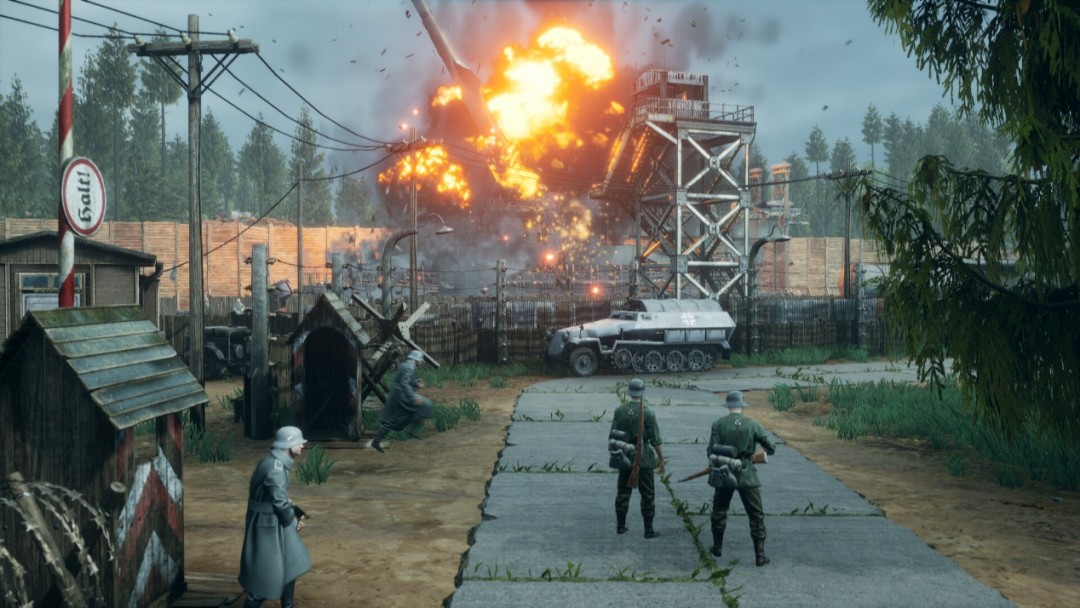
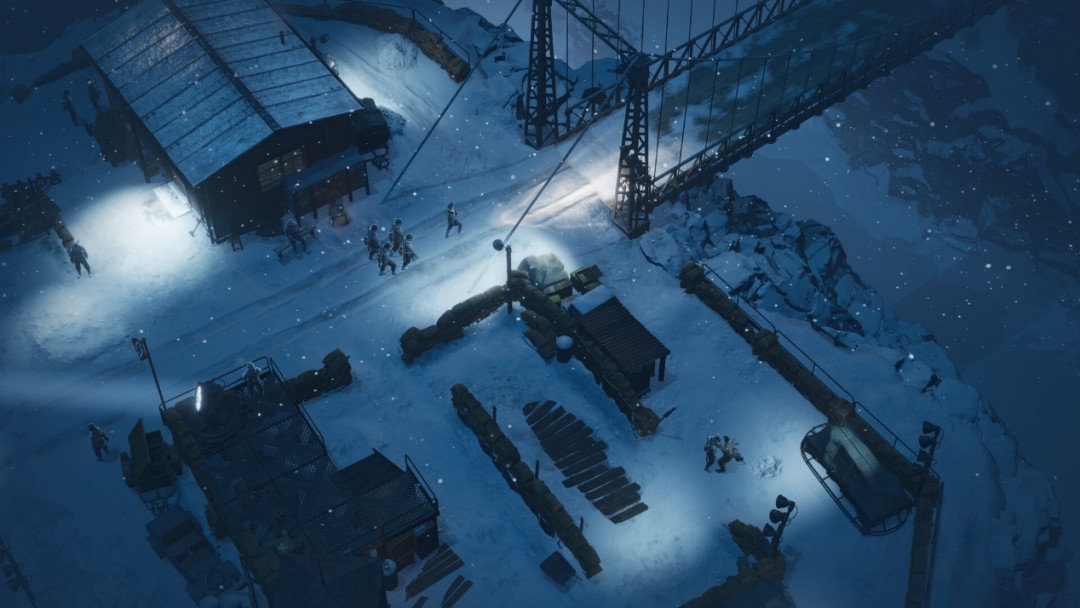
A:We will tell the story of how this task force was formed and grew. When Commandos: Behind Enemy Lines was released in 2001, its first mission began in February 1941. This title moves the timeline back to June 1940, starting with Thomas Hancock, nicknamed "Sapper," recruiting his first member—Green Beret Jack O'Hara. As missions progress, the six classic characters will gradually assemble, and finally, players will command the full squad to complete 14 carefully designed campaign missions.
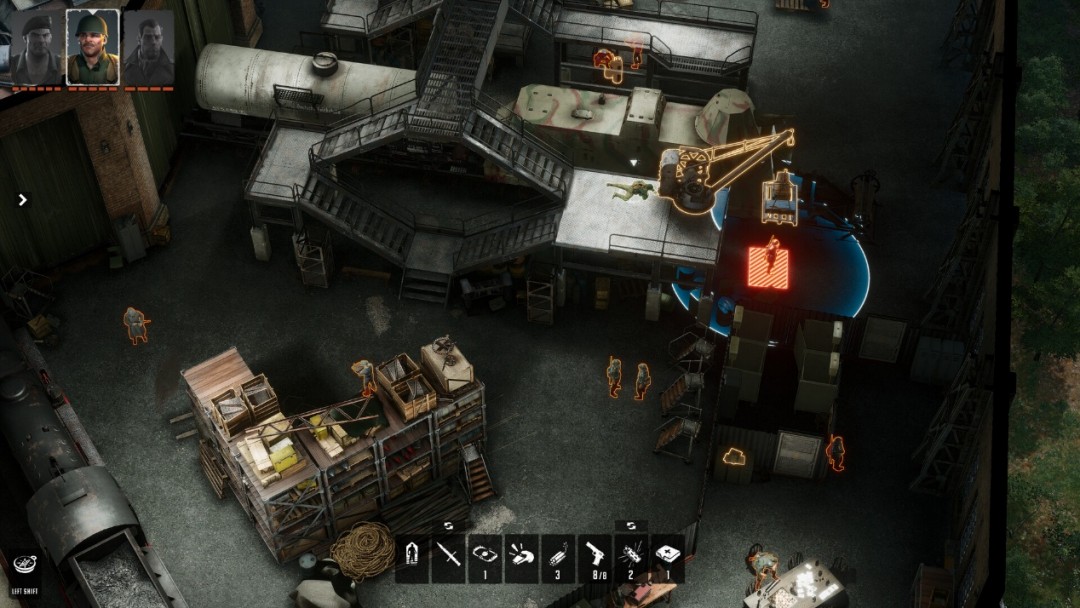
Q: As a reboot of a classic IP, what key modernization improvements were made to the gameplay design of Commandos: Origins to meet the needs of modern players?
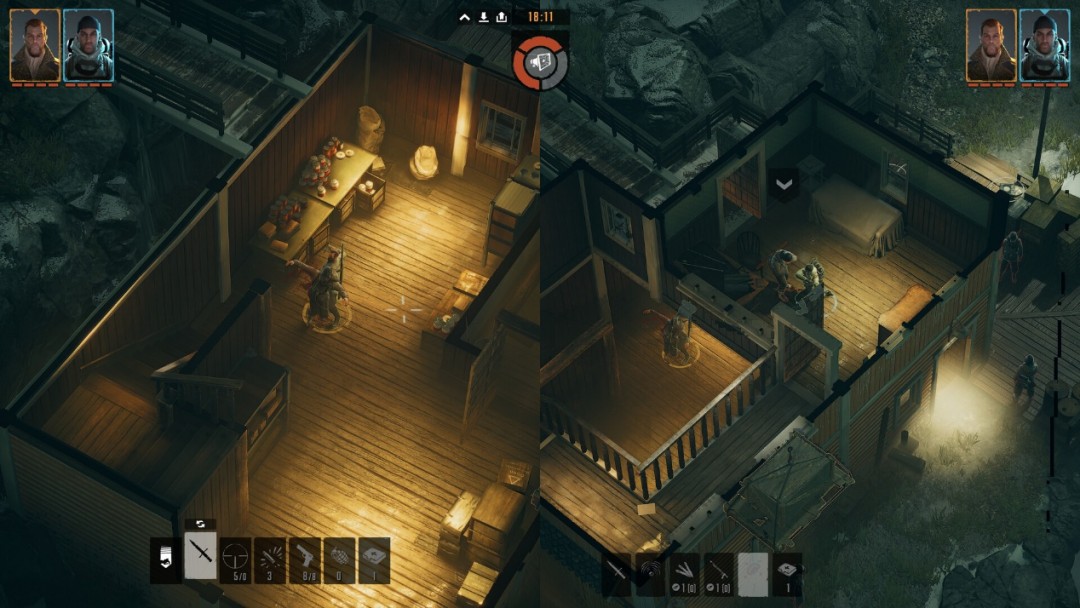
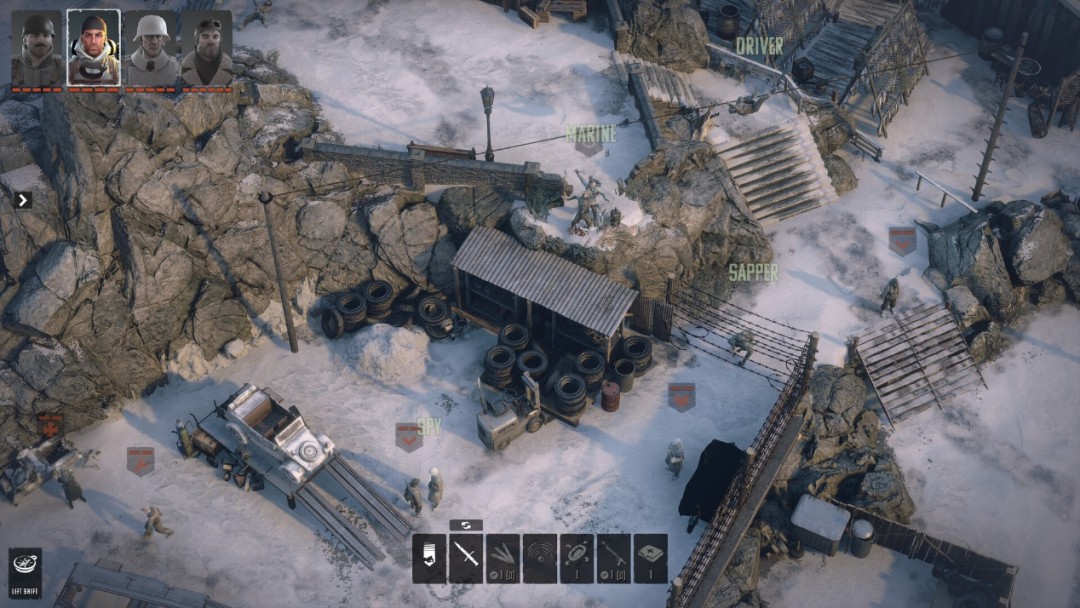
A:Staying true to the series' pioneering core mechanics of tactical real-time strategy is our primary principle. Meanwhile, we have improved visual quality—beautiful pre-rendered graphics were already a significant feature of previous titles. Modernizing the control system was imperative, especially considering controller adaptation needs for console platforms. The UI interface has been completely revamped, adding various customization options—newbies can enable auxiliary icons, while veteran players can choose a streamlined mode. Notably, we designed larger battlefield maps, paired with secondary objective systems, providing diverse tactical choices for each campaign mission.
Q: Why did Commandos: Origins not retain the inventory system from the old trilogy (particularly pioneered in Commandos 2: Men of Courage)?
A:We used the first installment as our design blueprint, retaining only features that enhance the gaming experience or meet reasonable modernization needs. The traditional grid-based inventory system requiring item management does not align with our design philosophy. Instead—players can still gather supplies on the battlefield, and although there is no backpack, a more intuitive item management system is achieved through a modernized UI interface.
Q: Personally, compared to the flat design popular in modern games, I prefer the skeuomorphic UI style of classic games. What were the key factors that prompted Commandos: Origins to shift towards a minimalist aesthetic design?
A:The decision to adopt a minimalist UI design stems from research into modern gaming trends—we want to provide players with options to customize interface elements, allowing them to display only key information according to their personal preferences.
Q: In the process of remaking classic games, how do you balance "preserving the essence of the original" with "innovative breakthroughs"?
A:Given that this is the first reboot after many years of silence for the series, we chose to preserve the essence of the original to the greatest extent, making modernizations only where necessary. We will collect feedback from players worldwide based on this release to serve as a reference for the direction of future sequels.
Q: Finally, do you have any words for Chinese RTT players?
A:We are delighted by the enthusiasm shown by the Chinese RTT player community; we are deeply honored by the attention given to this title by the Chinese gaming community.
This support will inspire us to keep moving forward.