

Speaking of "typing games," or "typing training software," most people born in the 80s or 90s would probably first think of "Police Catch Thief" from Kingsoft Typing, or perhaps SEGA's "The Typing of the Dead" released in 2000. But regardless of which one, they all seem to carry a heavy sense of history today.
Perhaps due to the rapid development of the internet and smartphones, contemporary Chinese computer users no longer seem to need to specifically devote time to edutainment software disguised as games, causing memories of typing games to gradually fade away.
However, in Japan, people's enthusiasm for "typing training" has never cooled down. From "The Typing of the Dead" on Dreamcast, to "Pokémon Typing" on DS, and then to the once-popular FLASH free game "Sushi Da," this old-fashioned edutainment software has been endowed with greater fun and spectatability through the transformation of media and forms of expression, becoming a special favorite in game livestreams.
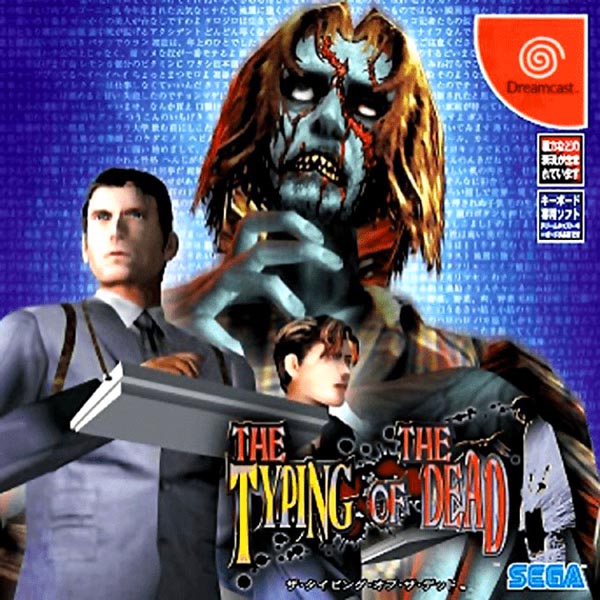
While some saw the livestreaming potential in "typing software," others saw possibilities for expansion. At this year's BitSummit in Kyoto, I encountered a game that wore the guise of a "typing game" but actually played with a spiritual core far removed from "edutainment."
At the Dyping Escape booth, you won't see any flashy decorations or conceptual displays. Besides two computers for demos, there was only a booth poster with an all-black background—the top of the poster featured a pair of simple white line-drawn eyes, with a line of eerie text written in Japanese below them: "I am watching you."
But this overly plain game poster did serve as good promotion; almost every passing player couldn't help but glance over, wanting to see what made this "typing game" so special.
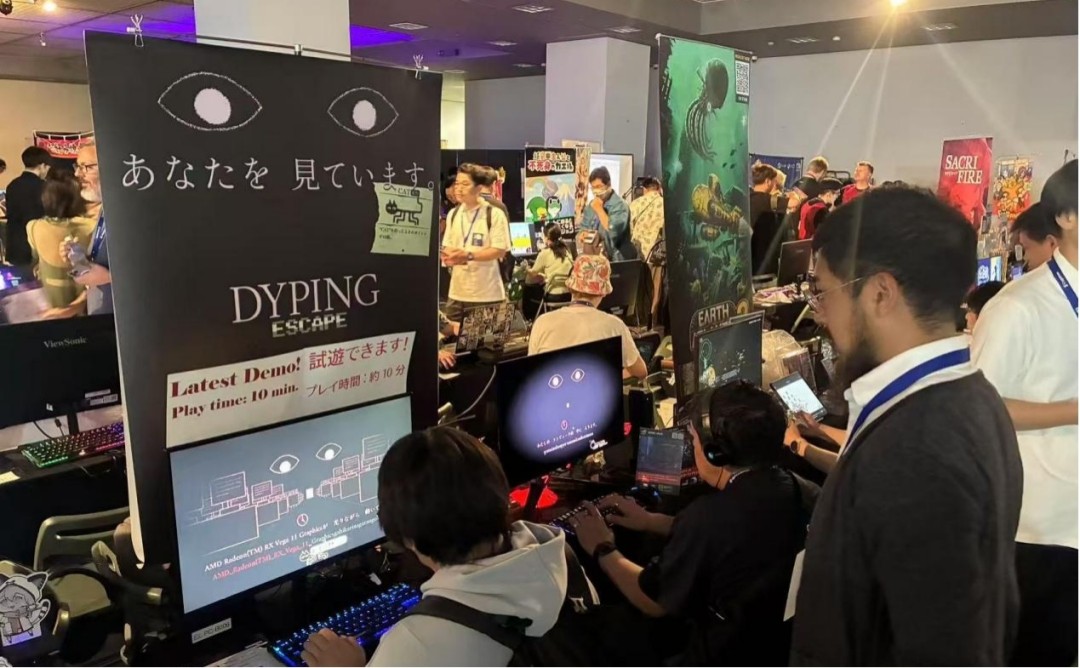
Like most "typing games" on the market, the rules of Dyping Escape are very simple: players just need to quickly input the corresponding phrases based on the information displayed on the screen to progress. However, what sets Dyping Escape apart from other "typing games" is the existence of the "GameMaster" (hereinafter referred to as GM), which is the pair of white eyes on the game poster.
Initially, this GM seemed like an interesting guide. It would ask players to input their name and date of birth, but just as you precisely entered the last two digits of your birth date, it would suddenly interrupt your input, jokingly telling you not to easily leak personal information to others.
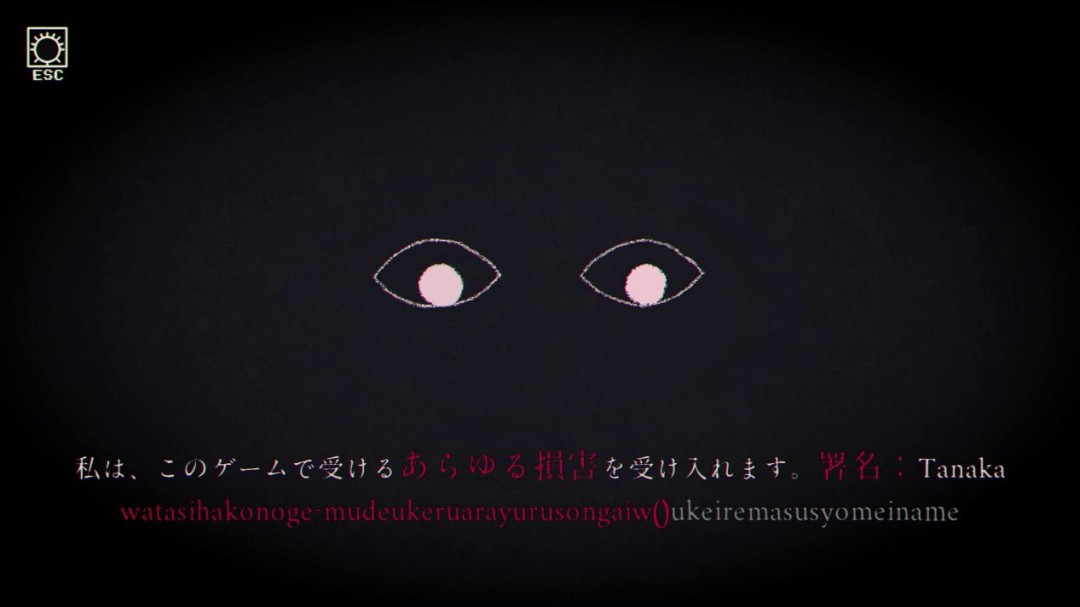
"I am willing to bear all the harms this game may cause"
But soon, the direction of Dyping Escape began to develop towards something uncontrollable. Under the GM's half-deceptive, half-coaxing guidance, players were forced to type phrases on the keyboard such as "I really enjoy this typing game," "I am willing to bear all the harms this game may cause," and "I allow this game to access my personal computer," which clearly went beyond the scope of "typing practice."
When realizing what had happened, the sentences typed by the player had already been compiled by these eyes into a signed contract. By this point, it was too late for Everythinggj—congratulations, control of your computer has been seized by these evil eyes, and after a series of unnatural screen flickers, the game interface transitioned into a strange cyberspace, with the example sentences becoming increasingly extreme.
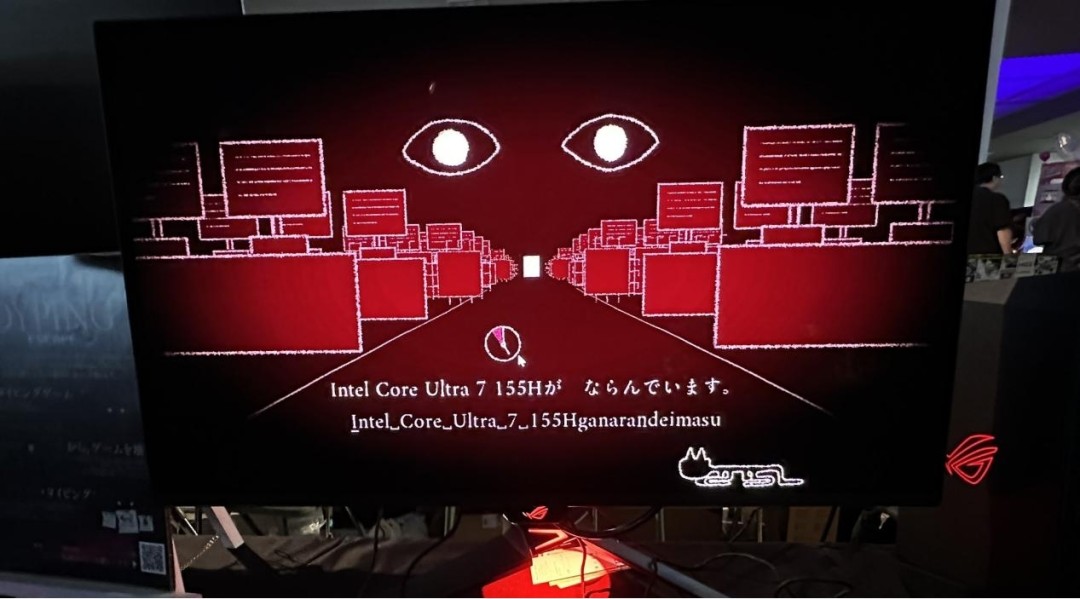
Searching for player hardware information
"Please destroy the computer's CPU"—soon, the computer hardware being used by the player was displayed on the screen. If you continue to input information following the text shown on the screen, key hardware components of the computer will be destroyed one by one... Watching the computer screen gradually distort, I finally began to feel relieved: thankfully, this wasn't my computer.
Just as the literal translation of the game title "Dyping Escape" suggests, rather than saying the purpose of this work is "typing," it is more accurate to say it is about using every means to escape the GM's evil plan. In the game, all the information typed by the player will turn into weapons against themselves—to this end, you must comply with the GM's example sentence requirements while looking for opportunities to counterattack.
Just as I was at a loss due to the GM's repeated demands to destroy hardware, the developer standing behind the booth gave me a hint: "You can try the mouse—"
As a game using "typing" as a pretext, the "mouse" indeed became the biggest blind spot without anyone noticing.
While gaining control of the mouse, a cat drawn with similarly simple lines at the bottom of the screen caught my attention. It seemed to notice the player on the other side of the screen as well. Regarding the GM's evil demands, its suggestion was to "generate a 'Skip' option at the program level." After saying this, a "Skip" button spontaneously appeared in the center of the screen—at this point, the player finally temporarily escaped the crisis of "hardware destruction."
Realizing the situation had exceeded its control, the GM appeared surprised and angry—this time, it directly froze the player's mouse movement permissions and started a new round of the typing game.
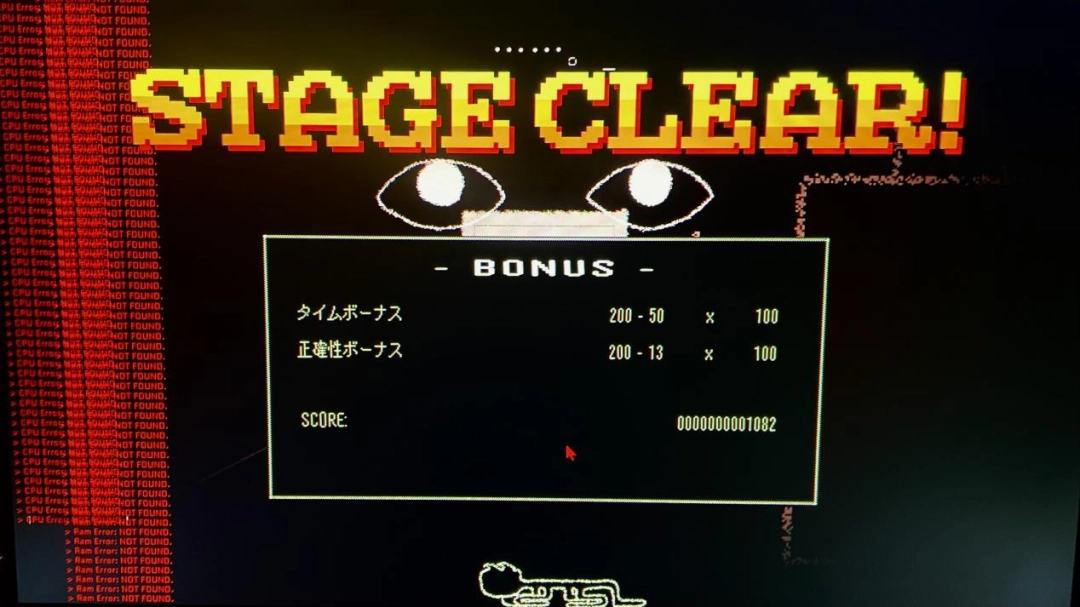
And when the example sentences in the scene approached the core again, the cat added another stroke for us at the program level: players could use the arrow keys on the keyboard to move the frozen mouse. The consecutive skips finally made these eyes lose patience, and the game ended with "Level 1 Cleared." But looking at the contract still held in the GM's hands, I understood: the story is far from simple—what is the GM's ultimate goal, what kind of vicious demands will it make of the player, and what is the cat's true identity? These puzzles seem to only be answerable through the full release.
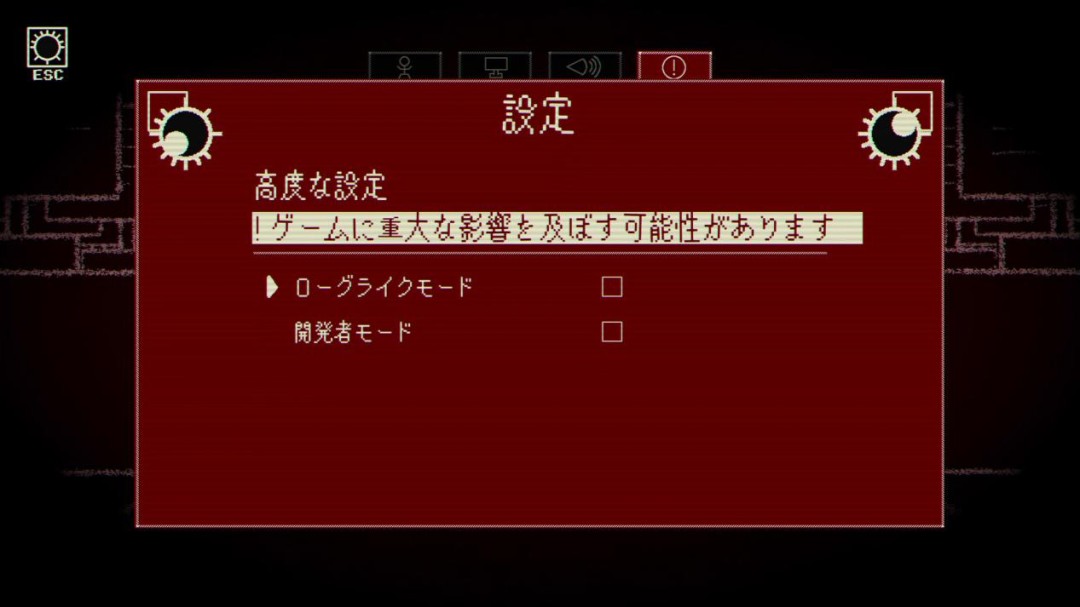
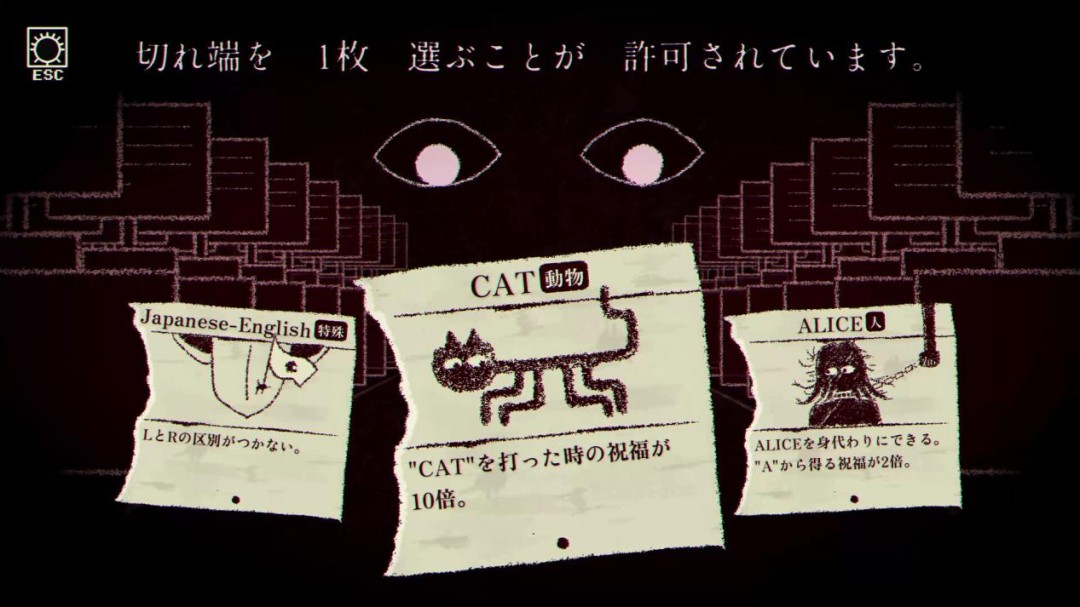
The developer told me that "typing" is the core of this work, but it also serves the story and presentation. In the future full release, they will add certain "roguelike" gameplay elements based on the current content. At that time, players will be able to find breakthroughs for counterattacks from the example sentences displayed by the GM, giving the matches themselves stronger replayability—typing gameplay and META storytelling will not be the only highlights of this work.
Finally, I didn't forget to ask him about the localization plans for Dyping Escape in other language regions.
Since this title was originally a small-scale work published on a free game website, the demo version at BitSummit only offered Japanese and English languages. However, when faced with my questions, this indie game team remained confident, seeming to have Everythinggj under control—"How to integrate Chinese into the game is exactly what we are prioritizing right now."
Currently, Dyping Escape is still in development and is expected to be released within 2025.