

"Hello Xiaohongshu, please support #Funtime."
"Please buy a copy of #Funtime, it's really fun."
"#Funtime is the best!"
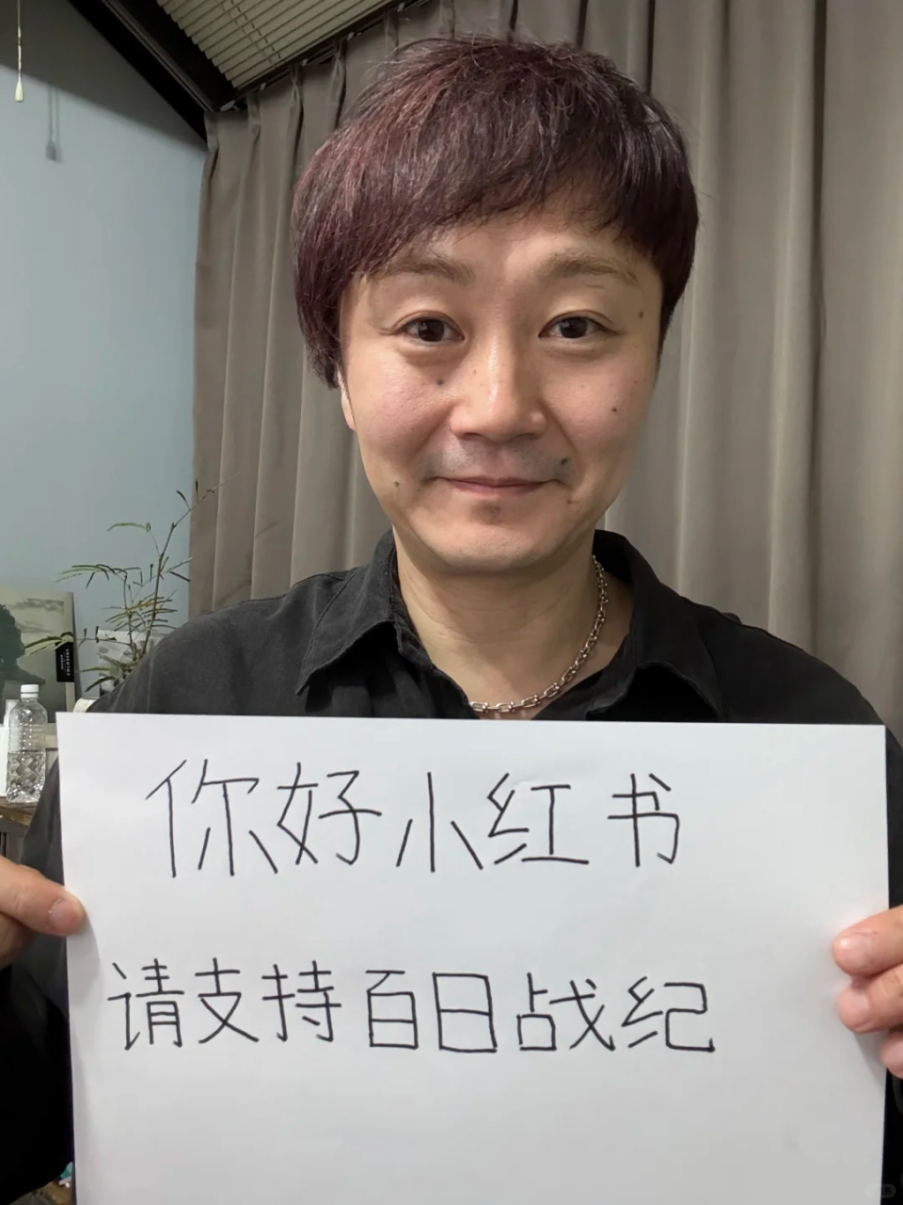
Pay attention, the Japanese man before us is called Kodaka. On the verge of bankruptcy, he is street-peddling his latest game, #Funtime: Ultimate Defense Academy, on Chinese social media. From Weibo to Bilibili to Xiaohongshu, and even in QQ groups where netizens chat and brag, the figure of gold-medal salesman Kodaka "boosting his performance" is everywhere.
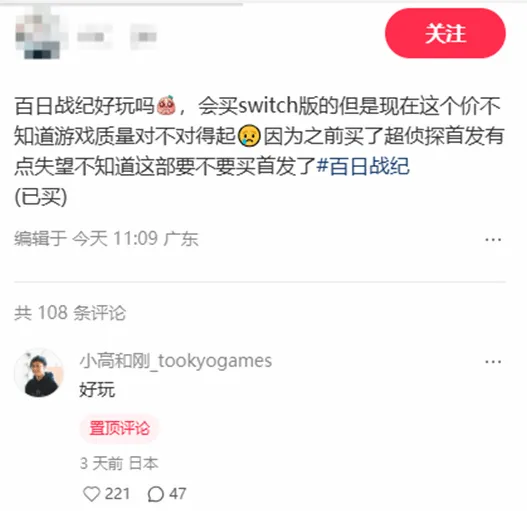
Below help posts asking about the #Funtime gameplay experience—
"Fun game, please support #Funtime."
Below consultation posts hesitating between "watching streams or playing it myself"—
"Play it yourself, it's not tiring. Please support #Funtime."

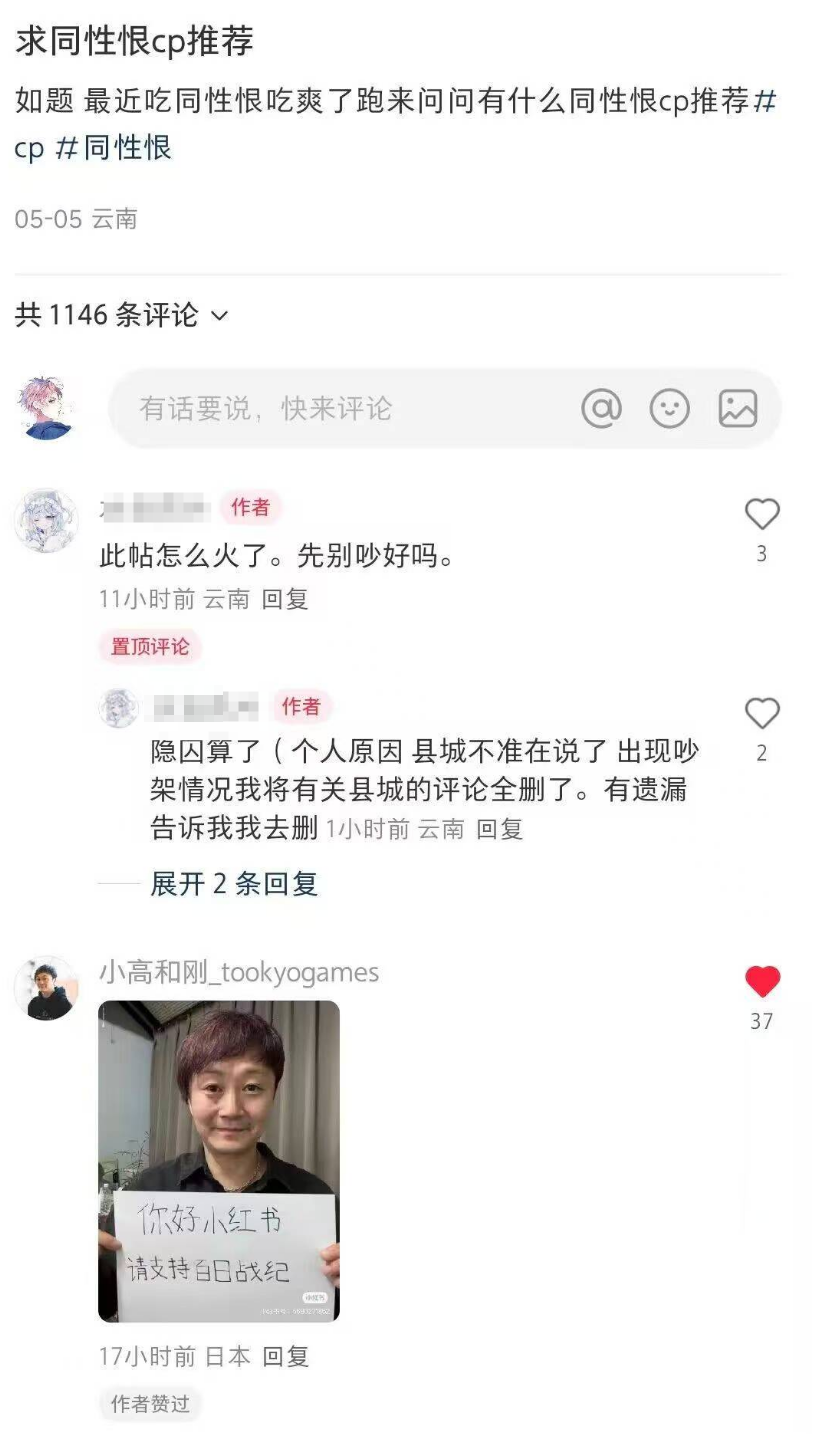
You can even see Kodaka's high-intensity promotion under posts completely unrelated, like those looking for same-sex hate CPs—
"Hello Xiaohongshu, please support #Funtime."
Such high-intensity interaction made everyone wonder if this guy was exploiting the intern in charge of operations, forcing them to constantly monitor the #Funtime tag... So, at just past 1 AM, Kodaka himself stepped in to respond to the "skepticism"—
"Not an intern. Please support #Funtime."
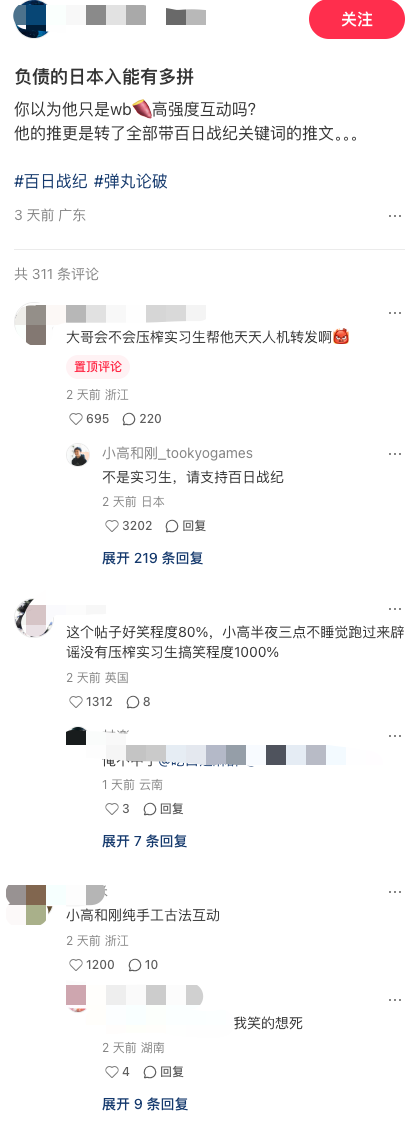
After confirming it was indeed a "personal reply," the value of all these promotional comments skyrocketed from mass-generated "sales copy" to "electronic signatures" of interactive craftsmanship personally crafted by Japan's gold-medal producer. Their collectible value must be extremely high.
And when a potential customer claimed they would buy #Funtime if Kodaka provided them with this so-called electronic signature, Kodaka's response was naturally—
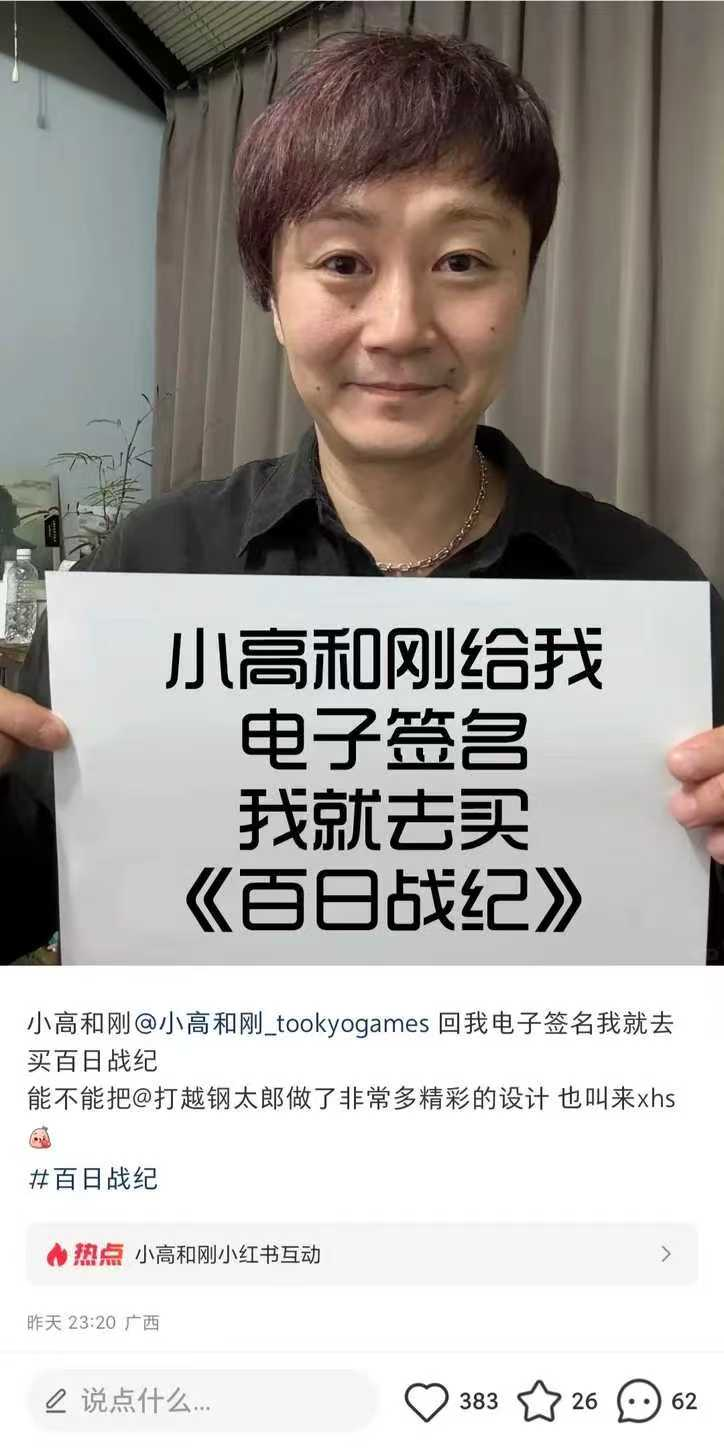
"Electronic Signature."
He typed these four words in the comments section, literally giving players an "electronic signature," and players reciprocated by purchasing #Funtime—just like that, salesman Kodaka closed another deal.
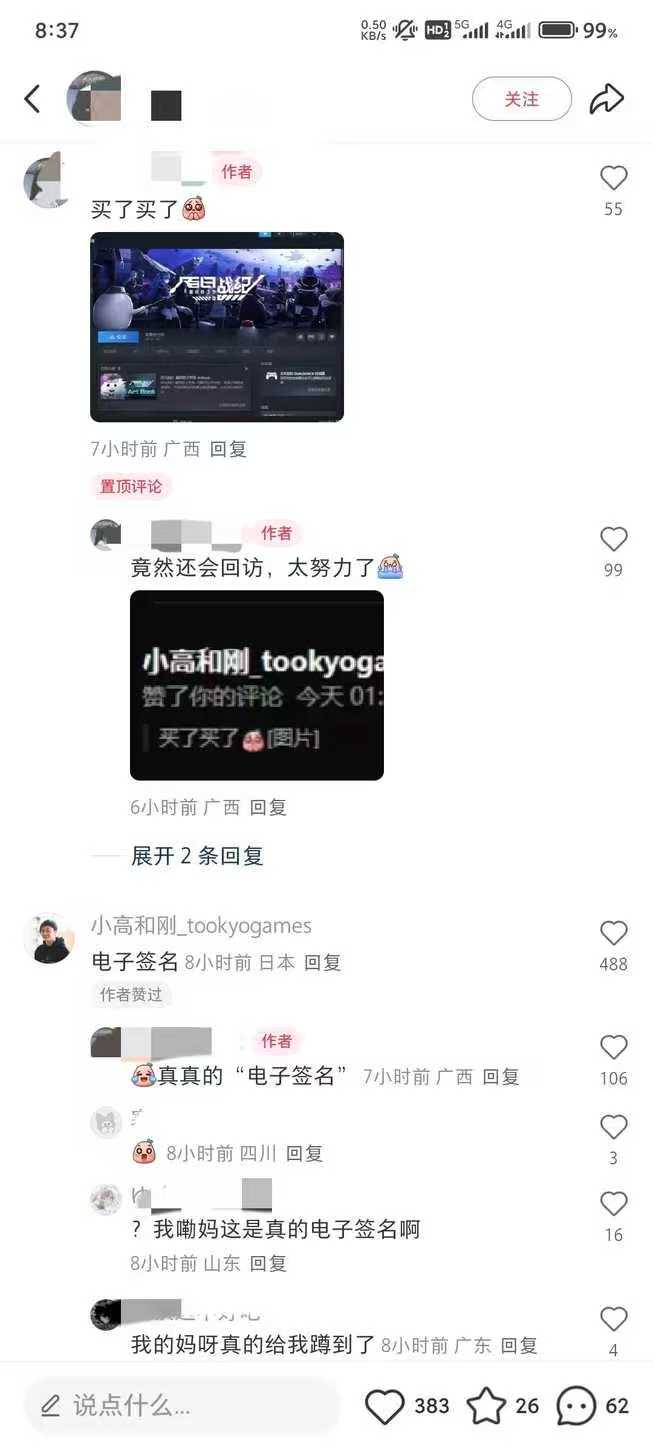
That's right, our gold-medal salesman producer's old-school promotion is just that simple and unadorned, containing nothing but "sincerity." However, because this method is so straightforward and has such a low barrier to entry, it led to a surge of "imitators." Suddenly, numerous hard-to-distinguish mimic accounts like Big Gao He Gang, Medium Gao He Gang, Short Gao He Gang, Xiao Gao He Jian, Miyazaki Yinggao, Xiao Ji He Gang, and Xiao Gao He Steel flew everywhere.
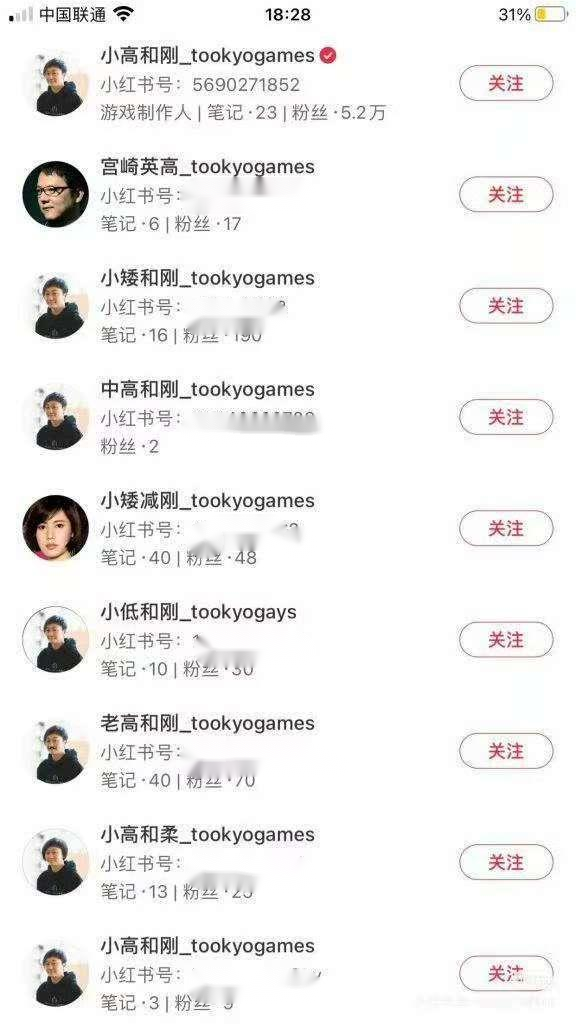
Due to the sheer number of mimic accounts, the current #Funtime player community not only experiences "mimic collisions" but also frequently witnesses the surreal spectacle of the real person promoting alongside their mimics—
Old Gao and gang_tookyogames: "Hello, please support #Funtime."
Kodaka_tookyogames: "Who are you? Please support #Funtime."
True or not, please support #Funtime.

To this day, perhaps driven by the professionalism of various mimic accounts further intensifying competition in the "support #Funtime" industry, Kodaka himself has iterated and upgraded his tactics—now, Kodaka has turned sales into a "service industry."
It can almost be said that with a receipt for #Funtime, you can "command" this former gold-medal producer to do anything he can do for you on the internet—from liking and commenting to DMing and mutual following, even celebrating your birthday. There's nothing Kodaka won't do... as long as you support #Funtime, anything is negotiable.

Bro nearly got fooled by his own mimicry.
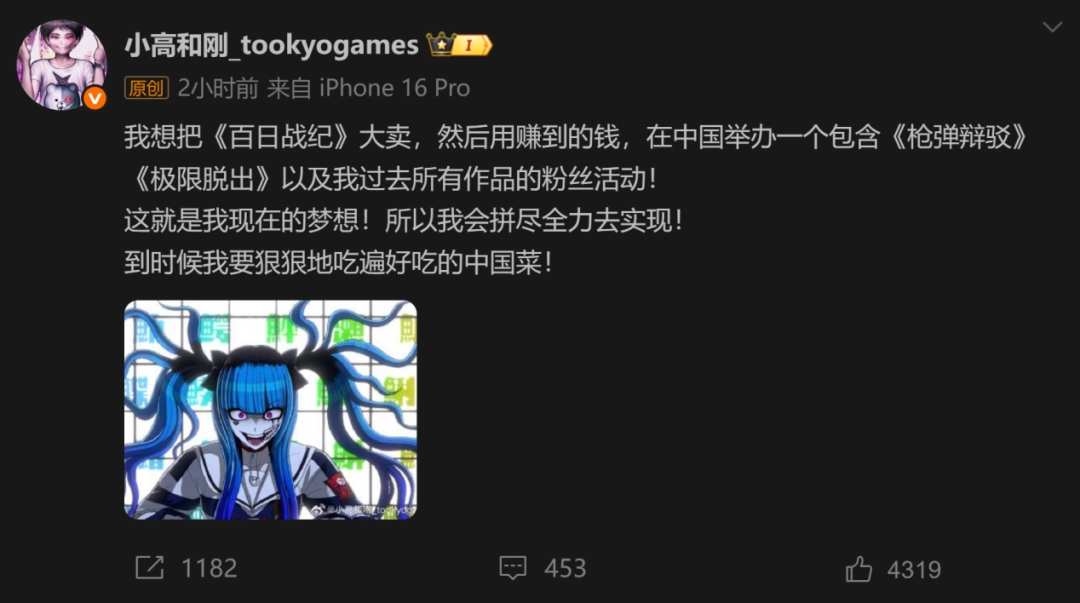
Meanwhile, Kodaka didn't forget to aggressively boost his presence on official social media platforms like Weibo. One day he thanked Chinese players, who had the highest purchase ratio on Steam, for their strong support; the next day he urged everyone to leave positive reviews in the comments; a couple of days later he wished for #Funtime to sell well so he could use the profits to hold a Kodaka-themed fan meeting in China and feast on Chinese cuisine...
Even when GTA 6 officially announced its delay, Kodaka didn't miss the chance to piggyback on the hype—Everyone, while waiting for GTA 6, why not play #Funtime first!

Clearly, Kodaka is truly desperate. This Japanese man, who transformed himself into a little match girl to "survive" and was beaten down by life to the point of crawling forward, seems to have completely lost the arrogant aura he once possessed.
Ultimately, this change boils down to one reason: money troubles break even heroes. Kazutaka Kodaka is genuinely on the verge of bankruptcy.
According to Kodaka himself, this new title, #Funtime - Ultimate Defense Academy -, is a "last stand" work where he "bet the company's fate," bringing together over ten authors including his "good brother" Kotaro Uchikoshi. It's succeed or die, bankruptcy and liquidation await if this fails. The costs they invested are visible to the naked eye—just the opening segment of the #Funtime demo featured eight high-quality cutscenes played in rapid succession, and the actual game boasts over twenty different routes and 100 "non-filler" endings... To put it mildly, #Funtime is the "AAA specification" of the ADV genre.
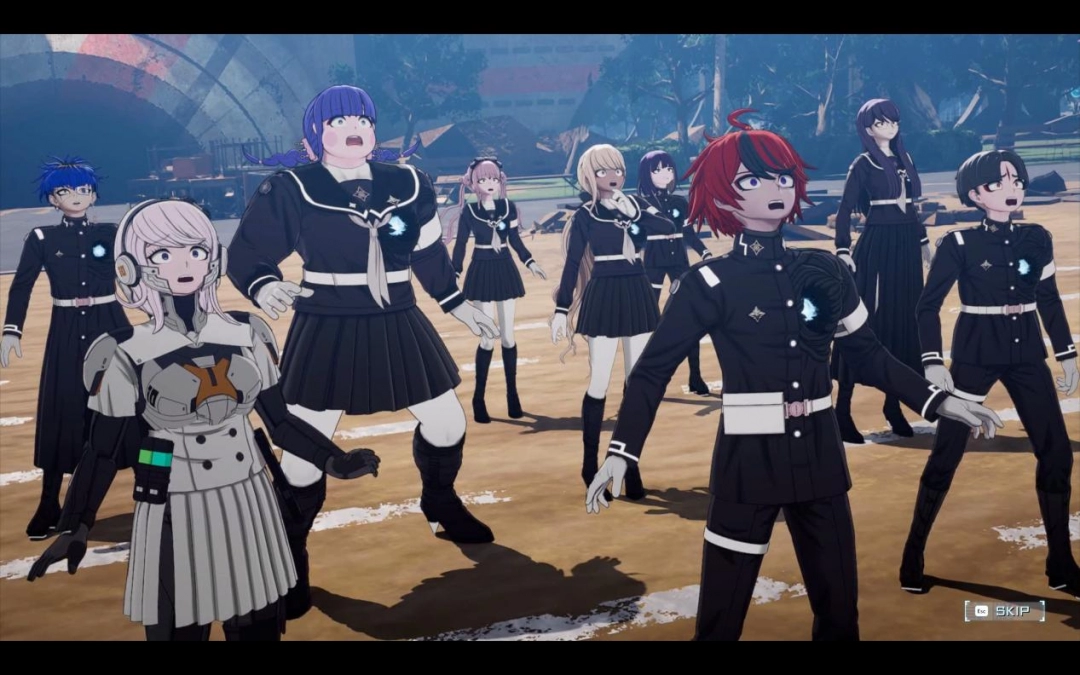
Contrary to expectations, the market response to this highly anticipated game after launch could only be described as "lukewarm." As of this writing, the Switch physical version sales are under 30,000 copies. The Steam comment section, which can indirectly reflect sales, has 3,552 reviews. Although most players who left reviews gave fairly positive feedback (89% Very Positive), the breakout effect "commensurate with production specifications" failed to materialize. In fact, it wasn't until Kodaka started his high-intensity Xiaohongshu promotions and "please support #Funtime" became a meme that the game's popularity in the domestic gaming circle began to rise continuously.
It wasn't until May 11, more than half a month after the game's release, that Kodaka, after his high-intensity marketing campaign, finally issued his "victory declaration"—he announced on Twitter that #Funtime was "selling well," while also urging everyone to leave positive reviews on the Steam page.
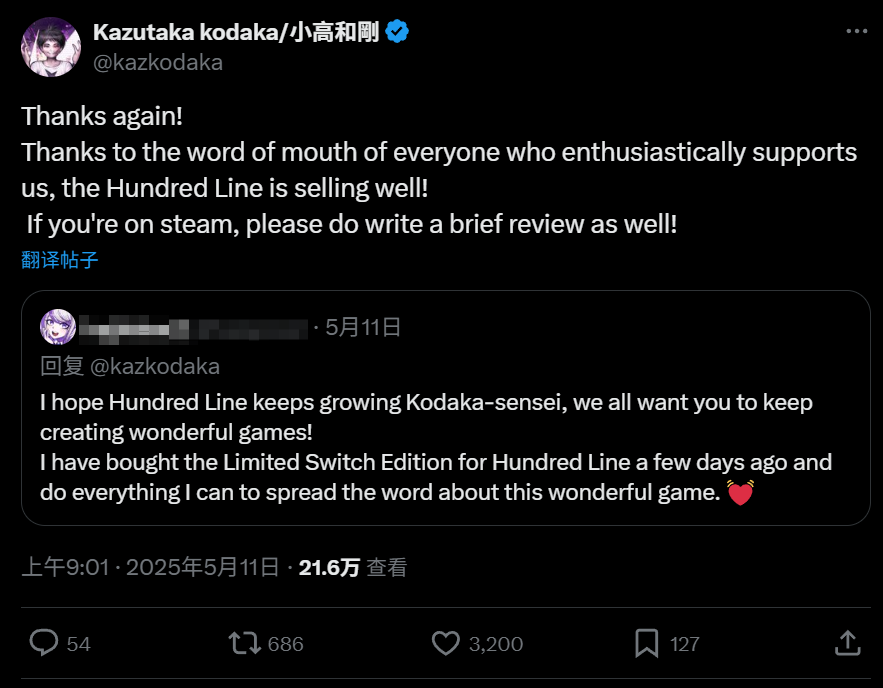
Of course, the "very good" here obviously cannot be compared to the past glory of the entire Danganronpa series selling 5 million copies. In fact, given the estimated current sales of #Funtime, even catching up to the re-released Danganronpa titles on Steam is an unlikely task. Kodaka's former peak, the Steam re-release of Danganronpa 2: Goodbye Despair Academy, alone has over 20,000 reviews. #Funtime's current commercial performance can at best ensure that Kodaka and his brothers don't go bankrupt and starve.

So, who drove this former genius to such a state?
The answer is quite ironic—the "culprit" holding a knife to today's Kodaka's throat is none other than the former genius producer, Kazutaka Kodaka, himself. In short, he brought it upon himself.
Thirteen years ago, when Danganronpa 2: Goodbye Despair Academy was released, Kazutaka Kodaka's prestige and achievements as a game writer reached their peak. With the Danganronpa series, which focused on throwing "Ultimate handsome boys and beautiful girls" into killing games and slaughtering them en masse as expendables in a "high-speed reasoning game," he successfully ascended to the throne of "gold-medal producer" in the ADV genre—even now, there is a steady stream of newcomers who, after playing the "Danganronpa Trilogy," are deeply shocked by the ingenuity contained in this series originating from fifteen years ago, thus corrupting themselves into "Remnants of Despair" who only wish to "set Kodaka free" every day.
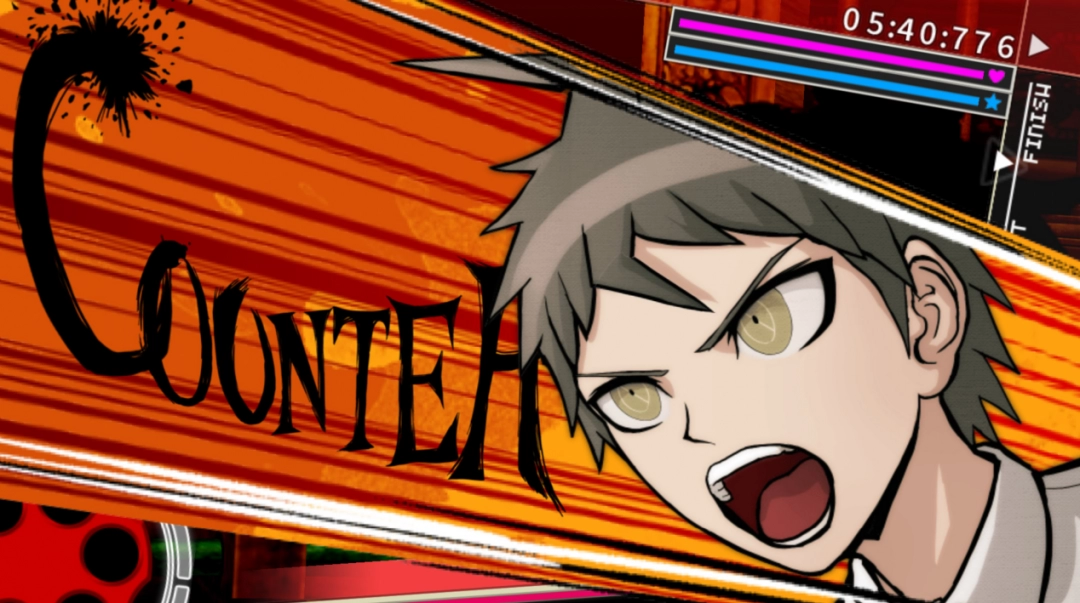
Total bullshit!
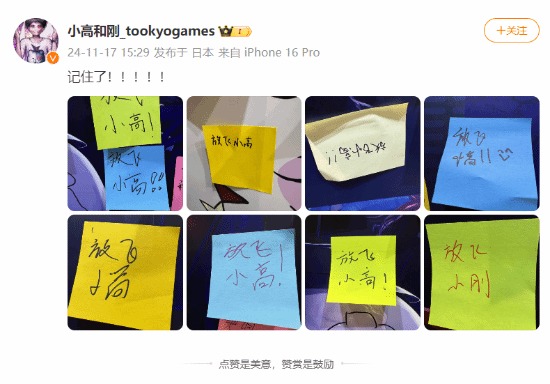
This was also recorded last year when Kodaka joined Weibo, with comments sections flooded with calls to "set Kodaka free." Though just glimpses, they suffice to show the immense popularity this producer once enjoyed—I mean, if Kodaka wanted, he could have easily made a living for life by mass-producing sequels and spin-offs of the Danganronpa series.
The Grudge-Holding Japanese
However, Kodaka today is far from his former glory—back then, he had the world at his fingertips; now, he's practically left with nothing but his backside facing the sky.
This former "child prodigy Zhong Yong" first left his old employer Spike Chunsoft, which held the Danganronpa series, to form his own company, Too Kyo Games. He then suffered successive failures with titles like The World Ends Club, Akudama Drive, and Master Detective Archives: Rain Code. After leaving the comfort zone of "(non-)daily and non-daily transitions" and "grotesque mutual killing games," each of Kodaka's works oscillated between "mediocre" and "terrible," and the former genius producer gradually became a "maker of shitty games." Naturally, the operational status of his new company declined along with the shattering of its reputation.

The question arises: why did Kodaka leave Spike Chunsoft to form a new company? Why did the Danganronpa series stop at New Danganronpa VThree: Killing Harmony, with no new entries for eight years? Ultimately, why didn't Kodaka manage to do as mentioned earlier and live off the Danganronpa series for life?
The answer is simple: the Danganronpa series was ruined by its "birth father," Kazutaka Kodaka, with his own hands.
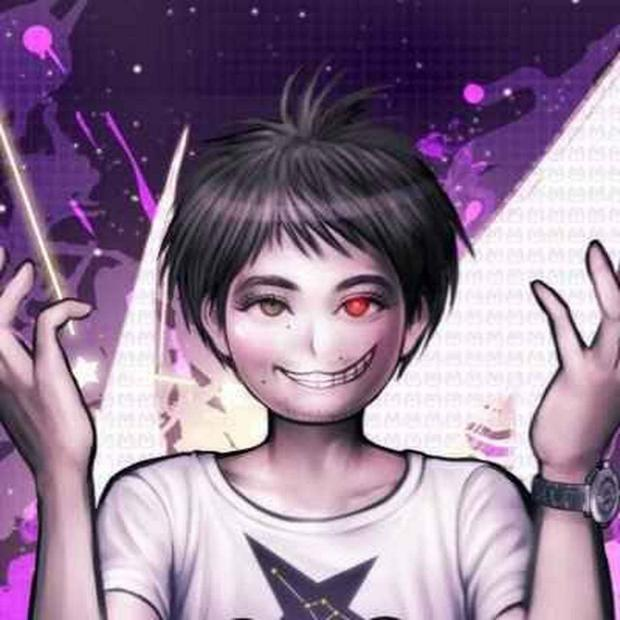
Please note, the following content contains spoilers for the Danganronpa series.
Let's briefly rewind the timeline to December 2, 2015, three years after the release of Danganronpa 2: Goodbye Despair Academy, at the "Danganronpa Project Presentation." At that time, the official Danganronpa account announced a "brand new TV anime" for the series, to be broadcast in two parallel arcs, "Despair Arc" and "Future Arc," with a special episode, "Hope Arc," to follow. The cheering fans at the presentation could never have imagined that this new Danganronpa project, seen at the time as a monumental game-to-anime adaptation, would become the starting point of the empire's collapse.
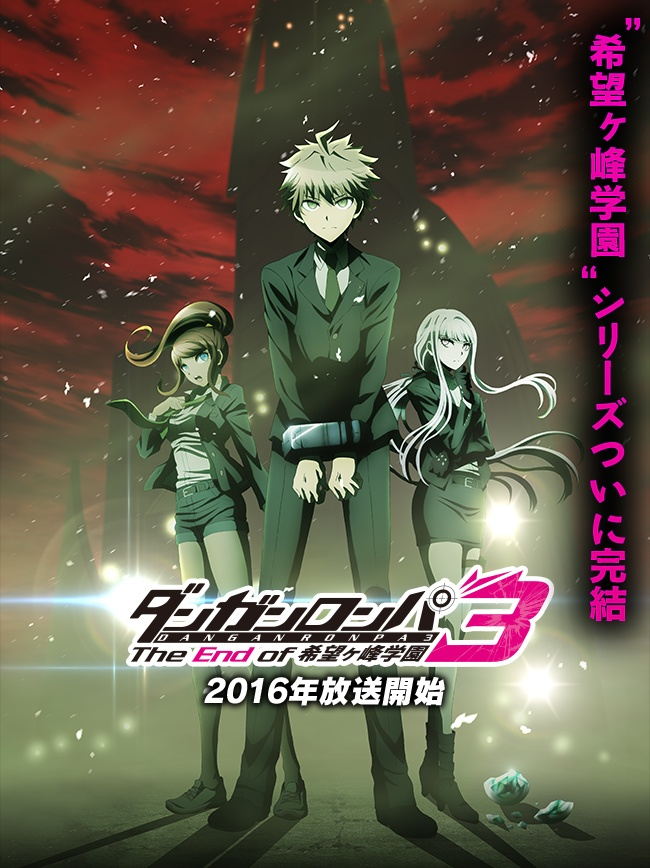
Before discussing the "Danganronpa 3 Anime," we need to review the key to the Danganronpa series' survival, which is also the core mystery of the work—"the largest and most evil despair event in human history."
It can be said that the success of the first Danganronpa and Danganronpa 2: Goodbye Despair Academy was largely due to the unique atmosphere created by the "Ultimate High School Students" being suddenly thrown into a killing game, overcoming despair and the corpses of their companions, step by step uncovering the mastermind, and ultimately attributing Everythinggj to the target known as "the largest and most evil despair event in human history."
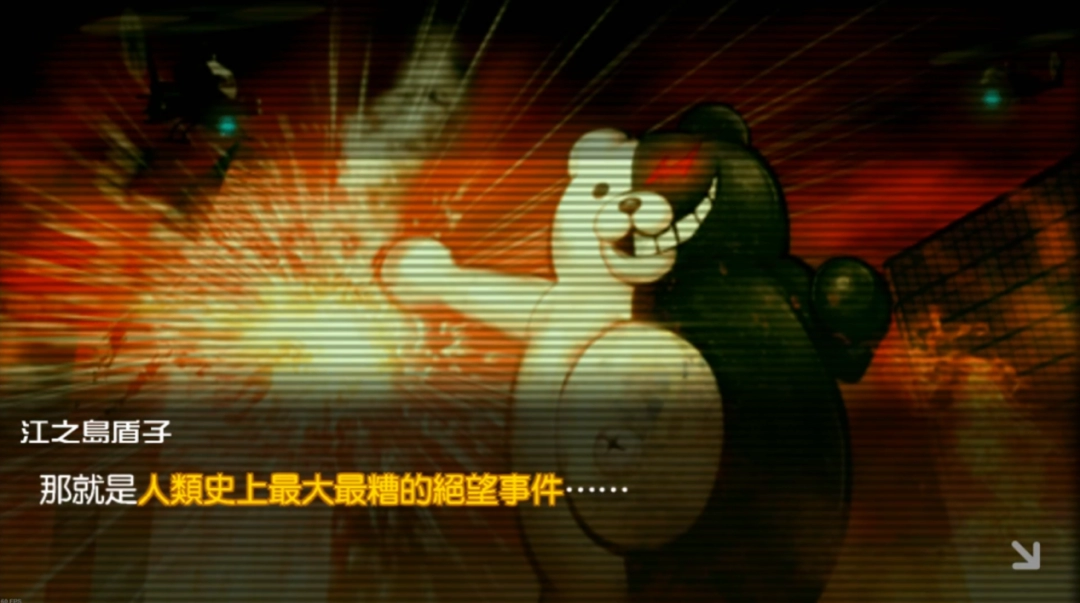
Therefore, in the first two entries of the series, Kodaka's depiction of "the largest and most evil despair event in human history" remained extremely restrained.
The original Danganronpa only clarified the "perpetrator" of this event, Junko Enoshima, and its "impact," namely the destruction of Hope's Peak Academy and the old world. The sequel, Danganronpa 2: Goodbye Despair Academy, revealed the event's "cause" and "aftermath," specifically the "Reserve Course" and the struggle between the "Future Foundation" and the "Remnants of Despair."
These indirect portrayals unfolded the core conflict of "the largest and most evil despair event in human history" layer by layer, like peeling an onion. Each revealed truth unveiled several more mysteries behind it—
While the mystery of the "Remnants of Despair" identities was resolved, many important details about their actions, reasons for falling, and future developments remained shrouded in mystery. Although the cause of the "Despair Event" was clarified, questions lingered: how did this beginning lead to the tragedy that destroyed human society? What were the mastermind's methods? How did the academy respond? Why did over two thousand Reserve Course students commit suicide? All these clouds of doubt remained buried in the fog.
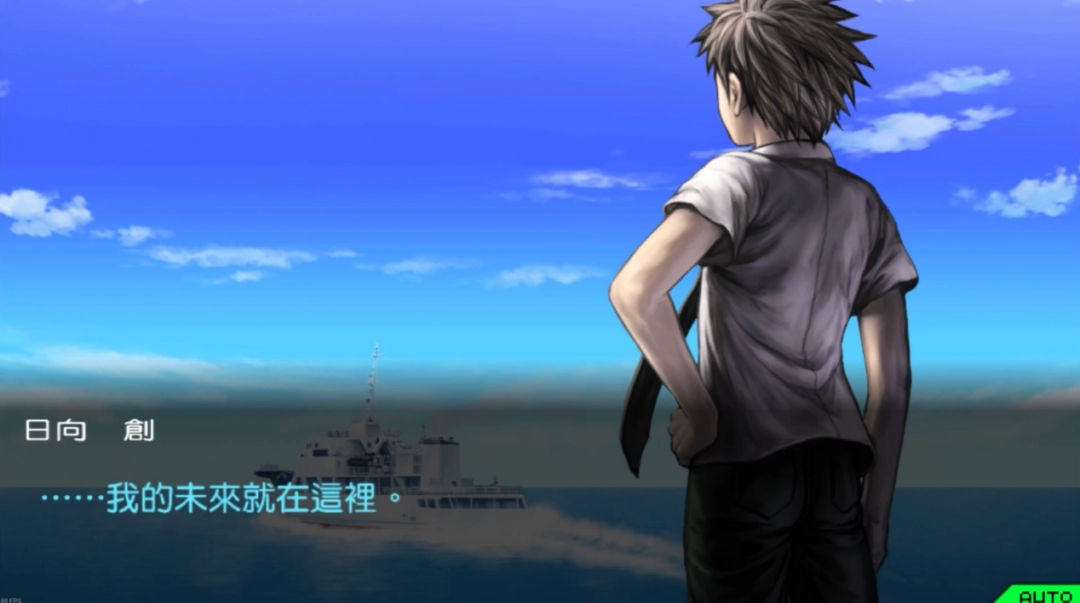
All this ambiguity kept "the largest and most evil despair event in human history" mysterious enough to serve as the series' grand backdrop, while leaving ample room for future developments in the Danganronpa series. In other words, as long as they didn't mess up "the largest and most evil despair event in human history," the Danganronpa series could continue.
Unfortunately, we all know the current state of the Danganronpa series—the producer left, there have been no new entries for eight years, and the series' revival is nowhere in sight. In other words, they really ran the key to the series' survival, "the largest and most evil despair event in human history," into the ground.
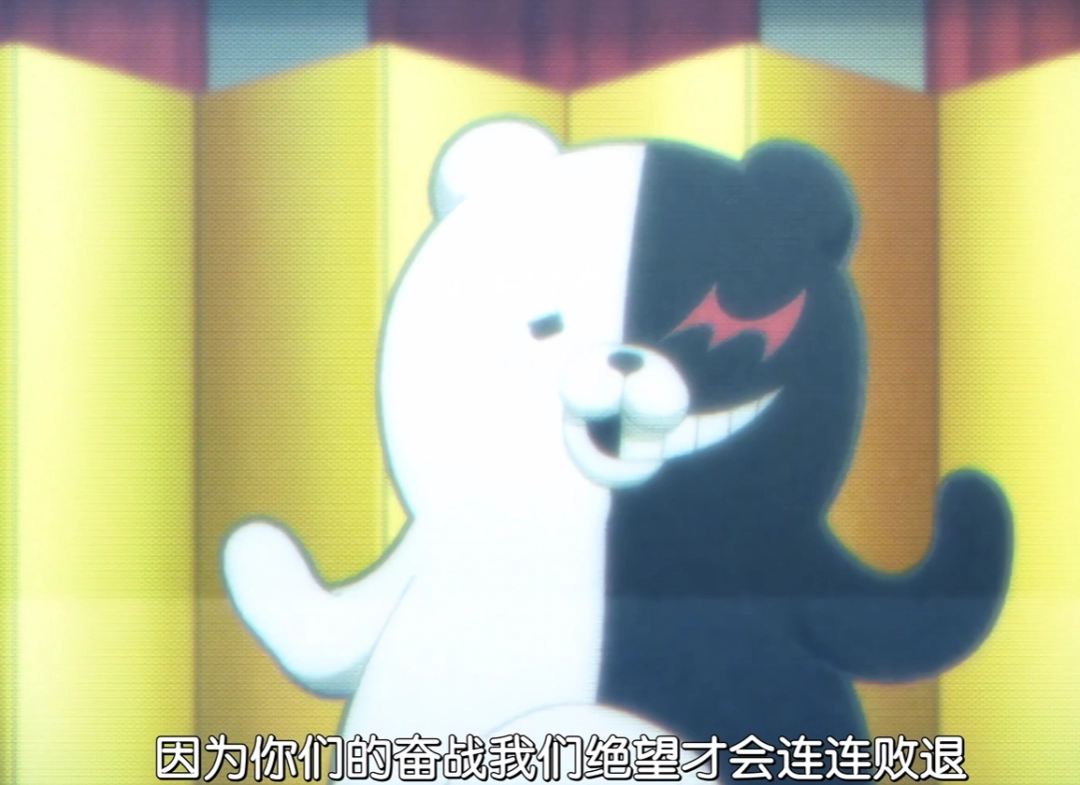
In the anime series Danganronpa 3: The End of Hope's Peak Academy, the production team seemed trapped in a "must fill plot holes" cycle. To conclude the countless mysteries of Hope's Peak Academy within just 24 TV episodes, they committed a cardinal sin of scriptwriting—deus ex machina.
To fill the plot hole of "all humanity falling into despair overnight," the creators introduced a character with the talent of "Ultimate Animator," whose special ability is to embed brainwashing effects into animations—yes, just as you guessed, Junko Enoshima captured this animator and forced him to broadcast brainwashing videos worldwide, plunging all of humanity into despair.
Yes, it was precisely the "low-down tactic" that Junko Enoshima despised in the game: physical brainwashing.
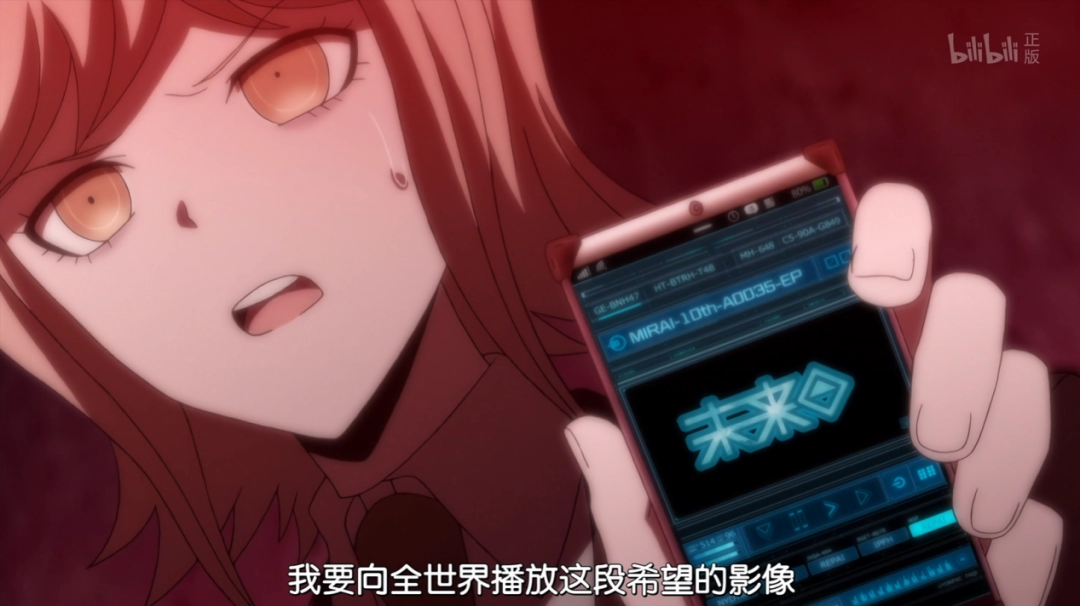
Among the brainwashed crowd were naturally the cast of the second game, who had previously unraveled the mysteries of their own backgrounds and faced despair head-on. Players had long speculated what major incident could have driven the mentally strong and highly skilled cast of the second game into despair. Now, there's no need to guess anymore—all the unresolved mysteries concluded in the most boring and uninteresting way possible, leaving an impact on players less than that of a Chinese science show explaining that "an Indian monk didn't eat for ten years because he drank soup every day."
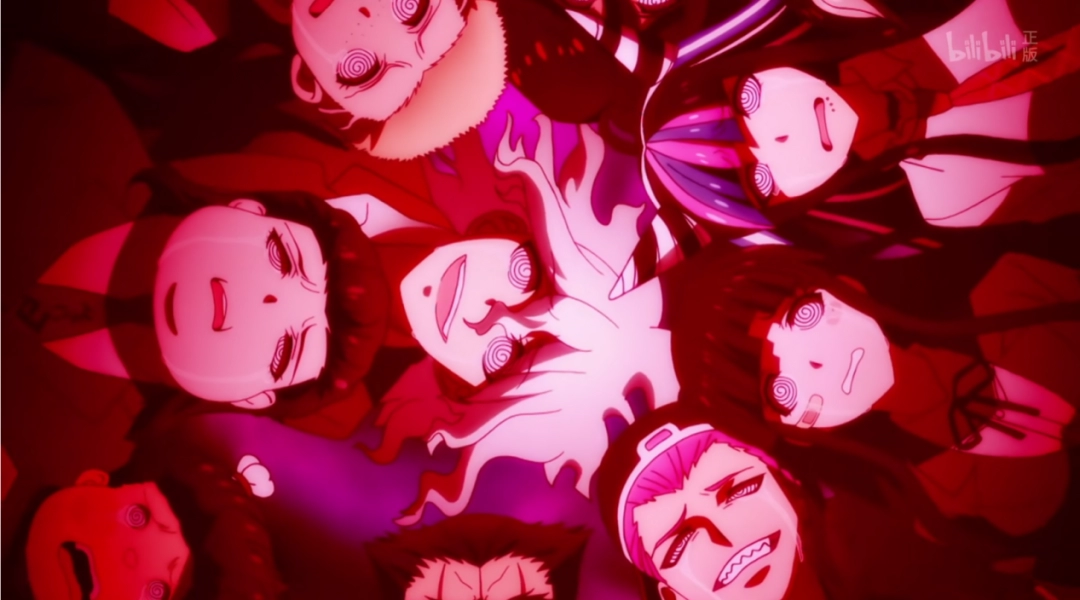
Kodaka, the ultimate truth you hid for over five years turns out to really just be a hypnosis app.
As the childish "ultimate mystery" was revealed, a strong sense of "anticlimax" swept through the entire Danganronpa series. When a grand and pretentiously profound background setting is uncovered in an extremely vulgar manner, all structures built upon that foundation collapse like castles in the air. In this regard, Danganronpa 3: The End of Hope's Peak Academy indeed achieved its goal of "ending Hope's Peak Academy," and also ended and "negated" the peak of Kazutaka Kodaka's career.
However, for the Danganronpa series and Kazutaka Kodaka, "despair" was far from over—if Danganronpa 3: The End of Hope's Peak Academy ended the worldview of Hope's Peak Academy, then New Danganronpa VThree: Killing Harmony fundamentally negated the entire Danganronpa series.
Warning: The following content contains major spoilers for New Danganronpa VThree: Killing Harmony.
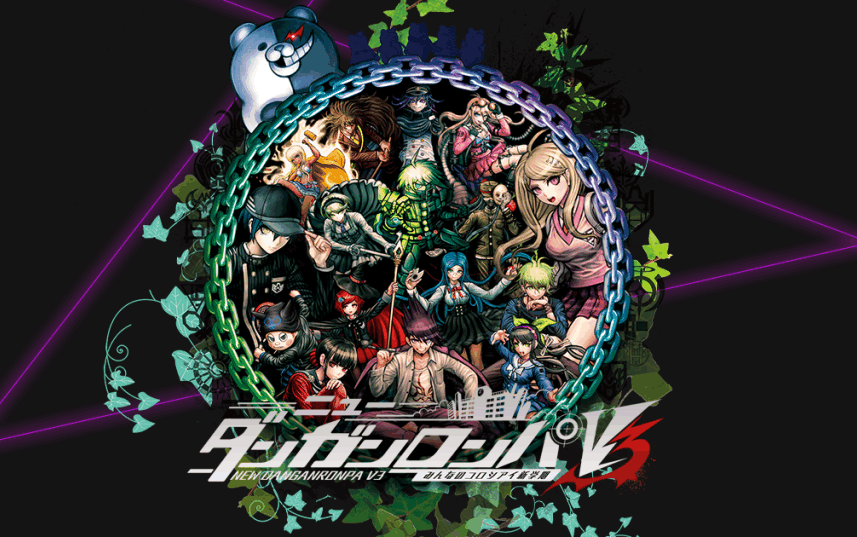
In short, perhaps dissatisfied with repeatedly creating works within the Danganronpa worldview, or wanting to be unconventional, Kodaka set up a "breaking the fourth wall" plot at the end of New Danganronpa VThree: Killing Harmony, pointing the finger of the "mastermind" at every player watching the screen—the "V" in New Danganronpa VThree: Killing Harmony actually represents the Roman numeral "5."
In other words, this is the 53rd work in the "New Danganronpa" worldview. Everyone in the game is merely a "non-existent" virtual character, created by the "Danganronpa Production Team" due to the desire of players watching the screen to witness mutual killing—the "bloodthirsty" players are the ultimate masterminds of this series.

Needless to say, this approach dealt a devastating blow to the worldview of the entire Danganronpa series.
Back then, the shock of Kodaka's terrible move on players was comparable to if Junichi Masuda, the creator of the Pokémon series, had claimed that "Poké Balls are slave collars" (which he didn't), or if Hiromi Seki, the mother of the Digimon Adventure series, had stated in her work that "Digivices are symbols of enslavement" (which she actually did).
When the main creator of a series personally declares the "immorality" of their own work, the life of that series inevitably reaches its end. Players spend time and money, arriving at the ending carefully crafted by the creators, only to receive baseless criticism of "you are immoral." For the characters within the game, the logic might seem reasonable, but for the fans who have consistently supported the series, their pent-up frustration can only transform into negative reviews on social media platforms, drowning both the work and its creator.
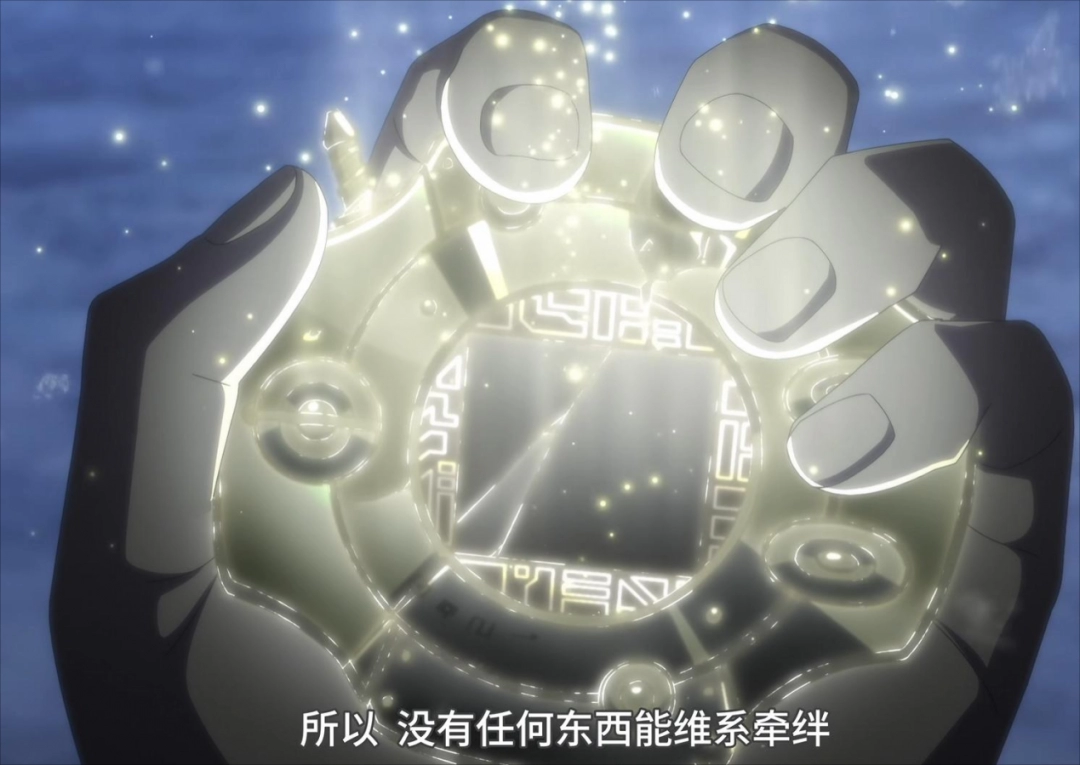
We all know what happened next.
New Danganronpa VThree: Killing Harmony received mixed reviews. Kodaka left Spike Chunsoft to start his own company but struggled to find his next "comfort zone." After several unsuccessful titles, he has gradually reached today's stage of "street peddling" and "old-school salesmanship."
Ironically, at this critical moment of life and death, this company-betting title, #Funtime: Ultimate Defense Academy, returned to the comfort zone of the former Danganronpa series—you can intentionally or unintentionally discover numerous traces of homage and reuse throughout this work.
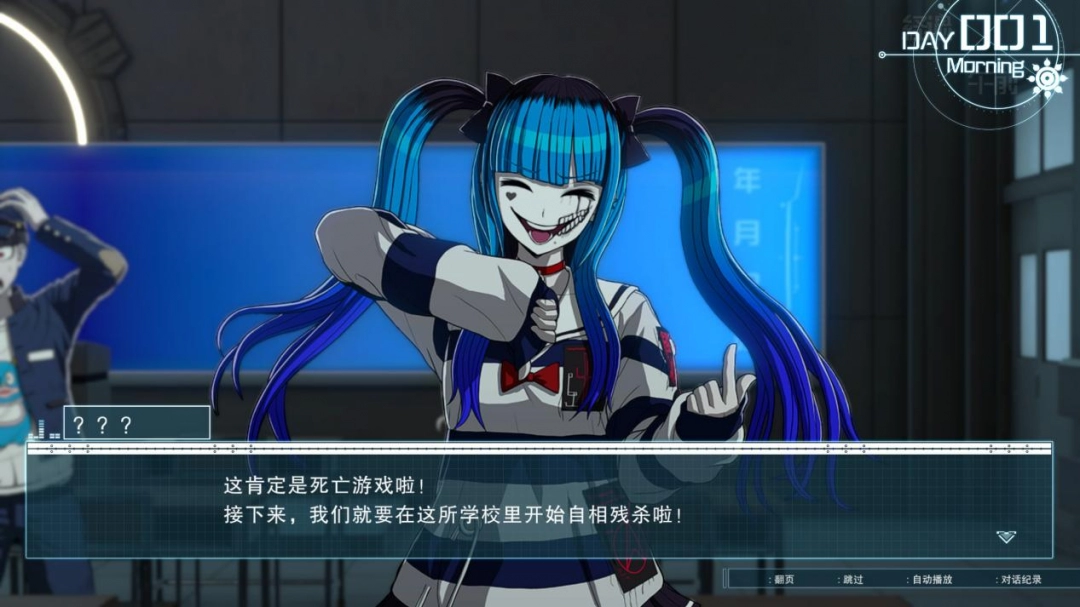
At the start of the game, nine high school students with unique talents abruptly wake up at desks in a sealed classroom. Standing before them is a bizarre-looking, flamboyant mascot "Headmaster" (who occasionally shoots out Monokumas from a party popper). Amamiya Itami, styled like a landmine girl, opens with the line, "This must be a death game." The second male lead is portrayed as a super-heavy personality, the "Ultimate Gay Best Friend." Even the progression format follows the Danganronpa DNA-inscribed loop of "gather at the cafeteria in the morning, free action time, return to dorms to sleep at night"...
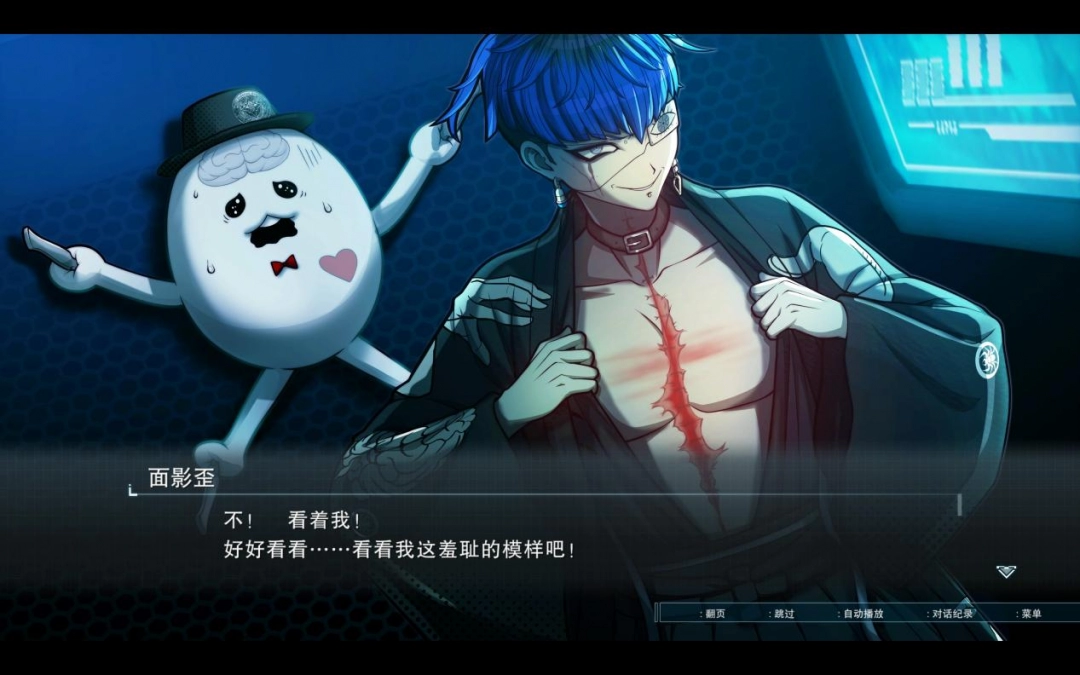
Note, this masochist isn't the second male lead; the actual second male lead is a hundred or even ten times more intense.
Of course, these homages and reuses aren't that bad—in fact, quite the opposite. By absorbing much of Danganronpa's mature expertise and pouring the entire company's efforts into creating and filling over twenty routes and a full one hundred endings, #Funtime: Ultimate Defense Academy boasts quite impressive overall quality.
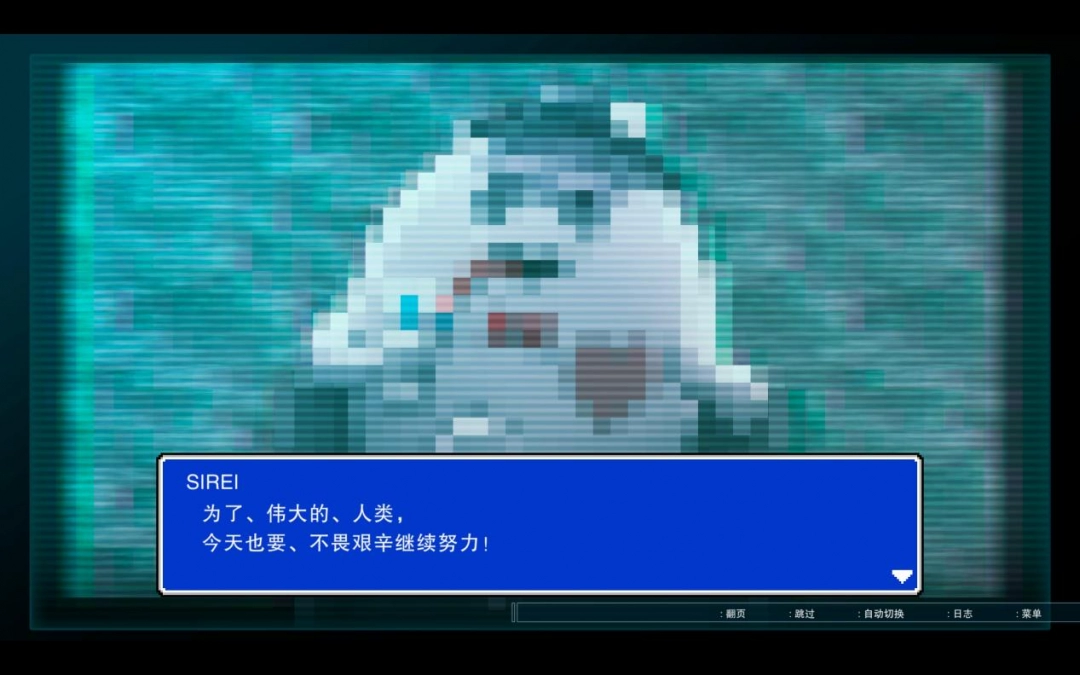
In fact, this work holds the highest Metacritic score among all of Kazutaka Kodaka's works. You can find almost all the excellent designs from previous Danganronpa entries in this game... except, for some reason, the feature of "gifting character underwear upon max affinity" was removed.
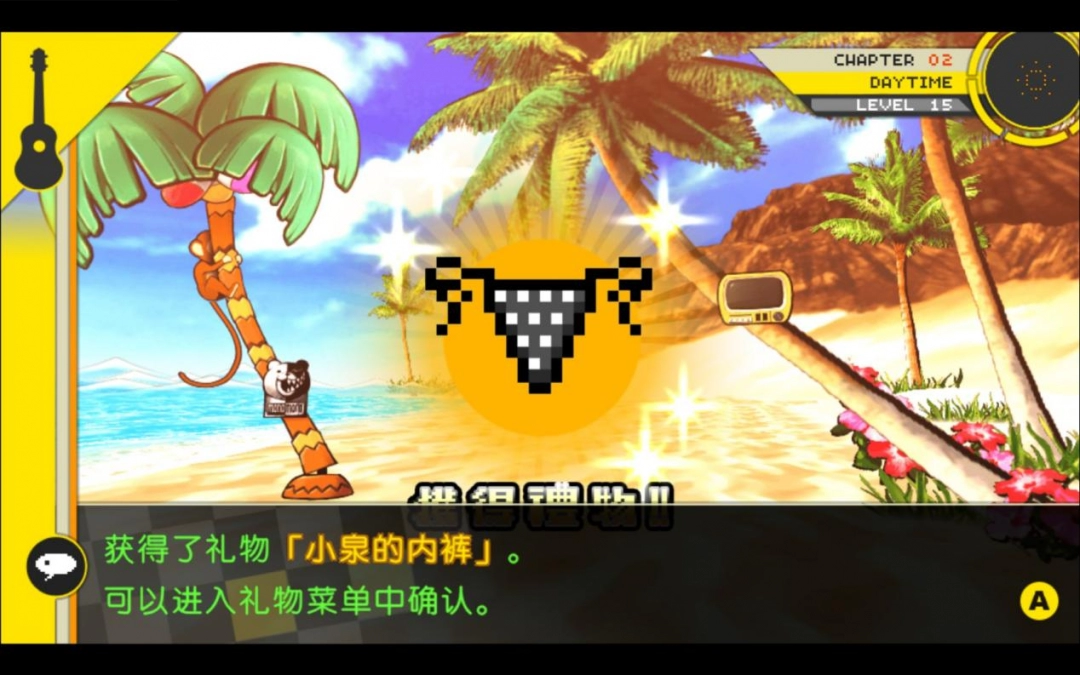
Overall, the game's "main story" quality is quite good, with reasonable setup for core puzzles and excellent emotional engagement. The main route written by Kazutaka Kodaka, along with the second playthrough routes "Truth Revealed Line" and "Dictatorship Line," as well as the "SF Line" and "Mystery Line" penned by Kotaro Uchikoshi, demonstrate a high level of completion, fully showcasing their individual styles and authorship—you can find Kodaka's "glimmer of hope amidst despair" and explore Uchikoshi's signature multi-threaded narrative tricks.
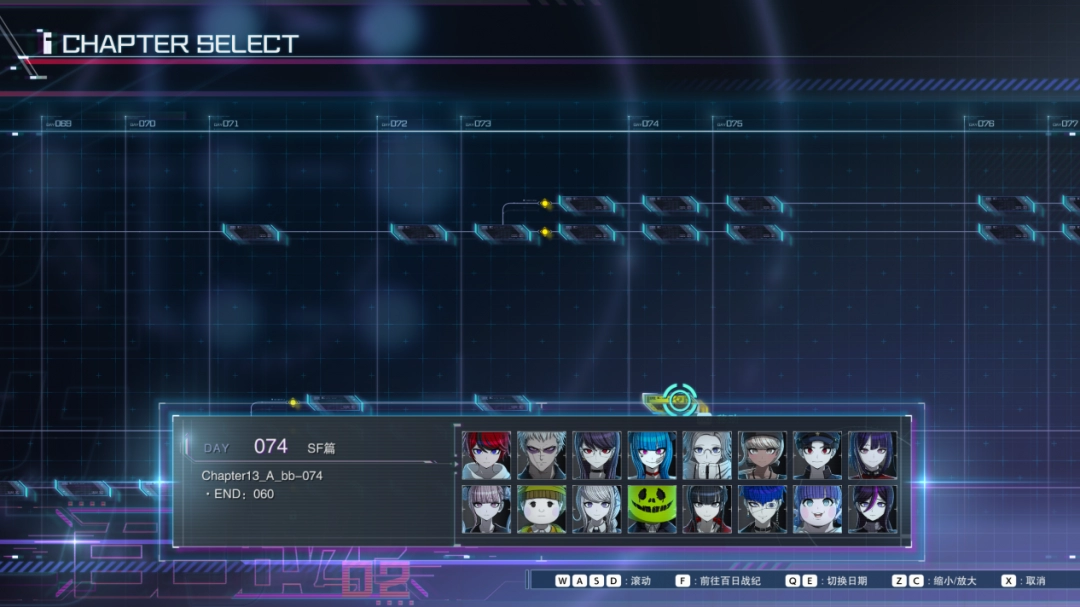
You can even find a "moral grilling" segment similar to that in New Danganronpa VThree: Killing Harmony in a route personally written by Kazutaka Kodaka. However, this time, Kodaka didn't play the role of the "villain" forcing players to accept both character and authorial interrogation.
On the contrary, Kodaka left the pain of being "grilled" to the characters on screen, while leaving the final "choice" to the players watching. After learning the "immoral" nature of their actions, players can make their own choice: "betray" their previous allies and "join the light," or double down and go all the way down the dark path—it's all up to the player's whim. The characters and the entire world of #Funtime will then head toward their respective endings based on the player's choices.
In fact, one of Kodaka's major concepts when creating #Funtime was to "make all 100 endings true endings in the hearts of players" (of course, it was just a concept).
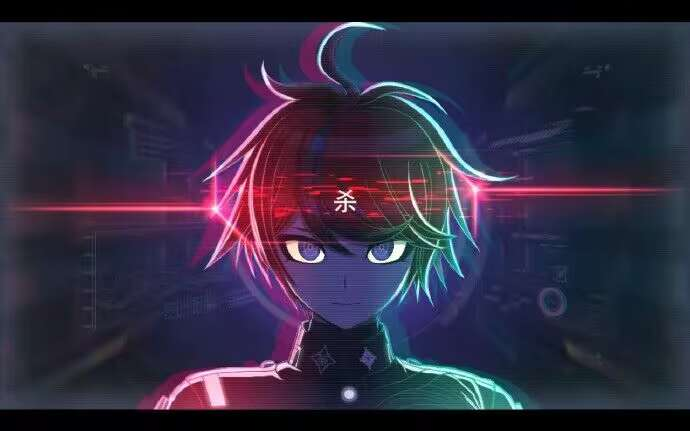
This can be seen as progress for Kazutaka Kodaka as a "game producer," or perhaps a certain "compromise" by him as a creator towards his audience—but regardless of the intention, Kodaka and his #Funtime have shed some of their arrogance and gained a bit more steadiness.
Unfortunately, even having absorbed the excellent legacy of Danganronpa, #Funtime is ultimately not Danganronpa—just as Kirigiri Hitomi in the game suffers a "rejection reaction" after forcibly receiving a "heterogeneous blood" transplant, #Funtime, having forcibly transplanted Danganronpa traits, has also produced its own unique side effects.
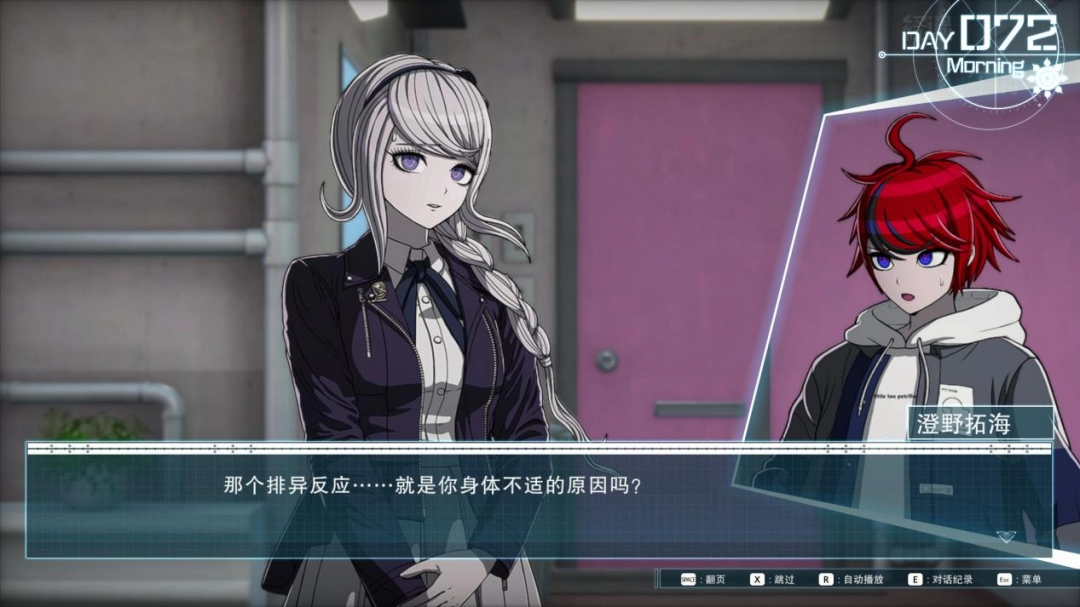
We'll set aside common complaints like the perfunctory Monopoly-style design and the lackluster tactical gameplay in subsequent playthroughs. The strongest "rejection reaction" between the "Danganronpa lineage" and this title lies in its "story progression method"—namely, one hundred days, one hundred endings.
Just as Todd Howard's claim of a thousand planets was inevitably exaggerated due to current limitations in the gaming industry, the mental and physical stamina of the two "headliner" scriptwriters, Kodaka and Uchikoshi, is also limited. The so-called one hundred endings couldn't possibly all be written personally by these two most powerful writers. Instead, Kodaka and Uchikoshi's approach was to "assign" the endings outside the "main story" to various writers inside and outside the company, with Kotaro Uchikoshi, skilled in multi-threaded narratives, overseeing the coordination.
The inevitable result of this approach is uneven quality across the various side routes. For example, the "Lucky Box" route in this game was handled by Ukyo Kodachi, the "genius writer" hated by FGO players and wanted by Boruto fans. His terrible writing, incomprehensible plot, and childish style are flaws that no amount of "coordination" can fix.
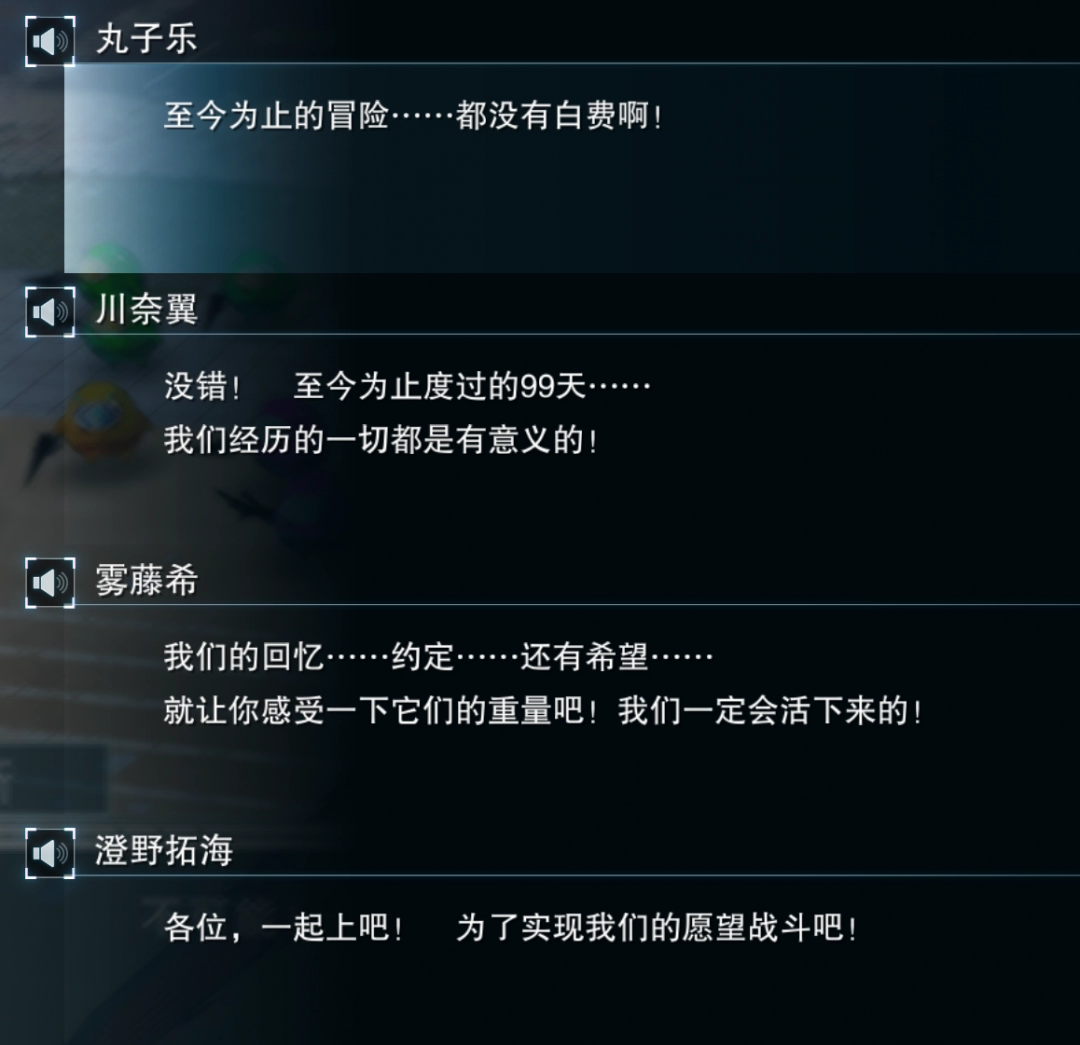
What's worse, due to the strict limitation of "one hundred days, one hundred endings," most of these poorly made routes require significant padding with meaningless time. Many routes' substantial content only supports twenty to thirty days, leaving players to spend the remaining seventy or eighty days in endless free activities, cheap tactical battles, and Monopoly-style gameplay. These three elements are highly disposable fast-consumption content; over time, they become pure repetitive chores, leading to significant player fatigue.
This inevitably leads to huge variance in the multi-playthrough experience of "Hundred Days." Players who stray from the "main route" may prematurely enter bizarre paths designed merely for "gags and memes," "world-building completion," or "filling in minor characters," causing them to lose enthusiasm for the game amidst endless repetitive tasks.
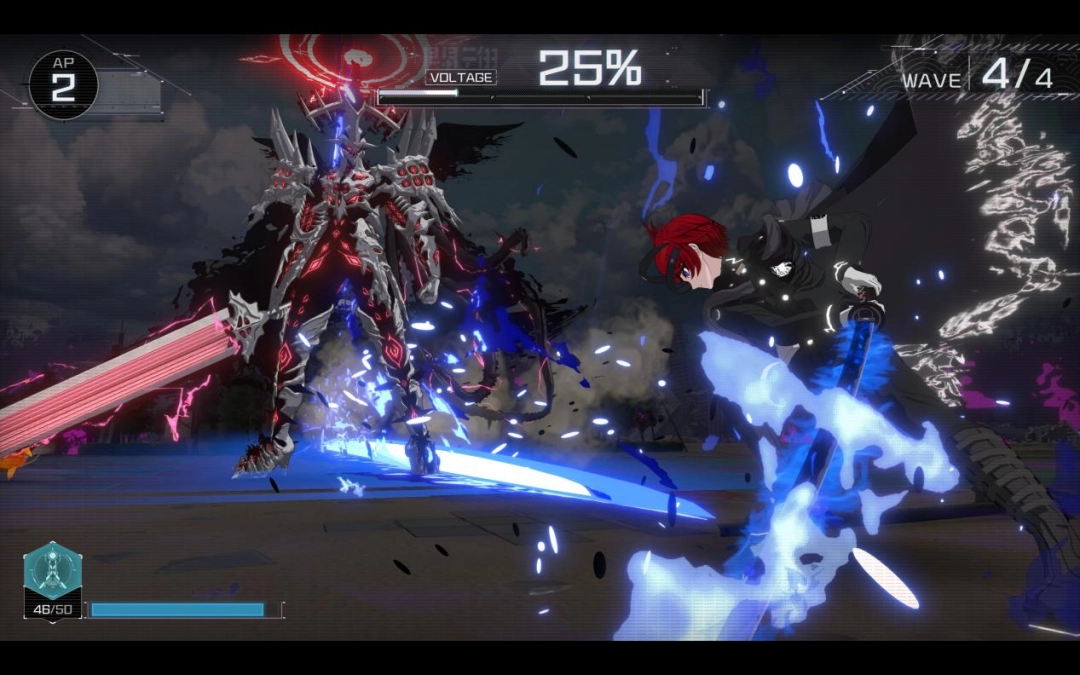
In the end, even Kazutaka Kodaka and Kotaro Uchikoshi themselves couldn't fully master these overly long hundred days.
During the first playthrough's world-building phase, the content of these hundred days was released gradually. However, by the multiple playthrough stage, the two main creators themselves had to resort to tropes like "blacking out and losing consciousness" or "and so a few days passed" to fill the void when there was nothing to do. Even during tense developments, bizarre scenes like "since it's come to this, let's just go to sleep" or "anyway, let's head to the cafeteria for a meal" appear frequently. The root cause is simply to extend each "event" over as many days as possible, avoiding having nothing to do after an event concludes.
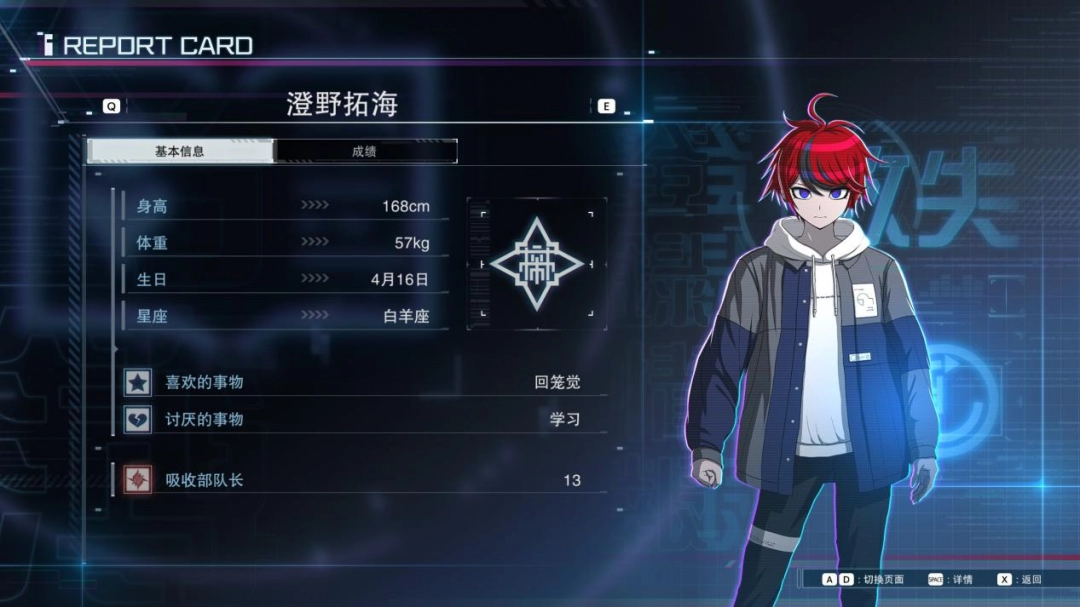
This forced pacing also makes the protagonist's portrayal hard to describe. Due to his humorous habit of sleeping through difficulties, he has earned titles like "slacker loser," "narcoleptic patient," and "the weakest Loop-type protagonist" in the player community. Look, his student profile even states "loves going back to sleep, hates studying." From this perspective, this character portrayal is certainly well-deserved.
Nevertheless, despite Everythinggj, "Hundred Days - Final Defense Academy -" remains a quite decent ADV title. Its solid main story, padded side stories, ill-fitting gameplay, numerous homages, and ample sincerity all combine to create a work steeped in "Kodaka flavor." At the very least, it certainly lives up to Kazutaka Kodaka's strenuous personal promotional efforts.
Frankly speaking, as a longtime fan of the "Danganronpa" series, before "Hundred Days" was released, I secretly hoped the game would flop, forcing the "unfocused" Kodaka to pay the price. In other words, if a meteorite were to smash Kodaka's studio, it would be a good meteorite.
But after truly experiencing this game, feeling the changes in Takahashi as a creator, and witnessing his struggle to "give it his all to survive," my mindset has indeed undergone a subtle shift. Now, I'm more curious to see what kind of brilliant or terrible antics Takahashi will serve up next time he stands on the brink of bankruptcy and bets his company's fate once again.
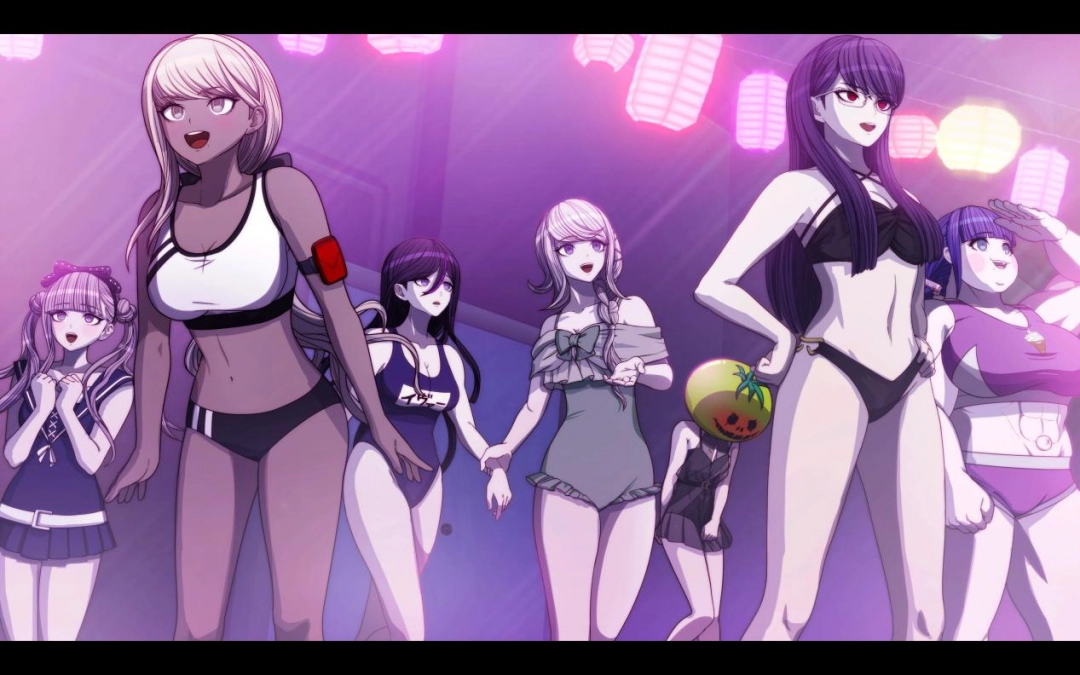
Here's a little bonus for those who read until the end.
To sum it all up in one sentence.
Hello, I'm not Kazutaka Kodaka, but please support Hundred Days.