

Among the myriad of games released this year, the one I enjoyed most was actually the Nioh 3 demo. Although it only offered two maps from the early stage, the rich content after transitioning to an open world, along with the potential of the action system demonstrated by switching between "samurai" and "ninja," left me wanting more. I am eagerly anticipating the full release.
Fortunately, at the recent ChinaJoy, we met Mr. Gohei Shibata, the producer of Nioh 3. This provided an outlet for the questions I had accumulated during my demo playthrough a few months ago.
If you share my anticipation for Nioh 3, please be sure to read this interview.
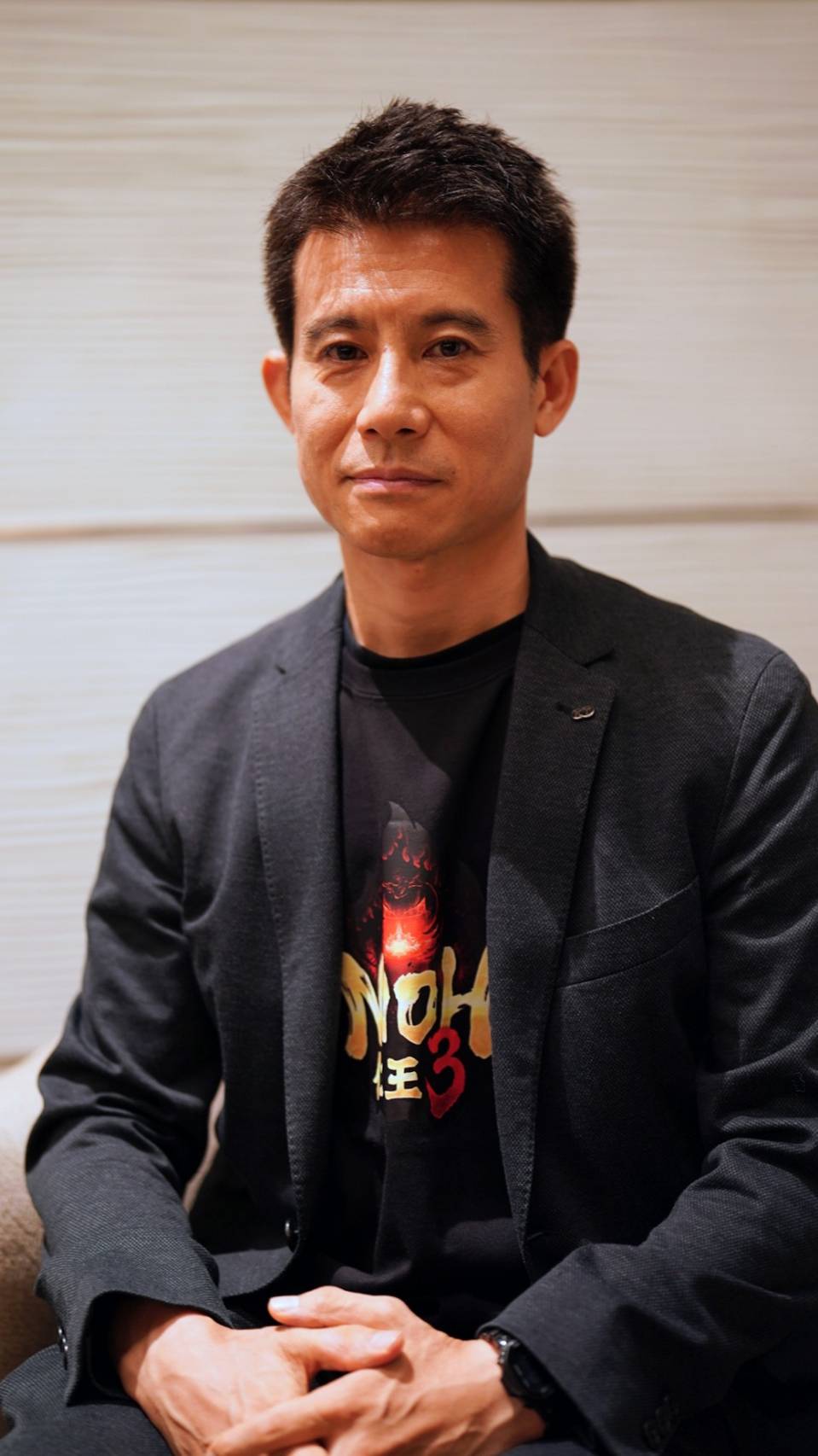
Nioh 3 Producer, Mr. Gohei Shibata
Q: What kind of gameplay experience does the dual-class system in Nioh 3 aim to achieve? Are there specific situations or monsters that require using a particular class?
A:First, it's clear that there are no scenarios that require one specific class to clear. Players are free to choose the class they prefer and excel at. Secondly, both combat classes become extremely powerful once mastered. Therefore, players have great freedom in this game; you can switch between the two classes or specialize in just one.
Q: The story timeline of Nioh 3 is set before Nioh and Nioh 2. With the future timeline already established, how will this game's story unfold? Will the multiple endings and character bond systems, which were well-received in Rise of the Ronin, be carried over to this title?
A:The story of this game is indeed set in the same timeline as Nioh and Nioh 2. However, we cannot reveal too many specific plot details at this moment. Overall, the story should be similar in complexity to the first two games—not overly complicated like Rise of the Ronin—but it will include elements where player choices affect the ending.
Q: Nioh 3 adopts an open-world design and seems to have been developed around the same time as Rise of the Ronin. Were there any special designs implemented for the open-world gameplay?
A:Indeed, as a game made by the same development team, this title was heavily influenced by Rise of the Ronin and utilized some of the experience gained from creating its open world. During production, we were careful to retain the tension and combat density associated with the high difficulty that made the Nioh series popular, while offering a freer exploration experience in the open world.
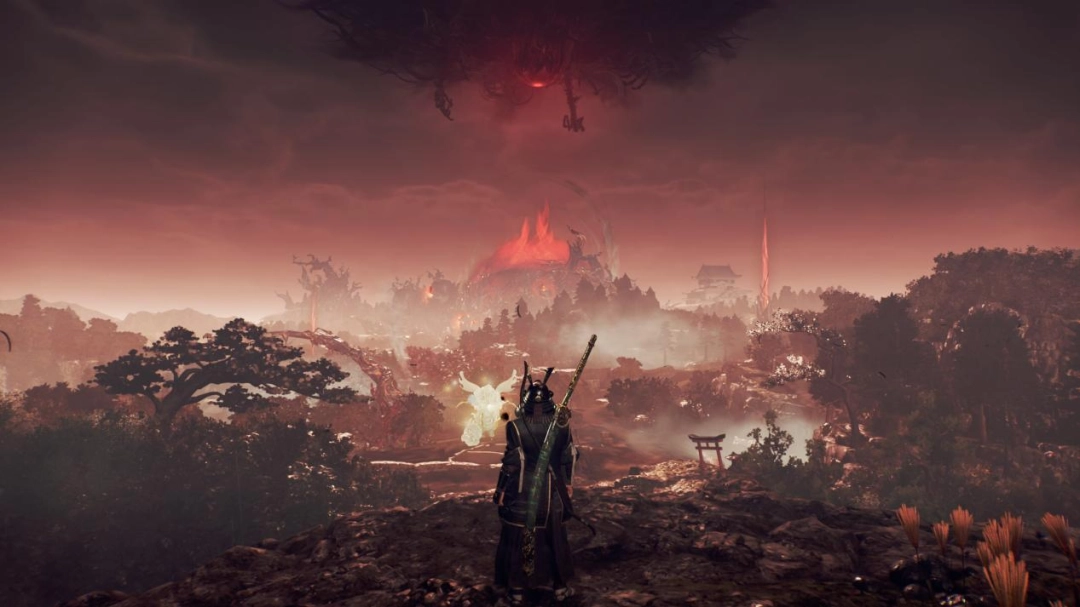
Q: Farming for gear and building builds have always been classic gameplay elements of the Nioh series. How will the dual-class system in Nioh 3 change this? Will there be new features? Will the stat scaling for equipment be more aggressive or conservative compared to previous titles?
A:As you said, farming for gear and building builds have always been important gameplay systems in the Nioh series. With the dual-class setup in this title, players can consider synergy between the two classes. For example, you could equip the "samurai" with fire attributes and the "ninja" with lightning attributes, switching between them during combat. I believe this is a major change in this installment. There will also be new set bonuses designed to complement the characteristics of each class.
Q: One of the signature features of the Nioh series is active stamina management through mechanics like Ki Pulse, Stance Switching, and Flow. The new ninja class in Nioh 3 does not have Ki Pulse or Flow, but the stamina consumption system remains. What is the ninja's role in combat? Does the ninja have a system for actively managing stamina?
A:In our design, the "samurai" is a class proficient in stamina management, while the "ninja" is a high-mobility class without Ki Pulse. However, we are considering implementing some stamina control mechanisms for the ninja. Please look forward to future announcements regarding this.
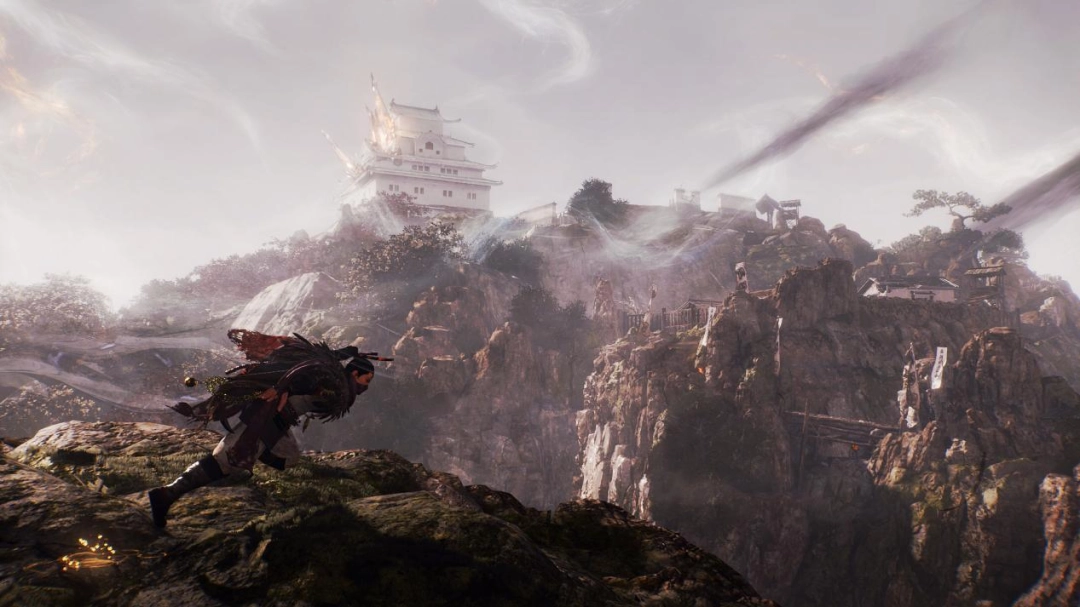
Q: The Nioh series is known for its distinctive use of color, with sharp contrasts between light and dark. Why has this color design been consistently adopted?
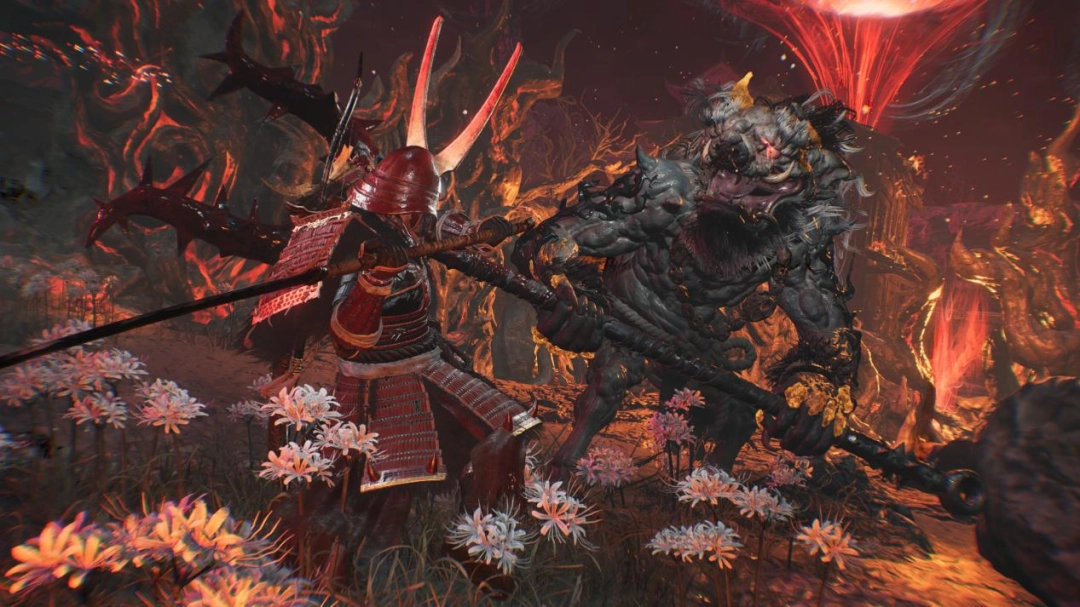
A:The Nioh series features yokai, enemies that shouldn't exist in the human world, creating an overall dark worldview. Consequently, the color palette is correspondingly dark. Those who played the demo may have noticed the addition of a new "Hell" scene, which emphasizes this design tendency, allowing players to feel the unsettling atmosphere of Hell. Moreover, since Nioh 3 is an open-world game, we designed distinct impression colors for different regions and prepared a variety of scenes... Please look forward to it.
Q: Combat in the Nioh series has always been deep but consequently difficult for newcomers. Does the introduction of dual classes in Nioh 3 aim to lower the entry barrier?
A:The Nioh series has always delivered a "samurai" combat experience. For this title, we wanted to build on that foundation and offer something new, which is why we designed the new "ninja" class. Indeed, as gameplay evolved with each installment, the Nioh series' combat system became increasingly complex, creating a barrier for newcomers. Therefore, when designing the two classes this time, we made sure to streamline certain controls to make them more accessible. Additionally, in designing the game flow, we paid close attention to allowing players to start with simple operations and gradually learn the combat system step by step.
Q: Given the current development environment, do you think action games are approaching a bottleneck?
A:I believe action games will continue to evolve. I think the action genre is linked to human instincts, such as the desire to win and overcome difficulties, which provide direct stimulation. This stimulation has given rise to the various action games we enjoy today.
The evolution of action games has always involved mutual reference and learning. In fact, I was also involved in the Ninja Gaiden Master Collection. When reviewing the Ninja Gaiden series, I thought—these works were indeed the pinnacle of action games in their era. However, the series continued to evolve and hasn't stagnated despite its past success. I believe action games will continue to evolve in the future. Speaking of which, Ninja Gaiden 4 is coming soon, and everyone will be able to experience it firsthand.
Q: You previously mentioned that there are no areas in Nioh 3 that require a specific class to clear. Maintaining balance between the two classes throughout the game must be difficult. How did the development team approach this?
A:Not just in the Nioh series, but in all our action games, rather than maintaining an absolute balance of power between player and enemy, we focus on providing players with multiple means to fight. From a development perspective, this means we do not force players to use a specific method to defeat enemies.
Therefore, during development, we prepared many ways to make playing as either a "samurai" or "ninja" feel powerful. The choice depends on player preference. In fact, if players discover particularly strong combinations of equipment and traits, we view it as a sign that our game is engaging rather than a balance issue. During Nioh 2, many players shared their discoveries on social media, surprising our developers who hadn't anticipated those strategies.
Q: What aspect of Nioh 3 are you most proud of or consider the best-made?
A:It's difficult to pinpoint just one aspect. This title features an open world, a dual-class system, and many new elements never before seen in the series, yet the final product still feels distinctly like "Nioh"—familiar and comforting. In fact, while the previous demo received numerous suggestions for improvement, overall, 90% of respondents expressed satisfaction. I believe this is what we are most proud of.
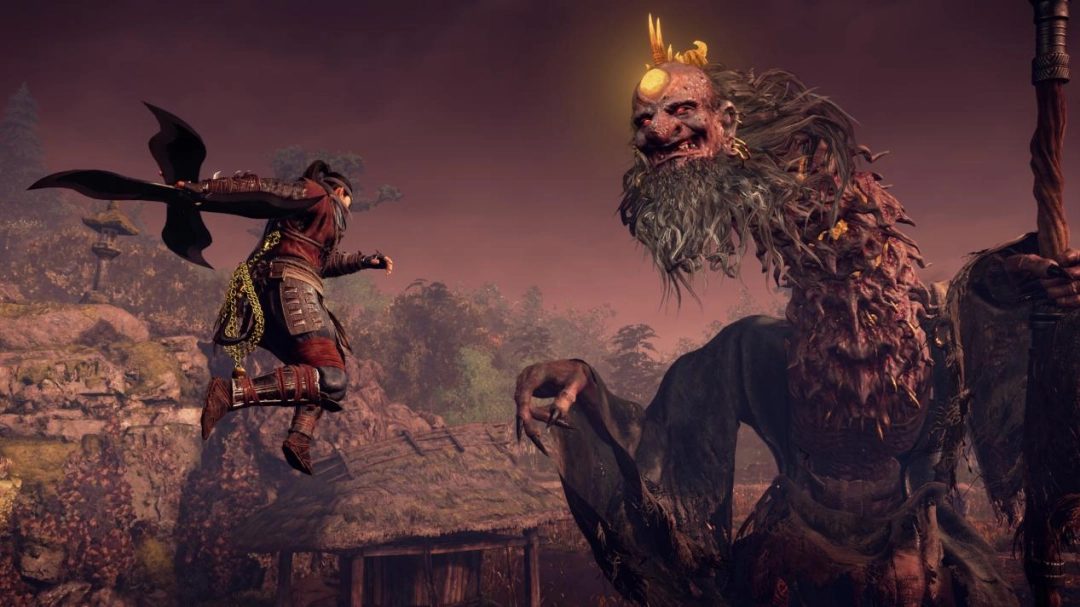
Q: Why did Nioh 3 choose the Takeda clan as the main storyline?
A:We cannot reveal too much about the story plot at this time. Suffice it to say, there are clear reasons for the appearance of the Takeda clan and the protagonist's conflict with them. Of course, characters from outside the Takeda clan will also appear. Please look forward to future information.
Q: The protagonist of Nioh 3 is named Takechiyo, but the official materials haven't specified which Takechiyo this refers to. Is there a special reason for this?
A:Apologies, but as before, we cannot reveal too much. What we can say is that our choice of this Takechiyo is strongly tied to the story. Specific details will be revealed gradually, so please look forward to them.
Q: Since the two classes have different equipment, will farming and configuring gear create significant pressure?
A:Players who tried the demo might have noticed that Nioh 3 added an "Auto-Equip" feature to the equipment screen. Those unfamiliar with the system can use this function to automatically select optimal gear. As their understanding of the game systems deepens, they can then customize their equipment manually. Furthermore, as mentioned earlier, the two classes can be equipped separately, allowing for synergistic effects.
Q: Why did Nioh 3 adopt an open-world design? Did you encounter any challenges during its production?
A:The biggest challenge was likely maintaining the existing characteristics of the Nioh series within an open world. For instance, placing too many enemies on a vast map would result in excessive combat, while too few would make the map feel empty. Balancing enemy density was a significant difficulty. On the other hand, when players encounter strong enemies, we needed to provide alternatives to head-on combat, such as bypassing them or finding other strategies. The decision to adopt an open world was natural; while improving the combat system based on Nioh 2, we realized that as a sequel, we needed evolution beyond just the action itself, leading to the open-world design.
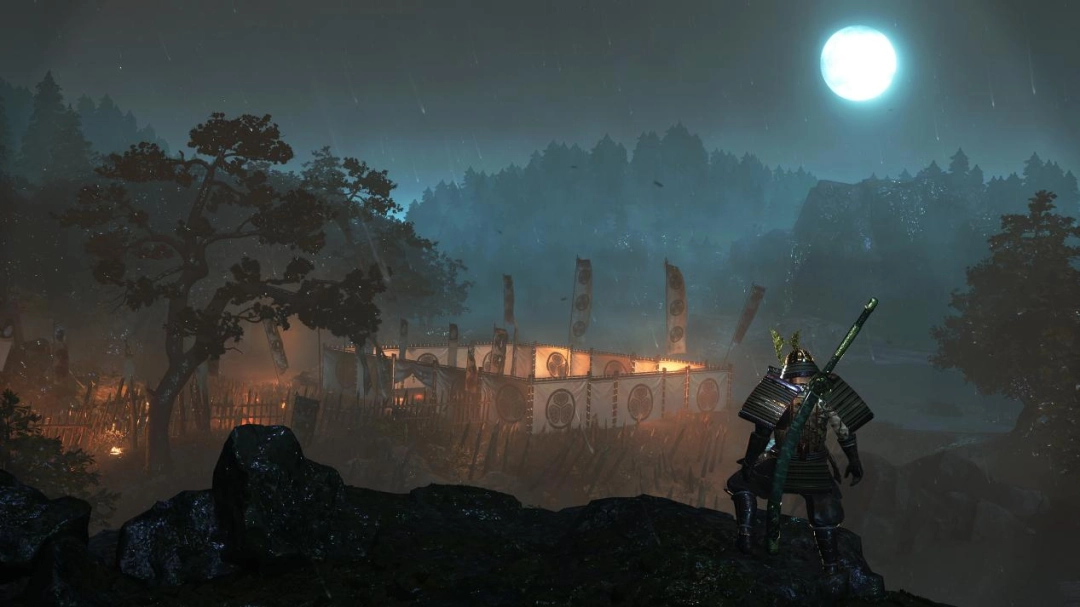
Q: Currently, many teams in China are developing similar action RPGs. Has the development team played these titles? Do you consider them competitors to Nioh 3? What advantages does Nioh 3 have over them?
A:Many members of our team have played Black MYTH - Steam Edition: Wukong and really enjoyed it. We consider it an outstanding action game that serves as a valuable reference and, in a sense, a competitor. I think compared to such games, Nioh 3's primary advantage is its setting in Japan's Sengoku period. It allows players to experience combat styles unique to Japan, such as samurai and ninja, and features monsters with distinct Japanese characteristics. This is what defines Nioh 3.
Additionally, TEAM NINJA has extensive experience in making action games, delivering combat that is both exhilarating and tense. Furthermore, the game allows players to build diverse combat styles through equipment customization, enabling even those less skilled at action games to defeat powerful enemies through strategic gearing.
I believe these are the strengths that Nioh 3 possesses.
Q: In some transformation animations in Nioh 3, we noticed scenes resembling the style of Ninja Gaiden. Will there be other tributes to the Ninja Gaiden series in the game?
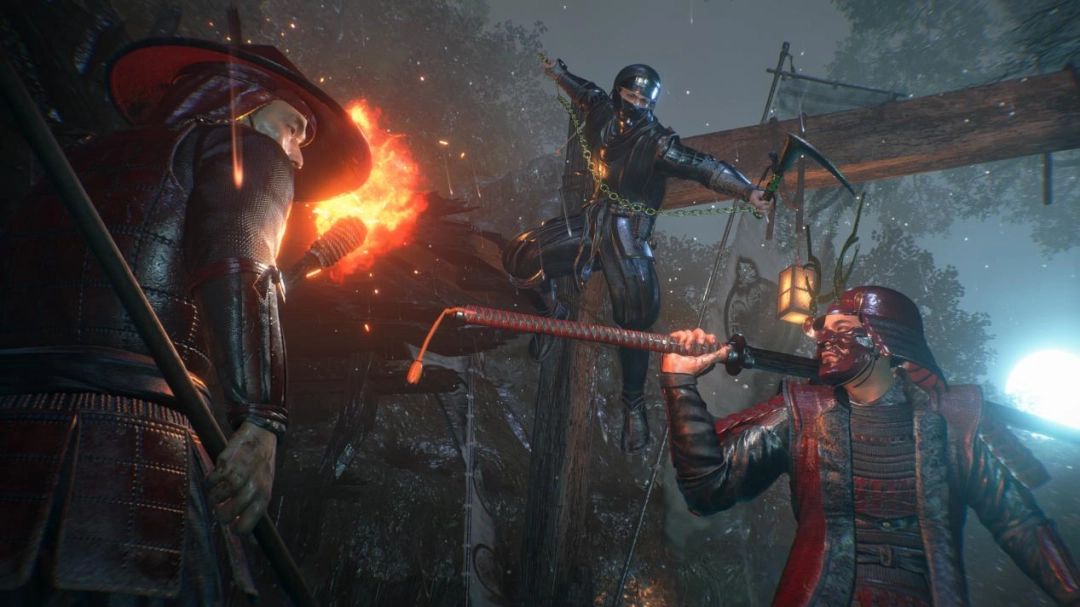
A:Since both games are made by the same development team, the samurai's movements might feel reminiscent of previous Nioh titles, while the ninja's actions may recall the Ninja Gaiden series. However, we cannot confirm any direct collaborations at this time. Nevertheless, we are striving to prepare elements that will feel familiar and interesting to fans of the Nioh series.
Q: Finally, do you have any words for Chinese fans of the Nioh series?
A:This is my first time in China and my first time at ChinaJoy. I fully felt everyone's enthusiasm. China is now capable of producing excellent action games, such as Black MYTH - Steam Edition: Wukong, which I mentioned earlier. This motivates us to do our absolute best with Nioh 3 to deliver the best action experience. I want to thank those who played the demo. We will soon announce some adjustments and improvements, so please stay tuned.