

Do you know what attracts me most about Project Motor Racing as a next-generation sim racing game?
It's not the GIANTS Engine 10 physics engine, featuring ultra-high resolution and lighting visual effects, and supporting community MODs.
Nor is it the substantial content of 28 tracks, 18实景 scanned locations, and over 70 top-tier race cars covering 50 years of history.
Nor is it the rubber buildup simulated by True2Track technology, nor turbo lag and knock.
But rather that man, the mysterious figure clad in white with a full-face helmet, the top driver who dominated Top Gear for ten seasons, The Stig (also known as the Test Driver)—Ben Collins.
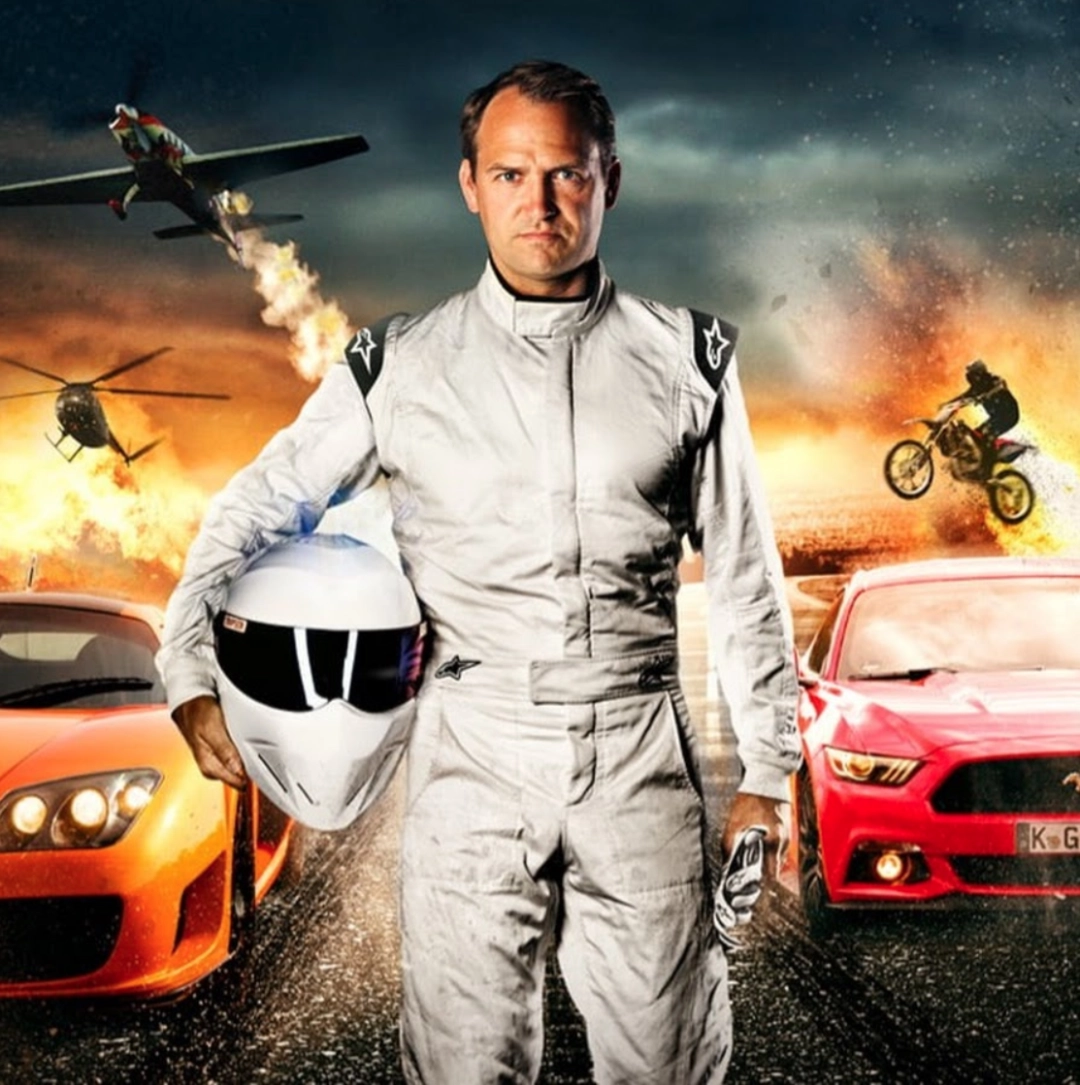
Ben Collins' involvement has provided a solid foundation for Project Motor Racing's ambitious "Factory Driving" program.
In fact, even with continuous iterations of hardware technology and advancements in software technology, no matter how lifelike the lighting, graphics, and material details are, once supercars leave those visual and tactile sensations, what remains relies on various metaphysical details—what is known as "driving feel." And as someone who has participated in top-tier events like F3 and NASCAR, and even served as a stunt driver in numerous 007 films, Ben Collins lacks neither experience nor technique.
But translating technology into experience is a real challenge. No matter how realistic the simulation, the white noise and push-back sensation rushing to your mind when you step on the gas cannot be replicated. When you narrowly brush past numerous streams of traffic, that adrenaline shot straight to the core of your brain is ultimately lacking.
And with Ben Collins on board, what surprises will the highly anticipated sim racing project, Project Motor Racing, bring us?
Thanks to SEGA for the invitation. I'm honored to have this opportunity to meet with legendary driver Ben Collins and unload all the questions that have been accumulating in my mind for so many years.
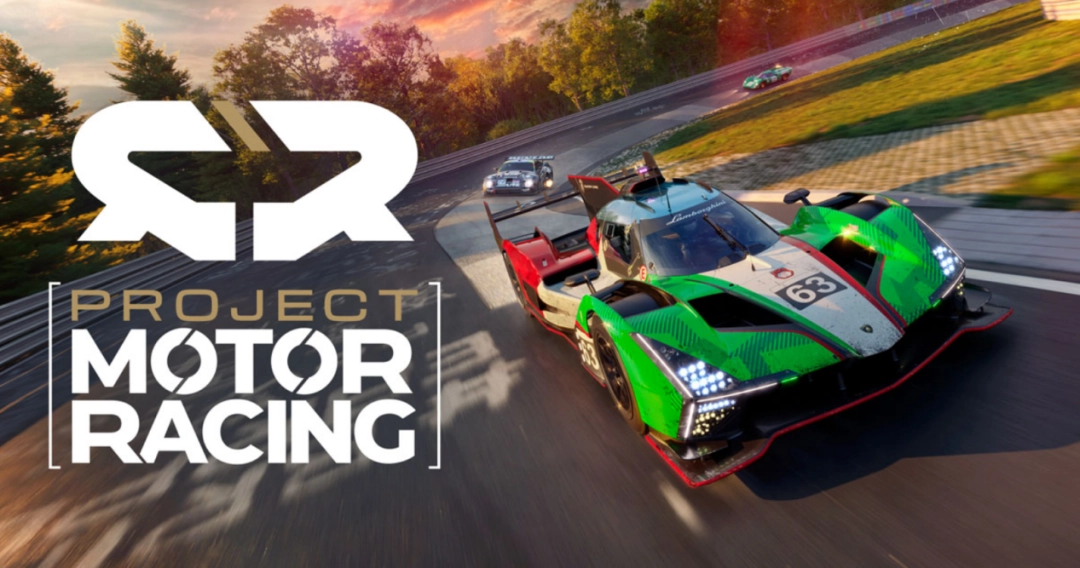
Q: Mr. Ben Collins, your career is legendary. As Top Gear's mysterious test driver, The Stig, you drove hundreds of cars for the show. You also served as a stunt driver in the 007 series, presenting audiences with many thrilling scenes. And now, you have chosen to become a consultant for a virtual racing game.
As a racer with such rich experience and credentials, what does it feel like to bring the knowledge you've accumulated over the years into the virtual world?
Ben Collins:I enjoy all of this, especially trying to figure out how to stuff various real-world things into virtual games—it's like assisting engineers in making adjustments on the track. The biggest difference between driving race cars in reality and helping software engineers "drive" race cars is perhaps that the former is just fine-tuning, while the latter is almost like developing several brand-new track beasts.
Another key point is that we are always at the forefront of technology. Arguably, we have set higher performance standards than any previous racing game, thus entering a new realm in terms of handling performance. From my personal experience, especially in high-speed corners, precise control is actually easier to master than in gentle bends.
Simply put, when a car is moving slowly, it is difficult for engineers to accurately judge the car's state, hard to grasp the subtle balance changes during turning—steering sensitivity, distribution of steering force, the vehicle's range of motion, and final performance. Also, during acceleration, throttle adjustments can affect the movement state of the rear wheels, etc. These details all change the driving feel of the car.
Slow cornering can also lead to vehicle sliding and reduced front-wheel grip, a situation that occurs very frequently in slow corners, even more so than in fast ones. Because practically speaking, during fast cornering, the entire vehicle is in a more stable state and easier to keep balanced.
And our biggest breakthrough this time lies in the dynamic control of the throttle. Players can feel this change in all corners, especially in slow sections. In previous racing titles, we never achieved precise control in slow corners, but now iterations in game engine technology have greatly helped us. The vehicle's performance in the entire virtual environment is getting closer and closer to real cars, which is truly exciting.
Every technological breakthrough we achieved while developing this game felt like early humans discovering fire for the first time—both wonderful and thrilling.
Q: How do you view virtual racing—is it a sport? A game? Or perhaps an experience?
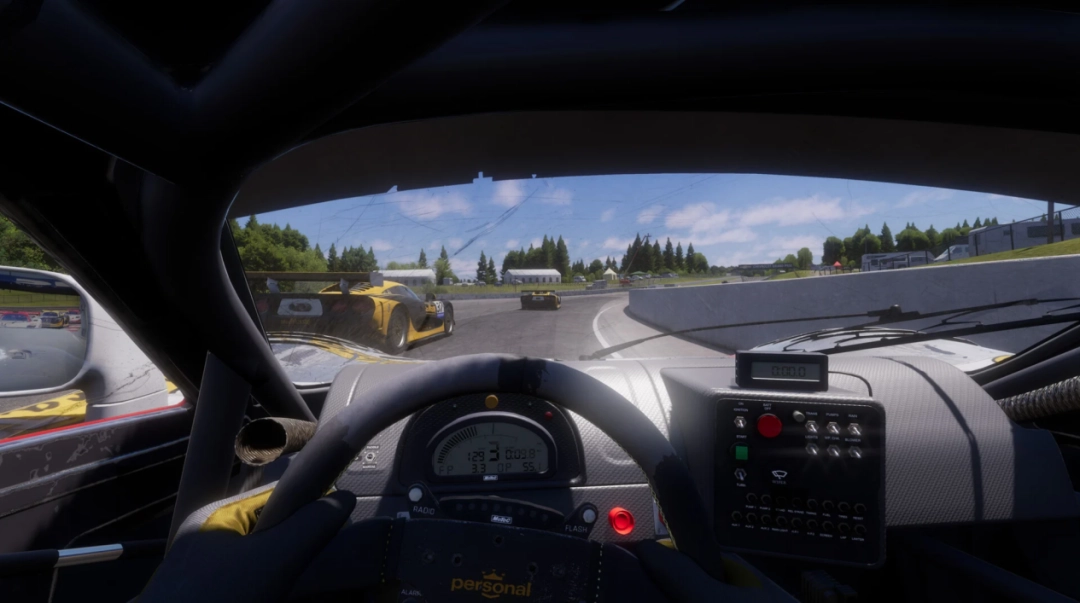
Ben Collins:Actually, when seeing the vividly replicated tracks in the game, I felt completely immersed. I remember once testing the game with VR glasses, I made a small mistake on a familiar track, and the car slammed into the wall. Then, my instinctive reaction was to quickly curl into a ball to protect myself from injury—the self-protection maneuver that racers do. At that moment, I was surrounded by people, about forty or fifty onlookers, who found my actions hilarious. Then I took off the goggles and realized I was actually driving a virtual race car.
You know? Even just driving virtual race cars, current technology makes the adrenaline rush almost identical to real races, an experience that's simply too addictive. Although the feeling is slightly stronger when you're truly competing, I think this is the charm of virtual racing competition.
The reason I call it a competition is because the pressure is almost the same; your brain is dealing with challenges identical to real tracks. Although the experience differs, you can still feel the same passion during crucial moments. Moreover, with the development of the times, new technologies such as hardware equipment, goggles, display methods, and ways of observing the track with your eyes are continuously being updated and iterated.
Therefore, I believe that when hardware technology sees a new round of breakthroughs, it will greatly promote the development of motorsports. We are fully leveraging this technological advantage, especially at 4K resolution, where the visual realism of the tracks is stunning. We have even precisely simulated the textures of the track surface, achieving a high degree of restoration for every tiny bump and irregularity.
It might not sound like much—but when you're actually driving in the game, if a bump on the road appears in just the right spot, you can feel it just like on a real road. This experience is absolutely magical, I guarantee it.
Q: In motorsports and the real world, we are shifting from fuel engines to electric or hydrogen energy. As a technical consultant for virtual racing games and a senior racer, how do you view this transformation in the real world?
Ben Collins:It's actually quite interesting. During the time I've been working on this, I've found that car weights have been increasing, even without electric components. And if you add batteries, the car's weight increases further. So, race cars are becoming bigger and heavier.
But honestly, gaining weight is a terrible thing, especially for "driving fast"—weight does not improve handling performance. Even if you provide these cars with enormous power to mitigate the impact of weight, you cannot change gravity, which is always present.
Therefore, cars continuously gaining weight and increasing in size is undoubtedly a bad thing. Although I personally enjoy driving electric cars—as long as they perform well—I find them harder to drive well because they are heavier—usually at least two tons (2,000 kg), which is an astonishing weight.
And I enjoy that agility more, liking how the car drifts freely and smoothly through corners, the thrill of instant feedback. Yes, as technology and weight continue to evolve, I prefer lightweight designs, even though this trend is quietly changing our driving experience.
But having said that, when I sat in that 2000-horsepower electric Lotus, the surge of powerful momentum still left me speechless—that was truly a nice car.
So, I want to answer your question seriously now. Currently, I still believe internal combustion engine cars have the advantage. Because, as long as the fuel isn't exhausted, the power of an internal combustion engine won't drop. Whereas the performance of electric cars gradually decreases as battery charge drops, and electric cars are also heavier.
For technical purists, fuel engines still hold the top spot. After all, most users are constantly thinking about squeezing out every limit of performance, and fuel engines indeed perform quite excellently in this regard.
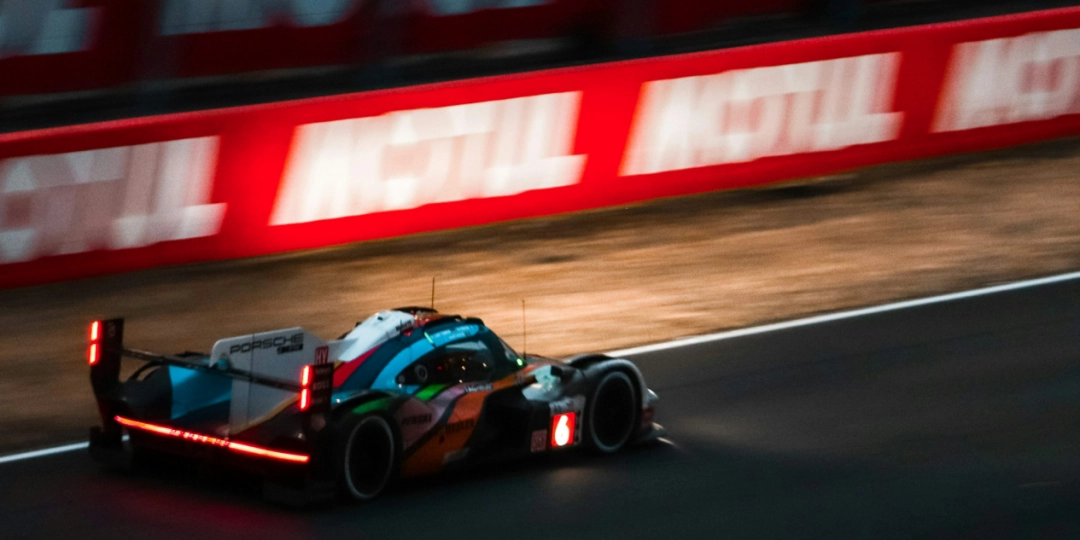
Q: In previous interviews, you mentioned that you could reproduce certain characteristics of real-world driving to some extent through pedal pressure. So, in the actual game development process, how do you ensure that different vehicles exhibit the "dynamic simulation performance" you described during gameplay?
Ben Collins:What you mentioned is my main job right now. I extract some "impressions" applicable to the game from my past driving experiences and ensure they apply to most vehicle types. Then, the development team ensures these "impressions" are implemented.
When they set out to replicate a car, they first obtain its geometric parameters, master the CAD configuration settings, understand chassis stiffness, tire width, downforce values, and engine power output. They also try to acquire the engine's torque curve and sound recordings, striving to comprehensively restore its real-world performance characteristics.
However, when you try to pack real-world elements into circuit boards, some details always get missed. I can detect these differences and then offer suggestions to the team, who then make fine adjustments based on them.
Q: What exactly are the differences in handling characteristics of these race cars? For example, NASCAR cars, F1 cars, etc., their handling methods are different. Based on your experience, can you explain these differences in the simplest way to a young fan who knows nothing about them?
Ben Collins:Oh god, I'm starting to sweat. That's a really good question. But having said that, although I love NASCAR, the first time I sat in a NASCAR car, it felt like sitting in a truck. And when you sit in an F1 car, it's like sitting directly on the floor.
F1 cars have extremely sensitive throttle responses, all operations are completed instantly, driving them feels like fast-forwarding, acceleration and deceleration are astonishingly quick, the whole process is ridiculously fast.
When driving NASCAR, there's more time, so various situations proceed more "slowly"—relative to F1. Although NASCAR is actually faster, it feels slower because the tracks are very large.
This analogy might sound a bit strange, hope everyone understands. Accurately speaking, the worlds of F1 and NASCAR are worlds apart, but with accumulated experience, you can switch from one series to another, just like I did.
But after all, not everyone is The Stig, able to switch from NASCAR to F1 and back again. And that's the charm of the game—you'll get to experience various different car models and enjoy the fun.
Q: And no need to worry about crashing?
The Stig:Haha! Yes, and no need to worry about crashing.
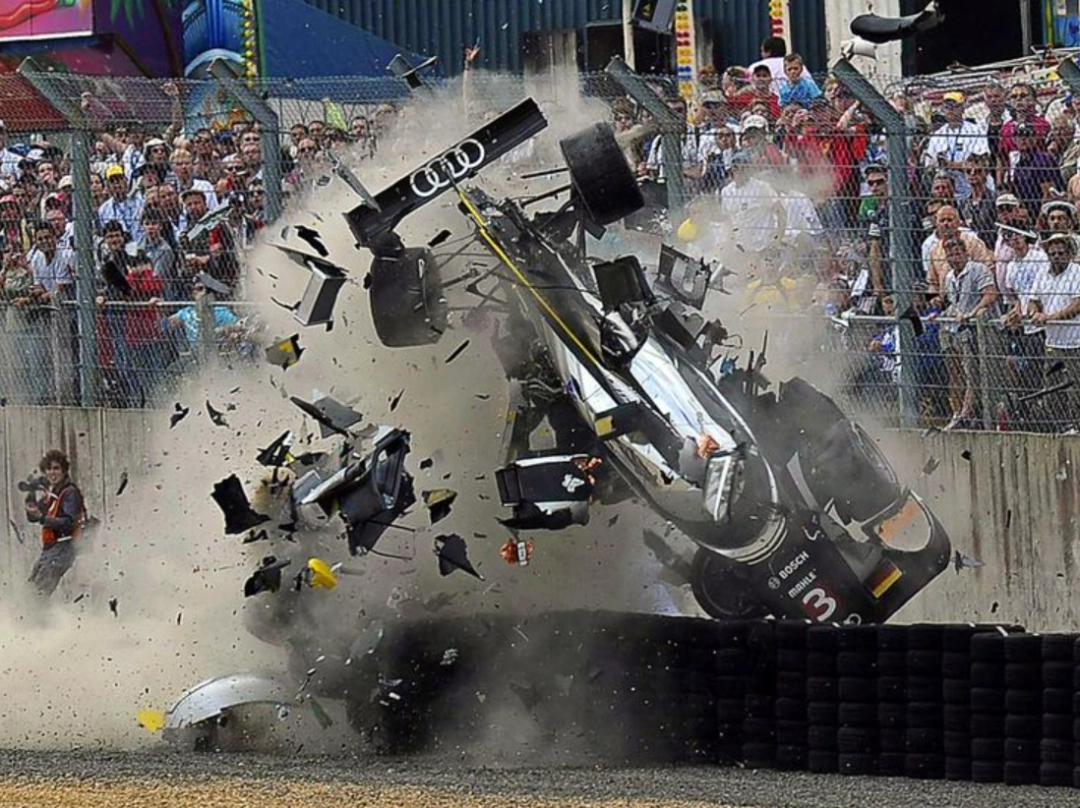
Q: When collaborating with the team at Straight4 Studios, how did you ensure that details like real-world grip and tire changes were simulated into the game?
Ben Collins:Personally, I am very lucky—because my own driving experience is very rich. Front-wheel-drive road cars, Formula 1, NASCAR, GT racing, single-seater racing, etc., I can say it covers almost all car types.
Moreover, I not only have extensive practical experience, but I also have deep expertise in the actual development of automotive steering systems. This stems not only from massive amounts of case data but also from my close collaboration with numerous automotive developers. I can say that I have always been at the forefront of testing supercars and road cars, deeply mastering various tire and operational data. This accumulation allows me to have a relatively accurate grasp of how a car should feel to drive, enabling me to precisely capture the ideal state of different vehicles across a wide range of parameters.
Of course, bringing it to the computer screen requires computer simulation and conversion. In this regard, the software engineers at Straight4 Studios already have considerable experience—most of them are veterans with over 20 years in the industry.
I have collaborated with them on many projects before, some of which were very successful. This time, we can say we are continuing to advance based on the accumulation of many other racing titles.
My main responsibility in the project is optimizing actual handling performance—such as the feel of the steering wheel. You can feel weight transfer by adjusting the tires; you can increase the load on the front wheels while also changing the weight distribution on the steering wheel. I call this phenomenon "torque feel," i.e., the twisting effect of the steering wheel. When you slam on the brakes in a car without an Anti-lock Braking System (ABS), the steering wheel will lock up due to the weight shift, causing one wheel to stop turning—this phenomenon produces a very noticeable pulling sensation on the steering wheel.
Q: What about G-force? Even someone as strong as The Stig cannot replicate real-world G-force acceleration in the game?
Ben Collins:No, no, no, that's simply impossible. Anyone trying to simulate G-force acceleration is going in the wrong direction. I think you can try using hardware to simulate G-force, but you cannot truly replicate G-force.
With our current hardware environment, trying to replicate G-force acceleration is futile. The key point is that we need to establish a system capable of real-time feedback on weight transfer—whether to the front or rear wheels, the software can link with motion platforms to monitor bumps and changes on the track in real time.
And this is very difficult.
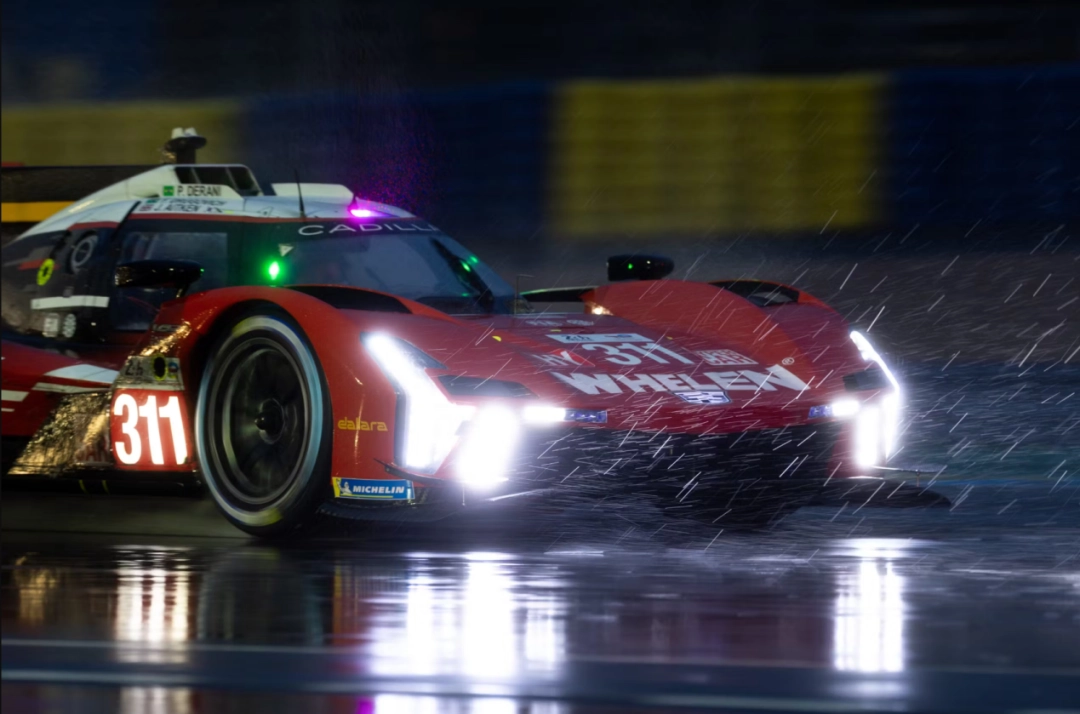
Q: Regarding environmental factors, such as rainy tracks, is this a significant challenge in simulating real-world racing? How did you help the game team recreate the impact of these dynamic weather conditions on vehicle handling?
Ben Collins:You're right, racing in the rain is indeed tough, right? However, our team is the pioneer in wet-weather racing, an achievement I'm proud of. You have to know, rainy days aren't something you can just deal with casually—unlike the "instantly soaked" setting in older racing games where the track gets drenched in seconds—that's simply impossible in reality.
Uh... Well, to be practical: Fuji Speedway sometimes does have such outrageous situations. But leaving that aside, rainfall in reality is mostly uneven. You might see some parts of the track remaining dry while others have already formed puddles.
You might not believe it, but our team has already taken a big step forward in simulating these phenomena. I think it's incredible that we've created such a realistic environment. More importantly, we've made "puddles" more realistic—not just visually, but physically.
For example, when you're driving, if a wheel hits a puddle at a certain angle, it generates traction, an effect that is very noticeable on one side of the car. Simulating this physical effect is very difficult; I estimate the whole process took us at least six months.
We tried for a long time but couldn't get the "puddles" to work properly. When I tested it, it felt like an elastic band was pulling the car, wobbly yet firmly fixed, very strange. Later, we discovered a bug in the simulation system. After fixing it, the "puddles" suddenly felt right—the car and rear wheels started spinning, which felt fantastic. It's like you're really racing in the rain—I particularly enjoy racing in the rain, Max Verstappen does too, Lewis Hamilton does too, all top drivers perform exceptionally well in the rain.
However, I still can't fully understand this mechanism. But it doesn't matter, after all, I've never really understood math either. I am always striving for the ideal result, just so players can get the most realistic and reliable driving feel possible.
Q: What about wind simulation? Not just rain, strong winds also significantly interfere with racing progress, right? How do you handle this weather factor?
Ben Collins:Actually, I hadn't really thought about that before. You're right, it's a good question. We've been wrestling with similar issues because there's just so much to do. While simulating wind alongside the new engine sounds great, it's not our current priority.
Regardless, this is indeed good advice, and we will definitely give it a serious try when we have the chance.
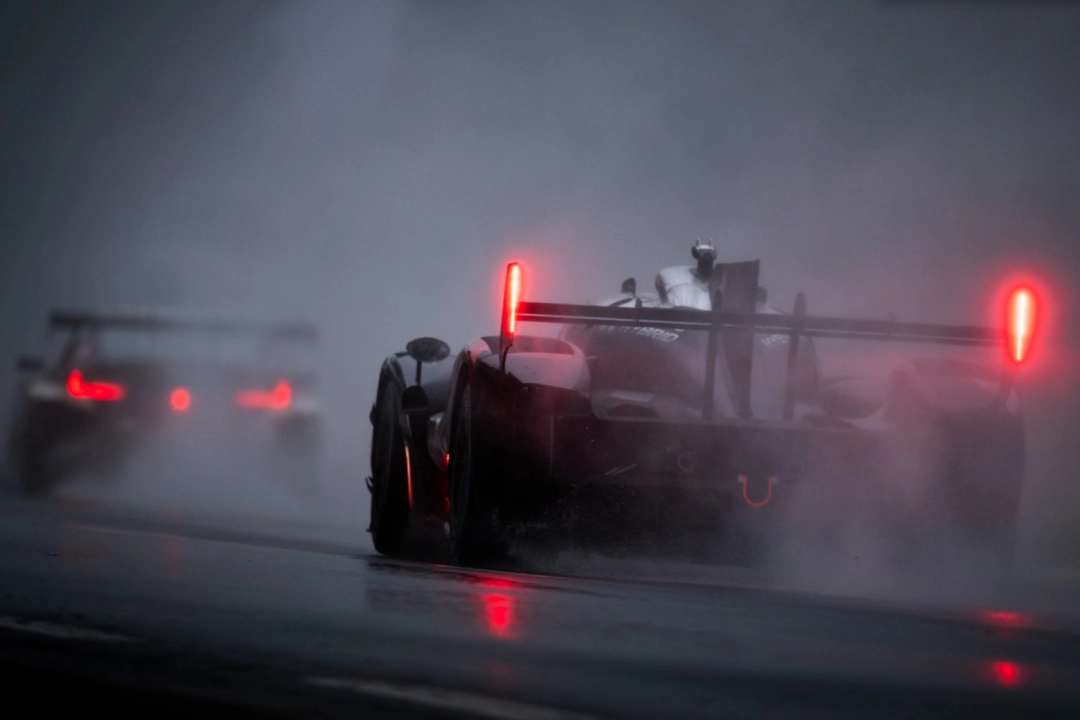
Q: During actual development, which part did you personally find most interesting?
Ben Collins:Ah, let me tell you the truth—although I do like real-world racing and have experienced a lot, such as driving racing cars and performing stunt driving, which are all fun. However, when driving virtual race cars, we can crash for free—yes, slamming the car fiercely into other cars, track barriers, and things like that.
You have to know, crashing in the real world is not a good thing. Racing, racing, is about racing fast cars, not bumper cars—if you crash your car, the race is over.
And sometimes, in a race, you can manipulate the airflow, because the air blowing from around your car acts like a pusher, easily pushing other vehicles away. You can make the car ahead deviate from its course without colliding. This tactical detail is currently very difficult to simulate in racing games.
Uh, I got a bit off track, what was I saying just now?
Anyway, our goal is to make Everythinggj more realistic. If I had to name the most addictive experience, it would probably be the dynamic feel of controlling the vehicle with the throttle. When the game's posture system works correctly, you can precisely control with your right foot—whether drifting or on the track, you can accelerate and steer using the throttle.
What satisfies me most is this—when you're speeding, whether drifting, doing donuts, or accelerating out of hairpin turns on the track, suddenly the car starts to slide, yet you can still maintain steady control. In terms of racing games, this system absolutely surpasses all other racing games. Really, I've recently tried all the sim racing games on the market, and this viewpoint is absolutely true.
Because of this, I'm really looking forward to seeing how players experience it firsthand.
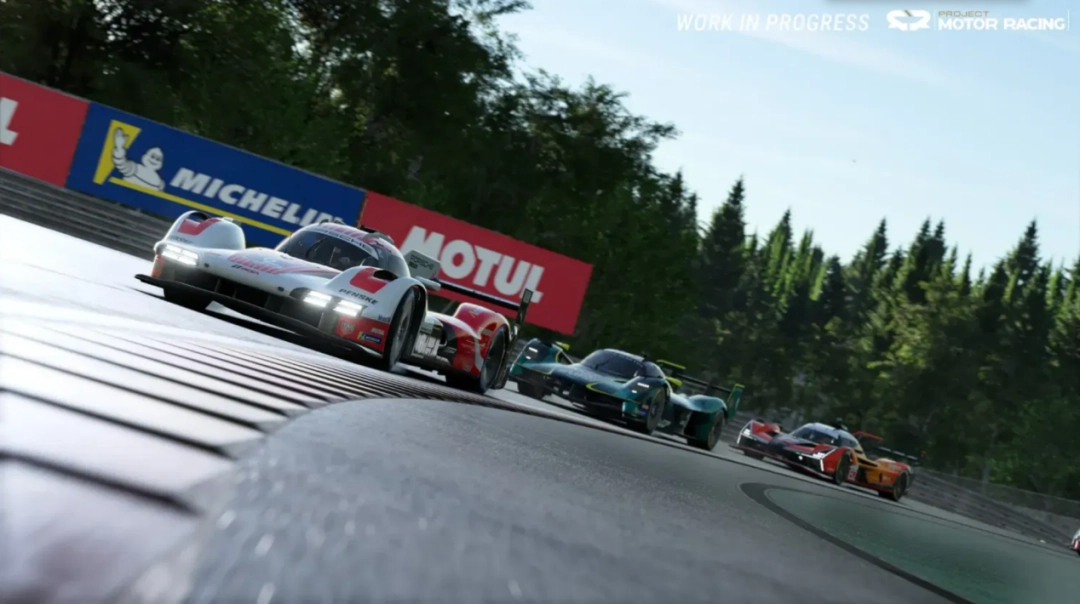
Q: Do you think projects like sim racing or similar racing games can really help kickstart motorsports, or even enhance their development level? As you mentioned, motorsports in the real world are also like this. Max Verstappen himself is a strong supporter and promoter of sim racing. As a racer, what is your view on this based on your experience?
Ben Collins:Yes, I firmly believe that sim racing will have a profound impact on real-world technology. To be honest, in the 1990s, I was also practicing with a game called "Grand Prix 2" developed by MicroProse.
Although this game is very basic, for me, it not only helped me master track skills but more importantly taught me discipline—allowing me to maintain a stable rhythm, continuously refresh lap times, and never get distracted. I think many people don't realize how important this is for a racer—you must train yourself to eliminate all distractions and maintain high focus. It's like turning yourself into a robot, a thinking robot.
And when you are young, just starting your racing career, it is difficult to cultivate the kind of discipline that allows for true focus. You have to strive to awaken the potential in your subconscious, activate it, and let it work.
So, the more you practice, the better you master the skill of "focus." This is why drivers engage in acrobatics, participate in various sports, and so on. Any activity that exercises focus—including sim racing games—can significantly help racers concentrate on scenarios as close to real driving as possible.
And, honestly, current sim racing technology quite surprises me—the effects are ridiculously realistic, it's crazy.
In Project Motor Racing, we have grasped the correlations quite accurately. You can almost replicate all the adjustment functions in reality—such as ride height, spring pressure values, toe angles, and other parameters. Moreover, you can stay in the seat as long as you want, without worrying about burning tires or wasting fuel.
More importantly, you don't need to spend a lot of money on a good setup to experience these. I think this will make motorsports more accessible, allowing more people to participate—after all, the cost of real-world racing is truly too high.
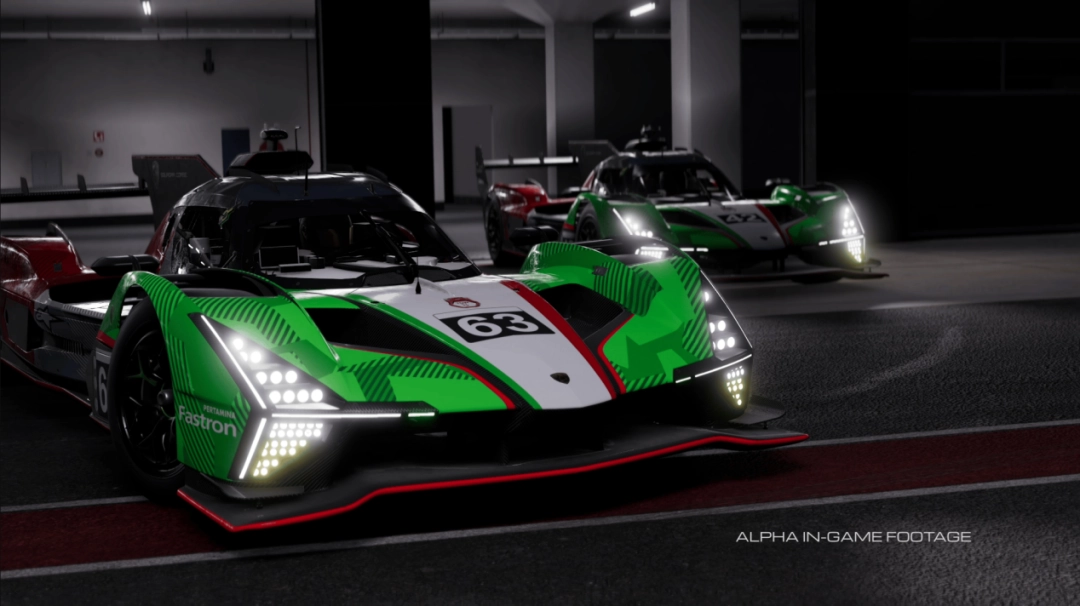
Q: Which track is your personal favorite? What is the most significant characteristic of that track for you?
Ben Collins:There are quite a few tracks I particularly like, but if you ask me for my absolute favorite, it's definitely Macau's Guia Circuit. Unfortunately, Project Motor Racing doesn't include this track yet—to be precise, no sim racing game has added it so far—but I'm consistently following up, hoping to add this track I love most.
Uh... let's get back on track. The Guia Circuit is a street circuit, and I absolutely love it. As a driver, you have to be fully focused when racing through such a place—it's wild to tear through city streets. It's an absolute hellhole! I really hope this track makes it into our game as DLC someday.
Let's talk seriously about Le Mans. It's incredible—the track is long and fast, and I really love it. There are many high-speed corners where you have to slam on the brakes—but not recklessly. You need precise timing, which is key. Plus, you can draft behind other cars, slipping along in their slipstream.
Donington is also a great choice; I often go there to race, both in real life and in games. We spent considerable time testing on that track because its mix of high-speed and low-speed sections allows for excellent evaluation of a car's handling performance.
Q: I thought as a Brit you'd prefer more British-style tracks, like Silverstone.
Ben Collins:Haha, Silverstone is also great, indeed. If we want to truly test various corners, Silverstone Circuit is indeed a good choice. It's a great and unique track, and driving on it is very exhilarating.
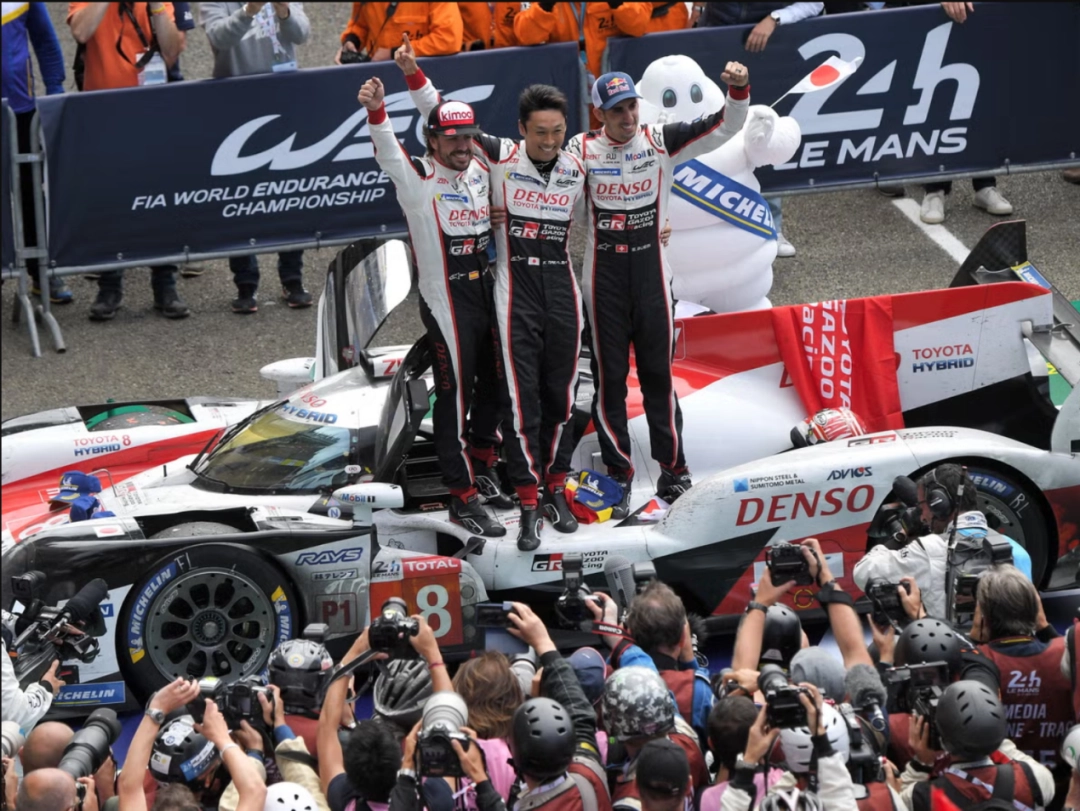
Q: So, after becoming a consultant for Project Motor Racing, how did your years of experience fully help the development team and significantly impact the game?
Ben Collins:Well, I previously mentioned acceleration performance and steering wheel feedback, which I already detailed earlier, so I won't repeat myself here—but although these features might seem minor, they are key points that truly differentiate the experience. After all, we are sensory beings, and tangible tactile, auditory, and kinetic sensations significantly impact the driving experience.
We've also put tremendous effort into sound design. As you know, besides visuals and audio, there isn't much else we can simulate effectively, since aspects like G-force acceleration are still limited by various issues. Therefore, enhancing other sensory experiences is crucial. When you press the brake pedal, the system provides feedback through pedal and steering wheel vibrations, while you hear the tires working, clearly letting you know the vehicle is approaching its limits.
Then there's vision, which is crucial. We've put significant effort into fine-tuning the screen's field of view and information density to ensure visual realism. We've also invested heavily in ergonomics to accurately simulate the driver's seating position and field of view inside the race car—considering width, distance, and more.
We've injected so, so many details like these into this game that when you play, unless I point them out one by one on the screen, you might not even notice them. Without these details, players would be playing blindfolded. These environmental elements are crucial; immersing people in a realistic environment we've designed significantly enhances the gaming experience.
I feel very proud of this—because in the field of sim racing games, we've pushed realism to unprecedented heights.
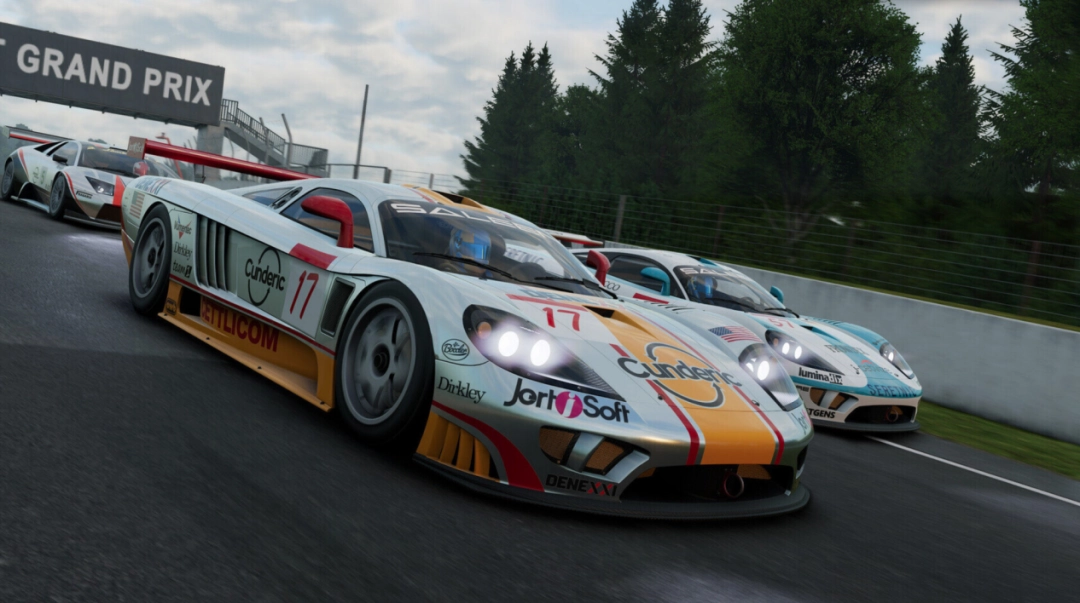
Q: How has your career progression from peak-performance racer to current game consultant influenced your understanding of the balance between safety and speed in motorsport?
Ben Collins:Unless you literally fall out of your seat, the chance of injury during a race is almost zero. Of course, that description is slightly exaggerated, as few racers are genuinely afraid of getting hurt. When you put on your helmet, sit in the car, and watch the scenery blur past like a phantom, adrenaline pumps through your entire body with your pounding heart—you basically can't stop.
Uh... unless you physically stop, meaning crashing into walls or similar incidents.
Moreover, this holds true for virtual racing as well. The key point is competition, and Project Motor Racing perfectly embodies this competitive spirit. Players can compete against racing enthusiasts worldwide, arrange offline matchups through forums, and of course, the AI in this title is also a worthy opponent—after all, the development team has considerable experience in AI technology.
In fact, many racing enthusiasts still hold rather early and basic impressions of AI opponents. But I want to say that we've put considerable effort into ensuring players have something truly challenging to compete against.
When I play, I sometimes feel like the AI is mimicking a past rival of mine, actively provoking me during races. Sometimes I even wonder if the AI is genuinely targeting me in a programmed sense, but that's actually pretty cool—having an AI opponent that feels incredibly human sounds awesome, right?
Q: In your opinion, what unique value do racing games offer?
Ben Collins:You know, cars themselves are works of art. And when you see those 4K resolution tracks and various environments in the trailer, the feeling of traveling across thousands of miles to experience these places firsthand is hard for me to describe.
This is almost the closest experience non-racers can get to real-world racing in reality.
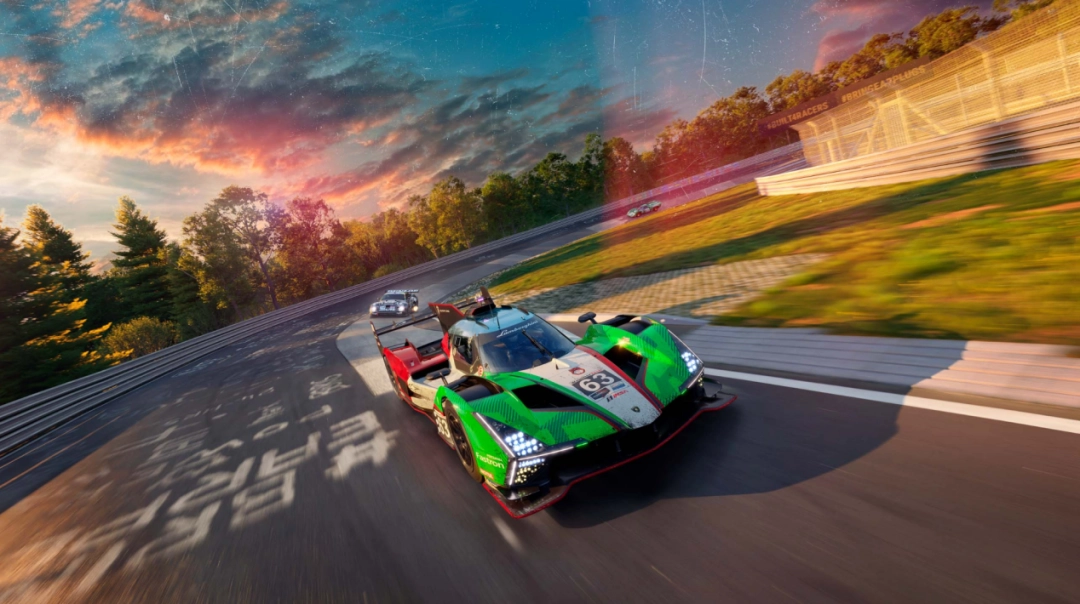
And then there are the cars. Those top-tier supercars presented to us in three-dimensional form, with materials so细腻 (fine/detailed) they're astonishing, and realism so absurdly high—Lamborghini, Aston Martin, etc. You can personally grip their steering wheels, press their clutches, and feel the roar from their engines. Do you know what these things mean to us people obsessed with motorsport? Love!
Plus, collecting so many cars in the virtual world is definitely much cheaper than in real life.
I think the most amazing thing about sim racing games is that they allow you to fully immerse yourself in the virtual world, forgetting all reality, and completely devote yourself to the roar of the throttle. This immersion is incredibly addictive. I don't know if you've seen the movie Ready Player One; although we can't achieve that level of realism yet, just imagine... you should get what I mean.
Shooting games like "Call of Duty" may give you a similar feeling, but you always have to stop. Sim racing is completely different—you're speeding the whole time, never stopping.
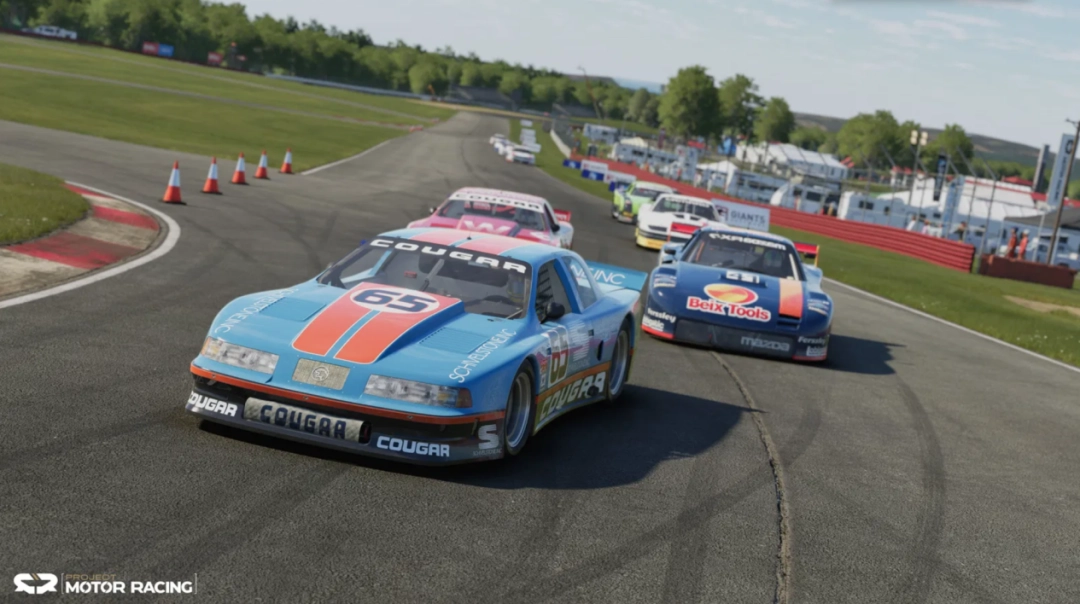
Q: Do you think recruiting professional sim racers like Max Verstappen to form a team competing in real-world motorsport events is feasible in today's racing environment?
Ben Collins:I think if Max believes something is worth doing, he'll definitely succeed. He's a smart guy. And I believe the transition from virtual to real racing has long been feasible.
Here's a joke, not sure if you've heard it. Max is both a professional sim racer and a part-time F1 driver—imagine, he treats F1 as entertainment and a hobby. He has proven the possibility of cross-discipline competition, so I firmly believe he is one of the top drivers in the world today, possibly even the greatest of all time. You have to understand, the level he's showing right now is just incredible.
You see, he always drives F1 cars in ways unexpected by others, with overtaking techniques that are entirely original, completely颠覆ing (subverting) traditional perceptions. I think Lando Norris learned a lot from Max, which fully demonstrates the wisdom of drivers—they always find ways to maintain the strongest competitiveness.
Therefore, I believe the future of sim racing is pivotal. Although there were only one or two successful transitions in the past, with advancements in hardware and simulation technology, more and more virtual racers are demonstrating astonishing prowess after moving to real-world racing, which is truly remarkable.
Moreover, virtual racing offers unparalleled advantages in practice volume. When I was still racing, I spent only about fifteen days a year in the car—roughly 8 days of testing plus 10 races, with each race lasting maybe half an hour. But with virtual racing? You can practice 365 days a year. That sounds daunting because your practice time is simply too long. You must know that developing racing skills takes a significant amount of time.
So, I believe the sim racing model will become a major force, eventually turning real-world motorsport upside down. Future driver competition will definitely be fierce. Just think about the gap in their training levels—I even start feeling sorry for some drivers.
Q: You share many driving tips and details on your personal Ben Collins YouTube channel. Will you share some Project Motor Racing tips or create tutorials in the future?
Ben Collins:Haha! I've thought about that idea. We're working on similar projects and exploring some plans, but I probably shouldn't share details with you right now. But you should understand that I personally really like this concept. I wrote a book teaching people how to drive, and when I was with the Top Gear team, I actually enjoyed teaching people how to drive. I've given driving lessons to many celebrities, which could be considered a professional habit of mine.

Q: The British automotive industry plays a significant role in automotive history. As a British driver, how do you view classic British brands like Aston Martin, Jaguar, and Land Rover? Can these brands deliver special performance characteristics in Project Motor Racing?
Ben Collins:That's a good question. These British brands have glorious histories, but now I hope these companies don't just rest on their history—they need to move toward the future. European car manufacturers are going through a very tough period right now, and I truly hope they can overcome these challenges.
Speaking of which, Aston Martin has made significant contributions to Project Motor Racing. Their car designs are highly attractive and fun to drive. Our team put in extraordinary effort to bring them into the game—and the final result features stunning car models with outstanding handling performance.
And honestly, driving Aston Martin cars is indeed very rewarding. They not only have an F1 team but also a determined board and owner like Lawrence Stroll. I think their future will definitely be exciting.
Furthermore, we will have a long-term partnership with Aston Martin in Project Motor Racing.
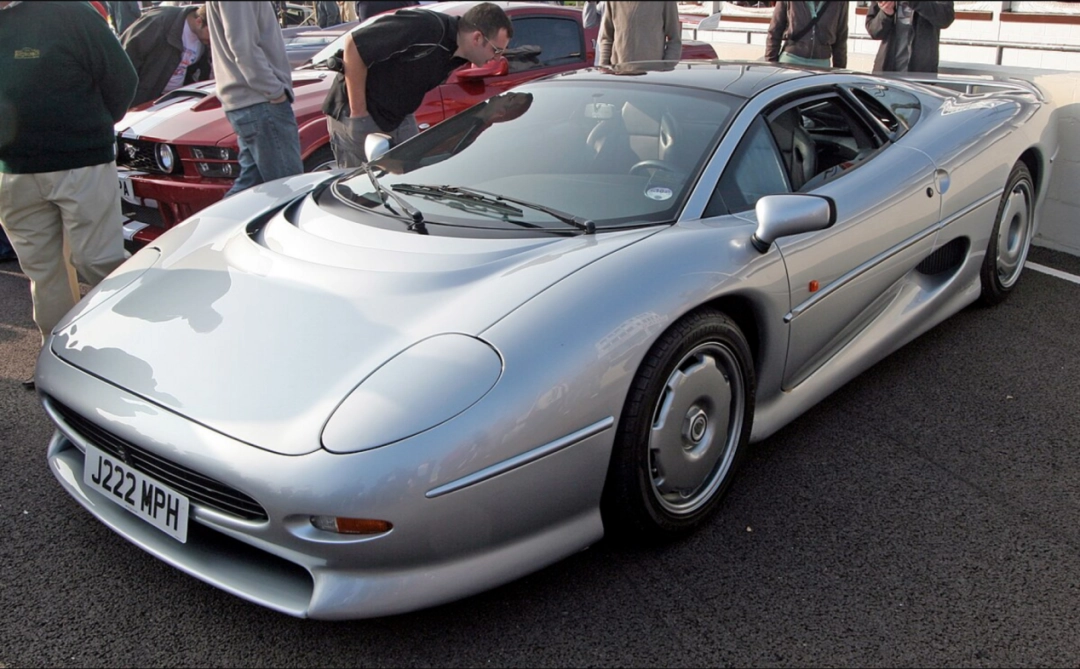
Hmm... I suppose there's also Jaguar. Yes, I'm not entirely clear on their current thoughts, but historically, they produced many wild supercars, such as the XJ220, which I personally love. So, I sincerely hope they can restart and continue producing those big machines I'm obsessed with.
Q: Do you have any message for Chinese fans and motorsport enthusiasts looking forward to playing Project Motor Racing?
Ben Collins:We hope you all enjoy this title and feel the passion we poured into its creation. If there's anything you'd like us to improve, feel free to leave comments on our social media or forums—we'll be keeping an eye out.
We also look forward to seeing you in the game.