
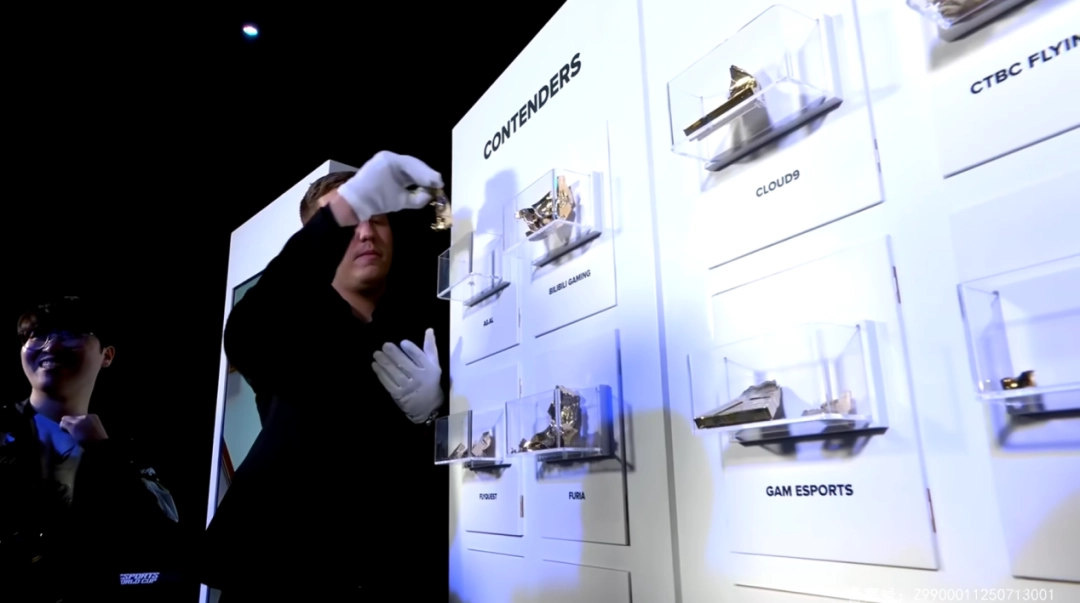
As someone who has been watching LoL matches since the early S3 days, I sadly realize that our esports "resistance against Korea" seems to have hit another low point. For three consecutive years, the Summoner's Cup has been lifted by Korean teams. In this year's two major mid-season tournaments, MSI and EWC, teams from the Chinese region were eliminated twice in painful fashion, with the key to the championship locked away in the trophy base...
In a daze, the painful memories of the early "pre-Year One" era of League of Legends esports seem to flood back.
Back then, the Korean OGN/LCK league system, inheriting Blizzard's esports organizational experience, was far more mature than the emerging LPL. The players it produced were elites among elites—"Ma Datou" casting fire rain with Rumble, Looper leaving a trail of farts while "shaking" top lane, and Madlife, forever the world's best Thresh... Each had their unique strengths and secret weapons, with shocking macro and resilience. Their surprise picks in crucial BO5 matches always brought unexpected delights.
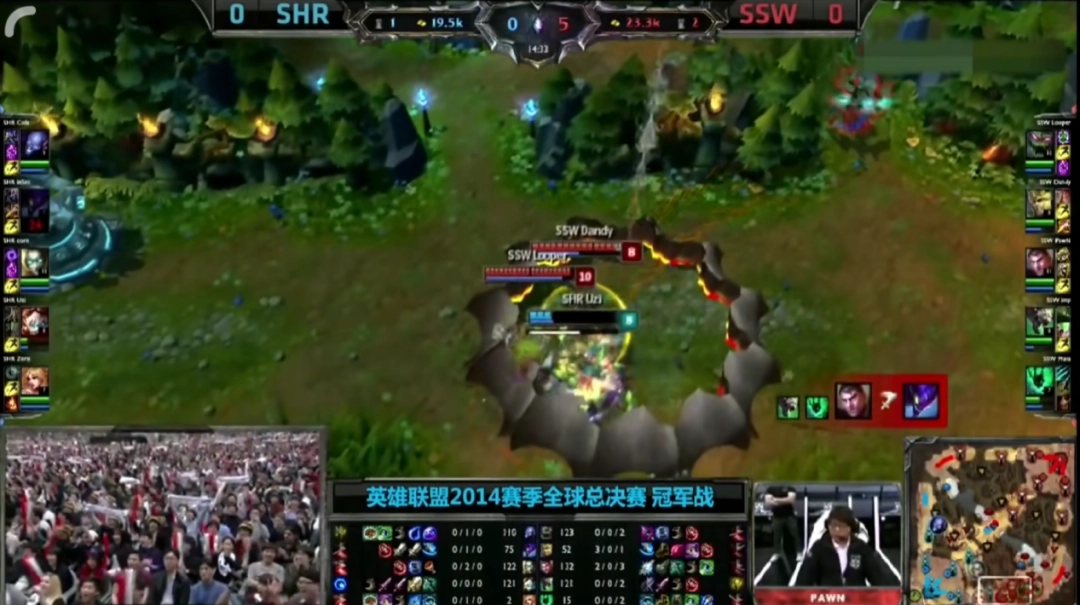
Actually, if it were purely about fighting, Chinese players would never lose to Koreans. In all-in team fights for resources, our win rate is actually quite high. That generation of LPL players was also filled with stars.
However, under that suffocating "Korean macro," every punch we threw felt like hitting cotton. Whenever we wanted a real fight, they would avoid the锋芒 using split-pushing, poking, lane swapping, and teleport plays, only to return when we were exhausted. At that point, the drained Chinese teams often had to retreat, losing key resources without a fight. Even if we managed to kill one opponent, they would balance the disadvantage through minion wave management and resource exchanges.
Boring, frustrating, full of energy but nowhere to use it, yet losing helplessly—that was the lasting impression those matches left on Chinese viewers.
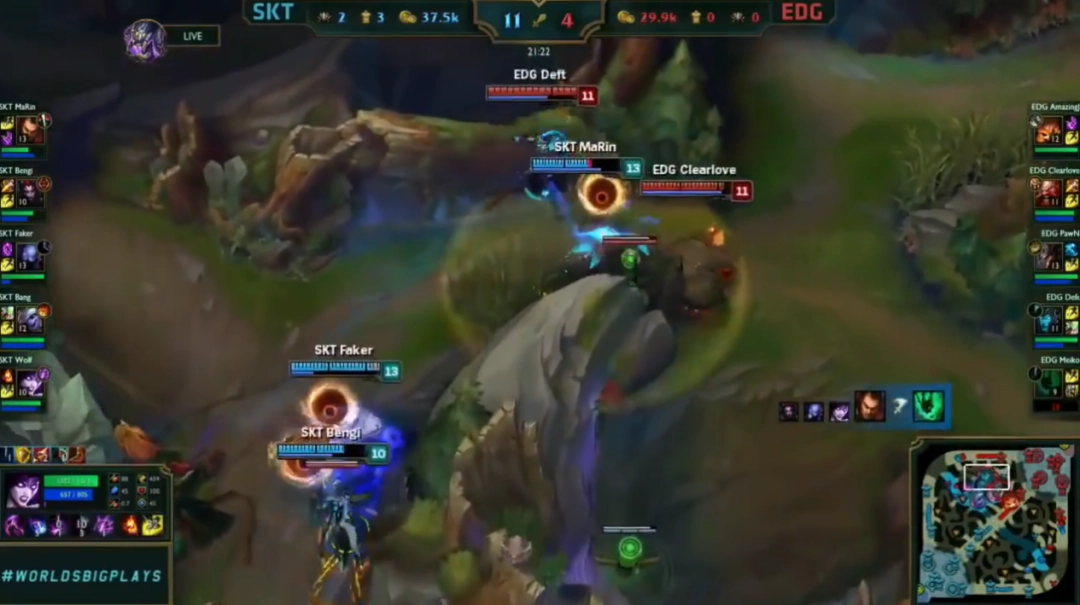
If there was any consolation during that "dark era," it was definitely the MSI in S5. Korol, known as "Tong Wudi" (Child Invincible) after his "Buddha's Palm" performance in the Spring Finals, suppressed Marin top lane, outplayed three SKT members, escaped with sliver health, and turned around to kill their support Annie with a spear. This iconic moment is still talked about today. The prestige of EDG's 3:2 victory over SKT continues to rise, frequently revisited and savored by veteran esports fans.
However, victory in a single major tournament is never enough to quench the thirst. Even today, with the LPL having secured multiple championships, the older generation of esports enthusiasts still burns with the desire to "resist Korea."
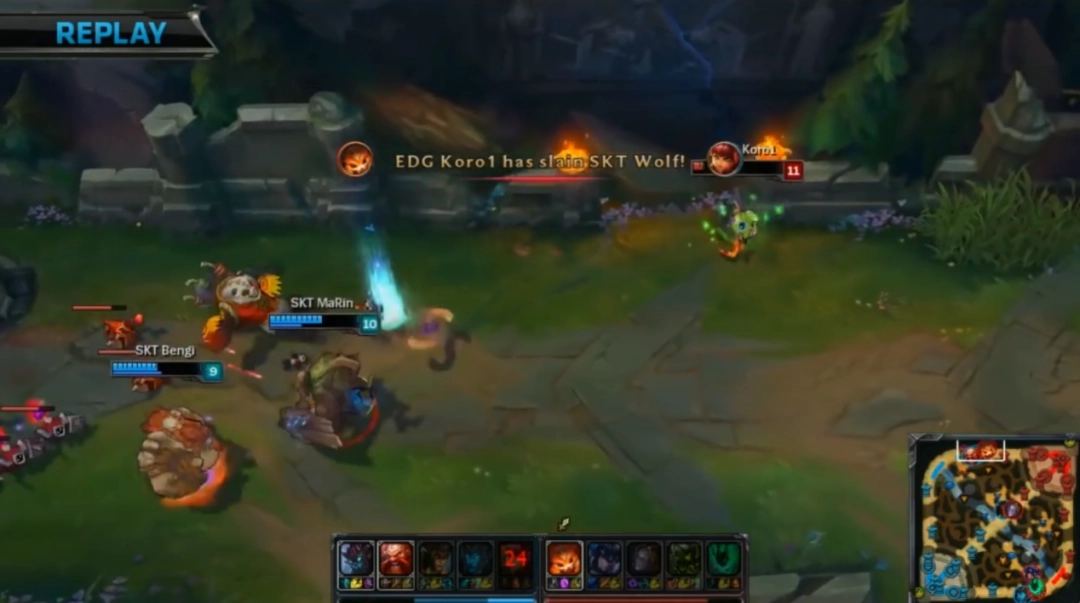
Suppose you're an old esports fan like me, who has followed the LPL since its inception. If you heard about a tournament where former legends like Korol, WeiXiao, LeYan, icon, Ning, and even Dian Gun could face off again against past dominators like Ma Datou, Dade, Pawn, and Looper, and this time without any sluggish macro play, just pure mechanical skill, wouldn't you be tempted?
Coincidentally, we finally got such an esports feast gathering the "old guard."
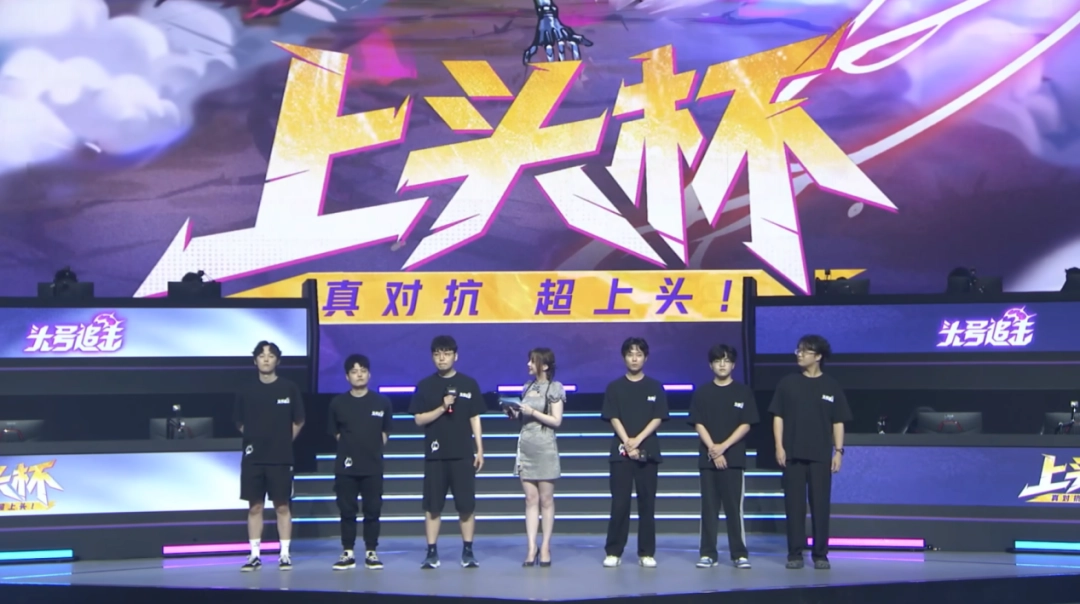
On July 27, not long ago, Headhunters, the new MOBA Battle Royale title led by former LoL producers, hosted its first major China-Korea showdown, the "Shangtou Cup." Veteran pro players from both countries teamed up with two "Battle Royale" partners each, forming 12 teams filled with memes.
For instance, Marin's team was named "Ma Datou," Pawn's team was "General," and Korol's "Invincible Team" inherited the "Tong Wudi" title... But the most abstract team was undoubtedly our "Fierce Gun Bro"'s "Ouneideshou" team. The team's "main carry" was named "Aminos," who showcased incredible Sivir mechanics, accounting for over half the team's damage and directly leading Gun Bro to a "carry-free win" in the first game.
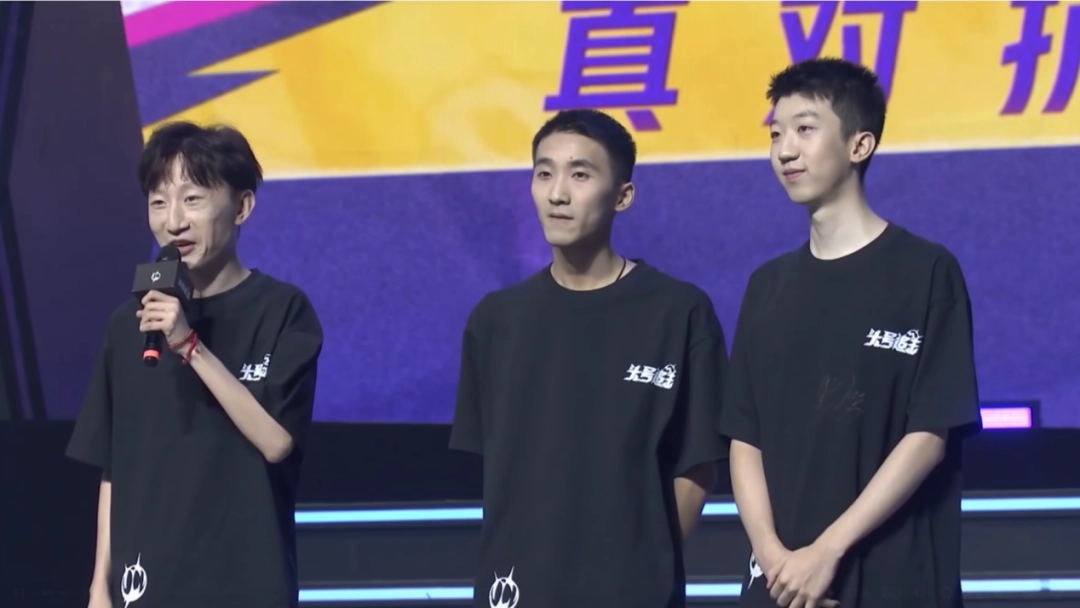
Hello everyone, I am Dian Gun (Electric Baton)
There were many moments in the matches that directly triggered memories etched into the DNA of the "older generation of esports enthusiasts."
For example, in Game 1, Marin instantly picked the hero Fleece, a small, fluffy character. His left-click skill is a cone-shaped fire breath, his right-click is a linear projectile that slows and increases damage, and his ultimate leaves a long trail of burning ground on the floor. Now it makes sense—isn't this a flashback to the famous "Red Hot BBQ" scene with Top Lane Rumble back in the day?
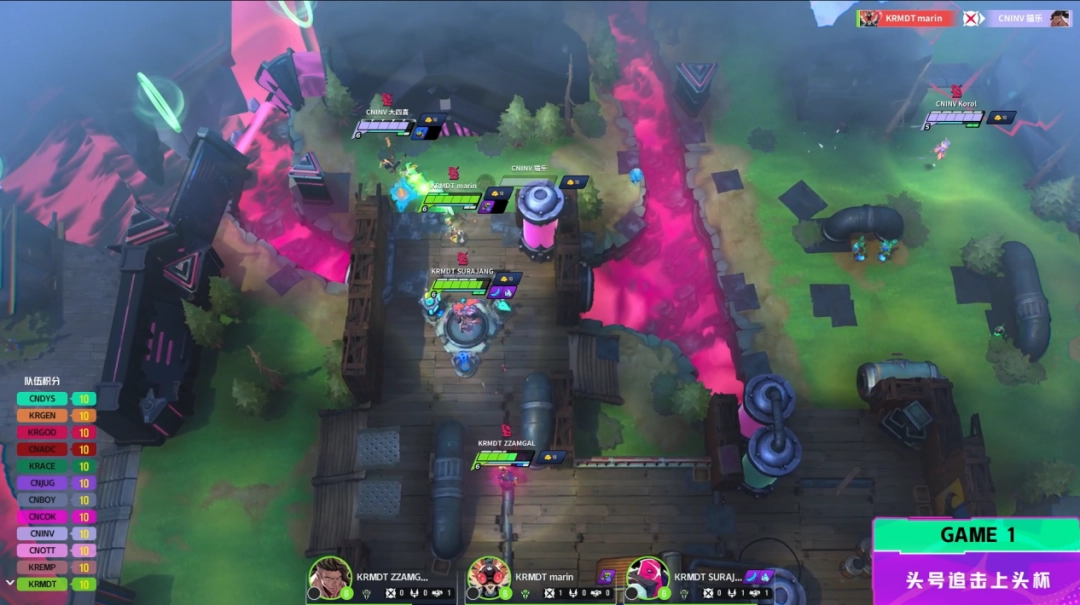
Since you've picked "Rambo," we have to recreate that iconic "Welcome to the LPL" moment. In Game 2, Marin was immediately caught in a three-team pincer movement and taken down without any chance to fight back... Folks, I can feel it—my youth has fully returned.
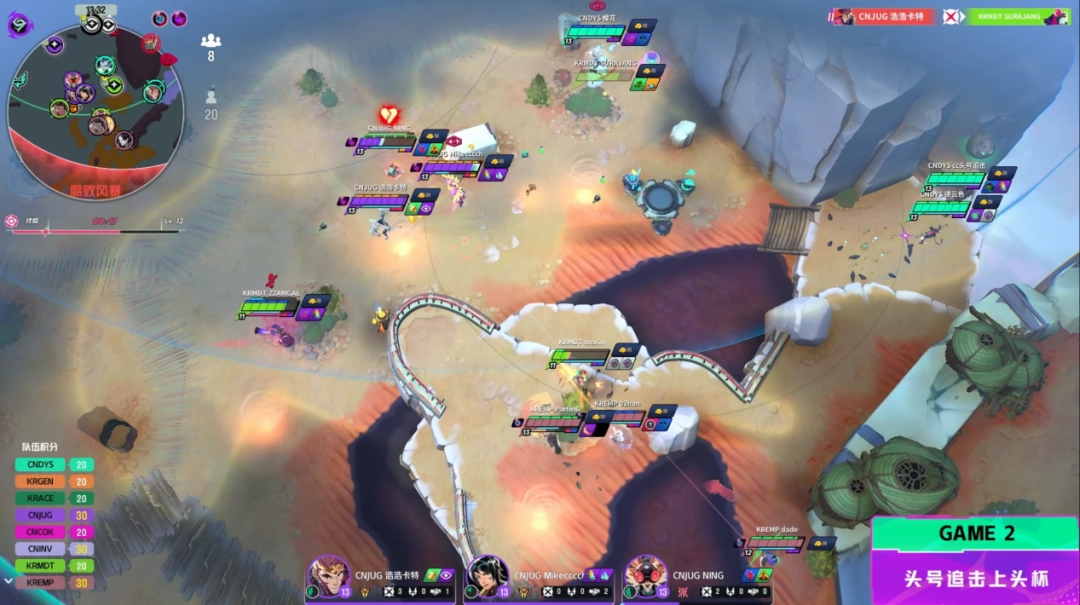
Also returning to their youth was probably our former prodigy mid-laner Gunzi Ge, known for mastering new heroes. Not only did he successfully win the first game under Aminos' leadership, but in Game 3, he picked Fleece and fulfilled his pre-match promise to "solo kill Dade" with a Shift dash followed by continuous roasting, finally realizing the talent of the once "steady genius mid-laner."
Unfortunately, much like Gunzi Ge's career, the "Ouneideshou" team peaked early and then collapsed, sliding from first place in Game 1 to eighth, reenacting the "Fearless Creation of Top 8" meme.
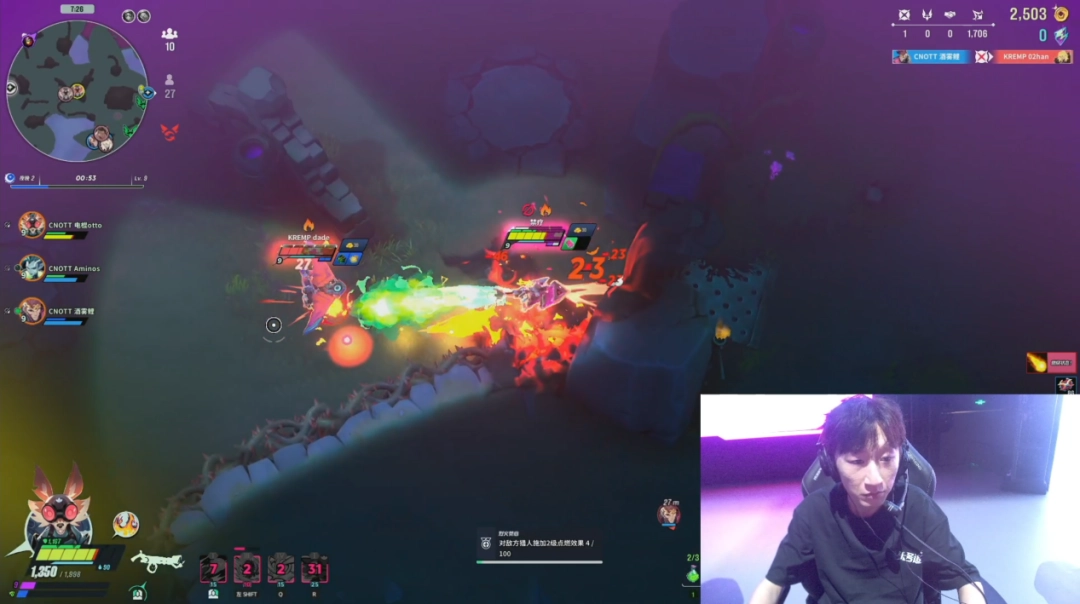
It must be said that this "Shangtou Cup" delivered too many exciting moments that awakened old players' DNA, most of which are thanks to Headhunters' main theme of "thrilling combat." In this game, players are almost constantly fighting. It's not a boring war of attrition involving repeated poking and kiting until states are depleted, but rather sudden encounters where massive team fights can erupt at any moment.
As a MOBA game incorporating Battle Royale elements, each match of Headhunters begins with players choosing their "drop zone" like in traditional Battle Royales. These drop zones are often surrounded by neutral resource points and jungle monsters, available on a first-come, first-served basis.
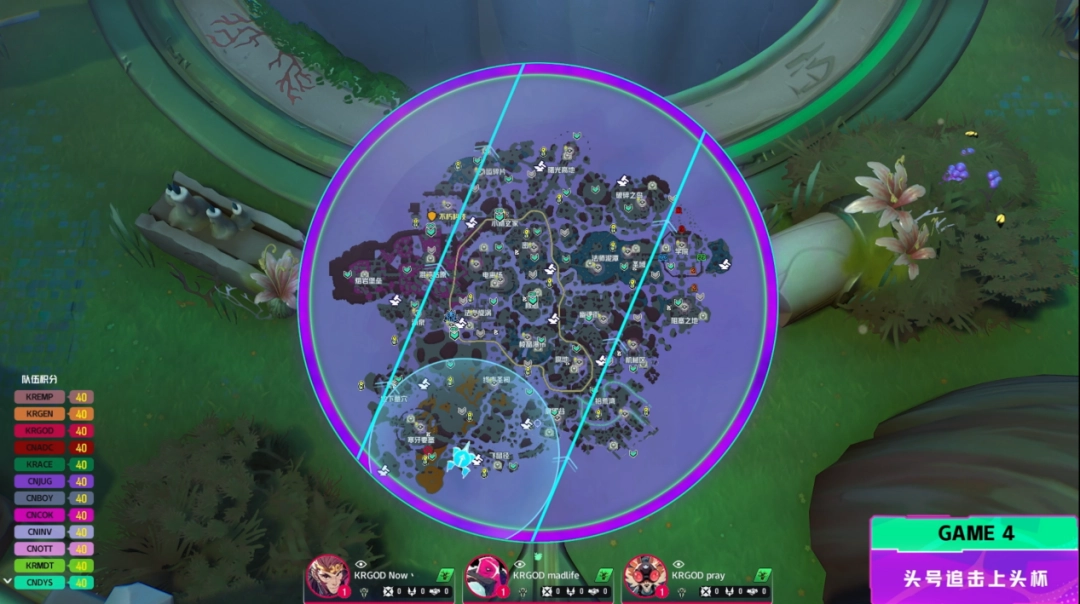
Remote drop zones might offer temporary safety, but scarce resources limit your development, and isolated positions leave you scrambling when the poison circle shrinks, making it harder to defeat enemies camping at the edge collecting tolls... Therefore, avoiding fights is no longer a good option. Either concentrate fire to capture high-value resource points, or seize advantageous terrain to collect tolls. To gain the initiative and dominate the match, you must change your mindset and actively seek fights.
Thus, the inherent "constipation" feeling of traditional MOBAs, which designers strive to avoid but often fail to eliminate, completely disappears.
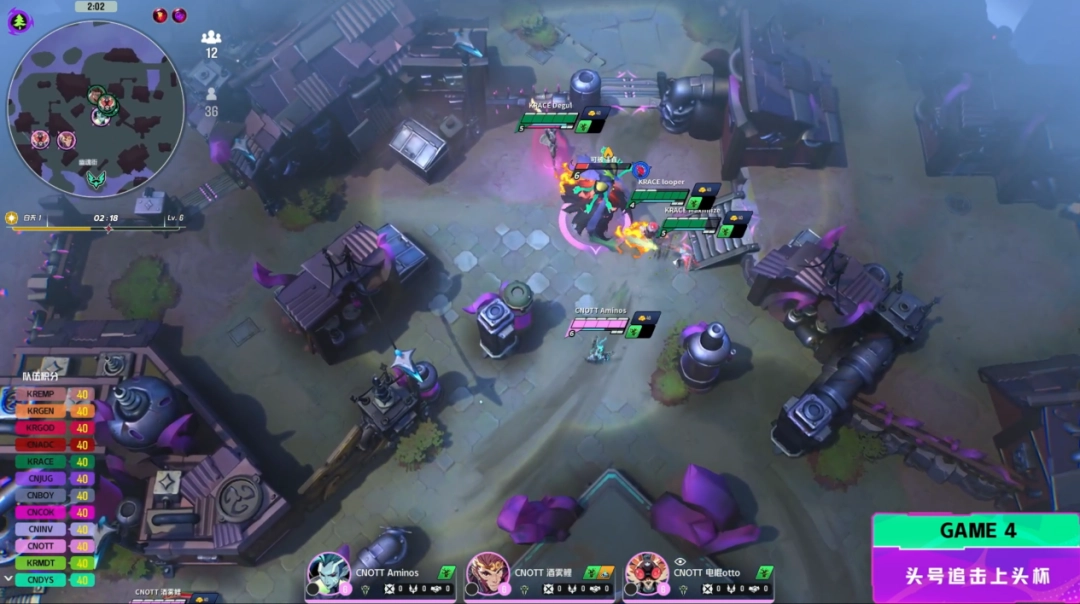
Team fights break out just two minutes into the game, while in other games, the first wave of minions has barely spawned.
Meanwhile, the rewards from high-value jungle monsters on the map are no longer limited to simple experience and gold. They also grant players various powerful or fun abilities. For example, do you remember the "Hide and Seek" modes in CS and Warcraft 3 custom maps? In those modes, you could transform into map objects to hide, which even spawned games like Witch It.
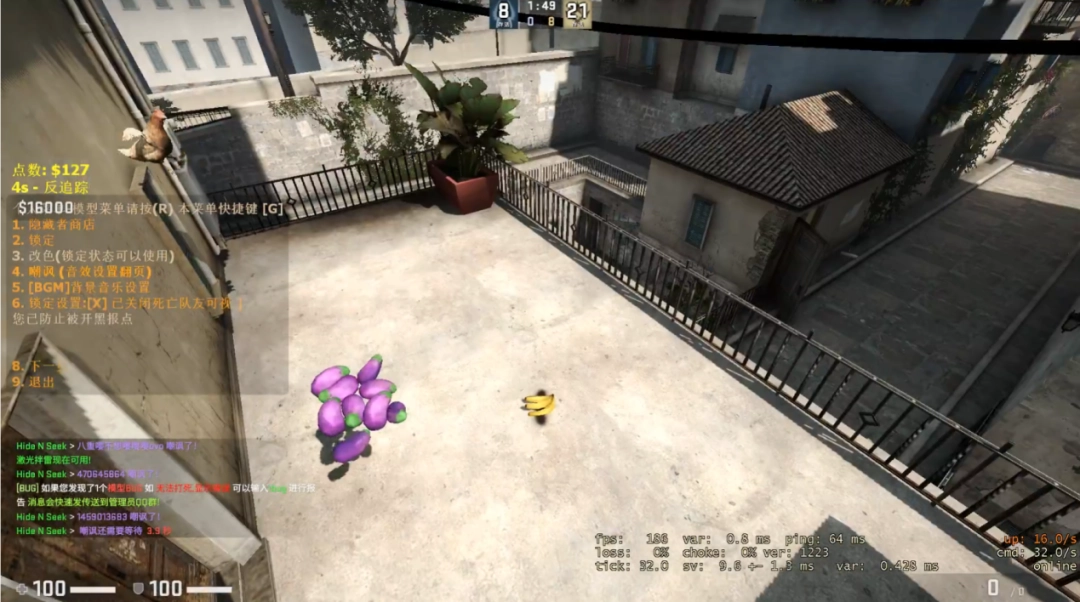
In Headhunters, this "hide and seek" mechanic is officially implemented as an in-game ability. Players can literally transform into a tree or a bush, ambushing unlucky souls who forget the map layout. One second they might think they can hide in the bush or jump on a tree for vision, and the next second, you revert to your original form and blast them with a full combo.
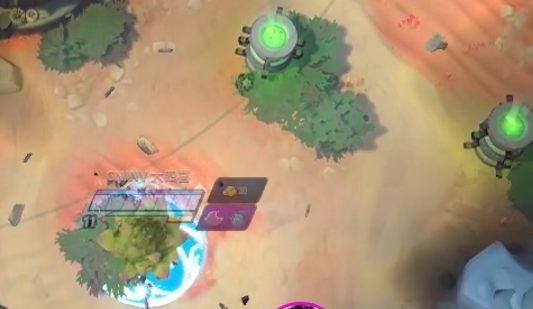
The game features over eighty diverse abilities, with "turning into a tree" being just one of the weaker ones. As mentioned earlier, one of the main sources of these abilities is high-value jungle monsters on the map. To acquire powerful abilities, players' motivation to fight is further enhanced, ultimately leading to the ultimate "combat satisfaction."
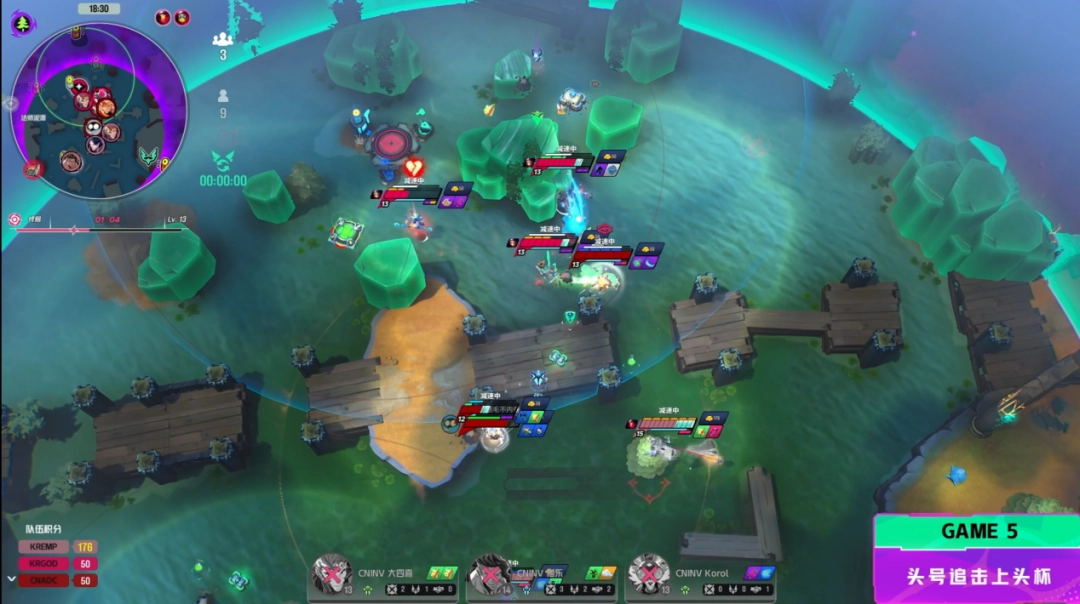
Of course, as a "MOBA + Battle Royale" game, mere "combat satisfaction" isn't enough to make it stand out. Merging the two genres is far from easy. Both MOBA and Battle Royale have inherent pain points rooted in their core designs.
Specifically, the most prominent pain points fall into two categories. First, the strong "snowball effect" in MOBA games often leads to severe numerical dominance, turning the late game into garbage time, which contradicts the Battle Royale selling point of "anything is possible in the final circle." Second, the high penalty for death in Battle Royale games, particularly the frustration of dying immediately upon landing, can easily dampen players' spirits, making it difficult for them to fully enjoy the intense combat of MOBA games.
Fortunately, Headhunters, developed by veterans from Riot Games, Blizzard, and EA, considered these issues during its design and implemented targeted optimizations to address them.

First, to counter the strong "snowball effect" in MOBA games, the game introduces a powerful experience catch-up mechanism. Each jungle monster has a corresponding level. When killing monsters lower than your level, experience is prioritized for teammates within screen range, significantly reducing your own gain. Conversely, killing higher-level monsters provides a catch-up bonus, allowing lagging players to quickly close the level gap.
Meanwhile, the game's item system is greatly simplified. The stat differences between item tiers are not overly pronounced. For example, each tier of the same dagger only differs by 10 ability power. Even if you're behind in items, there's still room to turn the tide through mechanics, skill accuracy, and positioning.
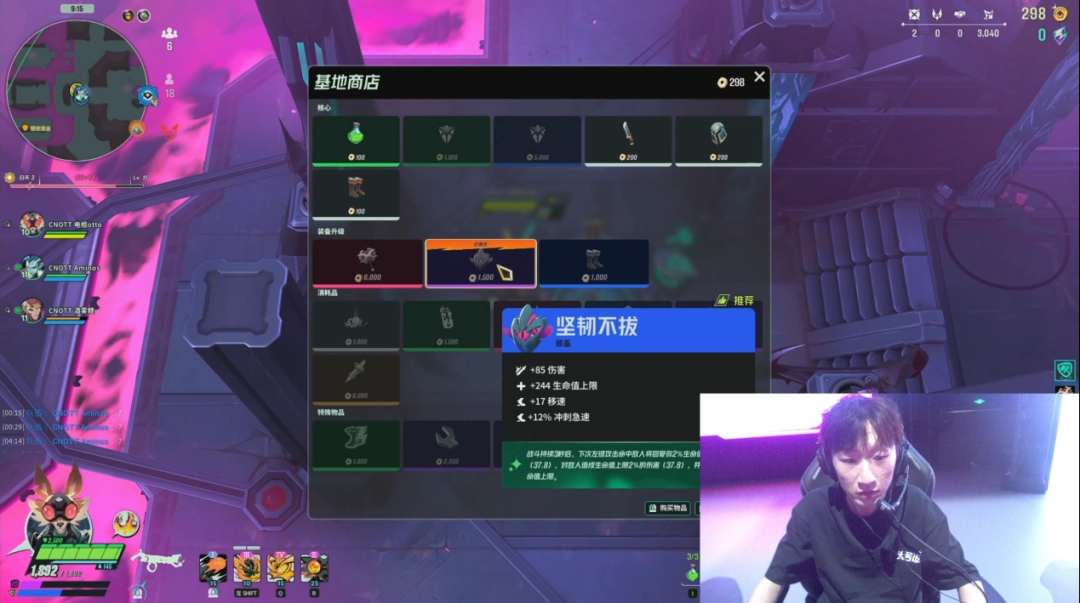
Beyond the numerical adjustments mentioned above, Headhunters creatively introduces two mechanics that always provide opportunities for comebacks: first, an aerial combat system that creates endless possibilities for turning the tide; second, the rich terrain that complements it.
That's right, Headhunters is a game with a Z-axis. The map consists of staggered floating islands, and gliders are the primary means of movement between them. Deploying your parachute not only gives you upward momentum but also a significant speed boost. However, deploying puts you in a highly vulnerable state. If you're hit by any enemy attack while gliding, you'll "crash land." On land, this causes a stun; in mid-air, it results in instant death regardless of conditions.
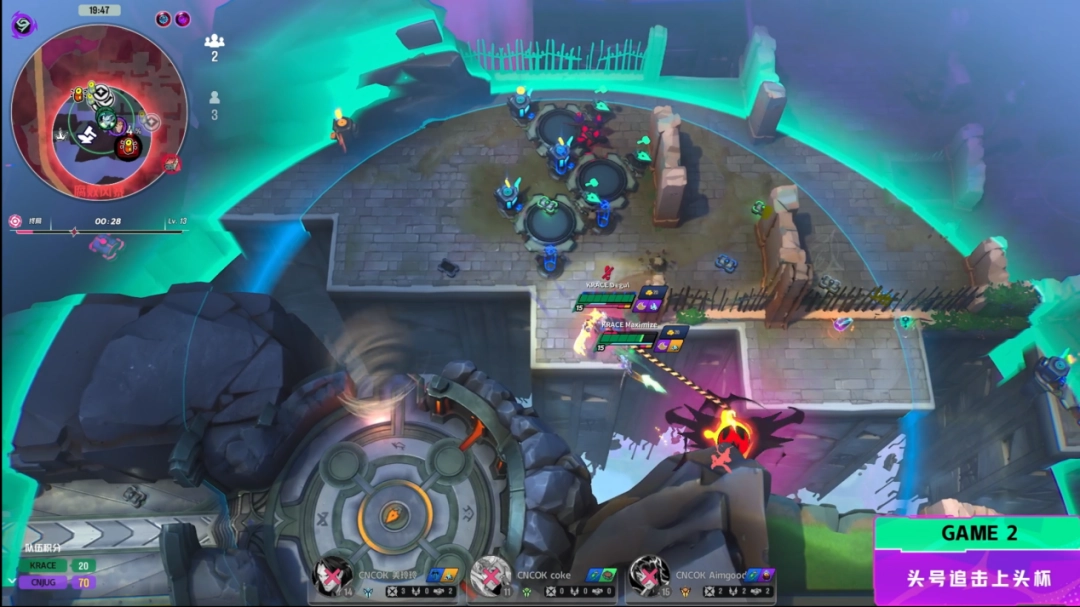
The Jungler King team, led by Haohao Carter, suffers a crash landing
This creates unconditional opportunities for attackers and defenders to reverse the game regardless of item, level, or ability gaps. Attackers can use their superior pressure to force defenders to the edge of the platform, limiting their movement space and pushing them into the air for a crash kill. Defenders, meanwhile, can use their positioning and hero mobility to lure better-equipped attackers into the air for a more "fair" one-shot determination.
Of course, you don't need to deploy your parachute at all times while airborne. Deploying only provides upward momentum and acceleration. If you haven't fallen into the abyss yet, you can delay deployment until the last possible moment—but your opponents can anticipate this too, waiting for that exact instant to deliver a fatal blow.
In short, aerial combat revolves around "parachute deployment," creating ever-changing strategic dynamics.
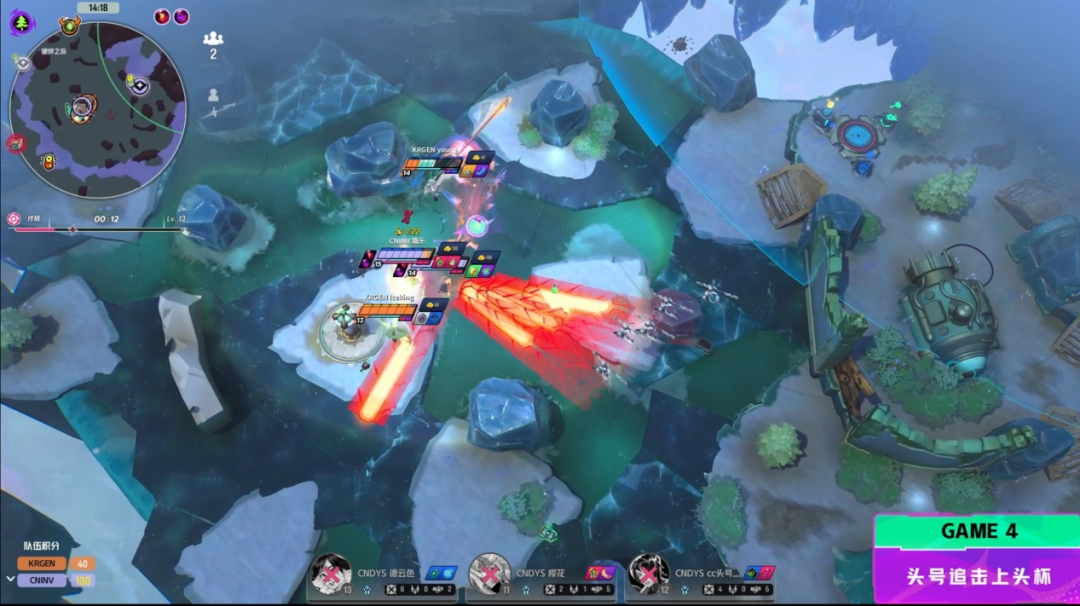
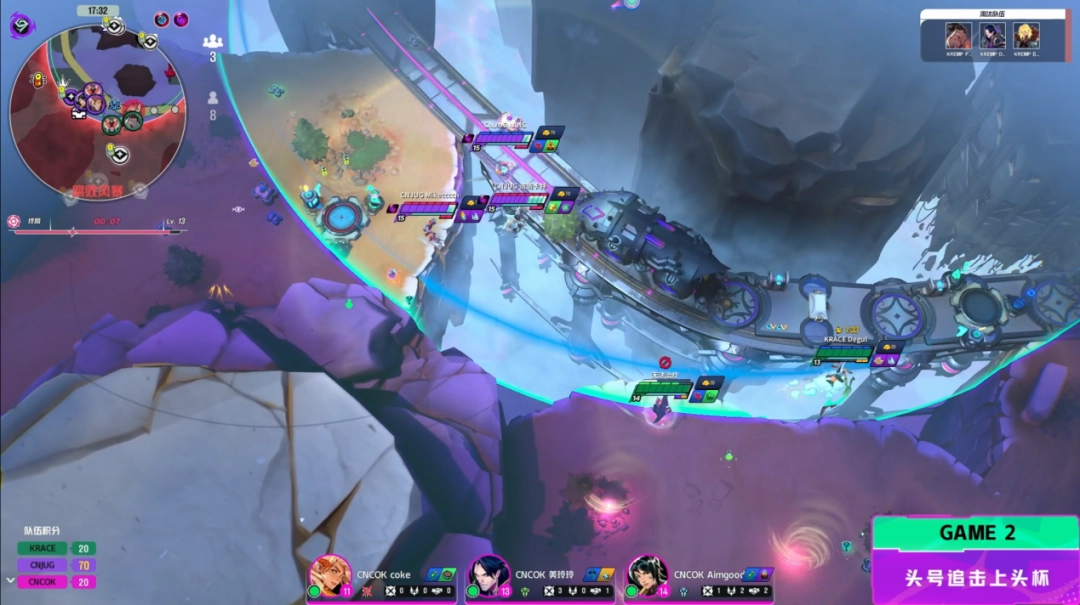
At the same time, various terrain mechanics in the map constantly influence player strategies, also hiding opportunities for sudden reversals. For instance, in the final circle of Game 2 of the "Shangtou Cup," Ning's Jungler King team, despite having advantages in numbers, items, and levels, accidentally got hit by a train passing through the battlefield while chasing enemies, leading to an instant wipeout. The situation reversed instantly, forcing the Jungler King team to abandon their attack and let their nearly secured prey escape.
It can be said that under the pincer attack of numerical and mechanical adjustments, the "snowball" flaw of MOBA games has been significantly alleviated, while the Battle Royale joy of "anything is possible in the final circle" has been maximized.
To address the frustration of Battle Royale modes, Headhunters offers its own solution: turning "Battle Royale" into "Big Life Kill."
Headhunters offers players an unusually large number of ways to respawn. As long as one member of the three-person squad survives, there are countless ways to return to the match. Like other Battle Royale games, heroes don't instantly become loot boxes upon death. You can revive a downed teammate by reaching them, or even if they get finished off, you can find scattered respawn coordinates on the map to recall your teammates, albeit at the cost of revealing your position.
Starting from the second night, "Crown" treasures randomly spawn within the poison circle. Any team that has lost members can touch the treasure to unconditionally revive all teammates after two minutes and gain massive experience. Moreover, each enemy hero killed during this period reduces the countdown by one minute... Of course, high reward comes with high risk. The location of the hero holding the "Crown" is broadcast to the entire map. If you are killed while holding the Crown, it's the enemy team that gets the mass revival.
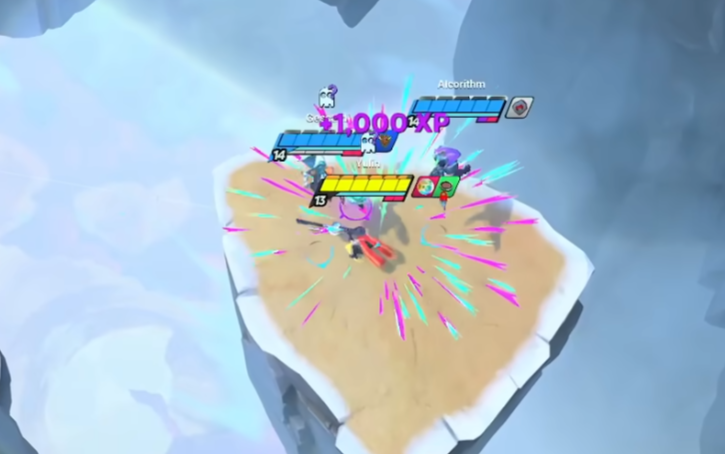
Moreover, you don't need to worry that the respawn downtime will hinder your gold income and development, slowing down your growth. Remember the "catch-up mechanism" mentioned earlier? Win one battle or farm some high-level jungle monsters, and the gap caused by death can be closed in moments. Headhunters minimizes the frustration of temporary failure with its "die and revive, no big deal" approach, protecting players' morale to the greatest extent.
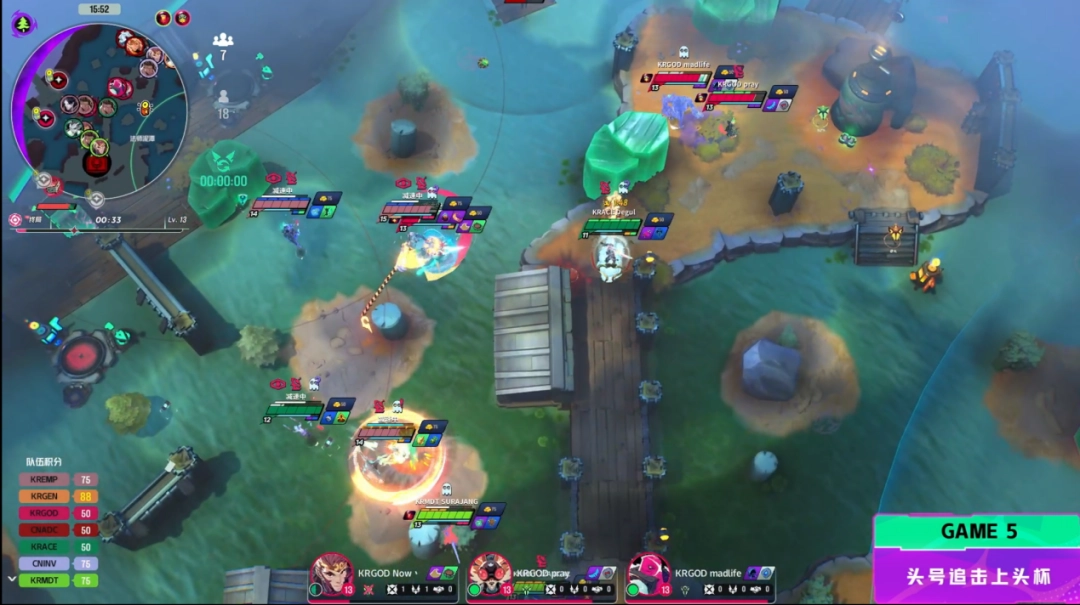
Half the teams remaining near the final circle shows just how "hard to kill" they are
It can be said that by merging the strengths of MOBA and Battle Royale genres, Headhunters has become a paradise for skill-based players. As long as you dare to fight and have the mechanics, anything is possible—even if you suffer a temporary setback, you can always make a comeback.
Meanwhile, the randomness brought by Battle Royale ensures players never get bored, as every match is different and requires adaptation. Only teams with the deepest game understanding and clearest operational thinking can break through. In the "Shangtou Cup," that champion team was undoubtedly Korol's "Invincible Team," who secured victory with consistent double wins in the mid-game and stable kills in the late game. Even when the Korean team started pushing hard later, it was too little, too late, leaving them to sigh in defeat.
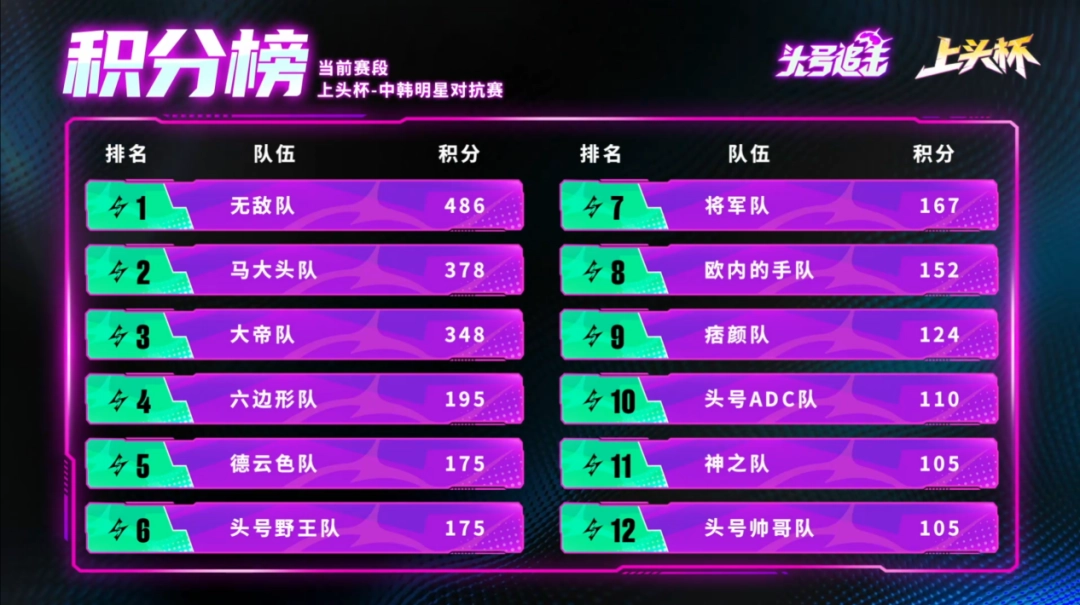
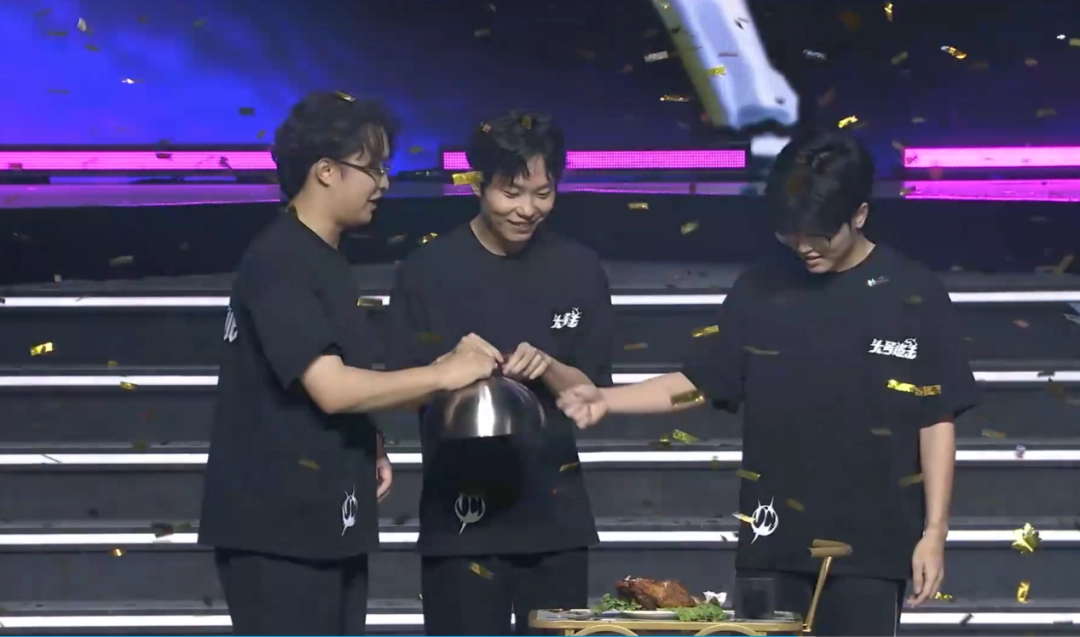
In the end, China's "Invincible Team" successfully resisted Korea. Winner winner, chicken dinner—this refers to the literal "chicken dinner," as the event organizers actually served a whole roasted chicken and a side dish. The winners could enjoy the entire chicken alone and order a dish for another team of their choice.
Man, what can I say?
This "Shangtou Cup" really delivers.
We must admit that across the six intense matches of the "Shangtou Cup," Headhunters has proven itself to be a rare esports masterpiece. As a MOBA, it is exciting, fair, and satisfying to play. As a Battle Royale, it has low frustration, rich mechanics, and ample freshness.
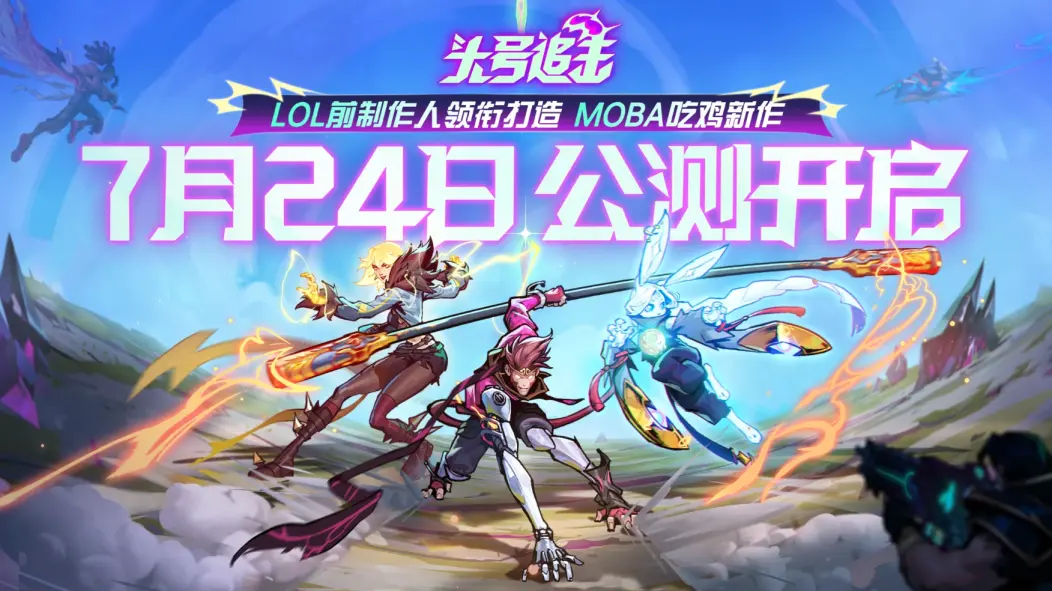
If you're an old MOBA player eager to prove yourself with high-intensity mechanics, wanting to recapture the thrilling combat of your youth like the former pros on stage, why not download the game? Call up your old friends who used to queue together for top, mid, and jungle, and try Headhunters, which officially launched on July 24. No time for nonsense—let's fight as soon as we land!