

In recent years, the formalization of esports has become an increasingly evident trend.
At the Hangzhou Asian Games two years ago, esports officially became a medal event for the first time, rather than just a demonstration sport. Titles like Honor of Kings, League of Legends, and Street Fighter V, which already had established competitive structures, finally earned their status as "official" sports.
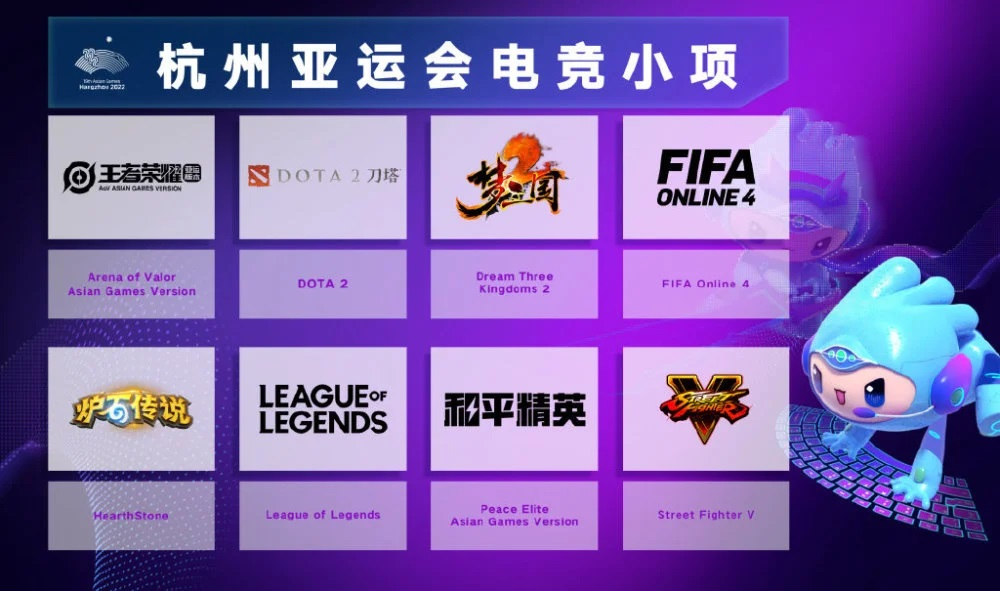
Since then, the wave of esports as a competitive sport has grown increasingly powerful, with rumors about "esports entering the Olympics" emerging from time to time. It wasn't until over two months ago that the International Olympic Committee officially announced the first-ever Esports Olympics, scheduled to be held in Riyadh, Saudi Arabia, in 2027, finally settling the matter.

There was a time when whether competing with keyboards and mice, controllers, or even tapping on glass screens could be considered a "sport" was a long-standing debate. Today, esports has legitimately become part of various international sporting events, which feels like a dream for many esports enthusiasts.
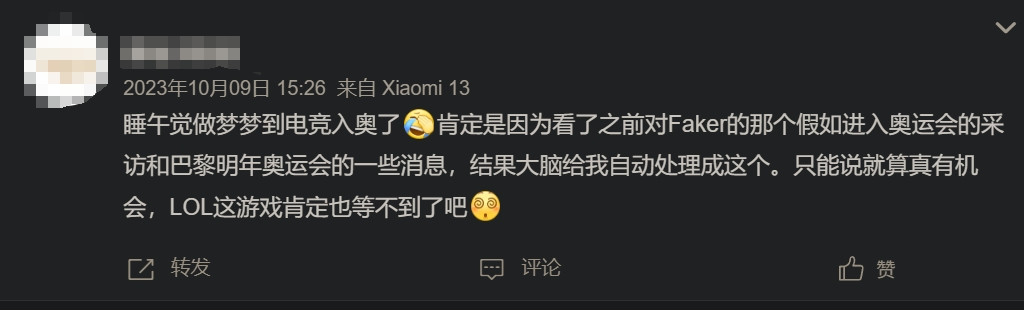
The only downside is that, excluding mobile games, Chinese-developed titles have not demonstrated sufficient influence at these major esports sporting events. For a long time, we have hoped that Chinese games would not remain insular, especially in the realm of esports. Truly outstanding works should allow players worldwide to transcend cultural barriers and share the joy of gaming together. Unfortunately, during the rise of esports, Chinese games remained largely confined to the mobile sector. Although a few Chinese PC games were featured in the previous Asian Games, the awkward situation of them essentially competing only against each other makes it hard to say that Chinese games had truly arrived on the global stage.
However, this awkward situation has recently begun to change. A Chinese competitive PC game has successfully stepped onto the international stage, and its name is—Naraka: Bladepoint.
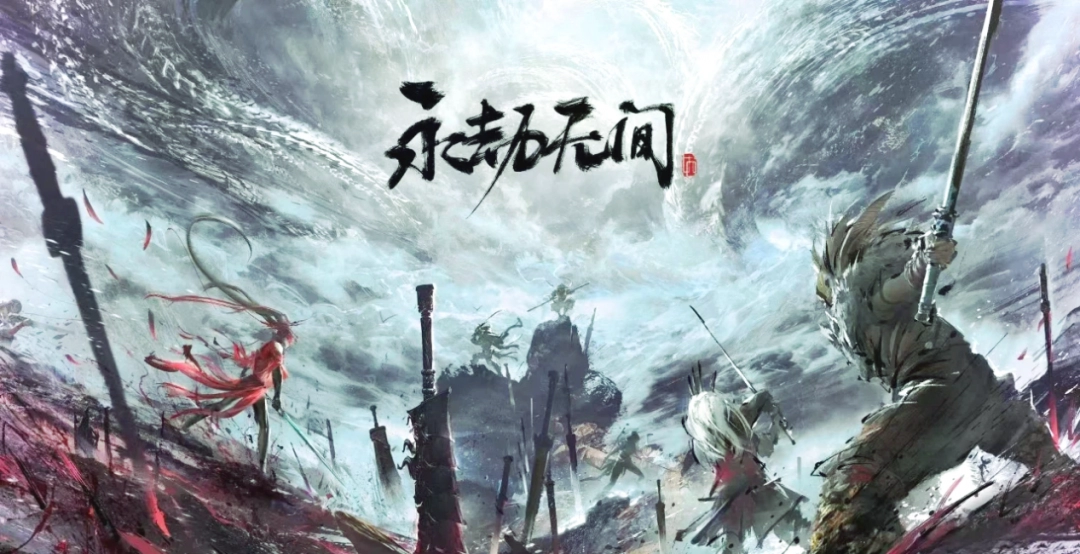
Yes, once again, it is Naraka: Bladepoint.
Players familiar with the game are likely no strangers to its international influence. Now, it is stepping onto an even higher stage. This February, the Aichi-Nagoya Asian Games 2026 officially announced that Naraka: Bladepoint would be included as an esports event. This is quite remarkable. Following the trend of "the whole world speaking Chinese," we now see "the whole world playing Chinese wuxia brawlers," evoking a subtle sense of pride akin to saying, "Foreigners! Your Chinese grandpa has arrived!"

However, this raises a question—why Naraka: Bladepoint?
As I pondered this question and looked back, I realized that this game, released in 2021, has grown to an unimaginable scale over the past few years.
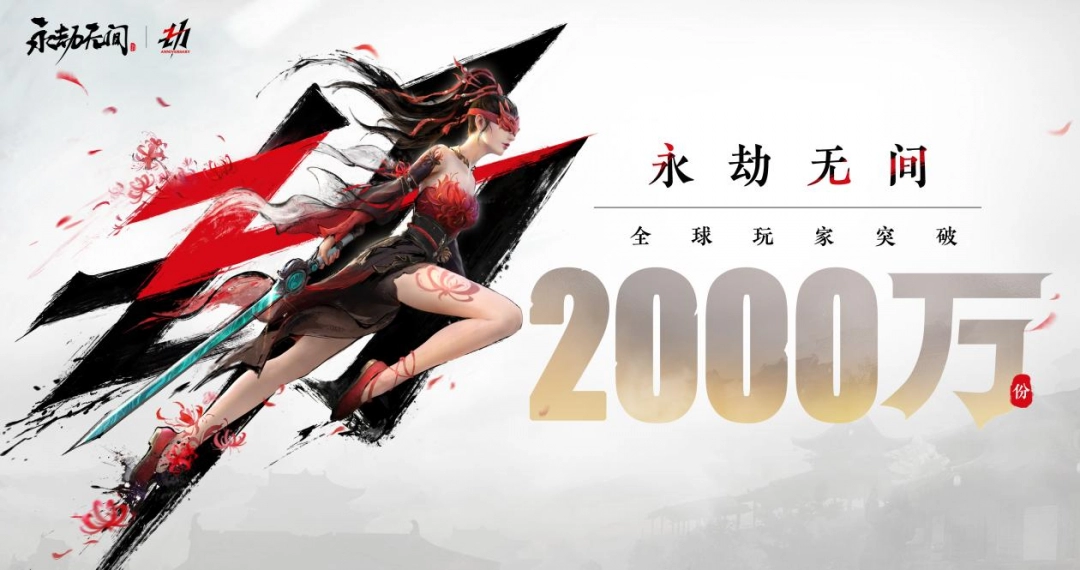
Within three months of its release, sales surpassed six million, an unprecedented feat. Even more surprising was that this "milestone" was no flash in the pan. Two years after launch, the game's global sales momentum continued unabated, eventually breaking the 20 million mark.
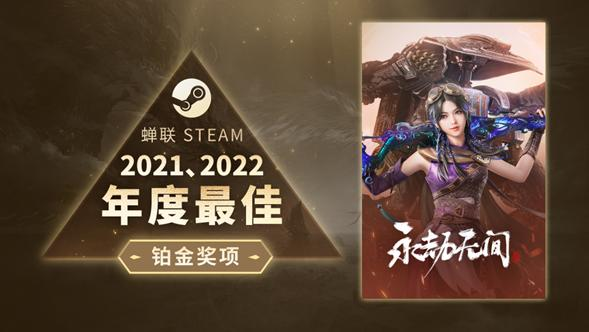
In 2021 and 2022, Naraka: Bladepoint won the Steam Platinum Award for Best Game of the Year for two consecutive years. In 2023, it entered the "Best Selling Games" Gold List. These honors and descriptions were somewhat unfamiliar for Chinese games at the time, yet Naraka: Bladepoint achieved them all.
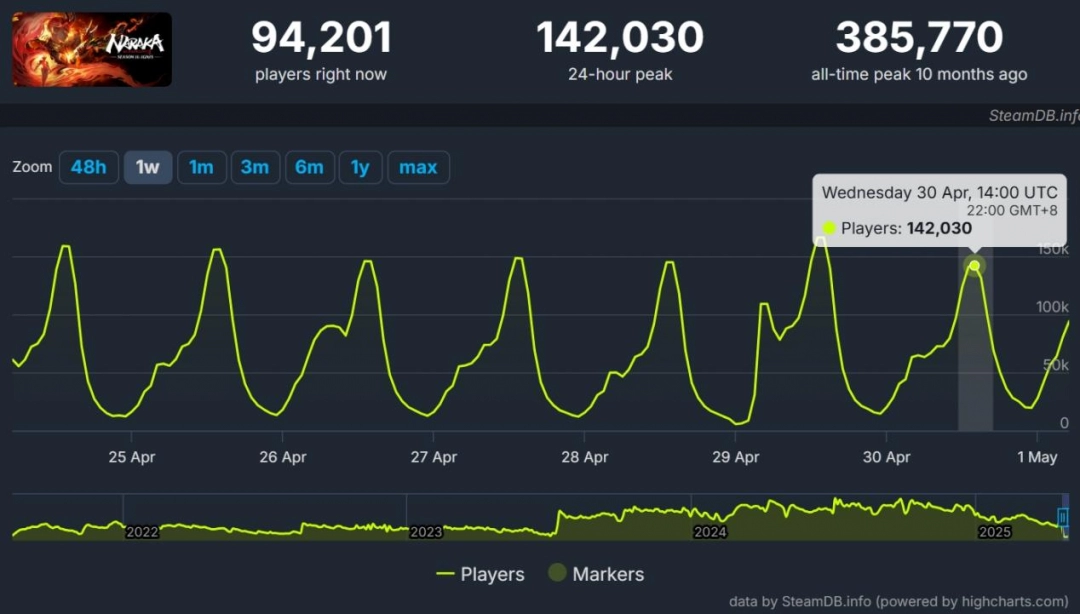
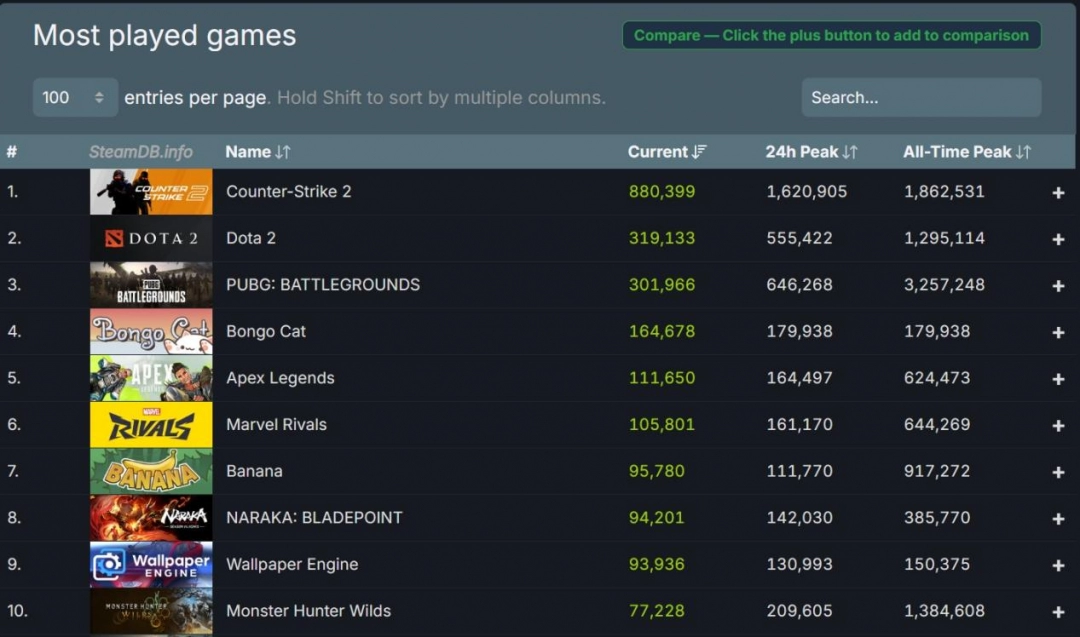
In addition to its large domestic player base, Naraka: Bladepoint boasts significant international influence. Its concurrent player count on Steam consistently remains above 100,000. If you follow Steam's popularity charts, you'll notice that Naraka: Bladepoint is the only Chinese-developed game that regularly appears in the top ten.
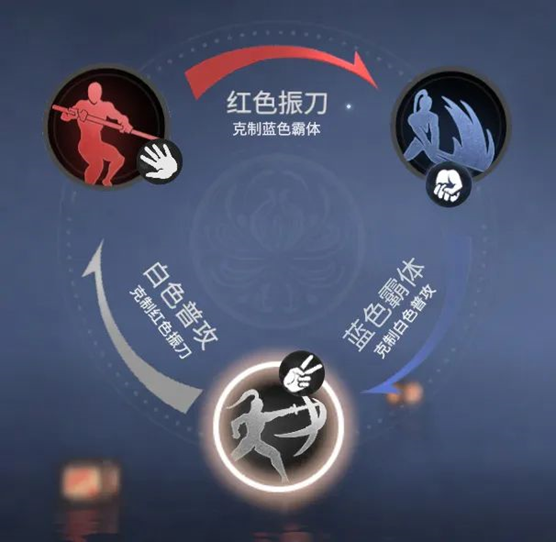
When mentioning Naraka: Bladepoint, many people immediately think of its exceptionally "clean" gameplay—the rock-paper-scissors dynamic of red, blue, and white attacks, and the strong positive feedback from "Parrying." Seemingly simple rules hide infinitely intricate details.
These unique features give Naraka: Bladepoint the charm to break through all player demographics—it's fun, offering novelty and enjoyment that transcends culture and habits.
One could say that even without its cultural backdrop, Naraka: Bladepoint's inherent fun and gameplay depth make it a pure esports title—much like Dota 2, CS:GO, Fortnite, and Street Fighter 6. It is a game that anyone from any country can jump into and enjoy competitively.
This is also the key reason why Naraka: Bladepoint's own tournaments were able to be established rapidly, gain widespread attention, and ultimately enter the Aichi-Nagoya Asian Games.
Before Naraka: Bladepoint, NetEase lacked a heavyweight esports title—
Until the arrival of Naraka: Bladepoint.
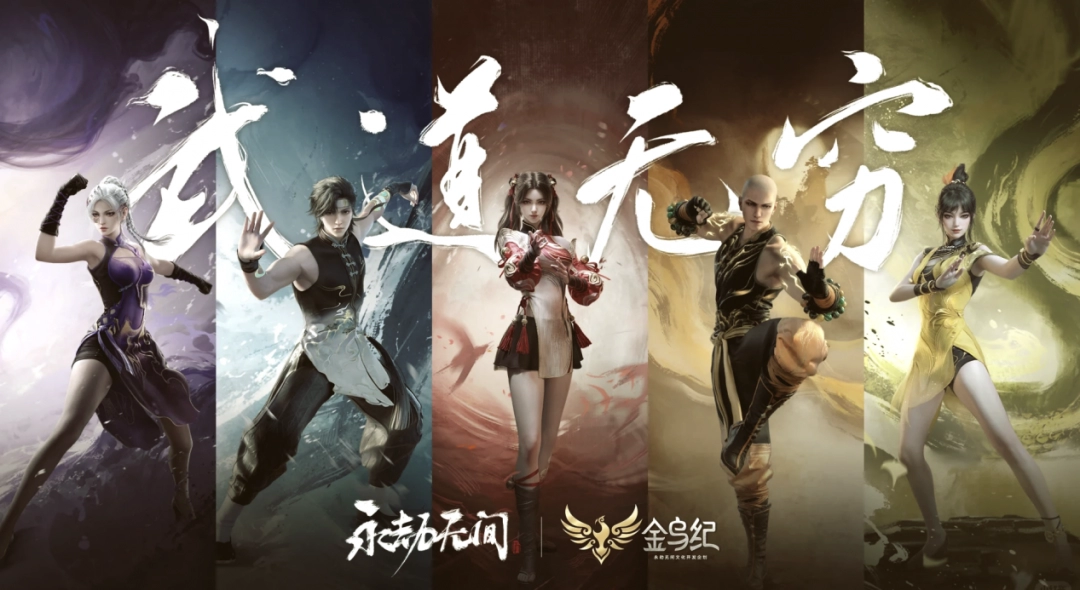
Naraka: Bladepoint's unique gameplay mechanics and its distinct wuxia elements, characteristic of NetEase, give it a flavor and identity unmatched in the mainstream esports landscape. This uniqueness allowed the game to organize a global tournament just four months after its open beta, another "unprecedented" achievement in the development of esports titles.
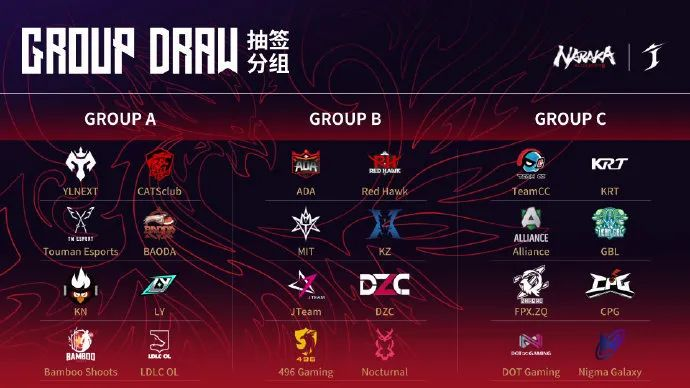
Looking back at Naraka: Bladepoint's journey and recalling its debut at The Game Awards, it all feels like a dream.
Of course, nothing develops smoothly without hurdles; encountering problems along the way is normal. Despite its past successes both domestically and internationally, Naraka: Bladepoint has recently faced its own challenges.
Recently, Naraka: Bladepoint has faced intense criticism from domestic players. Many have accused the development team of slacking off, believing the game has lost its original spirit.
The Naraka: Bladepoint team did not deny their mistakes. Instead, they sincerely explained the situation to players and implemented corresponding updates and compensation.
Half a month ago, the official team published an open letter to players, addressing certain issues and offering apologies. They also announced upcoming plans for the game and subsequently held an offline meet-and-greet with players.
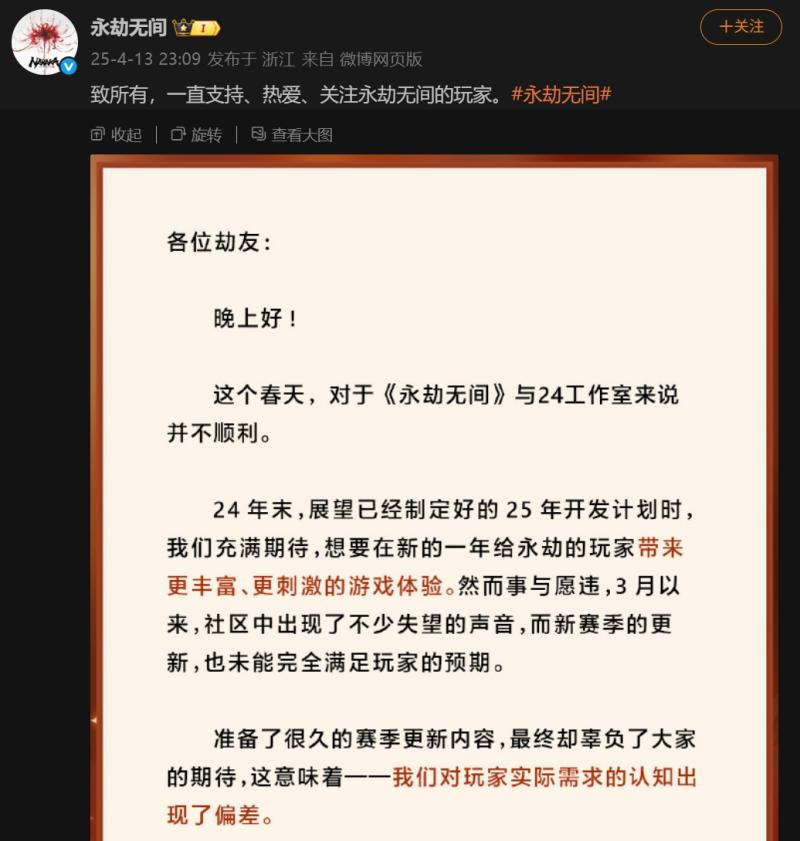
Following the release of this letter, the Naraka: Bladepoint team quickly rolled out waves of new content. This included the rework and upgrade of the veteran hero Ji Canghai (commonly known as "Huonan"), new gameplay modes like "Beacon Trials" and "Artifacts," new events such as "Wilderness Hunt" and "Heart-Purifying Demon Subjugation," along with a series of new rewards and cosmetics, providing players with a deeply refreshed gaming experience.
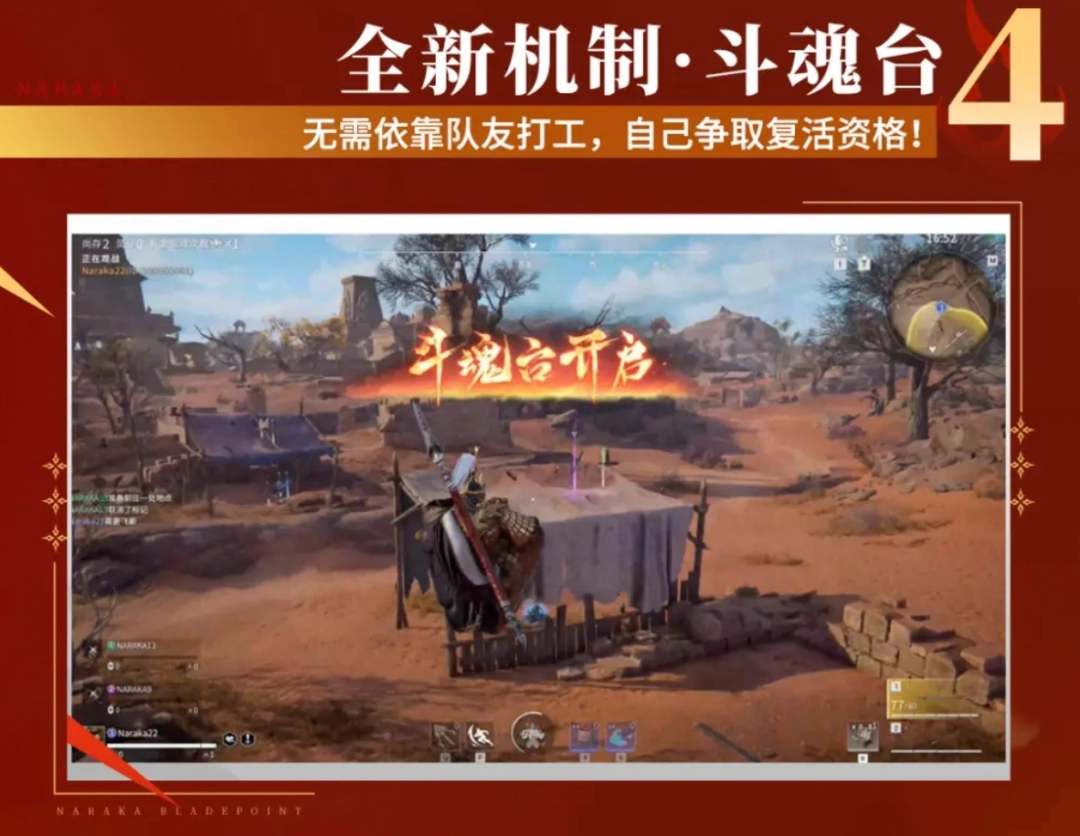
What makes these gameplay updates even more interesting is that the Naraka: Bladepoint team didn't just patch up issues based on player feedback perfunctorily. Instead, after careful consideration, they offered a more innovative solution—a comprehensive overhaul and upgrade of the veteran hero Ji Canghai.
Conflicts between veteran and new heroes regarding balance are inevitable in games with long-term operations. Updating veteran heroes to adapt to new versions is a effective solution. Naraka: Bladepoint's recent changes align well with this approach. The rework of Ji Canghai retains the original "Liaoyuan Jin" mechanic while adding significant playability. For instance, his parry counterattack is now faster and more manageable, and the powerful "Liaoyuan Jin: Giant Flame" skill now grants super armor during its activation, further enhancing its practicality.
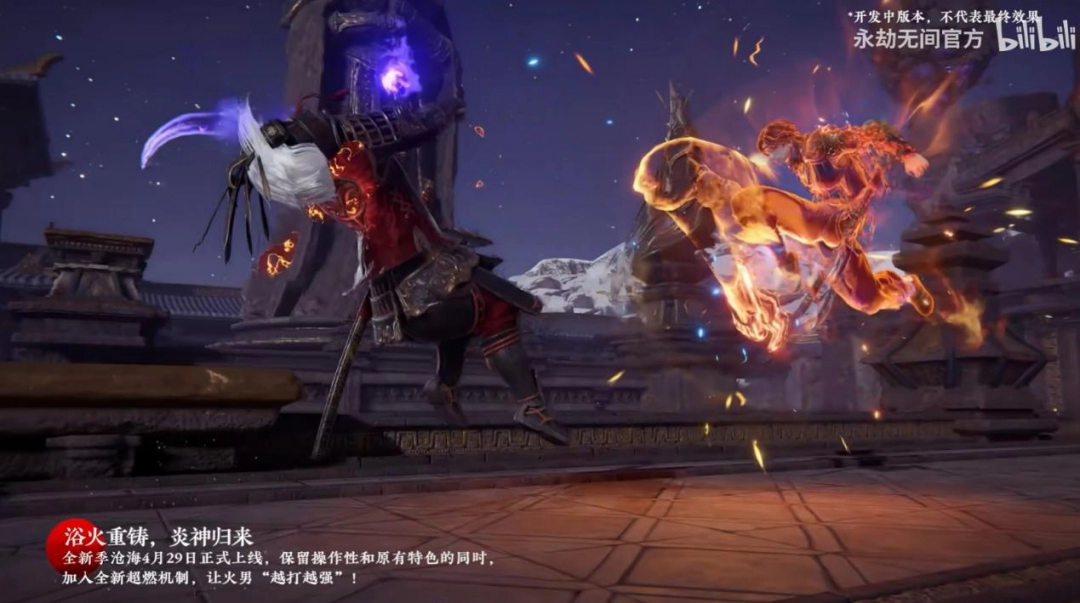
Interestingly, with the release of Ji Canghai's new version, Douyin collaborated with streamers and players to launch a competition for the title of "China's No. 1 Huonan." As a popular veteran hero in Naraka: Bladepoint, this player event sparked intense competition, attracting unexpected participants such as actor Peng Yuchang and web novelist Sanjiu Yinyu. Surprisingly, they played quite skillfully.

The official Naraka: Bladepoint team also strongly supported this player competition. The player who successfully claimed the title of "China's No. 1 Huonan" was projected onto a massive screen by West Lake, an honor akin to being "placed on the throne."

Beyond gameplay updates, the giveaways in these recent versions are even more significant. Not long ago, the official team launched the "Naraka Gold Rush Week" event. During this period, players could receive incredibly lavish "gold rewards" from the developers—and this isn't just a figure of speech; they were actual gold prizes.

It's normal to encounter some issues during continuous operation—after all, nobody is perfect. What matters more is the ability to promptly respond to player feedback and correct mistakes.
Issuing public apologies, launching new versions with substantial content and generous rewards, and holding player meet-and-greets... These actions clearly demonstrate that the Naraka: Bladepoint team is committed to steering the game in a better direction.
So, let's put aside previous grievances. Regardless, we can finally witness a Chinese video game take the stage in top-tier global PC esports competitions—
That's great, isn't it?