Tokyo Underground Killer is a fast-paced action game with linear level structures. It inherits the inherent neurotic qualities of dreamcore and cyberpunk themes, projecting an aura of mysterious mastery.
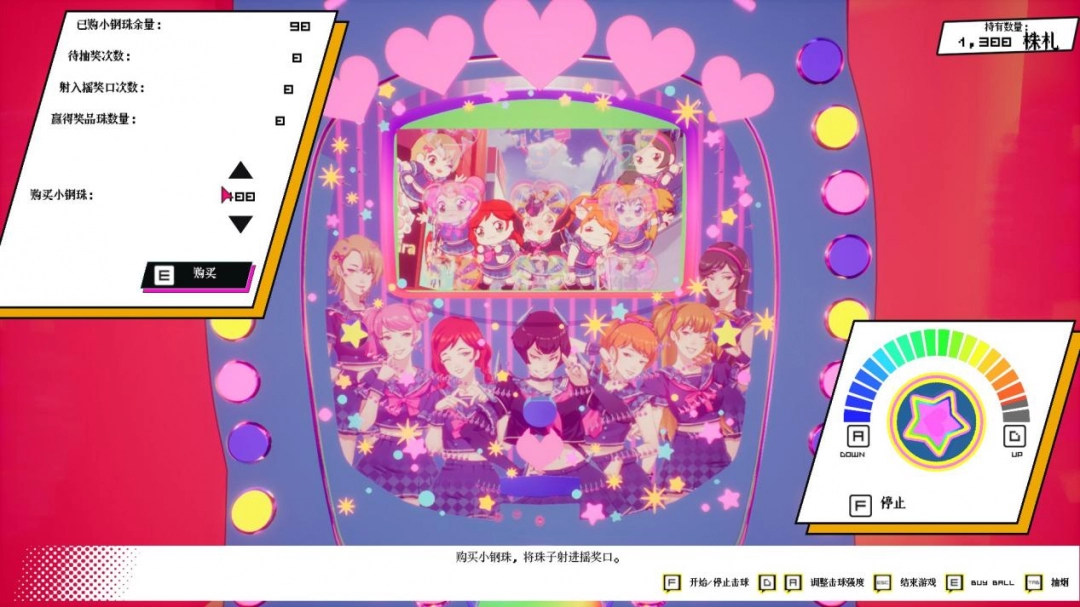
For instance, 3D environments paired with 2D-modeled NPCs; a 120 FOV perspective in first-person; a near-future worldview yet filled with anime-style objects across the map. Although hacking and slashing is the main gameplay melody, I was completely captivated by pachinko and claw machines for an entire morning.
These seemingly disjointed elements collide within the game to create an unexpected coherence. During the relatively short playthrough, every second felt like uncovering treasure.
You know, with first-person high-speed action games, we usually default to assuming they are "Doom-like," expecting immediate shooting and slashing upon entering the game.
However, Tokyo Underground Killer differs by focusing primarily on melee combat. Rather than emphasizing shooting with firearms, the game highlights combo derivations and strategic counterplay.
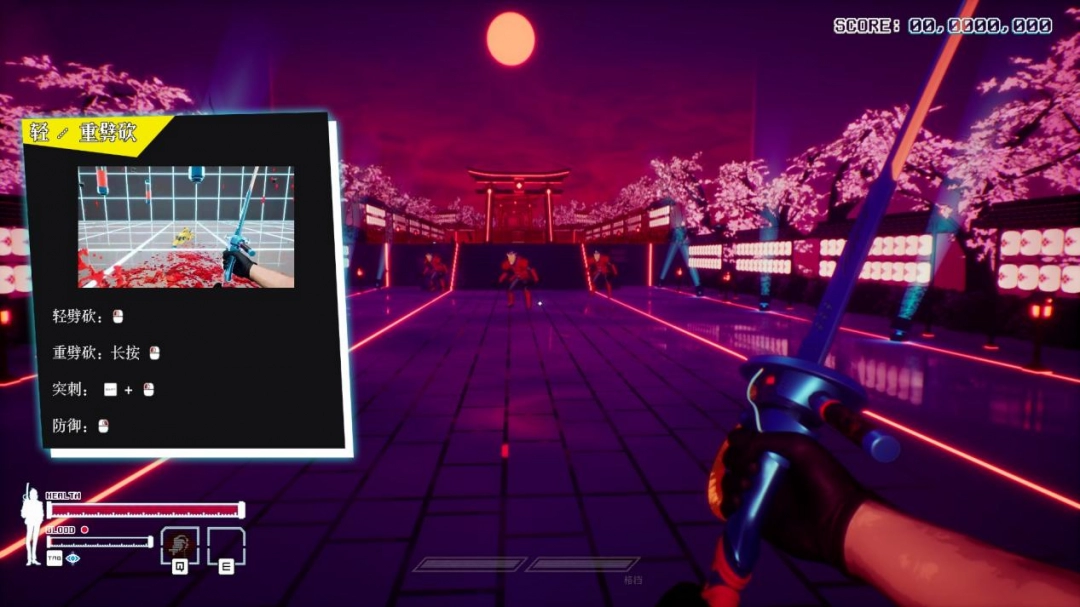
For example, deflecting enemy bullets with sword slashes, collecting blood to unleash blood techniques, or using blocks to create bullet time.
Since Tokyo Underground Killer focuses more on close-quarters combat, it offers abundant combat options. The primary weapon, the katana, features numerous offensive moves and defensive-offensive iaijutsu derivations. It covers Everythinggj from area-of-effect attacks to single-target bursts and counterattacks.
This distinguishes the game from traditional "Doom-like" shooters. Cold weapons dominate the gameplay, making the overall experience lean more towards action-oriented elements.
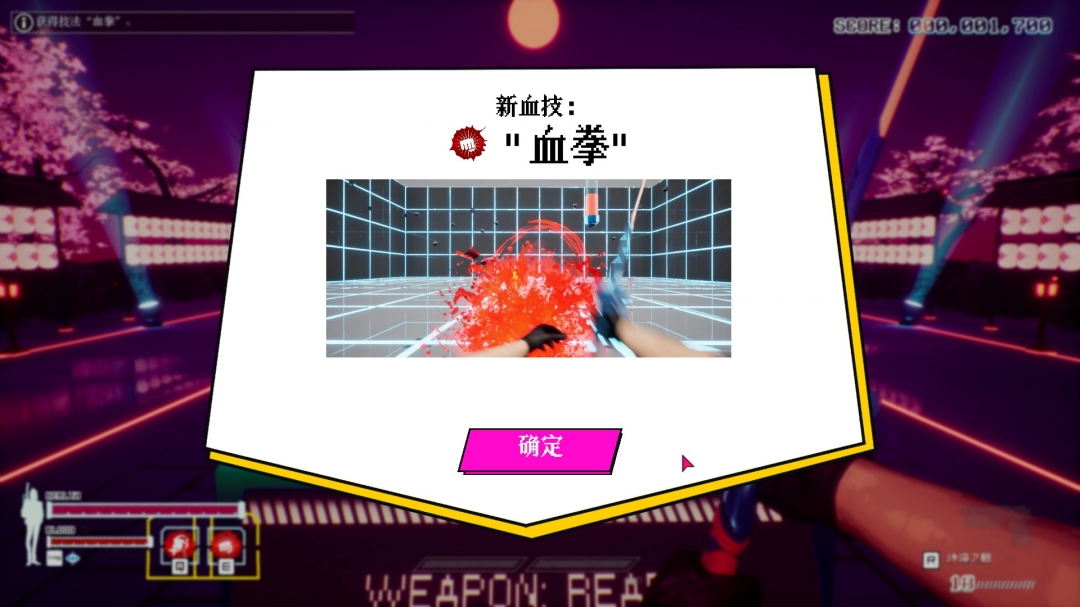
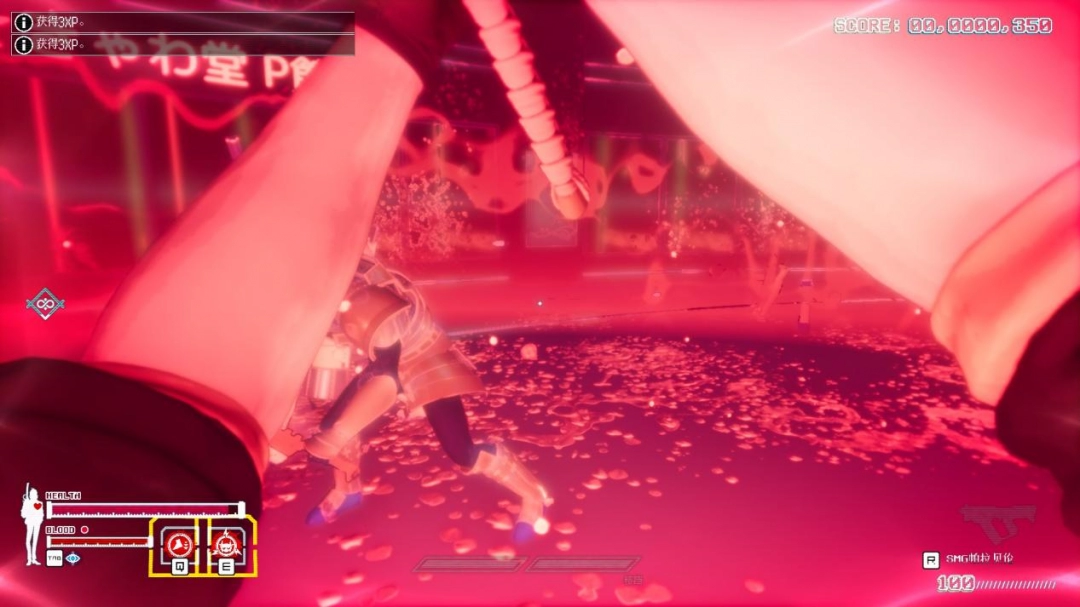
In first-person perspective, I admit the high-speed combat left me dizzy, but the immersive battle presentation solidified the atmosphere. The visual spectacle of blood splattering and limbs flying throughout the gameplay speaks volumes about the sheer thrill.
Of course, if you find the intense glare of neon lights unbearable, you can customize your blood techniques to actively create effects like full-screen time stops, fiery slashes, or area-wide stuns, thereby reducing the difficulty of levels.
Tokyo Underground Killer understands the impact of first-person perspective on action games, providing players with ample countermeasures. This allows players who struggle with first-person combat interactions to find ways to bypass difficulties and enjoy the adrenaline-pumping battles.
But the game's content flow extends far beyond combat; it's not just a retro game focused solely on thrills.
Beyond these potentially clichéd combat scenarios, Tokyo Underground Killer fine-tunes its content details with a strong emphasis on vibe in every aspect.
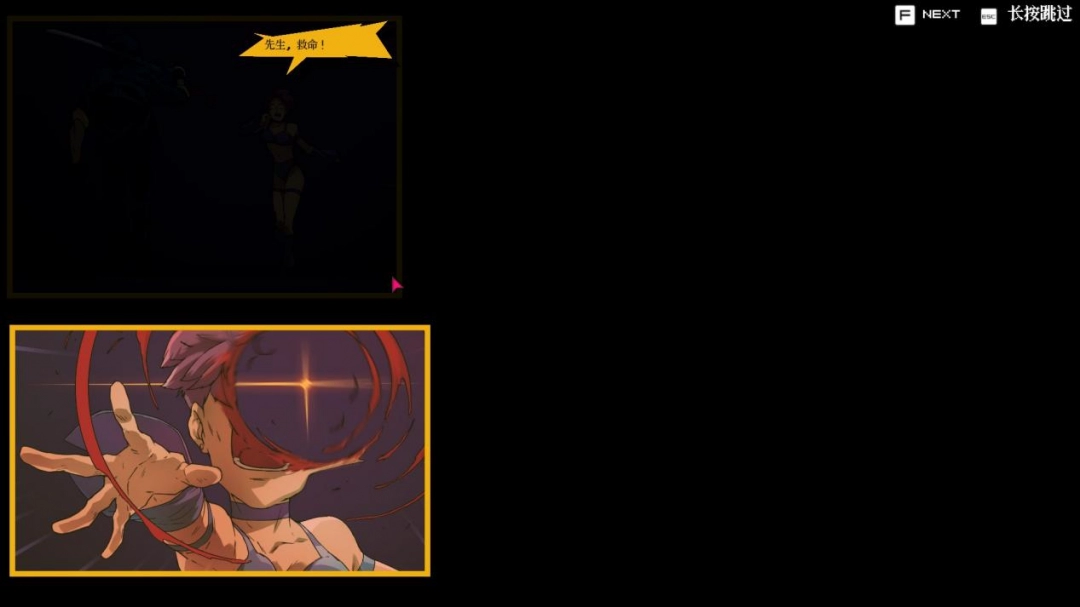
For example, instead of CG cutscenes, the narrative uses inserted comic-style sequences, elevating the game's style. The cold-toned filters combined with glaring neon lights intertwine with the comics' cool aesthetic, creating the unique texture of cyberpunk and giving the game a sophisticated look.
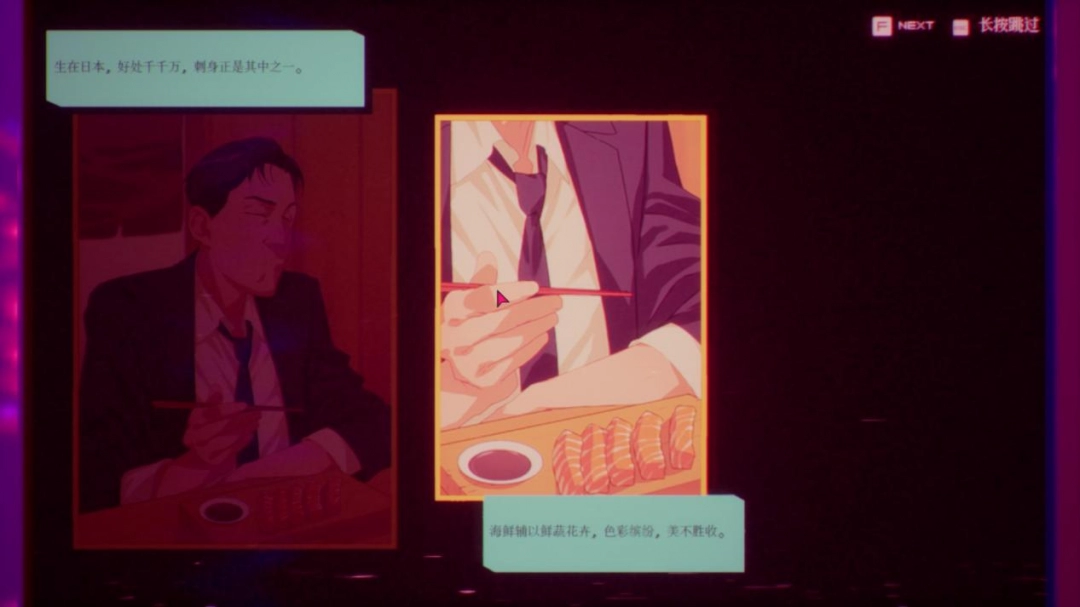
In some linear mission stages, the assassin protagonist receives physical discs. Inserting these discs into the VCD player in the base apartment presents the mission details via picture-in-picture.
From these subtle designs, you can see that Tokyo Underground Killer doesn't let its theme become just a gimmick. Instead, it uses extensive details to flesh out the content potential of tags like cyberpunk, assassin, and Tokyo, ensuring the theme remains consistent throughout.
Tokyo Underground Killer exudes a powerful atmospheric presence. Even if you're not into hack-and-slash gameplay, you can discover aesthetic elements in the game's visual art that resonate with your personal taste.
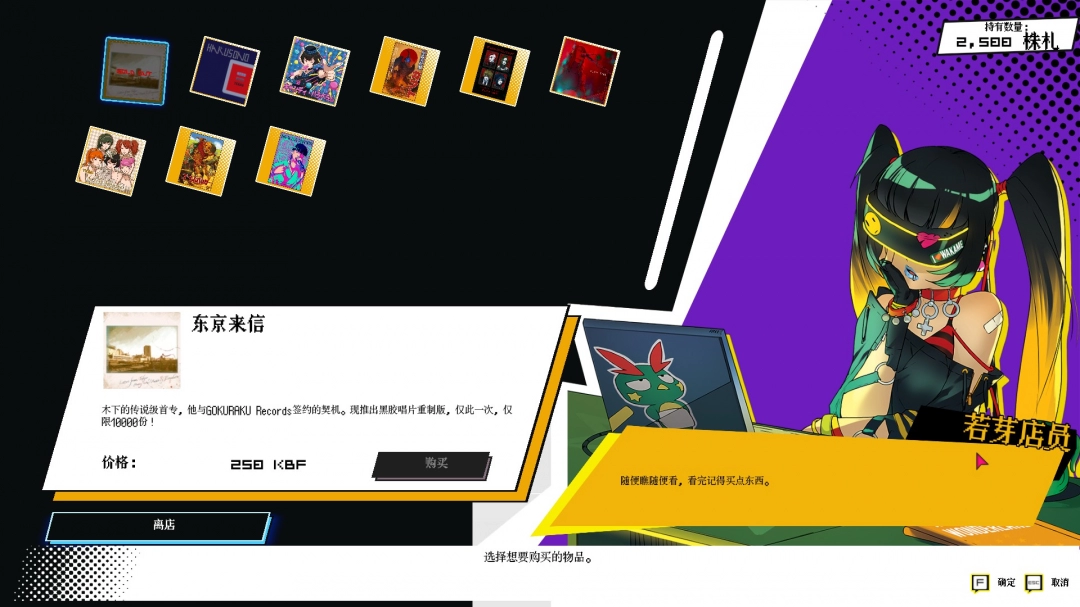
For example, taking a break after completing main story dungeons to explore a sandbox environment. Tokyo Underground Killer creates a more comprehensive sandbox world than expected, encompassing not only the protagonist's base but also various entertainment facilities.
For instance, there are CD shops reflecting the developer's personal taste, maid cafes bursting with anime culture, and arcades. These interactive locations provide players with abundant collectibles to decorate the protagonist's detached house apartment.
If monotonous shooting and slashing risk becoming cliché, Tokyo Underground Killer adds further objectives for players. It shifts the action sequences from being the primary goal to part of the process, making collection marathons the ultimate aim.
Consequently, players are no longer satisfied with mere killing sprees. They hope to materialize meaning and value after each adventure, gaining affirmation in both spiritual and material dimensions.
This atmospheric envelopment undoubtedly enriches the monotonous slashing content, blending fun and aesthetics. For example, in a typical action game, what would you expect after a major battle—new skills or new enemies?
Tokyo Underground Killer will tell you it certainly includes these clichés. Beyond that, players can collect parts from every defeated boss, craft them into life-sized figures, and display them on stands in their apartment as permanent trophies.
The game features a sophisticated aesthetic combined with engaging content, adding depth to the otherwise dizzying monotony of slashing. This gives the assassin protagonist a sense of purpose. The immersion and atmosphere are further refined here, achieving a unity of mind between the player and the assassin, Kobayashi.
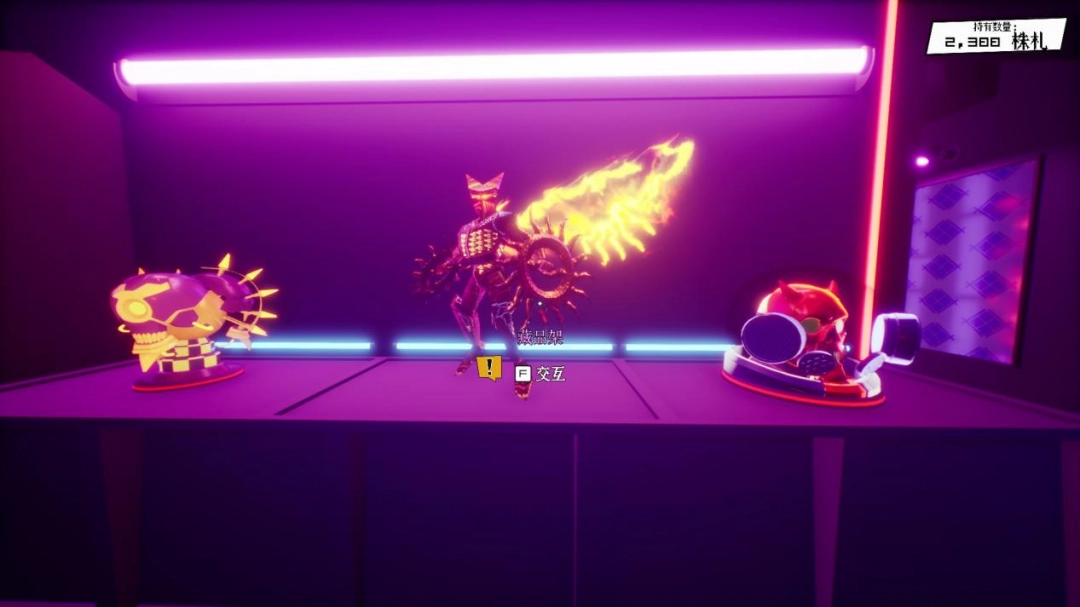
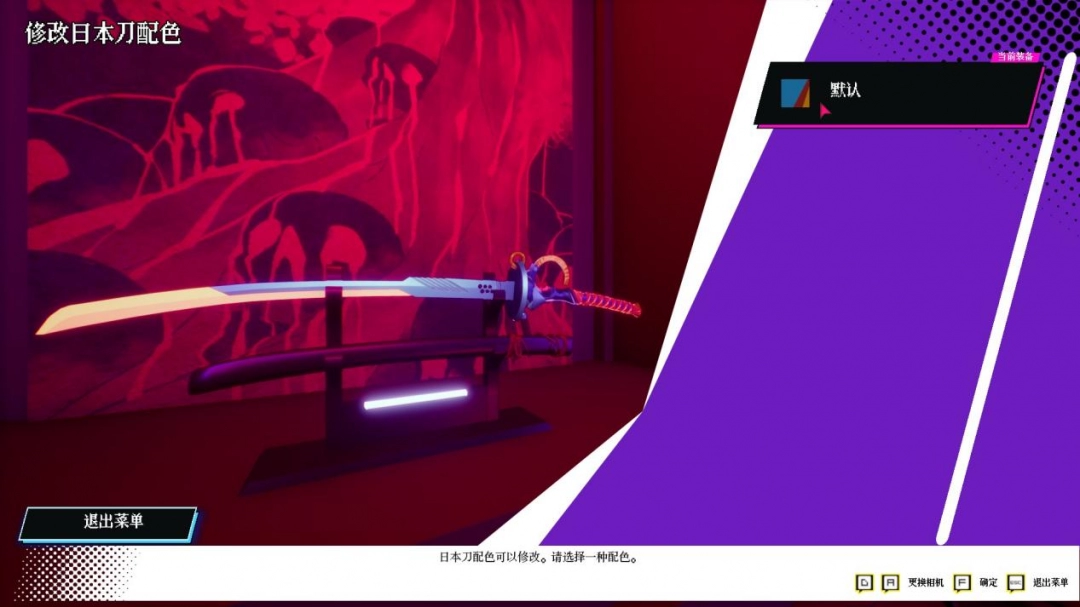
During my time with Tokyo Underground Killer, I tried every trick to make my apartment base incredibly lavish, customize my katana to look stunningly cool, elegantly chain combos to slay every enemy, and achieve an unbeatable high score at the arcade.
Like uncovering treasure, the game expands from initial slashing into a well-rounded assassin lifestyle. You can either grab your wallet to enjoy life on Tokyo's streets or strap on your katana to board dungeon trains for demon-slaying adventures.
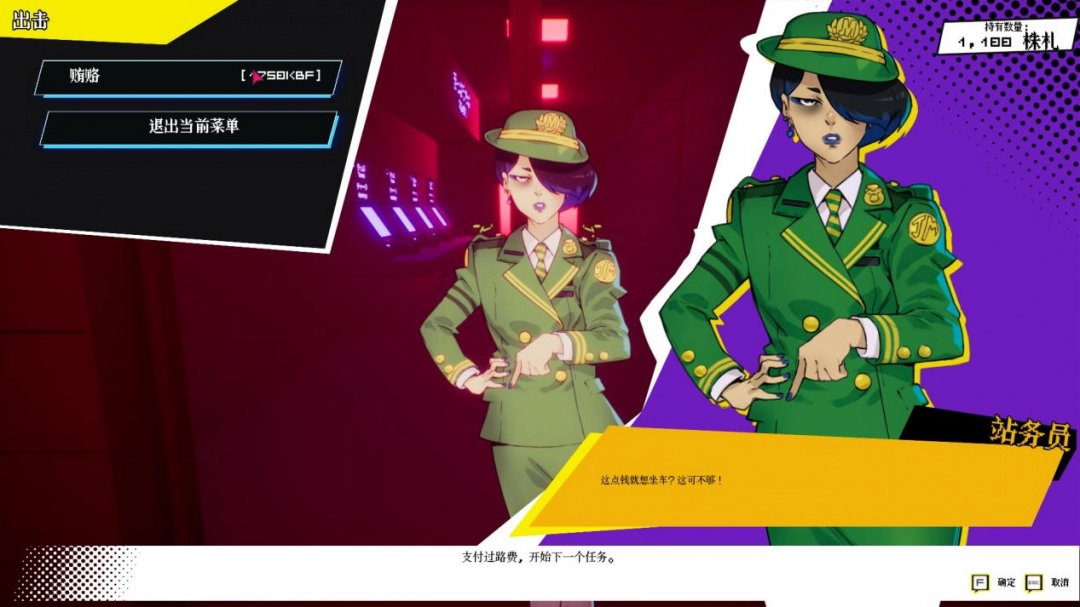
Of course, every train ride requires a ticket. This is one reason I had to wander Tokyo's streets and work as a bouncer outside bars—if I didn't earn some spare cash from mini-games, I couldn't even enter the main story dungeons.
Clearly, Tokyo Underground Killer aims for more multidimensional content; explosive shooting and slashing aren't its only focus. The true essence of the experience lies in the assassin's life woven through various side quests scattered across Tokyo's streets.
So looking back, being captivated by claw machines and pachinko for a whole morning isn't really an issue. As an assassin, don't you need money for missions? As an operator, isn't the goal to collect limited items? As a player, isn't the key to enjoyment simply having fun?
If I sit in front of a pachinko machine, do small wins exchange for cash? Do big wins grant limited collectibles? Sitting there all morning is just stealing leisure time to enjoy the game.
You know what we're talking about. Compared to the grueling main storyline levels, pachinko and claw machines might be the ultimate secret of Tokyo Underground Killer. Pachinko is indeed every assassin's final destination.
As for what happens if you lose... If I kept winning, would I still be sitting here?