

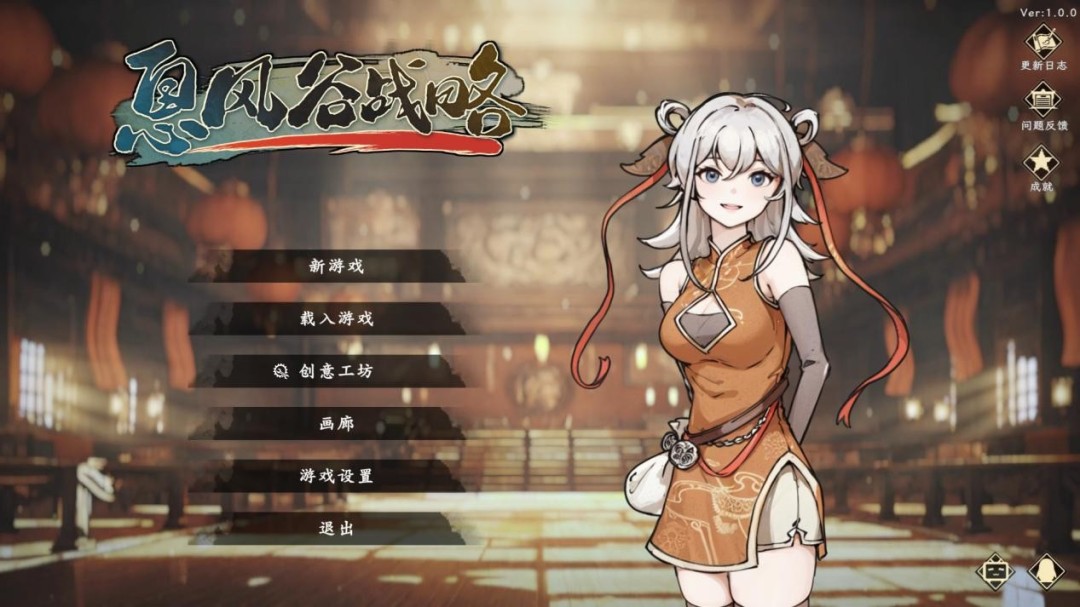
Valley of Rest Strategy is a strategic RPG I'm completely unfamiliar with. Territorial domination gameplay and modular scripts are its most competitive core selling points—if you've played titles like Taikou Risshiden or Sengoku Rance, you'd probably understand the main gameplay better than I do.
For me, perhaps only the Wuxia theme feels somewhat destined.
But this won't hinder us from experiencing the game's main and side content. Since it's an RPG, starting on low difficulty to experience the story and collect CGs is certainly acceptable.
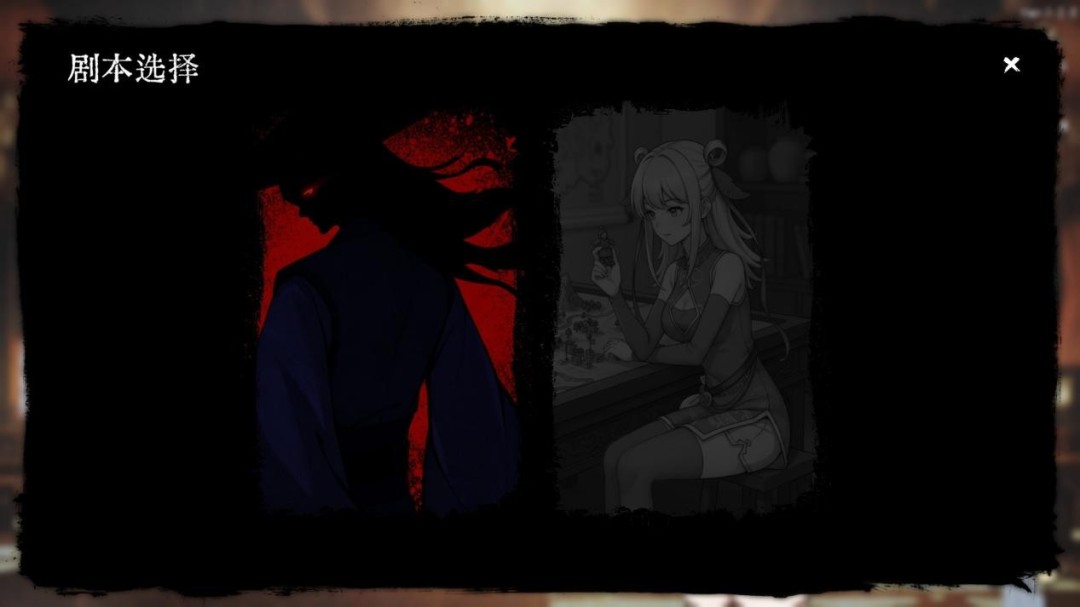
Valley of Rest Strategy provides players with a complete narrative script and a sandbox strategy mode inclined towards free exploration, stripped of narrative interference, focusing on content for the first playthrough and subsequent replays respectively. Notably, even if you only intend to complete the story once, the game offers over 30 hours of content, featuring rich main and side quest expansions that provide an engaging gameplay experience worth exploring.
As a first attempt at the game, the main storyline is certainly the most recommended entry-level gameplay.
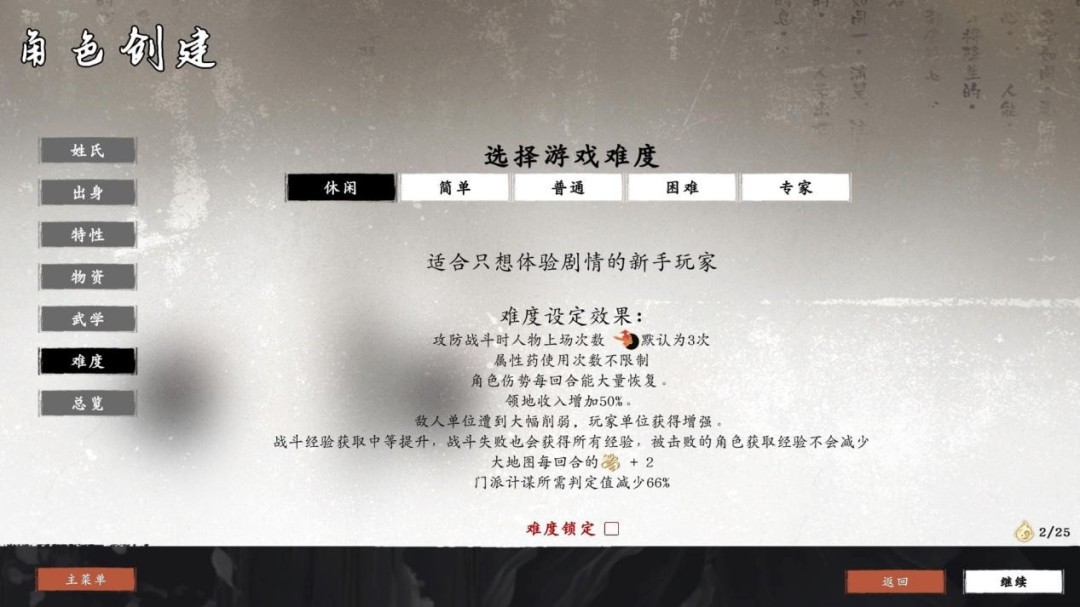
Regarding difficulty, Valley of Rest Strategy offers five difficulty levels and a systematic set of customizable character templates. Players can use preset Soul Coins to enhance their constitution, carry more belongings, or start with martial arts manuals, tailoring a desired beginning for their subsequent journey.
It's conceivable that there are more comfortable formulaic beginnings, and beginnings beneficial to the efficiency of forming different builds. Rich customization options can bring a fresh and novel feeling to players' multi-playthrough experiences.
But if you're hesitating over initial resource allocation, unsure which profession to choose, lacking clear future plans, or getting a headache just looking at the system framework, then like me, starting on low difficulty is definitely the right call.
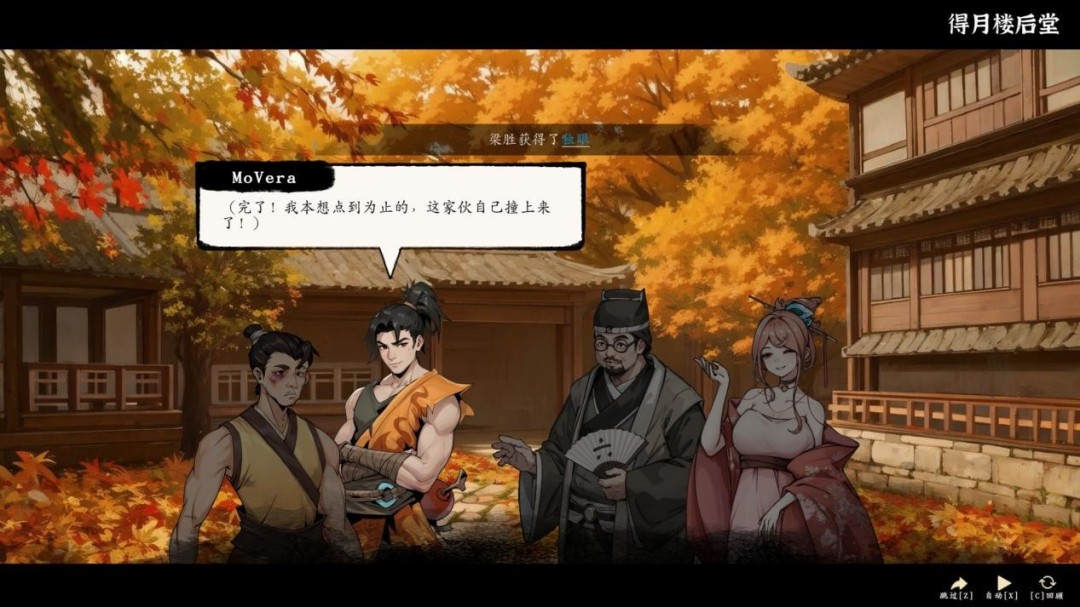
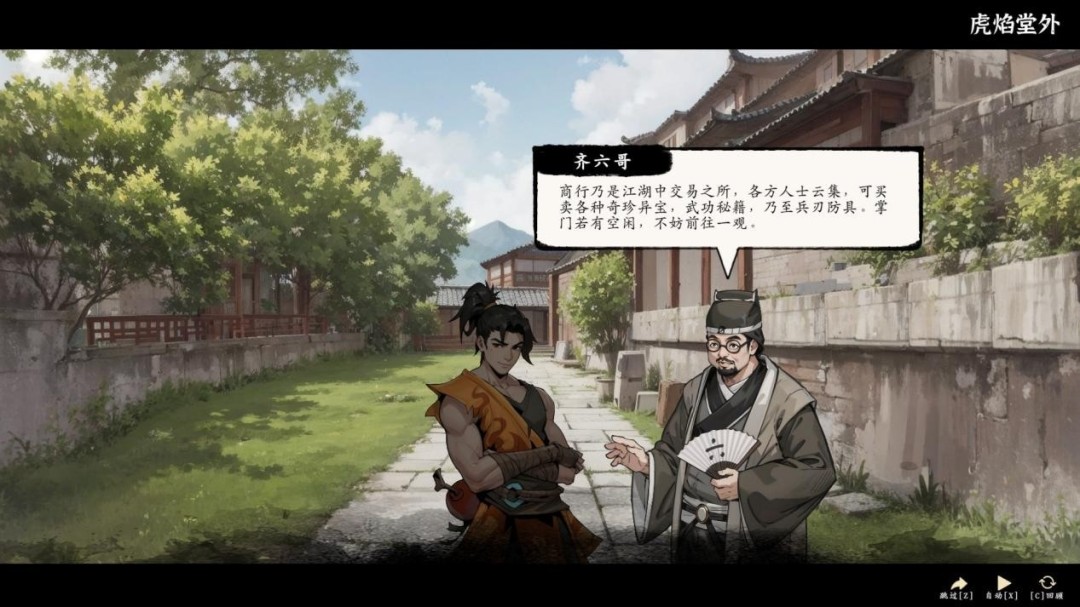
Valley of Rest Strategy is absolutely not a work that can be described as exquisite. Its visual presentation is merely at a barely playable level—limited standing portraits for characters in different scenes, rather perfunctory illustration CGs for corresponding剧情 performances, and dynamic effects almost entirely reliant on spatial translation of character portraits.
With visuals so barren, don't even think about voice acting and other service-oriented content. While experiencing Valley of Rest Strategy, players need to view it with the lowest standard of production quality, making it hard to have high expectations.
However, if you can adapt to the game's roughness, Valley of Rest Strategy will bring you unexpected joy.
As long as you crouch low enough, you can jump far enough. When you no longer care about the shabbiness of service-oriented content, the strategic gameplay of a strategy RPG, requiring step-by-step planning and careful calculation, is revealed.
From a small sect hiding in a corner to becoming prominent upon entering the Jianghu, Valley of Rest Strategy arranges an entire storyline satisfying enough for a power fantasy.
You can continuously conquer cities and expand your territory while developing your sect, encounter beauties in secret realms, and venture into the Jianghu with sword in hand. Everythinggj that fits the stereotypical image of Wuxia will be showcased in the game's storyline.
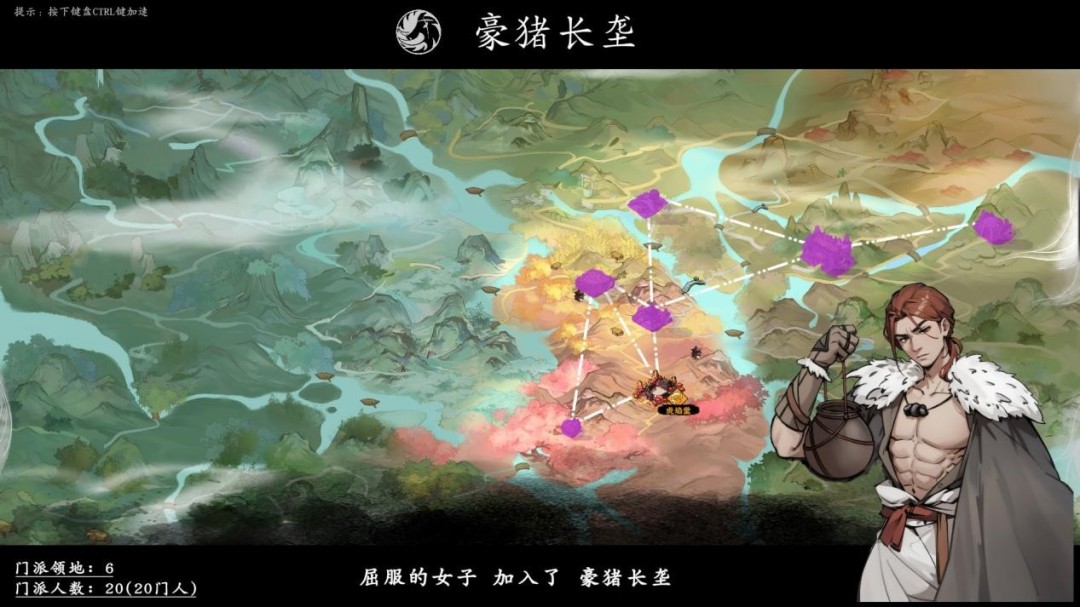
For instance, encountering inheritances, family vendettas, masterminds, childhood sweethearts, and ancestral friendships—these slightly clichéd elements constitute the game's rich side quest expansions. But I don't dislike them, because it is precisely these contents that correspond one-to-one with my stereotypes that compose the tangible experience of venturing into the Jianghu.
From a certain perspective, the side quests in Valley of Rest Strategy are far more interesting than the main story. I enjoy teasing NPCs and developing my sect, willing to invest大量 trivial time into seemingly unimportant matters, such as digging into an NPC's personal history, while never really enjoying the dry process of advancing the main plot.
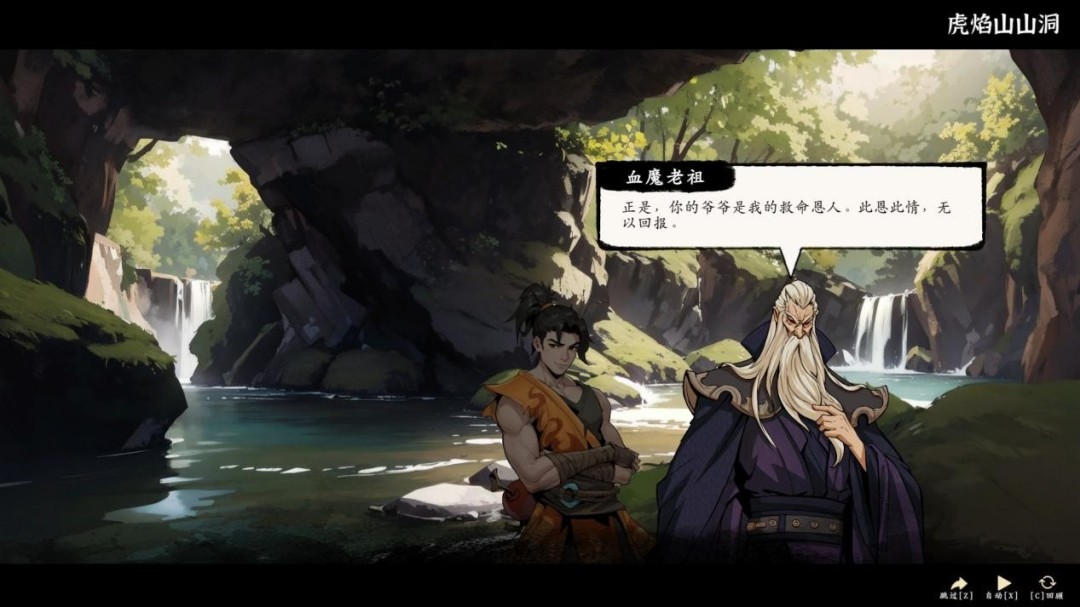
Perhaps limited by writing prowess, the script of Valley of Rest Strategy isn't particularly outstanding, but its slightly awkward clichés can make Wuxia enthusiasts smile knowingly. The恰到好处的 chunibyo vibe aligns perfectly with players' original intention to uphold justice.
Once entering the main storyline, the script's inability to support serious content becomes fully exposed, easily breaking player immersion.
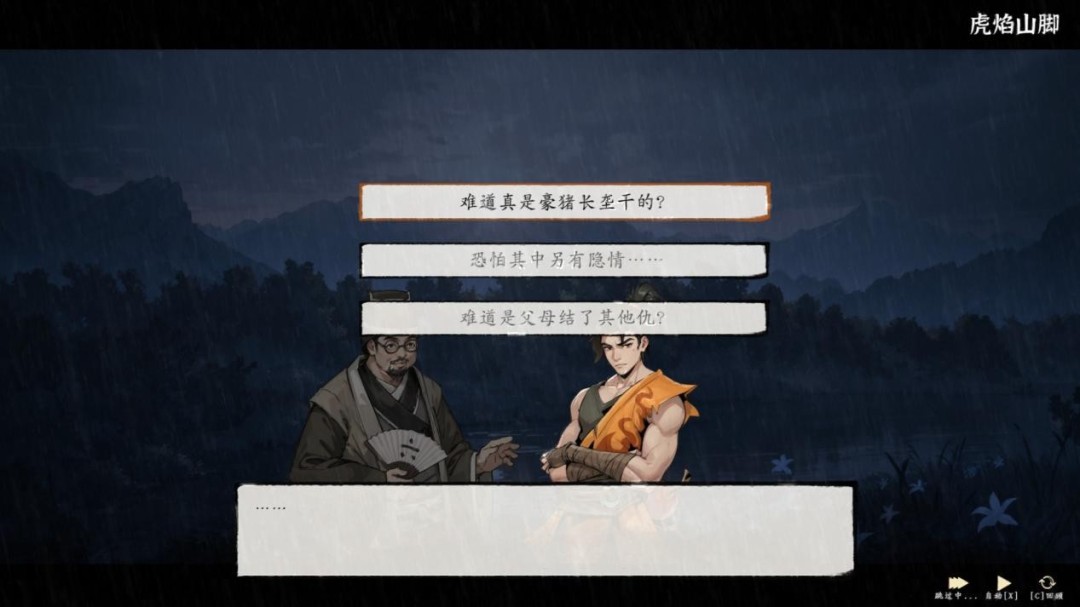
Of course, part of the reason is that the developers were somewhat perfunctory in arranging the flow. Branching options are not uncommon in this type of game, but Valley of Rest Strategy chose the most ordinary design approach. To ensure players don't miss key information, they must confirm each option one by one, browsing through all dialogue branches.
Regardless of how significant the differences between these options are, or whether the context connects smoothly, players need to click confirm sequentially, ultimately resulting in multiple fragmented developments.
If the game's flow could be arranged more cleverly, such as embedding multiple options in batches across different scenes, allowing players to investigate points of interest before raising different questions and obtaining different conclusions sequentially, this would be more ingenious than simply presenting all options directly on screen.
You could argue that Valley of Rest Strategy compromised on interaction convenience, causing characters in the game to lose the context of daily conversation. NPCs in each paragraph cease to have distinct personalities, becoming mere tools for exposition, statement, and setting up plot suspense.
We shouldn't be too harsh on the developers, because the lack of human touch isn't just a script issue; it also exists in interaction logic. There are many meaningless secondary menus in the game, while primary menus are scattered everywhere.
It's like every footnote in a reference book being marked halfway through, requiring readers to flip back and forth between pages. This makes parts of Valley of Rest Strategy's interaction logic feel somewhat clumsy in actual practice.
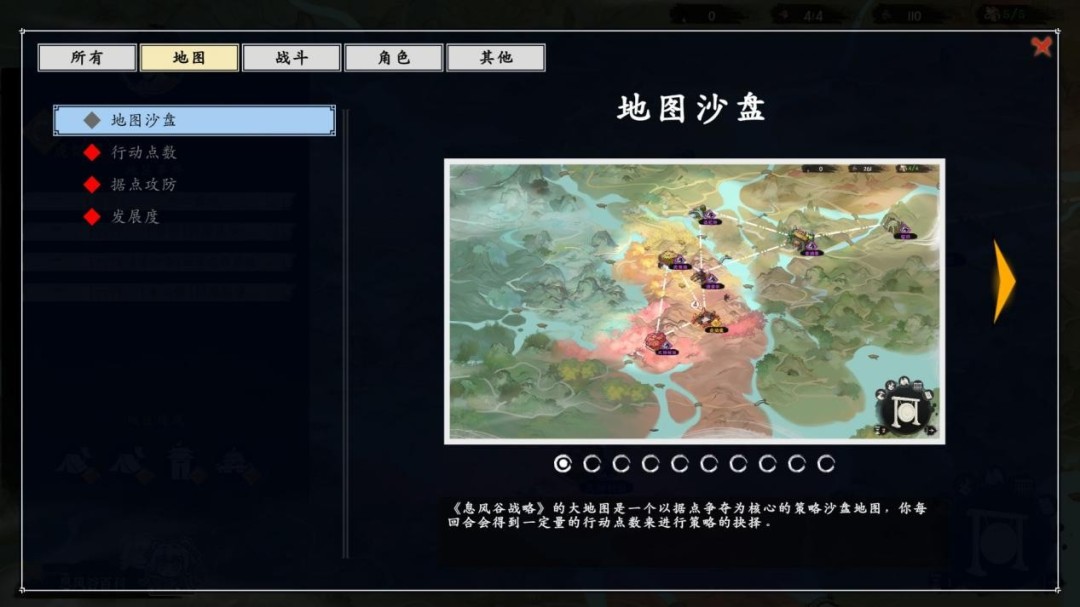
But I compromised with these minor issues because such indulgent gameplay is rare in Wuxia themes. Almost Everythinggj you can imagine, harmonious or not, can be realized in the game as you wish.
Thanks to the freedom of modular scripts, Valley of Rest Strategy isn't as rigid as linear games with fixed endings, and interpersonal interactions are quite open, making it easy for players to achieve a sense of accomplishment similar to GALGAME conquests.
Of course, the developers have added plenty of branching routes on top of this. A careless choice by the player might lead to regrettable consequences, even affecting the final ending. Conversely, a well-timed judgment might allow you to gain both career success and romantic partners, shouting "I want it all!"
The part of Valley of Rest Strategy that provides the most positive feedback for players is the process of striving for favorable timing, terrain, and harmony, working hard for the sect and oneself. Although every detail reveals grittiness, all necessary content is present. The game's flow arrangement withstands player tinkering, naturally increasing the emotional value it provides.
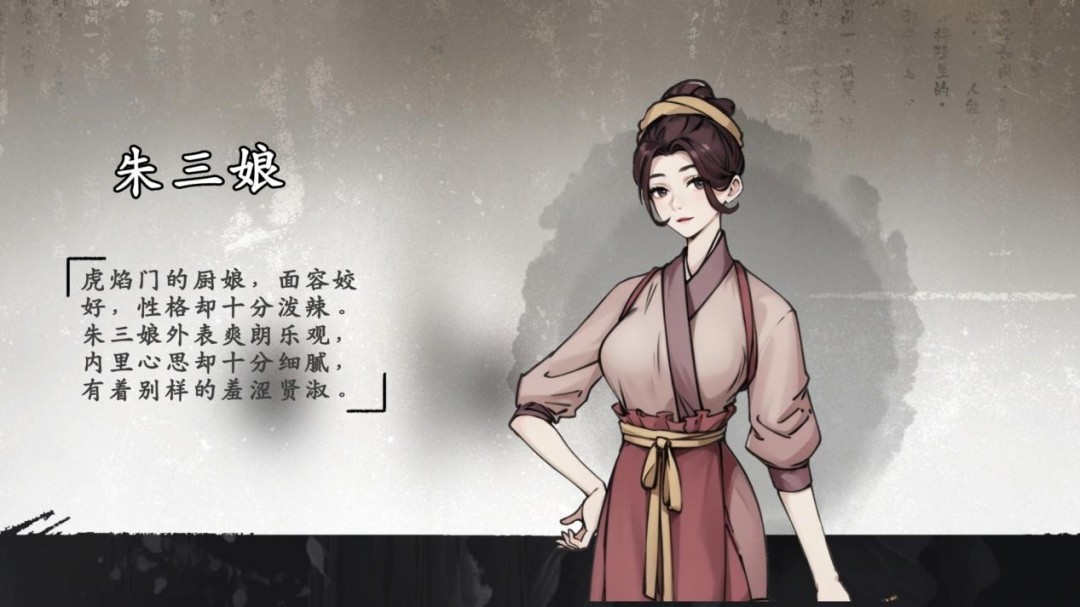
As a strategic RPG focused on territorial domination, Valley of Rest Strategy uses turns as separators, weaving the storyline into mornings and evenings of each day. Players can spend limited action points to develop their sect, and once disciples increase, assign tasks to each member, implementing sect construction from top to bottom. I enjoy the management aspects provided by the game; after all, it doesn't require meticulous attention to infrastructure placement like RimWorld. Although Valley of Rest Strategy is rough, it simplifies complex mechanics to some extent, condensing functional facilities into individual unlockable projects.
On the plus side, Valley of Rest Strategy offers players ample gameplay plans—so many that dozens of hours aren't enough to explore Everythinggj. The current scope of the game definitely exceeds its price tag.
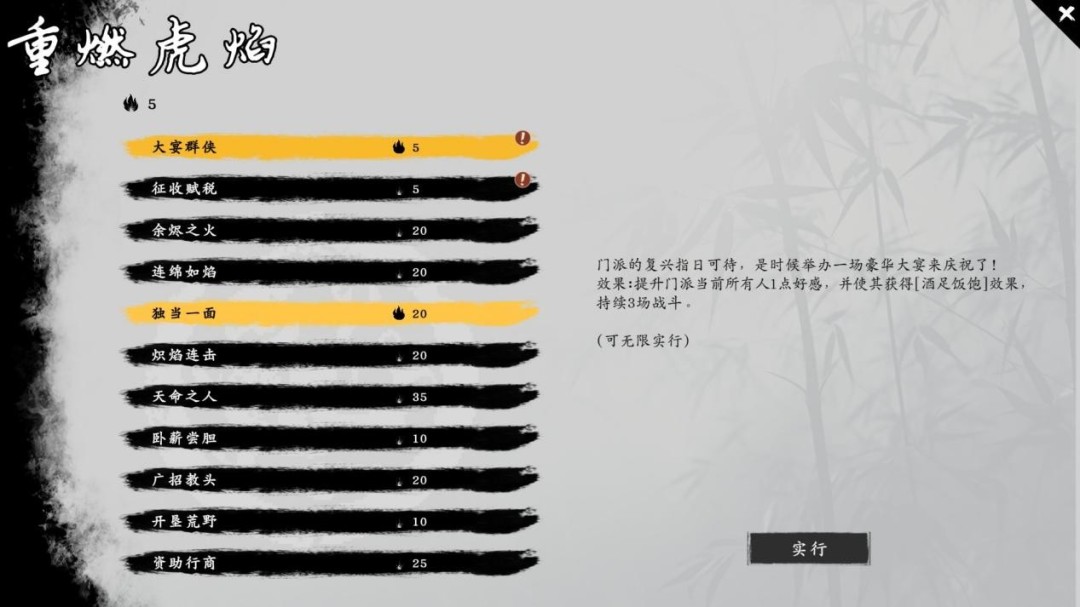
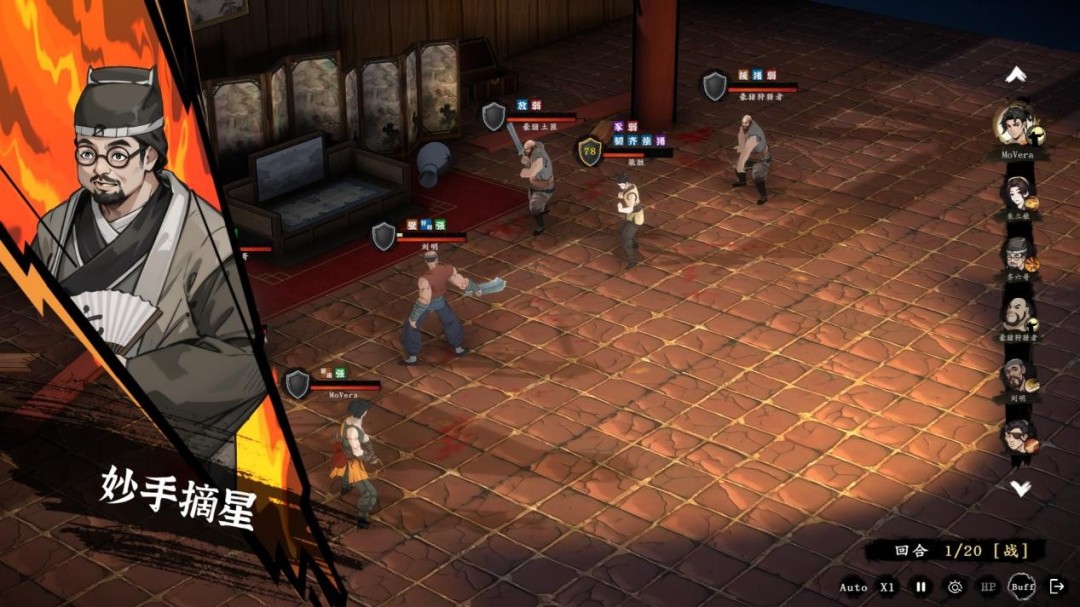
The downside is also straightforward: this gritty texture itself acts as a filter for players. As for combat, needless to say, every aspect appears very plain.
Of course, I'm referring to visual appeal. Although the game's graphical performance isn't outstanding, its playability is indeed decent. Valley of Rest Strategy offers quite rich BD (Build) choices. The same character can adopt completely different gameplay styles based on profession, traits, and skills, guided by different martial arts leading to varied strategic deployments.
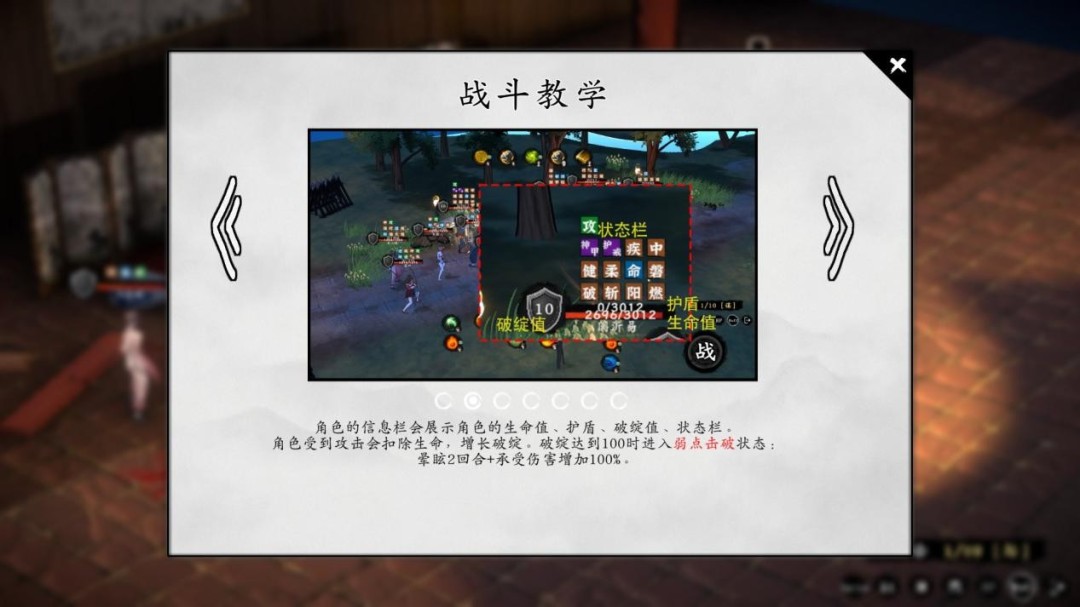
Perhaps early-game players don't need to consider much, but starting from the mid-game, Valley of Rest Strategy offers relatively complex turn-based combat gameplay requiring line-filling and holding, using skill coverage areas as guidance to challenge players' pre-battle positioning.
If you are sensitive to numerical values, this aspect of the game's design will also be one of its highlights.
Overall, Valley of Rest Strategy is a video game with very distinct strengths and weaknesses. It provided me with main and side quest expansions that are interesting despite their roughness, perfectly meeting my expectations and needs for a Wuxia game in terms of gameplay and content filling.
It's just that as a video game, its production quality is relatively low, requiring players to often turn a blind eye during their experience.
As always, if you don't have too many expectations, anything extra becomes a pleasant surprise.
And if you truly cannot compromise with it, that's not your fault either, because its presentation is indeed lackluster, and this roughness may not attract you for now.
Fortunately, the development team updates frequently and has listed upcoming update goals in the community, allowing观望 players to look forward to further improvements. Joining after full MOD support is added isn't too late either. The current overall performance of Valley of Rest Strategy is still quite selective.
But if it happens to resonate with you, it can be considered a Wuxia work with sufficiently clever gameplay, allowing players to savor the heavily dust-laden grudges and passions of the Jianghu.