

In recent years, the speed of AI development has been almost indescribable. From text to images, and then to music and video, generative AI seems capable of creating countless products comparable to human creations. Moreover, the threshold for using AI tools is getting lower and lower; anyone can pull out an AI app to generate things they like, or even use specific prompts to create "goddesses."
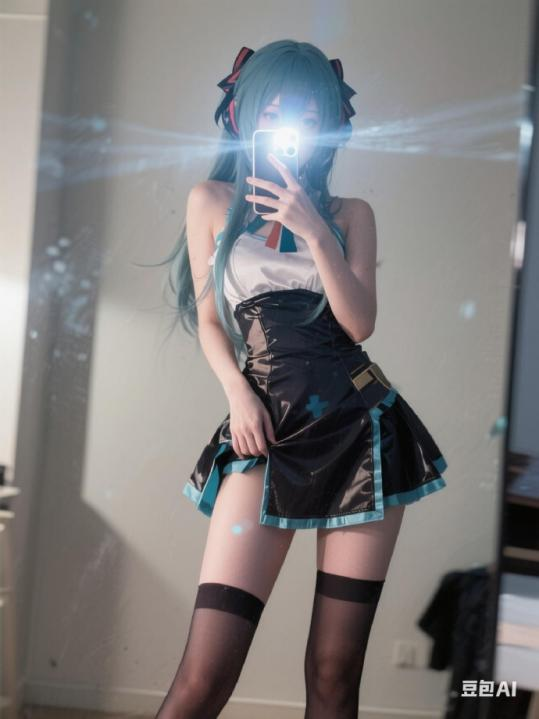
But most of the time, they are just occasional fun moments on the internet, passing by quickly. After all, fake goddesses mostly trick naive young men and don't cause widespread impact. What we're discussing today, however, is something that hit the trending topics and attracted significant attention—in areas people don't usually interact with, many wool-gatherers are using AI-generated fake images to trick merchants into "refund-only."
This wave of AI fabrication has finally blown into the realm of truly explosive profits.
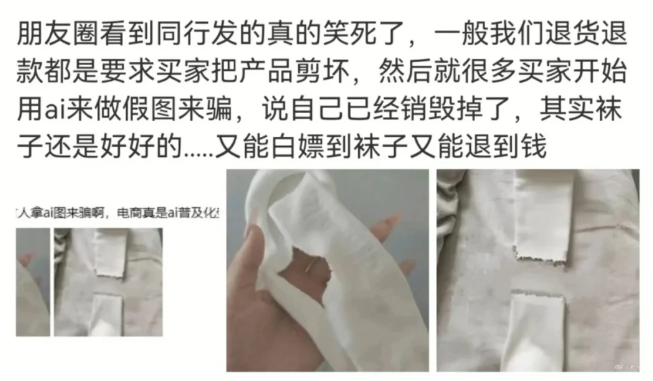
The concept of "refund only" is surely familiar to everyone. The refund-only feature on e-commerce platforms saves consumers the hassle of returning items by mail, which also reduces shipping costs for merchants—because generally, refund-only applies to fresh products or small items where shipping costs more than the item itself.
But there will always be people trying to exploit loopholes, initiating refund-only requests even when there's nothing wrong with the product. They either get approved by the merchant's lenient review or automatically approved by the platform. Then, they can get the product for free without spending a dime. People generally call these individuals "wool-gatherers." The growing group of wool-gatherers has led many merchants to resist the refund-only feature. You can see that just a few months ago, major platforms tightened the refund-only feature, and many merchants now require evidence that the product has been destroyed for refunds.

But for wool-gatherers, if the product isn't problematic, isn't providing evidence creating something out of nothing? Wait a minute, "creating something out of nothing," right? Our popular AI applications are experts at exactly that.
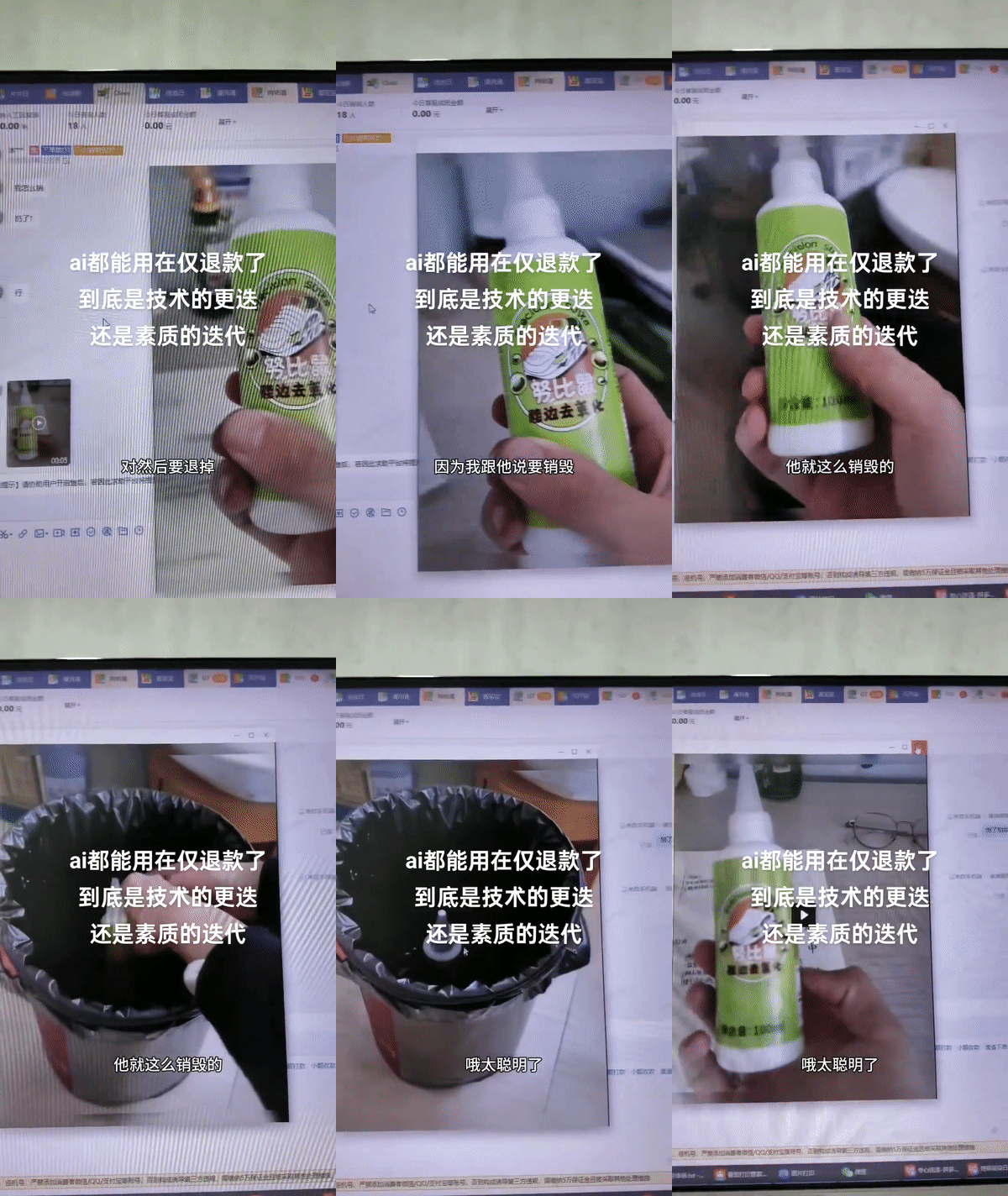
It must be said that using AI to generate these things indeed looks like enjoying the fruits without labor—no brainpower required, no manual effort needed, just conjuring up fake evidence out of thin air. For instance, if you want to film a scene of "throwing a defective product into the trash bin," in the past, you'd have to find a clean trash bin, pretend to throw it, film the action, and then pick it back up. How troublesome does that sound? But now, you just need to input a few prompts into an AI tool. Although it might reveal flaws due to two hands suddenly appearing in the frame, when you're already using AI for fabrication, what else is there to complain about?
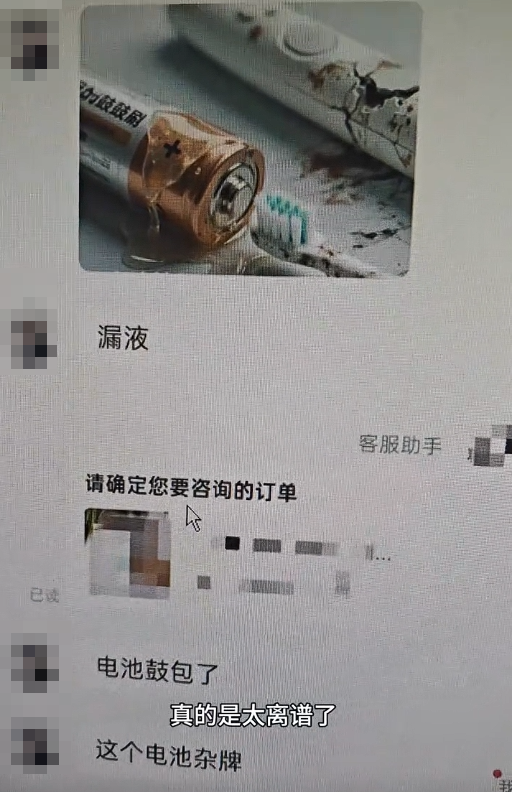
For example, if the battery you bought is fine, how do you make it look like it's leaking to get a refund? Do you need to paint on the battery casing and use various makeup techniques to make the battery look a bit dead? All wrong. The correct way is to simply throw the problem at AI and let it generate an image of a bulging, leaking, exploding battery. Although the image is a bit sci-fi, not only does it show the battery leaking transparent liquid, but it also features fictional text from a future civilization, yet the overall atmosphere is quite reasonable. Paired with the buyer's solemn accusations against off-brand batteries, it's hard not to make customer service wonder whether the battery has a problem or if they themselves have a problem.
Similarly, AI can help you prove whether a basin was smashed or not, with the degree of fragmentation specified by the person requesting the refund. Thanks to high-tech support, Everythinggj from the perspective of cracks to the overall lighting effects can be made nearly flawless. If there are flaws, they are human flaws—if you send the original image along, the identical reflections in both pictures will completely give you away.
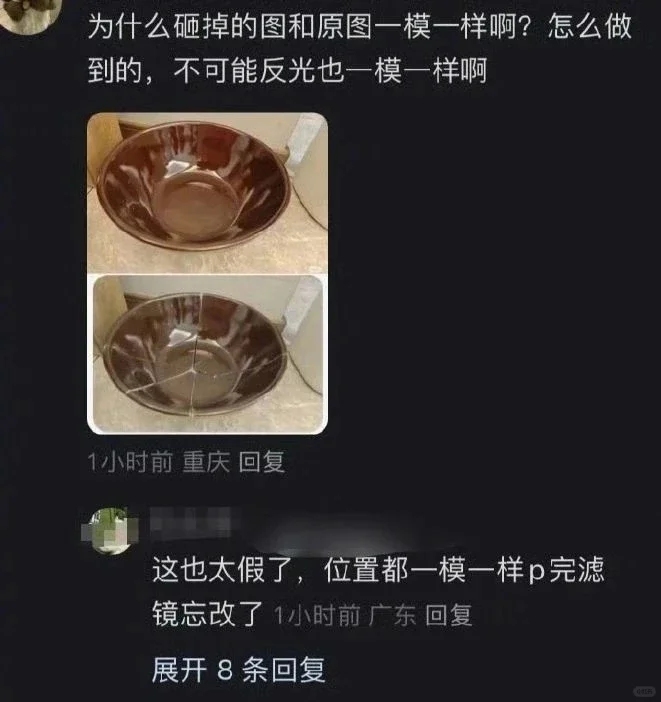
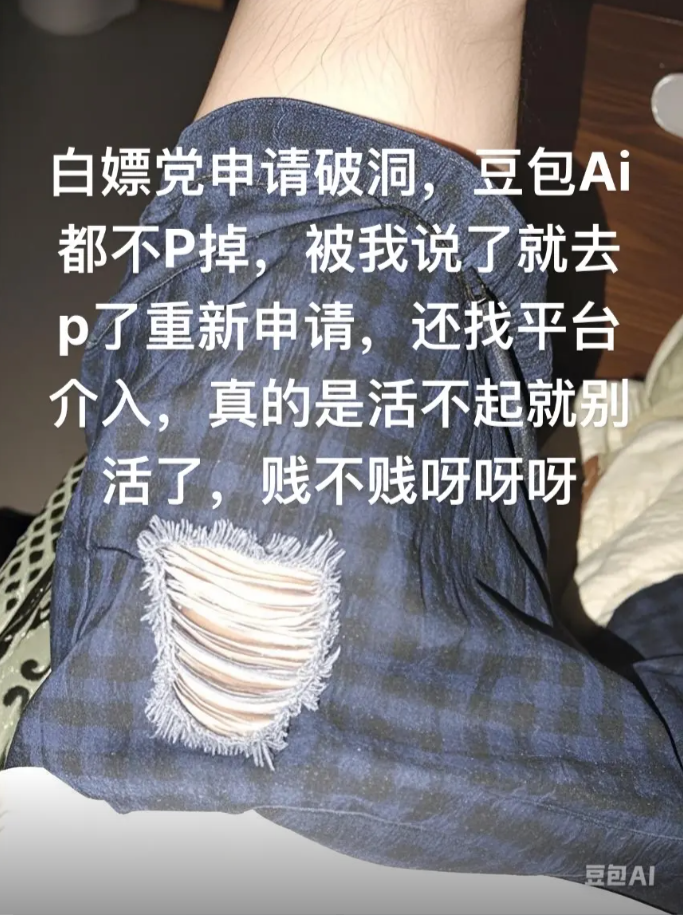
So, when exploiting loopholes, pay more attention. Try to optimize your keywords further and generate several more images or videos repeatedly to make them indistinguishable from reality. If you encounter issues like three hands or alien text, seriously withdraw them. But besides these, there's one more crucial thing often overlooked by wool-gatherers using AI for fabrication: removing the AI watermark. Leaving a "Doubao AI" watermark in the bottom right corner shows a lack of respect for the seller.
This reminds me of a joke that circulated long ago—a person used counterfeit money to buy breakfast. The vendor was quite angry and said seriously, "It's bad enough that you gave me fake money, but at least it should be printed, right? Yours is actually drawn. Even if we stretch it, if it's drawn, you could have drawn a ten-yuan or five-yuan bill, right? But you drew a seven-yuan bill. Seven yuan is fine, but at least it should be in color, right? I tolerated black and white, but you can't draw it on toilet paper, can you? Even if it's toilet paper, I'd accept it. But how could you tear it? And what does this triangle you tore mean?" After seeing these poorly fabricated AI-generated fakes, I think you'll find this joke quite fitting.
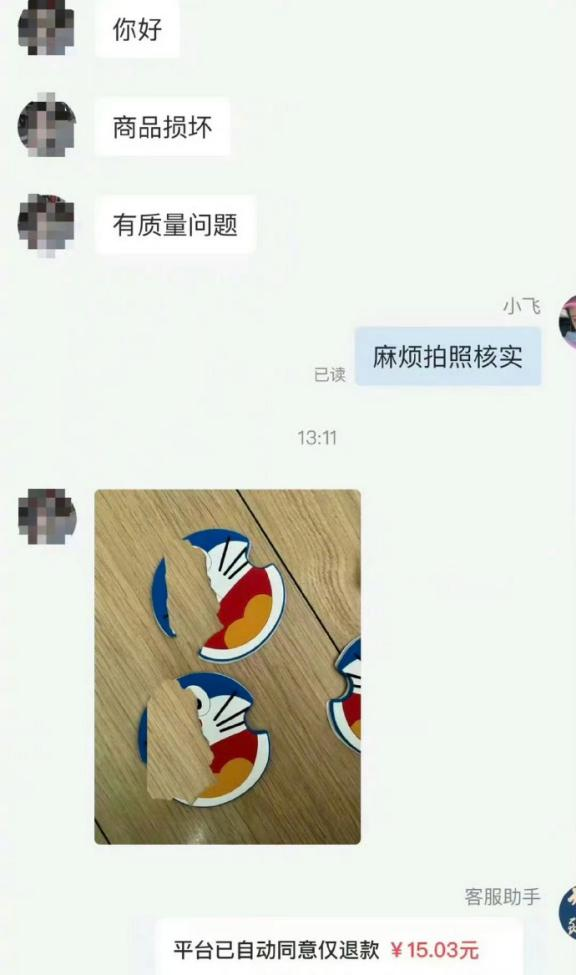
Of course, we can also see that most of these AI-generated images and videos look quite poor. Even without careful inspection, they appear fake at first glance. But this doesn't mean everyone can let their guard down. On one hand, no one can predict how convincingly real future AI technology can generate things. On the other hand, there may be survivorship bias—those posted and mocked by everyone are obviously fake, while those that are indistinguishable might not have been discovered at all.
But then again, we can't entirely blame AI. Anyone who regularly watches "I Love Inventions" knows that when everyone sees the machine team going on a killing spree, they must have gone through a series of processes like "initial trial failure," "family doesn't understand," and "trying again with all their might." Meanwhile, the human team has probably been busy for half a day. Before the wool-gatherers joined the AI machine team, we in the Photoshop human team were the absolute main force.
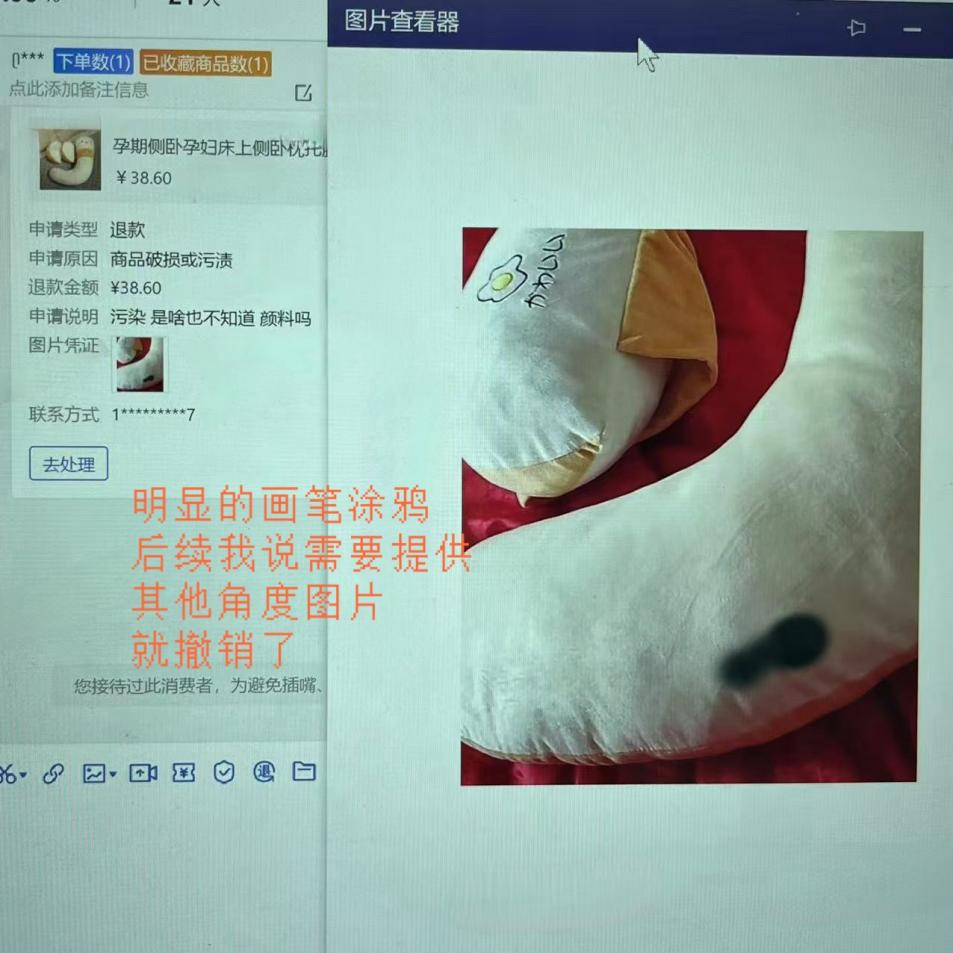
Those with slight photo editing skills can directly use the brush tool to scribble a few strokes on the product image. Although the flaws are obvious and easy to catch, at least it counts as handmade craftsmanship. If you still stick to ancient methods in this AI era, calling yourself a "Photoshop Immortal" is not excessive.
If you lack the skills, you can seek help from others—for example, a few years ago, people frequently posted on Baidu Tieba's PS Bar, asking fellow users to help Photoshop certain small items to look damaged. At first, people didn't understand what this meant and usually responded with the PS Bar's typical attitude: "Just indulge him." But over time, more people realized that these were wool-gatherers trying to use the technical skills of PS Bar veterans to get "refund-only" from merchants—so the community quickly shut down this route.
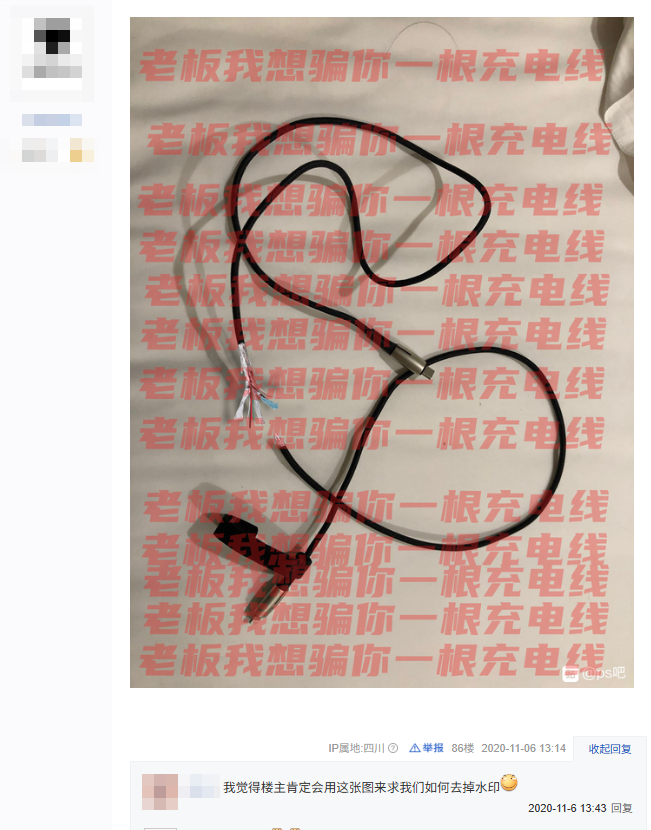
Therefore, those wool-gatherers using AI to complete refund-only requests are, in a sense, "trendsetters of the era," even using the most advanced technology to grab the cheapest deals. Because, under the current trend of AI application development, AI tools are readily available. For many people today, AI technology is like a pistol in a child's hand. The fact that some "know how to use AI but don't know how to remove AI watermarks" shows that—it's extremely powerful and hard to control, and you can never predict what heavyweight news will happen next.
The technology itself is indeed not the problem, whether it's Photoshop or AIGC. The problem lies solely with those who abuse the technology.
Under the abuse of AI by wool-gatherers, the situation will eventually evolve into an offensive and defensive battle between wool-gatherers and merchants. Both sides compete for their own interests, with merchants continuously improving their AI detection technology and wool-gatherers constantly researching how to write more professional prompts... It seems like both are improving themselves, but it feels like a zero-sum game.
In the end, ordinary consumers who did nothing end up suffering—the threshold for refund-only has been raised sky-high; when they actually encounter quality issues, they may face a crisis of trust during rights protection.
New technology is good, new features are good, but because wool-gatherers want to freeload a few dollars' worth of data cables or tens of dollars' worth of small items, it causes countless troubles and may even trigger new public opinion issues related to AI in the future. This sounds somewhat absurd.