

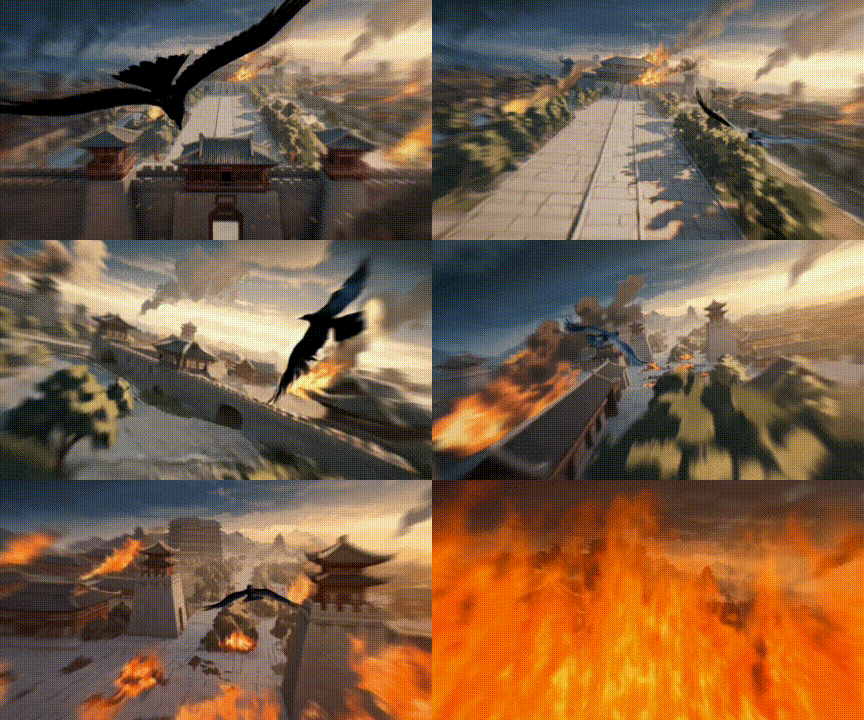
Since the beginning of last month, I have been addicted to "New Three Kingdoms critiques," sometimes laughing aloud at R9, and sometimes holding my belly in amusement while reading Zhe Bang. This TV series "Romance of the Three Kingdoms," filmed in 2010, is like an inexhaustible treasure trove, providing endless laughs for everyone... But if we were to pick the most absurd line in the entire series, it would undoubtedly be this one.
"Xuzhou City, worthy of being the number one formidable pass in the Central Plains."
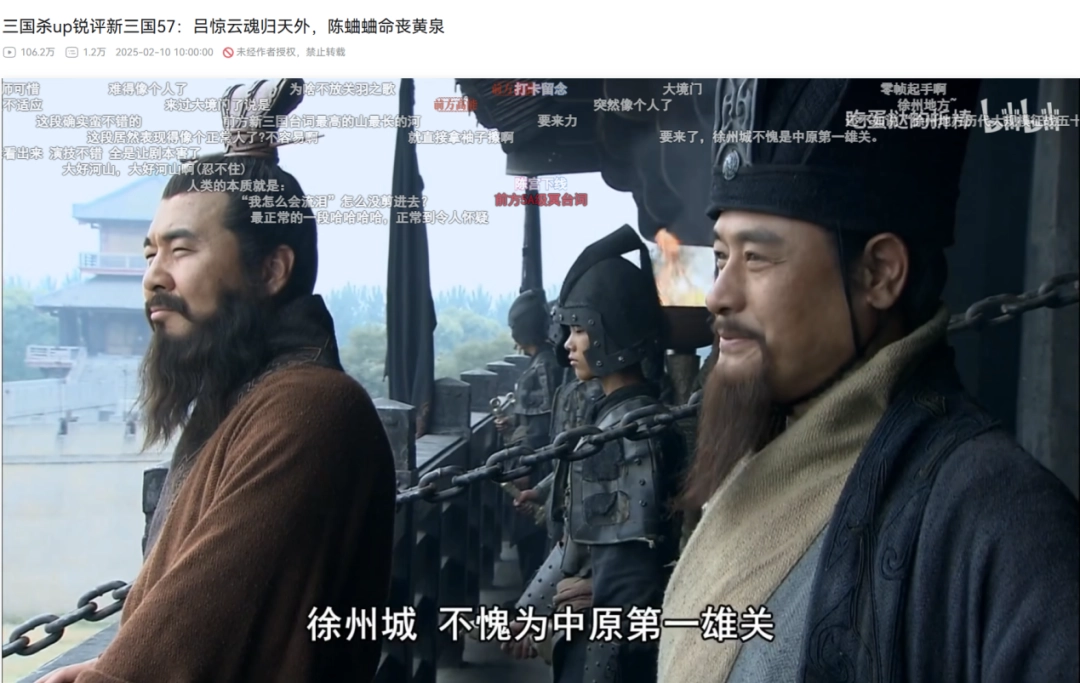
I am humble; my grades in history and geography were quite average when I was studying, and I only skimmed the surface of "Romance of the Three Kingdoms." Yet even so, I was stunned by the words spoken by Xun Yu, the talented advisor, in "New Three Kingdoms." In just twelve characters, my worldview was overturned five times.
First, is Xuzhou a city? Doesn't the word "Xuzhou" clearly contain "Zhou" (Province)? Or does the screenwriter think that every provincial-level unit must have a prefecture-level city with the same name, such as Zhejiang City in Zhejiang Province?
Secondly, Xuzhou is not located in the Central Plains. Setting aside common geographical knowledge that the Central Plains generally refer to the Henan area, the Central Plains should at least be "central." Xuzhou borders the eastern sea, so how is it "central"?
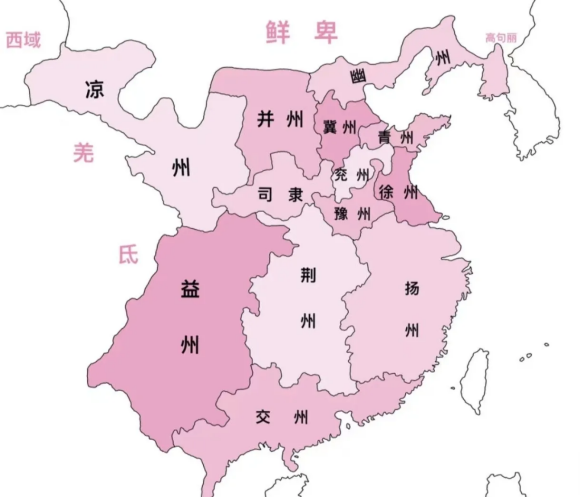
Furthermore, I wonder if Xuzhou is even a pass. Commonly known passes are those like Shanhai Pass and Jiayu Pass, which rely on natural geographical barriers. Even if Xuzhou were really in the Central Plains, the flat plains of the Central Plains offer no defensible terrain, so how could it become a pass? This constitutes the third and fourth errors.
Finally, even if Xuzhou City were really a pass in the "New Three Kingdoms" universe, where does that leave Si Pass (Hulao Pass), Tong Pass, and Hangu Pass, which are on the vital routes to the Central Plains?
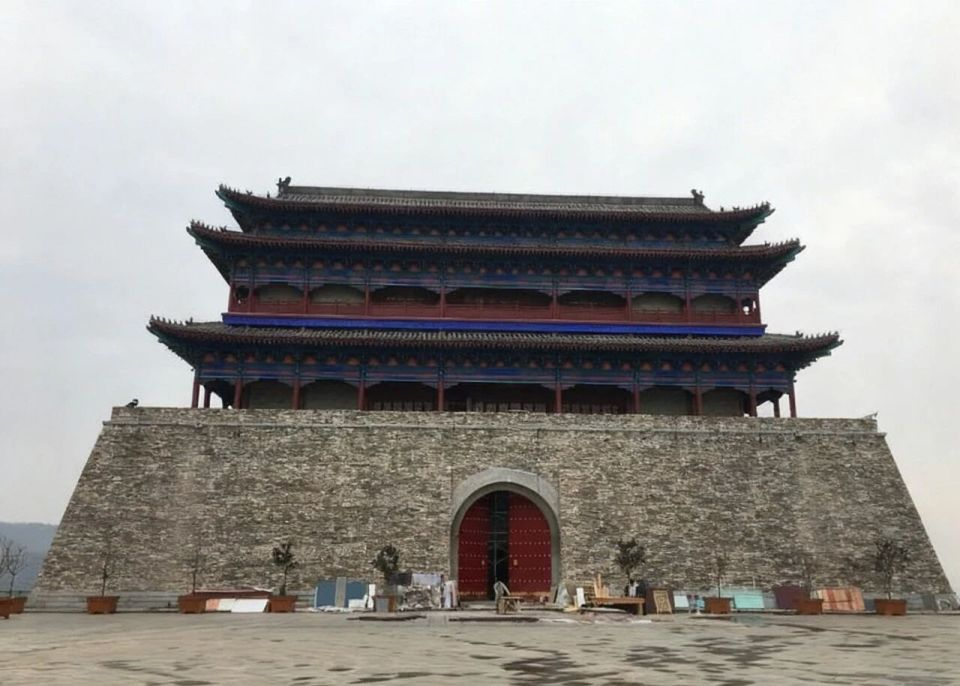
It can be said that this sentence perfectly showcases the most criticized flaw of "New Three Kingdoms"—disrespect for history. To make characters deliver lines that seem cool, Machiavellian, and profound, the screenwriters acted recklessly, turning Xuzhou into a pass in the Central Plains, making Xiaopei a "satellite city" that shifts between east, west, north, and south of Xuzhou, portraying Liu Bei, Guan Yu, and Zhang Fei as hyper-masculine hypocrites who seem sworn brothers but are actually unfamiliar with each other, depicting Cao Cao as a schizophrenic who defecates anywhere, and having Zhuge Liang design a plan to burn Zhang Fei at Bowang Slope...
You can create, but can you please respect history? At least do some research on historical materials from that era, or even check Baidu Encyclopedia?
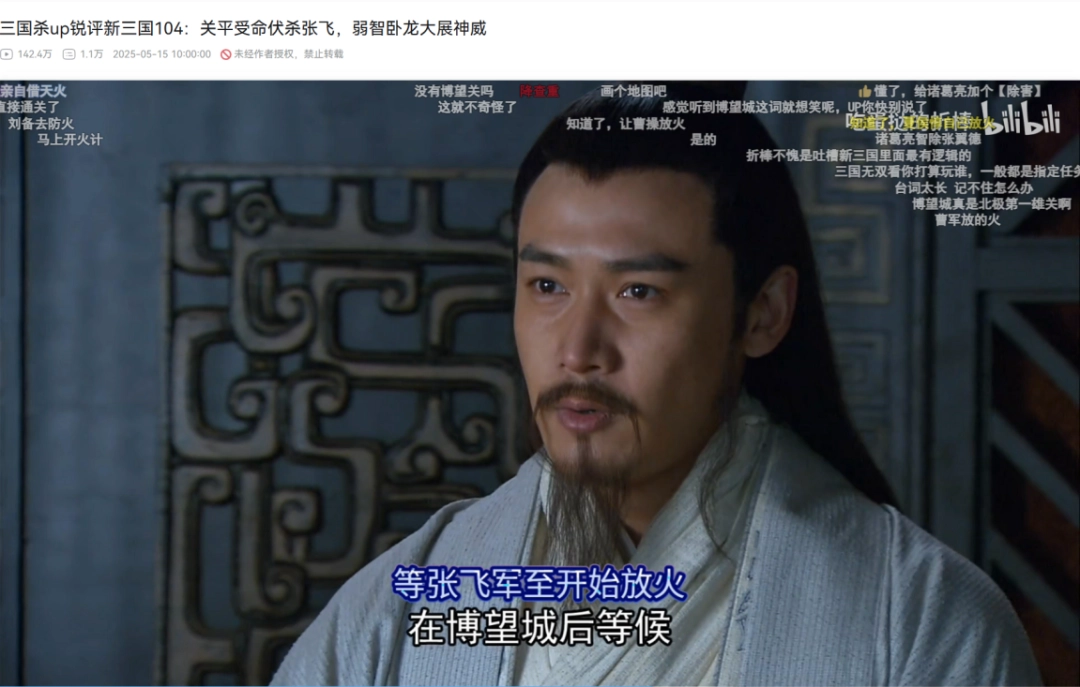
The result was that "New Three Kingdoms" became a complete joke in the eyes of audiences with even slight historical knowledge. While it supported a large number of critique content creators, it also led to the entertainment-driven deconstruction of the classic novel "Romance of the Three Kingdoms" and the history of the late Han and Three Kingdoms period. It seems that with the spread of the spirit of "amusing ourselves to death," current artistic works lack some reverence for history. But... is this really the case?
Not necessarily. Although there has been no qualified depiction of the late Han and Three Kingdoms history in the film and television field for a long time, the gaming field, known as the "ninth art" and emphasizing entertainment, has shown remarkable performance in respecting history and conducting research. As a medium emphasizing interactivity, balance, and entertainment, game creators inherently need to dance in shackles. Restoring history sometimes means sacrificing gameplay, but sacrificing history for gameplay can easily lose the crucial sense of immersion.
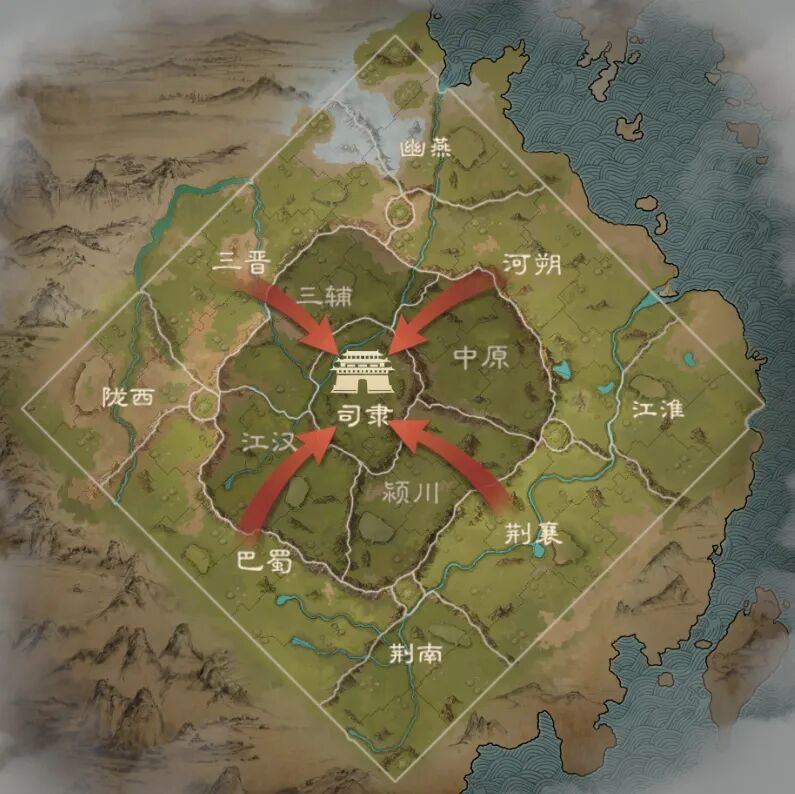
In this regard, Ruyi Jingxiu's Three Kingdoms SLG "Yanwu" has performed commendably in achieving this "balance." As a multiplayer online SLG emphasizing PVP and fairness, "Yanwu" naturally cannot replicate the complete and unevenly distributed resource map of China like Koei's "Romance of the Three Kingdoms" series or CA's "Total War: Three Kingdoms." Instead, it had to design a highly fair large-scale map centered on Sili, with various provinces distributed in a surrounding pattern.
However, unlike the anti-historical magical plots in "New Three Kingdoms" such as "Xuzhou City is truly the number one formidable pass in the Central Plains" and "capturing Jingzhou in three hours," "Yanwu" features highly important border passes between provinces that faithfully restore their historical functions. These passes serve as facilities to protect internal resource plots and play a pivotal strategic role (rather than standing abruptly in the middle of a vast plain). Various factions engage in fierce offensive and defensive battles around them, which not only brings players the joy of commanding forces but also greatly enhances immersion in the background of the late Han Dynasty chaos.
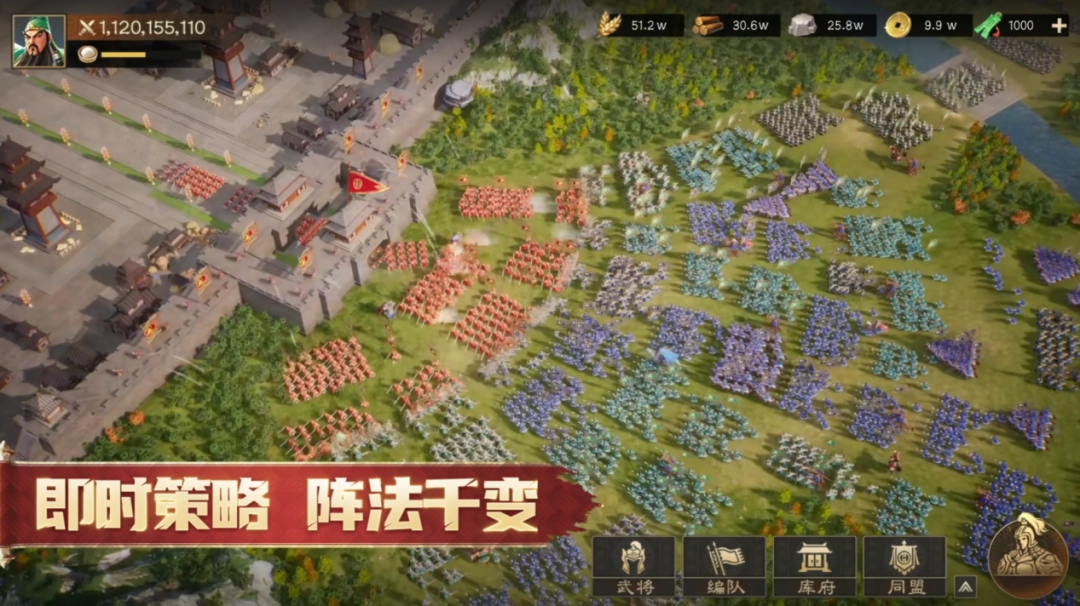
At the same time, "Yanwu" truly leveraged the advantages of the game medium to restore the "marching" element, which was often overlooked in previous film and television works. Marching in "Yanwu" is neither as absurd as armies in "New Three Kingdoms" walking on "New Three Kingdoms Roads" or using teleportation gates to sneak attack enemy camps, nor as rigid as the "grid-based pathfinding" in other SLG mobile games. Instead, it incorporates "free operation" elements similar to RTS games, allowing players to freely adjust the real-time movements of each army, enabling sophisticated combinations such as "small cavalry units raiding the rear while archers on the flank fire simultaneously."
Even if the nature of the medium makes it difficult to capture the exact form, as long as the spirit is captured at its core, artistic works including novels, films, and games will naturally gain audience recognition. Just as the major event of "converting rice fields to mulberry fields" in "Ming Dynasty 1566" did not historically exist, it did not prevent the series from being rated as China's best historical drama. Undoubtedly, "Yanwu" has also captured some of the essence of that chaotic period in history.
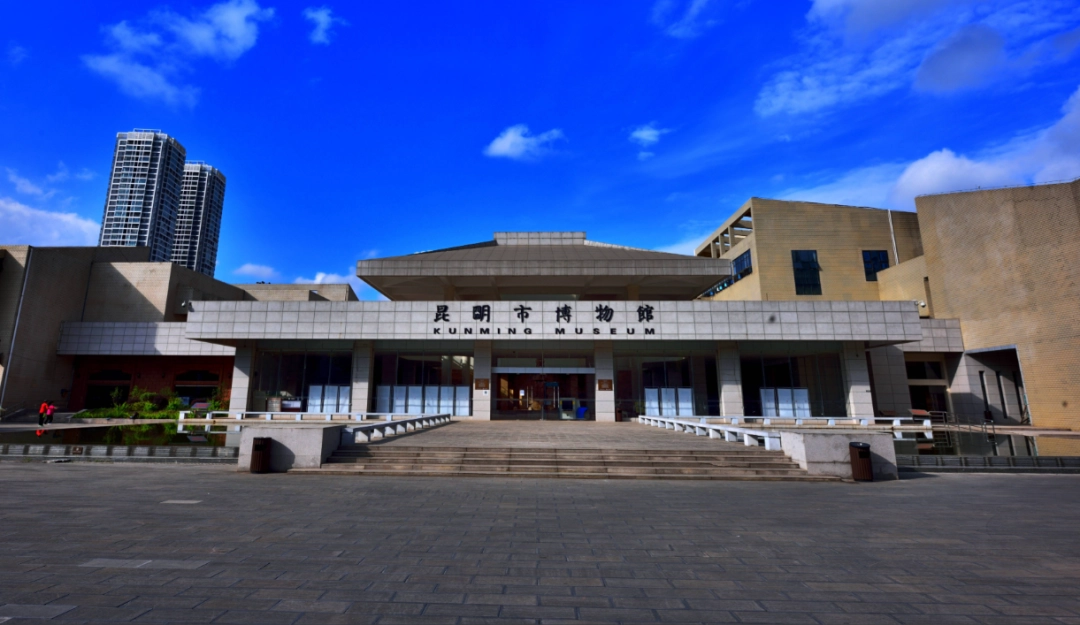
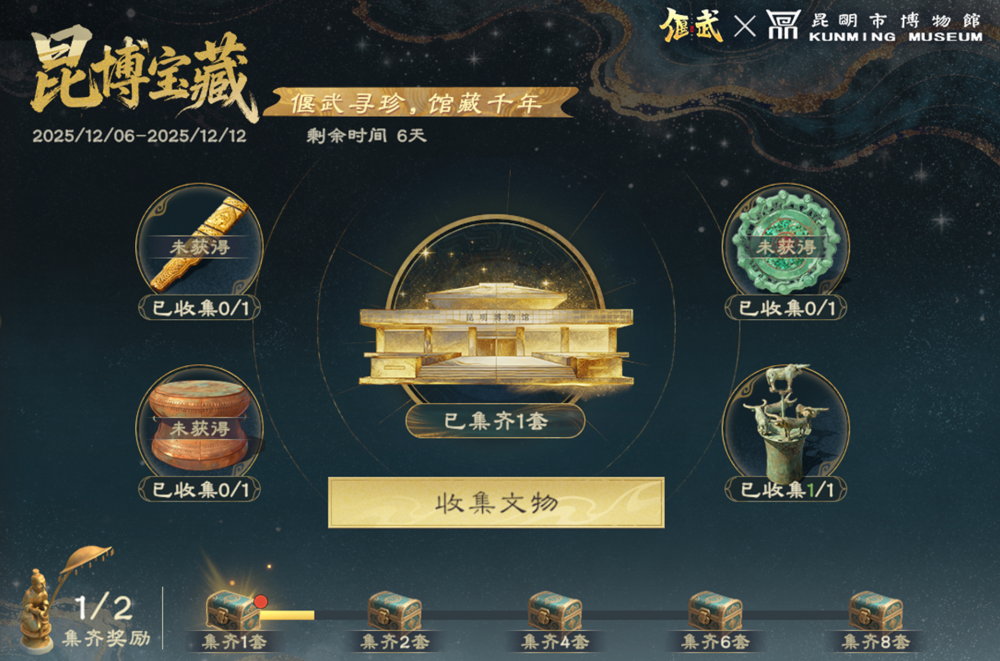
After gaining popularity for its bold yet faithful restoration of history, "Yanwu" has not forgotten its social responsibility as a historical game. It is not content with being just an "entertainment product" but truly views games as a vehicle for spreading culture and art. Thus, we witnessed the major collaboration between "Yanwu" and the Kunming City Museum.

This collaboration is not merely about taking a few historical artifacts from the Kunming City Museum, turning them into in-game textures, and giving them away for free with daily check-ins. Admittedly, such simple collaborations are low-cost and quick to yield results, requiring little effort—just place a button in a corner, have players log in daily to click it and view an image, claim some rewards, and then spread some soft articles about "inheriting history" and "promoting traditional culture" to achieve both fame and profit...
But players who have played "Yanwu" know that this work, known for its respect for history, would not choose such a shortcut. The primary consensus reached by "Yanwu" and the Kunming City Museum at the initial stage of the collaboration was to bring these artifacts, which have spanned thousands of years, to "life"—meaning it was time to employ technical means.
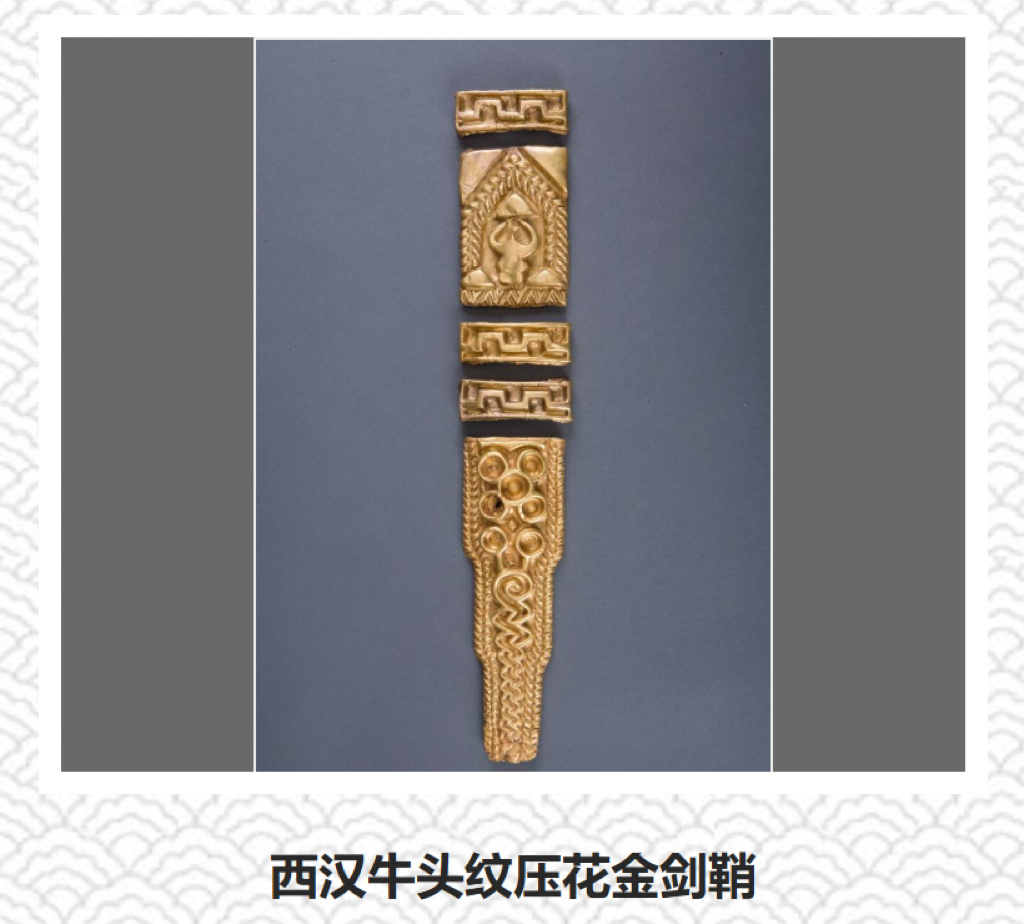
For this collaboration with "Yanwu," experts from the Kunming City Museum spent several months using advanced digital technology to perform high-precision scanning and 3D modeling of the collaborative exhibits. This sounds easy, but the intricacy of patterns and reliefs on many ancient artifacts reaches astonishing levels, making restoration very difficult. For example, one of the key items in this collaboration, the "Gold Sword Scabbard with Bull Head Embossing," unearthed from the Han tomb at Shizhaishan in Jinning, has a history of 2,000 years. It was not a weapon for actual combat but a ceremonial ritual instrument used exclusively by nobles of the Ancient Dian Kingdom for sacrifices and ceremonies.
Its sheath is made of pure gold hammered into shape. The continuous and smooth diamond geometric patterns demonstrate the superb craftsmanship of the Ancient Dian artisans, while the embossed bull head patterns vividly showcase the bull worship culture of the former Ancient Dian Kingdom. If reproduced merely as a texture, it would obviously fail to restore the original appearance of this heavy artifact and would not satisfy players' needs to appreciate the artifact in detail from multiple angles.
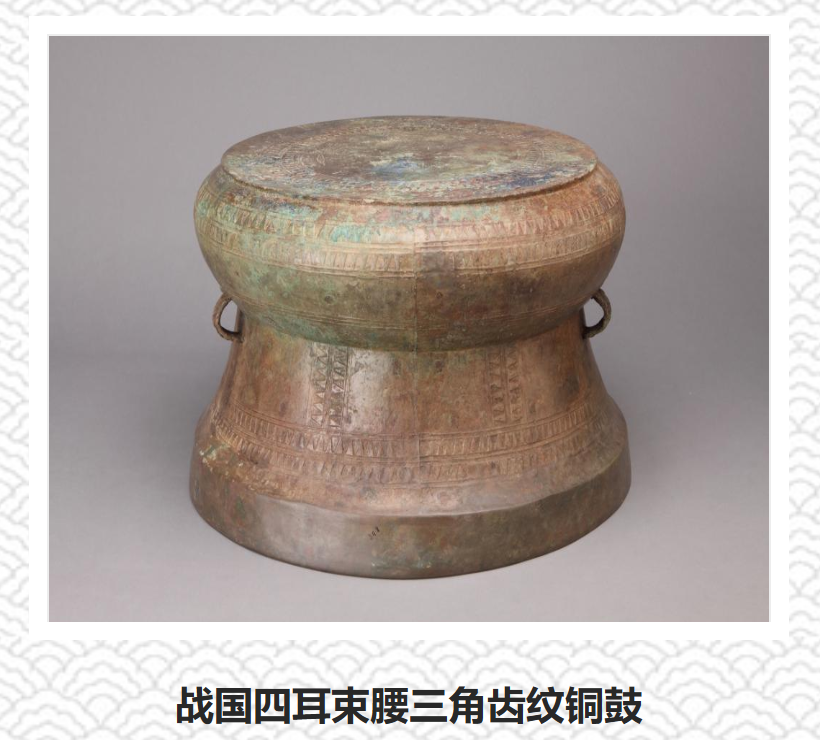
The Kunming City Museum is responsible for restoring the original appearance of the artifacts with the highest precision, while "Yanwu" is responsible for endowing these heavy artifacts with backgrounds, stories, and special abilities commensurate with their cultural value in the game. This Warring States period bronze drum with four ears, a waisted body, and triangular tooth patterns historically carried three sacred missions: first, as a sacrificial vessel for worshipping mountains, rivers, and ancestors, communicating between the human and divine realms; second, as a military drum for gathering troops and commanding battle formations, resounding across the battlefield; and third, as a ritual instrument to display the power, wealth, and majesty of tribal leaders.
In the game, it will appear as the "Heart of the Battlefield" on the chaotic Three Kingdoms battlefield. Although the specific bonus effects it provides remain confidential, these artifacts are likely to become an indispensable part of players' strategic layouts in the new season of "Yanwu."
Meanwhile, the collaboration between "Yanwu" and the Kunming City Museum has also extended offline. During the third season of "Yanwu," the Kunming City Museum specially opened a themed zone for "Yanwu" × Ancient Dian artifacts. Visitors can not only view the actual exhibits here but also experience the entire process of digitally replicating the artifacts on-site, and check in to receive limited-edition collaboration souvenirs.
Advancing both online and offline with the utmost respect and craftsmanship is the best way for "Yanwu" and the Kunming City Museum to demonstrate their reverence for history.
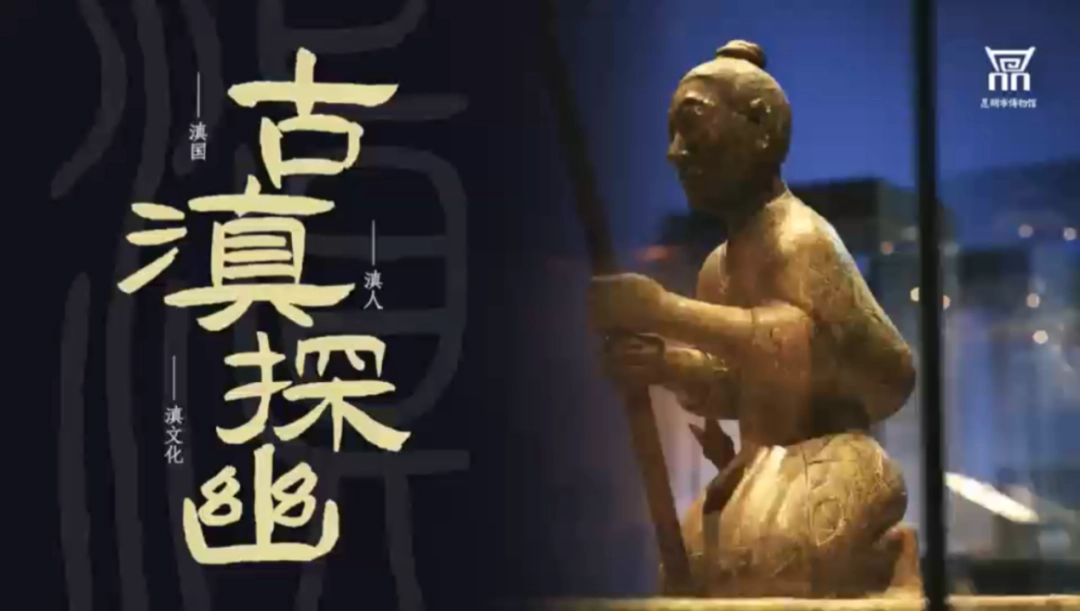
As everyone knows, collaborations with museums and artifacts are often "thankless tasks." From the series of measures above, it is evident that doing a good job in collaboration requires significant effort, but its economic benefits may be far less than those of commercialized and entertainment-oriented third-party IPs. To put it bluntly, if the collaboration partner were "New Three Kingdoms," the热度 (heat/popularity) of "Yanwu"'s collaboration might have multiplied several times over.
But "Yanwu" still went ahead with it. Because, from the very beginning of the game's development, "restoring real ancient battlefields and replicating historical treasures" has been "Yanwu"'s brand promise. The collaboration with the Kunming City Museum is the best embodiment of this promise and sense of social responsibility.
It can be said that this collaboration between "Yanwu" and the Kunming City Museum sets a good example for future creators of historical entertainment works. As creators based on history, they should bear the corresponding responsibility for cultural inheritance. Those who look up at the sky must not forget the earth beneath their feet.
Creators of historical artistic works must not only understand creation but also understand history.