

For domestic players, the upcoming Season 18 of Overwatch is particularly noteworthy—this season, the game will launch the second hero from China, "Wuyang." Unlike the first Chinese hero, the scientist "Mei," "Wuyang's" image is closer to the "martial artist" in traditional Chinese culture, and the background story unfolds in "Wuyang's" birthplace, the historic Chinese city of "Chengdu."
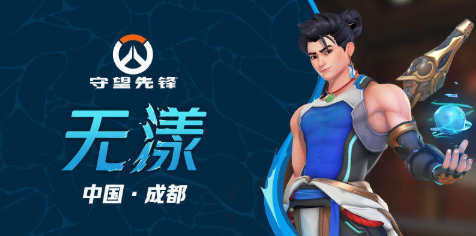
Thanks to the invitation from the NetEase Leihuo team, before the official launch of Season 18 and "Wuyang," we had in-depth exchanges with Overwatch's Senior Narrative Designer Joshi Zhang, Lead Character Concept Artist Daryl Tan, and Senior Game Producer Kenny Hudson, discussing the design story behind this Chinese hero. If you are also curious about how "Wuyang" was born, feel free to keep reading.
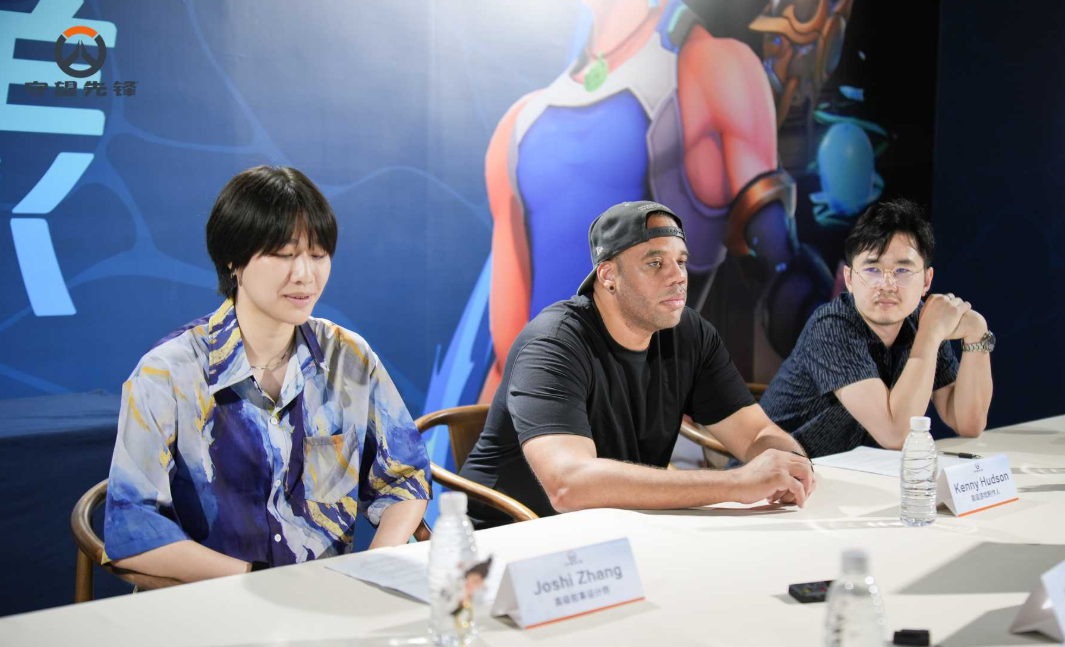
Q: Why did you choose to set "Wuyang" as a hero from Chengdu? What special inspiration is behind this?
Joshi Zhang: As everyone knows, Chengdu is one of the birthplaces of Taoism. When designing this character, we had multiple rounds of communication with the localization teams at Blizzard and NetEase. The core idea was to promote Chinese culture to global players in a more worldly way through an international platform like Overwatch.
Initially, we only decided to create a Chinese hero, but hadn't determined the specific background city. Later, we believed that no matter where we chose, we had to integrate local characteristics, especially dialect culture. Just like when designing "Illari" before, the team added Spanish and Latin American dialect expressions.
Therefore, in the narrative and line design of "Wuyang," we特意 (specifically) added some Sichuan dialect. We hope to make players around the world realize that China has not only Mandarin or Cantonese, but also rich local languages and cultures. The use of dialect is actually a deeper and more delicate form of cultural promotion.
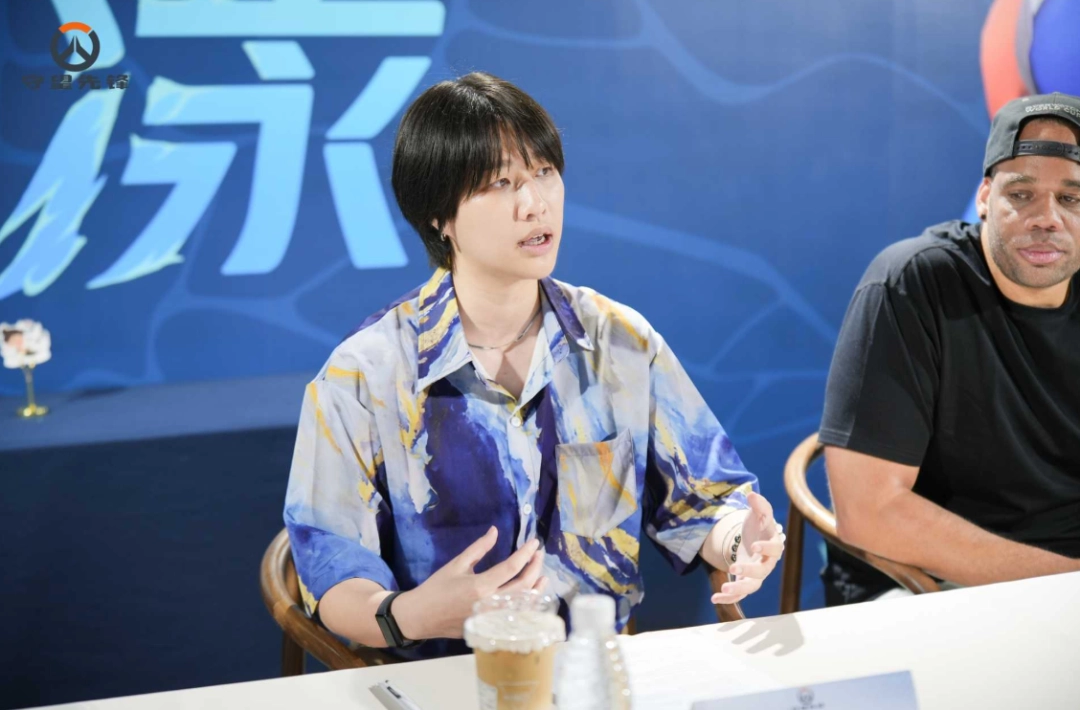
Q: Will adding dialects to hero design affect player communication during matches? For example, will players not understand skill voice lines?
Joshi Zhang: There is no need to worry too much about this. The localization team has conducted sufficient research. All key combat information, such as marker voice lines, will not be expressed in dialect but will use universal language that everyone can understand. Only some lines and interactive content will incorporate dialect features, highlighting cultural characteristics without affecting functionality.
To add a point, the design of the hero's birthplace also considered the sense of identity of local players. When designing "Junker Queen" before, there was a colleague from Ningxia in the team who integrated local cultural elements into the character localization work, making it easier for everyone to understand and making local Chinese players feel more亲切 (close/familiar).
Q: After the return of the Chinese server, NetEase Leihuo and Blizzard's development team have cooperated more closely. In the process of designing "Wuyang," how was this cooperation specifically reflected?
Daryl Tan: From the initial concept to final completion, we have always maintained close collaboration. For example, Alec's team initially proposed the inspirational prototype, I was responsible for refining the character's personality and appearance, and then handed it over to Joshi's team to proceed with subsequent production. NetEase Leihuo has also given us a lot of feedback on narrative, background settings, etc. The whole process was very smooth, a truly international joint creation.
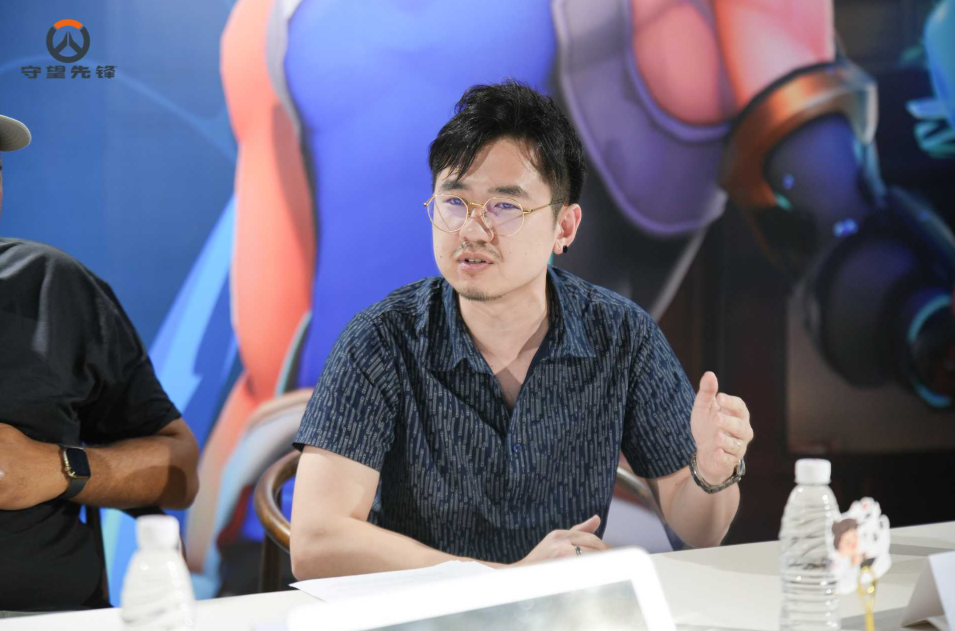
Joshi Zhang: I can share a small story—last year, when the design concept for "Wuyang" first appeared, he initially wore a jade pendant at his waist. However, considering that "Wuyang" is a "combat hero," jade pendants are easy to break in actual combat and do not fit reality. Later, after discussion with the Chinese localization team, we changed it to a "sachet," which retains the cultural symbol and is more suitable for combat scenes. This is a very specific example of our cooperation with the NetEase Leihuo team.
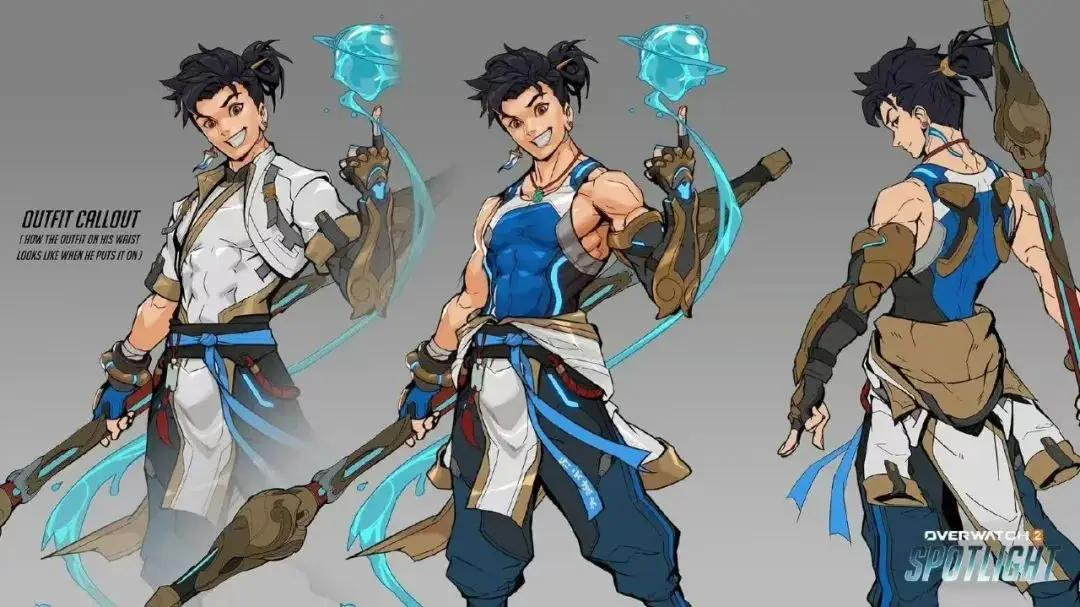
Q: What specific cultural elements from Chengdu or China are integrated into the name and appearance design of "Wuyang"? Compared to another Chinese character, "Mei," who represents a scientist, what unique temperament or spirit does "Wuyang" hope to showcase?
Joshi Zhang: First, regarding the name, we actually communicated deeply with the localization team long ago. When designing this name, we knew that the concept of family is crucial in Chinese culture—therefore, we very much hoped to integrate the deep affection between siblings into it. This is why, when considering the name, we prioritized thinking about how to design a Chinese hero in Overwatch and how to endow this name to fully reflect the essence of Chinese family culture.
In terms of the story background, since the two siblings are in a turbulent environment, their parents naturally hope that their children can be safe and sound. Therefore, when discussing naming with the localization team, we have been exploring how to cleverly integrate the meaning of "safe and sound" into the name.
As for "Mei," her design also aims to highlight the image of a Chinese scientist, especially her outstanding achievements in the field of climate change, making her a typical representative of a scientist. Considering that Overwatch has many young players, when designing heroes, we also think about how to give them positive encouragement and hope, and how to integrate high-quality values.
This design concept also stems from my personal growth experience. I was born into an excellent family and have an excellent older brother—therefore, I often think about how to give back to the high-quality growth environment provided by my family. Currently, many young people in China also face similar situations, experiencing confusion during their youth, not knowing how to cope with pressure or make their parents feel proud. So, starting from the inner emotions and family feelings of Chinese people, I hope to depict a better life vision for young people.
Nowadays, everyone may be in a state of confusion, but as long as you follow your heart, exert your own strength, and firmly choose your path, you will achieve significant results in due course.
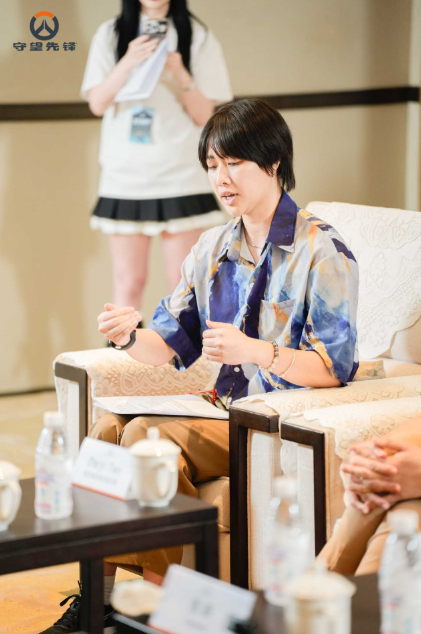
Q: The name "Wuyang" is indeed interesting. It echoes the water element ability, is a homophone for "Wu Yang" (meaning safe and sound), contains blessings for physical health, and also points out the support positioning. What other considerations were there in the naming process?
Joshi Zhang: Actually, naming is a fun process, especially for a hero. The uniqueness of the name makes this process particularly important. When we first named "Wuyang," we hoped to communicate deeply with the Chinese localization team to jointly launch a suitable name. A crucial point is that we needed to give the hero "Wuyang" a Chinese name, not an English one. In naming Chinese heroes, we must fully highlight the unique charm of Chinese culture, so a Chinese name is the inevitable choice.
In the initial naming stage, we submitted many alternative names, and many people participated in the decision-making to provide references for the localization team. However, some of these names were considered too basic or simple by the localization team. Initially, we considered using the name "Ming" because this boy is young and sunny, implying brightness. But just as Western media often uses simple names when mentioning Chinese culture, this obviously cannot fully showcase the style and characteristics of Chinese culture. After discussion, everyone felt that "Ming" was not unique enough—after all, as a Chinese hero, we hope he can have his own memorable points and uniqueness.
Q: What details of Chinese culture are included in "Wuyang's" character model, effects, and expressions?
Daryl Tan: For example, the sachet at the waist mentioned earlier, as well as the clothing patterns and headwear, all incorporate traditional elements. In terms of animation, since he is a martial arts-style character, we particularly emphasized his dynamism and fluidity, and conducted extensive martial arts research in the early stages.
In addition, the design of the main weapon, the "Xuanwu Staff," also incorporates Chinese culture and cleverly combines it with the characteristics of water.
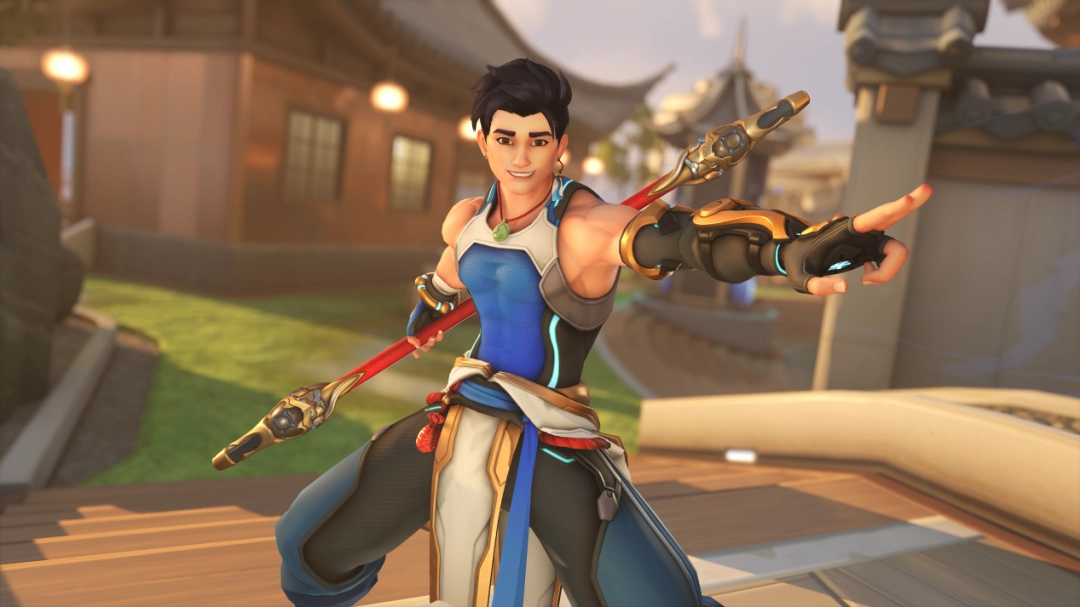
Q: Speaking of "Wuyang's" weapon, the "Xuanwu Staff," can you talk about its design inspiration?
Daryl Tan: The design of the "Xuanwu Staff" integrates water culture and Xuanwu culture. We hope it makes a strong impression at first glance. In fact, we have received a lot of positive feedback, with many players thinking the "Xuanwu Staff" looks good and eye-catching.
Kenny Hudson: We spent a lot of time thinking about how to distinguish the "Xuanwu Staff" from other water-element weapons visually and mechanically.
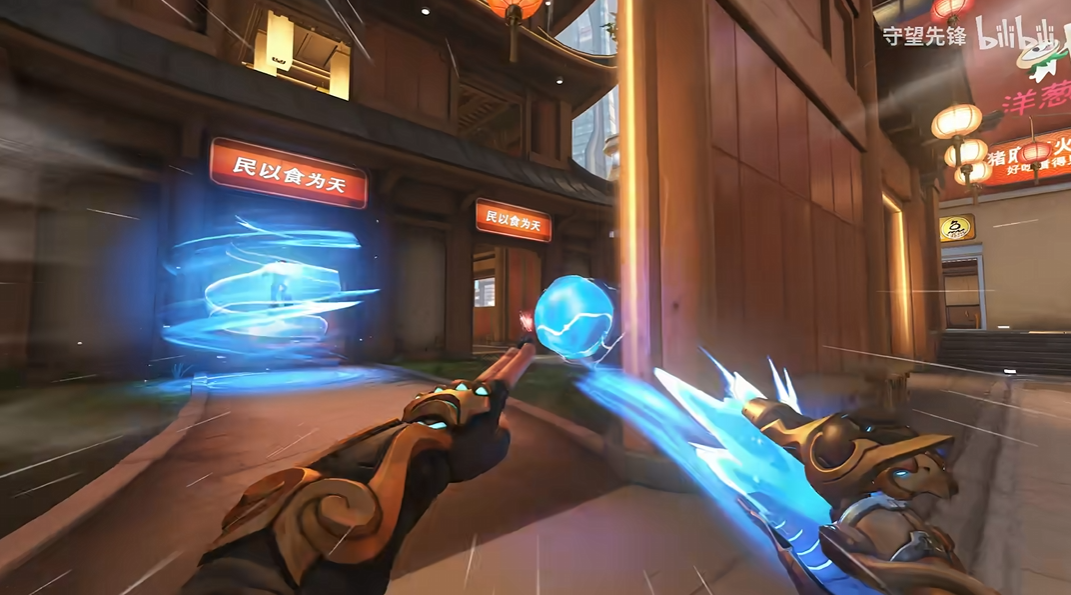
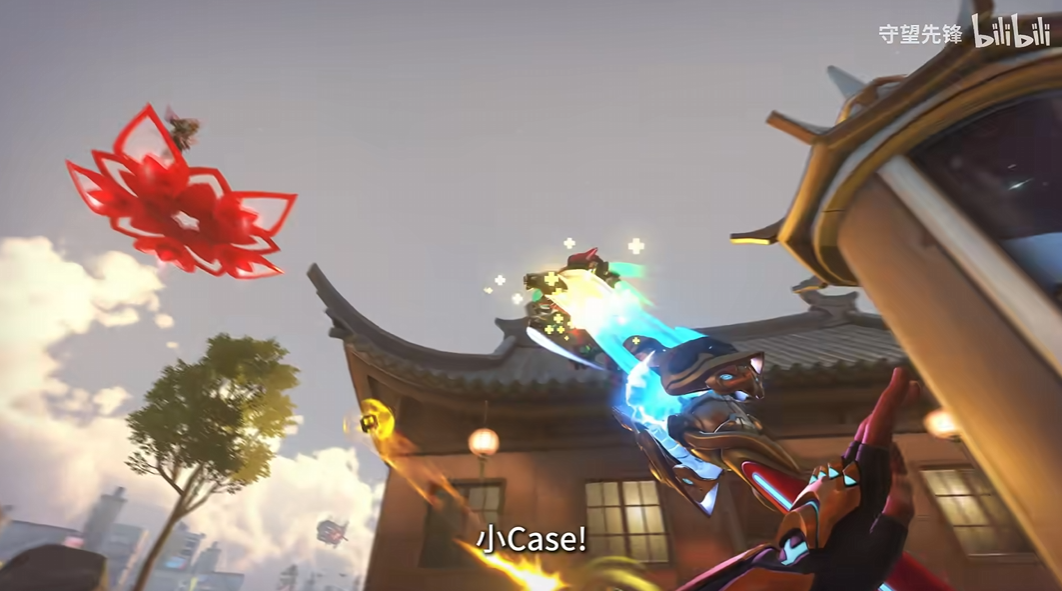
Therefore, our plan detailed the process of the "Xuanwu Staff" generating water orbs—the water orbs are formed by aggregating water particles in the air through the staff. The firing method and effects have been repeatedly debugged to distinguish them from other water elements in the game.
Daryl Tan: At the same time, "Wuyang" is a martial artist, and the use of the staff also incorporates Chinese martial arts movement designs, emphasizing how to use water as a medium for attack and healing.
Q: The image of "Wuyang" as a martial artist and his close relationship with water may remind some players of Bruce Lee and his famous quote "Be Water." Did the development team draw any inspiration from Bruce Lee when designing him?
Joshi Zhang: In Chinese culture, water represents flow and gentleness, yet it is also strong. When damage is needed, it can also have restrained power. Water can be soft or aggressive, flexible and controlled. It is an element with profound Eastern philosophical meaning, which fits very well with the temperament we want to convey.
Daryl Tan: During the initial design phase, Eric provided some inspiration directions. Water has healing properties, so we designated "Wuyang" as a support hero. Combining martial arts with water-control abilities, we finally merged them into the current hero, which has both cultural depth and distinctive skills.
Joshi Zhang: We are happy to let Chinese players feel a sense of cultural familiarity in the game, while also allowing global players to contact and experience Chinese culture.
Q: During the development process, how did the team balance "Wuyang's" survival, healing, damage, and control capabilities?
Kenny Hudson: Balancing healing and damage output is indeed a major challenge, especially the design of the water orb mechanism. We continuously adjusted values through internal testing and player research to ensure he could support teammates while also having a certain self-defense capability.
In terms of balance between heroes, we also conducted detailed preliminary considerations, closely monitoring his coordination and counter relationships with other heroes' skills. For example, whether "Fan Jiang Lang" conflicts with other heroes' skills, ensuring it does not overly restrict other heroes' skill output. Therefore, detailed preliminary considerations were also made regarding the balance between heroes.

Q: After the return of the Chinese server, Overwatch has obviously increased more cultural elements, and "Wuyang" further expands the integration of Chinese culture. What cultural elements does the team plan to introduce in the future?
Kenny Hudson: Although I cannot reveal specific plans, I can say that Overwatch hero design has always been a process of cultural learning and sharing. This time, through "Wuyang," we gained a deeper understanding of Chinese culture, and we will continue to explore cultures from other regions of the world and integrate them into the game. The process of designing "Wuyang" was also a journey for us to further learn about Chinese culture and share it with more friends around the world.
Q: Recently, some heroes, such as "Illari" and "Mauga," have introduced some unprecedented new concepts to the Overwatch universe. Have there been any changes in the internal planning of the Overwatch universe setting? Will official lore books and other content be launched in the future to unify and supplement it?
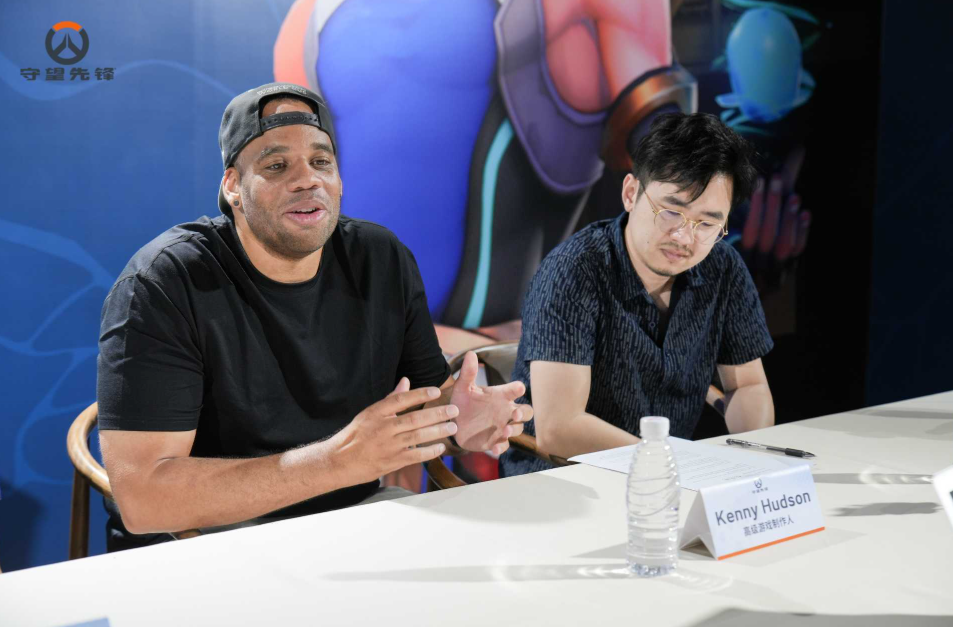
Kenny Hudson: Each new hero expands the Overwatch universe. The design and launch of each hero bring more inspiration and experience to the next hero—while keeping the large framework unchanged, we will absorb previous design experiences and continue to enrich this world.
Joshi Zhang: Some official settings have not yet been released or have not completed the localization process, but they do exist, so please stay tuned. In the future, we will improve and supplement the worldview through more forms.