

First, thanks to Xbox for the invitation to attend the early demo of Ninja Gaiden 4 in Tokyo. As the title suggests, my most immediate impression was "Master! Big Boobs! Big Weapons!" To translate: newcomers should read the first paragraph, LSPs (perverts) should read the second, and ACT veterans should read the third.
Originally, I wanted to add "Major IP" to the title. After all, in terms of "status in the Jianghu (gaming world)," Ninja Gaiden's high-speed and sharp combat style stands alone. Whether among hardcore players or game developers, people practically worship Hayabusa like Guan Yu, the God of War.
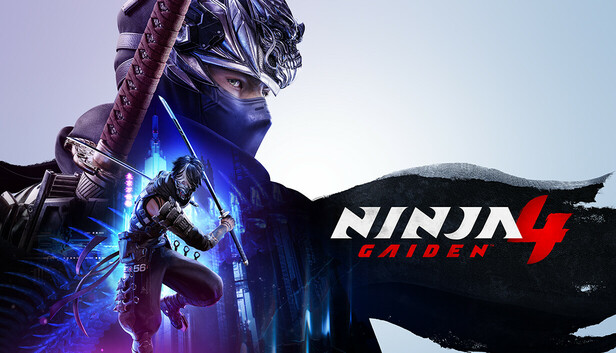
However, in terms of commercial performance, the total sales of the entire series, including the three main titles and collections, have not yet reached ten million. Given the current community trend of scrutinizing "old-timers," we certainly wouldn't dare call it a major IP.
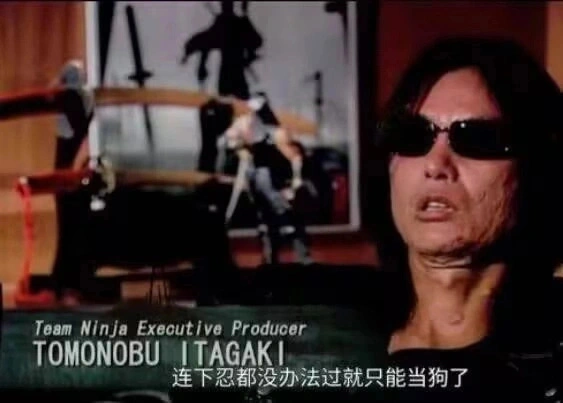
After all, playing Ninja Gaiden involves basic operations like guarding, dodging, wind-running, locking on, inputting XY for uppercuts, TC combos, Izuna Drop, then canceling recovery upon landing to enter the soul absorption and finisher cycle. This is the foundation of foundations. Plus, enemies are numerous, smart, and aggressive like mad dogs, which注定 (destines) it to have a very high skill threshold. Even former producer Tomonobu Itagaki publicly stated his attitude: "Noobs go play other games" (his exact words were that Wii players weren't worthy of playing his games).
Therefore, the deepest impression left by the Ninja Gaiden 4 demo is that this IP has shed its former arrogance and opened its arms to ordinary players. But please note, this does not mean Ninja Gaiden 4 has cut systems or lowered difficulty. Instead, it offers friendly gameplay guidance and more intuitive learning feedback, attempting to help everyone grow from a "clumsy newbie" to a "Ninja Master" step by step. In other words, faced with the ludonarrative dissonance of the game being too hard and players being too weak, it chose not to lower the difficulty but to help players improve.
For example, Ninja Gaiden has a "guard reset" mechanism. If your guard is broken, immediately releasing and pressing the guard button again allows you to defend instantly, maintaining an ironclad defense throughout the battle and significantly increasing survivability. Clearly, this isn't a profound technique, but in the past, many players suffered because they "didn't know" about it, getting beaten up frequently and cursing due to the frustration caused by high combat pressure.
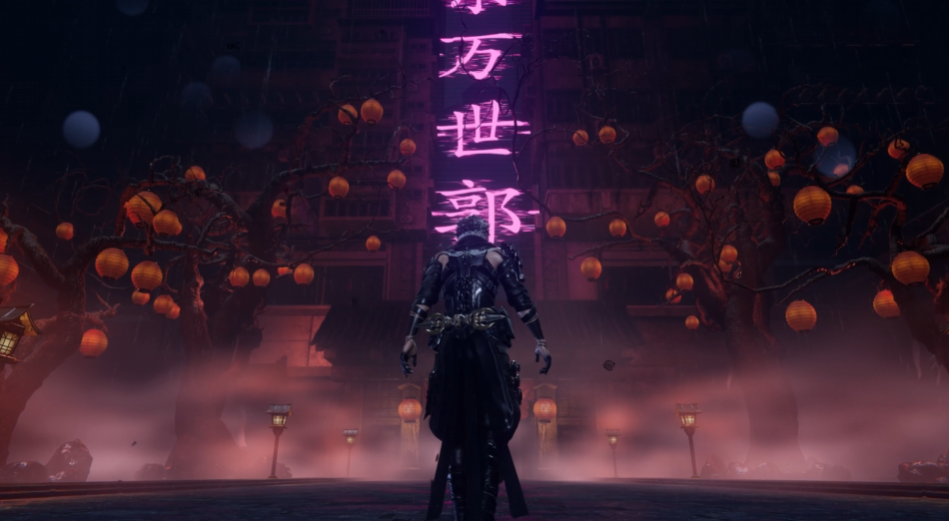
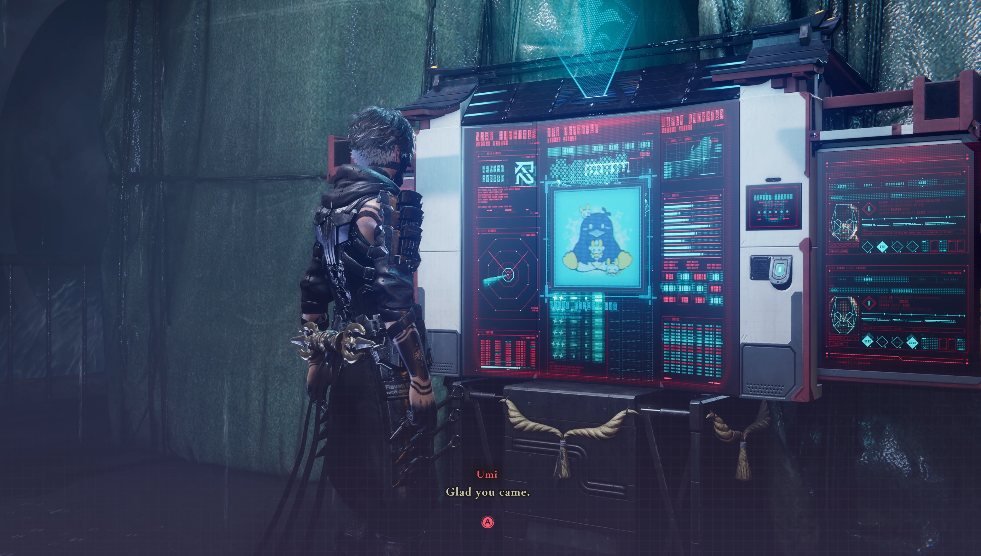
However, in Ninja Gaiden 4, the first chapter serves as a novice protection period. It defaults to "Hero Difficulty" and automatically helps players "reset their guard." Only in later levels, when difficulty can be adjusted, does it start requiring advanced techniques like "guard reset." Then, players will encounter a teacher named "Tairan," who appears at the crows at each checkpoint. He can teach you hand-in-hand if there's anything you don't understand.
Of course, Hayabusa, one of the series' protagonists and already at the ceiling of combat power, certainly doesn't need a teacher. Therefore, the protagonist in the early stages of Ninja Gaiden 4 is "Yakumo," a newly arrived ninja from Crow Village, who, like a newbie, is in the growth phase of his combat skills.
In other words, Yakumo is not Hayabusa. Unlike Hayabusa, who starts with almost all martial arts and powerful capabilities, Yakumo must purchase and unlock most of his moves from "Master Tairan." Although this might make some veteran players feel the game pace is slow to start, it is the development team's genuine attempt to design a learning gradient, preventing newcomers from staring blankly at the overwhelming move list.
Once you enter the learning mode with "Master Tairan," even the most complex combos become simple button combinations in a rhythm game, thanks to his step-by-step breakdowns. If my high school teachers had this much patience, I'd probably be attending an elite university by now.
Playing this finally gave me some insight into a question that has plagued me for years: "Why do many traditional ACTs, whose default difficulties are already easier than most Souls-likes or ARPGs, still don't sell as well?" One possible hypothesis: In ARPGs, players can counter difficulties by using items or leveling up stats, eventually reaching a dynamic balance between player and enemy strength, resulting in a feeling of "I am strong." However, playing ACTs on lower difficulties, or even clearing them on normal, often brings more shame than accomplishment.
As a proper high-speed ACT, Ninja Gaiden 4 not only provides difficulty options for players who don't care about these mechanics but also implements an ARPG-like "dynamic balance" design. On one hand, players can buy potions at shops, and when health is critically low, a clear screen shake warning reminds them to heal immediately, increasing fault tolerance. On the other hand, potion consumption is replenished upon death. If you die enough times, "Master Tairan" will even stuff a few extra potions into your inventory. In other words, the more you die, the more potions you have, eventually reaching a balance between enemy and player strength, encouraging players to experiment freely and hone their skills through death.
Furthermore, contrasting with mechanisms that reduce negative feedback, the positive feedback in terms of game feel this time is also more direct and brutal. We will discuss this point in detail in the final section on the combat system.
Now entering the second part, we must discuss beauty. As mentioned earlier, the protagonist is technically young, and this youthfulness is also reflected in his appearance. Yakumo's image is characterized by sloping shoulders, softness, and petite stature. High-EQ description: agile build. Low-EQ description: skinny Dog.exe, obedient. But this design is meaningful.
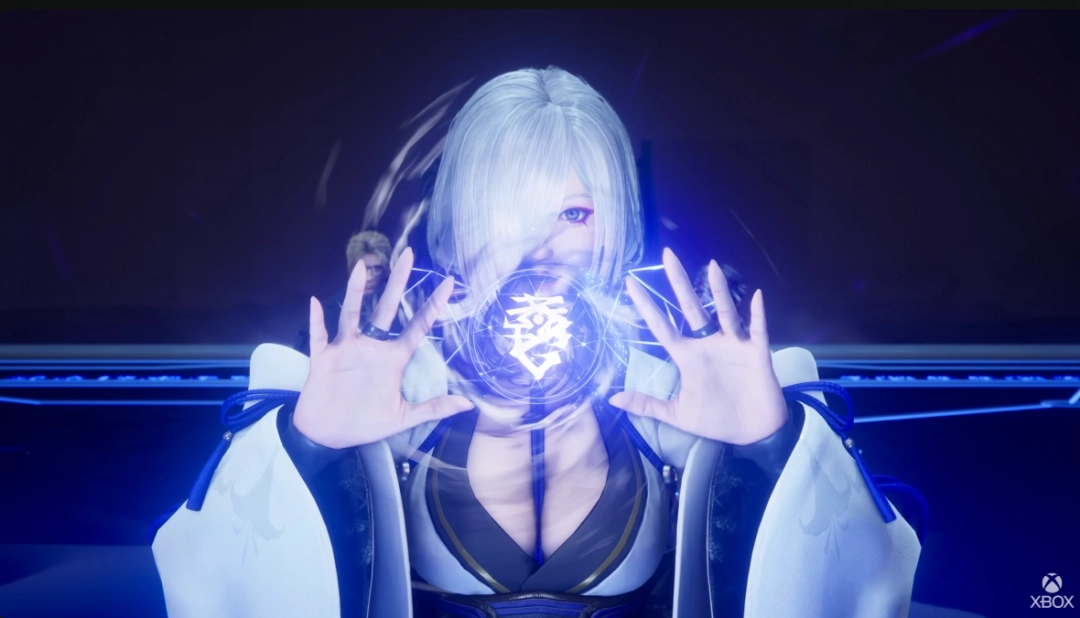
Size is all about contrast. The more the protagonist appears like a "shy virgin," the more "generous and magnificent" the heroine seems, standing half a head taller than him. You can practically smell the maternal hormones through the screen. Honestly, it's hard to imagine that the heroine's provocative outfit, blending shibari rope art, yukata, and witch elements, was designed by Tomoko Nishii, a female artist. But perhaps precisely because of this, I could clearly perceive the "weight" of her "sky-obscuring softness," rather than the unnatural, silicone-like firmness often seen in traditional Ninja Gaiden characters. From certain angles, you can even spot a slight double chin on the heroine, a depiction of realistic fleshiness that left a lasting impression on my XP radar.
The heroine's name, "Seori," isn't anything special on its own, but her figure makes it hard not to let my imagination run wild.
In fact, the objective of the first level was originally for "Yakumo" to kill "Seori," but after meeting, she turned him over to her side with just three sentences. Although there is a suspenseful explanation for this within the game's worldview, I believe the key reason this plot didn't fall apart was the "beauty" from the shy virgin's perspective setting the stage under the Boy meets Girl opening atmosphere, making Everythinggj seem reasonable.
Correspondingly, with the heroine joining the player's side, the communication channels during gameplay become quite lively. There's the heroine's bad-girl and riddler persona, Master Tairan's earnest teachings, and a female character named "Yo" who hasn't shown her face but provides technical support as a hacker. Compared to Hayabusa's position as a reliable older brother, Yakumo fits the image of Reiwa-era protagonists who are generally cared for by those around them, leaving me surrounded by good brothers, good sisters, and "good mothers" throughout the game.

As for the scenic beauty, the detailed cyber-rain atmosphere under the next-gen engine is very immersive. Especially after spending three days walking around real-life Tokyo, I could better appreciate how gorgeous and beautiful the "magical cyber Tokyo" in the game is.
Two scenes left a deep impression on me: one was a chase hundreds of meters in the air, weaving through a steel jungle with neon signs flashing by, while the tracks below were twisted by sorcery. Everythinggj was bizarre yet filled with hidden dangers. The other part took place in an entertainment center, with pink lighting, geisha paper fans, and traditional Japanese screens. The fox spirit sister's phantom teased Yakumo to chase her, but whenever he reached out, the doors would slam shut, and the paths would diverge.
The aesthetics of the entire area feel like a combination of Ninja Slayer and Wicked City. While there are many cyber cities from a Western gaming perspective, this time we finally have a purely Eastern perspective on a cyber city. Ninja Gaiden 4 is undoubtedly the highest-spec interpretation currently available.
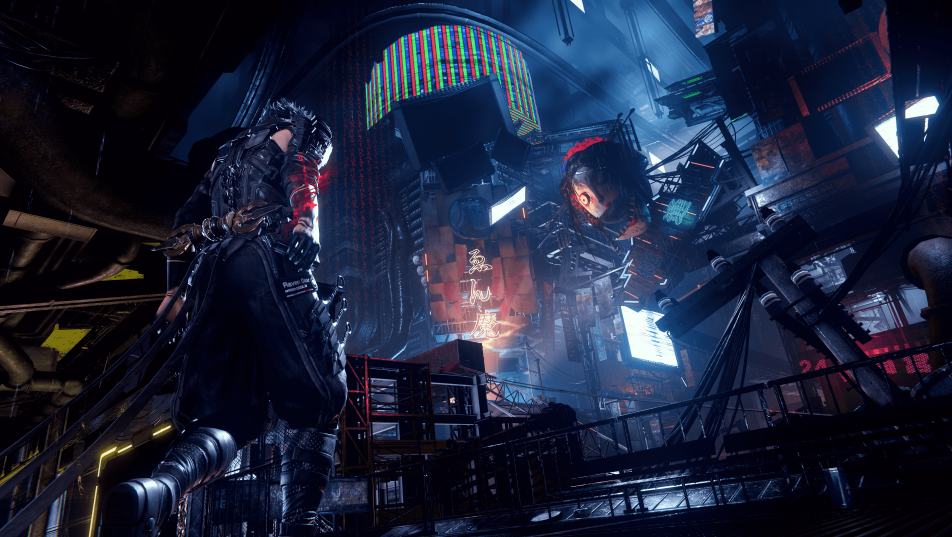
Of course, this doesn't mean the game is just an action version of Dead or Alive Xtreme Venus Vacation. As the core of the series, the action system this time both inherits from and expands upon previous entries. As mentioned earlier, small and large are defined by contrast. The most unique system in this game is the ability to "gigantify" weapons. The combat feel of a small character wielding a "big weapon" delivers a presentation comparable to Gurren Lagann.
To elaborate, Ninja Gaiden 4 is an ACT game supervised by Team Ninja and developed by PlatinumGames. A direct manifestation of this is that every weapon in Yakumo's hands, like "Tiga," has two forms: "Agile" and "Powerful," referred to in-game as "Crow Form" and "Blood Bird Form," respectively.
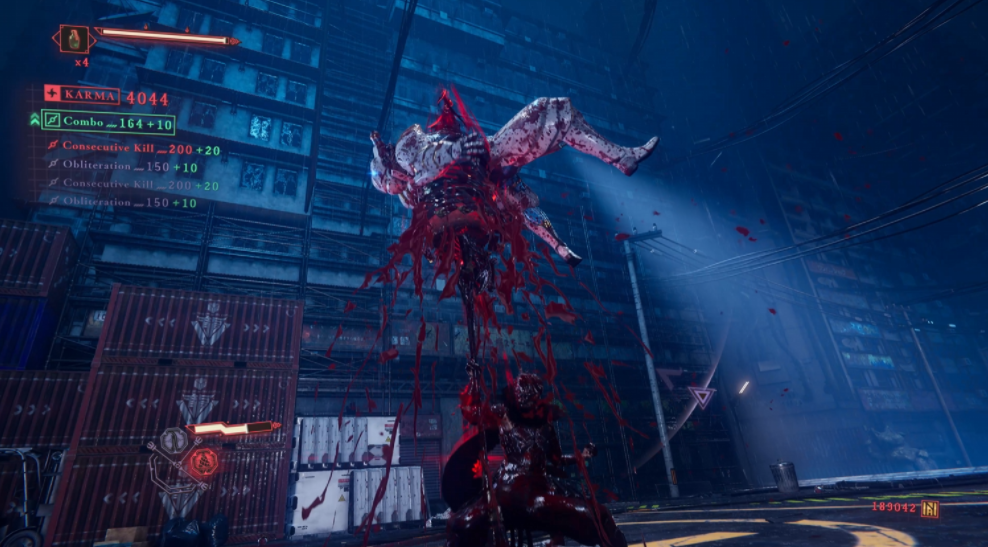
In Crow Form, the weapons inherit Team Ninja's old Ninja Gaiden style of high-speed deathmatches, focusing on the cycle of combos, juggles, soul absorption, finishers, and limb-severing executions. Classics never go out of style. But once you activate "Blood Pact Arts" and switch to "Blood Bird Form," the weapons immediately become larger and harder, and the combat style becomes more brutish and imaginative.
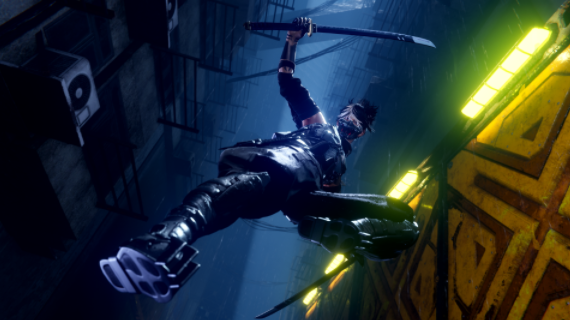
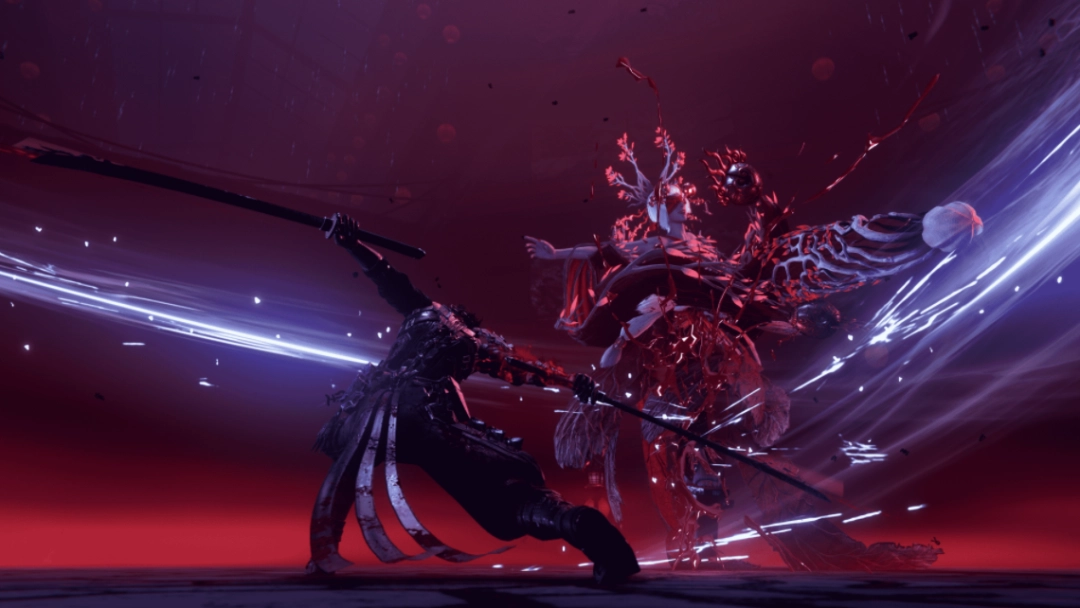
Taking two weapons from the demo as examples: the dual blades normally transform into a large nodachi after activating "Blood Pact Arts." Charging the attack can extend the blade to over 20 meters, allowing you to use a "standing staff style" to launch yourself into the air for a plunging slash. The other weapon, normally a "rapier," features elegant Western sword-style moves. But once "Blood Pact Arts" is activated, the tip "swells with blood" into a giant drill, changing the combat style to "thrust and charge," using heavy industrial-level power to shred enemy limbs. Combined with other moves, you can fly through the sky and dive underground, offering an extremely violent feel.
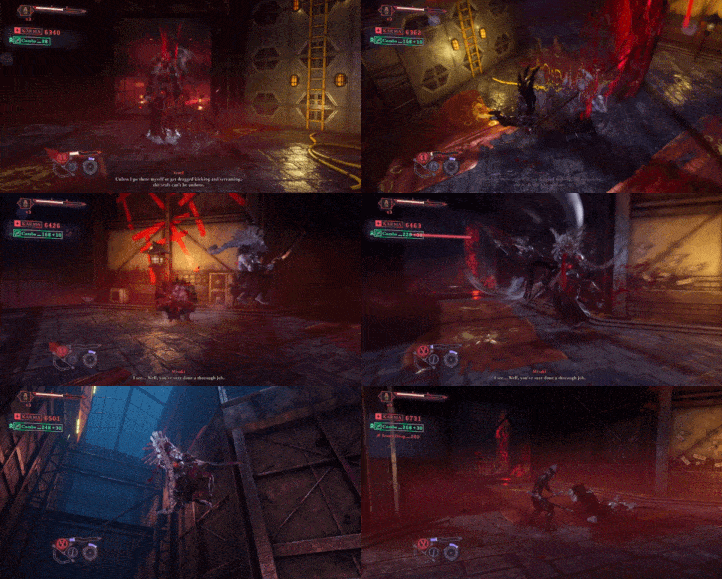
But it must be emphasized that "Blood Bird Form" is not a continuous buff. Instead, it serves as an independent attack module that can be seamlessly integrated into combo sequences and triggered (switched) at any time. As a limitation on its overpowered performance, every action with the "big weapon" consumes resources. This resource gauge, called the "Blood Pact Gauge," needs to be accumulated through attacks with normal weapons, thereby testing the player's resource allocation during high-speed mind games.
The so-called mind game involves players facing threats from various "red light attacks." These enemy attacks feature super armor, high performance, and long wind-ups, but they can be defended against or interrupted by attacks in "Blood Bird State." Successfully parrying and counterattacking will cause a major stagger, allowing for a shift from defense to offense.
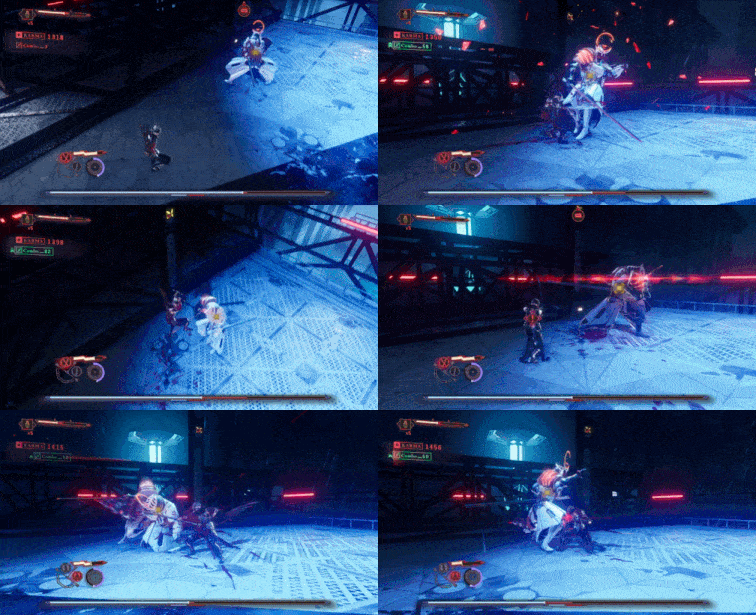
The combat system, built around resource management and offensive-defensive mind games (similar to rock-paper-scissors), delivers the "more direct and brutal" experience mentioned earlier. By using the high-risk, high-reward "Blood Bird Form" attacks, players can achieve an intense sense of satisfaction.
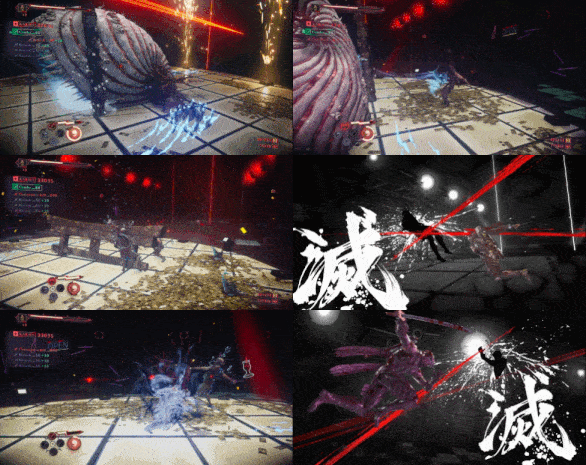
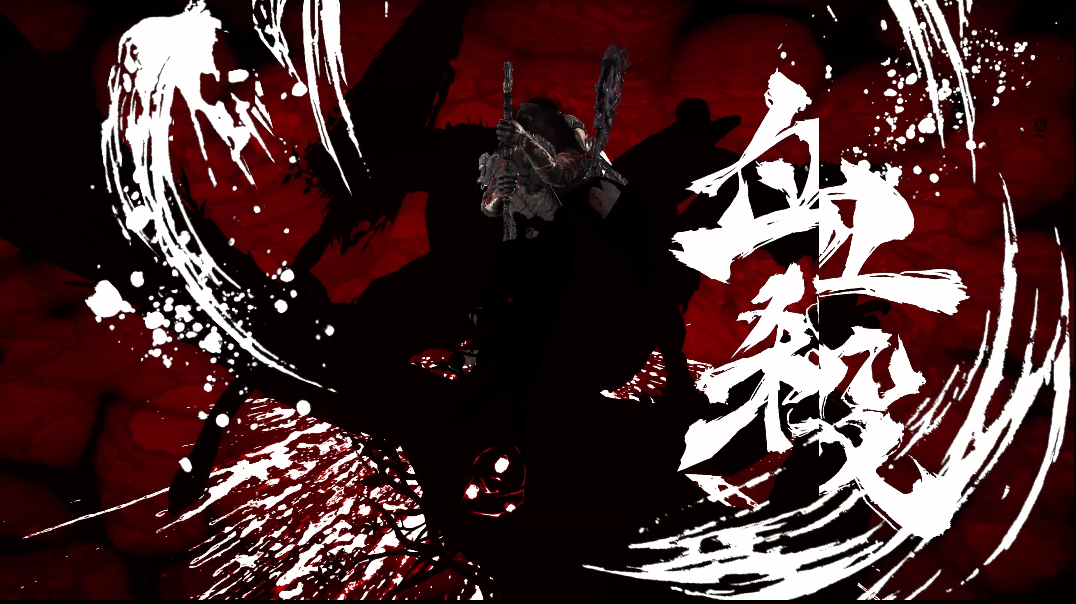
Its most extreme manifestation is the ninja's ultimate secret technique, "Blood Kill Arts." When the second resource gauge, the "Blood Kill Gauge," is full, players can activate "Blood Kill State." In this state, most enemies can be instantly killed with a charged attack using the "gigantified weapon." The execution cutscene dyes the entire screen red, featuring silhouettes of bisected and dismembered enemies behind the player, who strikes a chanbara film-style pose, then writes calligraphy on the screen with slashes: Kill, Kill, Kill.
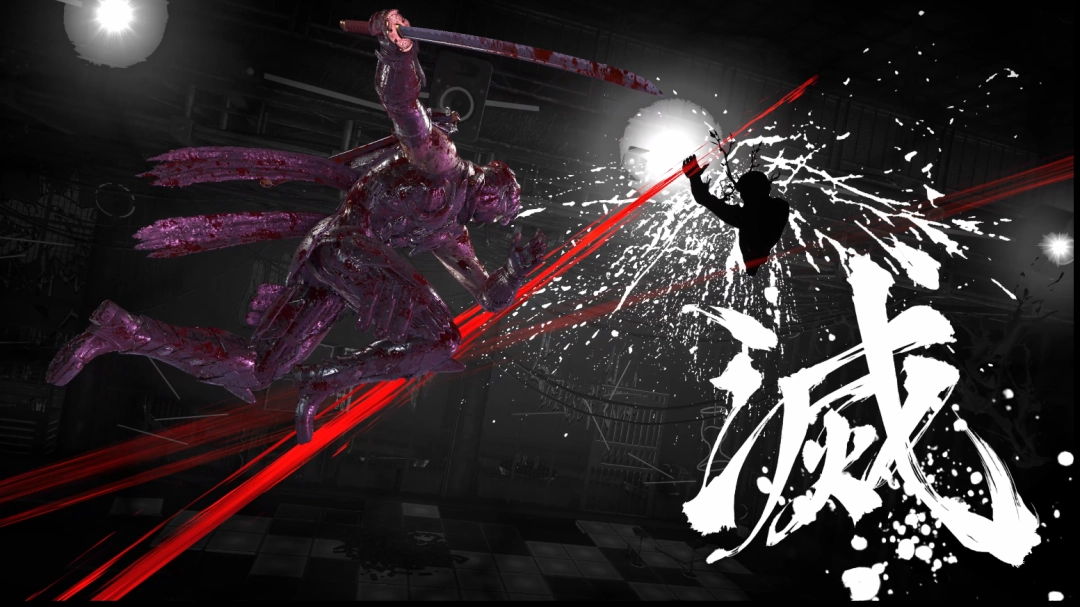
Enemies killed by Blood Kill have a higher probability of dropping "Blood Soul Stones," which help players enter the traditional Ninja Gaiden action loop, accumulating resources again for the next "Blood Kill." This creates a combat rhythm of charging energy and unleashing ultimate moves. I personally love this more brutal and direct feedback; it's so cool I can't help but silently chant in my heart: Aieeeeee, Yeeeeeeart!
Hearing this, perhaps some veteran players are amused.
Yes, under the deterrence of Blood Kill's "one-hit秒杀 (instant kill)," tanky enemies like those in "Sigma" are completely meaningless. Therefore, Ninja Gaiden 4 returns to the old Ninja Gaiden battlefield style of fragile but numerous enemies, requiring players to use their learned skills to break through "heavy encirclements." Enemies will shoot from afar, sneak attack, and some will even specialize in frontal blocking and distraction while others circle behind with "red lights glowing." It's like a pack of rabid dogs strategically trying to kill you.
Correspondingly, greater battlefield pressure requires richer solutions. Therefore, the game provides "modern systems" such as Precision Guard, Precision Dodge, Clash Parry, and Air Dodge. Triggering these causes a few frames of time stop, giving players enough opportunity to seize the moment and switch "from defense to offense." Each has at least three counter-attack derivatives, making them both practical and stylish.

Of course, there is also a voice in the community believing that ACTs don't need excessive interaction, and the focus is solely on playing to your own rhythm. That's fine too, because Ninja Gaiden 4 offers rich options. Veteran players can turn off counter time stops, dodge time stops, low-health warnings, and the visual effects of "Blood Kill Arts" to enter a pure fast-paced combat rhythm, which will be closer to the gameplay of old Ninja Gaiden.
But the stronger interaction requirements and increased offensive-defensive mind games have another impact: the boss designs in Ninja Gaiden 4 are more unrestrained. Thus, two of the three bosses in the demo gave me the feeling of sparring with experts, leading me to believe that Ninja Gaiden 4 will have the most fun Boss Fights in the entire series—although achieving this feat doesn't require surpassing any particularly difficult "predecessors that set the bar."
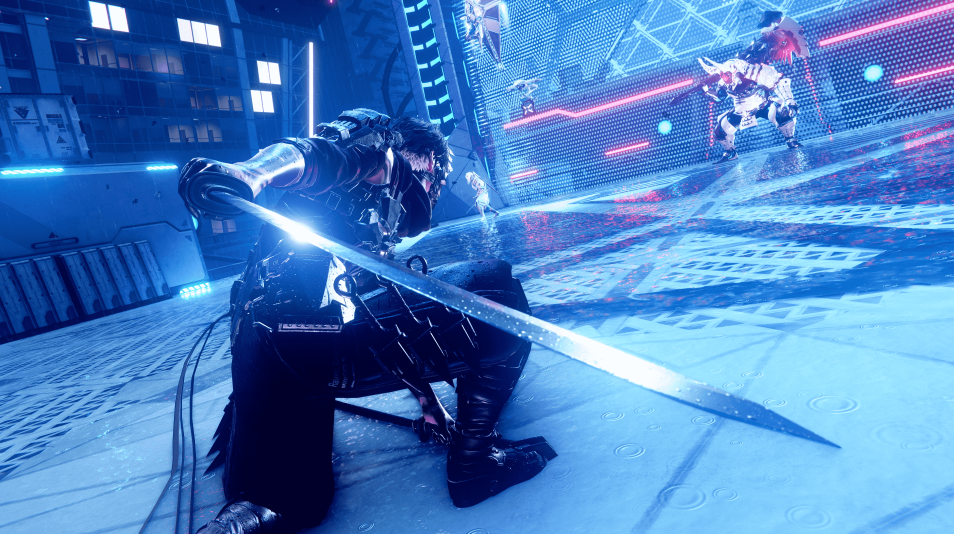
However, there is one thing veteran players need to adjust their expectations for. For old fans who like Hayabusa, in this demo version, he can only use the "Dragon Sword" throughout. According to information I gathered from interviews, subsequent weapons will likely be completed in DLC. Although as compensation, Hayabusa also has mechanisms similar to Yakumo's "Blood Pact Arts" and "Blood Kill Arts," using "Flash Blossom Arts" to counter enemy "red light attacks" and break guards, along with powerful effects like one-button cancel for auto-combos. But from my personal experience, Hayabusa's gameplay in the current version is not as rich as in previous works. Though the specific upper limits remain to be seen until experts figure out how to play it creatively.
So it is worth suspecting that while Ryu Hayabusa is playable, he may not be the main character of this installment. Even from the released materials, it seems likely that Yakumo and Hayabusa will have a bloody battle. If you care about this aspect, you should adjust your expectations accordingly.
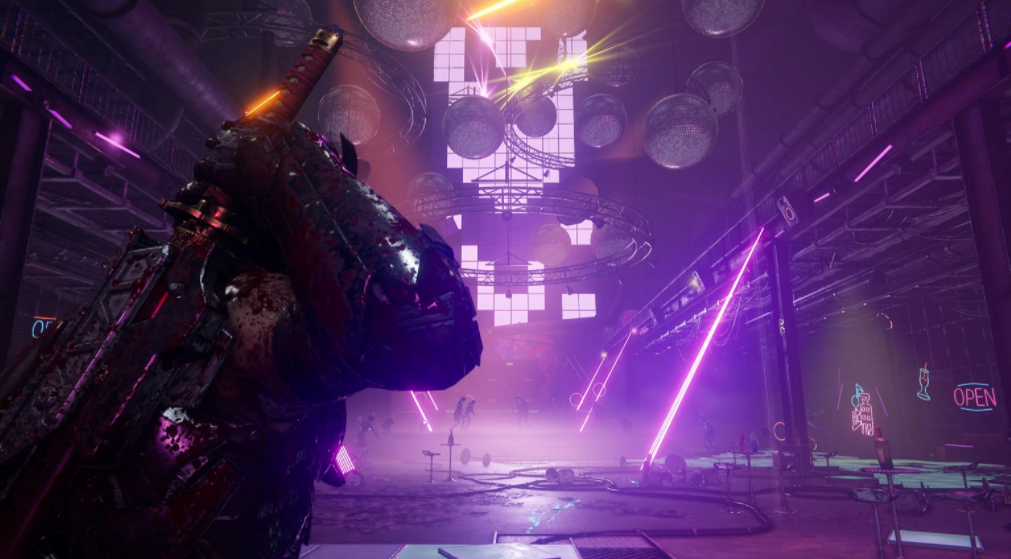
Combining the entire demo experience, Ninja Gaiden 4 features hardcore interactions, exaggerated presentations, and gameplay requiring fast reactions, feeling like an accelerator installed on your heart rate. PlatinumGames' imagination has brought cooler and more intense action presentations to this old IP, but the core gameplay still lies in how proficiently you use various moves to handle complex and dangerous battlefields, ultimately developing your own combat loop and turning the surrounding so-called hardcore malice into a satisfying musou game.
To put it bluntly, aside from Ninja Gaiden, almost no other series offers this contradictory experience of being both "hardcore" and "musou-like." But between hardcore and musou lies a learning curve similar to "fighting game combos," causing Ninja Gaiden's unique gameplay and the beauties in the series to long belong only to the "player elites" in Tomonobu Itagaki's eyes.
However, in Ninja Gaiden 4, the game attempts to encourage players with continuous incentives to grow stronger through redesigned learning curves, low-health vibration warnings to increase fault tolerance, dynamic difficulty balancing with death item compensation, and the brutal dopamine feedback from systems like "Precision Guard," "Precision Dodge," and "Blood Kill Arts." The goal is for players to eventually become masters, protect the mature ladies, and establish their big weapons. Therefore, I am confident it will be my most anticipated game of the second half of the year.
As the demo concluded, during the interview session, I asked representatives from Team Ninja and PlatinumGames about their views on domestic action games and ARPGs. Here is how Mr. Nakao and Mr. Hirayama responded:
"The achievements of Chinese studios are admirable, and we are happy to see the renaissance of action games. Therefore, our task is to ensure that the old IP 'Ninja Gaiden' is not buried. So, with a spirit of refusal to lose, we will show everyone the strength of old-school action games."