

At ChinaJoy 2023, Godslayer was selected for Phase 3 of Sony’s “China Hero Project.” At the time, only a few screenshots were released, followed by near silence. What makes this surprising is that the developer is Chongqing-based Pathea Games—a connection that seems unexpected to many outsiders.
Since its founding, Pathea Games has been known for sandbox simulation games like Planet Explorer and management sims like My Time at Portia. In terms of both art style and genre, Godslayer marks a first for Pathea.
Against this backdrop, Godslayer seemed somewhat ethereal and mysterious—until the release of this trailer. Our impression of it began to solidify, perhaps even too much, landing squarely in the mud.
It’s not about the land itself, but rather its surprisingly朴实 (down-to-earth) use of many concepts.
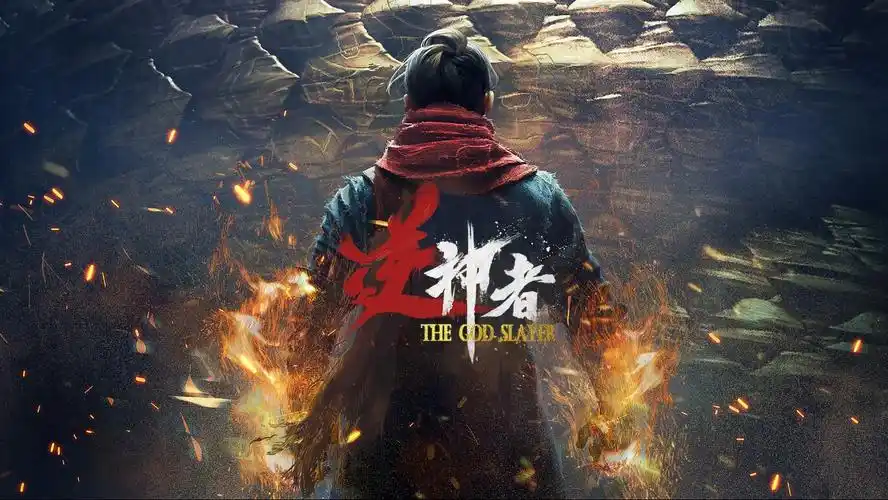
The entire world of Godslayer stems from one idea: “What if the First Industrial Revolution happened in East Asia? What would it look like?”
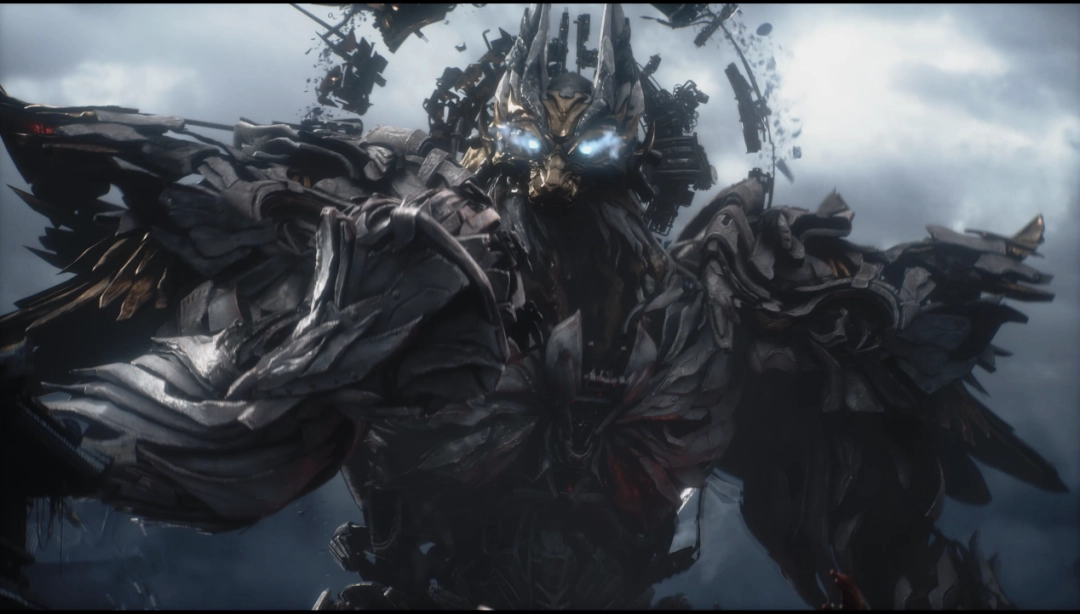
The trailer opens with boat trackers chanting as they pull an airship through the sky. The city is filled with traditional blue-tiled, white-brick houses, yet their upturned eaves are crisscrossed with steam pipes. Cars and trains speed across sea-crossing bridges and city streets. Weapons and firearms with intricate mechanical structures serve as the standard armament for the “Tiangui” guards.
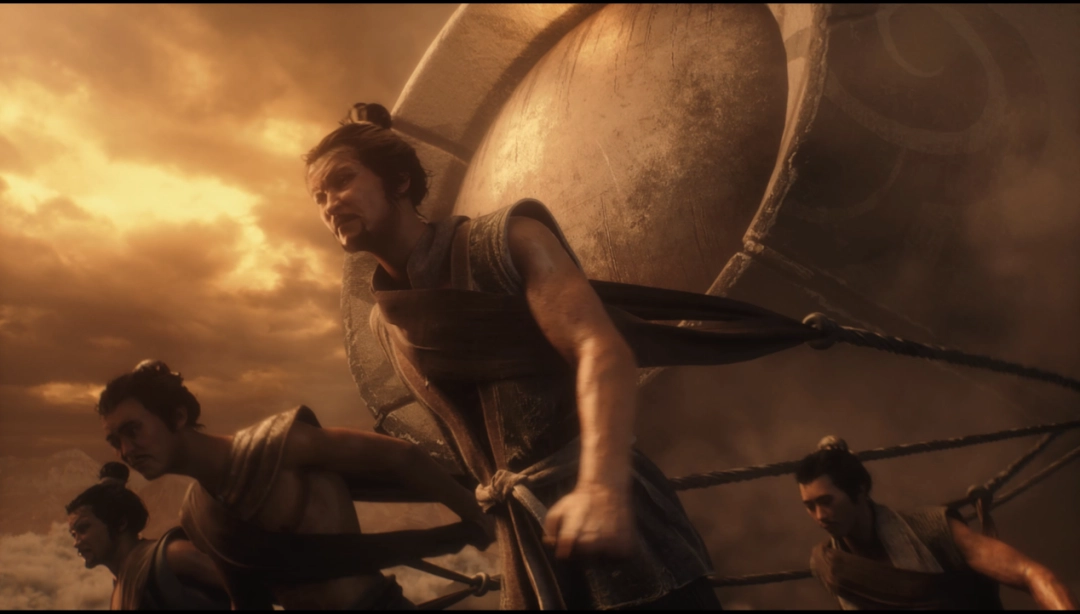
This is a fictional world woven from strands of strangeness and familiarity, a charming vision.
Sparse promotional materials for this title mention descriptions like “Eastern aesthetics meets steampunk.” While concise, such descriptions feel somewhat inaccurate to me. Judging from the trailer, the world Pathea Games has built is not a clichéd combination of these two elements.
“Steampunk” is a familiar sci-fi concept rooted in Victorian-era human landscapes and social customs. By exaggerating “the impact of steam engines on human civilization,” it depicts visions of alternative futures for humanity. Aesthetically, it features densely packed pipes, intricate machinery of various sizes, and exposed gears.
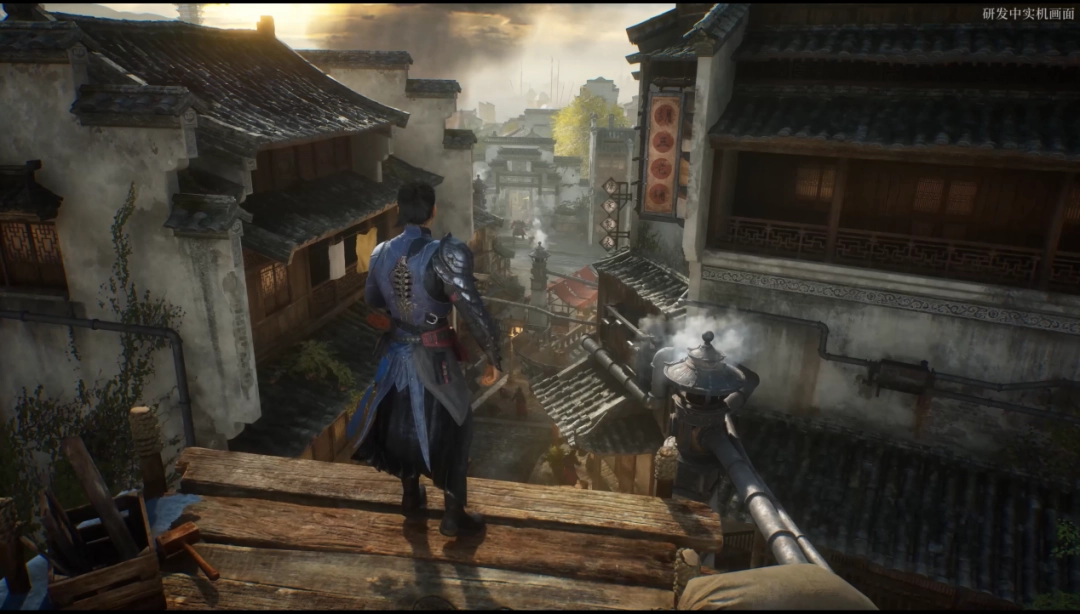
However, fantasy genres need not be handled rigidly. Just as “Steampunk” is also known as “Retro-Futurism,” its core lies in the fantastical expression arising from the fusion of the contradictory concepts of “retro” and “future.” Thus, beyond reviving Victorian antiquity, “Steampunk” can naturally cultivate different civilizational landscapes within diverse cultural contexts.
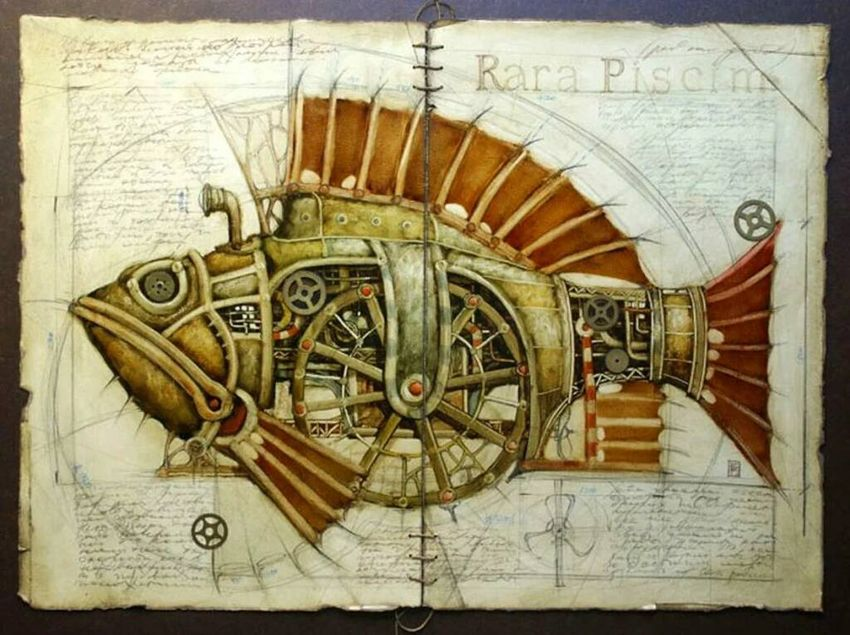
However, when this concept is placed within Chinese culture, the origins of stories often become quite limited.
Chinese fantasy literature exhibits clear historical demarcations. Taking the Ming and Qing dynasties as a turning point, science fiction found more room to emerge afterward. During this period, Western modern technology was budding, and most literary works required a platform for East-West exchange to construct spaces for scientific development.
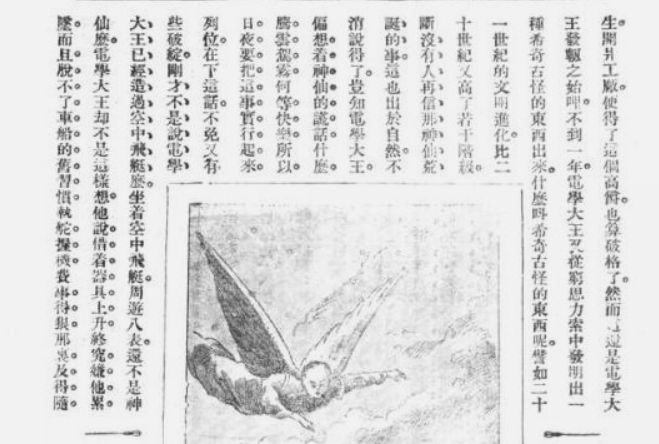
Notable examples include some Qing Dynasty sci-fi works. Many may not realize that under the late-Qing cultural backdrop of “learning from foreigners to strengthen ourselves,” numerous scholars influenced by fantasy novelists like Jules Verne created early sci-fi works. Many ideas from that era remain interesting today. For instance, Xu Zhiyan’s Electric World, serialized in Fiction Times starting in 1909, featured not only “power fantasy” plots where the protagonist used “electric wings” and “electric guns” to annihilate Western fleets, but also creative concepts like transporting Antarctic gold via aerial trams to solve poverty.
These works bear distinct characteristics of their era. Their clear thematic focus ties their stories to the historical mandate of “learning from foreigners to resist foreigners.” Even when imagining cosmic civilizations inspired by noble spirits, their narratives often begin with defeating Western powers.
Even today, it’s hard to escape this mindset. Under shared historical understanding, the “flavor of sci-fi” seems to require forging amidst intense era-specific conflicts. Season 1 of Love, Death & Robots features an episode titled Good Hunting, adapted from Ken Liu’s short story of the same name. Set in an alternate world where the Industrial Revolution occurred during the Qing Dynasty, it tells a Liaozhai-style tale.
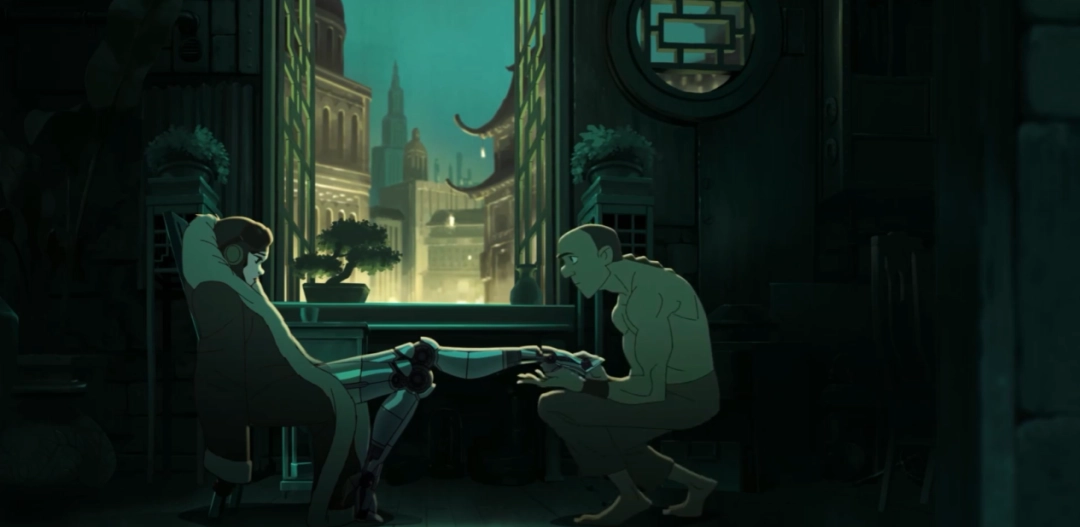
This story, rich in imaginative expansion and aesthetic expression, carries a strong “steampunk” flavor. Yet narratively, it may not transcend the frameworks that captivated predecessors a century ago—
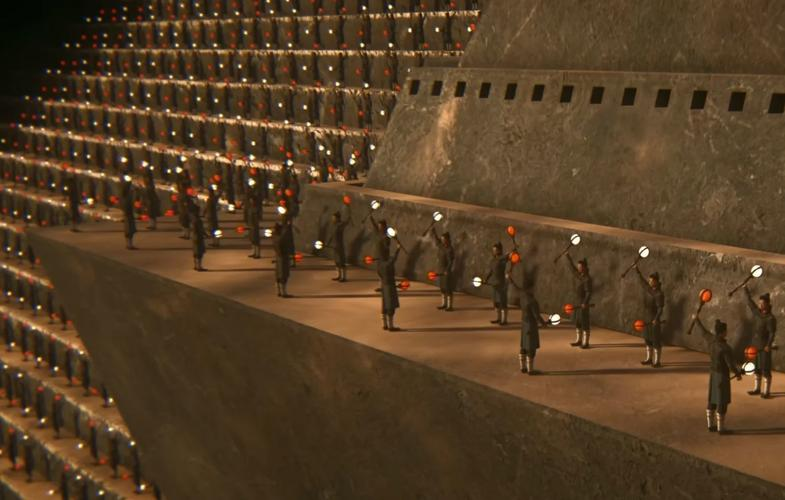
From this perspective, Liu Cixin’s creation of scenes like the human-column computer is indeed brilliant.
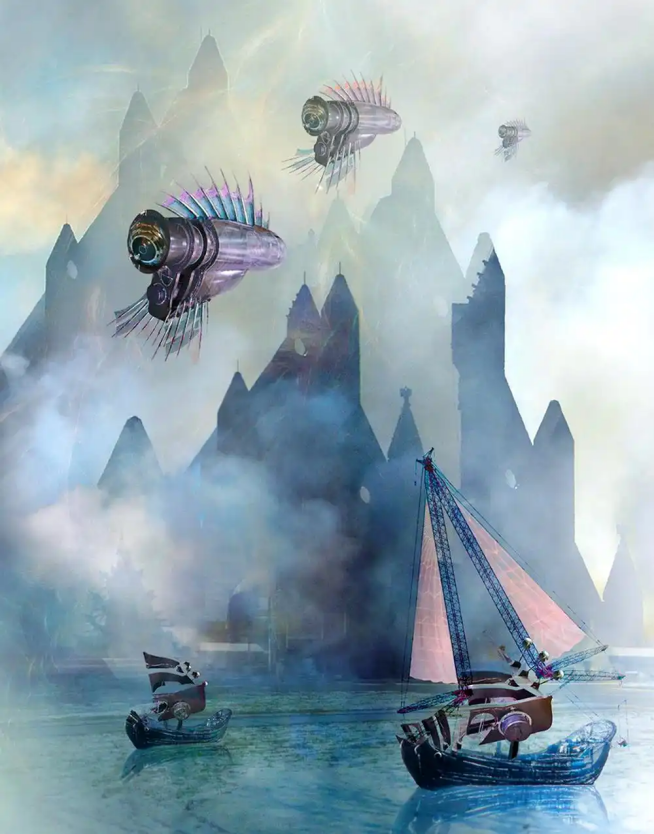
Ken Liu, author of Good Hunting, proposed a new concept for this situation called “Silkpunk,” represented by the “Dandelion Dynasty” series. He explained this concept on his blog: “Silkpunk,” like “Steampunk,” is based on technological speculation. In a “Silkpunk” world, the concept of “technology” is built on a more “Eastern” cultural framework, utilizing materials like bamboo, shells, silk, and paper, with greater emphasis on biomimicry. This essentially creates a new technological system and redefines the “language of technology,” offering a poetic expression closely aligned with Eastern aesthetics.
The Godslayer trailer shows that Pathea Games did not follow conventional “steampunk” tropes. It detached itself from narratives tied to specific historical periods, instead constructing a fictional world through the fusion of cultural elements. In this world, the Industrial Revolution occurred naturally.
Simultaneously, the game world does not exhibit high levels of mechanization or steamification. In terms of daily life, Pathea portrays a less flashy steam society where living conditions are more rustic. The influence of technology is not as pervasive as in many recognized “steampunk” works. Designs for cars and the layout of steam pipes follow realistic logic, reflecting the changes expected in ancient Chinese society during the early stages of the First Industrial Revolution.
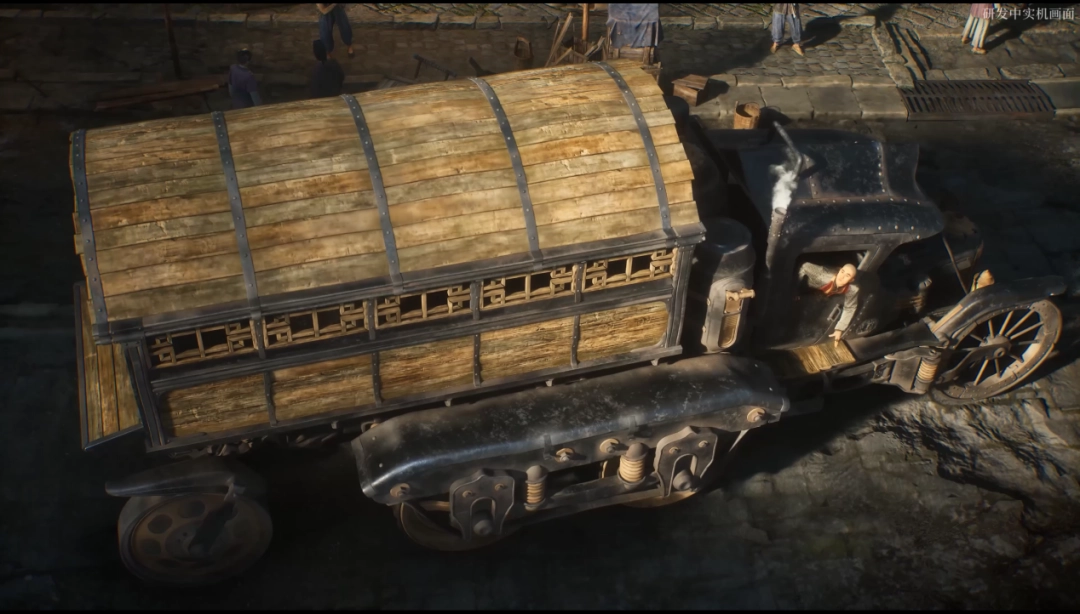
This aligns with Pathea Games’ consistent stylistic approach.
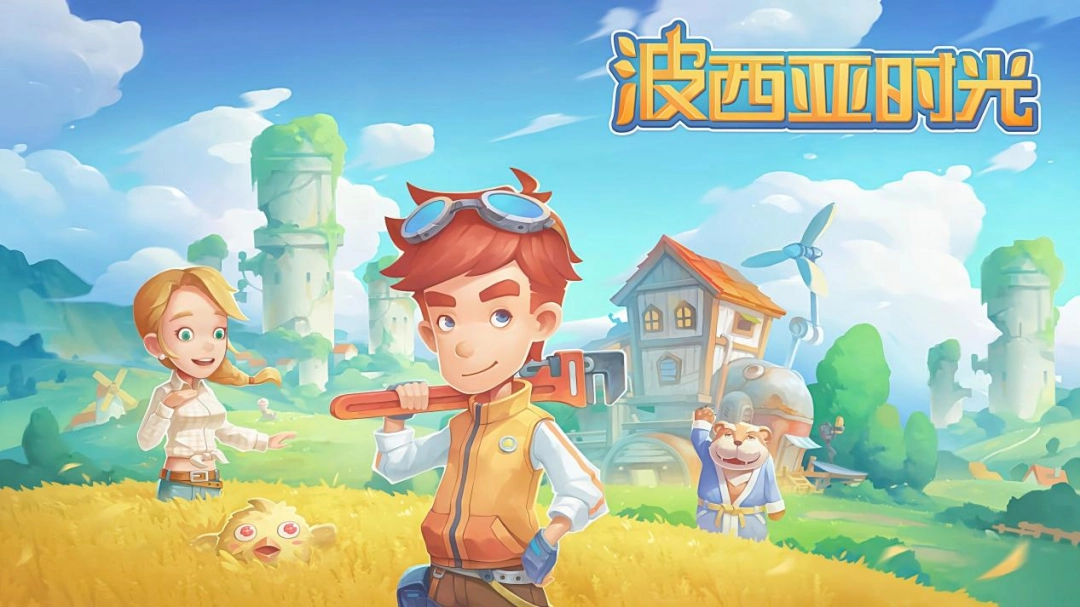
Whether in their renowned “My Time” series, or titles like Planet Explorer and School of Dragon, Pathea Games tends not to rely on wild imagination to construct bizarre worlds. Instead, they prioritize leaving room for game settings while building worlds based on realistic logic. They emphasize logical consistency in both worldview construction and the stories unfolding within them, paying close attention to details and character relationships.
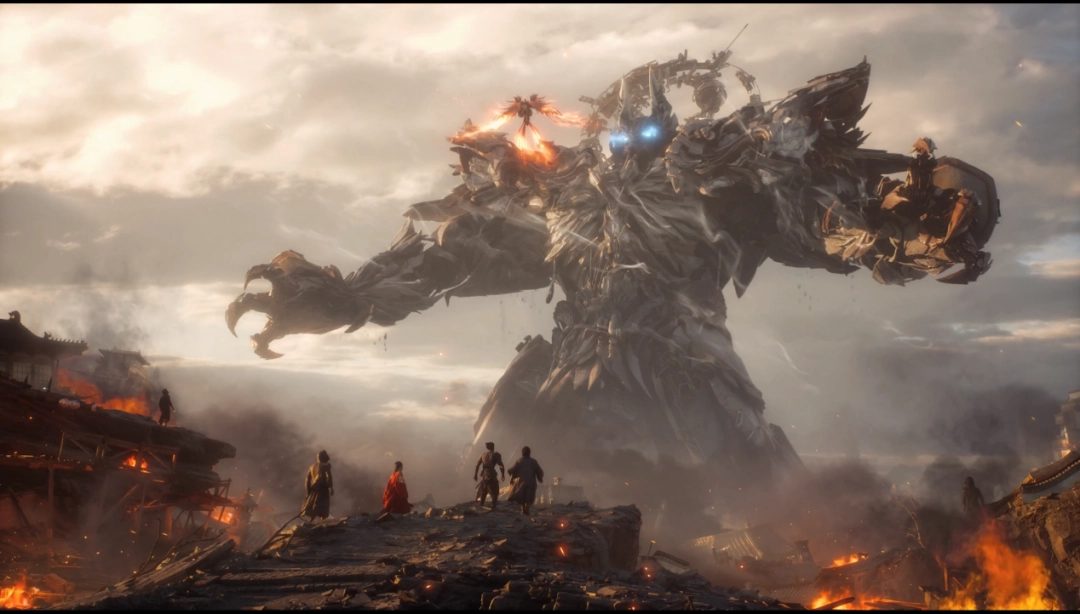
However, if Pathea Games is indeed portraying the world of Godslayer in their usual style, there are intriguing aspects worth noting. The technological level depicted shows obvious disparities. Civilian life does not reflect high tech, making the appearance of airships and giant robot enemies in the trailer feel slightly disjointed. In a coherent worldview, such a huge gap can only be explained by technological monopoly. But how did this monopoly arise, and what drives technological development? These become new questions.
Considering the title Godslayer, we can imagine that this process of “defying the gods” is likely more than just a simple “hero slays dragon” scenario.
Another intriguing aspect of Godslayer is its choice of a distinctly “steampunk” worldview. However, the trailer reveals that the protagonist relies not on mechanical devices, but on the Five Elements and martial arts.
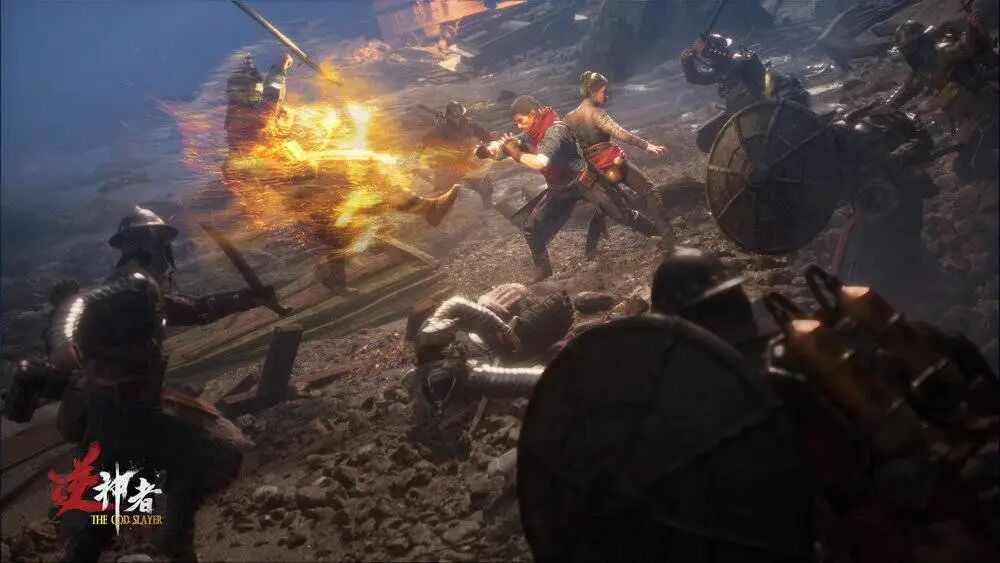
In addition to basic attacks, the protagonist can imbue moves with various elements. The trailer showcases four elemental abilities: Fire, Earth, Water, and Ice, each with corresponding actions. The attack templates for Fire and Earth elements appear to reference many Bajiquan routines. Interestingly, in a close-up shot, the protagonist uses the Inch Punch from Jeet Kune Do to execute an enemy with the Fire element.
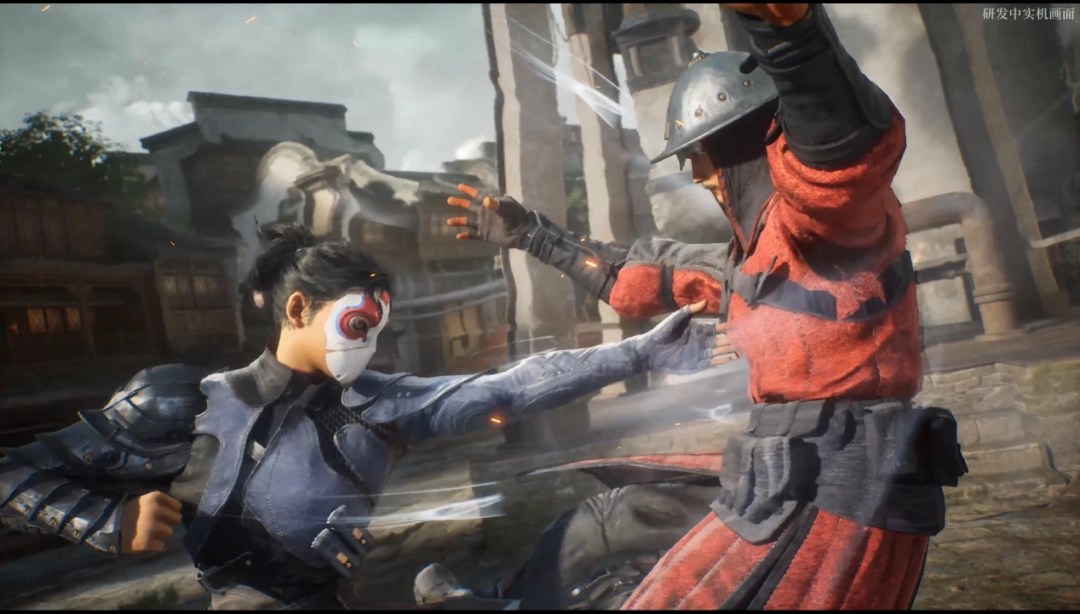
When controlling Water and Ice elements, the protagonist primarily uses movements from Tai Chi. For example, in the trailer, when he gathers enemies with water flow and freezes them, the move is clearly “Grasp the Sparrow’s Tail” from Tai Chi.
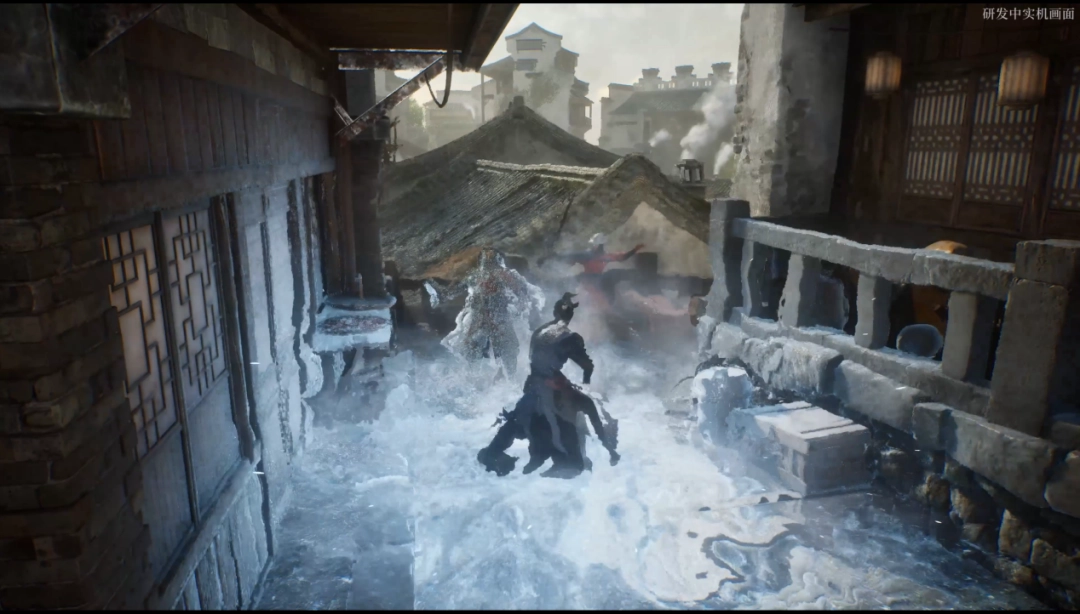
Beyond adding elemental attributes to attacks, a more interesting mechanic is the potential for interactions between elements. For instance, earth blocks condensed from the Earth element can block fire jets or shatter frozen targets.
However, based solely on the current trailer, the system of elemental reactions and interactions remains vague, with many unclear details. For instance, how are elements switched during combat? The Earth element displays three different forms (small, medium, large) in the trailer; what determines these changes? Can elemental interactions be chained to create control loops?
These questions will only be answered through further trailers or even a playable demo.
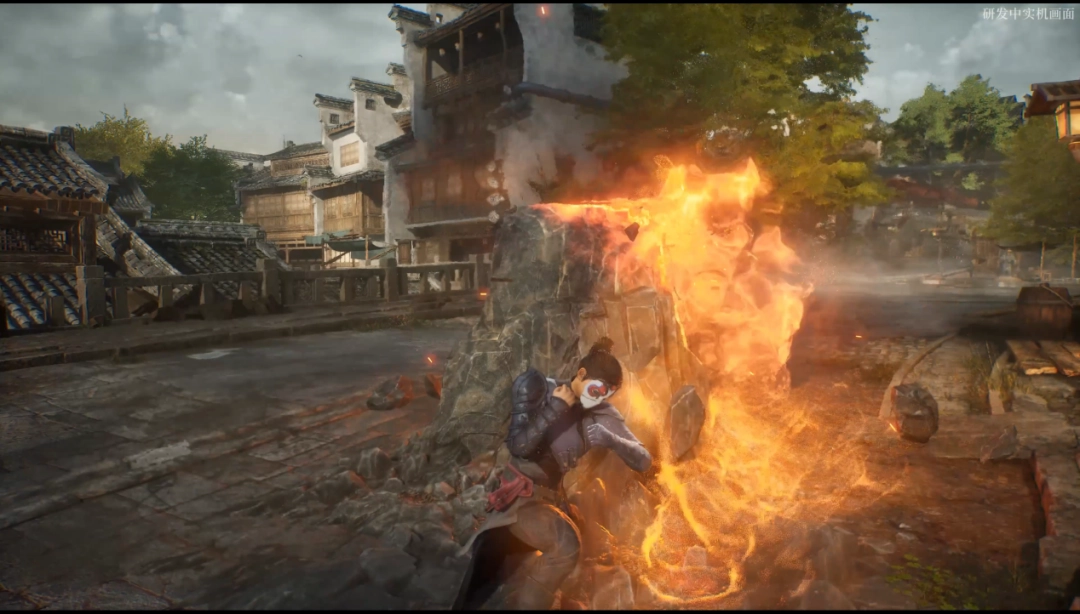
One promising aspect is that these elemental interactions exist not just in combat but throughout various aspects of the game. Although the gameplay shown in the trailer appears relatively linear, the fact that the protagonist can bypass enemies by crossing through street-side houses to reach another street suggests that Godslayer leans more towards a city-based open-world ARPG.
Judging from the trailer, the most prominent feature of this open world is the rich scene interaction and destruction enabled by elemental abilities.
While exploring the map, players can utilize environmental elements like steam pipes on buildings and large water towers on streets. For example, players can knock tiles off rooftops to drop enemies onto the street below, or collapse water towers to unleash floods that scatter enemies.
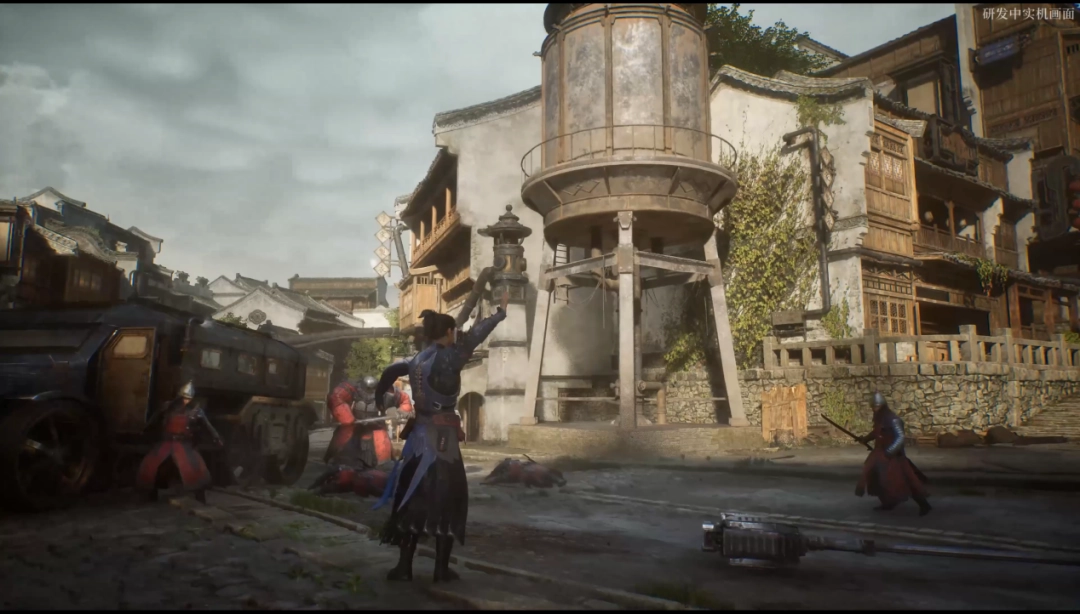
If the level of scene interaction shown in the trailer represents standard gameplay, the open-world exploration experience should be quite engaging, resembling open-world games like Batman: Arkham City, where players can continuously interact with various targets in the environment.
However, the current trailer features extensive cinematic sequences, making it difficult to determine which actions involve genuine player interaction with the map. We’ll need further trailers or gameplay demos to make a clearer judgment.
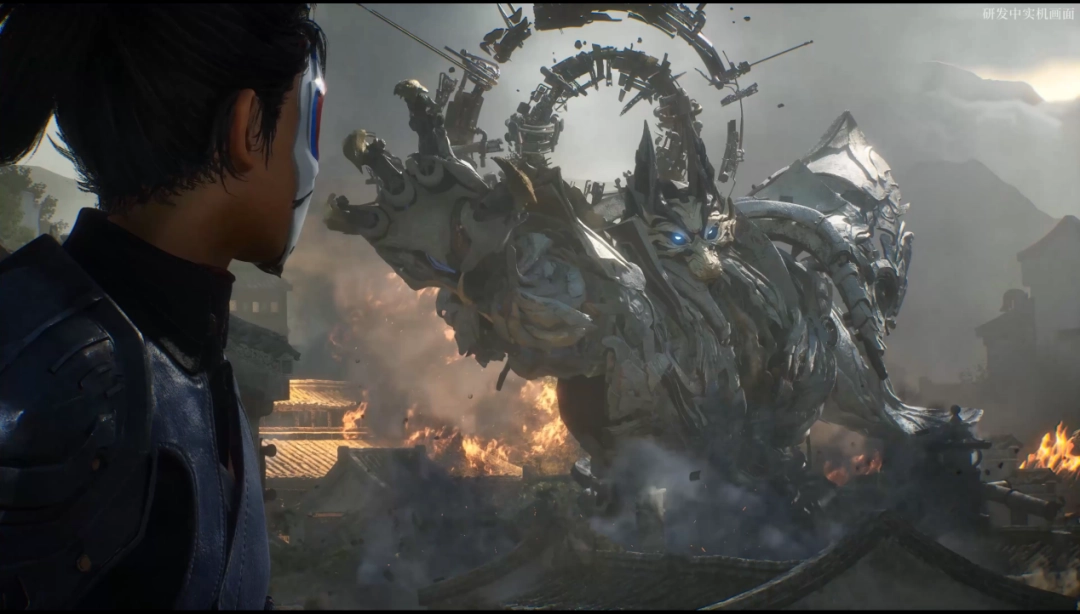
Overall, Godslayer’s trailer demonstrates promising qualities. Its “Eastern Steampunk” worldview offers significant potential for expansion, and the freedom of interaction within its open-world system is quite anticipated. However, it’s too early to judge the game’s overall quality based solely on this trailer. The showcased build clearly lacks polish: character facial models lack proper expression mapping, frame rate stability fluctuates considerably, and the current art style may not even be the final version.
To be fair, as Pathea Games’ first attempt in this highly competitive genre, the quality shown in Godslayer’s current state does not guarantee a bright future. Based on this trailer, they need to significantly improve visual presentation, polish details, and expand gameplay mechanics to secure a place in the tough gaming market.
For them, the harsher reality might be: they can only grope their way through this difficult stage, and whether they can ultimately clear it remains a guess.
Nevertheless, I still look forward to Pathea Games completing this challenge and advancing to their “next level.”
To some extent, I believe this is not just their “next level.”
During a media meetup at WePlay, a journalist bluntly asked Lao Deng, Vice President of Pathea Games: “You’ve always made sandbox and management sims; why suddenly switch to an open-world game?”
The implication is clear: with mature product lines and a stable player base, why take the risk of creating unfamiliar new works that players might not accept?
Lao Deng said, “Why did Pathea make this game? Because we thought it would be really fun.”
He paused, then added, “And if the game turns out well, it could also make a lot of money.”
The whole room burst into laughter.
“This is the truth. As a single-player game developer, it’s not easy. People might think our previous titles, My Time at Portia and My Time at Sandrock, sold well, moving millions of copies. But the revenue we actually received isn’t enough to fund the completion of our next products.
“Unless we keep making ‘My Time’ games—finishing My Time 1, then My Time 2, then My Time 3, and so on—we might live very comfortably.
“However, people always have greater ambitions and want to create bigger things. When we aimed for such projects, we realized the revenue from the ‘My Time’ series wasn’t sufficient. Therefore, we needed products with larger scale and investment. Once completed, their potential ceiling would naturally be much higher than that of the ‘My Time’ series. The revenue generated from these larger titles would allow us to pursue games we’ve been dreaming of for years.
“Godslayer isn’t our ultimate goal; it’s a step toward our destination. We didn’t start with the idea for Godslayer. We knew what we ultimately wanted to make long ago, but we lacked the capability, funding, team, and resources to do it.
“If we succeed, Godslayer will serve as a pivot point in our journey toward our ultimate goal.”
Games, possessing attributes of both commodity and artwork, allow money and dreams to coexist in every creator’s future.
Over the past decade, the most severe challenge facing most independent game developers in China has been survival. While their creative philosophies and backgrounds vary greatly, they share a common trait: nearly all indie studios operated in a do-or-die state before producing their first breakthrough title.
Game development is complex. A game’s success might depend on the creator’s talent, the manager’s project management skills, the team’s ability to sense market trends, or perhaps... just plain luck.
But survival for a game team is a stark economic issue.
Over these past dozen years, hit after hit allowed some teams to successfully overcome survival issues, including Pathea Games, Luoyou Studio, and Hunter Studio. But soon, they faced the next challenge: rising player expectations, expanding game specifications, and growing team sizes. They had to produce better games to sustain operations. In most cases, better games mean higher costs—personnel, technology, time, etc. Worse still, these cost increases are rarely smooth, often rising exponentially.
Two years ago, in the TapTap and Bilibili uploader “Director BK” collaborative short documentary series Where Does the Money Come From?, one episode focused on Pathea Games. Company founder Wu Zifei discussed the company’s early history on camera.
In 2010, he founded Raylight Technology and created his first game, Drains. Poor quality led to weak sales, burning through all his startup capital. Later, after securing investment, he established Pathea Games, learned from past failures, and developed Planet Explorer, which became a major hit.
At that time, the strong sales of a game on the scale of Planet Explorer were enough to pull Pathea Games back from the brink.
Recalling those days, Wu Zifei smiled brightly: “After the first two days of Planet Explorer’s Early Access launch, I checked the numbers and said, ‘Wow, this money will keep us going for the next two years.’”

But the situation is different now. Over the past decade, fueled by the success of the “My Time” series, Pathea Games has continuously expanded its team and project pipeline. As company size and project investments ballooned, the simple and direct returns from Planet Explorer were no longer sufficient to support company operations—
“When you start burning through millions every month, the pressure becomes immense. Even if this project earns 100 million, that amount won’t last long. You’re left with two choices: go back to making smaller projects, or if you aim to create top-tier global games, you can’t stick to small, manageable scopes. You must create massive titles requiring teams of two to three hundred people to remain competitive.”

Pathea Games has the ambition to “create world-class games,” an ambition shared by many teams. The nature of creators drives them to constantly pursue their ideal “perfect game.” Although AAA status may seem elusive, it doesn’t stop authors from chasing it.
Alongside Godslayer, two other titles were selected for Sony’s “China Hero Project”: Windborne, developed by Shanghai Titanium Core Network, and Daba: Land of Water Marks, developed by Shanghai Darkstar Information Technology. Both companies are teams that established themselves with a single successful title. Shanghai Titanium Core Network’s Shadow Torch remains a flagship title of the “China Hero Project,” while Shanghai Darkstar previously earned acclaim for The Way Back Home.
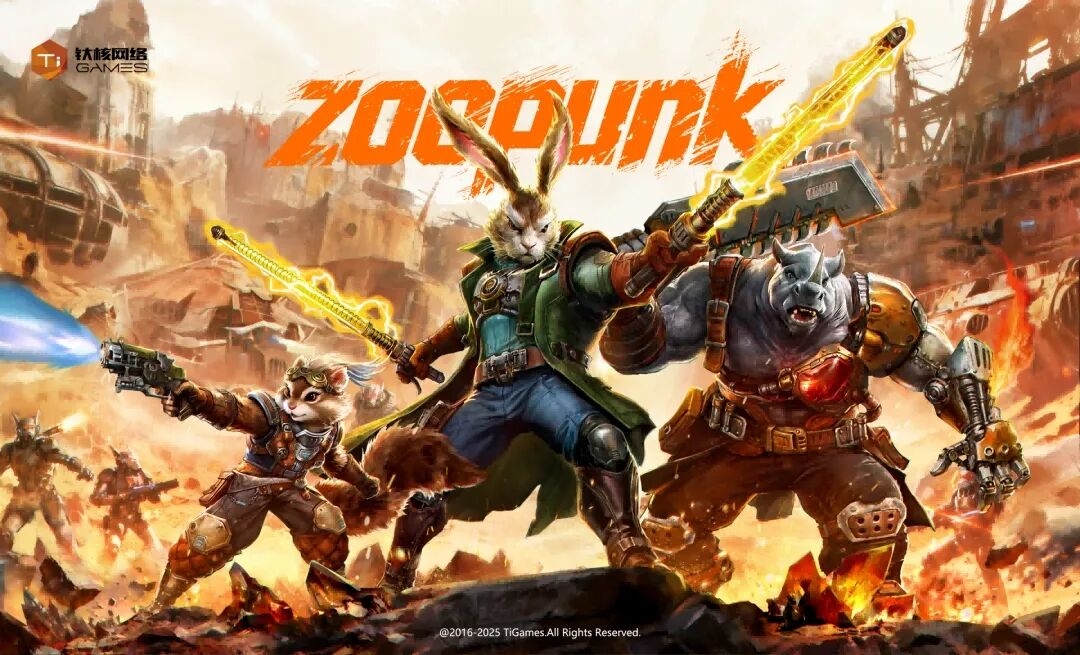
Both Windborne and Daba: Land of Water Marks, like Godslayer, feature higher production values and investments compared to their developers’ previous works. Of course, the situation has subtly shifted: Windborne has only released a concept trailer so far, making it even more mysterious than Godslayer. Currently, the key asset Shanghai Titanium Core Network has shown to advance to the “next level” is actually Animal Punk.
There are many such developers, but few successfully transition from small to mid-sized studios.
NEXT Studios, Tencent’s eccentric studio that rose to fame with Final Day and Unheard, stumbled with Edge of Eternity.
Luoyou Studio, which kicked off the golden age of Chinese indie games with Tale of Immortal, stubbornly tried to turn Tale of Immortal into their ideal “perfect game,” only to fall into a quagmire of controversy.
TipWorks, hailed as a hidden gem among domestic action game developers thanks to Pascal’s Wager, recently announced a complete reboot of Everythinggj Contract, their project after joining Paper Games.
Amidst these struggling developers, Pathea Games stands out as one of the few steadily advancing, reaching a critical juncture on this path.
Due to its short development history, China’s gaming industry ecosystem remains somewhat immature.
Currently, China’s large-scale single-player games basically rely on a series of established major publishers who pivoted into the space. Truly independent of this system are only Black MYTH - Steam Edition: Wukong, a miracle that seemingly appeared out of nowhere thanks to perfect timing, and Phantom Blade Zero, which is returning to its roots. The former is a sudden miracle, while the latter has yet to launch and awaits future evaluation.
Mid-sized games are paradoxically scarcer than those from large publishers. Apart from a few legacy “Three Swords” titles, most are sudden arrivals like Mingmo: Feathers of Abyss, Lost Soul, and Tide of Annihilation.
True prosperity comes from waves of new generations emerging periodically, gaining funding and reputation through small-scale productions, and gradually evolving into larger teams.
Not every team is Game Science.
Nor is every title Black MYTH - Steam Edition: Wukong.
To gain greater competitiveness, these teams must repeatedly walk the pilgrimage path described by Feng Ji.
Godslayer represents the “next level” for Pathea Games, and it’s a hurdle many game teams currently face or will face in the future.
Difficult hurdles, overcome one by one.
Let’s hope they all succeed.