

Players familiar with the gaming industry know that since the emergence of Escape from Tarkov, extraction gameplay has become one of the hottest genres. Many domestic developers have recognized its potential. Arena Breakout: Infinite officially launched its open beta today, Delta Force reached a new high with 12 million daily active users, and even unrelated titles like Game for Peace have added extraction modes in version updates. However, most of these extraction games haven't broken free from the original "Tarkov-like" framework, essentially innovating more or less on the foundation of Escape from Tarkov.
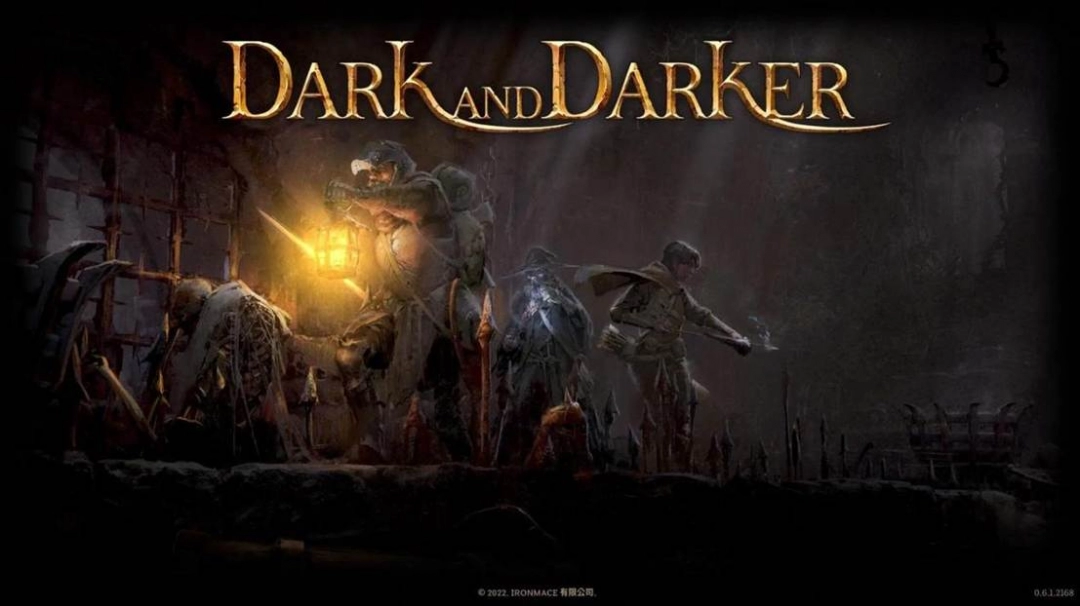
It was precisely because Dark and Darker combined extraction shooter gameplay with melee combat, breaking away from the FPS framework, that it stood out so distinctly. This Western fantasy dungeon "Tarkov" garnered over 100,000 concurrent players shortly after launching on Steam. Its explosive popularity made developers realize that extraction gameplay isn't confined to tactical shooting; combining it with other genres holds significant potential. However, its overly hardcore gameplay and somewhat rudimentary graphics have kept it in a relatively niche position domestically.
Most extraction shooters focused on gunplay feature extremely short TTK (Time To Kill) and high demands on aiming skill. In this context, armor provides higher margin for error, and weapons make it easier to hit enemies, with all external resources revolving around the core element of gunfights. Melee action extraction games, however, focus more on character growth and validating equipment BUILDs. Randomly generated equipment with varying rarities and affixes, along with distinct class divisions, add long-term goals of gear construction to the short-term goal of earning money. This addresses the pain point of diminished late-game fun due to economic surplus—since perfect equipment cannot be bought with currency.
On the other hand, this helps avoid a common pain point in previous extraction games: high failure penalties make players reluctant to use good gear, while wearing poor equipment leads to frustrating gameplay. This is because players with high-rarity equipment tend to venture into the most dangerous areas, where monsters not only drop better gear but also drive away lower-level players through stat disparities. The difference in equipment strength and player levels makes it exponentially harder for underdogs to succeed.
Therefore, the recently launched second beta test of the melee extraction game Mist Hunter successfully caught my attention as an enthusiast. In tactical shooting extraction games, players continuously gather map resources while exploring, scavenging loot from encounters with other players and AI monsters. Resources obtained after successful extraction are used for external progression and gear upgrades for the next run. Mist Hunter adopts a similar gameplay loop.
Building on this, Mist Hunter features clear class divisions. Players can choose from five classes, each with exclusive skills and unique mechanics: the Shadow Owl specializing in assassination, the Black Arrow mastering ranged combat, the Prophet who can buff teammates, the Mercenary with heavy-hitting attacks, and the Wizard who manipulates spells.
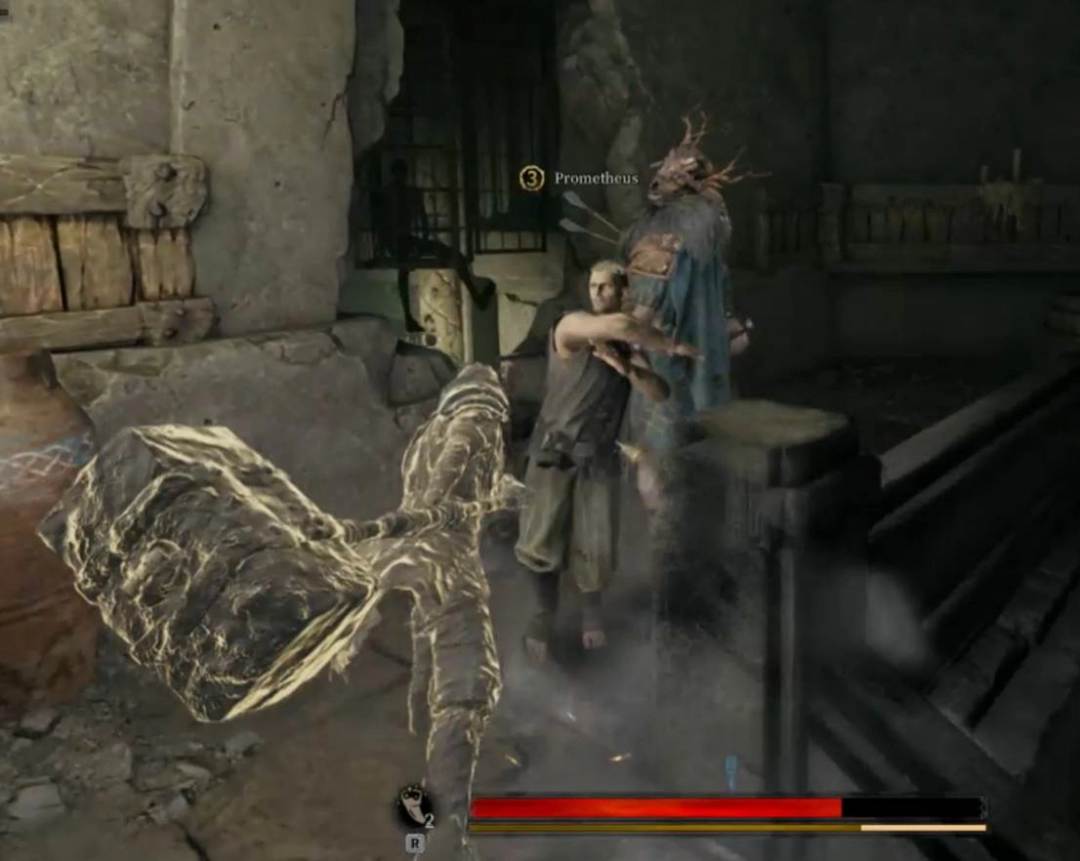
Some classes even possess two completely different weapon sets that can be switched depending on the situation. For example, the Mercenary's hammer grants unbreakable super armor when using skills, while the alternative sword and shield setup allows for blocking and parrying enemy attacks.
The rich class selection creates interesting chemistry within different three-player teams. Players can not only form the classic "Tank-DPS-Healer" trio common in MMOs but also deploy three Black Arrows to turn the game into a "Sniper Elite" experience, defeating enemies from afar.
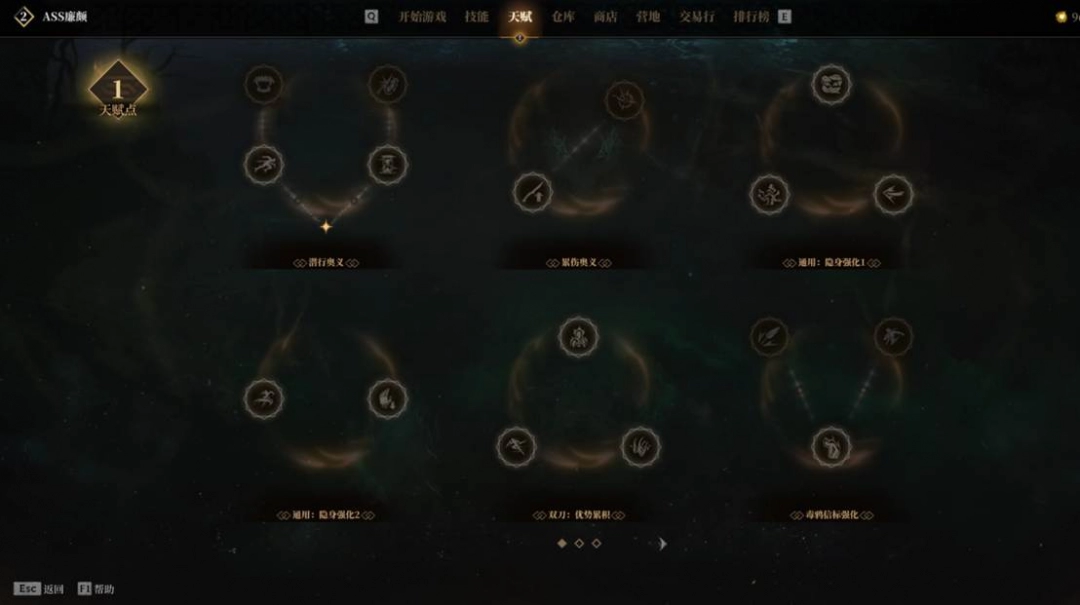
In addition, as players level up, the unlocked talent tree system further emphasizes class differences. Many of these talents have powerful effects that alter gameplay. For instance, the Wizard's talent "Chant of Vitality" allows spellcasting to continue uninterrupted during dodges, enabling quick counter-spells even when cornered. Another example is the Shadow Owl's talent "Ambush," which makes the Shadow Owl completely undetectable by any skills while stationary, turning them into a camper who scares others off their mice.
Additionally, every attack action deals increased damage when hitting an enemy's head. The slightly strict hit detection requires a certain level of proficiency in chaining skills. Players need to constantly adjust their camera angle to correct the strike trajectory, ensuring maximum damage output.
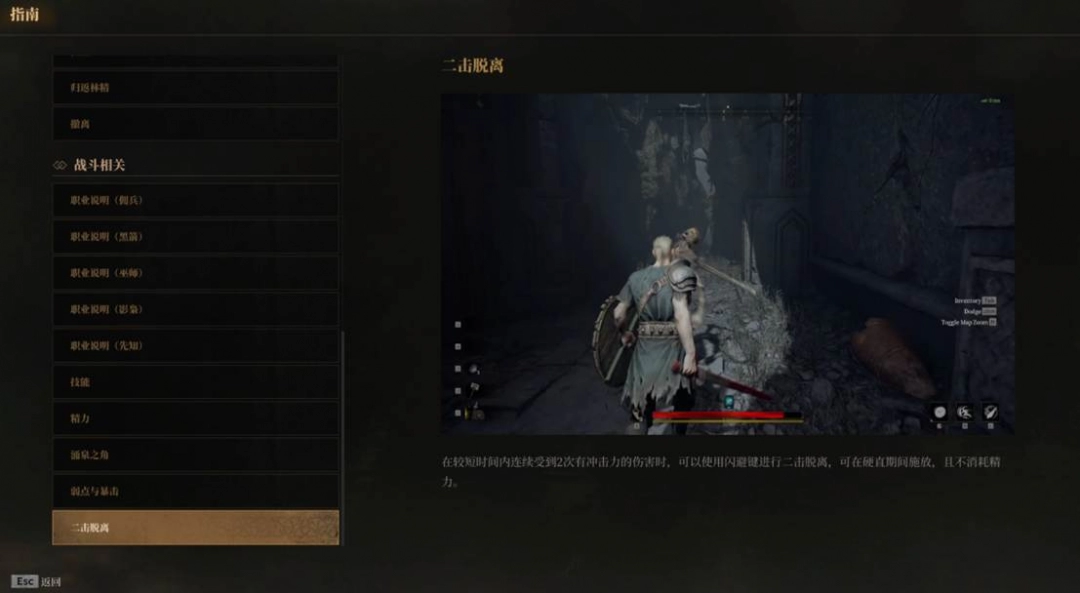
Furthermore, the "Two-Hit Escape" system allows players to dodge without consuming stamina after being hit twice. This prevents combat from becoming a one-sided button-mashing affair for the disadvantaged party—you can always dodge timely between the enemy's attacks and regroup.
Among these classes, those with ranged output capabilities can maintain a safe distance from monsters, often keeping their health in a healthy state while initiating attacks first. To limit the frequency of ranged attacks, the developers introduced a stamina bar mechanic. Most basic ranged attacks require stamina, whereas basic melee attacks do not. This means that once closed in on, these characters specialized in area denial will be quickly overwhelmed by relentless combos.
Of course, the stamina bar serves more purposes than just this. All classes need to consume stamina to release skills and dodge enemy attacks. If players accidentally deplete their stamina bar during action, they enter a very dangerous weakened state—unable to perform any actions until stamina fully recovers. Falling into a weakened state in actual combat turns you into fish on a chopping board, left at the mercy of enemies. Properly managing the stamina bar is the core challenge of Mist Hunter's combat system.
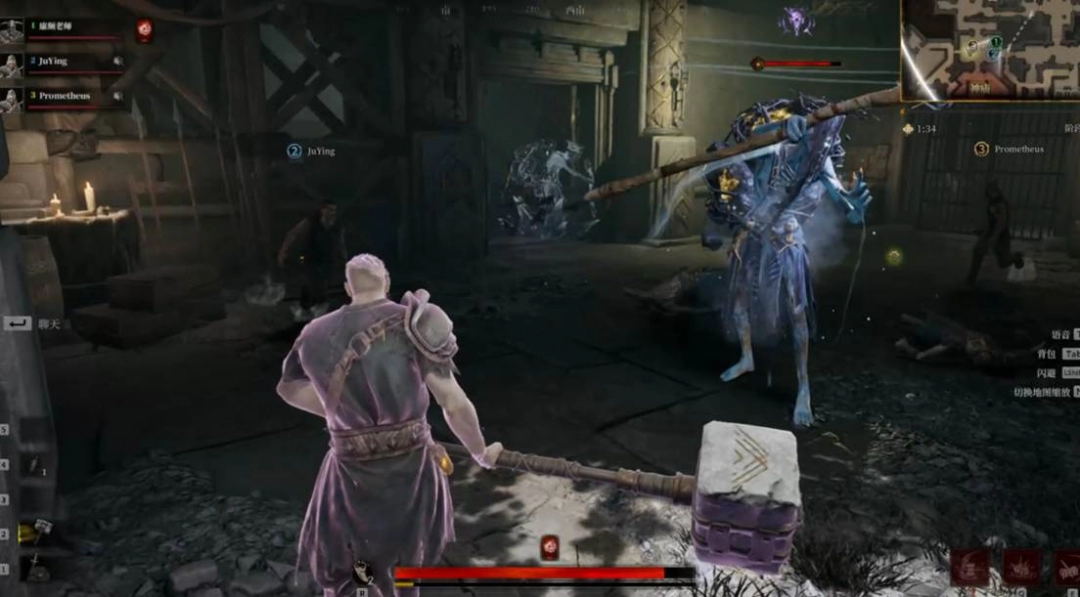
Undeniably, these systems are quite basic and somewhat common for an action game. However, as a PvPvE extraction game, Mist Hunter's excellent action presentation and slightly hardcore systems offer a distinctly new experience—placing high demands on players' operational skills and situational judgment.
Centered around its excellent action system, Mist Hunter designs a rich variety of monsters for players to challenge. Interestingly, the monster design has a distinct "Souls-like" flavor popular in recent years—combining aggressive attack patterns with super armor and variable timing attacks, making it difficult for players to navigate dangerous areas. In fact, during early exploration, team wipes caused by elite monsters are far more common than encounters with real players. Not to embarrass myself, I often found myself unable to defeat roadside mobs despite giving my all, only to be kicked to death.

The final boss in the central hall, "The Glutton," not only employs dragon charges, multi-claw strikes, and locked-on ground slams, but also frequently applies scorching effects to the terrain in its second phase. This makes the already cramped boss arena nearly impassable, where a single misstep could lead to a fatal end.
Even if players successfully defeat the boss, they may not necessarily extract from the dungeon safely. This is because players must defeat the returning spirits that appear over time to obtain the corresponding extraction items. Otherwise, the shrinking "Golden Mist" (similar to the poison circle in battle royales) will strip them of all their resources.
This is also the core charm of extraction gameplay—players need to weigh the difficulty and risk of each engagement. Should they take high risks for high rewards or play it safe? Should they scavenge thoroughly in peripheral areas or venture into core zones for dense high-tier resources, facing fiercer competition and more dangerous monsters?
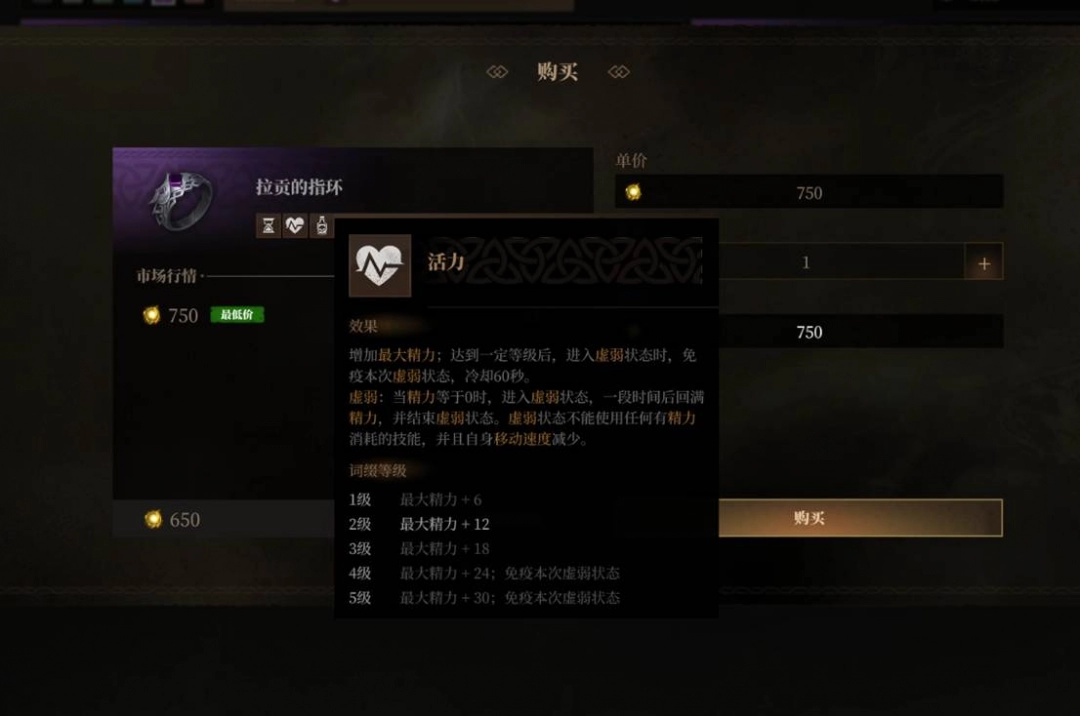
For most players in Mist Hunter, the primary motivation to enter matches is to scavenge better resources. Resources in the game are mainly divided into two categories: better equipment and rarer materials. Equipment in Mist Hunter comes in five tiers: White, Green, Blue, Purple, and Orange. Each tier upgrade enhances stats and adds an additional affix. Similar to the Jewel system in Monster Hunter, collecting enough identical affixes can trigger significant changes in stats and functionality at certain levels.
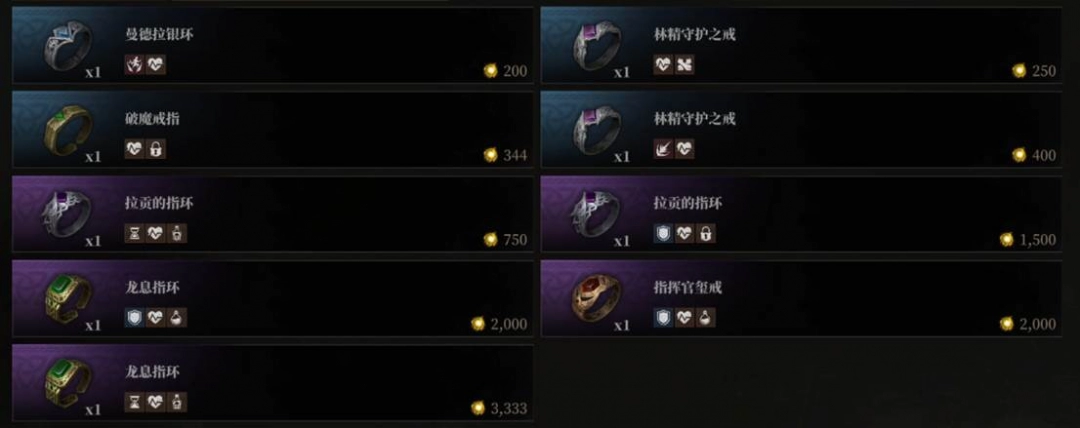
Remember the weakened state caused by depleted stamina mentioned earlier? If a player's equipment has the "Vitality" affix at level 4, they gain a buff that grants immunity to the weakened state once every sixty seconds. This adds another layer of variability through affixes to the already rapidly changing battlefield.
Meanwhile, players can spend brewing materials to craft different tiers of Triumph Wine. Each tier upgrade grants an additional permanent affix upon entering a match. Once the Build is fully formed, the character's burst damage can reach terrifying levels, capable of one-shotting enemies on sight.

Scavenged materials can be used to upgrade base facilities, allowing players to buy better equipment from the shop, list more items in the trading post, carry more resources into matches, and so on.
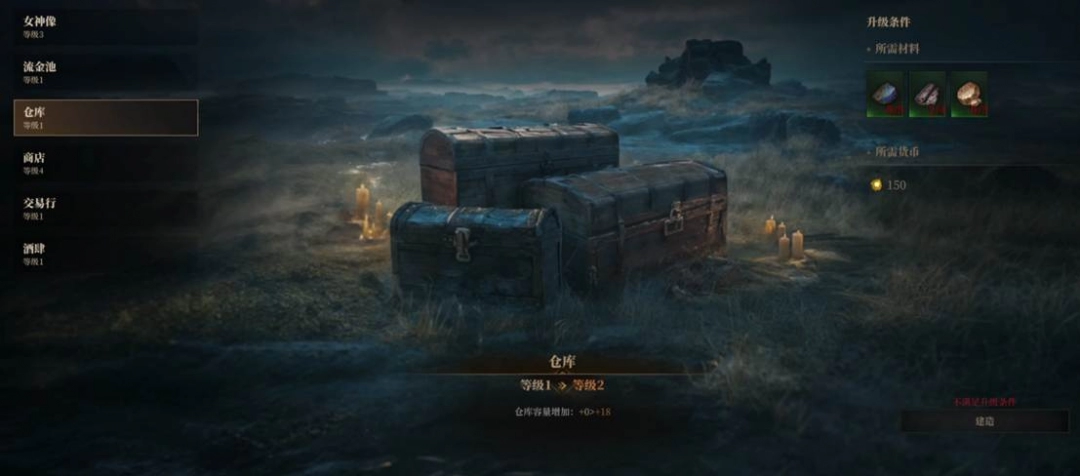
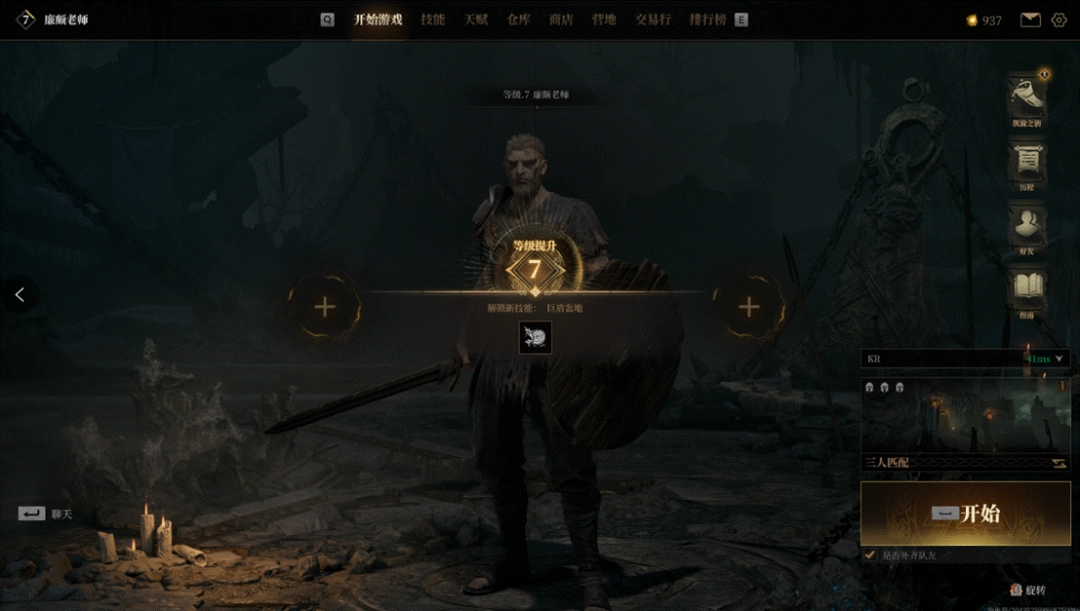
Indeed, Mist Hunter combines three of the most addictive mechanisms: extraction gameplay, gear affix grinding, and base building. Once players adapt to its control logic, they become utterly immersed. Overall, Mist Hunter simplifies the gameplay of Dark and Darker while constructing rich Builds through the systems mentioned above. New build experiences are gradually unlocked as characters level up, allowing players to validate their strategic ideas in high-intensity combat.
Admittedly, Mist Hunter still has many shortcomings, such as unclear interaction design, persistent monster aggro, and occasional frame drops and stuttering, all of which can affect the player's gaming experience. However, for a game that is still in the testing phase, nitpicking these minor issues might seem a bit too harsh on my part.
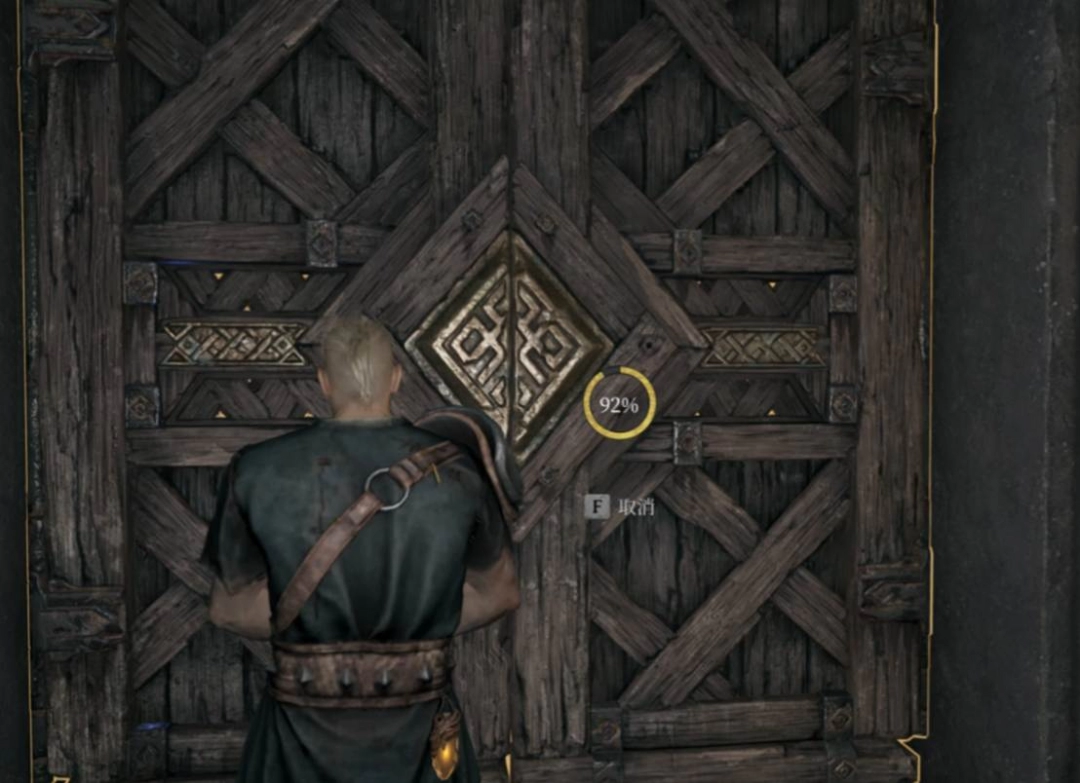
Accidentally locking yourself in a monster room due to clumsy maneuvers
At least based on the current gaming experience, Mist Hunter is undoubtedly an excellent extraction game whose flaws do not overshadow its merits.