

In 2024, "Black MYTH - Steam Edition: Wukong" achieved great success in both domestic and international markets,making"Domestic single-player games" are entering a brand new era—a historic shift from widespread skepticism to the village finally producing college graduates.
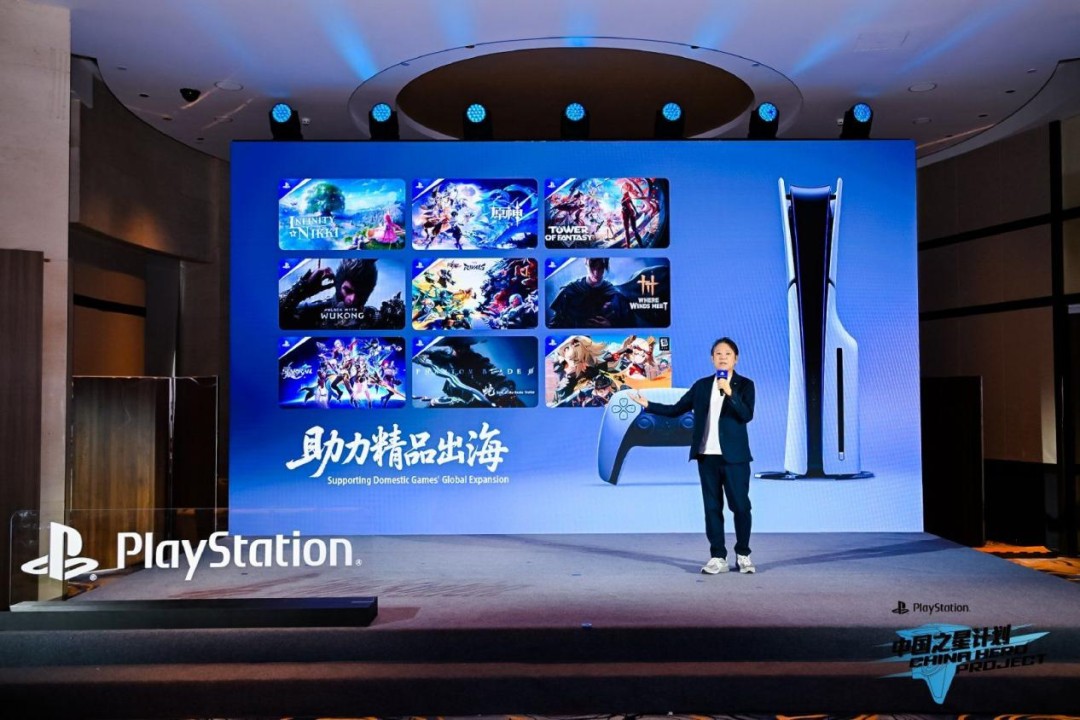
Amidst these changes, Sony has longplayed a continuous and important role in injecting fresh blood into the development output of Sony's"China Star Project", naturallyplayed a continuous and important role—In the pastnine years, this program has been dedicated to providing technology and funding to promising local developers, earning a good reputation among both players and developers.
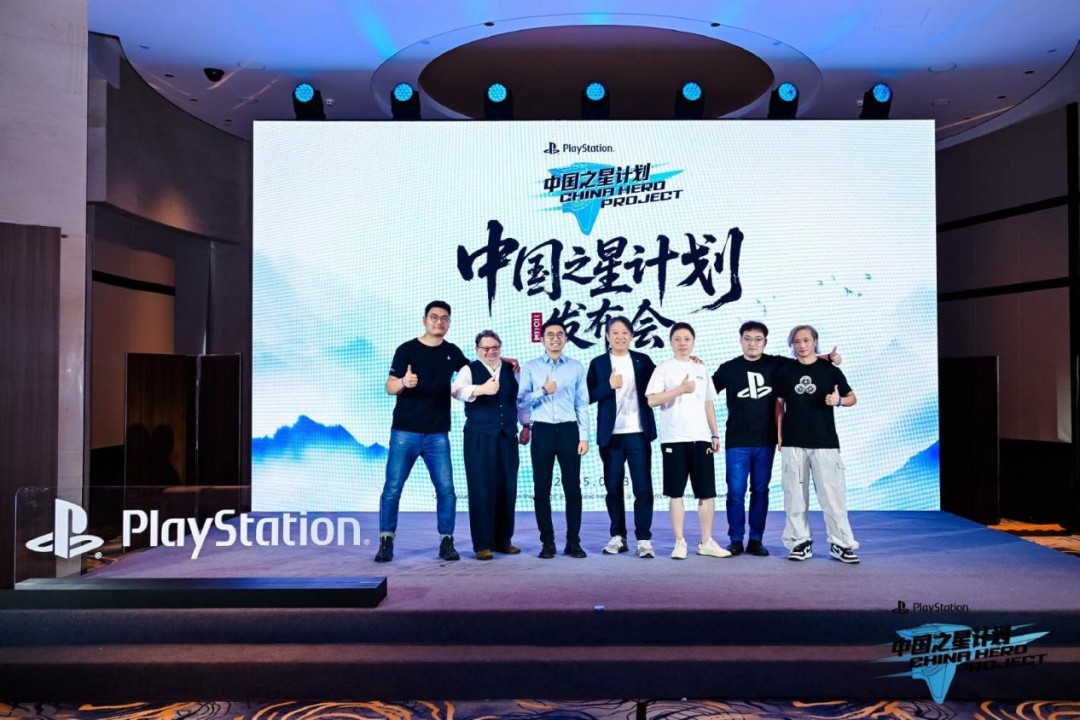
This year'sDuring ChinaJoy, Sony's "China Star Project" followed convention, held a product launch event involving market, development, technology, and media participants. We were fortunate to be invited again, sitting down with various participants to discuss the past, present, and future of the entire plan. Participating in this interview were Bao Bo, Game Production Director of Sony Interactive Entertainment China,Shanghai Darkstar TechnologyCEO, Art Director and Co-Creative Director of "Daba: Land of Water Marks" Feng Xun,Suzhou Mixia Digital EntertainmentCEO Xiao Xinchan, Tian Li, General Manager of Virtuos China, and He Junjia, Director of Ecosystem Cooperation at RichTap. They eachboth for Sonyshared their views on the current status and future prospects of the "China Star Project".
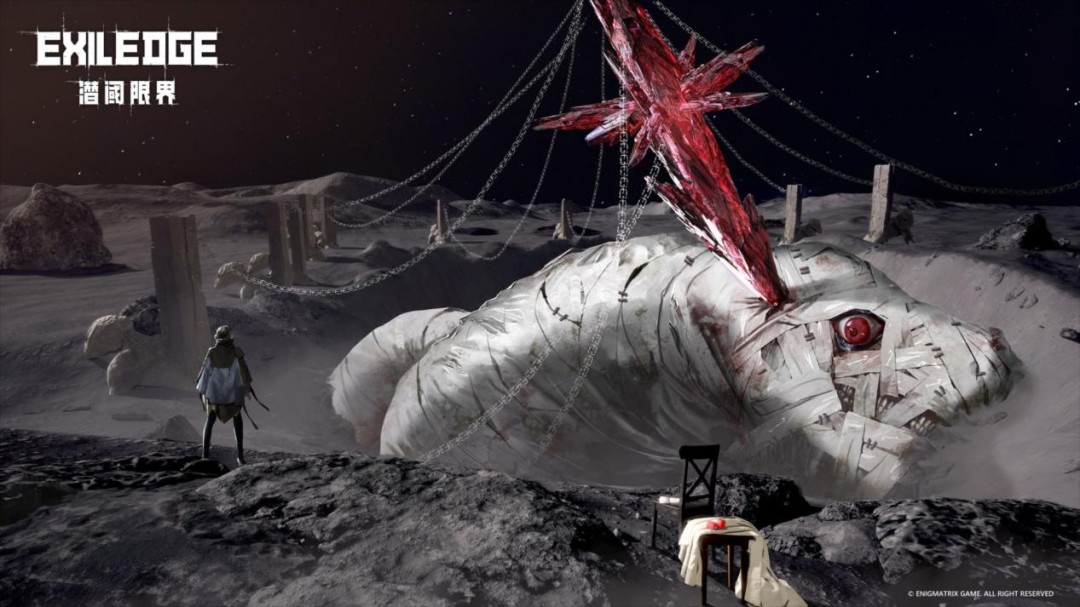
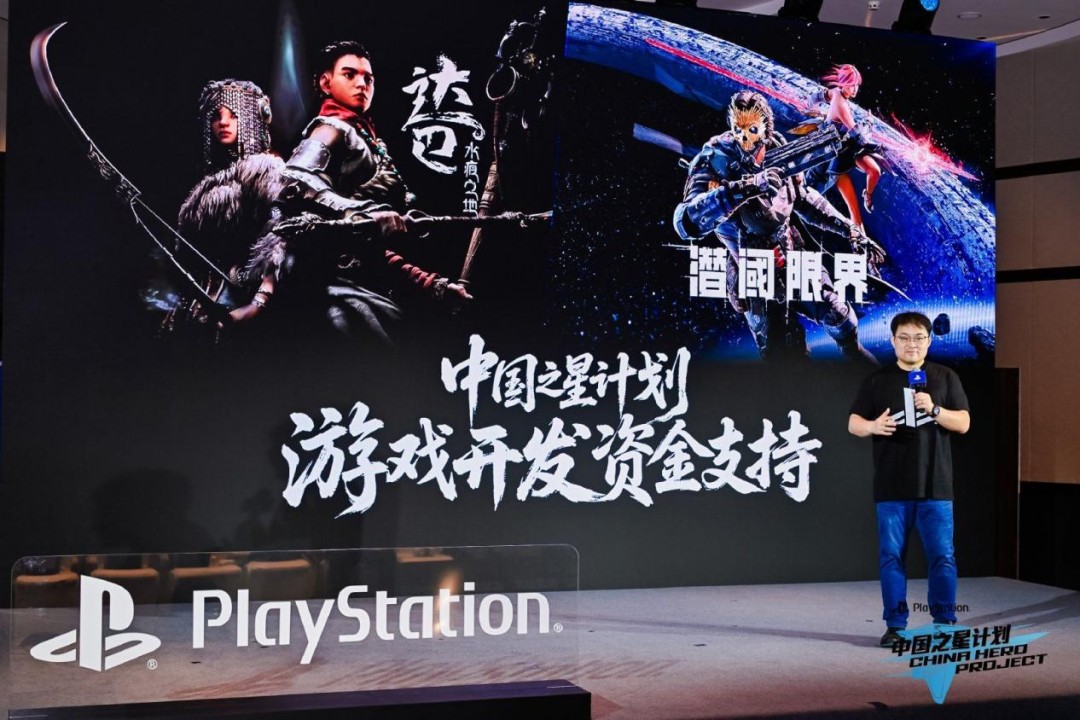
Q:Sony"China Star Project"Currently, there are many games. Why did you choose "Daba: Land of Water Marks" and "Subthreshold Limit" this time?,provide financial support?
Bao Bo:There are many reasons for selecting these two games this time.
First, our investment decisions are based on multiple considerations. We focus on screening for projects with high appeal, strong potential, and unique selling points. Only after comprehensive evaluation confirms overall high quality do they enter our investment scope;
Secondly, cooperation sometimes requires some serendipity, and investment itself is a process requiring full coordination and consensus between both parties. We are considering investing in many projects under the "China Star Project," and several approved projects are in negotiations. These two projects stood out mainly because their negotiation progress was relatively faster.
Q: DuringSony"China Star Project"During the promotion in recent years, what key changes have occurred in the domestic console game ecosystem, and which ones were"China Star Project"efforts facilitated?
Bao Bo:The biggest change is theimprovement in developer capabilities. I have visitedover 50 studios and witnessed the levelis indeed higher than in previous years. China has many high-end game talents who originally worked in mobile game companies, and now many are shifting towards developing high-quality games—I think this is a good phenomenon, representing a certain degree of industrial upgrade.
Additionally, there is another positive phenomenon. More and more young developers recognize high-quality games, showing great enthusiasm. Many start without expecting immediate returns—having worked on high-quality projects for twenty years, I know how difficult this is, but their teams persist.
The "China Star Project"provides comprehensive support for projects in game development, publishing, and marketing, leveragingSIE's knowledge, experience, and resourcesetc.,sharing it unreservedly with developers to support them in achieving their visions.
Q:Are youHowachieveintegrating haptic feedback technology withDualSensedeep integration with the controller?Currently,"China Star Project"Which games,has already received support from this technology?Can you give some examples of specific gaming experiences?
RichTap:The specific project name cannot be disclosed, but we are collaborating withPlayStation for deep technical collaboration. Through RichTap technology, making vibration development for the DualSense controller simpler, allowing more developers to master this skill,to createhigh-quality haptics meeting DualSense standards, benchmarking against the most cutting-edge game product experiences.
All along,Our mission is to create ultimate experiences, which aligns withconsistent with the feeling PlayStation gives players.We will followPlayStation for increasingly deep technical cooperation, to "China Star Project" projects gain more competitiveness, helping them compete with top-tier projects on the international stage.
Bao Bo:RichTap has been deeply engaged in haptic technology for many years. Previously, we found that many teams considered the production of controller haptic functions difficulttoo high, whileRichTapUsing tools to reduce difficulty, actual testing showed a significant improvement in development efficiency, with vibration production time reduced by more than half—the key is that their tools achieve "what you see is what you get," providing real-time haptic feedback when adjusting parameters, a feature unique globally.
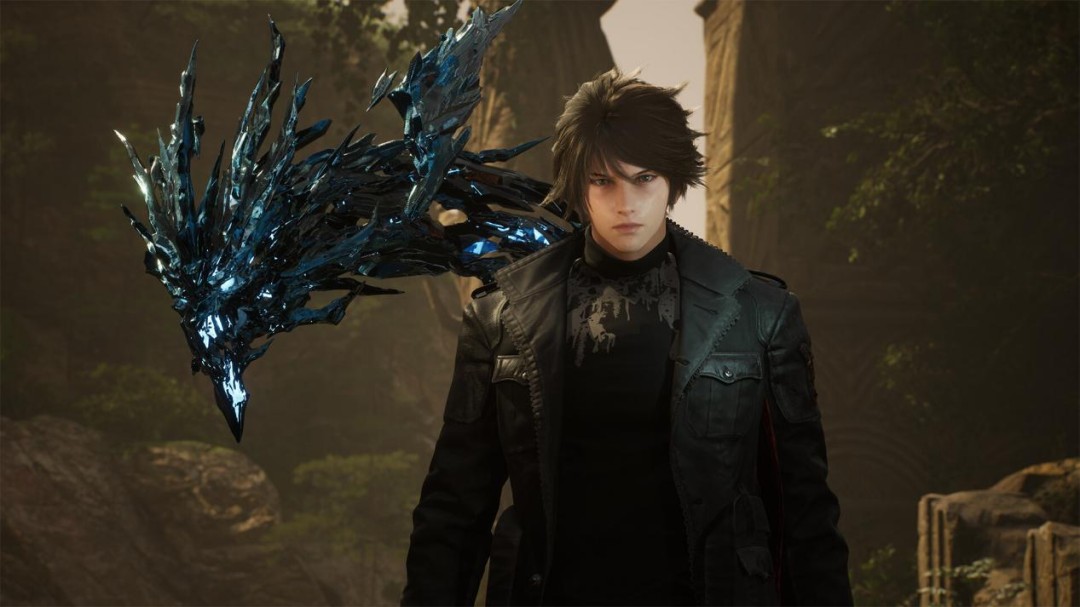
Taking the haptic design of "Lost Soul" as an example, we collaborated with RichTap and Virtuos, together with top domestic sound talent. In fact, there aren't many overseas games that excel in haptic effects, which might become a shortcut for Chinese developers to achieve international surpassing.
Q: Against the backdrop of changes in the global market environment and significant improvements in the capabilities of local developers,"China Star Project"Has it already transitioned from a local incubator,gradually transform into an export platform for the global content market? Additionally, has the plan incorporated more considerations regarding international communication and cultural compatibility?,withand global distribution strategies into its knowledge system?
Bao Bo:First, regarding publishing, I share knowledge about international distribution at various occasions, including internal closed-door meetings of the "China Star Project." One of my responsibilities at SIE is to frequently introduce developers to the operational logic of the international market and methods for connecting with publishers. Many publishers from Europe, such as the UK and Italy, are present today. Although we haven't officially announced partnerships, our relationships have always been close.
Chinese developers are actually very capable, but to truly compete with established international giants, more success stories are needed. I have always hoped for more AAA games in China, but this is indeed very difficult. In my career, having seen too many excellent game projects fail midway—therefore, for Chinese developers, we hope to help them address their shortcomings while making their strengths even more prominent. Having been deeply involved in game development for many years, I know well that this is a long-term endeavor requiring substantial experience accumulation.
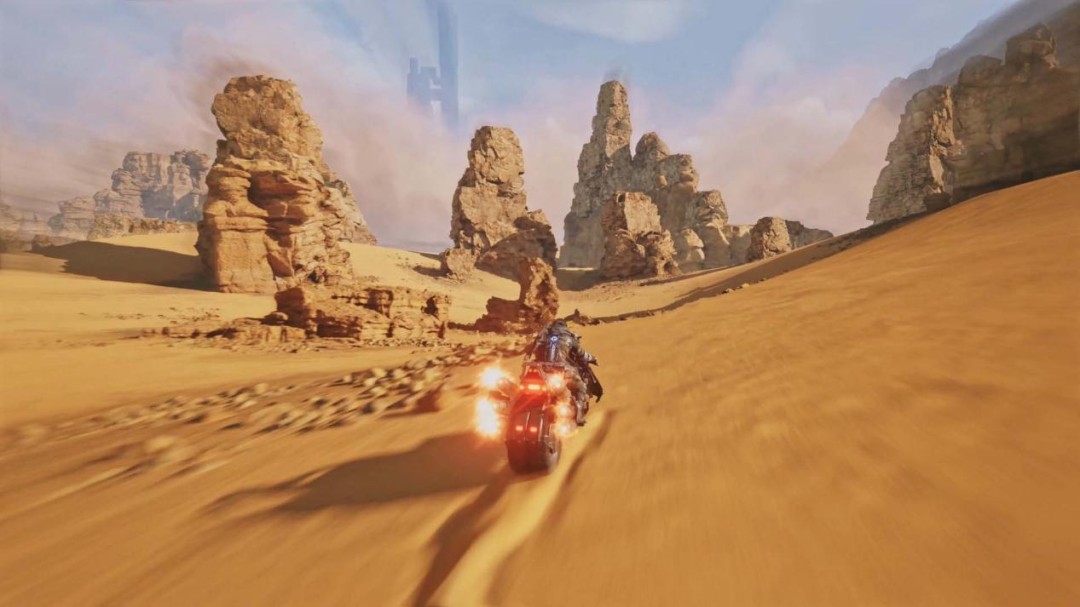
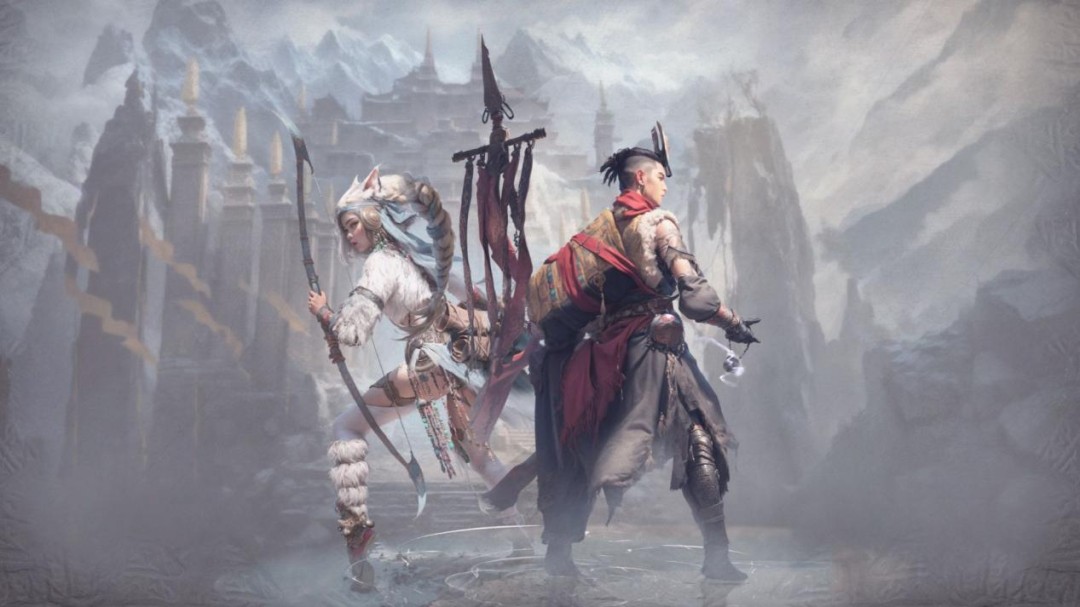
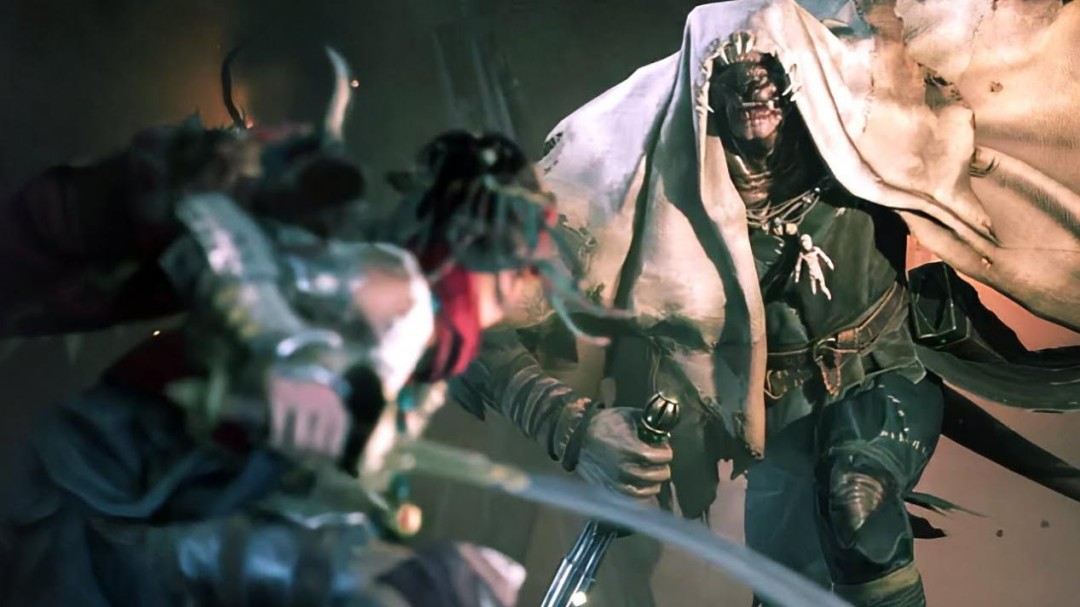
Q: The trailer for "Daba: Land of Water Marks" features many clips derived from real Tibetan culture. Please introduce in detail how the gameinwill present Tibetan cultural elements?
Feng Xun:The core of this project is to explore ethnic characteristics and mystery as its main direction. To this end, we conducted multiple field trips to Tibet, aiming to transform interesting cultural content into gaming experiences.
What we hope to present to global players is redesigned ethnic culture that combines aesthetics and distinctiveness. From this perspective, whether in gameplay design or extensive artistic creation, it stems from examining elements that existed, or even disappeared, in reality and cultural traditions. Highlights discovered during these examinations, such as masks, dances, music, including some instruments and weapons we attempt to integrate, will be carefully implanted into the game.
Q: In the past two years,The momentum of Chinese games rising is very strong. On one hand, we would like to understand the situation after the release of "Black MYTH - Steam Edition::Wukong" was released, changes in the number of domestic console game teams, and the resulting changes in revenue in the international market. On the other hand, is it still the right time to promote"China Star Project"good timing, could it bring some new hidden dangers?
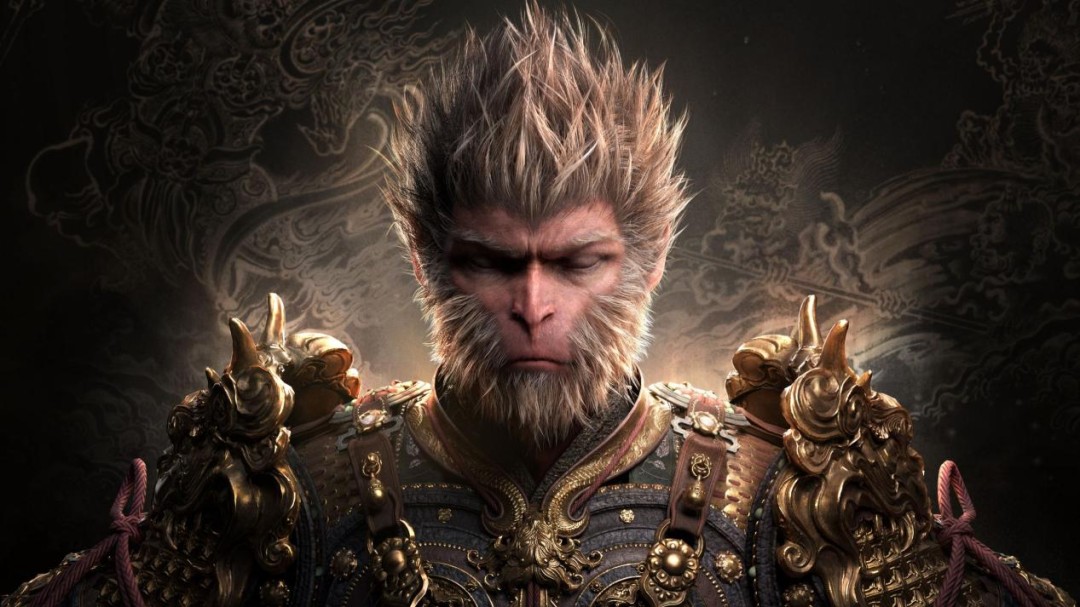
Bao Bo:"Black MYTH - Steam Edition: Wukong" indeed played a significant role. With a successful precedent, domestic player enthusiasm is high, but international players are not as familiar with Chinese games due to the insufficient number of products.
The next few years are crucial for the Chinese game industry. We have a successful precedent and need to prove the strength of Chinese development teams. In the past, Chinese developers had high skills but lacked normal investment and promotion, and international recognition was lacking. The situation has improved significantly now. The success of "Black MYTH - Steam Edition: Wukong" has raised expectations for Chinese developers.
The expansion of the "China Star Project" this time to further support Chinese developers is because we believe the past two years have been a critical window of opportunity for Chinese game quality to reach top international standards. The pioneers have done much work, paving the way for other teams.Sony"China Star Project"In addition to helping developers improve hardware capabilities and enhance game quality, it also conveys messages to the outside world through our brand. The projects we select all demonstrate strong potential. We will provide full support to these teams, not only helping them improve quality but also facilitating deep connections with overseas publishers and audiences.
China needs more development teams like Game Science. While the success of Black MYTH - Steam Edition: Wukong is impressive, other teams can also grow steadily. However, we must face the fact that game development is a arduous long-term project, and high-quality works usually require3to 5 years of polishing, which is a huge test for investors, developers, and publishers.
Q: Now,Chinagamesdevelopersare all aimed at the global market, and would like to know two points: first, what aspects need attention for global players during the development process, and what special operations andmeasuresfor optimization; second, what are the plans for future release and promotion after the game is completed, and what challenges are currently faced?
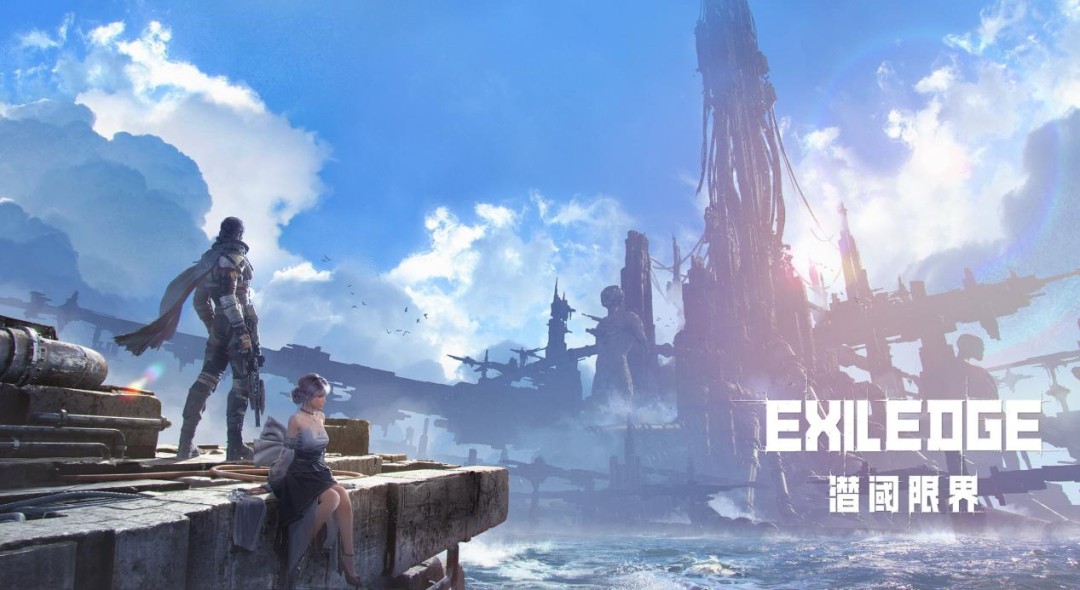
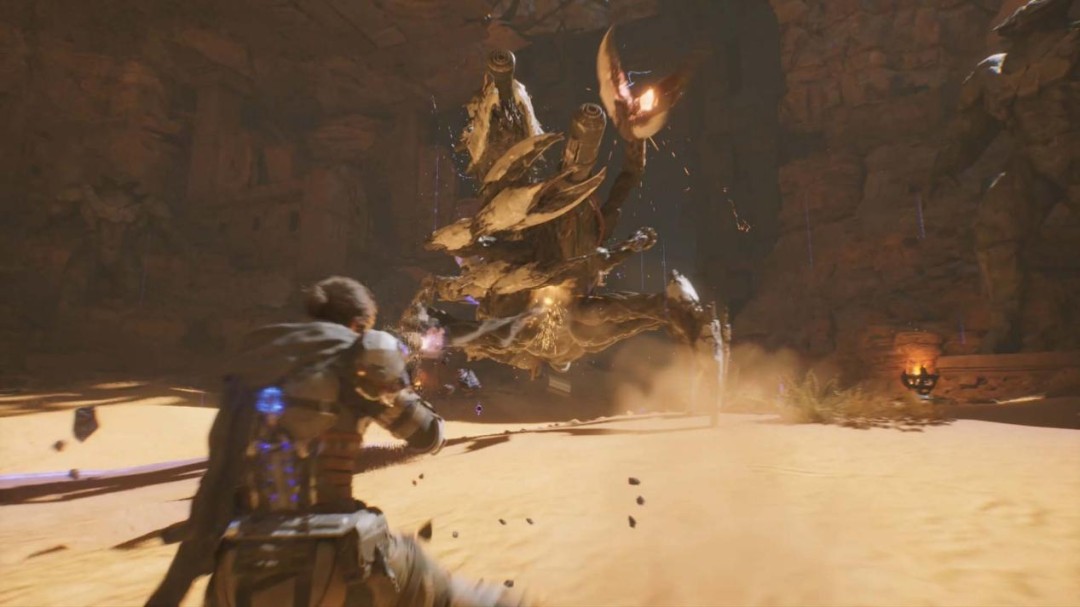
Xiao Xinchan:Media teachers have already seen our product before, and perhaps had questions about our theme selection. Actually, we were prepared for this.When we first communicated with SIE in 2021, they recognized our project partly for its product quality and partly because they saw potential for this theme in the overseas market.
From our own perspective, since the company's inception, we have hoped to break rigid cultural labels and bring more unique and cooler content to global players. Of course, as a Chinese team, we will definitely incorporate the core spirit of China into our works, which everyone can look forward to experiencing gradually through official content.
Bao Bo:The second part of your question involves publishing knowledge, so we can only discuss our plans.
First, we will ensure that all major international languages are translated, and we will provide multi-language voiceovers, covering both Chinese and foreign markets. In overseas markets, we have also found some strong allies—companies that are very powerful in overseas markets—and are preparing to start cooperating with us.
Regarding issues encountered during project development, the team behind Suzhou Mixia Digital Entertainment's Qianyu Limit has strong development potential and is one of the few high-quality game development teams in China with excellent execution capabilities and speed. I am very optimistic about the project team, and our cooperation has been very smooth. We have solved difficulties together during the collaboration process.
Xiao Xinchan: Our games will not only enter the global market but also further expand in the domestic market. Globally speaking, based on team characteristics, including myself, core members have development backgrounds and have participated in high-quality projects at major domestic and international companies. Therefore, in our development approach, we always guide with a global perspective—whether it's grasping current popular culture or applying cutting-edge technology, we consider it within a global context. For example, in the game design phase, we maintain collaborations with renowned individuals and teams overseas (including regions like India, Japan, Europe, and America), aiming to give our products a more universal international expression while incorporating Chinese cultural elements.
This approach can effectively make up for some shortcomings that Chinese developers may have. Many developers are experienced, but may expose obvious limitations when facing the global market due to being overly immersed in their own development logic. Through such a cooperation model, we can not only leverage the uniqueness of Chinese culture but also better adapt products to the global market, ultimately hoping to reflect this in sales figures.
Feng Xun:Our project has a long development cycle, and our cooperation with SIE has also lasted for a long time. The core reason for our smooth cooperation is the high alignment of our philosophies. We both hope to promote high-quality Chinese themes to the world, using international expressions to allow global players to understand and feel the real cultural highlights within.
China is a multi-ethnic country, and many cultures inherently carry a sense of mystery. The world today does not lack packaging, technology, and dissemination methods; what it lacks is core, interesting content. And these cultures are precisely the treasures we see as highly valuable. Over the years, our team has been exploring and practicing, striving to present them.
Many members of our team have rich international perspectives, and we believe that polishing products with such a perspective is the correct and effective direction.
Q:May I ask"China Hero Project"Does the project team have dedicated positions responsible for game investment?In addition,"China Hero Project"When screening products, do you focus more on the product itself or the development team?
Bao Bo:We do have dedicated positions for game investment. We are a more internationally oriented team, andcollaborating with other SIE investment teams.
Secondly, our selection criteria have remained unchanged. First, we conduct some investigations on the team, such as the experience of the core creative team and personnel composition, similar to due diligence for startup projects. At the same time, we examine the company's management situation, conducting rigorous checks on legal and financial aspects, which are standard practices in the investment field. Additionally,we will also conduct thorough background research within the industry. Second, after completing the background check, we will contact and communicate with the team, collecting all game materials to judge its market potential. During this process, we will use SWOT and other market analysis methods (analyzing strengths, weaknesses, threats, and opportunities) to have in-depth discussions with the team. Team conditions and product designs at a more technical level, will be evaluated by professionals, and the potential performance of the marketing team will also be taken into consideration.
Considering all factors, our core focus remains on the quality of the game itself: is it fun, visually appealing, and sonically pleasing? Overall, this is a fusion of investment, game development, publishing, and other elements, with game quality being the most important. Therefore, you can see that the games released under the "China Hero Project," especially those from Phase III, have strong vitality and continue to produce new content. However, judging the quality of high-end games early on is extremely difficult, and we will strive to be as accurate as possible.
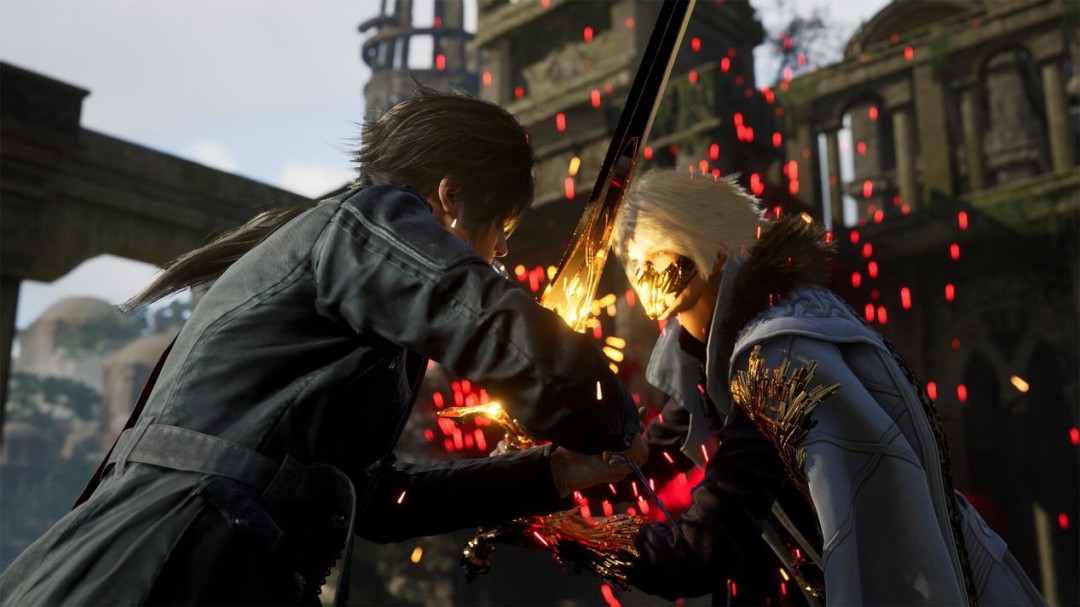
Q: Currently,Many game developers in China have chosen action games as their primary development direction, with many focusing on Soulslike action games.——As action game design concepts become increasingly homogeneous, do you think this genre has hit a core bottleneck?
Feng Xun:Everyone's understanding of"action" differs, and players' experience with action games also varies. For domestic games, the influence of Chinese culture has been continuously rising in recent years, with many works leaning towards exploring themes like knights-errant and martial arts, which is fundamentally different from previous action games. More and more teams are incorporating大量 Chinese elements and cultural connotations when making action games, which is precisely the advantage of Chinese culture. Just like the well-known wuxia films and Bruce Lee's action movies, they are all cultural symbols with huge international influence.
I believe that Chinese developers can definitely create world-class excellent works in the field of action games. Currently, only Chinese developers can create such rich, varied, and continuously evolving action games, and skillfully integrate these action elements into the core gameplay through design and iterative planning, which is particularly valuable.
Bao Bo:Teacher Feng usually practices Bajiquan and has a deep understanding of martial arts. Many of the motion captures for this game were done by Teacher Feng and his fellow disciples, so everyone can look forward to it.
Q: Chinese culture has a very broad meaning. Beyond the Four Great Classical Novels and wuxia, have you observed any niche cultures, such as Tibetan culture?oranime-style, etc.?
Bao Bo:There are indeed many themes related to Chinese culture. I have contacted a large number of projects and found that developers have their own unique understandings of how to spread Chinese culture through games. For example, wuxia elements, from kung fu films performed in the 60s and 70s, to Jackie Chan's movies in the 90s, and even now, have remained popular.
Regarding the expression of Chinese culture, the "China Hero Project" team also frequently discusses internally—We believe"As long as it's a game made by Chinese people, it carries Chinese stories." This might differ from some固有认知. For example,,Chinese people like to emphasize the spirit of knights-errant. Even in sci-fi or fantasy worldviews, they often shapecharacters like "sci-fi knights-errant," telling stories with very positive values.
In my view, as long as developers put their heart into creating themes they are truly passionate about, they are promoting Chinese culture. Whether the game is sold in Latin America or North America, when players know it's made by Chinese developers, they will naturally pay attention to its differences from Western games, which are quite significant.
I often compare domestic and overseas works, and also withSIE's other regional initiatives like "India Hero Project" and "Middle East & North Africa Hero Project"project exchanges, we found that Chinese developers' theme selections are actually very diverse. This benefits from China's long historical accumulation: some projects are adapted from specific historical periods, some construct fictional worlds, and others combine reality with sci-fi themes, offering a rich variety. Therefore, I am very optimistic about thematic innovation in Chinese games.
Q:"China Hero Project" After so many years, many works have been released,have received varying degrees of market recognition——From your perspective, how do you understand domestic market preferences for games or user profiles??will affect your subsequentSony"China Hero Project"the mindset for selecting games?
Bao Bo:In recent years, we have been conducting market research and communicating with numerous development teams, during which we have made some truly shocking discoveries. Chinese gamers have very high standards, such as their attention to audio-visual experiences, graphics, sound effects, and other details far exceeding expectations—many works receive a high proportion of such feedback in community reviews after release. For example, users also have strict requirements for Chinese voice acting.
This change in user demand has indeed affected our work, leading to corresponding adjustments in Everythinggj from publishing preparations to project direction planning. Additionally, we found that users' requirements for narrative are also increasing, with high attention paid to the game's story background and world-building, demanding thorough polishing. Therefore, we explicitly make such requirements for the projects we invest in and offer relevant suggestions to other teams.
The Chinese market is now one of the top gaming markets globally. Developers in the "China Hero Project" must respect and understand the domestic market and strive to provide the best experience for users. Teams cannot cut corners on details like voice acting just because they are small.
Actually, we have learned a lot from the changes in preferences of Chinese users. We also know that Chinese users now like to play high-quality games, which is both a challenge and an opportunity.
Q:For novice teams just starting their development journey,inWith high-spec games emerging endlessly in China, do you have any suggestions?
A:First, you must learn professional knowledge. Especially for enthusiastic young people, pay attention to learning knowledge in professional fields—game development is a combination of art and technology, and there is a lot of software development knowledge that must be learned.
Secondly, to make games, you must play many games. Games have many potential rules, and you can learn a lot from good game works.
Thirdly, try not to attempt to do Everythinggj yourself. Learn to find partners and collaborate with experts, rather than trying to do Everythinggj on your own. In this era, the game industry has very fine divisions of labor. A team of dozens of people actually works together in an organic combination.
Q: For domestic games to break through in the international market now, they need gameplay and trend logic that resonate with global players, but without losing local texture and tension. As"China Hero Project"platform, how would you guide development teams to balance the subtle relationship between cultural export and global universality?
Bao Bo:We have also discussed this issue internally, and our conclusion is that we should respect the developers' expressions as much as possible. However, we do have some mandatory requirements, such as ensuring the translation is understandable—what does understandable mean? The translation must be good, the animations must be on point, and it must allow others to understand what you are doing.
Firstly, Chinese culture is not that difficult to understand. For example, you may have played God of War or other similar titles. After playing these games, you gain a certain understanding of Norse mythology. Similarly, we believe spreading Chinese culture abroad is not that difficult, but localization must be done well, with accurate translations and explanations.
Secondly, when we promote and distribute externally, we must clearly explain to users what the game is about.
Thirdly, we hope to enable these projects to positively compare similarities and differences with internationally popular games, extract the advantages of similar projects, and polish their own original highlights. Everyone should be confident, and while maintaining cultural confidence, improve quality.
Q: Phase IV"China Hero Project"emphasized providing technical support. Actually,manyinvestment teamallmentionedaphenomenon,isAs investors, in publishingaspects—including funding, connections, and promotionetc.many areas,can provide help, but they cannot assist when teams encounter specific technical issues..May I ask,Regardingthis partthe "China Star Project"How was ithandled?
Bao Bo:I have roughly done19 years of game development, and I've been involved with games for 21 years. No one in the gaming industry is an expert in every field. As mentioned in my previous answer, don't force things. In such cases, even when leveraging the platform's existing capabilities, connections, and insights, it can still be difficult to find certain talent. This requires knowing more friends and teams at the development level.
Of course, we first analyze the strengths and weaknesses of the team to identify areas that need improvement—For example, if it involves sound effects, we need to bring inAAA workflow, very professionallyto handle it. We also analyze costs and talent allocation with the team, seeking professional teams outside the company, such as Virtuos,RichTap. However, the development team itself must learn how to collaborate with different teams.
The dilemma faced by investors that you mentioned has long existed in this industry and is a common issue across the global gaming sector. How can it be resolved? The answer lies in having professionals handle professional tasks. Who can help them solve this problem? Should investment teams bring in such experts, or should they collaborate withPlayStation collaboration, these are allfeasible solutions.
We can ask Teacher Tian Li to introduce a few examples.
Tian Li:There may be a background to the current development environment where developers face a dilemma: the market demands that your product has highlights while having no shortcomings. On the other hand, given the scale of development teams, the entire game pipeline has become extremely complex. With teams of hundreds or even thousands of people, it's hard to say that there are corresponding experts in every aspect. Therefore, you need to find the right experts to help you early on. This is easier said than done, but what is the most common mistake developers make? Many developers tend to be introverted and prefer to handle things themselves. This requires a slight shift in mindset for development teams, realizing that external expert help is needed at certain points and actively seeking it out earlier. It's important to know who the experts are in various fields within the industry. You don't need deep involvement or significant costs to maintain these relationships; just knowing where they are is enough. If you're willing, you can engage in deeper exchanges of opinions with them earlier on, and naturally, you'll realize you should seek out such individuals rather than tackling Everythinggj alone. Mr. Feng might resonate with this as well.
Feng Xun:I feel particularly strongly about this issue. When collaborating with Mr. Bao, the deepest impression I had was that we all come from development backgrounds. We each have our specific roles and areas of expertise.introverts, developing in isolation without paying attention to outside affairs. Collaborating withCollaboration with the "China Star Project" provides us with a lot of information and assistance in this regard—for example,Currently, the most important aspect is the overall game structure, narrative framework, including sound effects,UI presentation, we introduced international teams like Creative Team for collaboration, communication, and training. As you both mentioned, not everyone is an expert in every area. More professional individuals must participate in the project to elevate it overall. This has been an important factor in the healthy development of Chinese games in recent years, because as an industrial product, games require balanced industrial development, with improvements in all aspects to ensure health.
Q:the "China Star Project"Now in its fourth phase, are there any fixed standards or converging aesthetics in selecting game team types??diversity of selected titles, gameplay, and categoriesetc.,how do you balance this?Additionally, like"Daba: Land of Water Marks"works with strong cultural attributes like this,how do you ensure the international market accepts it?
Bao Bo:The first question is very important, and we are indeed trying to avoid rigidity. Our selection criteria form a highly complex system, and evaluating a game project can take up to two years before final selection is confirmed.
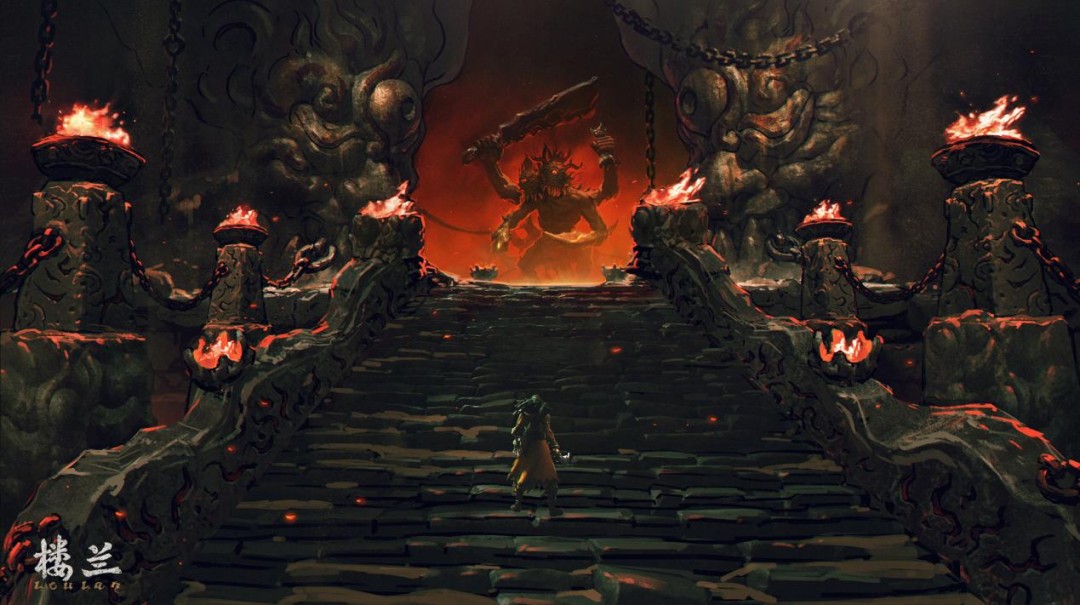
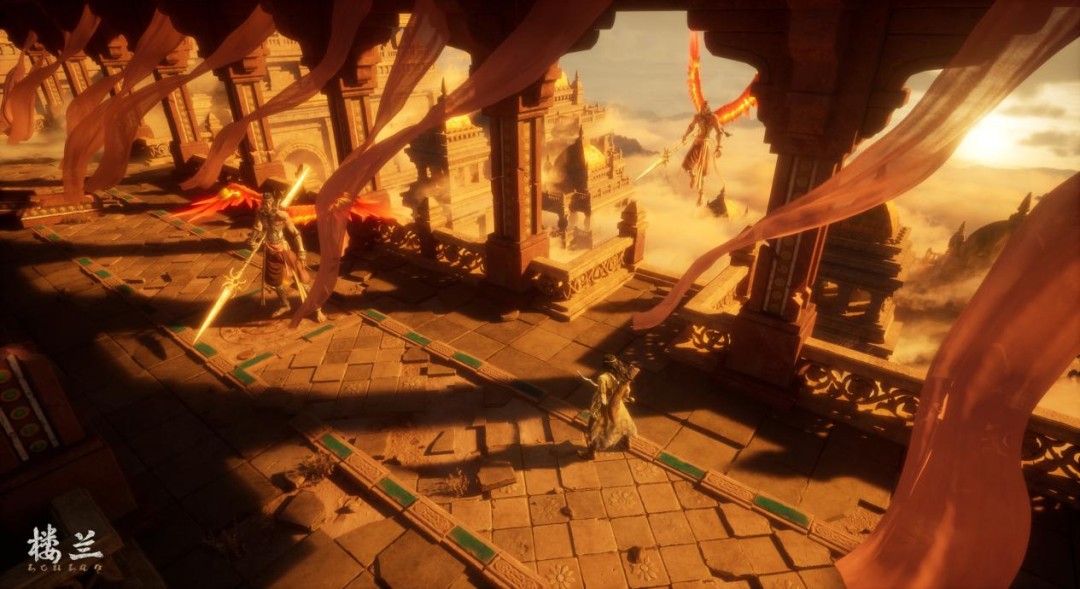
We place no restrictions on game genres whatsoever. We focus solely on the quality of the game, its future potential, and whether it is fun to play. In fact, there aren't many distinct game genres globally. This year is another big year for action games, with genres becoming increasingly similar. The projects in the "China Star Project" vary greatly in type: we have side-scrollers, top-down views, and shooting games—such as "Subthreshold Limit." "Daba: Land of Water Marks" is a Souls-like action game that incorporates many Chinese cultural elements, making it quite unique. Later, we selected "Loulan," which is another top-down game featuring characteristics of the Xinjiang region. The game selections for the "China Star Project" are indeed very diverse.
Additionally, we select from submitted works. Since Souls-like games are currently very popular, we receive more submissions of this type, so the selected works are likely to include more of this genre. The "China Star Project" strives to avoid rigidity; at least during the third phase selection, we have not become rigid.
Feng Xun:Themes like those from Tibetan regions, or interesting aspects of China that are historical, strongly ethnic, and visually appealing, represent indelible highlights of human civilization. In the international market, I believe many people will be very interested in such cultural content. Starting from this point, we use our unique language to package it, present it from a gaming perspective, and interpret this culture through gameplay, sound, color, and shape designs, highlighting these outstanding and interesting points. Tibetan culture and ethnic elements are the focus of our game and its greatest feature.
Q: In mytheyunderstanding,the "China Star Project"The second phase focused more on small and medium-sized development teams, while the third phase saw more works from experienced teams and producers.,CurrentlyNow entering its fourth phase, how will the direction and positioning differ from the previous three phases?
Bao Bo:Our evaluation of teams still prioritizes game quality first, with the team itself coming second. The "China Star Project" aims to bring more outstanding and top-tier works to a wider audience. Some exceptional titles may not have the largest budgets, but high-budget projects generally maintain a certain level of quality. We are currently striving to find a balance between game quality and investment scale, respecting development teams and helping them maximize their games' potential and raise their ceiling, while also ensuring strong performance both domestically and globally.
Under these circumstances, the main reason why the selection process for the third and fourth phases of the "China Star Project" differs from the second phase is that we found even experienced teams struggle to achieve success.difficult.PlayStation also has suitable resources to help them and is willing to assist in their growth,to establish a foothold.
The "China Star Project" hopes that some works will achieve a certain level of success both in China and overseas. We strive to impart this knowledge to teams that are receptive and willing to listen to different opinions. We also engage with more independent teams, and some have been selected.
Essentially, there isn't much difference between the first and second phases and the third and fourth phases of the "China Star Project"; both aim to support local game developers. For the fourth phase, we hope to catch the trend of high-quality games in China and showcase better works to players in China and around the world.
As for team size, we don't focus heavily on that—we assess team capabilities. Our primary focus remains on the game itself. Once the game meets our standards, proving to be playable, enjoyable, and offering certain pleasures, we conduct precise research into other elements to determine whether the project qualifies for the "China Star Project."
Q: Regarding the investment issue mentioned earlier, what is the main role of Sony Interactive Entertainment's investment for development teams? Is it primarily about funding,or brand significance?What kind of investment is this??the "China Star Project"make investments,what do you hope to gain?
Bao Bo:That's a good question. Currently, in China, we adopt project-based investment—we only invest in projects, not considering factors like branding.