

Over the past two years, we've written quite a few articles about AI. From the sudden emergence of ChatGPT to the impressive debut of the domestic large model DeepSeek, from people initially using AI to generate risqué images to now being able to create hyper-realistic "pseudo-human" short videos based on prompts. It's undeniable that AI technology has developed at an astonishing pace across various fields in these two years. Besides worrying about how long it will take for AI to replace my writing job, as a gamer, I've also been curious: if we apply today's popular AI technologies to game development, could it usher electronic gaming into a new era?
"Mimic Hunt" is a multiplayer cooperative survival horror game attempting exactly this. Of course, it isn't autonomously generated by AI. Instead, the development team added an AI intelligent enemy called the "Mimic" to the traditional framework of cooperative survival horror games. Unlike previous AI enemies in games that simply follow preset programs, the "Mimic's" biggest feature is its ability to observe and learn autonomously. It transforms into player-controlled characters, mimicking player behavior to destroy trust among players, creating a more eerie and bizarre cooperative adventure atmosphere compared to other horror games.
However, what was described above represents how the game should ideally present itself according to the developers. After trying several rounds with two friends in multiplayer, my evaluation is that there might indeed be a significant gap between ideal and reality in this title.
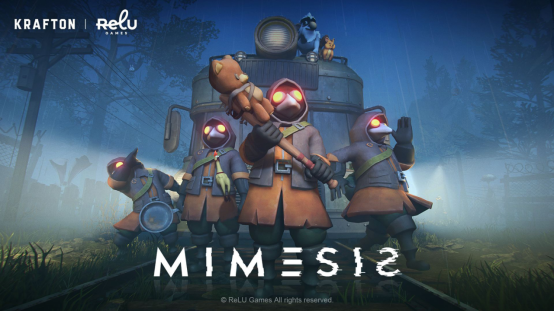
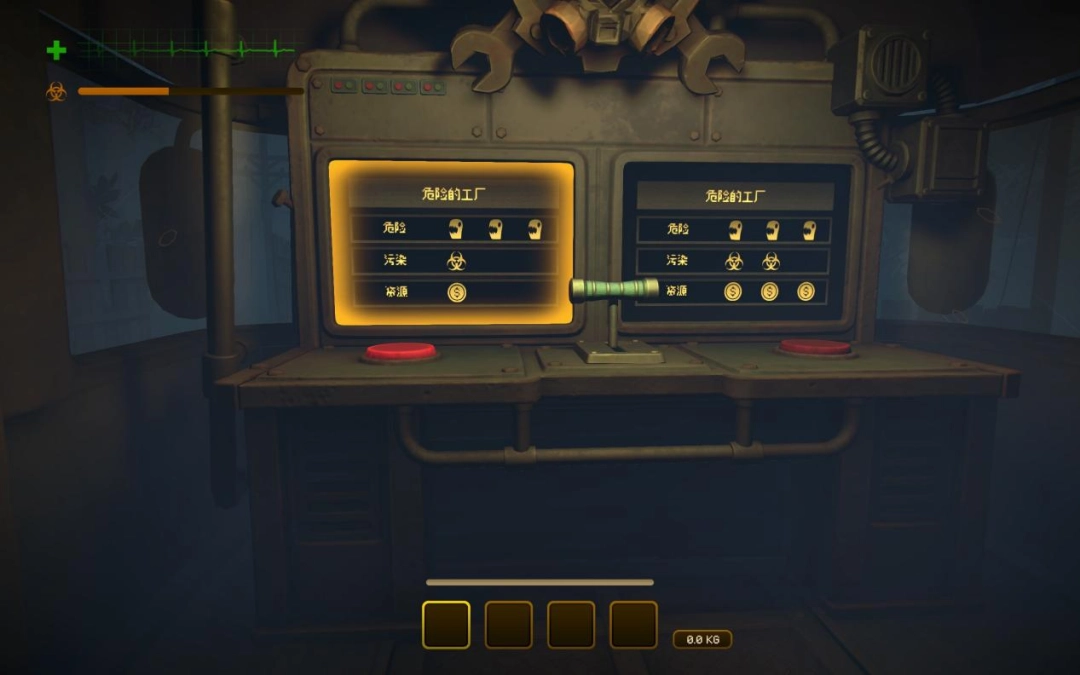
The basic gameplay of "Mimic Hunt" resembles "Lethal Company," which was hugely popular a couple of years ago. Players need to take a tram to different maps to explore and scavenge for junk, avoiding roaming monsters while carrying limited loads of trash out of the map to exchange for money. This money is used to repair the tram, buy props and weapons, and then continue challenging harder levels. Two factors threaten player characters' lives in each map: one is the accumulating radiation value, which requires purchasing antidotes within the map to reduce; the other is the AI enemy "Mimic" mentioned earlier. Their numbers vary per map, and their appearances and abilities differ each time—Boxer Rabbits have high health and durability, White-Haired Great Apes ambush and forcibly drag you away from teammates, and Little Squirrels latch onto your face like Facehuggers from "Alien," slowly dealing damage and blocking your vision.
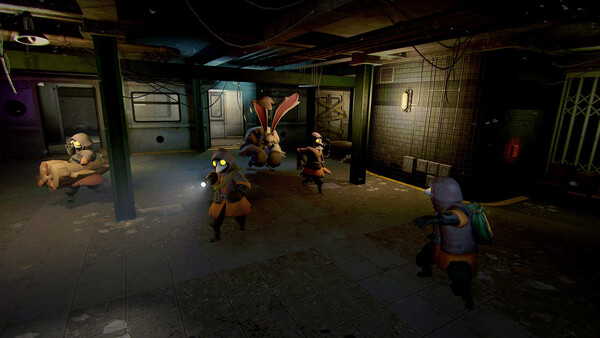
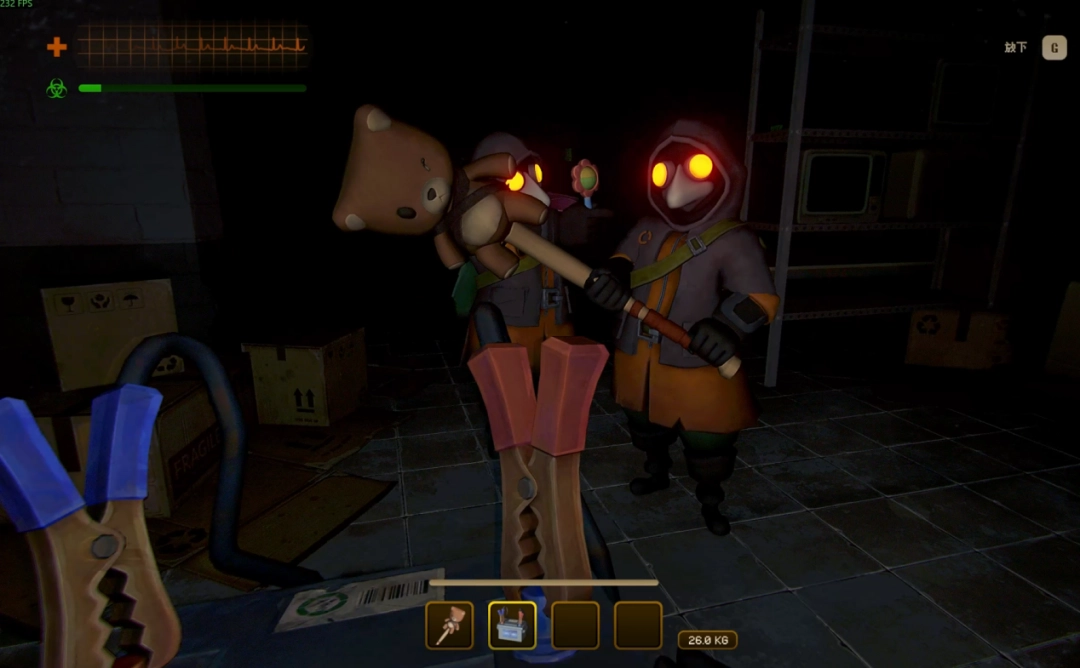
Apart from these specific forms, the most common appearance of the "Mimic" is impersonating your teammates. It holds the same items and can even mimic their voices to confuse you, making it difficult to distinguish whether it's a real person or a pseudo-human.
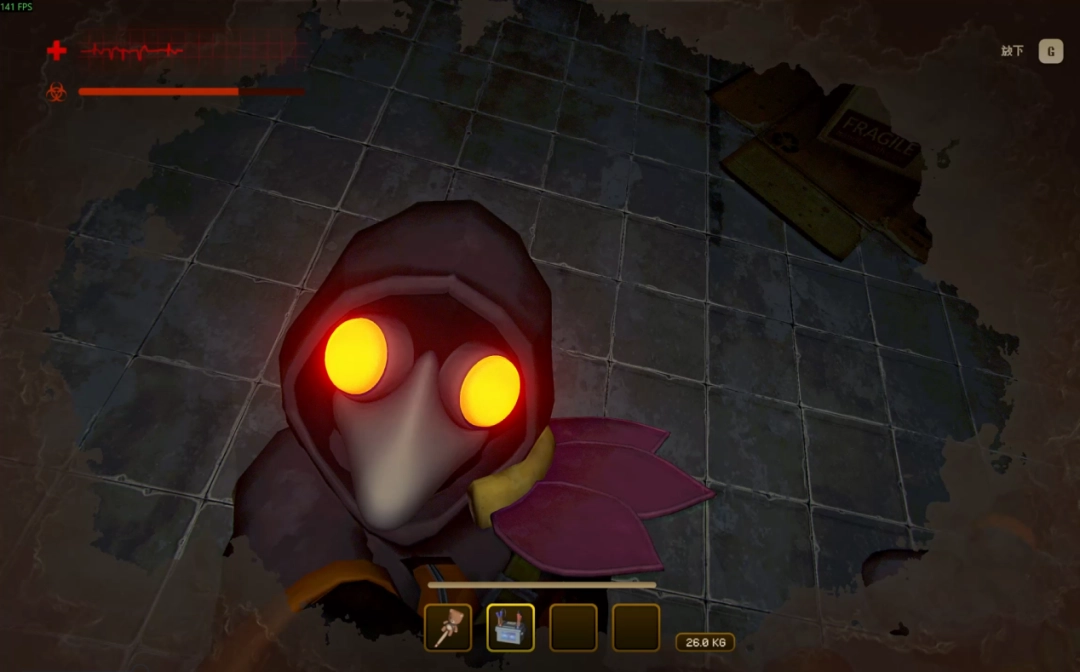
But as mentioned at the beginning, this gameplay mechanic of identifying "pseudo-humans" among teammates performs far worse in actual play than the development team had envisioned.
The core issue lies in the fact that the "Mimic" doesn't truly demonstrate much "intelligence" in-game. Although it can transform into the same character as the player, aside from launching direct attacks upon appearance, it exhibits no other random behaviors. So, when you notice your teammate approaching you with a weapon for no apparent reason, it's highly likely to be the "Mimic."
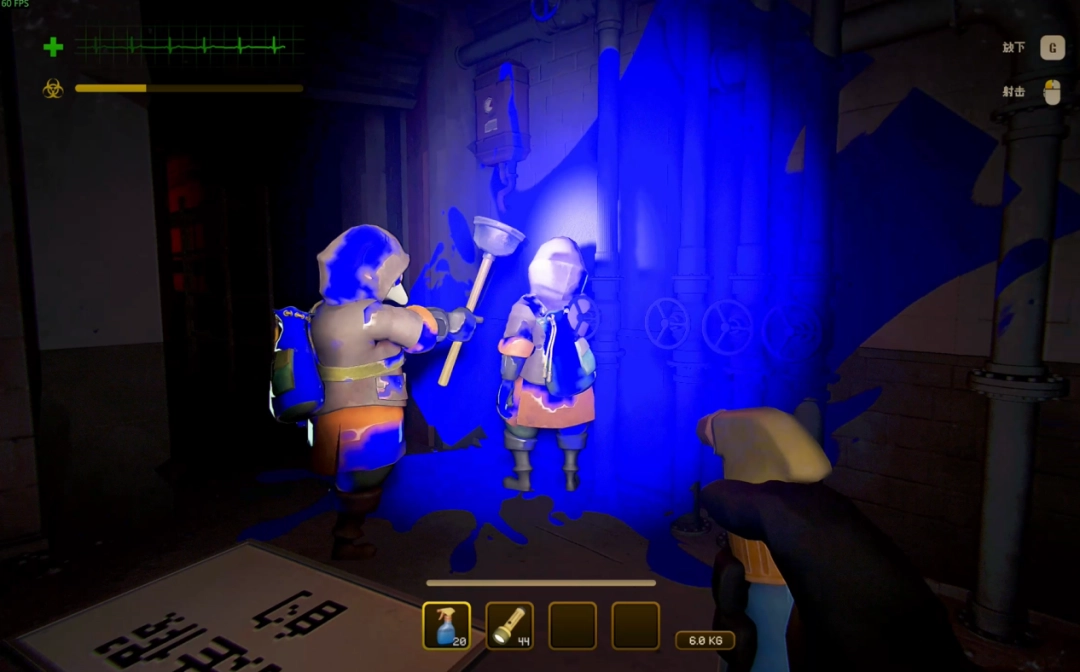
An easier way to identify the "Mimic" is by listening to its voice. Although the "Mimic" can mimic player voices, essentially, it just replays previous conversations from in-game voice chats rather than autonomously generating new speech based on players' voiceprints. This breaks immersion significantly. When you encounter a "pseudo-human" in-game, its disguise is superficial, merely repeating what you and your teammates said earlier. Listening for just a moment reveals something off. Especially when playing with friends, there were instances where a teammate encountered three versions of my "pseudo-human." Allegedly, they kept repeating my profanity-laden phrases from voice chat right next to his ear, amounting to mental pollution.
Beyond that, the overall experience of "Mimic Hunt" actually has quite a few minor issues to pick at.
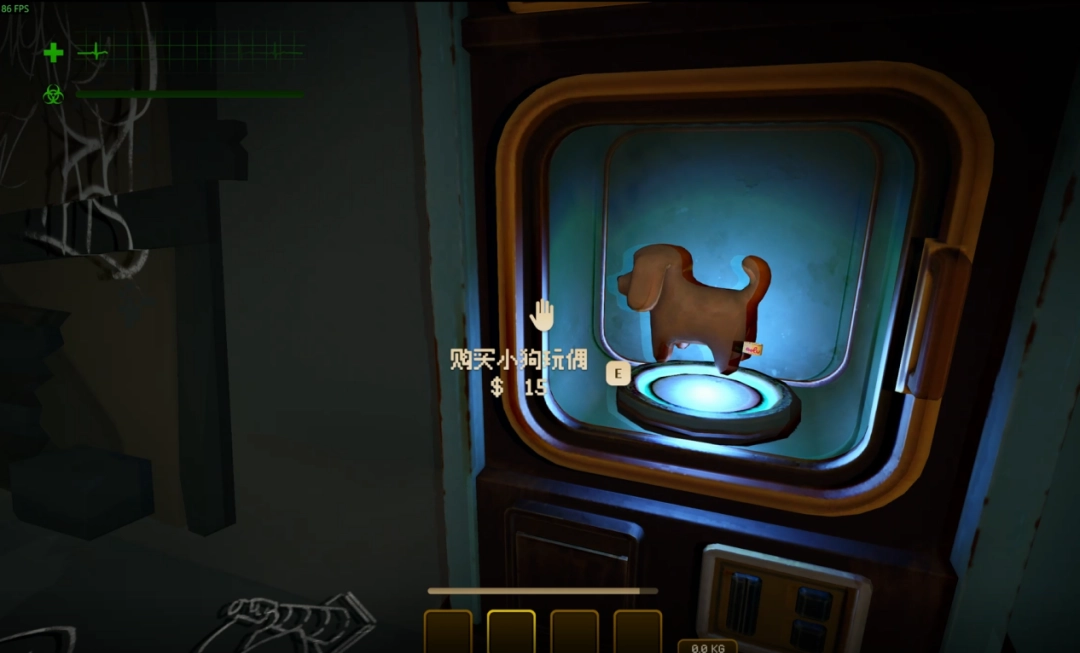
Firstly, the game lacks a basic tutorial or sufficient gameplay guidance to help players get started. When I first entered the game, although I understood the system provided some initial funds to purchase items, I didn't know the purpose of each item, nor how to earn money for repairing the tram, which is the core objective for progressing through levels. After entering the map, I didn't know how to bring collected items out for sale, nor did I realize that posters on the tram indicated that bringing out specified items would double their value... In short, almost all gameplay rules require players to figure out themselves during play. I can understand that the development team intended to create an initial horror atmosphere through uncertainty, but bluntly speaking, the game currently looks too much like an unfinished product.
The level maps contribute similarly to this feeling. Although they are randomly generated each time, the heavy reuse of scene assets means players will likely find that each new room looks basically the same as previous ones. Combined with limited player vision and dimly lit environments, venturing deeper into the map makes it extremely easy to get lost. The game lacks both a minimap and clear directional guidance; the only item available for navigation is a compass purchasable before entering the level, but it only points roughly toward the exit. Figuring out how to escape the maze relies entirely on players exploring and relying on luck. This design is tolerable in early levels with fewer enemies, but becomes torturous in later stages when radiation levels rise and monsters increase. Although character death doesn't incur harsh penalties, repeating similar processes without clear positive feedback easily leads to feelings of boredom and dullness.
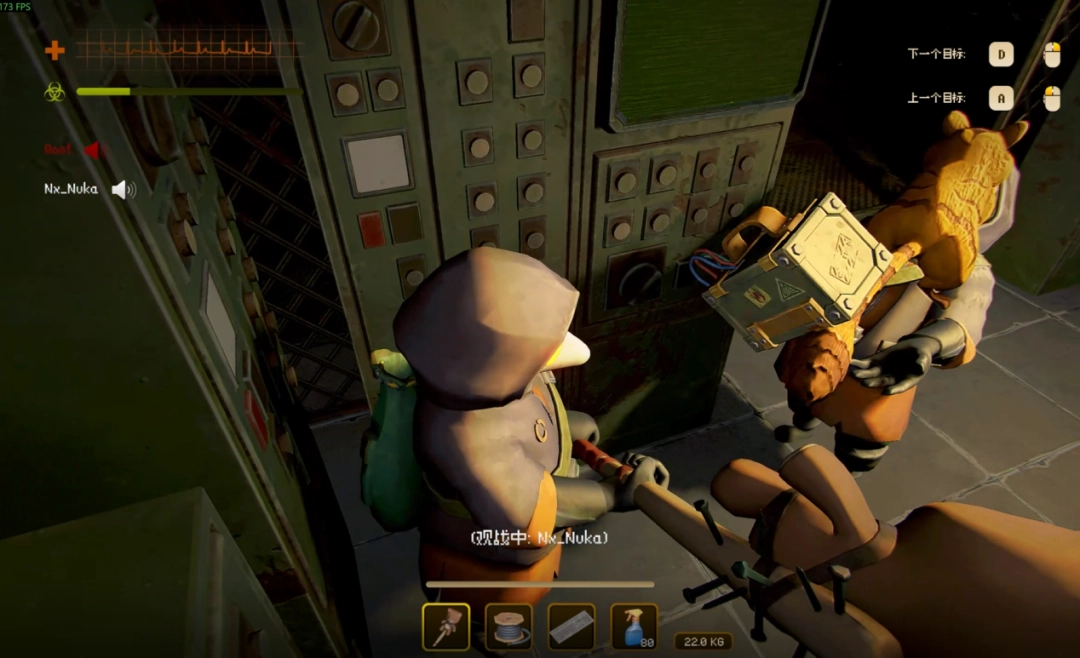
As for the few merits worth acknowledging in this demo, it's probably the atmosphere during multiplayer sessions, which is indeed quite fun. For instance, two friends who played with me included one horror movie master and another who couldn't tolerate any horror elements at all. Bringing them together to play this survival horror game, which doesn't require much skill, created great entertainment value. However, this entertainment mostly stemmed from the timid friend getting jump-scared by the Mimic, or us teaming up to prank this not-so-smart AI, having little to do with how fun the game itself actually is.
Therefore, "Mimic Hunt" currently feels more like an experimental work. Its completion level is not high, the gameplay content is not rich, and it lacks a clear goal to keep players engaged. Furthermore, the "Mimic" AI, which serves as the game's core feature, isn't as intelligent as anticipated. While I acknowledge the necessity of such attempts, experiencing the truly disruptive changes AI might bring to the gaming industry may still be premature.
Of course, if you're just looking for a survival horror game to kill time with friends, "Mimic Hunt" is still a considerable option—after all, encountering your own "pseudo-human" in-game is indeed a novel experience.