

Last year, just as The Legend of Heroes: Trails through Daybreak - Farewell, Zemuria - (hereinafter referred to as "Daybreak") entered its promotional cycle, Nintendo unexpectedly announced The Legend of Heroes: Trails in the Sky the 1st during a Direct presentation. This news was not only a surprise for Falcom fans but also caused some shock within Falcom itself—according to President Kondo, Falcom was also unaware that the game would be announced at that time.
Thus, at the subsequent "Daybreak" Asian media event, although it didn't steal the spotlight entirely, the "Trails in the Sky Remake" still took up some of the event's time. After all, everyone knows what "Trails in the Sky" means to Falcom.
A year later, we were once again invited by Clouded Leopard Entertainment to Tokyo, Japan, to attend an offline event jointly hosted by Falcom and Clouded Leopard Entertainment. This time, the spotlight was on The Legend of Heroes: Trails in the Sky the 1st. We not only had extensive discussions but also got to try out parts of the game.
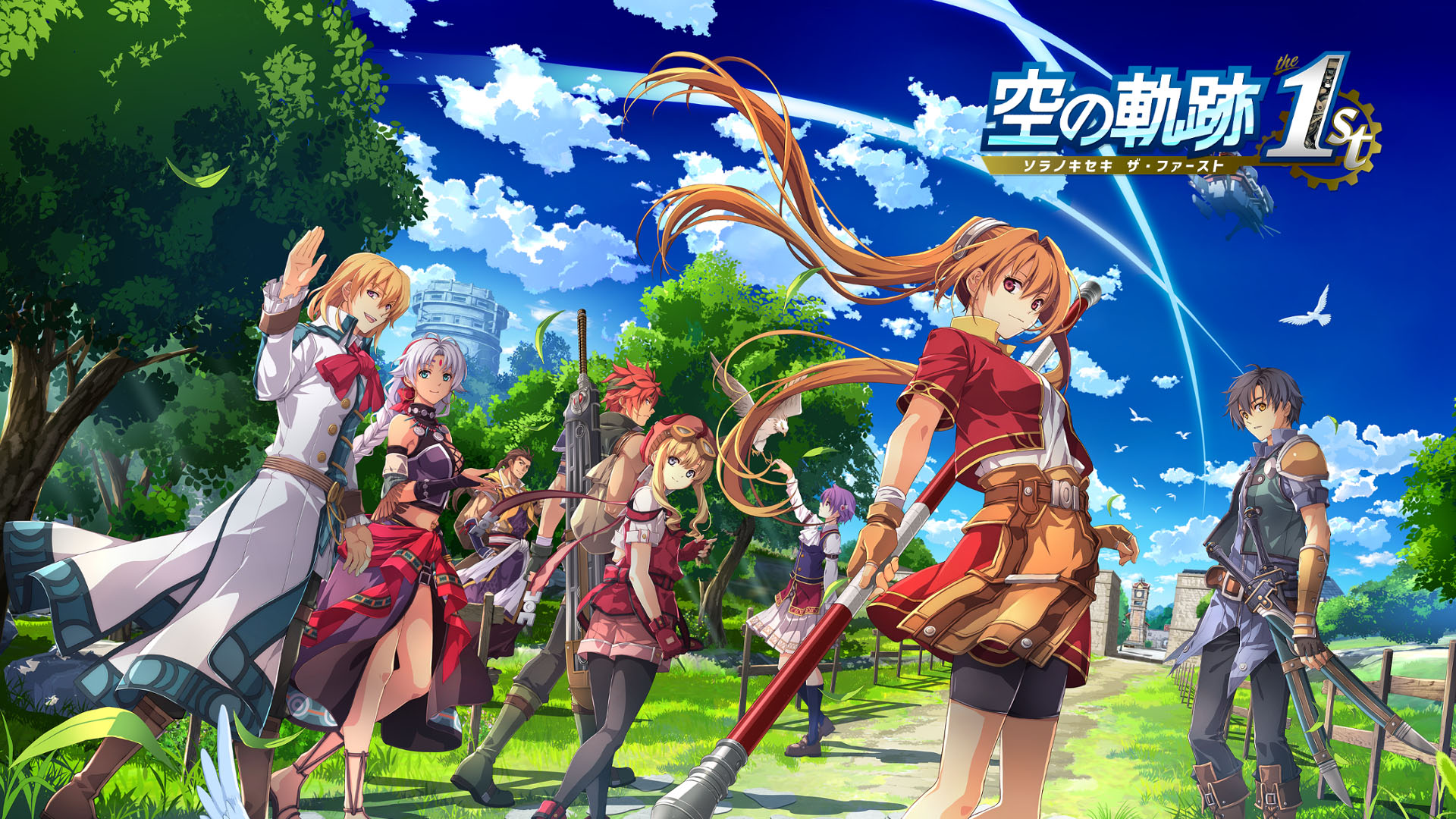
We played through the opening part of the game. But before diving into the specific content, I want to share a few small design details, which may help in understanding the tone of this work.
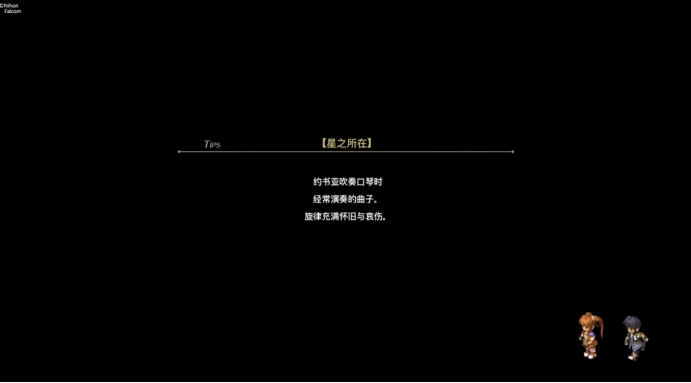
First, worth mentioning is the loading screen. The Legend of Heroes: Trails in the Sky the 1st adds chibi three-headed figures in the bottom right corner, which change according to the current party members. Of course, this is nothing remarkable—setting chibi characters on loading screens is a fairly common design in the JRPG genre.
The highlight lies in the characters themselves. Long-time fans of the "Trails" series will surely be familiar with the chibi sprites here; they are the character models from the "Trails in the Sky FC" era—the iconic modeling style of the "Trails" series from that period.
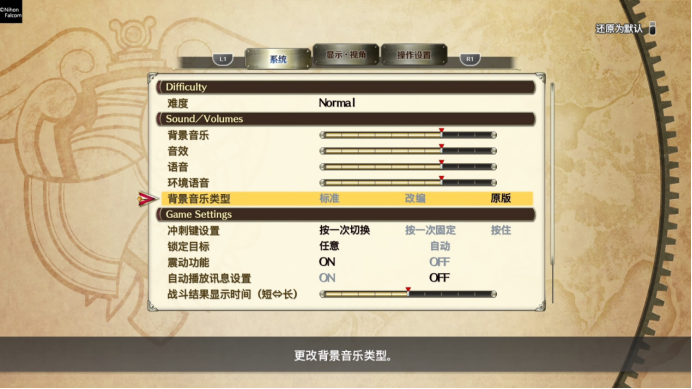
Furthermore, by opening the game settings, you will find that The Legend of Heroes: Trails in the Sky the 1st offers various background music options, allowing players to flexibly choose between new arrangements or the original soundtrack.
Do not underestimate this seemingly obvious design. In fact, among various "remasters" or "remakes" in recent years, there are quite a few titles that do not allow changes to the music type. Most only let players choose rearranged tracks, ignoring the needs of players who have nostalgia for the originals. This isn't stubbornness from a bygone era, but rather memories that have truly settled over time.
The reason for discussing these "trivial" details is to show you that although The Legend of Heroes: Trails in the Sky the 1st bears the responsibility of attracting new players for Falcom, it has not neglected the needs of long-time series fans. Even if these designs don't have much substantial impact, they serve as proof of the developers' attitude.
Well, let's get back to the demo content itself. Unlike recent "Trails" series titles, The Legend of Heroes: Trails in the Sky the 1st features brighter and more vibrant colors, with richer and more exaggerated character expressions. This better suits the style of "Trails in the Sky"—at least, I quite like it. After all, compared to the earth-shattering events in the later parts of the series, the story of "Trails in the Sky" has more of a "gentle stream" feel.
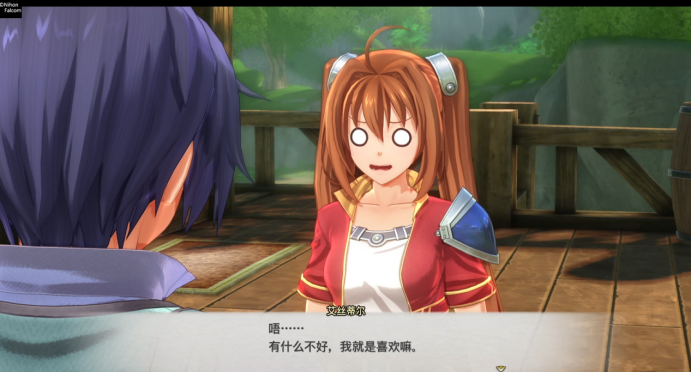
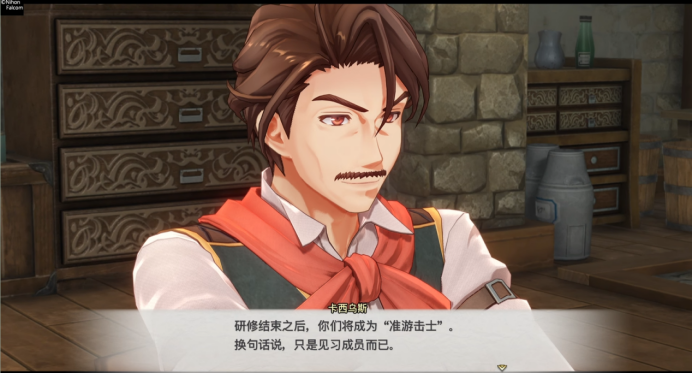
Unfortunately, since the demo covered the beginning of the game, the specific development of the plot remains unknown. However, it is certain that the opening storyline is almost identical to the original "Trails in the Sky FC," with the addition of many user-friendly designs that make various elements clearer than in the original game.
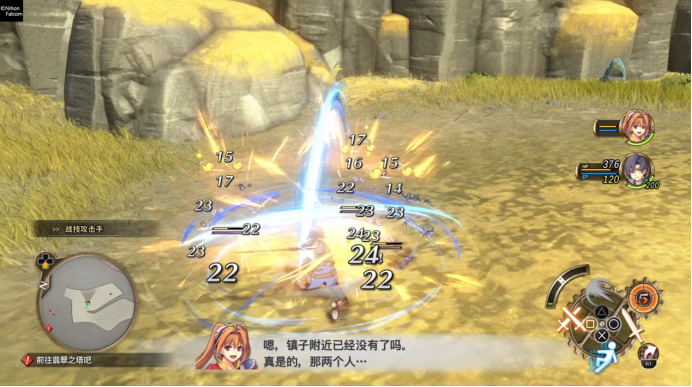
More noteworthy than the story is the game's combat system. Unlike the pure turn-based combat of the original "Trails in the Sky FC," The Legend of Heroes: Trails in the Sky the 1st adopts the seamless switching combat system that has been used since The Legend of Heroes: Kuro no Kiseki (hereinafter referred to as "Kuro no Kiseki").
I won't go into detail about the general framework of this system here—the seamless switching between real-time and turn-based combat should be familiar to series fans. However, it needs to be clarified that the combat system designs for both the real-time and turn-based portions have undergone some changes in this title.
In the real-time portion, compared to last year's "Daybreak," The Legend of Heroes: Trails in the Sky the 1st features simpler controls. It does not include complex mechanics like "Quick Magic" or "Interleaved Charge Attacks," but instead consists of basic actions such as "Attack," "Arts/Crafts," and "Evade." The overall experience is closer to "Kuro no Kiseki," making it very accessible for new players.
As for the turn-based portion, this game actually follows the path of The Legend of Heroes: Trails of Cold Steel (hereinafter referred to as "Cold Steel"). It avoids overly complex designs, focusing instead on "Pursuit" and "Chain" battles centered around points, which doesn't present a high barrier to understanding. However, although this game features "Brave Points" like "Cold Steel," the "Brave Order" system did not appear in the demo portion, so its presence will need to be confirmed in the full release.
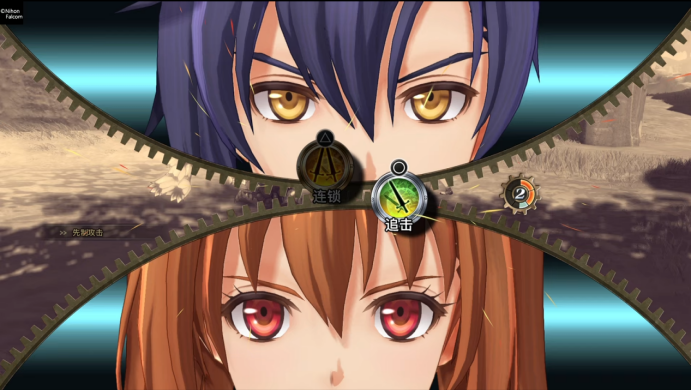
It is easy to see that The Legend of Heroes Trails in the Sky the 1st》's combat system design is more oriented towards new players—some systems have been deliberately streamlined, but it did not choose to retain pure turn-based combat. In an era where gaming pace is accelerating, this is a good choice.
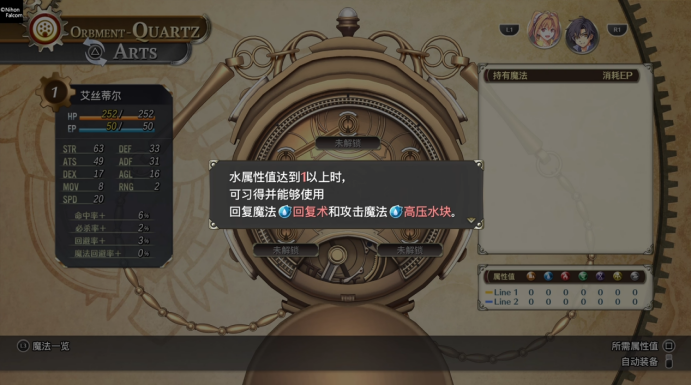
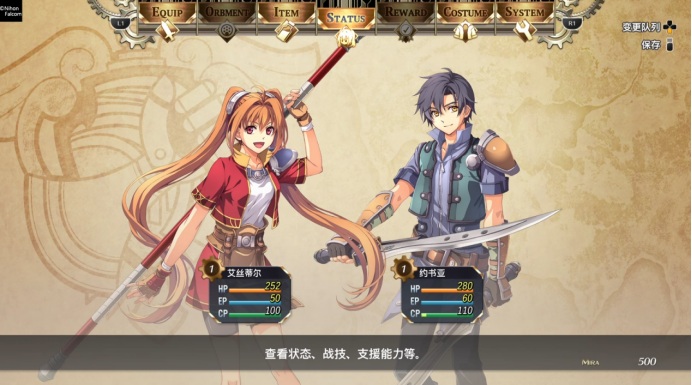
Regarding character progression, the classic Orbment quartz setup makes a return. Unlike the compromise in "Kuro no Kiseki" where quartz setups influenced special effects, The Legend of Heroes: Trails in the Sky the 1st retains the classic design where quartz attributes are linked to spells. This allows old players to once again achieve the familiar strategy of "crafting powerful spells early on." In fact, Falcom has been contemplating how to bring back the true orbment system in recent years. The system in "Cold Steel" was too simple, while the one in "Kuro no Kiseki" lacked a certain flavor. Balancing the needs of new and old players is no easy task, and The Legend of Heroes: Trails in the Sky the 1st clearly presents a good opportunity for this.
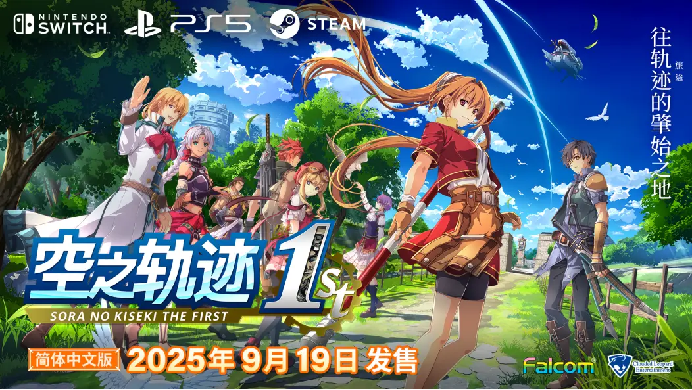
How good is this opportunity? So good that it caters to both new and old players not only within the game but also maximizes accessibility outside of it. Through the joint efforts of Clouded Leopard Entertainment and Falcom, The Legend of Heroes: Trails in the Sky the 1st not only achieved a simultaneous Chinese version release but even included a Simplified Chinese version. For the "Trails" series, this had been merely a luxury for quite a long time.
At the same time, this game has achieved a groundbreaking multi-platform simultaneous release. In addition to the PlayStation platform, Switch and PC versions will also be released simultaneously. This is undoubtedly the best news for a significant portion of domestic series players who are accustomed to "delayed gameplay."
Of course, as I mentioned earlier, although it is nominally a "remake," there are still many unknowns about this title. However, the answers to these questions will be revealed in the full game. Based on this demo, we can preliminarily judge that The Legend of Heroes: Trails in the Sky the 1st is Falcom's most dedicated work in recent years.
And this might be more valuable than how specifically any system is implemented.