

Recent new games seem trapped in a vicious cycle, especially card games. They compete fiercely by constantly raising production standards, piling on story, animation, and other content, yet their gameplay still follows the old path of stat inflation. The path dependency of prioritizing visuals over gameplay has led to highly homogeneous gameplay types and progression models, causing player aesthetic fatigue.
In contrast, players are eager to see new premium card games focused on gameplay, like Balatro or Slay the Spire. However, this demand has largely gone unmet, leaving many card enthusiasts hungry for quality content.
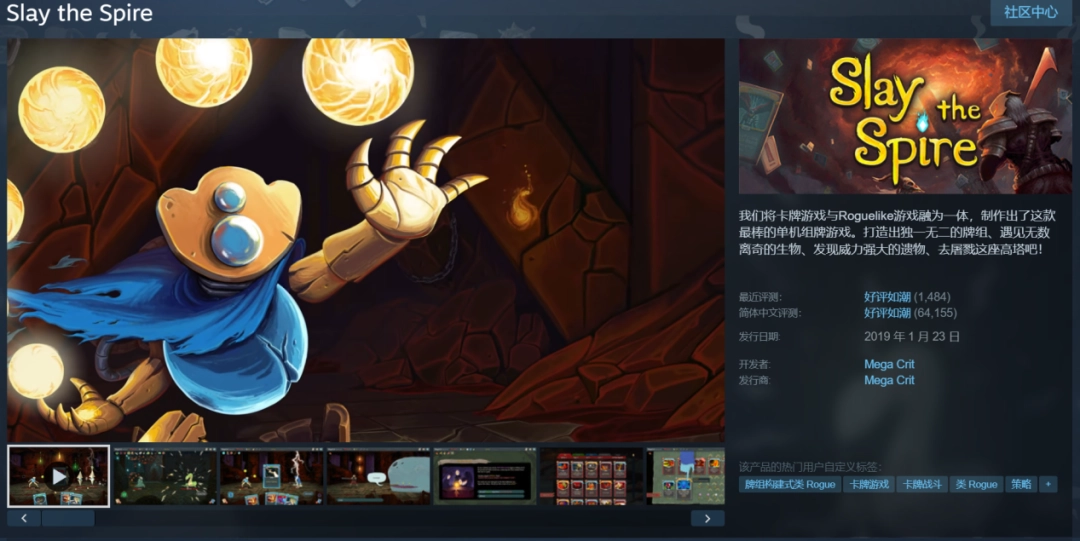
Amidst this severe content drought, I discovered in the Slay the Spire community that many players had found a new MOD and were enjoying it immensely. Upon closer inspection, they were playing a "Chaos Zero Nightmare-like" MOD.
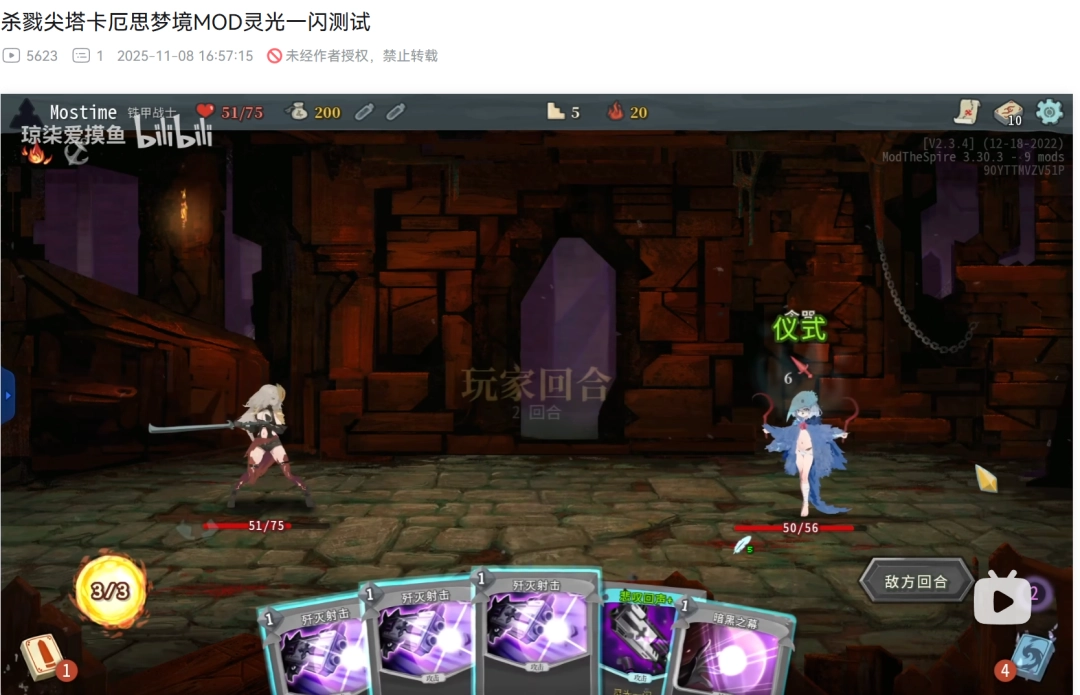
Image source: Bilibili @QiongQiAiMoYu
What is Chaos Zero Nightmare? Curious, I decided to dig deeper to understand what kind of game it really is.
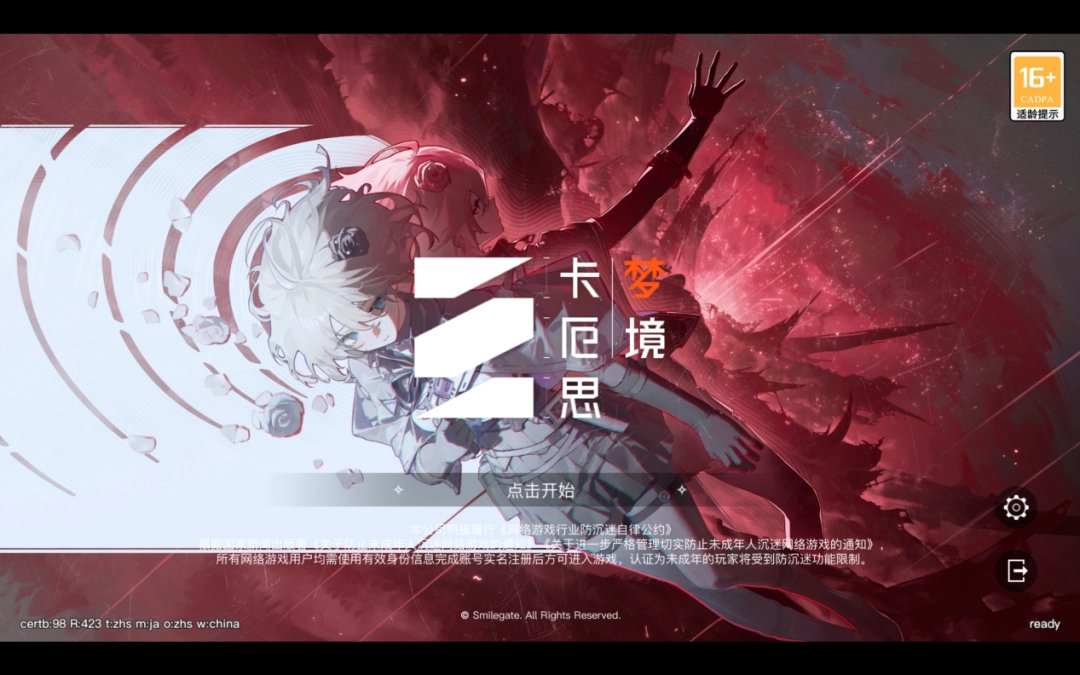
The development team behind Chaos Zero Nightmare is SUPER CREATIVE, a subsidiary of the Korean publisher Smilegate. This studio was previously known in the industry for Epic Seven, and its latest title, Chaos Zero Nightmare, has also received widespread attention since its launch.
The global server of Chaos Zero Nightmare launched overseas on October 22. Shortly after launch, it achieved impressive results, topping free-to-play charts in Japan, the US, and other regions on day one. Within ten days, it generated an estimated revenue of over $10.95 million, becoming the top-grossing new mobile game globally in October. According to recent reports from overseas media, Chaos Zero Nightmare earned 40.2 billion KRW (nearly 200 million RMB) in its first month overseas, a remarkable achievement.

Not long ago, Smilegate released the game's first-month data. According to official statistics, Chaos Zero Nightmare surpassed 3.5 million global downloads in its first month, with daily active users successfully exceeding 1 million.

Domestically, Chaos Zero Nightmare's popularity is equally high. Its initial reveal PV, released on October 11, has surpassed 5 million views, securing the top spot on Bilibili's game pre-registration chart.
After the Chinese server launched the "Navigator" test on November 20, discussion热度 (heat/popularity) in the domestic player community surged further. With prior experience from the international server, many players are highly anticipating the specific gameplay experience.

This raises curiosity. In the global gaming market, titles with similar art styles compete in a heavily saturated sector, especially regarding visuals and presentation. Many current titles boast sky-high specifications. Amidst publishers' lavish "feature bloat" investments, how did Chaos Zero Nightmare manage to stand out?
First, it should be noted that Chaos Zero Nightmare also performs excellently in this aspect. It didn't follow the current trend of 3D dominance but instead delivered high-level expressiveness and visual impact through high-quality 2D artwork. SUPER CREATIVE's technical prowess in this area was evident in its initial reveal PV, and the art style established there is consistently presented in every aspect of the game's presentation.

On another note, they boldly implemented a complete Cthulhu-mythos-inspired worldview. While such themes aren't rare nowadays, it's uncommon for a game like Chaos Zero Nightmare to deeply integrate the theme into Everythinggj from narrative background and monster design to specific gameplay mechanics. The monster designs feature crazy amalgamations of limbs, slime, and eyeballs, creating a stark contrast with the game's eye-catching character designs. Gameplay mechanics also include concepts like mental pollution and breakdowns. All these elements give Chaos Zero Nightmare a strong identity.
High-quality art is commonplace in the current industry, but distinct characteristics are what truly leave a lasting impression.
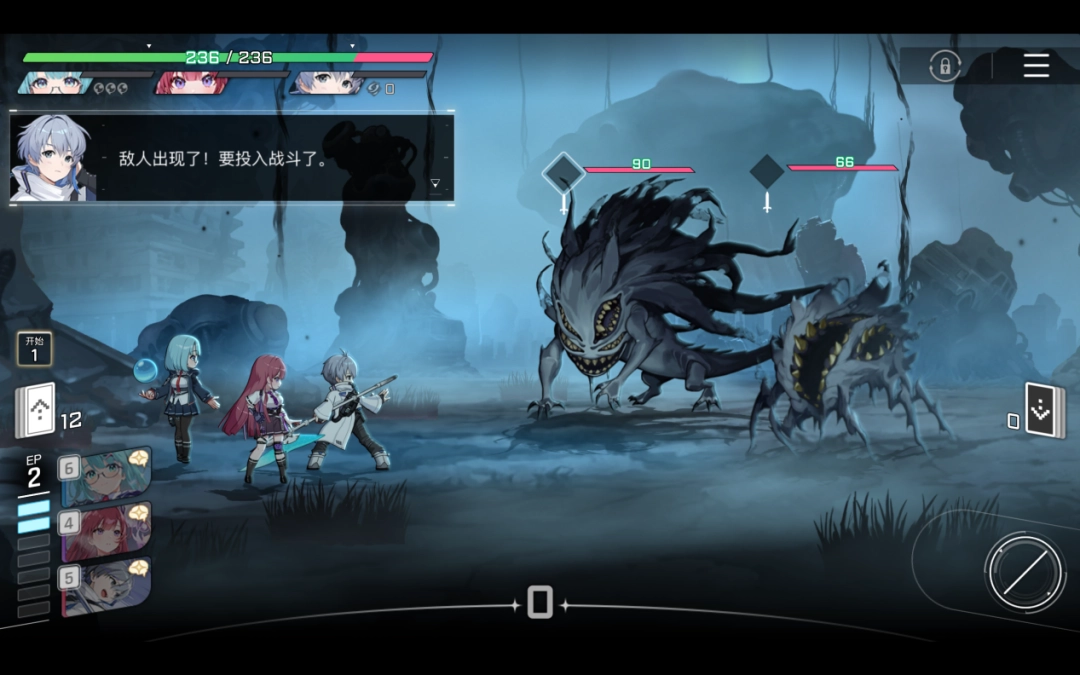
However, what truly sets the game apart is its sufficiently differentiated gameplay. The success of Chaos Zero Nightmare is an excellent example of breaking through in the current gaming landscape by strategically investing in "gameplay features."
On the surface, Chaos Zero Nightmare adopts standard card RPG progression mechanics. However, starting from the tutorial, you can sense the developers' desire to go beyond conventional gameplay. The core of its card combat is a manifesto: "A card progression game must first offer an enjoyable card-playing experience." It blends elements from classics like Slay the Spire, Library of Ruina, and Darkest Dungeon, creating a Roguelike DBG mode where teams of three fight through levels, strengthening their builds by acquiring new cards. Building on this fusion, the game introduces innovations like "Epiphany," adding fresh乐趣 (fun) to the mechanics.
This gameplay mode ensures that combat relies less on character stats and more on the player's deck-building logic and card-playing strategy.
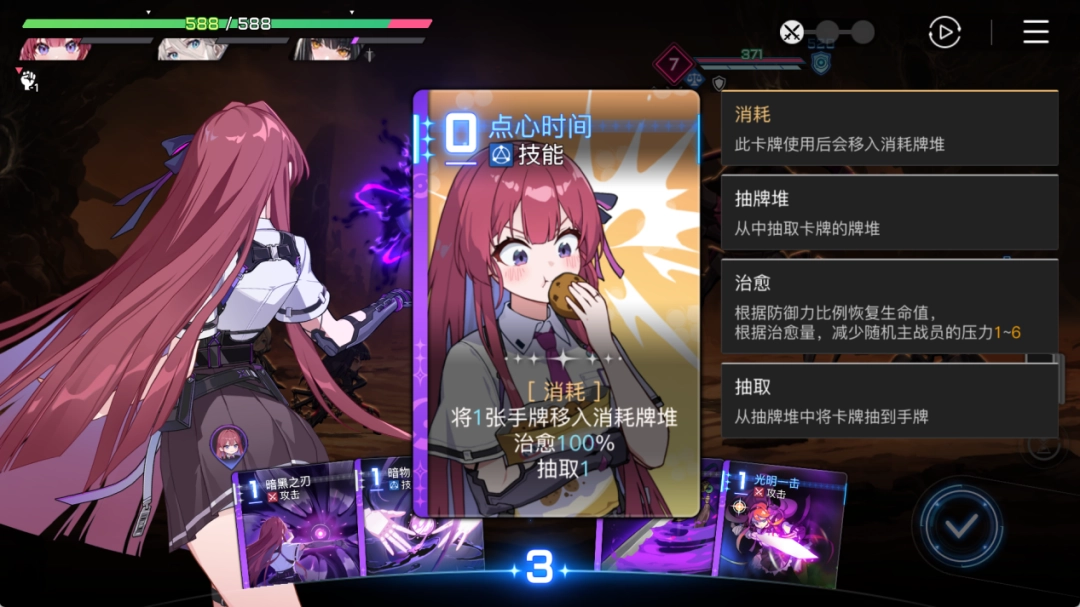
Additionally, beyond the initial "4+4" template for character card pools, players can obtain advanced cards through the "Epiphany" mechanism. These advanced cards are saved as character "Archives" only after clearing "Chaos Manifestation" stages or extracting at evacuation points mid-run. Once an Archive is obtained, players can equip it in other gameplay modes to access the same card pool.
This progression system rarely combines Roguelike and strategic deck-building gameplay as one of the core progression dimensions, giving the game's progression a unique experience and making the entire process filled with distinct乐趣 (fun).
In the "Chaos" gameplay mode, players form a team of three characters to enter levels. Each character brings 3 basic cards plus 1-2 special cards into battle (unlocking an extra slot upon upgrading talents). These cards form the team's shared deck. Typically, players draw 5 cards per turn, discarding unused cards at the end unless they have the "Retain" keyword. Each card has a cost; players start with 3 Energy per turn and must spend it to play cards and defeat opponents. Of course, using cards with specific effects during a run can increase hand size or Energy points, expanding strategic options.
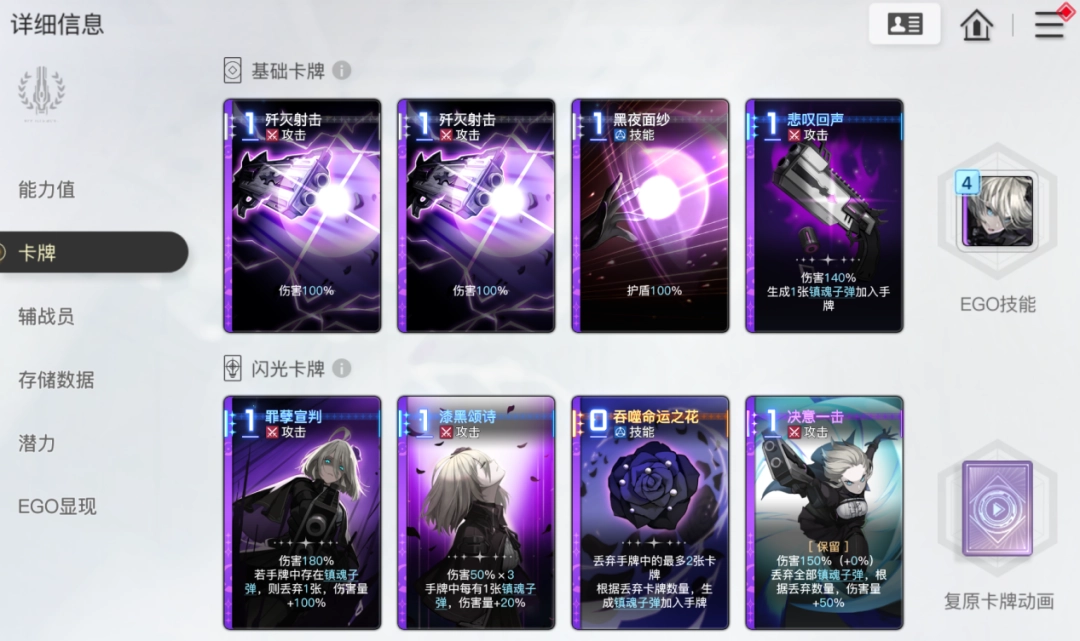
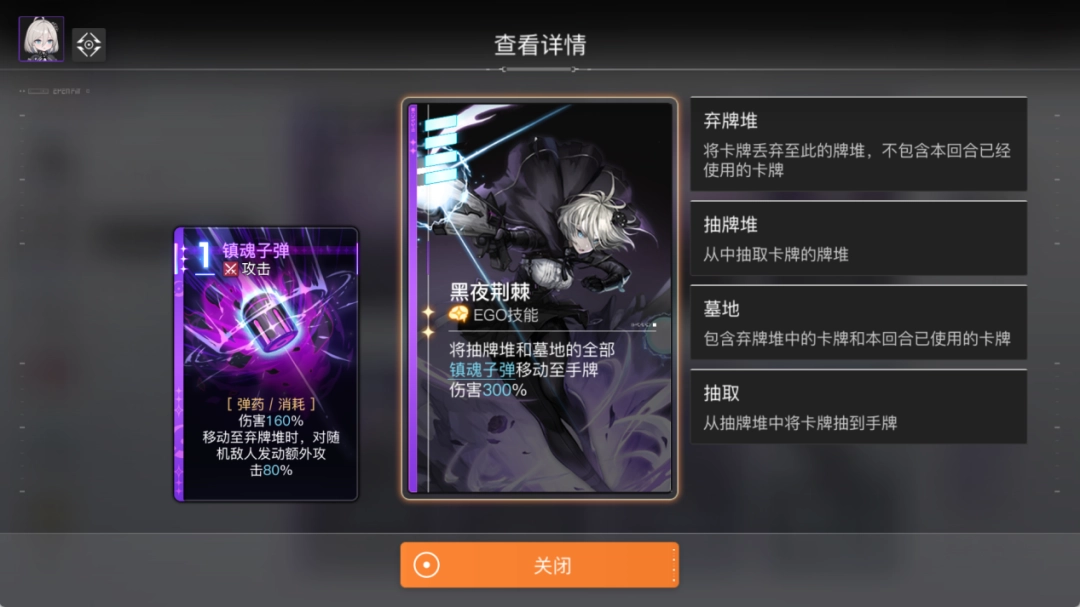
Beyond playing cards, players can unleash EGO skills in combat. The energy points required for skills are gained by playing cards. Specific skills are determined by the three main combat characters and their respective support characters, totaling six skills. Three skills are drawn initially, and after using one, it is replaced by drawing from the remaining three.
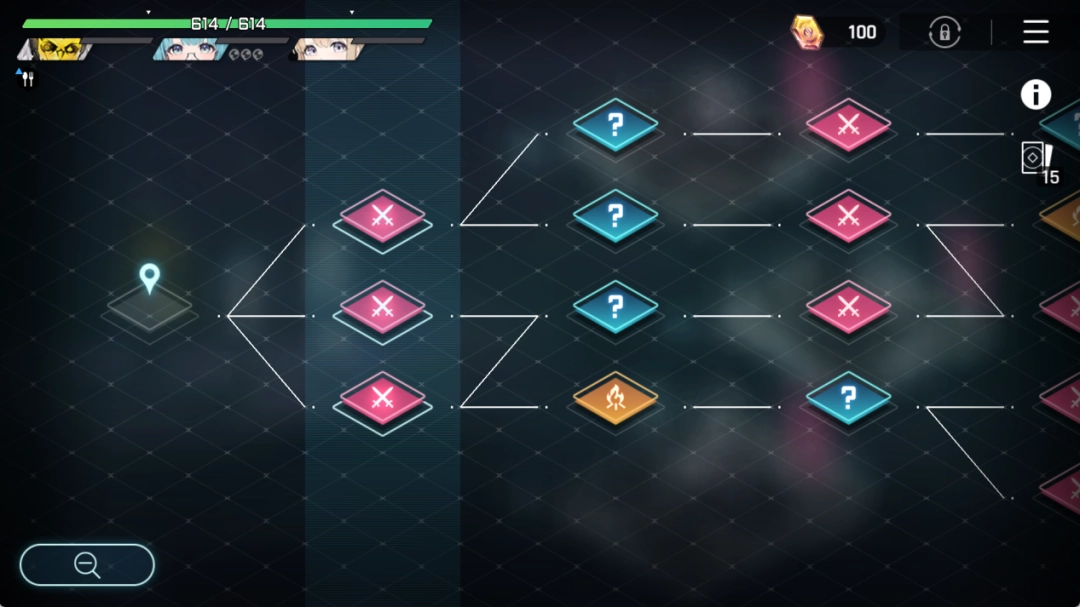
In the core "Chaos" gameplay mode, players engage in a "tower climb" similar to Slay the Spire. They navigate a map composed of various nodes, including normal combat zones, elite combat zones, random events, and safe zones, ultimately defeating the boss to achieve victory.
Beyond the "tower climbing" process, players encounter additional events during combat: Character Breakdown. Controlled characters accumulate "Stress" as battles progress. Stress accumulation relates to enemy attack frequency, damage magnitude, and turn count. When maxed out, the character enters a Breakdown state, becoming unable to fight, and all their cards turn into Breakdown cards. This mechanic is similar to Darkest Dungeon, except players can play a certain number of Breakdown cards to restore sanity. Upon returning to normal, the Energy cost for the character's ultimate skill is reduced.
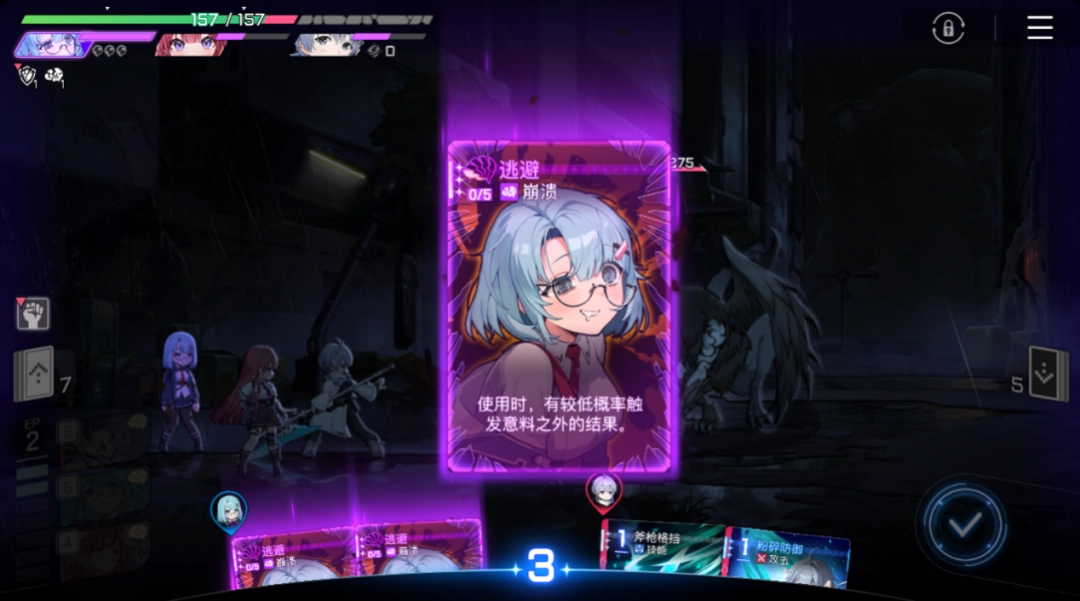
Of course, if these were the only mechanics, Chaos Zero Nightmare wouldn't be particularly striking. What truly makes the gameplay feel fresh is the deck construction, which relies on a unique "Epiphany" system.
"Epiphany" is the game's core gameplay and progression system, divided into three types of flashes: Combatant Flash, Card Flash, and Owner Flash.
Besides the 3 basic cards and 1 special card each character starts with, the remaining four special cards must be obtained through "Combatant Flash" during battles.

Additionally, cards triggered by "Card Flash" gain extra effects. While this system might seem like a standard card upgrade mechanism in typical DBG Roguelikes, it is significantly different. The upgrade paths for "Card Flash" are not unique; each flashable card has 5 different upgrade routes, and 3 are randomly selected for the player to choose from each time a flash is triggered.
For example, Mihyang, one of the default characters, has a card that costs 0 Energy, grants healing, and provides 1 Energy.
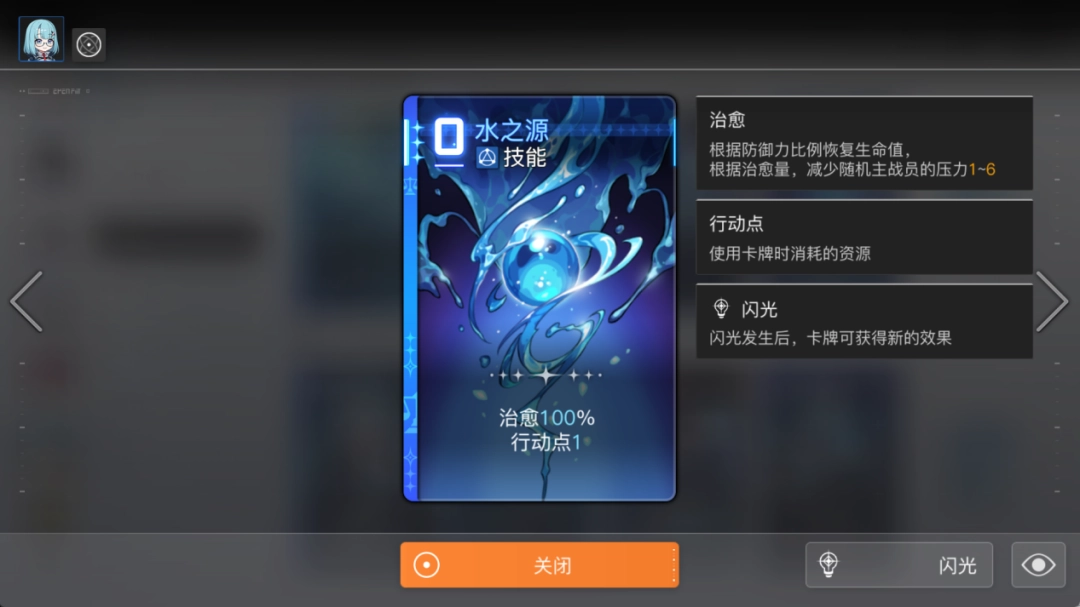
After flashing, this card receives different enhancements based on player choice. Some options boost its healing amount and Energy generation but increase its cost, while others enhance the Energy gained and apply "Exhaust" (usable only once per battle) to the card.
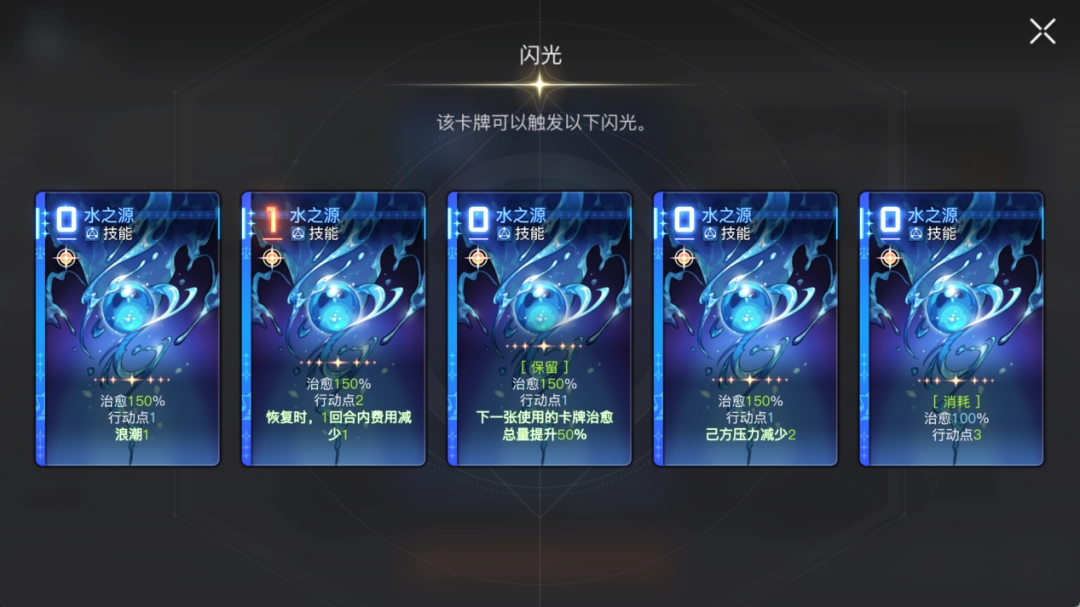
These flashes enhance different aspects of cards, with no clear superiority between them; they simply suit different deck types. For instance, routes that increase cost to boost effects are suitable for decks with many healing cards, while routes that enhance cost generation but add "Exhaust" (consumable) status are better for decks aiming to play multiple high-cost cards in one turn or needing rapid deck compression.
And this isn't the endpoint for single-card enhancement. During battles, players have a small chance to trigger "Owner Flash," also known by players as "God Flash." Identified by a divine logo, this flash adds extra, more powerful effects on top of the card's original upgrade. In many deck builds, certain "God Flash" cards become key pieces, and obtaining them is often the ultimate goal after completing the basic build.
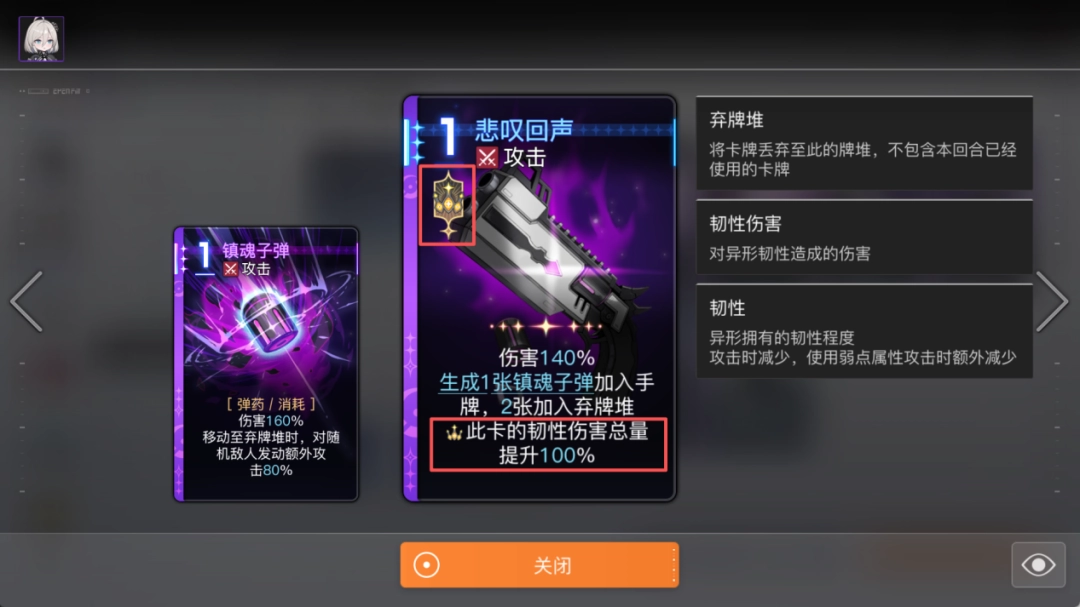
"Card Flash" and "Owner Flash" have a deep and comprehensive impact on this deck-building gameplay. Since each character has multiple cards capable of flashing, this means every character has numerous vastly different build paths. This diversity ensures that almost every character in the game has its own "niche," allowing each to find their place through specialized builds.

Meanwhile, since the game uses a three-person team format, the number of possible team build combinations increases exponentially under the influence of "Epiphany." The same character in the same team can exhibit completely different playstyles, even shifting a single character's damage pattern from single-target to AOE.
For instance, Koharu, one of the current mainstream DPS characters, can use "Flash" to give her core damage card "Charge Anchor Strike" the effect "Cost becomes 1 after Combo," and "Anchor Strike" the effect "Attack count +1 after Combo." This makes the originally cumbersome card system very flexible, allowing continuous high AOE damage bursts through combos.
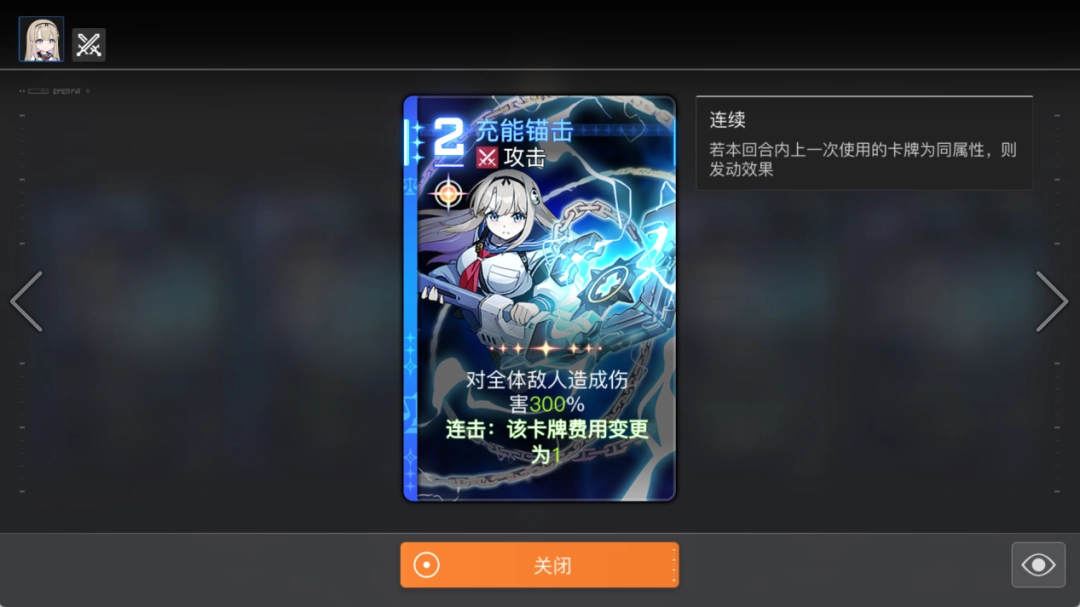
It can also transform another damage card, "Anchor Strike," into a crit-specialized card. Leveraging critical hits allows playing multiple cards, significantly raising the damage ceiling and making Koharu an exceptionally powerful single-target damage source.
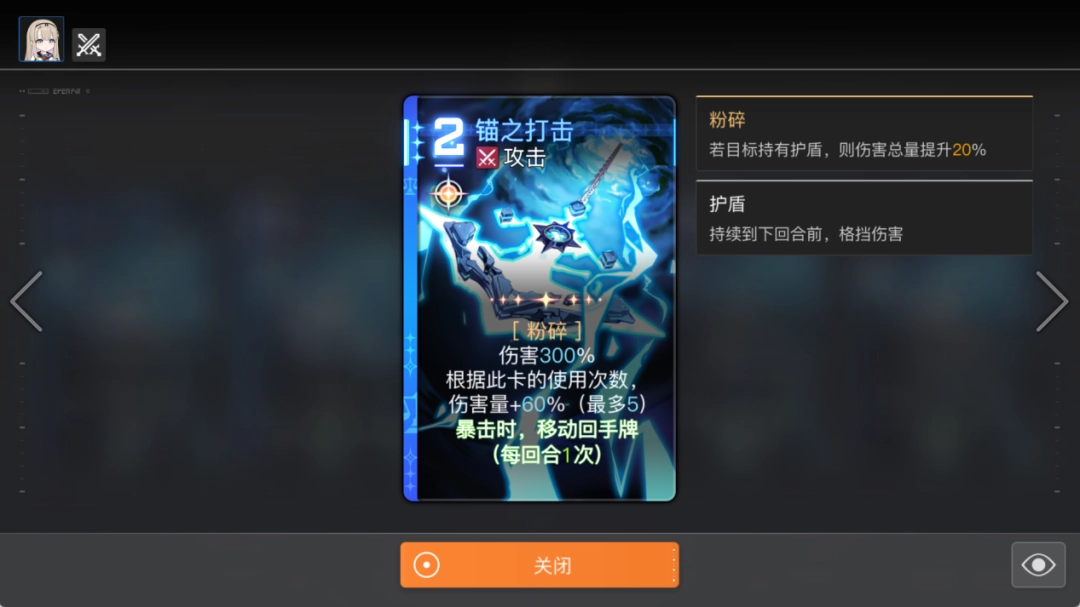
Diverse build methods significantly boost the playability of Chaos Zero Nightmare, offering varied possibilities for every character and card. This helps the game break free from the traditional card RPG trap of relying solely on "stats" for progression. It introduces diverse gameplay modes beyond simple stat crushing. With player creativity, every team composition and every "Card Flash" can lead to different build strategies.
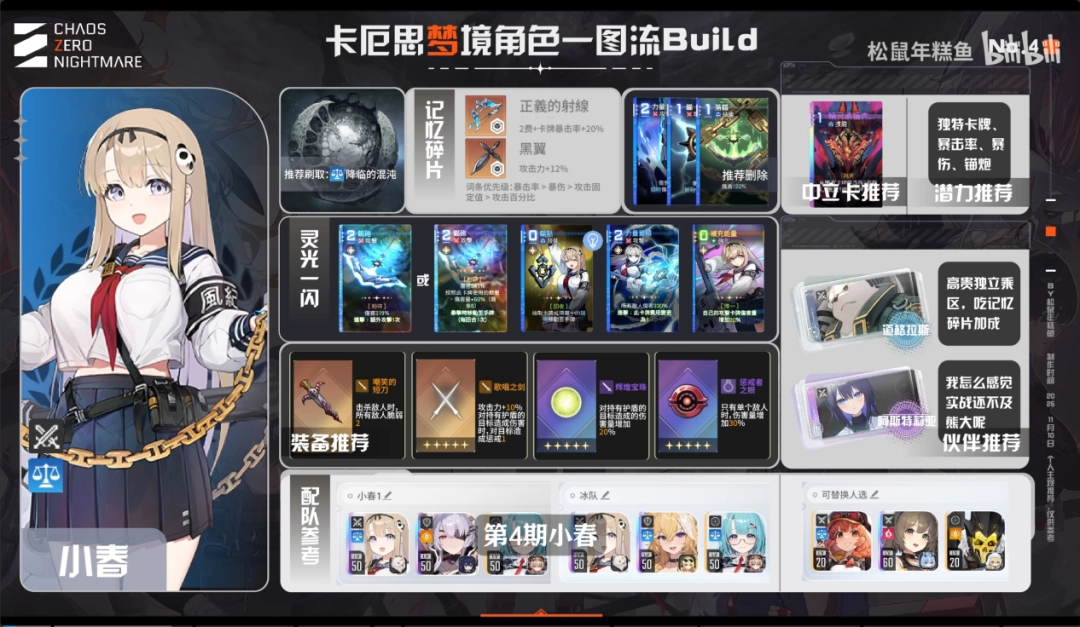
Image source: Bilibili @SongshuNiangaoYu, character guides from the community
Furthermore, due to the existence of the "Chaos Manifestation" gameplay mode, the build construction centered around "Epiphany" sees further enhancement. It introduces a gameplay loop very similar to many Roguelikes in single-player games, tying character progression directly to the game's core mechanics.
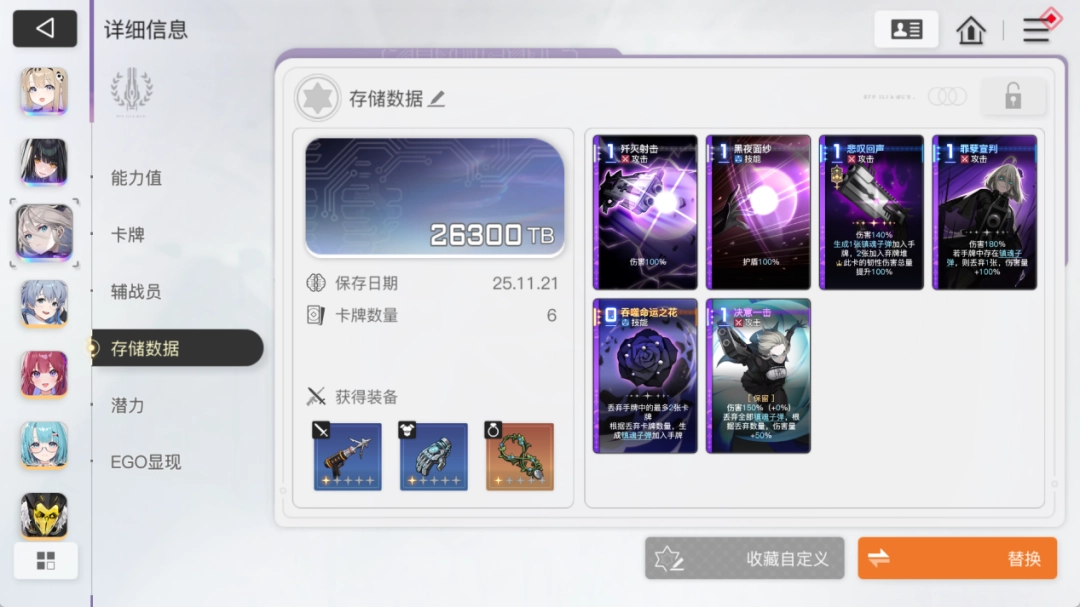
In the game, the "Archives" obtained after each extraction from "Chaos Manifestation" have a limit, determined by dungeon difficulty. Actions like removing cards, swapping cards, or flashing during gameplay consume Archive points. Players need to monitor their Archive limit, constructing decks that best fit their current build goals to maximize damage loops and survival sustainability in battle.
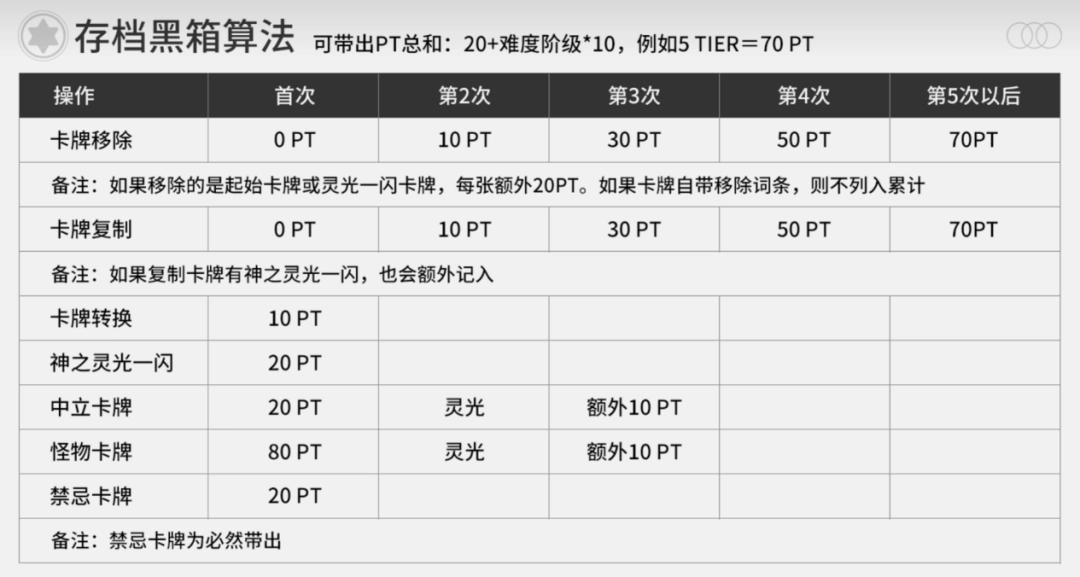
Archive value algorithm summarized by the community
On this basis, the player's journey becomes a step-by-step progression: "Challenge Chaos dungeons to obtain Builds" -> "Use Builds to challenge high-difficulty dungeons for resources" -> "Use resources for additional character progression" -> "Use stronger characters to challenge higher-difficulty Chaos dungeons for better Builds." This cycle constantly pushes players closer to the ideal ceiling of their character decks.
With this combination of mechanics, the game excellently provides players with a positive gameplay loop: "the more you play, the stronger you get; the stronger you get, the more fun it becomes."
Players with more gaming experience will easily recognize that this loop is more common in another type of game—
Yes, it's essentially "Extract-Shoot-Extract."
Isn't the core loop of "Flash," "Combat," and "Extract" in Chaos Zero Nightmare just another form of "Extract-Shoot-Extract," or perhaps "Flash-Fight-Extract"? Many players quickly summarized this after deep diving into the game, amusing everyone. Who would have thought that an alternative "Girl's Spire" card game could offer such an experience, or that this "Flash-Fight-Extract" process could be so addictive?

The process of obtaining a Build, verifying it, and using it to acquire a stronger Build, along with the joy of thinking, summarizing, and overcoming challenges during this cycle, has gradually immersed many players who initially came for attractive characters and visuals (or even just for the Breakdown artwork) into the card gameplay, turning them into devoted card enthusiasts.
In the game's player community, most discussions revolve not around "waifus," but around sharing and theorizing card build strategies. Different build archetypes for each character are thoroughly discussed, and players constantly summarize the synergies between different growth paths for various characters. The community is filled with discussions on the value of character "Card Flashes" and calculations of "save yields" by experts. Memes like "Meiling's left hand deals high damage, right hand deals high damage" have also spread widely.

Upholding the banner of "Gameplay First," Chaos Zero Nightmare's push for gameplay innovation continues to receive positive feedback from the player community.
Of course, even with the "Flash-Fight-Extract" system, every deck build in Chaos Zero Nightmare has a theoretical ceiling. As players continue to explore, its playability will eventually be fully mined, much like the lifecycle of many single-player games.
In this context, besides expanding card pool options with new characters, Chaos Zero Nightmare introduces another system: seasonal updates. Periodically, the game undergoes season version updates. After an update, players encounter new "Chaos Manifestation" dungeons, new season-exclusive cards, and receive new season-exclusive saves. This rolling gameplay update tied to seasons keeps deck progression feeling fresh.
In the foreseeable future, the deck-building environment in Chaos Zero Nightmare will continuously change with each character box update and new season card release. Interactions between old and new characters, along with changes brought by season cards, will reshuffle current meta builds. Meanwhile, high-difficulty dungeons that players have grown familiar with will gain more diverse strategies and experiences due to the injection of new elements.

Promotional image for International Server Season 1: "Forbidden Catalyst"
In the mobile gaming market we know well, highly homogeneous gameplay and character progression models have long caused player aesthetic fatigue. To counter this trend, many publishers resort to "feature bloat" in visuals and presentation: bigger scenes, more detailed models, more realistic motion capture performances, and so on.
There's nothing inherently wrong with this "feature bloat"; the resulting improvement in experience is obvious. However, these are fundamentally "business" decisions rather than "game design" choices. Enhanced audiovisuals cannot reverse the fatigue and boredom felt during gameplay. Looking at the success of Chaos Zero Nightmare and the trend of many recent games using "Roguelike modes" to raise their playability ceiling, it's clear that prioritizing "gameplay mechanics" has become a major trend. Player feedback increasingly encourages developers to invest more in gameplay.
Chaos Zero Nightmare's series of "Flash-Fight-Extract" mechanics, built on the concept of "Epiphany," along with its future "seasonal update" approach, aligns well with what many players expect. The game horizontally expands playability through highly flexible deck-building combinations. By leveraging Roguelike elements and the unique "Flash-Fight-Extract" mechanics, it provides players with continuous positive feedback and freshness. This innovation in gameplay is far more attractive to players than merely walking down the dark path of stat inflation.
Perhaps Chaos Zero Nightmare's approach will become a new trend in the future, offering colleagues stuck in fierce competition within homogeneous markets another solution to their problems.