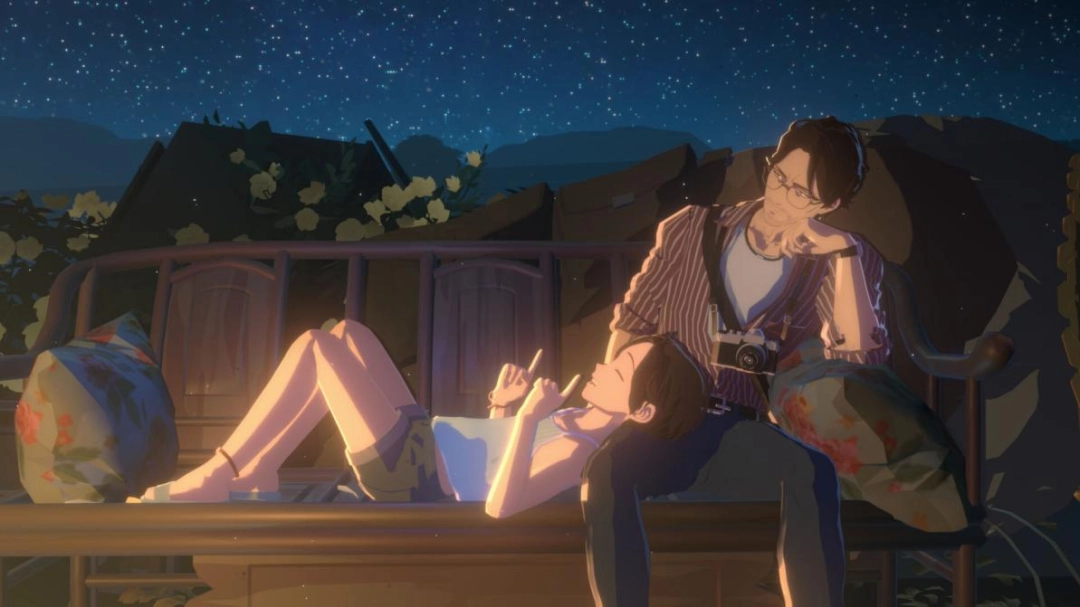

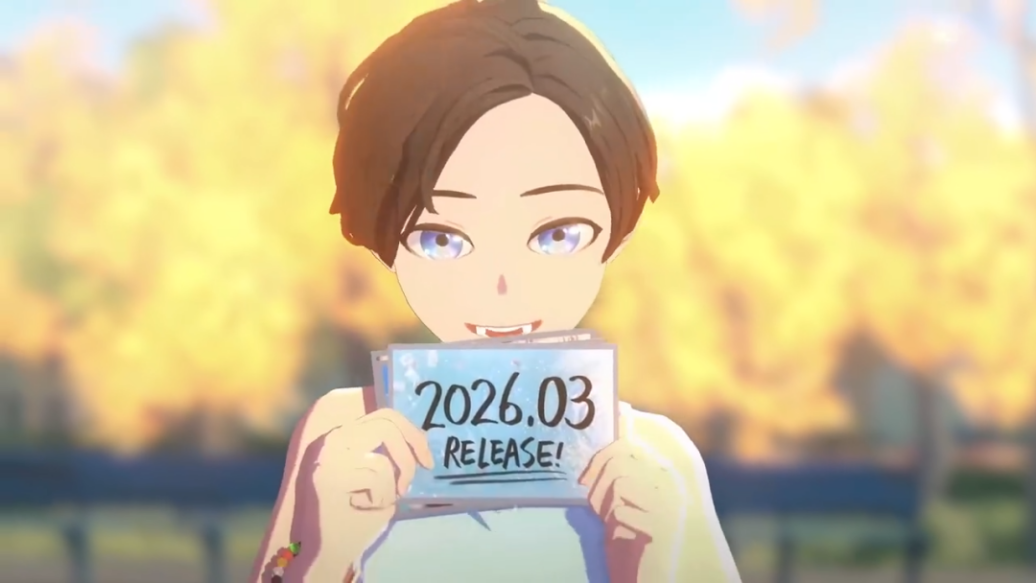
Not long ago, the latest entry in the OPUS series, "OPUS: Echoes of the Heart," announced a delay until its release in March 2026. This has left many concerned players with additional questions—why choose to delay? What stories unfolded during development? And what final form will it take when presented to players?
Many questions linger in the players' minds.
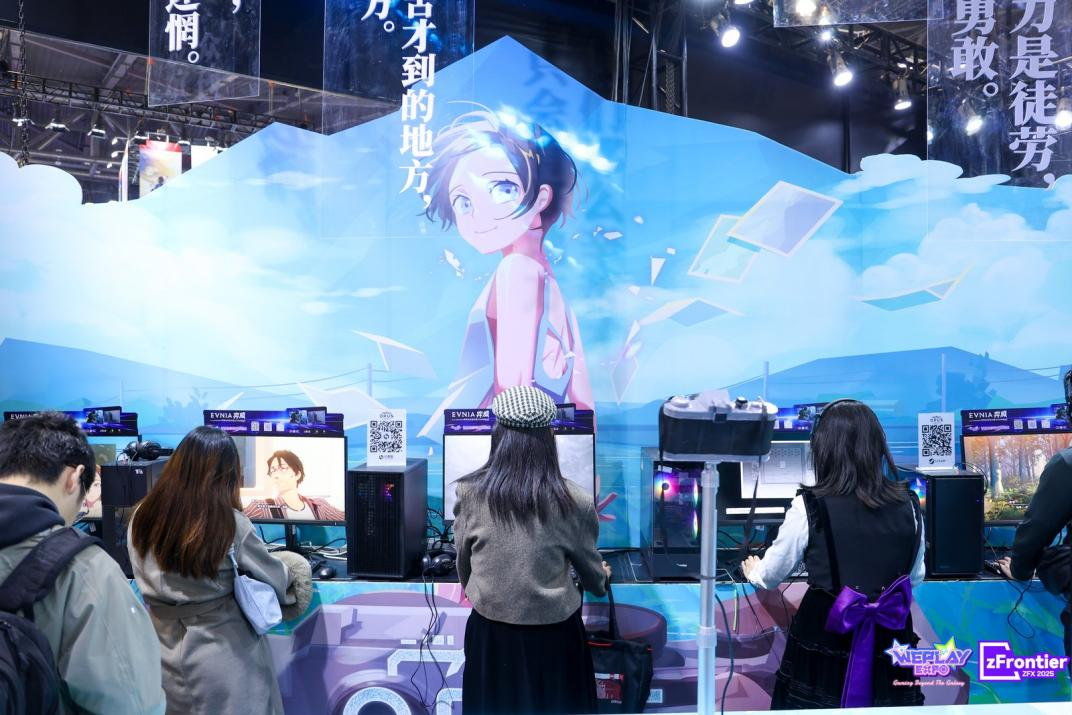
At the recently concluded WePlay Culture Expo, "OPUS: Echoes of the Heart" was showcased at the Shueisha Games booth, offering players a chance to try it out. Taking this opportunity, we interviewed SIGONO, the studio developing the game, to discuss various aspects of it. We hope this interview satisfies your curiosity about "OPUS: Echoes of the Heart."
Below is the full interview:
Q: First, a question that concerns everyone the most—what are the specific reasons for the delayed release of "OPUS: Echoes of the Heart"?
A: We want to polish the quality further and present better content to players.
Q: How was the player feedback from the previous public test of "OPUS: Echoes of the Heart"? Will the issues raised be resolved after the delay?
A: Overall, player feedback was quite positive, with an approval rating of 96%. However, many suggestions were made, which we need to improve upon. Within the constraints of time and resources, we will strive to adjust the game to a state that satisfies players.
Q: The spiritual core of the OPUS series is summarized as exploring "love, soul, and self-fulfillment." In "OPUS: Echoes of the Heart," how do you concretize and deepen this core spirit through the new theme of "photography" and the stage of the "mountain"?
A: It's not that difficult. There's a keyword in the story called "look with heart." This term has a very broad interpretation, but we can also apply the common saying in photography: if your lens faces outward, you cannot see inward. Through player interactions, the story repeatedly encourages reflection on the act of "looking." Once looking becomes connected to the inner self, it easily touches the soul, leading to discussions on how a life fraught with setbacks can find redemption... Thus, we explore love and its various facets—friendship, family, internal struggles, and more—and how they shape our lives.
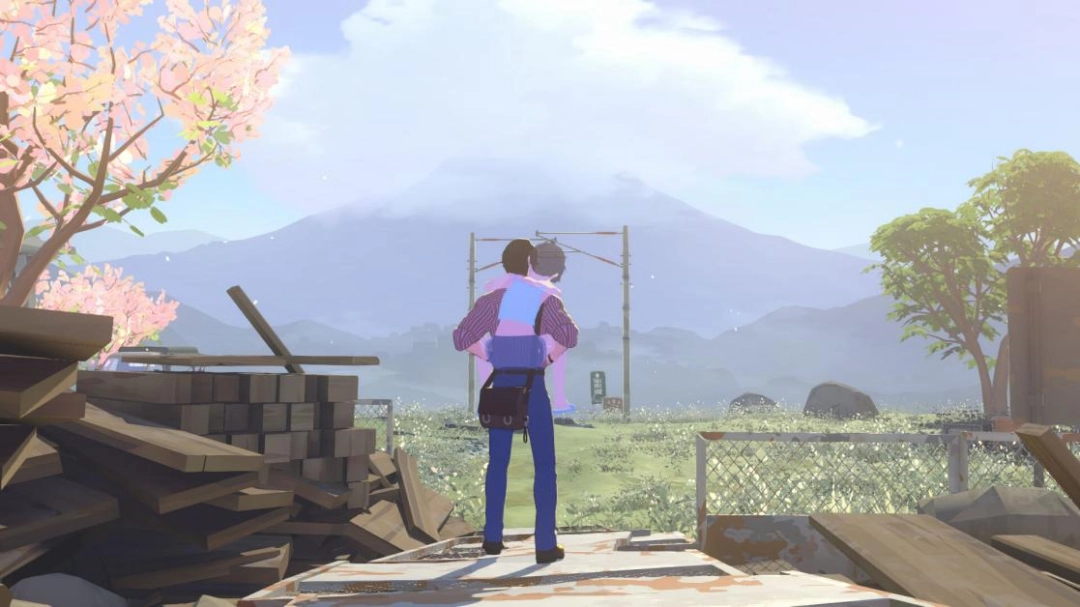
Q: The series' stories have alternated between "space" and "ground." What deeper creative considerations were there in shifting the stage of "OPUS: Echoes of the Heart" from the vast universe to a specific "mountain," beyond just continuing this pattern?
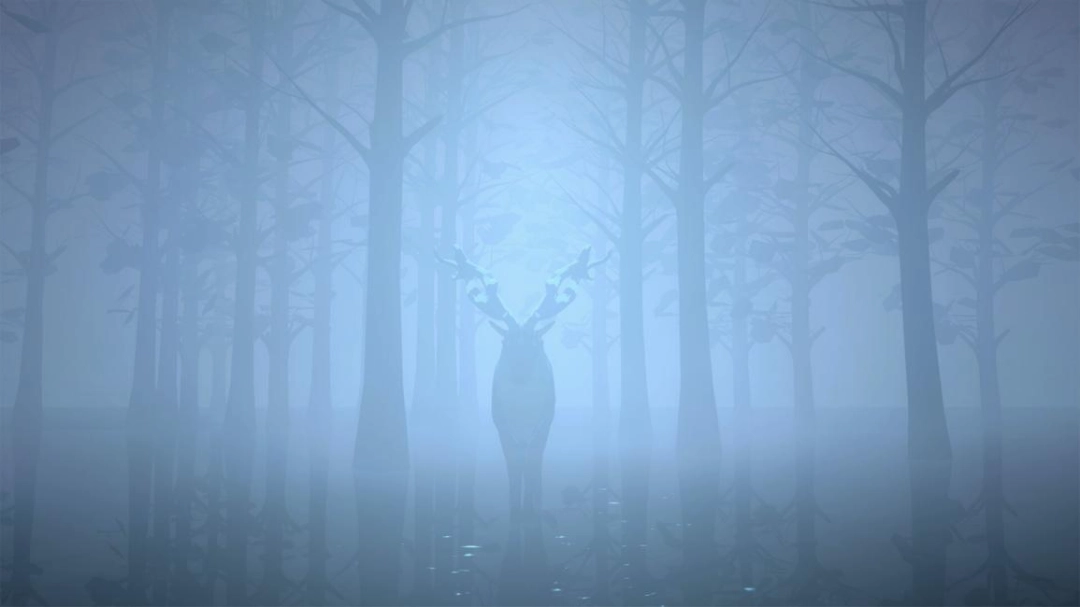
A: I feel that when it comes to conveying a sense of loss and magic, mountains have always been a space well-suited for these atmospheres. It was also a theme we had always wanted to try, so this choice came naturally.
Q: In terms of scriptwriting, how do you balance "sadness" and "being moved" to ensure that players, after experiencing emotional fluctuations, ultimately gain warmth, relief, and the strength to move forward, rather than just feeling sad?
A: I think most people look forward to being moved, because life is inherently difficult. Life is essentially a series of farewells, and everyone must face parting from others. In this state of impermanence, we unconsciously hope for some affirming power to explain it, to believe that meaning exists. The works in the OPUS series have always strived to affirm this meaning.
As a line in "OPUS: Echoes of the Heart" goes: "Even if effort is futile, one must still be brave." We are not depicting sadness itself, but rather the struggle against it. I believe that if this effort is sincerely conveyed to players, it will avoid mere sentimentality and instead transmit a warm, forward-moving strength.
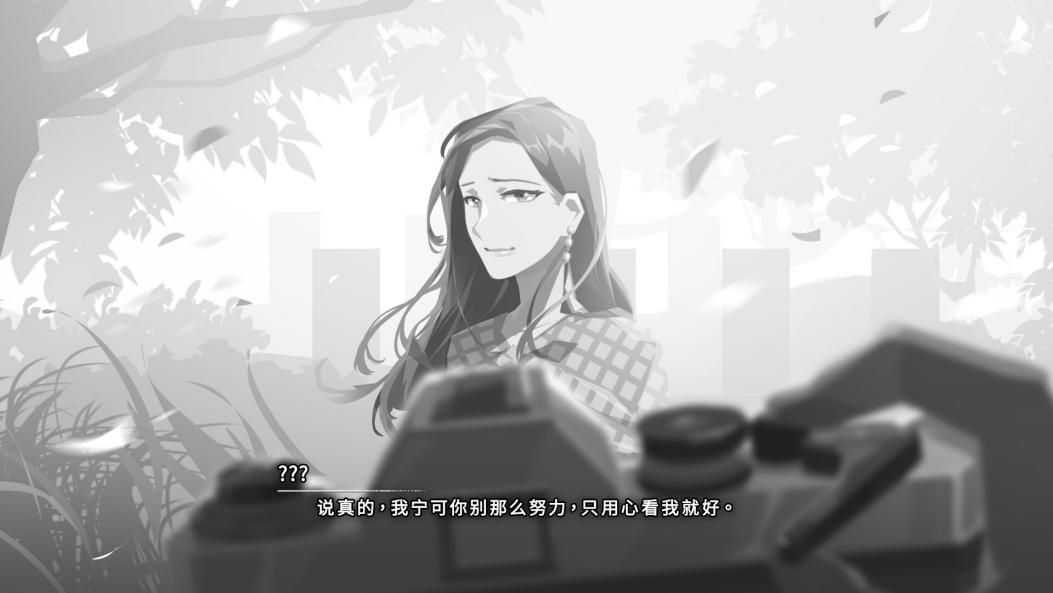
Q: "OPUS: Echoes of the Heart" is the first fully 3D title in the series. What challenges did you encounter in camera work, character facial expressions, and body movements when transitioning from 2D to 3D?
A: Let's just say Everythinggj was challenging (laughs). Besides 2D images and 3D models, camera work, animated performances, and related technical implementations were almost entirely new to us. We overhauled our animation pipeline several times, discussing aspects like whether to use motion capture or hand-keyed animation for performance styles, how to mix outsourcing with in-house production, and managing shots for each cut... We learned a lot while iterating and implementing this animation pipeline within a limited timeframe.
Q: The game's photography system is not just about gameplay but also serves the narrative. When players "look" at the world through the camera, how does the game seamlessly integrate puzzle-solving, exploration, plot triggers, and even character growth? And how do you prevent it from becoming merely a screenshot tool?
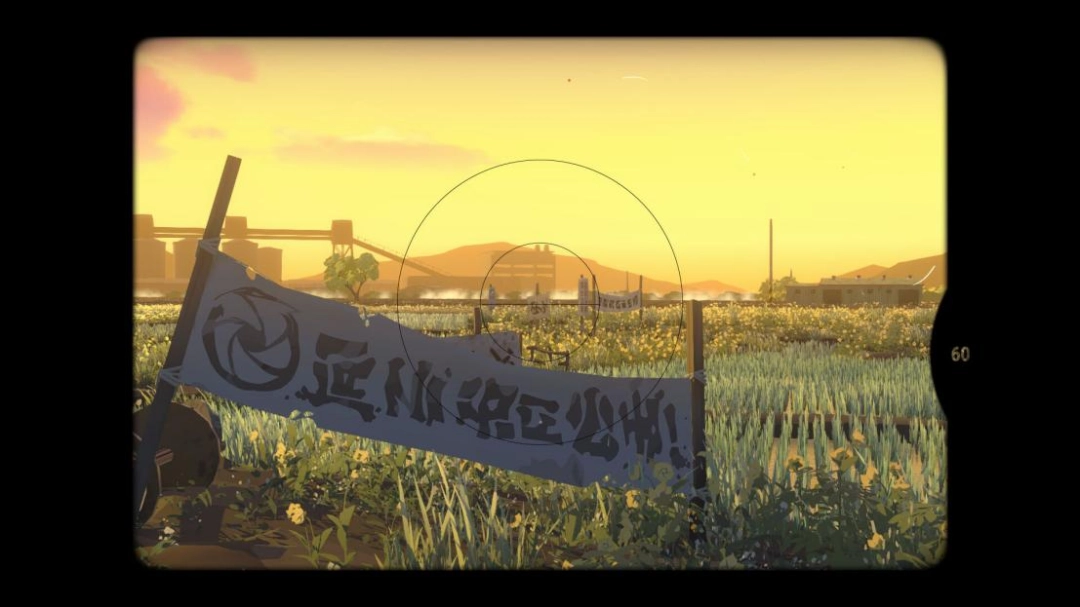
A: We believe the core concept is that "taking photos" and "using the taken photos" are crucial. We must facilitate this in every possible way, ensuring it holds significance in level progression. This prompts players to think, "What needs to be seen? Is it this streetlight, this bench, or this person?" Once this logic is triggered, players can gradually enter a flow of "looking," "thinking," and "revealing," which drives the narrative and fleshes out the protagonist's story.
This is the goal we aim to challenge.
Q: "OPUS: Echoes of the Heart" features voice acting in Simplified Chinese for the first time. How do you feel about the current results?
A: I think it's great. Thanks to the efforts of the voice actors, we are all satisfied with the results.
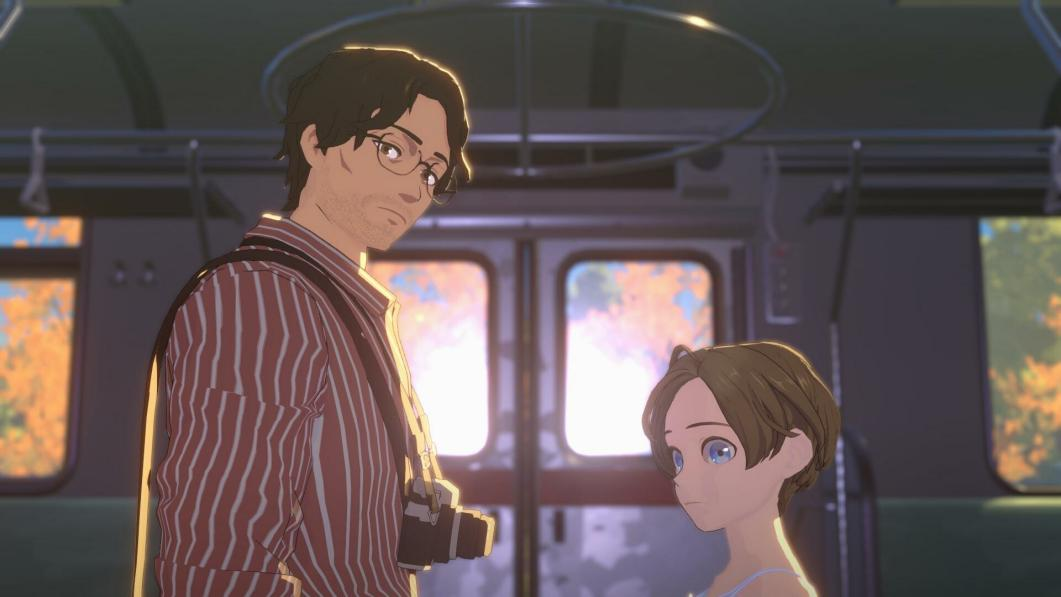
Q: Stories about confused adults traveling with innocent children are not uncommon. How did you ensure that the relationship between the two companions in "OPUS: Echoes of the Heart" and their path to redemption would avoid clichés and offer an "unconventional development"?
A: You'll know once you play it, no worries!
Q: The open ending of "OPUS: Luma" left a deep impression on players. In "OPUS: Echoes of the Heart," do you still lean towards using an open ending? What do you consider the most important criterion for a "good ending"?
A: For players, there should be an ending (laughs). Whether it's open or not may not be our primary focus. The key is whether players can find an answer they can believe in when they leave the game. If we achieve that, it will be a good ending. Even if the story isn't fully told, if players can mentally complete it in their hearts, that is also a form of fulfillment.
Q: Besides the two protagonists, how will the "spirits" and other supporting characters be developed so that they are not merely functional entities, but possess their own souls, collectively building a convincing world?
A: Discussing this too much would spoil the surprises, so please forgive me for not elaborating (laughs).
Q: The collaboration between the OPUS series and "The Years I Missed You" was described as a "resonance of emotion and philosophy." What similarities do you see between games and films in expressing themes of "nostalgia" and "self-discovery"? What inspiration did this collaboration provide for the team in thinking about the boundaries of narrative media?
A: I think movies and games actually deal with the same theme—people getting lost in life and striving to find themselves again.
Both emphasize a "gentle yet profound" touch when portraying nostalgia, memories, and regrets over unfulfilled desires. As for inspiration, I can only say that films have their strengths, and games have theirs; learning from each other is beneficial.
Q: Why did you choose to collaborate with Shueisha Games?
A: I'm a fan of Weekly Shonen Jump!
Q: With the collaboration with Shueisha Games and the success of movie tie-ins, are there concrete plans to expand the OPUS series into anime, manga, or other entertainment media? In your ideal vision, what level of influence do you hope the OPUS IP will ultimately achieve?
A: We've had relevant discussions, but we can't say too much about it (laughs).
As for influence, I personally don't have any special thoughts. As developers, our task is to make a good product. Influence is a natural result of a product's quality. If one day, people all over the world know about it, that's great; but if only a core group of niche players loves it, I also think that's great. As long as those suited for this IP can experience the game firsthand, I am content.
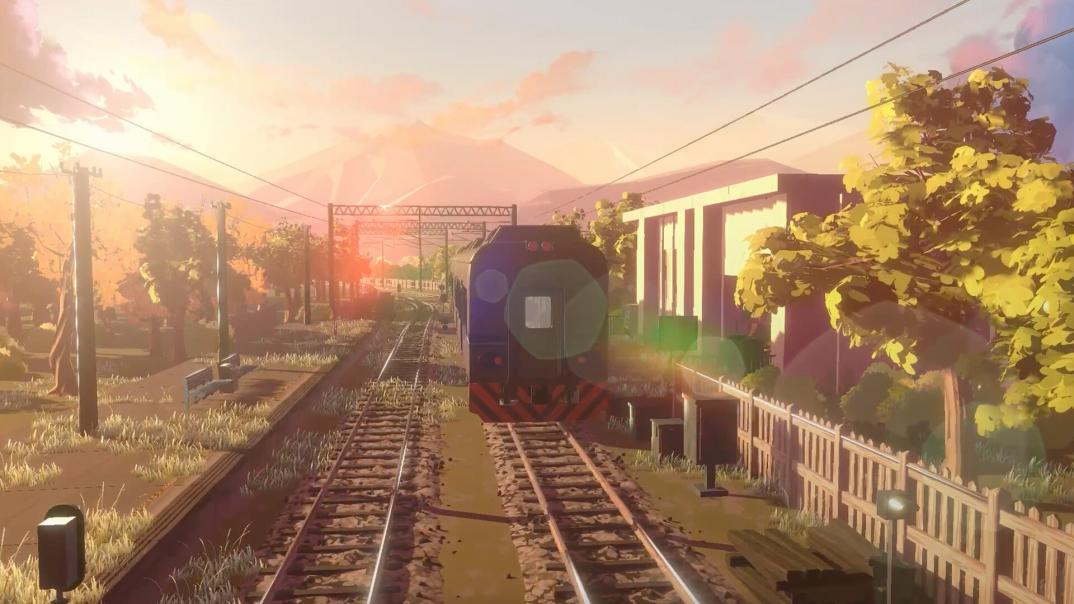
Q: In the face of rapid technological iteration, are there plans to remake or remaster earlier titles like "OPUS: Rocket of Whispers"?
A: That's a nice idea, but the immediate issue is—let's finish "OPUS: Echoes of the Heart" first! (laughs)
Q: After "OPUS: Echoes of the Heart," will the OPUS series continue to explore stories on Earth, or might it look up to the stars again? Does the team already have preliminary ideas for the tone of the next project?
A: Our team is already considering future projects. If there's any news, we will definitely share it.
Q: Finally, what would you like to say to the long-time players who have been with you since "OPUS: Rocket of Whispers"?
A: We love you all, and thank you for growing alongside SIGONO. Whenever I faced frustration and setbacks during development, I would recall your encouraging messages and feedback, which kept us going on this path.
We hope "OPUS: Echoes of the Heart" will also move you.