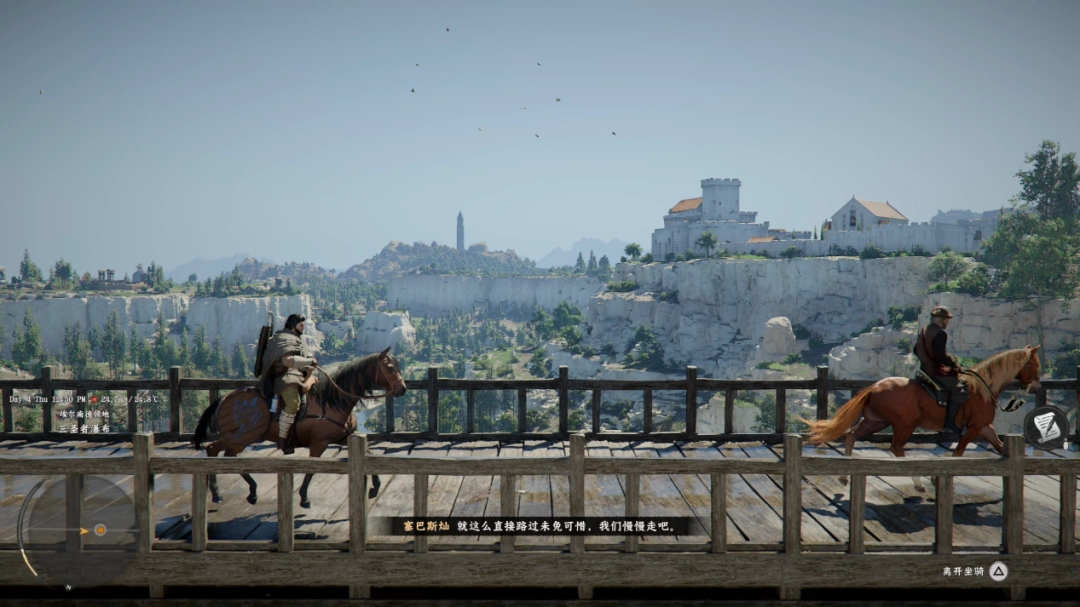
Crimson Desert is a very peculiar game. Its peculiarity lies in the fact that to get the best experience, you need to forget all your previous gaming experiences—at least all your ARPG experiences—as much as possible.
Let's start with the button layout.
Unlike most games on the market that use a single controller button adaptively for "short press dodge," "long press run," and "automatic vault/climb near ledge edges" for convenience, Crimson Desert meticulously splits the actions available to the player character. Just for the three basic actions of dodge, run, and jump, Crimson Desert assigns them to Circle, Cross, and Square buttons respectively; the Cross button tied to running even has designs like "press once for jog" and "press twice for sprint," which are almost excessively detailed by industry standards.
To be honest, when I first encountered Crimson Desert, I actually felt that this approach seemed intentionally difficult. Players familiar with our game media editors' "review style" might already guess—"Hey! Next, you're going to say how great this unconventional design is, right?"
Sorry, but not really. Even after playing the Crimson Desert DEMO continuously for six and a half hours at the event venue, I still haven't mastered this movement system.
Unlike the familiar control scheme where "up, down, left, right, circle, cross, square" handle the first set of actions, and holding a specific "logic conversion" button allows the same buttons to handle a second set, Crimson Desert's combo design is more like the pure "combination keys" found in fighting games. It's hard to apply knowledge from one context to another; more often than not, rote memorization is required.
It's no exaggeration to say that if necessary, you should even keep a detailed combo key manual for Crimson Desert next to your screen while playing.
However, this does not mean that Crimson Desert slacked off on basic UX. From my perspective, this is more of a helpless measure taken in the face of the game's massive content. After splitting the character's possible actions into dozens of types, corresponding to the complexity of the buttons is Crimson Desert's rich physical interaction content—or rather, the ways you can intervene in this fantasy world called "Pavwel Continent" through your character.
Mechanics like "climbing rocks and walls" and "gliding freely for a long time after falling from heights" need no further introduction from me. Since The Legend of Zelda: Breath of the Wild popularized them, and with the influence of various games in recent years, they have gradually become common knowledge in open-world games. It's 2026, so naturally, Crimson Desert doesn't need to lag behind others in this area.
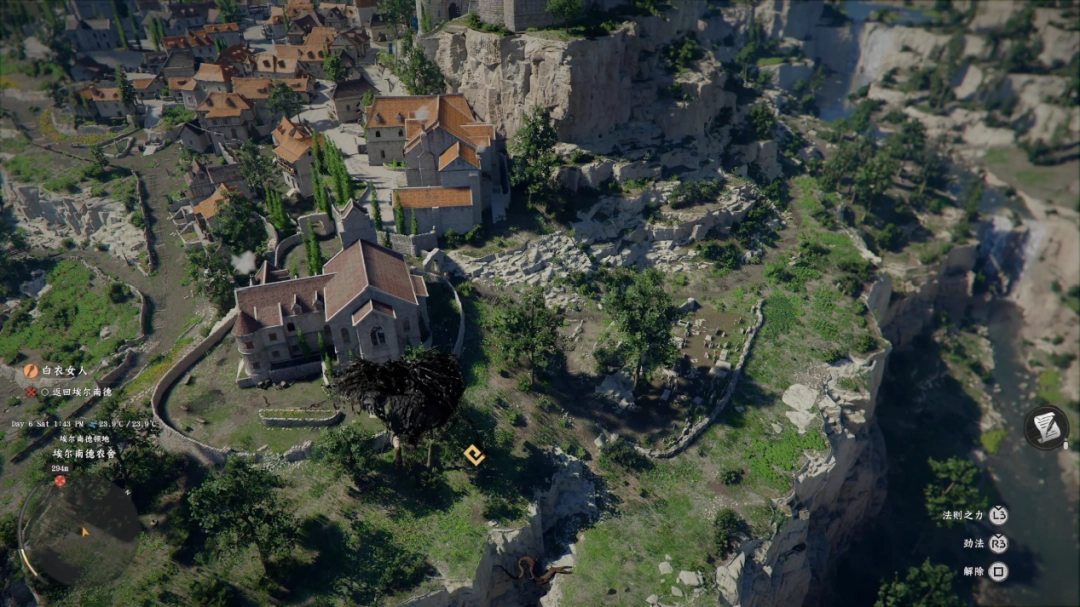
But beyond that, on the grand topic of "how players explore virtual worlds," Crimson Desert takes another step forward based on this foundation. This allows it, as a rising star, to thoroughly surpass many well-known open-world titles from recent years, arguably touching the recognized ceilings of the genre.
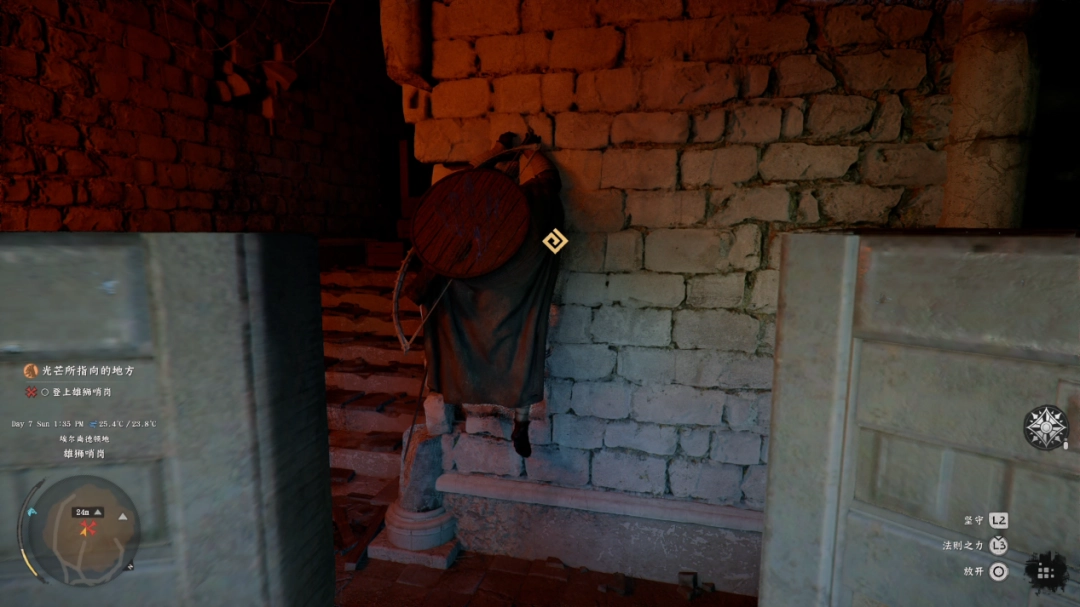
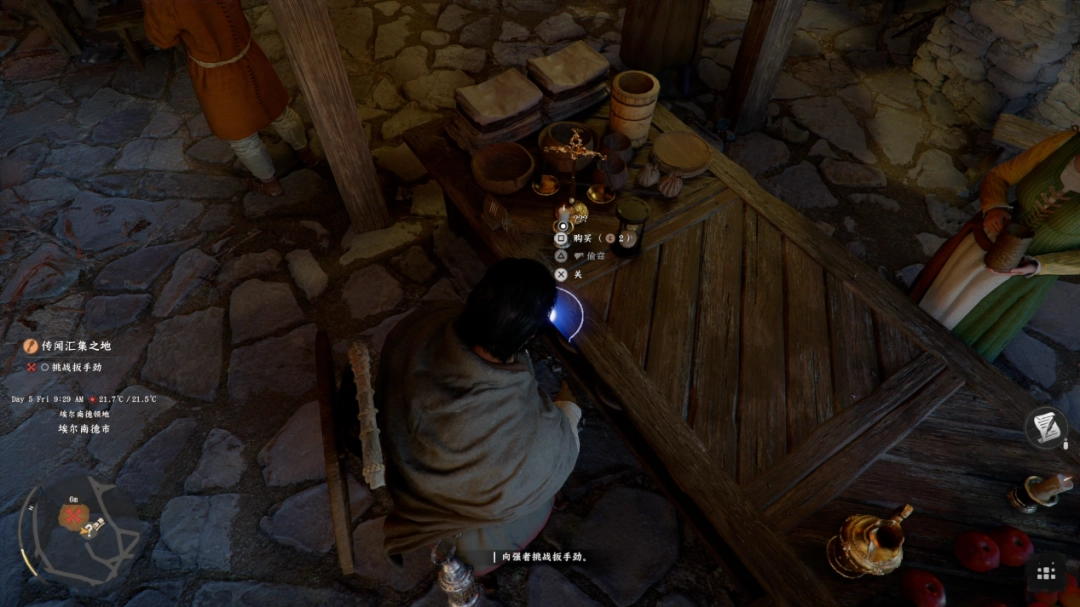
For example, most items that appear in the inventory in Crimson Desert have their own actual 3D models. Although Crimson Desert doesn't let you do what everyone loves—putting a basket over a vendor's head to steal openly—you can indeed use certain methods to become an outlaw and take items displayed outside the "virtual shop interface," teaching the vendor a lesson. Even if you plan to be a law-abiding citizen, tangible physical transactions will give you a unique sense of immersion and realism during gameplay.
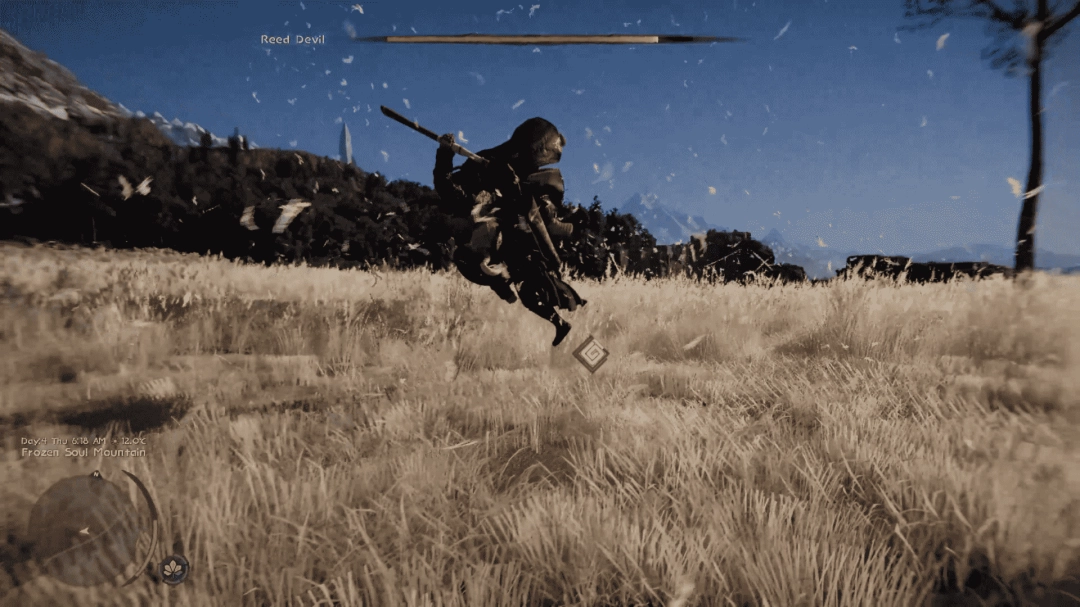
In terms of physics effects, Crimson Desert has also made significant achievements—it features character movement trajectories calculated freely through model collision bodies. In combat, even unarmed techniques are divided into various moves like "bash," "grab throw," "standing kick," "running kick," and "flying kick," each causing enemies to react differently to hits.
Although, as mentioned earlier, this content isn't applied to the level of道具 items, the vivid reactions characters make under different forces while traveling or fighting are still impressive enough to evoke cries of realism.
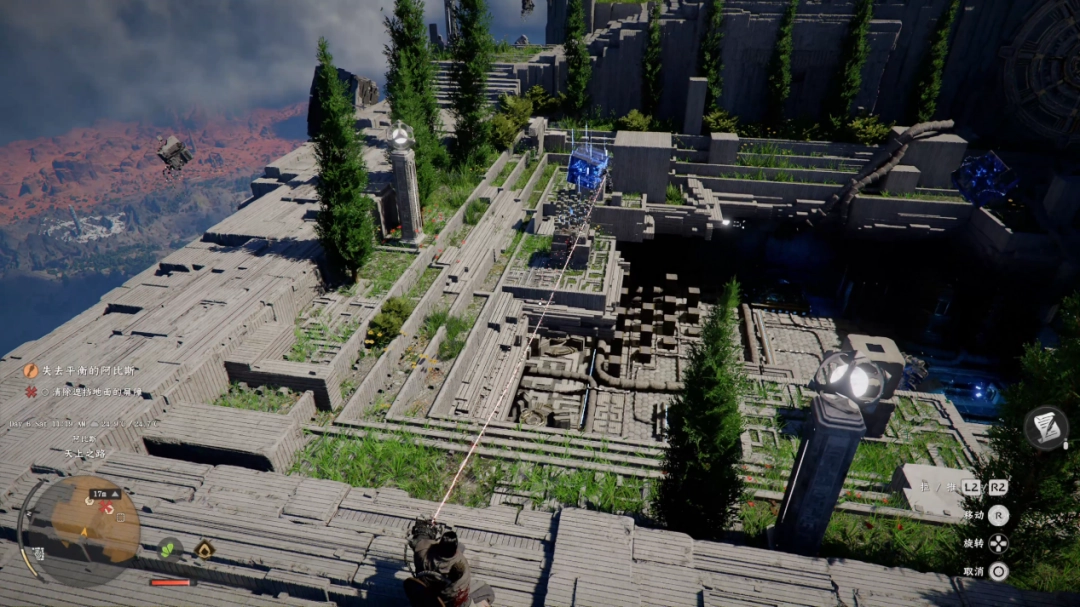
On this basis, players can freely move and operate some large objects appearing in the scene by using the invisible big hand extended through the "Power of Law." Coupled with realistic representations of simple natural phenomena in the real world, such as "fire igniting vines," it is predictable that the main game will bring a large amount of more varied and complex puzzle content.
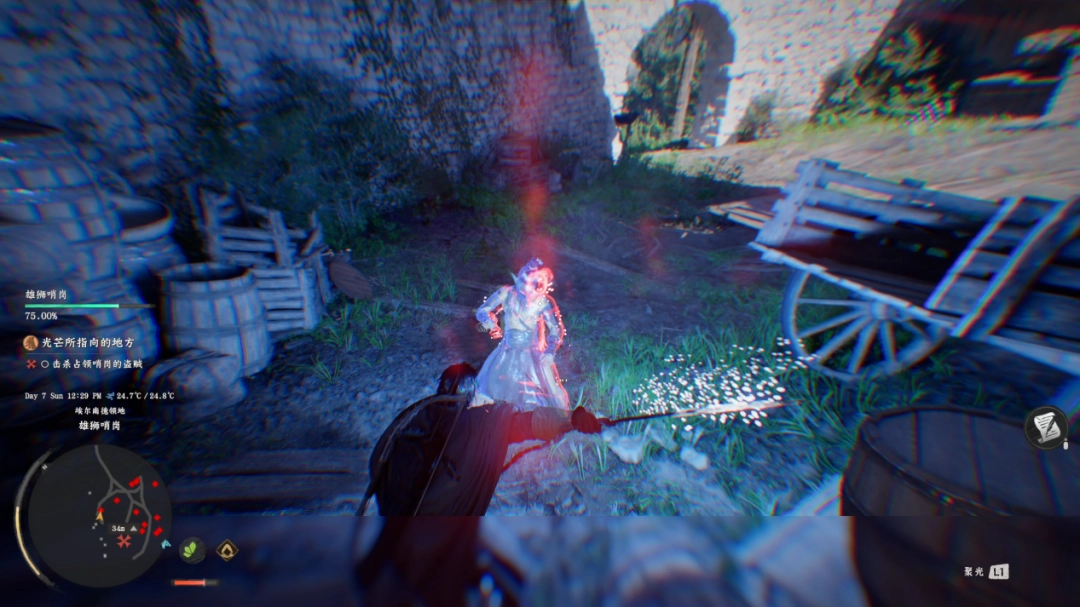
These simulations of real-world physics, within feasible limits, are not the only praiseworthy aspects of Crimson Desert. After "hand-crafting" the basic operating rules of "Pavwel Continent," Pearl Abyss did not forget the production experience accumulated during their years in the MMO industry—to put it bluntly, you can ride dragons and pilot mechs in this seemingly low-magic world, using attack modes far beyond "sword and magic" to crush side events like bandit strongholds scattered across the map.
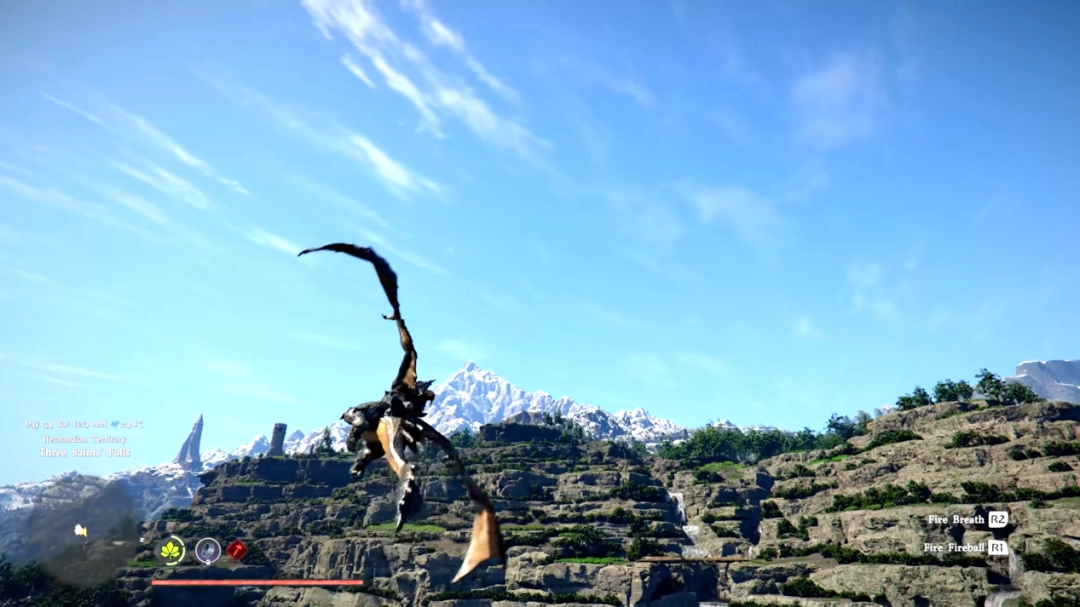
In the latter half of the offline demo event, I briefly experienced the second half of the game flow through pre-set save files and witnessed the power of two mounts: dragons and mechs. Unfortunately, due to official embargo restrictions, I can only reveal that they indeed exist in the game. As for their specific functions and abilities, we'll have to wait until the game's release to find out.
During the demo, I also discovered that as the character improves in stats like the stamina gauge, the entire game's combat gameplay will undergo a qualitative change.
In previous demo reports, I mentioned that unlike the various ARPGs we are familiar with in recent years, the "defend" action in Crimson Desert does not hinder stamina recovery but instead helps it recover. This also means that in Crimson Desert, holding down the L1 button responsible for defense/guarding (which I call "Continuous Defense State") is when you truly enter what is generally referred to as "Free State" in typical ARPGs.
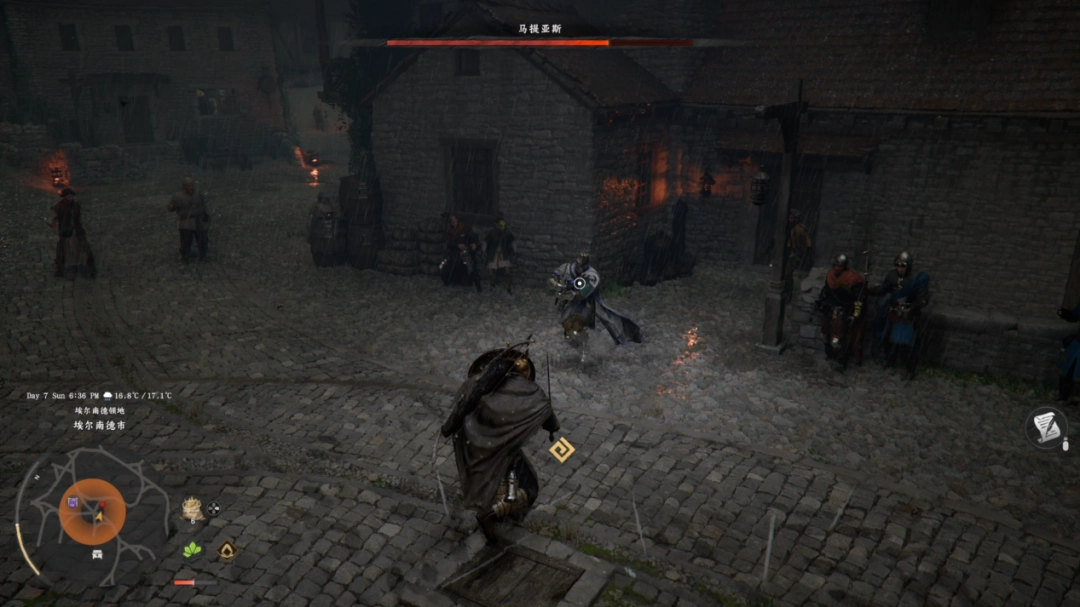
This setting once led me to believe that Crimson Desert emphasized slow-paced cold weapon combat requiring constant maneuvering by changing the conditions for entering "Free State," creating a triangle balance similar to fighting games' "attack-defend-grab" at the action system level. But after I got my hands on mid-to-late game characters with maxed-out stamina, "Courage," and various skills in the skill trees, I realized that Crimson Desert also has a "Combo State."
Let me explain first: Crimson Desert's "Courage" is a combat resource obtained through normal attacks. It can be used to release combat skills, or to release "Jin Fa" (Force Techniques) that can forcibly interrupt enemy actions, or combined with actions like rolling and jumping to enhance their base performance. The aforementioned "Combo State" in Crimson Desert's combat is closely linked to this combat resource.
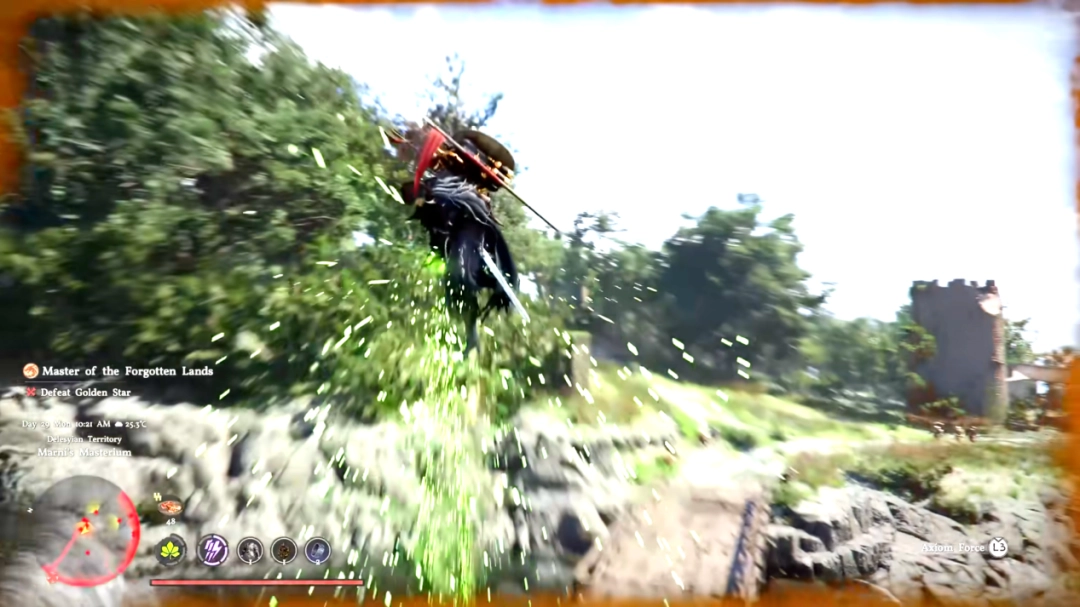
When the game progresses to the mid-to-late stages, and your "Courage" gauge is large enough with high acquisition efficiency, the various combat skills that were previously used only occasionally can completely replace normal attacks as the main means of dealing damage.
Since normal attacks in Crimson Desert do not consume stamina, once your character has grown to a certain extent, the most economical way to improve output efficiency is actually to hold down the light attack R1 button—this not only triggers various combat skills released with R1 plus other buttons at the fastest speed (which I call "Continuous Attack State"), but also minimizes the recovery lag between them, thereby dealing tons of damage to enemies under a barrage of combat skills.
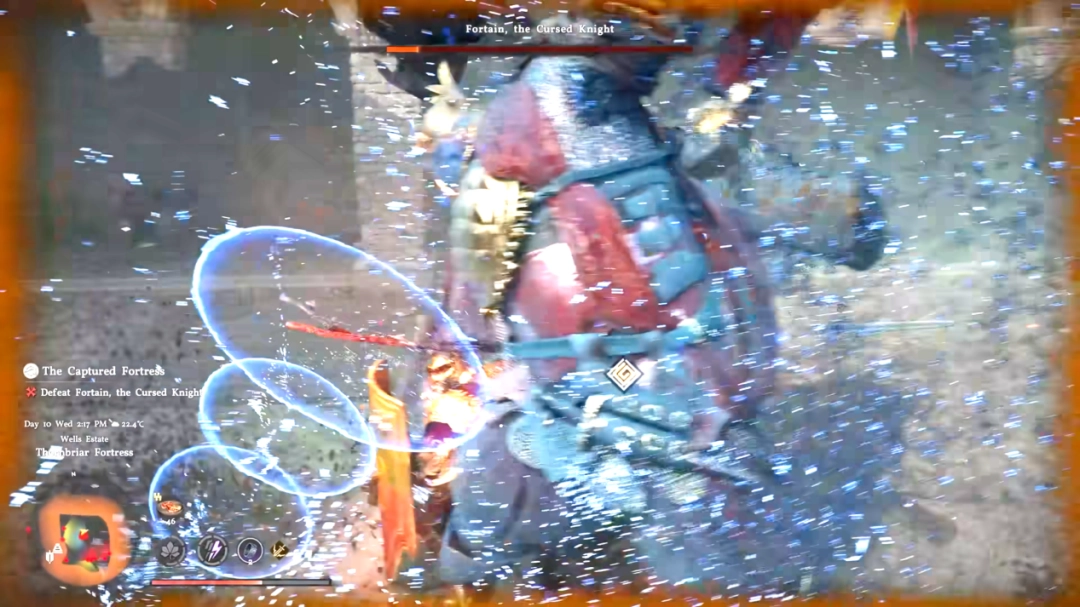
This means that in the mid-to-late stages of Crimson Desert, the mainstream combat mode for players will shift from methodical counter-play to something akin to a time-unlimited "Awakening Musou," efficiently dealing damage by continuously releasing combat skills. Moreover, combat skills released with R1 plus other buttons have excellent module divisions such as dash, evade, and area attack—this means that, with proper operation, theoretically, you could eliminate a boss in one go amidst continuous combos.
Of course, it's perfectly fine if you can't manage it. Even if your damage rhythm breaks, the unreasonable "Jin Fa" (Force Technique) will bail you out, allowing you to re-enter your turn.
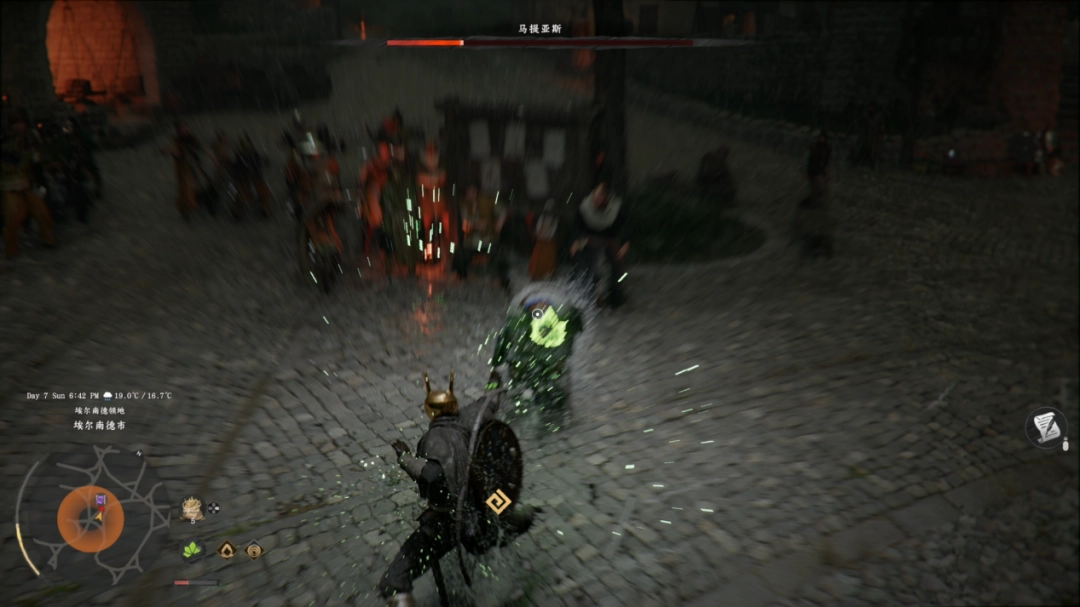
Overall, the two gameplay highlights shown in the latter half of the offline demo, which differ greatly from the initial experience—"mounts" and "combat modes"—have already revealed the huge potential in playability of Crimson Desert's game flow—when first entering "Pavwel Continent," under the influence of physical presentation and graphical details, you can feel a highly immersive medieval pastoral fantasy world.
And as you grow stronger through the progression, the increase in character abilities will allow you to transcend the original gameplay mode and reinterpret this world from a higher dimension.
"Killing two birds with one stone" is indeed exciting.
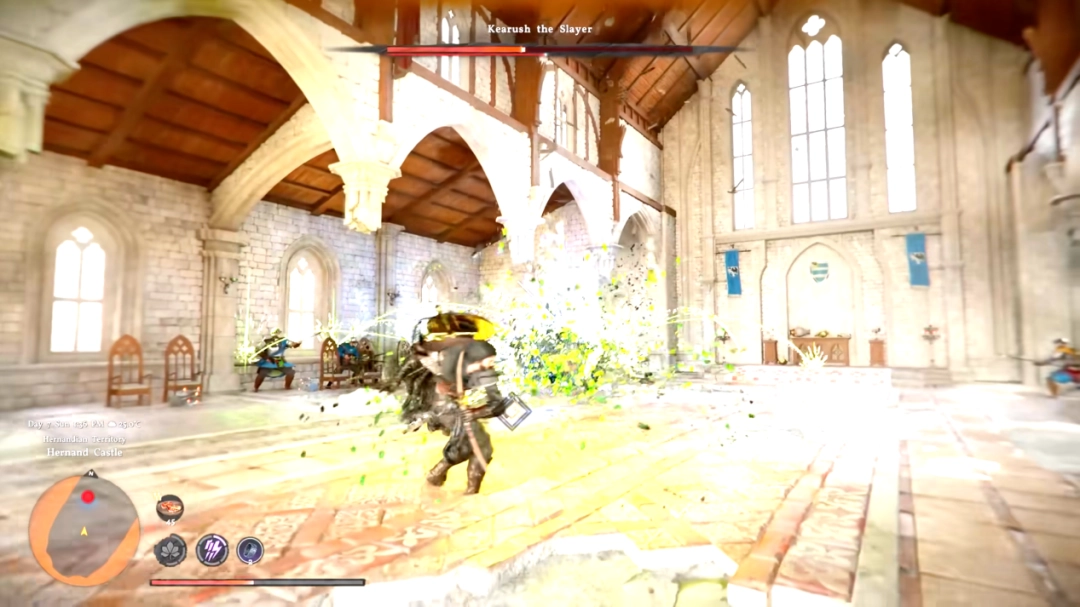
But ultimately, physical presentation and gameplay upgrades are merely the "skeleton" of Crimson Desert. Trivial gameplay elements like stronghold clearing, quest progression, and puzzle exploration, which provide players with upgrade resources, are the important "flesh and blood" that ensure the baseline quality of an open-world game.
Regarding this point, although the "net playtime" for the offline demo reached an astonishing six and a half hours, since the demo content "only includes the beginning and end," I still find it difficult to judge the whole by seeing just a part—I dare not make any guarantees to you right now.
For me, in Crimson Desert, doubt and anticipation are not so far apart. For a game in the demo stage that has already shown considerable content, this is an extremely special thing.
Drawbacks bring doubt, benefits bring anticipation—this is undeniable. But in Crimson Desert, bad is good, and good is bad—its unconventional designs (at least in my opinion) from the inside out will surely be honey for some and poison for others.
As for which component weighs more... that can only be answered by the market. Before the final answer is revealed, I want to pay my respects to Pearl Abyss and all members involved in the project—from these unconventional designs, I can feel their almost obsessive pursuit of "originality."
Embedded within it is a shining "player's heart."