

Today's topic involves childhood enlightenment, which is a fascinating issue. Individually, its forms can be wildly diverse, but when observed on a mass scale, you occasionally discover interesting commonalities—something known as "collective memory."
When mentioning gamingEnlightenment (enlightenment/introduction), some recall the all-powerful "older cousin," while others remember seeing someone enter cheat codes in an internet cafe and drive a tank down the street.
When mentioning sexual enlightenment, some insist on the Gloom-shroom, while a certain handsome guy from Morioh Town gets aroused just by seeing Mona Lisa's hand.
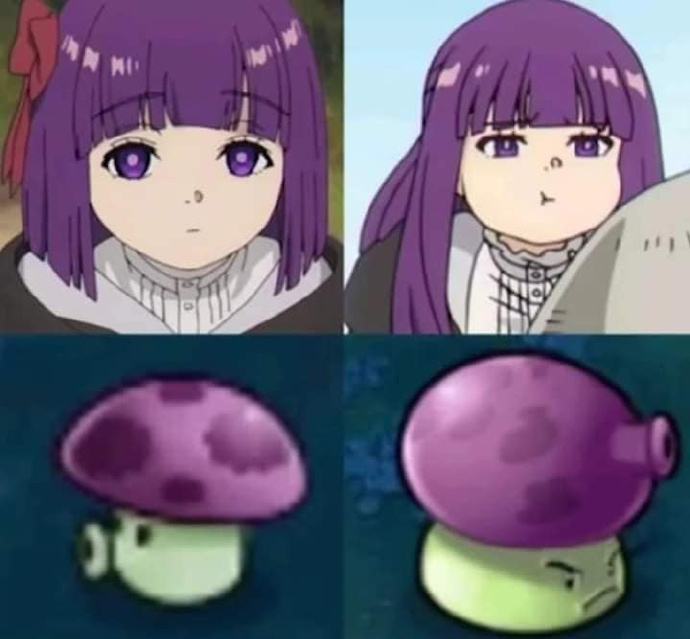
This "Gloom-shroom" isn't bad either.
But when it comes to inspiring imagination and creativity, what likely comes to mind for many is a man wearing a red smock—
Neil Buchanan, or, Uncle Neil.
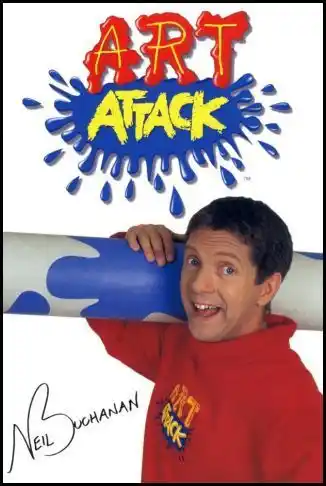
You might not recognize the name, but you've most likely watched "Dragon Club," heard the opening line "Hello everyone, glad to see you all again," seen that brightly colored craft table, and eyed those oversized stationery items you desperately wanted.
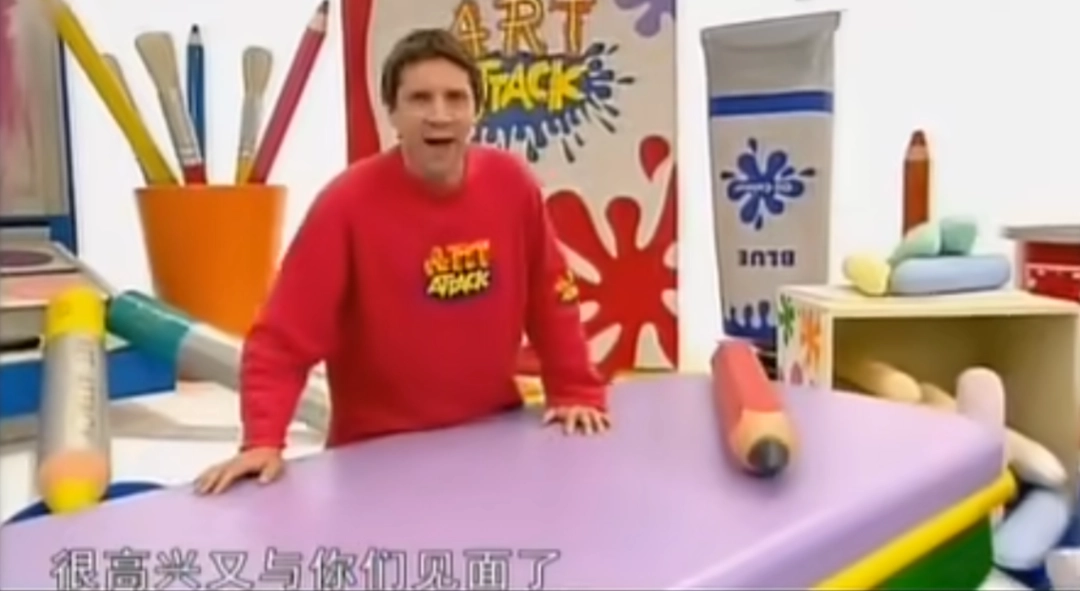
These memories linger in many people's childhood after-school hours, usually accompanied by the sunset glow and a bulky CRT television.
And they all come from a program called Art Attack, produced by the UK's CITV, themed around artistic creation for children. The original version aired from 1990 to 2007. Initially only available overseas, it was later introduced to China as a segment of the TV program "Dragon Club." Throughout the decade-plus run of the show, Neil Buchanan was its sole host and instructor.
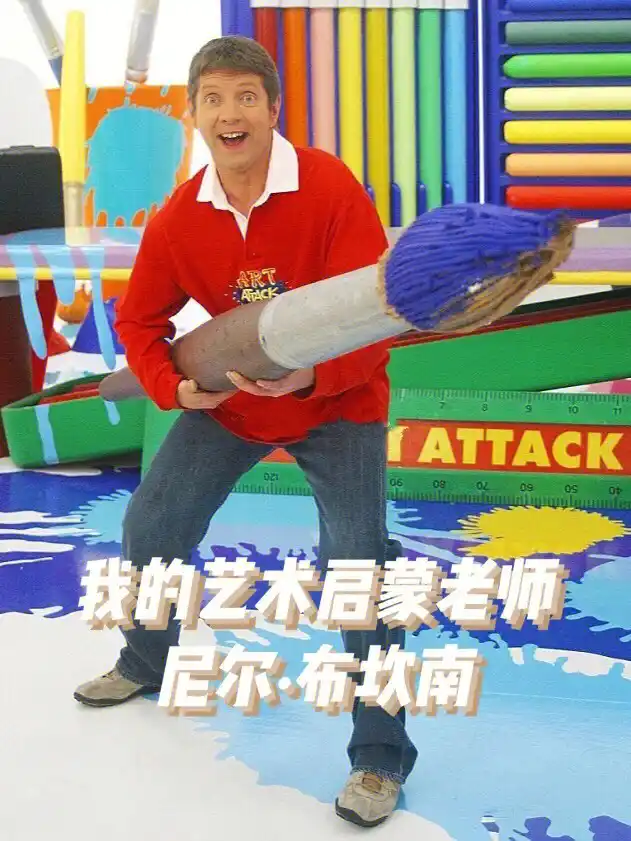
However, despite being a teacher, Neil Buchanan lacked the sternness and dogmatism often stereotypically associated with educators. We often imagine ideal teachers as kind, patient, respectful of students, and inclined towards inspiration rather than rote instruction. In addition to these qualities, Neil Buchanan's performance on the show featured humorous expression, encouragement of children's playful nature, frequent affirmation of the audience's abilities, and most importantly—a creative yet straightforward teaching style.
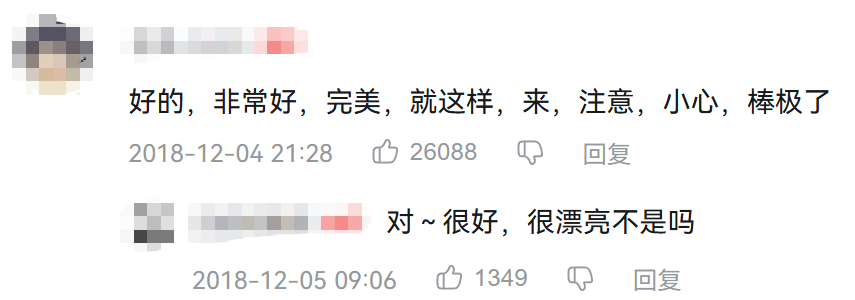
"Fully Automatic Praiser" Uncle Neil
In each episode, Uncle Neil would present art creation tutorials covering various forms such as painting, crafts, large-scale outdoor collage displays, and sand art. However, the tools he used during these tutorials were often materials commonly found in everyday life:
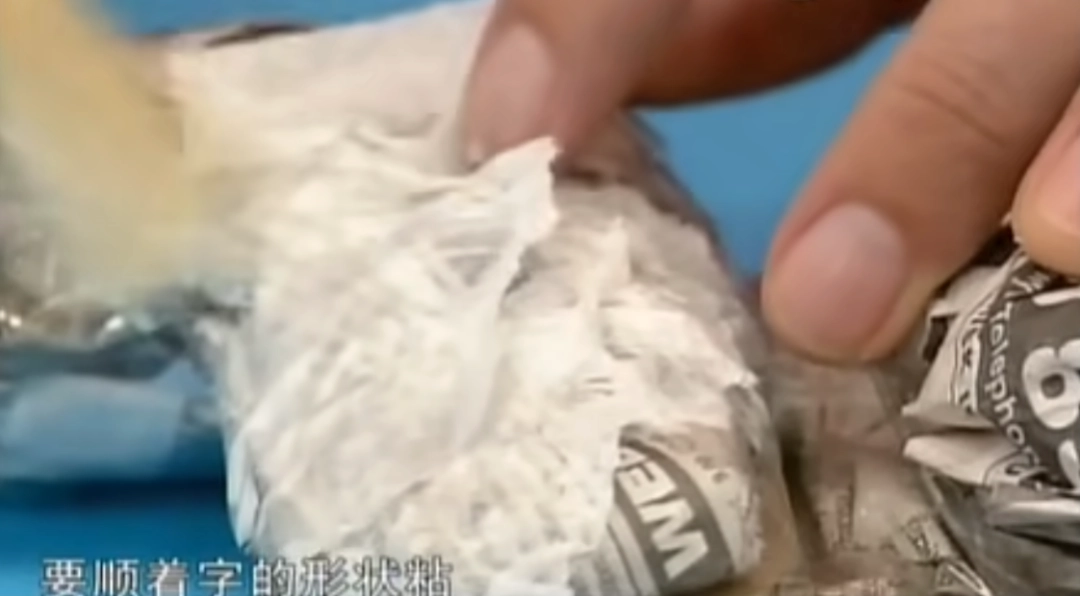
To make a 3D personal nameplate, he used materials like cardboard, old newspapers, and large amounts of white glue and tissues.
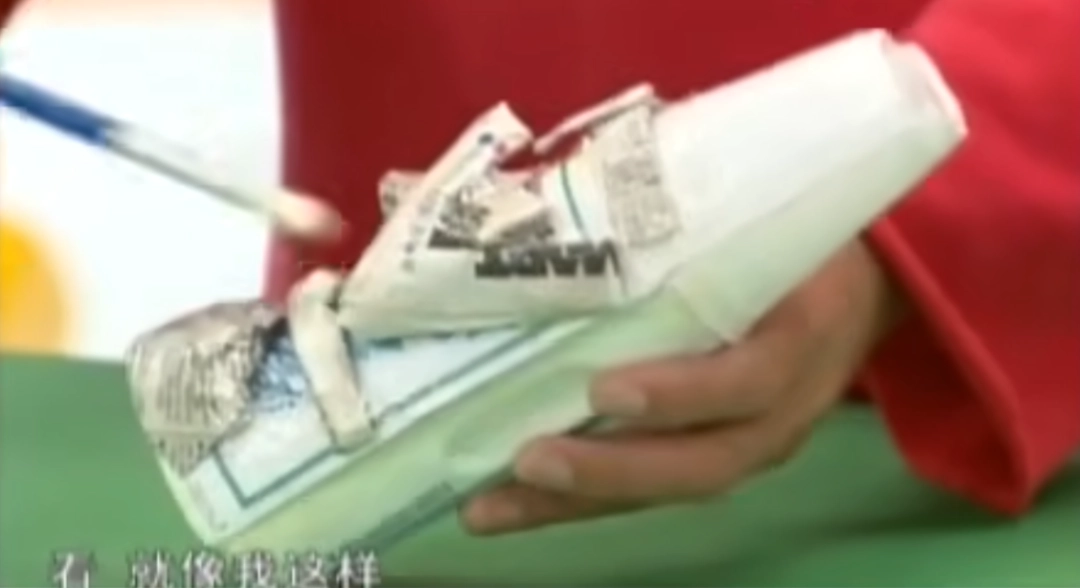
To make a mummy-shaped pencil case, he used materials like discarded detergent bottles, a few disposable plastic cups, and large amounts of white glue and tissues.
To make insect dolls, he used materials like balloons, old newspapers, and... large amounts of white glue and tissues.
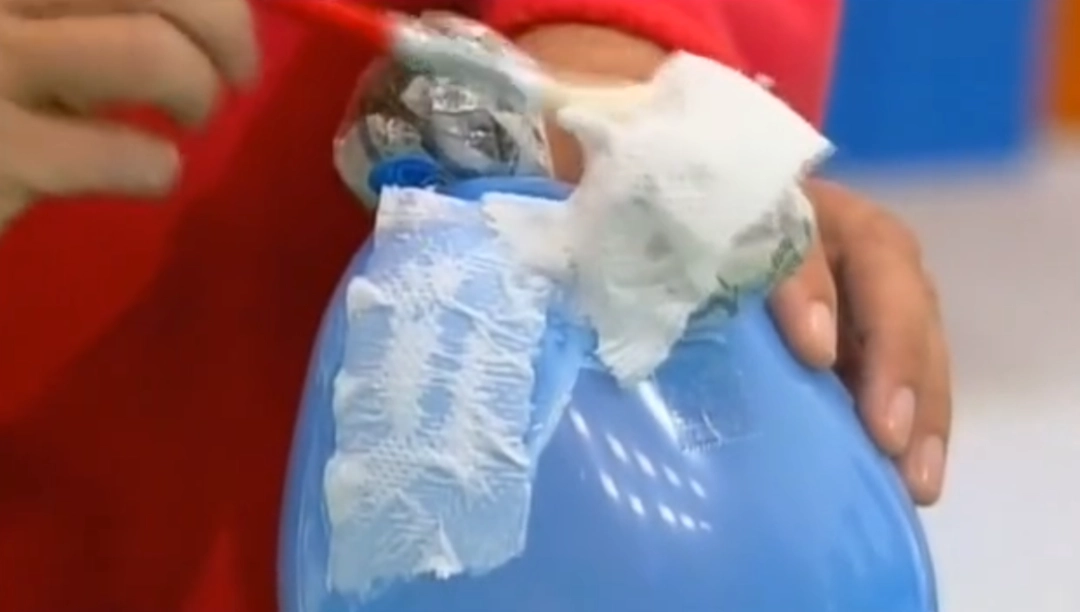
It seems every field has its own "Three Divine Tools," such as "Old Seals, Crowbars, and Friends." In Uncle Neil's teachings, white glue, tissues, and old newspapers are these "Three Divine Tools." The supreme pliability of these three materials makes any shape possible.
When Uncle Neil demonstrated the power of "White Glue Supremacy" through his words and actions, almost every child believed they could truly "do it." The only question was—where on earth could I find white glue?
At that time, information acquisition was far less convenient than it is now. Finding materials like white glue was as difficult for children in many areas as it is for gamers today to find friends. Incidentally, the difficulty of obtaining white glue and friends swaps as we grow up, a correlation that is quite sorrowful.

The regret of being just one step away from completing a "great work" turned white glue into an urban legend among children. It also led grown-up "big kids," who realized they had inadvertently heard "apply a bit more white glue" hundreds of times, to tacitly use these three words as a "secret handshake," adding a bizarre charm to this childhood memory.

Leveraging the powerful shaping capabilities of the "Three Divine Tools," Uncle Neil successfully deconstructed the seemingly complex process of craft creation into exceptionally simple logic in his lessons—you just need to use cardboard, discarded plastic bottles, balloons, or any shaped objects for the basic structure. After that, all shaping can be solved using the "Three Divine Tools."
This simplified creative logic was applied to all his program content, from small painting techniques to the "large works" he built outdoors. Uncle Neil borrowing items everywhere, dismantling houses, and using various unexpected objects as raw materials to create "large-scale paintings" was the most anticipated content in every episode of Art Attack.
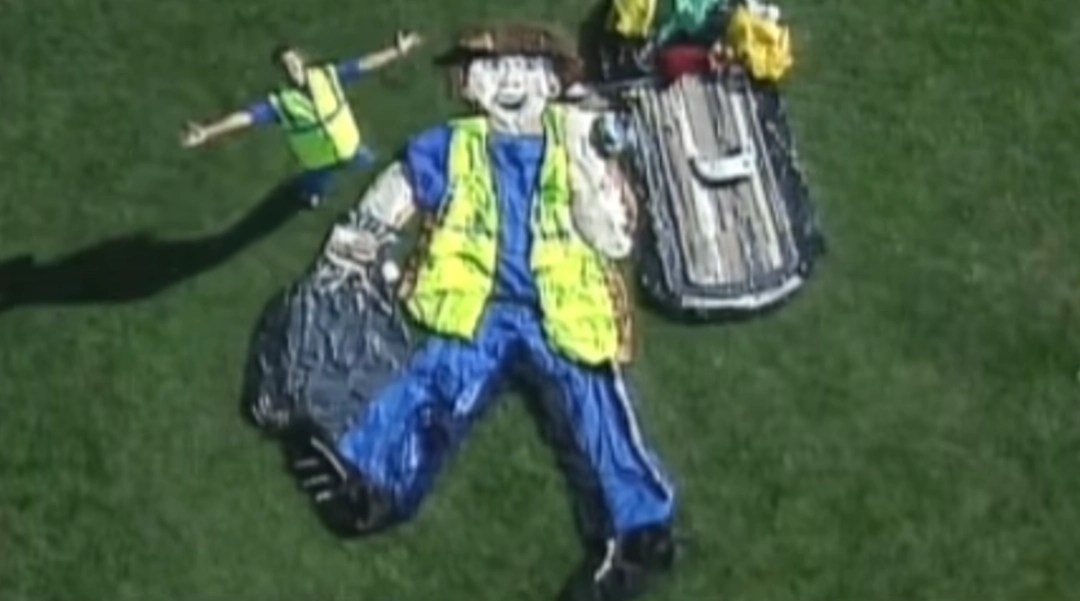
Uncle Neil could always use objects like carrots, work uniforms, notebooks, and branches to piece together giant works such as deer, garbage cleaners at work, or boys playing with yo-yos. The scale of these works, the materials used, and the contrast with the final products contribute to their spectacular nature. However, the creative logic behind these works remains the simple method taught by Uncle Neil in craft class—break down the final goal into the smallest units and use materials with the greatest pliability to complete the work.
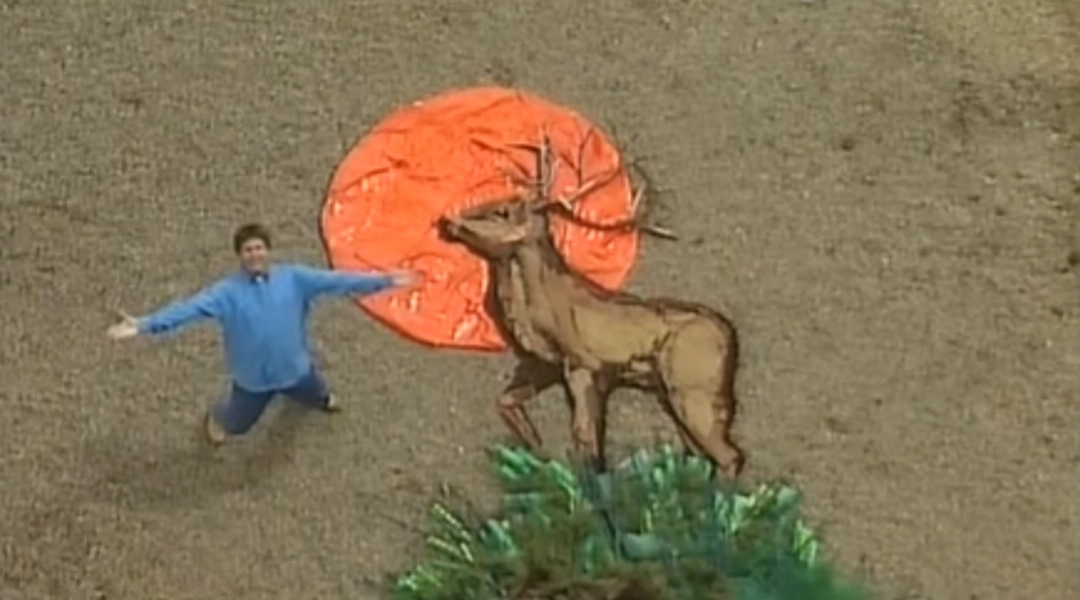
Observing closely, you'll notice that in Uncle Neil's giant creations, the oddly shaped materials primarily serve to fill in colors. In other words, Uncle Neil treated objects like carrots and notebooks as individual "pixels" in a drawing, completing the artwork by filling in these pixel blocks.
This is undoubtedly a clumsy method. But for children who know nothing of technique or theory, it is also the most effective. When you break down the completion of a work to this level, the only factors affecting the final result are patience, attention to detail, creativity, and imagination.
Many years later, the children who grew up watching Art Attack might recall that afternoon when Uncle Neil was tearing apart houses everywhere, while playing LEGO or Minecraft.

However, this alone isn't enough to explain Uncle Neil's status on the internet today. There are many "Neils" in pop culture; some remind you of golf, others of Yoko Taro's big head or 2B's skirt... But discussing any of these other "Neils" is likely to spark controversy.
Only when we add "Uncle" after "Neil" can we witness true "world peace."
The reason is that Uncle Neil not only taught viewers techniques and theory, but also provided immense emotional support to children. He never held back praise: for every child's work featured on the show, he could find a unique angle to commend and critique; during the teaching process, every sentence included words of encouragement.
Most importantly, he would always end the show with the phrase, "Come on and try it, I believe you can do it."
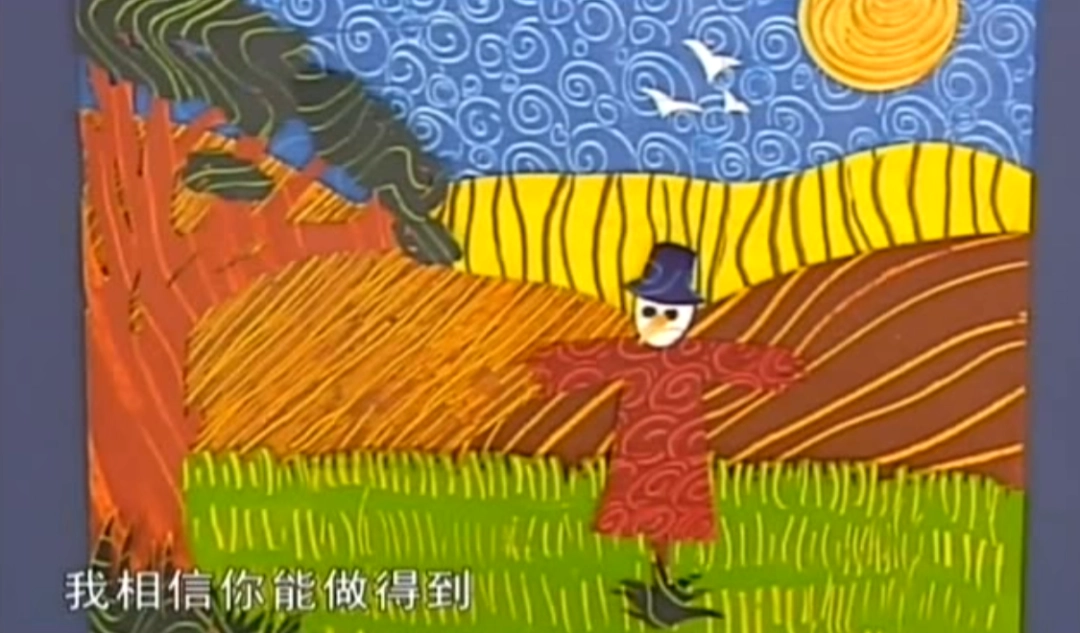
For children whose personalities are still forming, this unreserved trust, support, and praise is almost the earthly embodiment of the concept of a spiritual mentor.
In the comment sections of many videos about Uncle Neil, you can always see different people saying the same thing in similar tones—
"He believes in me more than I believe in myself."

This trust from others is always gentle yet powerful. Therefore, even though Art Attack has been off the air for many years, a fan-made video themed around Uncle Neil can still top the trending list on Bilibili.
For many people, Uncle Neil's greatness lies in showing all children that "creation" is not something reserved for the elite—
"You don't have to be a great artist to create good work."

Image source: Bilibili @Lowen Atkinson
If the story ended here, Everythinggj would be perfect—even though we've left Neverland, people can still keep a Peter Pan living in their hearts.
But the annoying thing about real life is that your childhood memories might warm you one moment, and punch you in the face the next.
In recent years, many people have followed the trail of the long-lost Uncle Neil, eventually finding traces of "Uncle Neil" on X.
Unfortunately, what awaited them was not the imagined Art Attack, but a literal "Art Attack."
This "Uncle Neil" basically does only three things in his tweets: posts smut, posts smut, and posts smut.
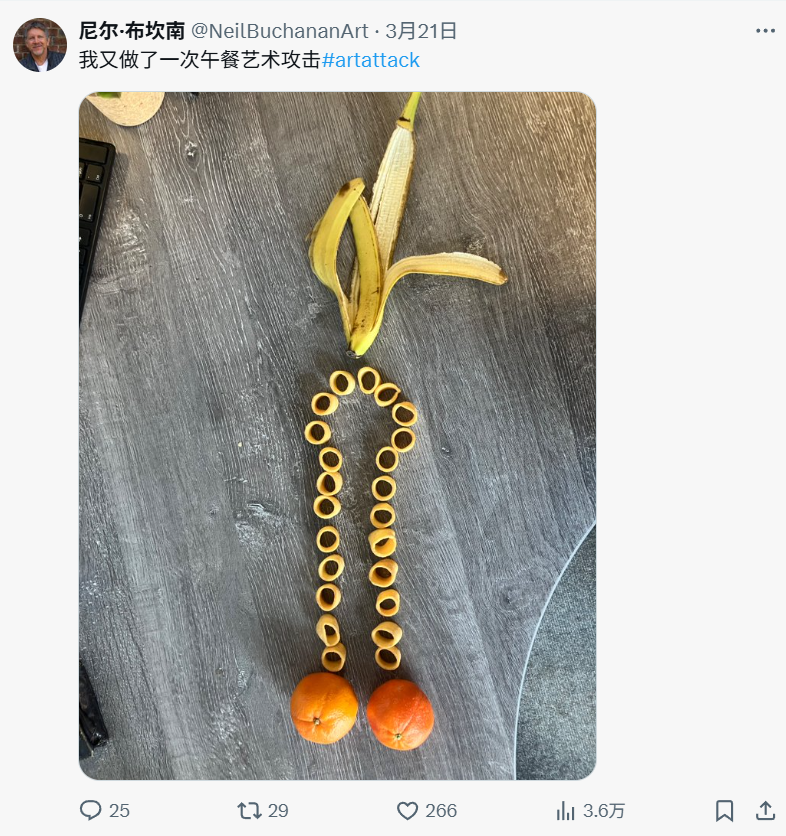
The past Uncle Neil focused on helping children discover the colors of the world, while this "Uncle Neil" on X focuses on helping you discover "yellow" (porn).
Visiting his personal page, the first things that catch your eye are giant sausages and open buns. Grown-up "big kids" instantly get the joke, and then they hear their inner Peter Pan screaming, "This has shocked me for a whole year!"
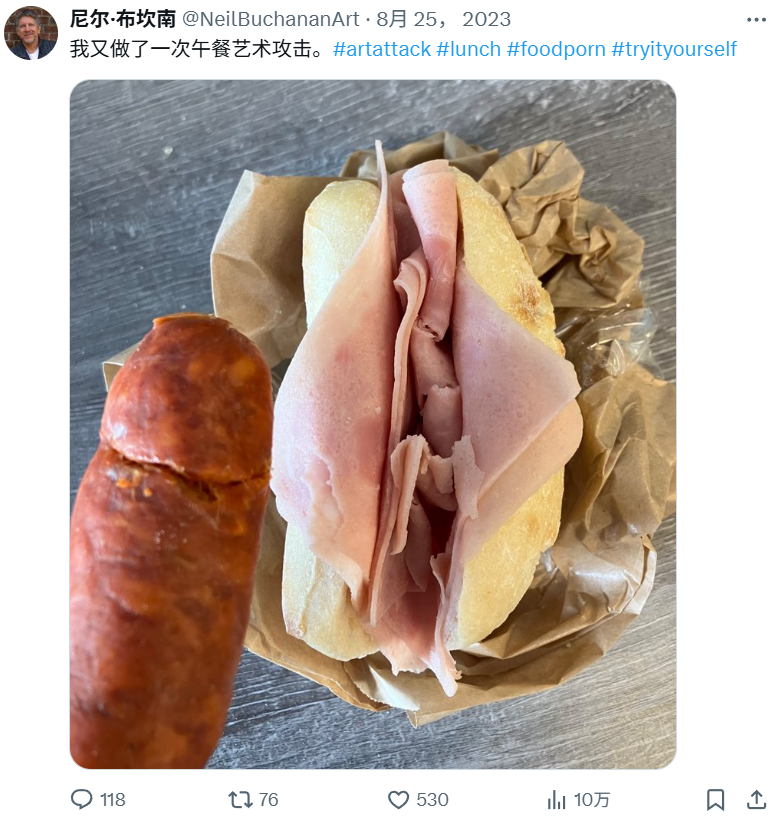
In "Uncle Neil's" tweets, the word "Cock" appears with such high density, and the variety of dirty jokes is so broad, that you can only exclaim, "It's not that there's no yellow (slang for pornographic content) in the world, just a lack of eyes to discover it."
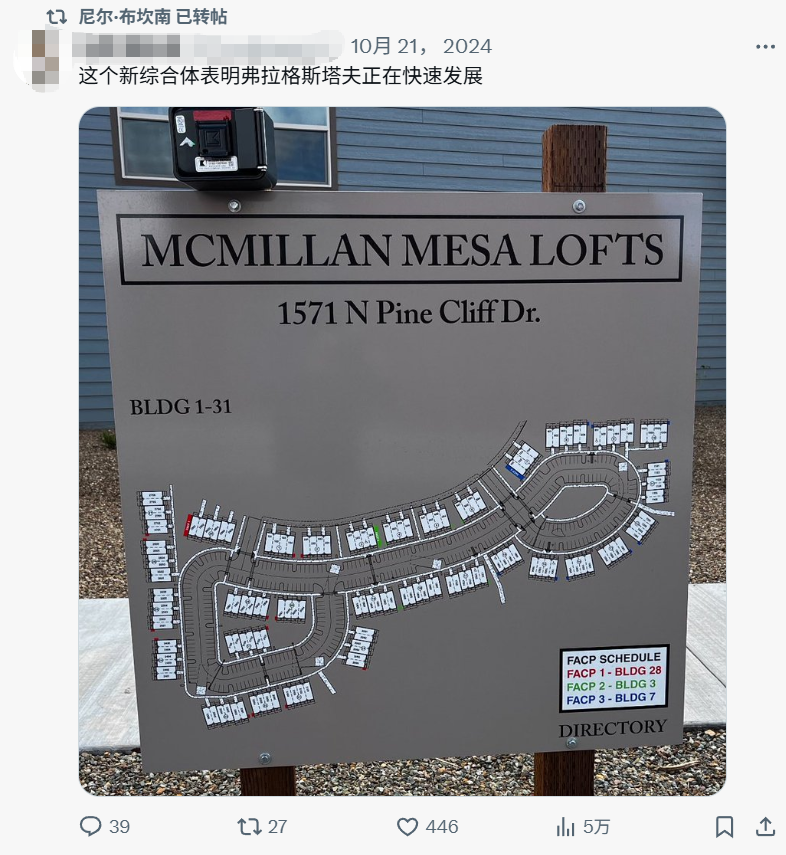
Recently, Typhoon "Bamboo Grass" had a rather eerie trajectory, embodying the spirit of "first strong, then weak, then exhausted," giving new life to the old meme "Shanghai Lord Impact."

But if you browse through "Uncle Neil's" profile, you'll realize this is just old news the old man played with a year ago.
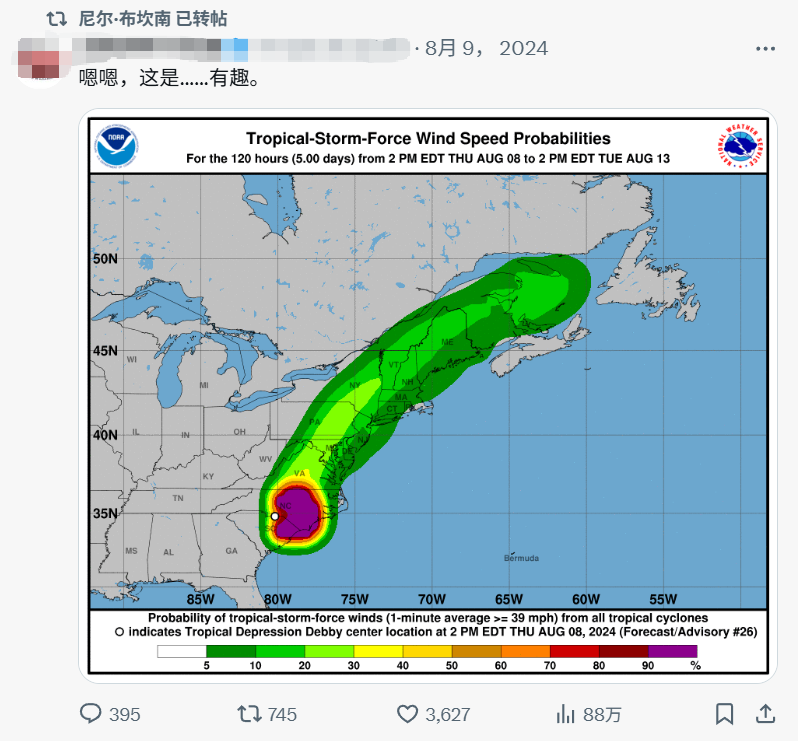
As non-native English speakers, we often find certain English slang terms unfamiliar and confusing. Yet "Uncle Neil," a true paragon of the education sector, never forgot to teach everyone the wonders of language even after retirement.
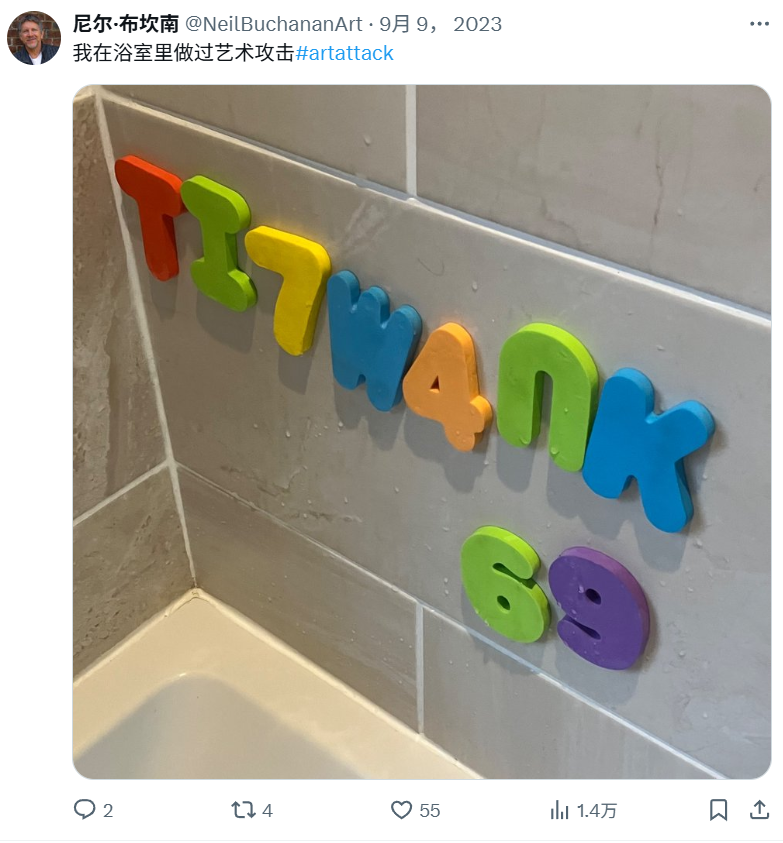
Even if you don't understand the "tit wank" above, you'll most likely understand the "69" below.
After the barrage of new "Art Attacks," many "big kids" whose inner Peter Pans had quietly passed away smiled knowingly and sincerely exclaimed—
Even as we grew up, Uncle Neil didn't forget us. He posted content for kids when we were young, and now posts content for "big kids"... It seems Uncle Neil really only teaches our generation.
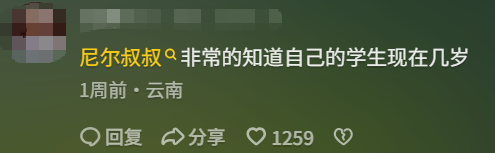
Thus, the meme "Neil Only Teaches One Generation" was born. After spreading domestically, it attracted many onlookers who marveled at the phenomenon—
"As expected of Uncle Neil, he always knows exactly what we want to see."
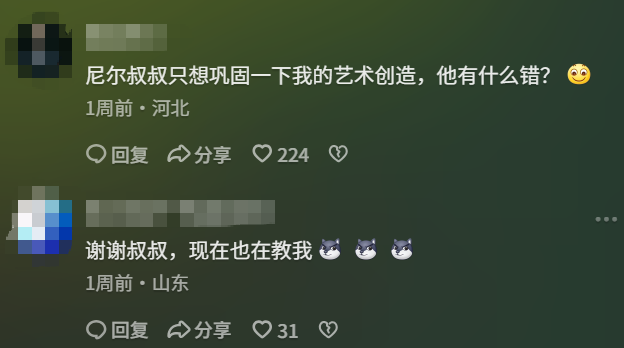
However, although we all know that LSPs (perverts) are rampant on the internet, we must admit that not everyone can accept this magnitude of "Art Attack." When you browse the comments section of "Uncle Neil," you'll find that some people's inner Peter Pans are still quite lively, screaming vigorously—in eight different languages.

As the childhood idol of children worldwide, the giant sausage pulled out by "Uncle Neil" truly shattered many people's childhood filters into glass shards.
Although many "meme encyclopedias" have naturally assumed this "Uncle Neil" is Neil Buchanan himself—after all, the contrast between the earlier and later images implied by "Only Teaches One Generation" is dramatically effective—it must be said that there is a high probability this "Uncle Neil" is a parody account, even if it has the most followers among all accounts with that name.
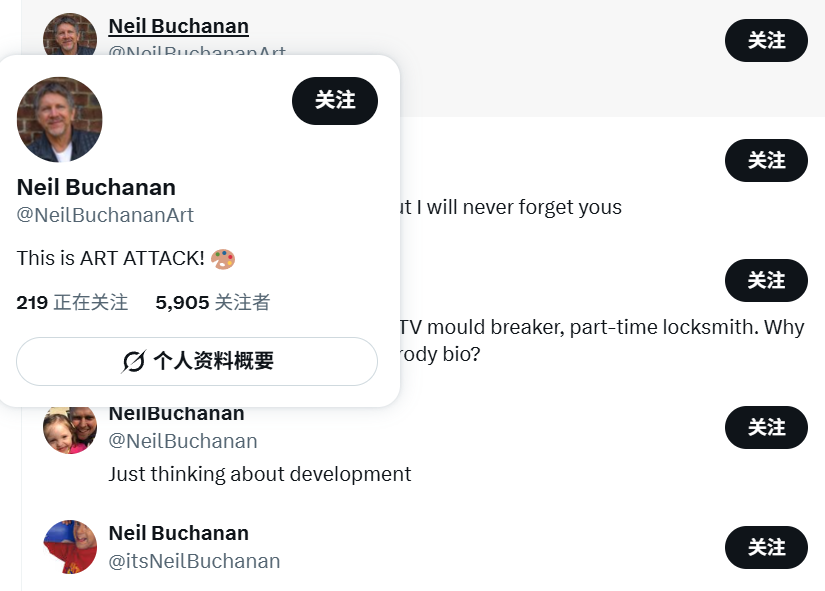
Although he hosted children's programs for over a decade, Neil Buchanan himself was not someone who liked the spotlight. There are very few records of his private life. Apart from Art Attack and a few shows he participated in while working at CITV, Neil Buchanan's most frequent public appearances were performing with a heavy metal band called "Marseille."
In reality, the band "Marseille" was Neil Buchanan's true "career." Before entering the television industry, he and several enthusiasts had already made a name for themselves in the UK heavy metal scene under the banner of "Marseille," winning competition awards, releasing four albums and six singles, and even touring in the United States. Unfortunately, the management company went bankrupt, forcing the band to disband. After the breakup, Neil Buchanan, briefly losing his direction in life, joined CITV, beginning his legendary career as a children's program host.
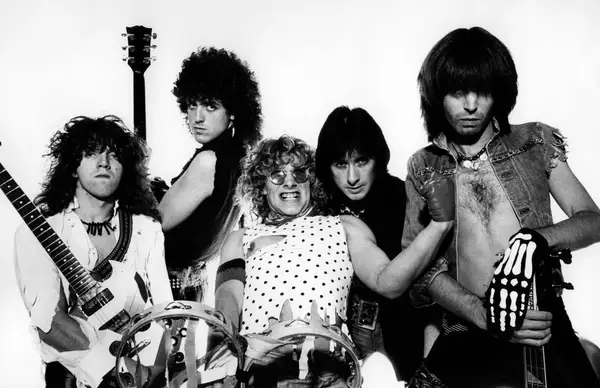
Neil Buchanan is on the far left.
But Neil Buchanan himself never gave up on the idea of reforming the band. Indeed, the band "Marseille" reformed in 2009 after he left the Art Attack team, performing at a club in Liverpool. A few photos of Neil Buchanan taken during the performance were published by the media, shocking everyone with the huge contrast between the "hardcore man" in the photos and the image of "Uncle Neil."
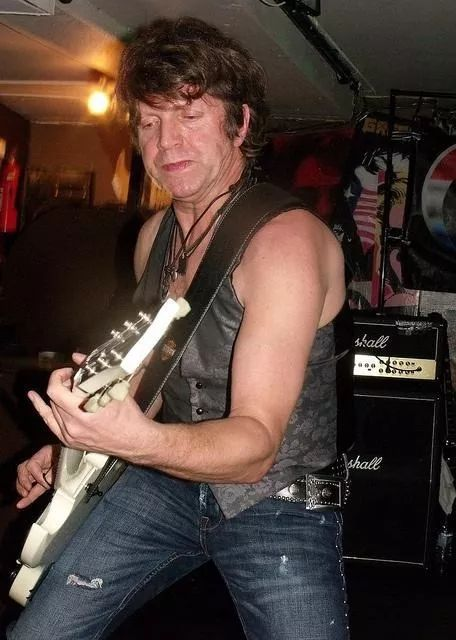
In 2017, Neil Buchanan received numerous inquiries for children's TV programs from around the world, leading him to leave the band "Marseille." Since then, he has rarely appeared in the public eye.
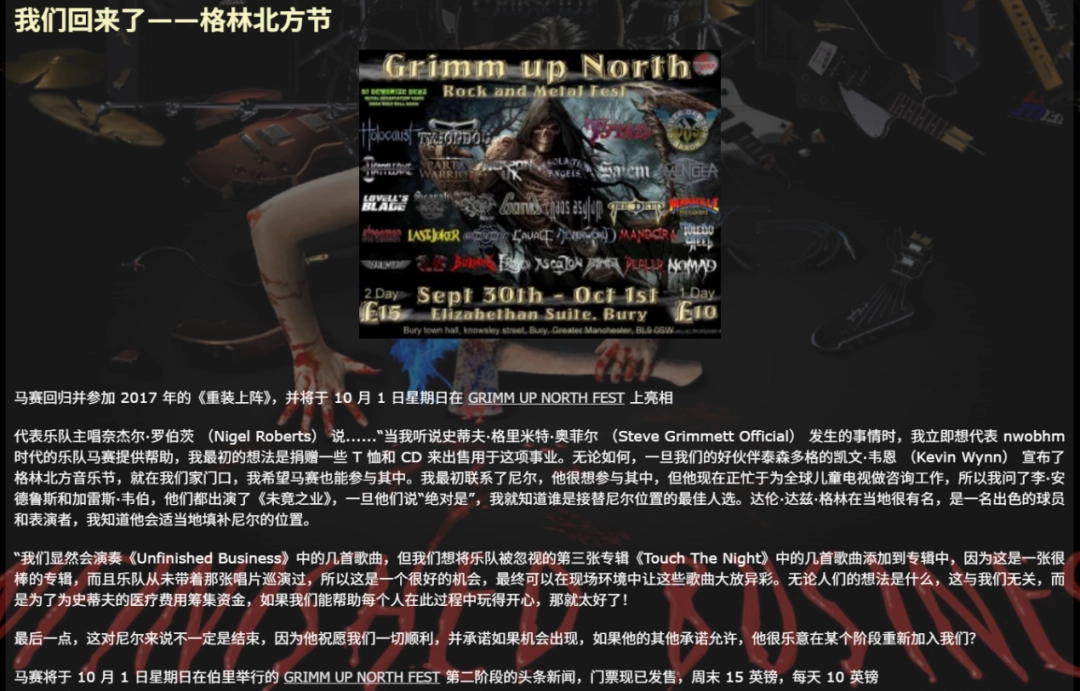
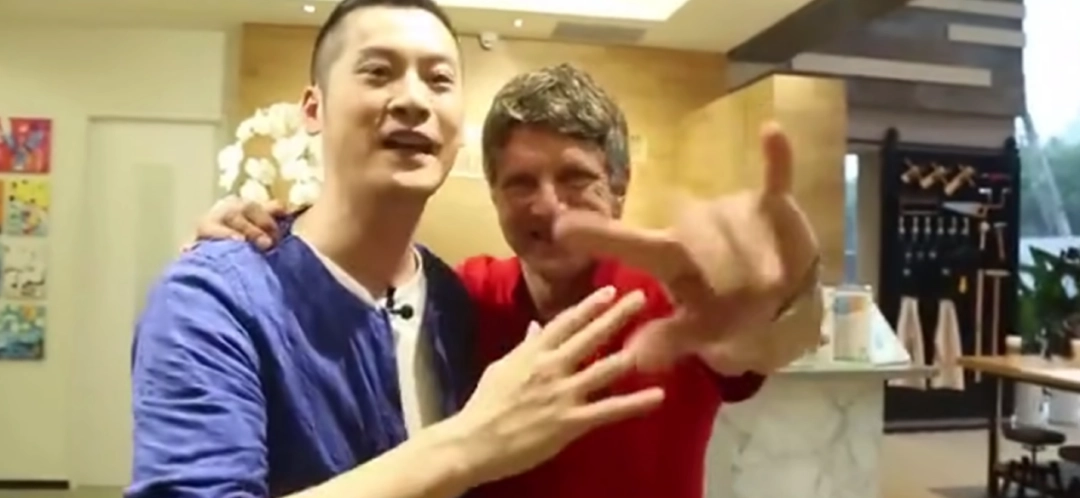
Currently, there are basically only two places where we can see recent footage of Neil Buchanan.
One was in 2017, when a domestic children's program called "Idle Painting Tribe" invited Neil Buchanan as a guest to perform an authentic "Art Attack" live on site.
The other was in 2022, when easyJet launched a plan for children to create crafts on planes, collaborating with Neil Buchanan and posting short videos on TikTok—by this time, Uncle Neil had become Grandpa Neil.

Since then, we have hardly seen Neil Buchanan appear publicly. However, from the fact that he left his beloved music career due to consulting work in children's television, and that his subsequent appearances were related to children's art creation, we can roughly guess where the old man's current life priorities lie.
And this aspect has nothing in common with this "Uncle Neil" on X, let alone significant differences.
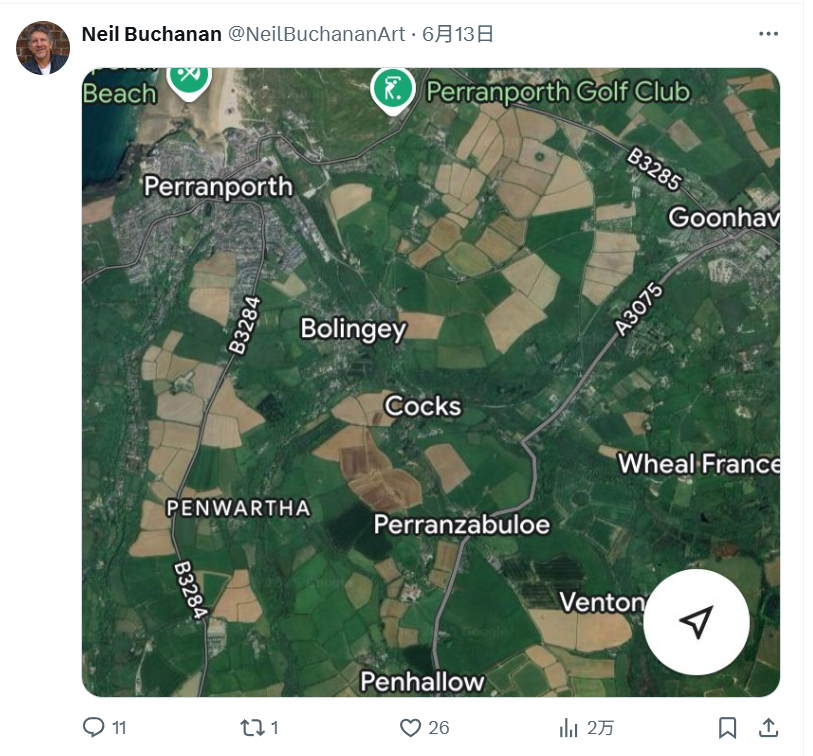
After leaving television, Neil Buchanan has behaved like an ordinary, low-profile person, taking photos, painting, playing music, and focusing on the children's art industry. For such a person to use his own name to post dirty jokes wildly on the internet is highly questionable.
But honestly, since Neil Buchanan hasn't come forward to deny it, this matter remains open for discussion in the chaotic internet.
When I first started working on this topic, I was also driven by curiosity, wanting to see whether the vulgarization of my childhood idol revealed twisted human nature or moral decay. After searching for a long time, the matter remains an unsolved mystery.
Therefore, regardless of how public opinion shifts on this matter, it all falls within the tolerance of the internet—you can happily enjoy the spectacle of "Neil Only Teaches One Generation," or you can choose to protect your childhood innocence based on your own judgment.
As for which side to choose?
Why not ask yourself if you can still see Peter Pan?