

At ChinaJoy 2025, NVIDIA partnered with Perfect World to establish the Perfect Esports Partner Alliance, officially becoming Perfect World's strategic esports partner and continuing to support Perfect World's esports tournaments. This exclusive GPU partnership between NVIDIA and Perfect World will cover all esports scenarios, including tournaments, internet cafes, and campuses, as well as foster innovative integration of AI and gaming businesses.
In the GPU domain, the superior performance and outstanding stability of NVIDIA GeForce RTX GPUs are recognized hardware standards by major domestic and international tournaments and professional esports players. NVIDIA Reflex low-latency technology, designed specifically for competitive gaming, reduces system latency end-to-end, allowing professional players and gamers to fully unleash their true potential.

Meanwhile, at the conference, NVIDIA also outlined the current implementation status and future possibilities of AI technology.
First up is DLSS 4 Multi Frame Generation, a technology that has been implemented for quite some time.
Since the release of Black MYTH - Steam Edition: Wukong, the development of Chinese single-player games has accelerated rapidly. "College students" from various fields have flocked to the industry. In just the past few months, we've seen Soulframe, honed over more than a decade, launch its offline demo; Mingmo: Feathers of Abyss push forward with its release despite challenges following its first trailer; and Liang Qiwei halt all mobile game projects to go all-in on Phantom Blade Zero... It's safe to say that "times have changed."
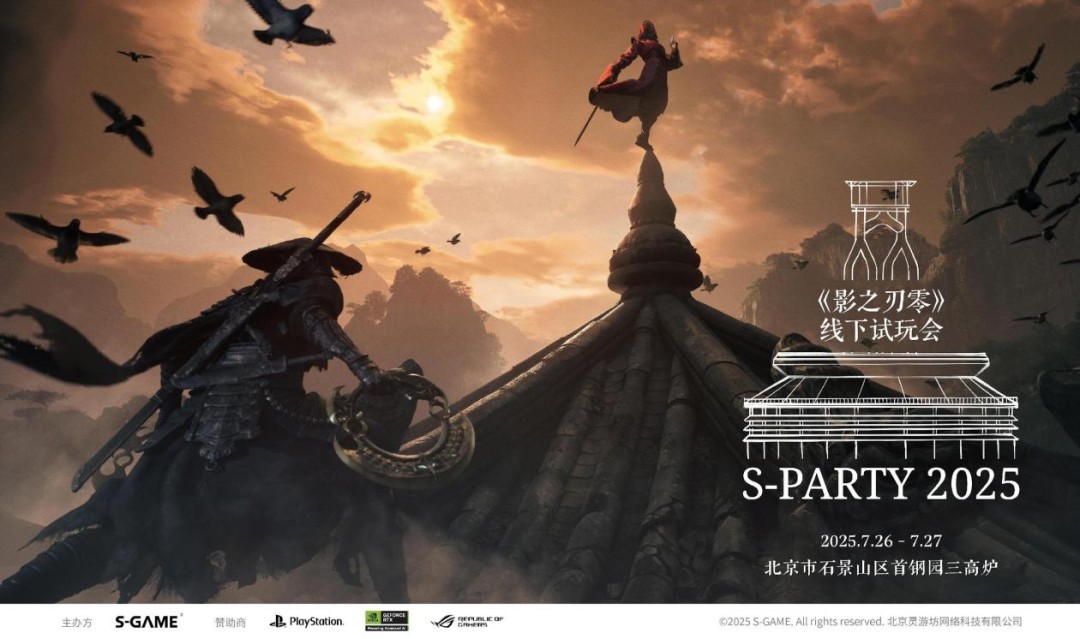
The current booming development of Chinese single-player games didn't happen overnight. Decades of accumulated industry experience, skill improvements among practitioners, continuous engine performance enhancements, and ongoing technical support from hardware manufacturers have all contributed to this vibrant stage where "one takes the spotlight after another." Among them, NVIDIA's deep involvement as a leading manufacturer in the Chinese single-player sector has been indispensable. NVIDIA GeForce RTX GPUs have always been dedicated to driving innovation in the AI field—especially in 2018, when NVIDIA released the first RTX 20 Series GPUs, bringing DLSS technology to game developers and players.
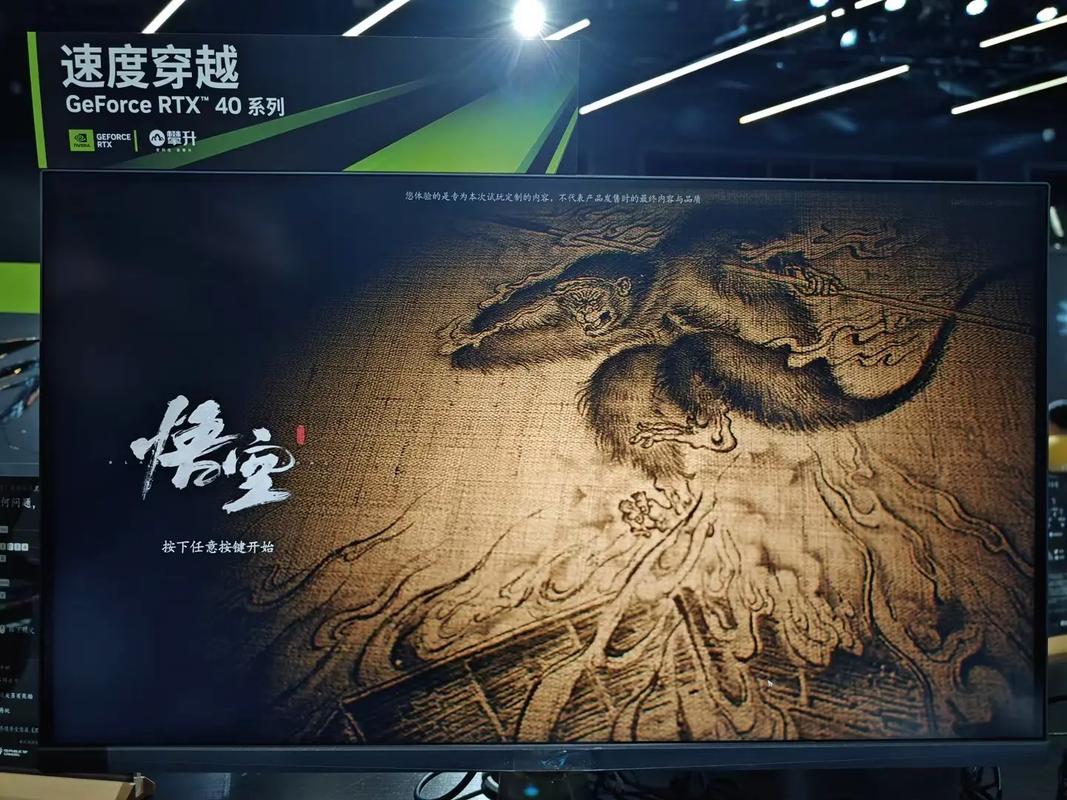
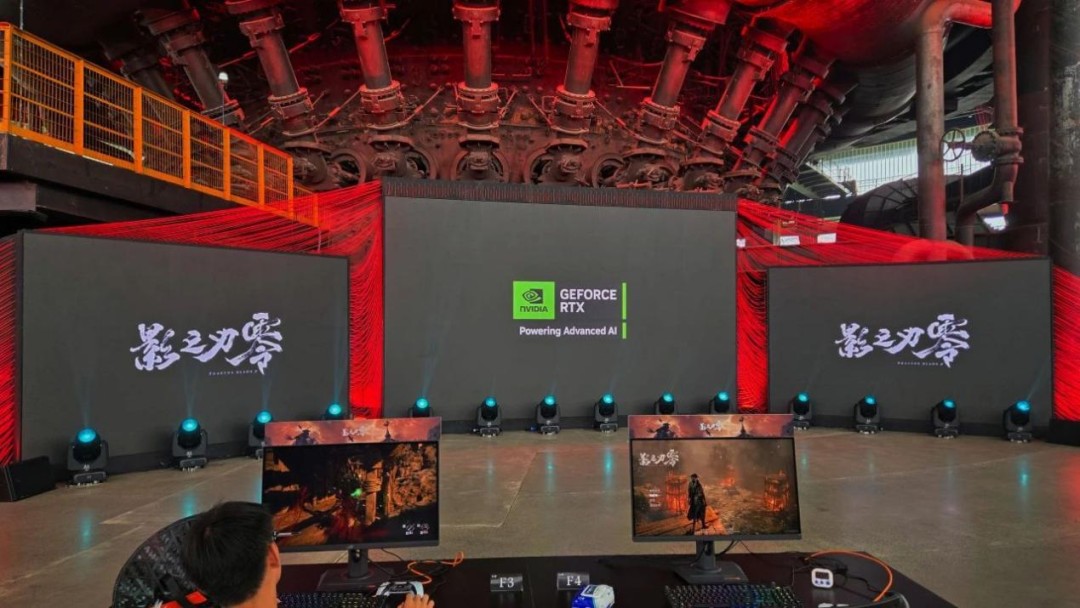
DLSS technology is also widely used in the Chinese single-player game sector. The PC version of Soulframe will support DLSS 4 Multi Frame Generation, Full Ray Tracing, DLSS Super Resolution, and Ray Reconstruction at launch. With DLSS 4 Multi Frame Generation and DLSS Super Resolution, players using GeForce RTX 50 Series GPUs can boost the base frame rate performance of Mingmo: Feathers of Abyss by up to 5.9 times. At the Phantom Blade Zero offline demo event, over a hundred high-performance PCs equipped with NVIDIA GeForce RTX 5070 GPUs were provided, with DLSS 4 Multi Frame Generation enabled, ensuring a smooth gaming experience for attendees at 4K resolution.
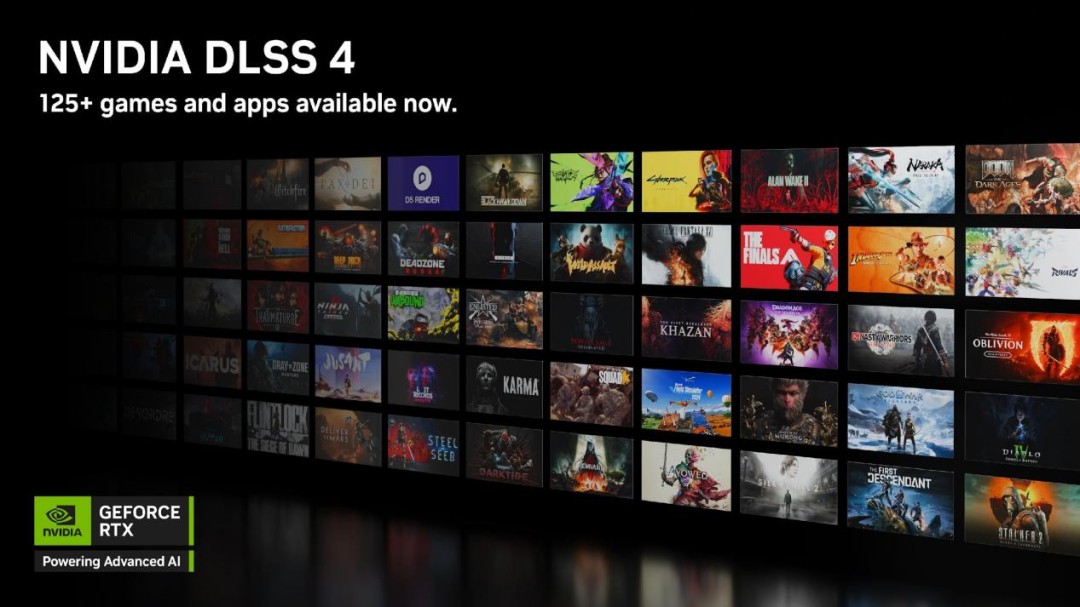
Looking at the adoption rate of DLSS 4 Multi Frame Generation in Chinese single-player games, it's clear that for today's game developers, AI-based DLSS 4 technology has become an indispensable industry standard when launching high-quality PC games. Statistics show that within just half a year since its launch earlier this year, over 150 games and applications have confirmed support for DLSS 4 Multi Frame Generation—a development speed far exceeding expectations.
Beyond DLSS 4 Multi Frame Generation, NVIDIA, through its collaboration with Perfect World, also looked ahead to the future possibilities of AI technologies supported by NVIDIA GeForce RTX GPUs.
Take AI Teammates, for example. Powered by NVIDIA GeForce RTX GPUs, players can have a fully customized AI teammate on their personal PC or laptop. This AI companion not only plays alongside you but also offers various forms of assistance while fully protecting your privacy... representing a brand-new way to experience games in the new era.
Furthermore, NVIDIA expressed significant interest in the field of AI NPCs. In most current video games, NPCs are essentially products of fixed scripts—the richness of interaction depends entirely on script complexity, and so-called AI behavior logic isn't "artificial intelligence" in the common sense. NVIDIA aims to use AI technology to enable every NPC in a game to act according to their specific character settings, engaging in unique interactions and communications with players. Each NPC becomes full of unknowns, bringing infinite possibilities to the game world and completely颠覆ing existing perceptions of gaming.
This may sound unbelievable—AI Teammates and AI NPCs feel almost dreamlike and unreal. But... if you had told me ten years ago that NVIDIA could double my frame rates without any loss in image quality or increase in input lag, simply through DLSS 4 Multi Frame Generation technology on a graphics card, I would have thought you were dreaming.
Yet this is the reality: the world is progressing, AI technology is advancing, Chinese games are improving, and NVIDIA is evolving too. Game visuals have moved from 8-bit graphics to rough polygons, and now to rendering possibilities exceeding 5 billion polygons per scene... leading to titles like Black MYTH - Steam Edition: Wukong, Mingmo: Feathers of Abyss, and Phantom Blade Zero... GPUs have evolved from basic graphical computing to supporting AI-driven technologies like DLSS 4 Multi Frame Generation and Full Ray Tracing...
All these seemingly incredible developments are merely an extension of our current strides.