

The Rusty Lake series has always attracted many fans in the puzzle game genre with its eerie and bizarre artistic tone, as well as its logically transcendent yet ingenious gameplay design. The continuous release of new titles has not only solidified the vast worldview constructed over ten years but also kept countless players engrossed in the storyline.
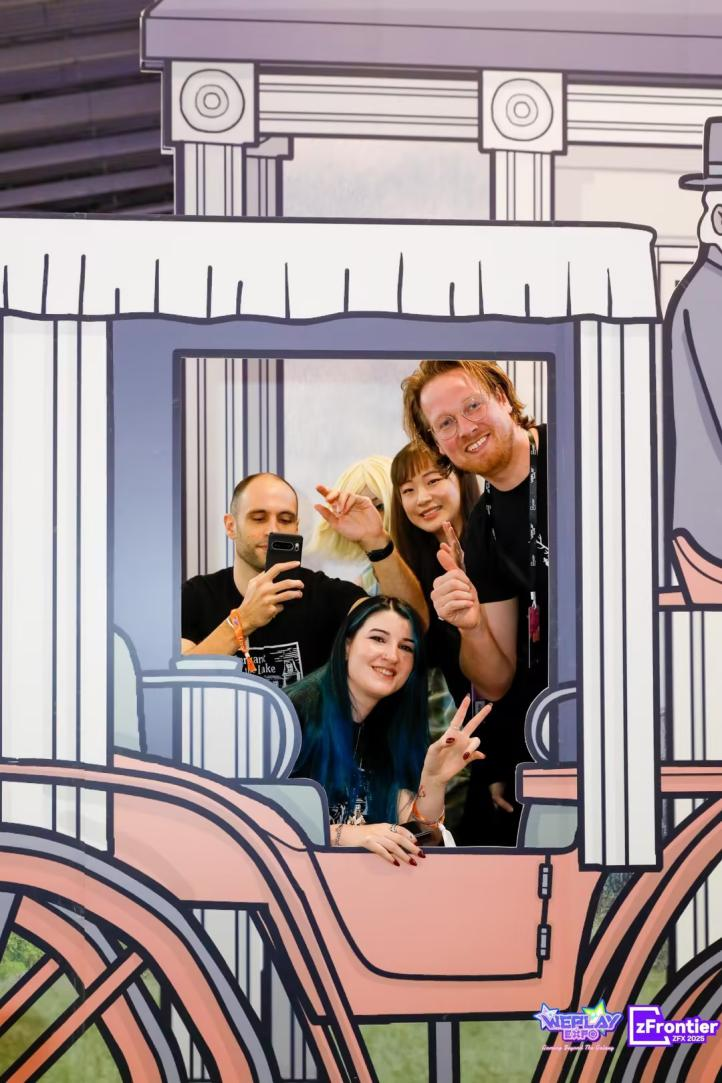
Recently, the Rusty Lake production team showcased their new title, Servant of the Lake, at the WePlay Cultural Expo. In addition to player interactions at the booth and on the main stage, the team specially invited some game media outlets and KOLs to participate in a group interview, addressing numerous questions including plot design, artistic style, development anecdotes, and future prospects.
If you are interested in the Rusty Lake series and the team behind it, this interview is not to be missed.
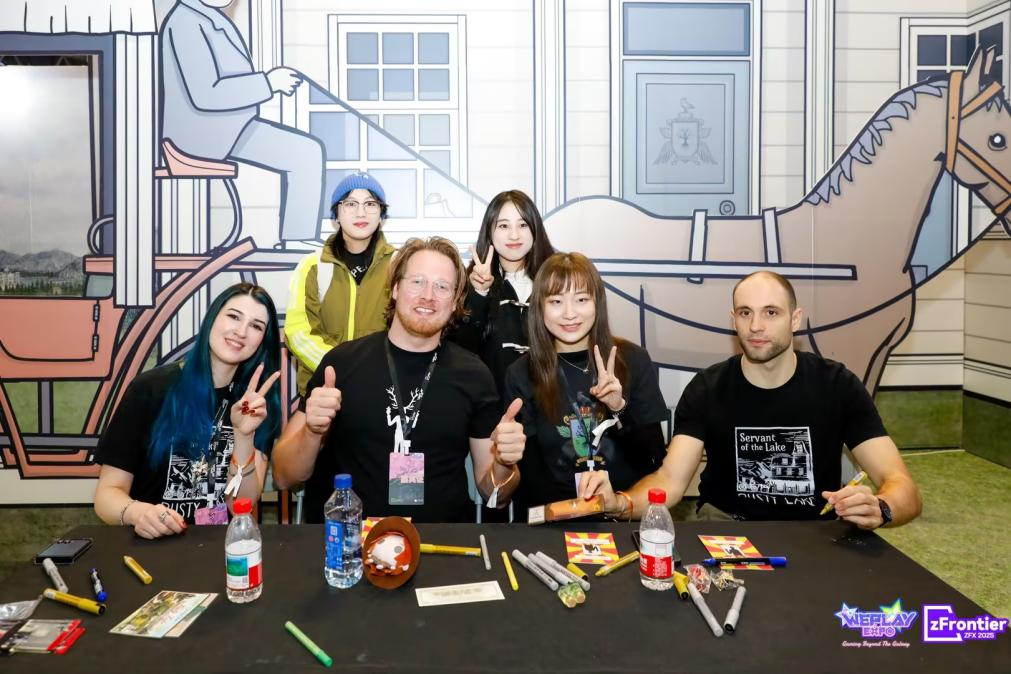
Below is the interview transcript. To ensure a better reading experience, some adjustments to the order and minor edits have been made:
Q: The storylines of the Rusty Lake series are often intertwined. How does the production team construct this narrative framework?
A: The initial Rusty Lake universe was roughly established by six or seven games. As the Rusty Lake universe continues to grow and expand, we must inject new concepts each time and add new elements to the foundational framework—which is quite challenging. Therefore, when creating new games, we often write down new ideas and concepts to integrate them into the existing framework.
Q: Many players enjoy compiling a "chronology" of the Rusty Lake series, but the release dates of the games do not closely correlate with the actual timeline of the story. Did the production team plan the overall timeline first and then fill in the details, or did they expand the timeline as more details emerged? Will players have the opportunity to play works organized according to the "chronology" in the future?
A: Initially, our Cube Escape series did have a clear timeline, but subsequent new titles were not made in chronological order. For example, a new game might take place 200 years before a previous one. This is because we care more about the connections between game storylines. Players can sort out the timeline themselves, which is one of the charms of Rusty Lake. We recommend experiencing the games in release order rather than strictly following the chronological story order.
Q: The artistic style of the "Rusty Lake" series appears calm on the surface but tells chilling stories. This style was established early on. Why did you choose this particular artistic direction?
A: This atmosphere, which appears warm and peaceful on the surface but becomes increasingly unsettling as you play, is exactly the effect we want to present. We focus heavily on this aspect when creating each new title—without it, it wouldn't be Rusty Lake.
Q: What expectations does the production team usually have when creating new works? What emotions and experiences do you want to bring to players?
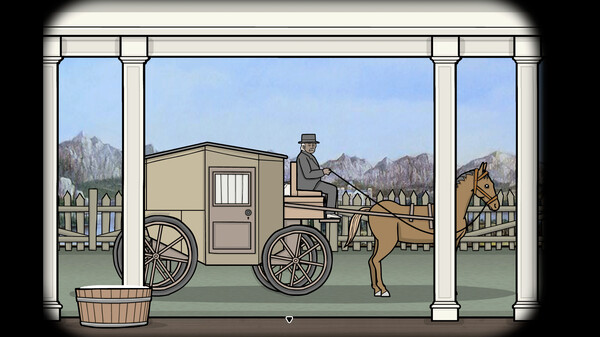
A: Taking Servant of the Lake as an example, when players enter the Vanderboom family mansion, their first impression is familiarity, followed by the typical Rusty Lake style of "appearing normal on the surface but becoming increasingly unsettling as you play." At the same time, we hope to showcase different ideas in this work. You can see that Servant of the Lake shares a similar vibe with Rusty Lake: Roots, but in Servant of the Lake, we introduce some new characters. These characters connect with past storylines and characters, and we hope players will discover these connections themselves during their experience.
Q: What is the structure of the Rusty Lake production team? How does the team maintain efficiency and stability in project development?
A: Until two years ago, the Rusty Lake team consisted of just two people—myself (Robin) and Maarten. Two years ago, Andreea joined us as Community Manager, bringing the office headcount to three. Currently, we have five full-time employees, with the rest being part-time. For tasks such as art, voice acting, music, and translation, we hire long-term external collaborators. We believe that keeping the team lean effectively improves work efficiency—our current seamless collaboration is proof of this.
Q: From a creator's perspective, are there any works in the Rusty Lake series that the production team is less satisfied with or feels regret about?
A: I am proud of all the games we have made. Although early games were produced quickly and may lack refinement in certain aspects or have some flaws, each work has its unique merits. Moreover, it is precisely because of those earlier shortcomings that we were able to continuously improve and enhance quality in subsequent games. Therefore, I am not overly critical of past works.
Q: The Rusty Lake IP has been operating for ten years. How has the production team maintained creative inspiration and continuously released new games during this period? Are there any specific examples of inspiration sources?
A: Since game development cycles are quite long, many new ideas naturally arise during the process, and these ideas sometimes become the inspiration for the next game. However, we ultimately need to return to the game currently in development and complete it within the scheduled time. Last year, we slowed down temporarily to conduct multiple brainstorming sessions to explore future production directions. Additionally, we draw inspiration from various media, such as movies, TV series, and books. We also play escape rooms during team-building activities to find clever ideas worth借鉴 (borrowing/reference).
Not only that, inspiration sometimes comes from creative activities. For instance, we even created a real-life mini escape room in our office, and last year we developed a pen-and-paper board game.
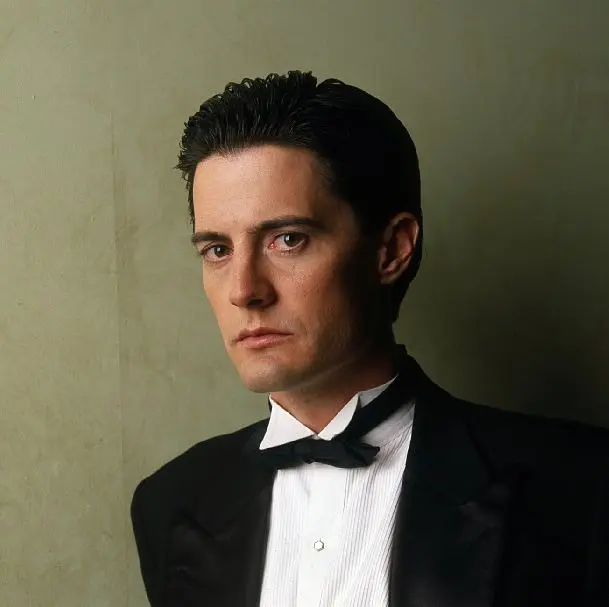
As for specific book and movie examples, this is a frequently asked question. The overall style of the series comes from the American TV series Twin Peaks; Rusty Lake Paradise was developed based on the 1973 film The Wicker Man; and the family tree in Rusty Lake: Roots was inspired by One Hundred Years of Solitude (Cien años de soledad).
Q: When facing the Chinese market, does the Rusty Lake production team consider marketing strategies focused on social media?
A: In the early days, the Rusty Lake series already had its unique promotional method. Since the games are interconnected, players would naturally move on to other titles after finishing one Rusty Lake game.
Of course, we also focus on social media promotion. For example, last year we opened an account on Xiaohongshu (Little Red Book). We know that Rusty Lake is not a traditional puzzle game; it also has a significant number of casual players, for whom social media is an important promotional channel. We have recognized the importance of Chinese social media for game promotion and will increase our efforts in this area in the future.
Q: The localization of the Rusty Lake series is quite authentic—for example, the hidden video in The Mr. Rabbit Magic Show leads Chinese players to a domestic cloud storage link. What considerations led to this Chinese localization strategy?
A: We highly value the Chinese player community and are grateful for everyone's support. The new game trailer added at that time was intended as a surprise for players, so the video could not be published directly on public platforms, as this would undermine the mechanism requiring players to solve puzzles to obtain the password for viewing. The extraction code feature of cloud storage services happened to combine well with the game puzzle passwords, ensuring that only players who solved the puzzles could watch the video. This was the most suitable method for Chinese players that we could think of at the time.
Q: The White Door features many excellent ARG designs. How were these conceived? Will there be similar designs in the future?
A: The ARG for this work required a lot of time to conceive, and the development cycle was also long—it took about 6 to 7 months. At that time, we hired a full-time intern to be responsible for this project. After that intern left, we spent some additional time completing the remaining work. The entire process was very difficult.
Regarding future ideas, as you can see, there was actually a small ARG in The Past Within a few years ago. We also hope to incorporate more similar elements into our future games. More importantly, the ARG for The White Door has set a very high standard, which might be difficult to surpass later on—even so, the puzzles were solved by the Chinese player community within 24 hours of release. Therefore, we need more time to brainstorm, further elevating both difficulty and quality, while balancing the development of the main game and the ARG.
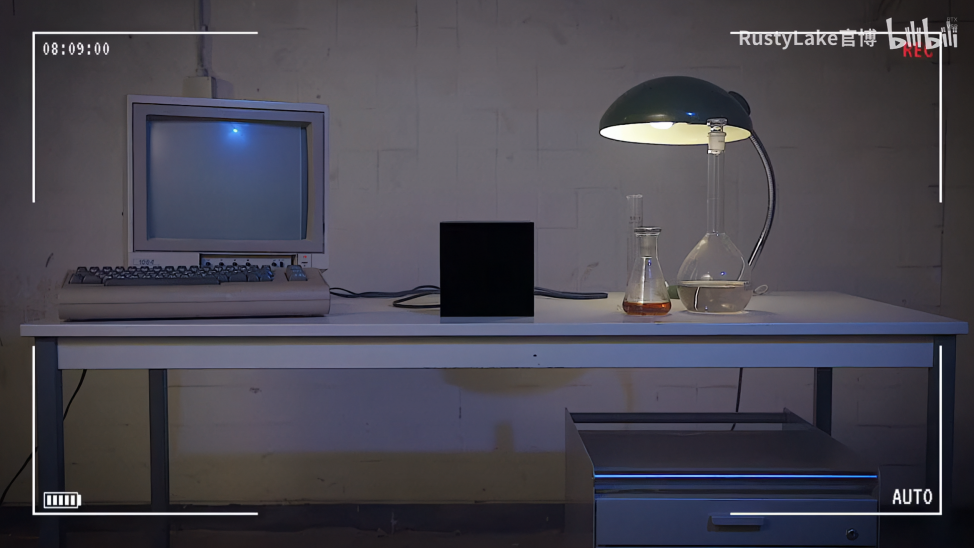
Q: Will the early works of the Rusty Lake team be released as standalone complete versions?
A: In 2020, we released a Cube Escape collection, which you could consider a re-release. It mainly combined previous games and added some new elements. It is currently available on Steam and iOS. We are satisfied with its current state, so we do not plan to release updated re-release versions again.
Q: Will you release more co-op puzzle games like The Past Within in the future?
A: Honestly, when we first announced the development of a co-op puzzle game, many players expressed that they didn't have friends to play with, leading to considerable opposition. I am glad that there are people who enjoy co-op gameplay asking such questions.
In fact, The Past Within took a long time to develop because every stage required testing and improvement by two players. We are quite proud of this work.
Currently, more and more players hope we will release more co-op puzzle games. We have indeed considered this, but we do not want to repeat previous designs... So, we still need more time to brainstorm.
Q: Have you considered creating a brand-new, completely independent game series? Or will you continue to focus on the "Rusty Lake" series?
A: As a very small studio, we have been operating the Rusty Lake IP for over ten years. Continuing to develop the Rusty Lake series is a wise choice, both for the studio itself and due to player interest. Moreover, we constantly come up with new ideas for Rusty Lake; the inspiration never stops. Even within the Rusty Lake series, some games deviate significantly from tradition. For example, during the development of The White Door, we felt it was somewhat detached from the Rusty Lake storyline and had to constantly remind ourselves not to stray too far off topic.
More importantly, whenever we release a new title, fans always speed-run through it and immediately start asking for updates—we love this enthusiasm. The voices of our fans are the greatest motivation driving us to continue developing new Rusty Lake titles and going further down this path.