

At the end of every season, you'll see competitive scenes across various regions as everyone scrambles to rank up.
Whether it's Nan Zheng Bei Zhan or internet-wide callouts, veteran powerhouses always bring out the most outrageous content to capture netizens' attention.
This season, the Yunnan region, while promoting its local style, has taken a highly professional path: K-pop group livestreaming. First came Yunnan BIGBANG dancing in groups while doing farm work, followed by the girl group Tu NE1 emerging from the cornfields. The endless stream of imitators has practically moved the entire K-pop industry over, curing travel enthusiasts of their Seoul sickness and replacing it with a Yunnan craving for mushrooms.
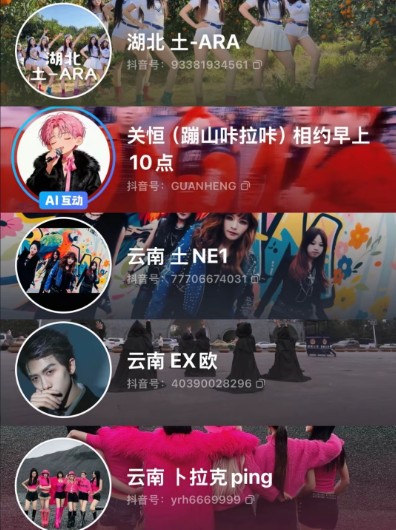
It's no wonder some say this year's MAMA (Mnet Asian Music Awards, one of South Korea's most representative and authoritative music award ceremonies) could be held in Yunnan and Guizhou. After all, the abbreviation for Yunnan and Guizhou is YG, the same name as a certain Korean entertainment agency.
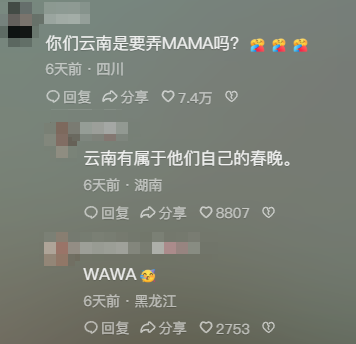
As for the source that popularized this rustic Korean wave and turned K-pop imitation into a replicable livestreaming model, it is naturally "Yunnan BIGBANG."
To be precise, "Yunnan BIGBANG" is more of a nickname and an aspirational goal for them (besides, copyright issues prevent them from using the name directly). Months ago, when they first started streaming, they already had a group name called "Beng Shan Ka La Ka."
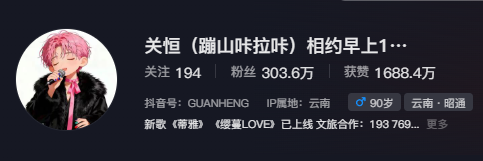
Surely, this name sounds familiar to everyone. Even those who don't know much about BIGBANG have likely had their brains washed by the once-viral hit "Fantastic Baby." As the source of their group name, this song is frequently performed in Yunnan BIGBANG's livestreams and was their first step toward widespread fame.
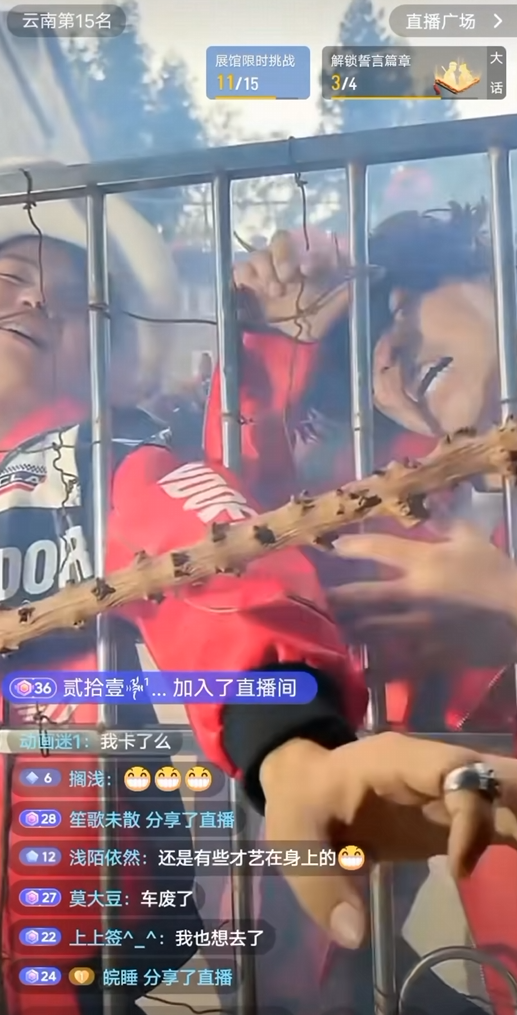
Their imitation captures both form and spirit. They use makeshift props to mimic features from the original MVs and seamlessly transition into concert-style dance segments. Not only do they sing live, but their choreography is even more synchronized than the original. Needless to say, their formations and staging have mastered the essence of the originals.
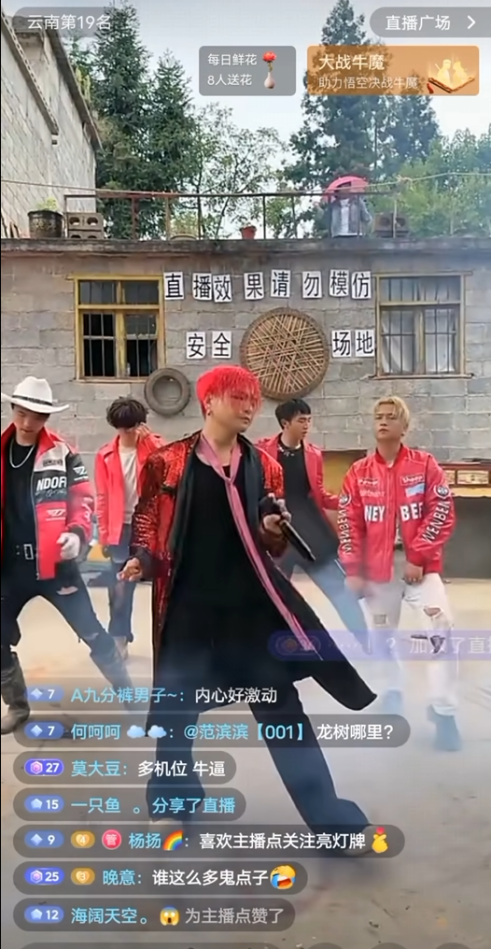
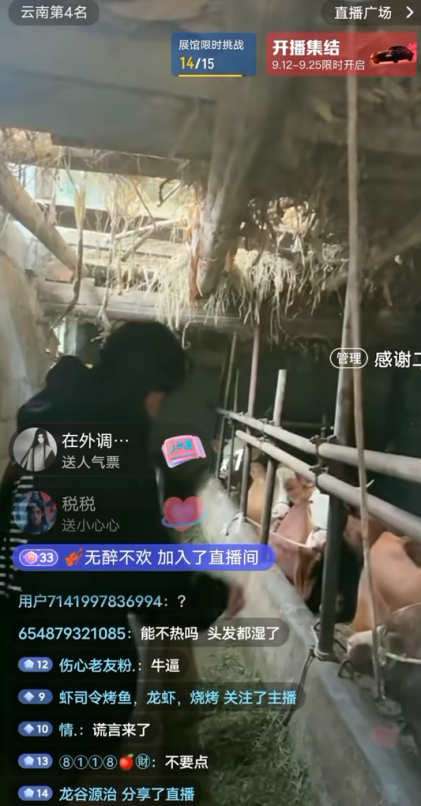
Besides the famous "Fantastic Baby," they also carefully performed a rustic Yunnan version of another BIGBANG single, "Lies," titled "Truth." From the heroine raising cows at the beginning to the subsequent MV skits, Everythinggj felt exceptionally down-to-earth and provided a striking contrast.
Take "BOT" (also known as "DOWN" or "BOTTOM"), who corresponds to T.O.P. Comparable to a weapon master, he pulls out ingenious tools from who-knows-where during each performance, never repeating the same item. This leads many to guess whether these are just his daily work tools, used and then eaten without a trace. This has also become a highly anticipated segment for many, eager to see what awkward prop T.O.P will come up with next.
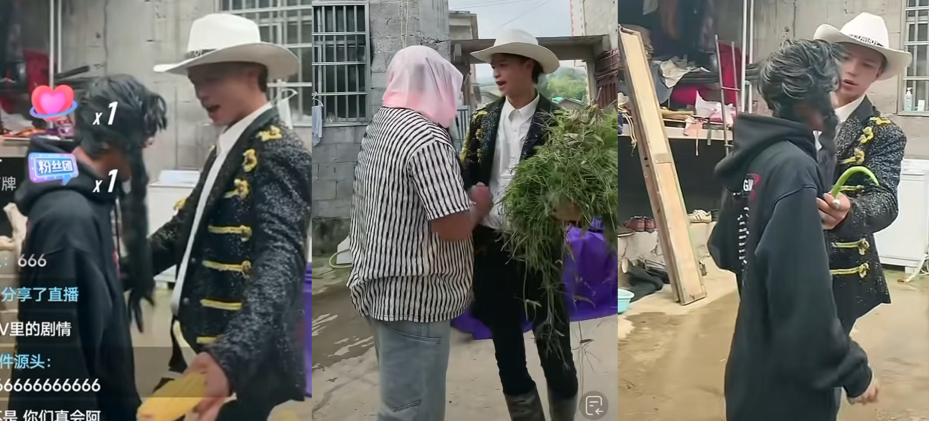
This is precisely the charm of "Yunnan BIGBANG." Their live performances are remarkably consistent, resembling the highly industrialized and precise performance systems of Korean idol groups. Yet, visually, they combine this with the most primitive and grounded daily life of Chinese rural farmyards, creating an absurd yet captivating comedic effect.
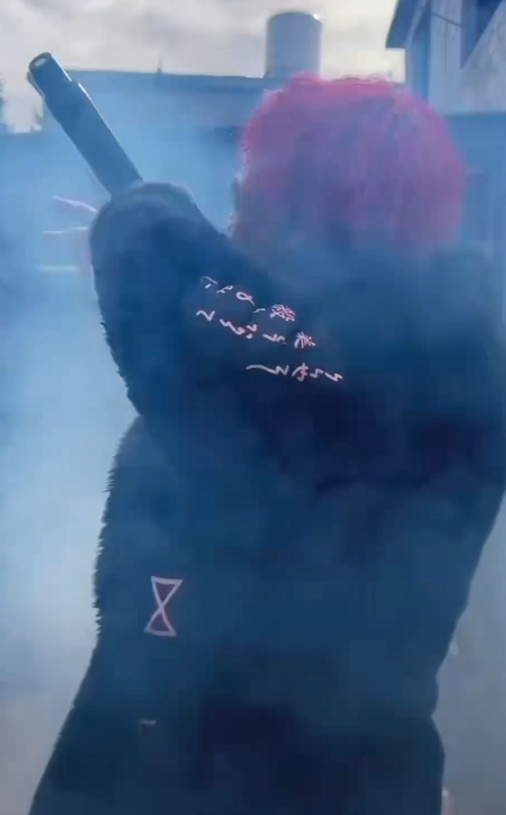
By this point, neither the venue nor the costumes mattered; having the right vibe was enough. A single camera angle meant high-end one-take cinematography; burning corn stalks for smoke created a natural atmosphere. What they aimed for was a sense of professionalism shining through roughness.
At that time, their livestreams once ranked third in Yunnan. Rumor has it that the top two spots were held by daredevil stunts like poking hornet nests without protective gear and fighting wild boars with spears—feats even Red Bull wouldn't dare sponsor.
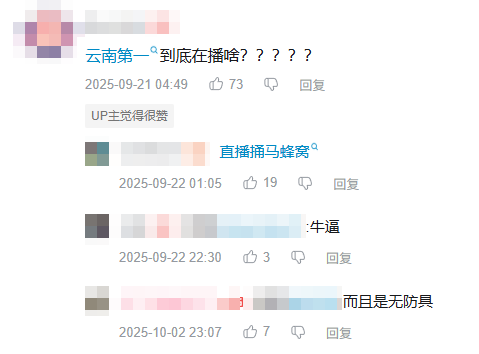
As clips continued to circulate, this team, which looked somewhat amateurish yet possessed a touch of professionalism and striking contrast, garnered increasing attention from netizens, who even began seriously comparing them to the original group.
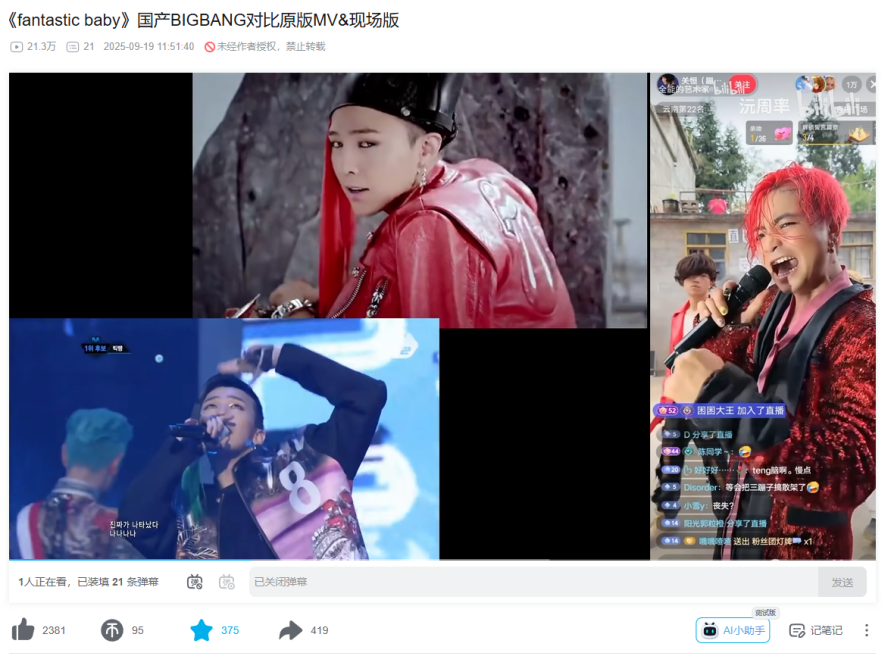
As a result, netizens who previously couldn't recognize the members of BIGBANG quickly figured out the correspondence among the five brothers—yes, all five members are from the same family, a household of five VIPs. The leader and eldest brother is Guan Heng, nicknamed "Ban Ji Long" (Half G-Dragon); the second brother, Guan Jin, is the "Weapon Master" mentioned earlier, corresponding to T.O.P; the third brother, Guan Qi, corresponds to Taeyang, so netizens call him "Moon"; the fourth brother, Guan Ya, corresponds to Daesung, so he's called "Xiao Sheng" (Little Voice); and the youngest, Guan Zheng, corresponds to Seungri, so being the budget version, he's called "Shi Bai" (Failure).

Following this, Yunnan BIGBANG capitalized on the momentum, registering accounts on various platforms and continuing to produce all sorts of creative content.
For example, last month, they finally filmed a proper MV, performing "Fantastic Baby," the source of their group name, which they had danced to countless times in livestreams. Their synchronized choreography and live Korean vocals propelled them to widespread fame. This MV became a major symbol of Yunnan BIGBANG's official breakthrough.
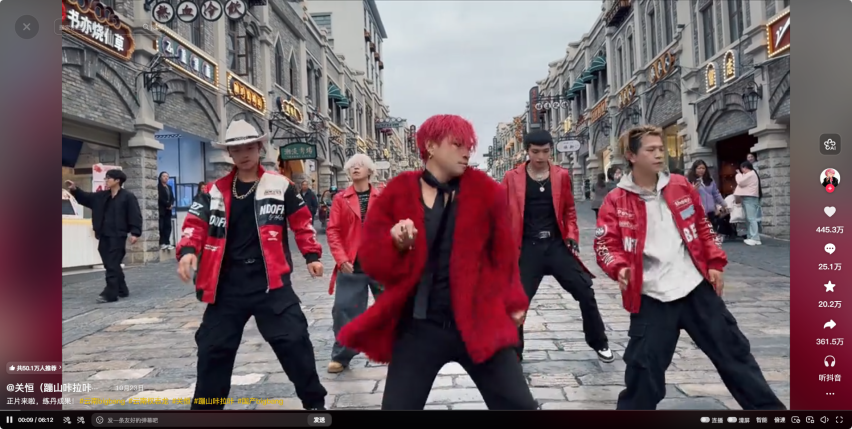
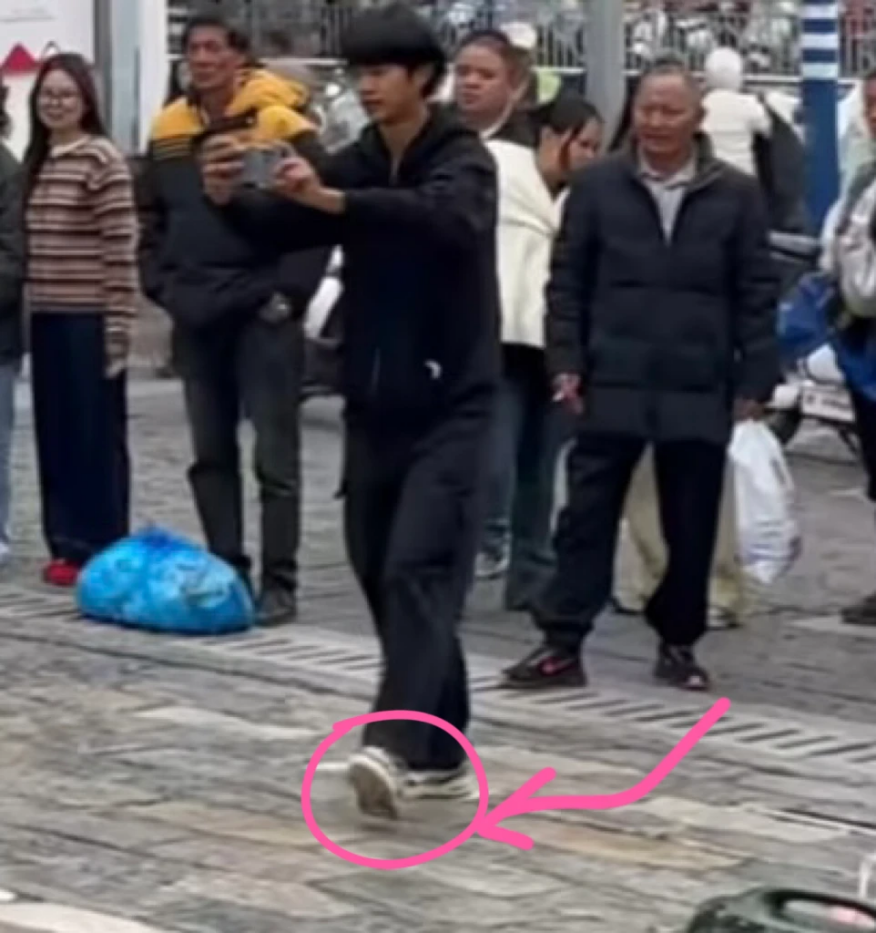
Although all filming relied on a single camera without a stabilizer, with the cinematographer's skill and stage direction holding Everythinggj together, the final product's professionalism was impressive. It hardly seemed like the work of five (or six) brothers without a team. After all, the cameraman, who used his heel as a stabilizer, is their cousin, inheriting some talent for creative antics from the family bloodline.
This video even made it onto Korean news, leading some to wonder if the real BIGBANG might sue. However, there's likely no need to worry just yet. For one, "Yunnan BIGBANG" hasn't engaged in any defamatory behavior, and G-Dragon himself has a good sense of humor. For another, the plaintiffs can't even gather five members, so they'd have to sue all five.

Afterward, more people got to know the "BIGBANG" from Yunnan. Their popularity brought attention, prompting major news outlets to compete for interviews.
People noticed that they often start streaming in the morning and sign off exactly an hour later to do farm work. Even with a packed livestream room, if their mom calls out, "Come feed the pigs," they immediately shut down the stream and go to work. In interviews, they have repeatedly stated that "no matter how famous we become, we are still rural kids helping our mom with chores."
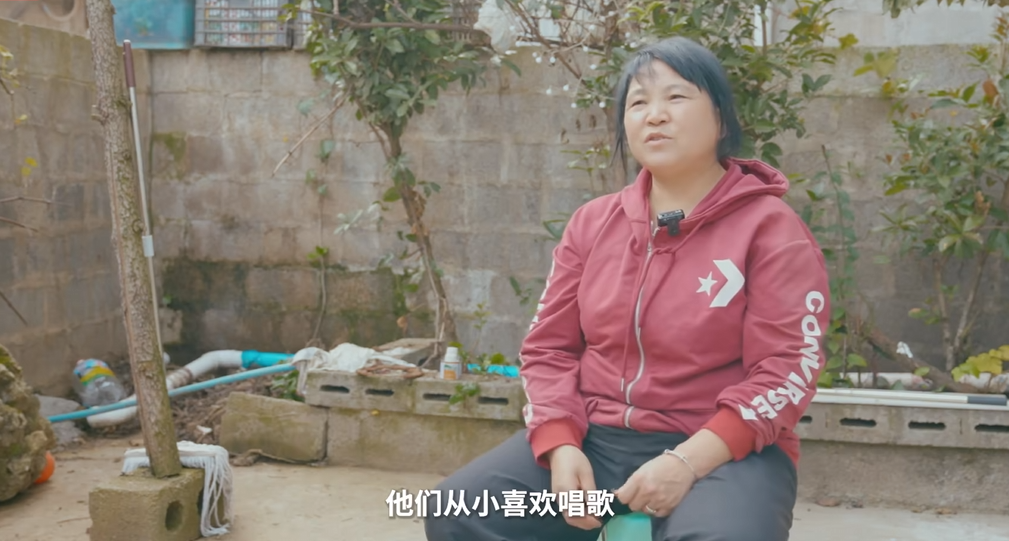
Image source: Hongxing News
This instantly gave them a more three-dimensional online persona. Initially, netizens thought it was just rustic parody fun, but were struck by the contrast of their serious moves upon clicking in. Subsequently, they diligently studied music and dance, staying true to their roots after going viral. Their steadiness and sincerity touched countless netizens, building their own core identity and earning labels like "nurturing-type," "hardworking," "talented," and "true to their origins."
Viewed this way, their popularity is justified and deserves recognition from netizens.
But... Yunnan BIGBANG was just the beginning of this star-making movement. Following them, a slew of similar groups emerged—using Korean boy and girl groups as basic models, rural fields as stages, and wearing their grounded, quirky nature on their sleeves.
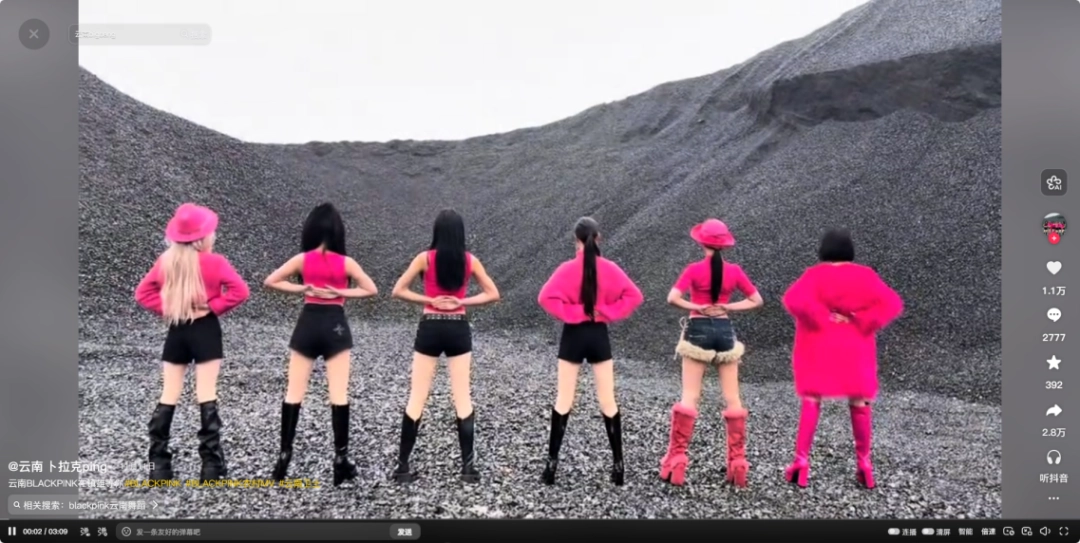
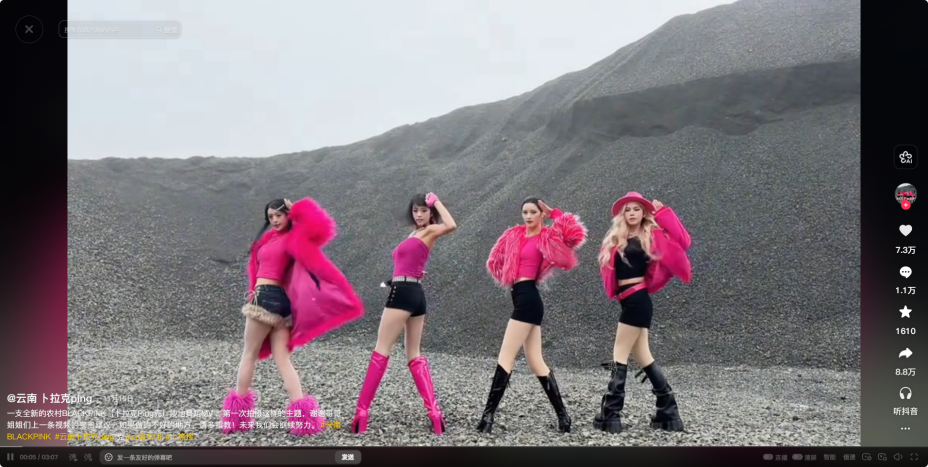
Take "Blackping," which mimics "Blackpink." They replicate the original group's makeup and outfits while copying the choreography. It's hard not to marvel at the contrast: South Korea's "Blackpink" had to piece together four members, while Yunnan's "Blackping" could assemble a full lineup from just one province, with extras to spare. What's more, both Yunnan Blackpink and Yunnan BIGBANG hail from Zhaotong City, truly living up to the title of "Yunnan's Little Seoul."
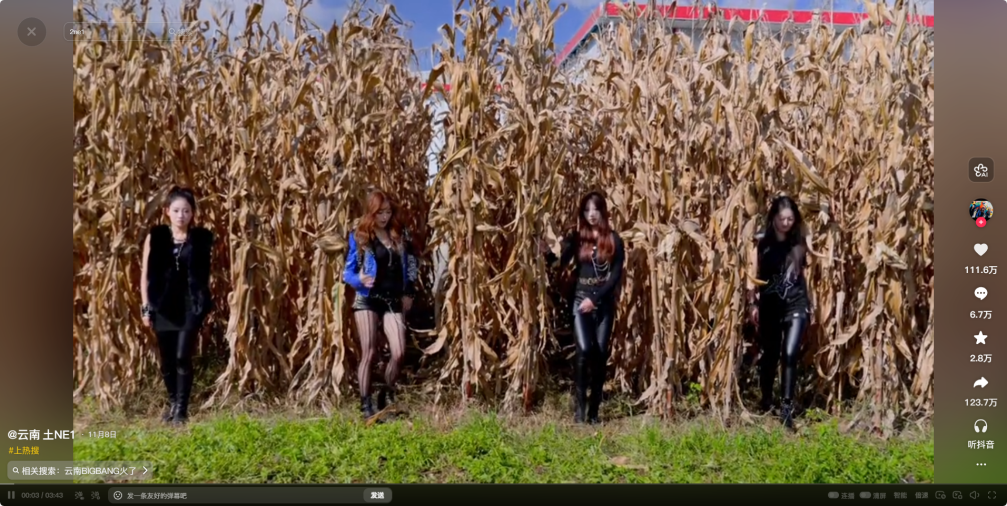
There's also "Tu NE1," imitating "2NE1," which emerged from the cornfields. Their debut MV grabbed plenty of attention. From filming and editing to location scouting, they closely rivaled "Yunnan BIGBANG," which had been popular for months, even surpassing them in storyboard composition. Truly, the younger generation is formidable.
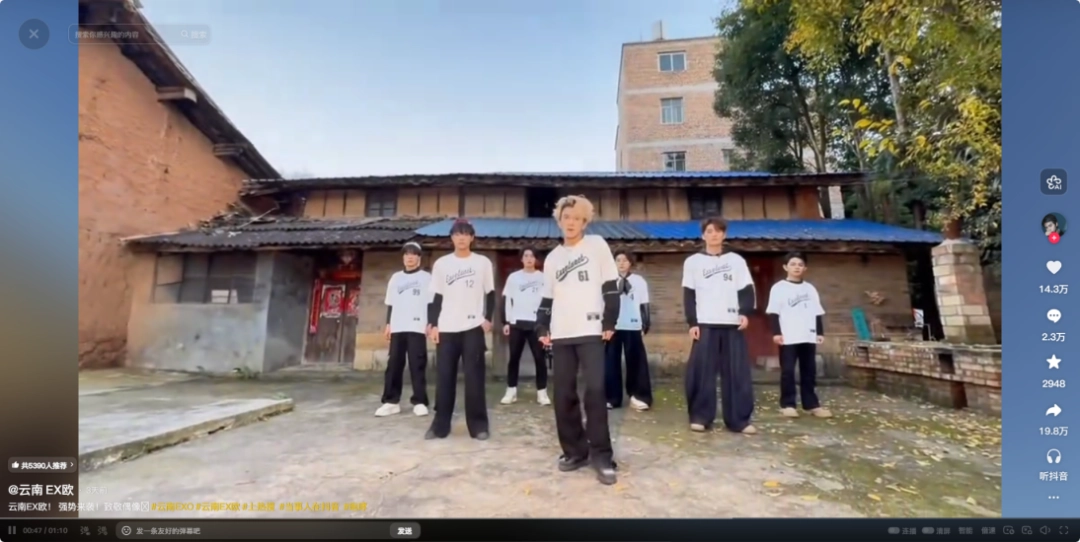
More recently, Yunnan's "EX Ou," imitating "EXO," has emerged. Their outfits are stylish and trendy, closely resembling the original group, and they've even incorporated various special effects and transitions. Only by looking closely at the background buildings can you spot the grounded elements aligning with this rustic trend.
As the production quality of their videos increased, these rustic boy and girl groups that emerged after "Yunnan BIGBANG" went viral began to face skepticism from many netizens after catching the wave of traffic and gaining significant attention.
Some feel they lack authentic Yunnan flavor, seeming like city guys who visited a village just to film videos; others suspect that subsequent imitators are backed by MCNs, dancing without passion just for work; or that their performances aren't about homage but merely chasing trends...
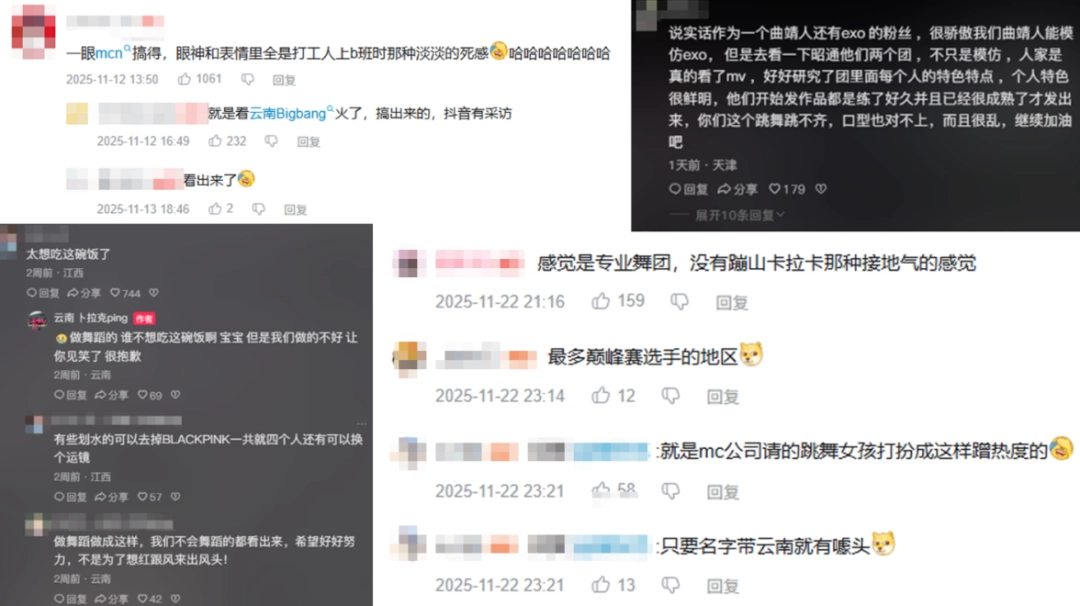
These criticisms are not unfounded. Their videos show little love for the objects of their imitation, focusing instead heavily on filming and special effects. They merely repackage K-pop entertainment with a rustic exterior, lacking substantive content of their own.
The reason is simple: they failed to grasp the core of viral success. In fact, the explosive popularity of "Yunnan BIGBANG" wasn't solely due to its rustic charm.
If an influencer has two steps to breakthrough fame—the first being seen by netizens, and the second by society at large—then Yunnan BIGBANG has reached the second step, while the others are stuck on the first.
What truly propelled Yunnan BIGBANG to the second tier was their "clocking out on time to do farm work," "clearing chicken droppings from the floor during stream control," and "the five brothers' story of hard struggle." These elements, constructed from their own lives, formed a grounded core. In reality, they weren't just imitating idols; they were becoming genuine idols themselves—becoming the object of imitation.
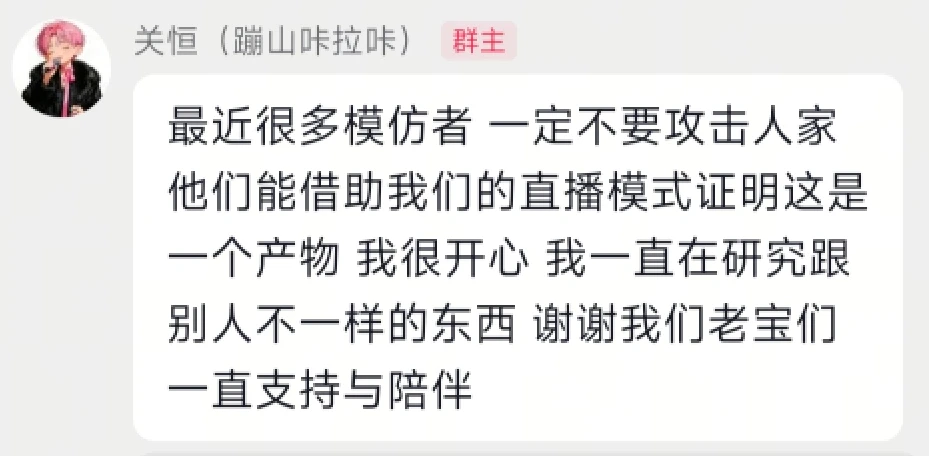
As the General once told us, the second floor must be built on top of the first. Before reaching the second step, they inevitably stayed on the first. So how did they ascend? It was the contrast between rustic charm and Korean pop culture, the imitation that shocked netizens' senses, and the slight professionalism amidst the earthiness—in other words, the superficial forms currently being imitated.
However, we shouldn't be too harsh on these later imitators. Chasing traffic is a major characteristic of the internet age, and there's nothing particularly blameworthy about it. Moreover, no one can skip the first step. They are trying various ways to climb that first step and have achieved considerable results. The issue is that while some can ascend to the second step, others remain stuck on the first.
The key lies in whether they can develop their own core identity. Yunnan BIGBANG has found theirs, but how can others imitate that?
Perhaps they are all aware of this.
In response to the criticism, the imitators mentioned above have also been striving to improve.
For instance, "Blackping" got the number of members wrong in their first video, drawing sharp criticism for wanting to eat without bringing chopsticks. Then, in their second video, they immediately removed two members and aligned their makeup and styling more closely with the original group.
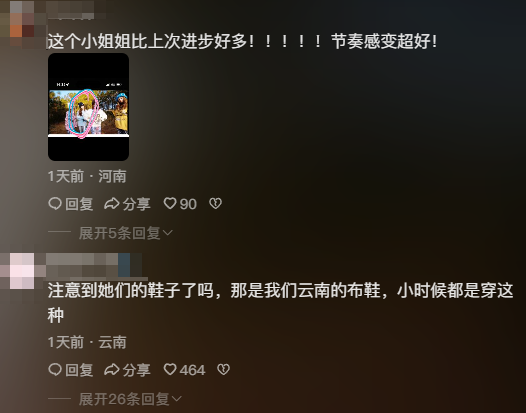
Meanwhile, "Tu NE1" has also been practicing dance routines intensely, adding clever touches to their makeup and styling by incorporating Yunnan specialties, thereby promoting local tourism.
Today's formula for viral success has become a business requiring sustainable development. Everyone wants to find their own core and reach the second tier. Realizing this, they are also moving in this direction. Looking at it this way, if these groups suddenly collaborate on some content someday, they might create a significant spectacle—provided, of course, they can handle the copyright issues.
Therefore, we can afford them some leniency. No one can predict which group will break through first.
Regardless, these rustic boy and girl groups, now key to viral success, have become the next target for aspiring influencers. We will undoubtedly see more groups take the stage, with occasional lucky ones breaking through to reach the second tier of fame.
Netizens, tired of industrially produced idols, turned to grounded imitations. However, such imitation has itself become an assembly line—whether organized or spontaneous, it merely shifts the setting to rural fields.
Perhaps in the end, after all the twists and turns, people will return to appreciating original, professional performances and remark, "Fashion is a circle."