

Most people first encountered Rebellion Studio through the Sniper Elite series—to be honest, there weren't many other choices, as they almost exclusively made Sniper Elite and its spin-off Zombie Army series. Occasional new IPs merely borrowed the Zombie Army framework and overlaid different themes.
Atomfall can be described as Rebellion's ambitious project. This doesn't mean it has an overly grand vision, but rather represents a forward step in style and approach, intending to draw a clear line with its past self.
Intriguingly, Rebellion does not have radical genes. Studio CEO Jason Kingsley is already highly accomplished, not only running a history channel with millions of subscribers on YouTube but also receiving honors from the British Empire, similar to Jin Yong's Grand Bauhinia Medal. Like most European game studios, sticking to their own niche, Rebellion has done reasonably well. They may not have immense wealth, but they enjoy a peaceful life.
We often discuss the unhealthy nature of the AAA model, but we don't know what constitutes a healthy one. At least when facing Rebellion and Atomfall, I find it difficult to evaluate, as it seems impossible to apply common standards. The game has many highlights, but compared horizontally, it falls behind in its own way. The issue is that this disparity isn't absolute, nor is it like a student being weak in certain subjects. Rather, it focuses intensely on one subject, much like getting into university, shedding some burdens, and committing fully to one path, walking until nightfall.
Having seen many large-scale, comprehensive games, and witnessed many giant companies lying on the ground, barely crawling, I miss the days when talented individuals emerged more frequently. People always say eggs shouldn't be put in one basket, but how many precedents are there of broken eggs and messy aftermaths? Perhaps the issue isn't about avoiding one basket, but that outside the basket, there is no place to stand an egg.
Late last year, Germany's Piranha Byte, the creator of Gothic, effectively went bankrupt. It didn't completely collapse only because the studio's signboard could still fetch some money. Looking at it this way, European eggs aren't necessarily safe either, let alone capable of hatching chicks.
So, learning that Atomfall sold well made me very happy, reminding me of a line from Jurassic Park: "Life finds a way." Indeed, dinosaurs didn't go entirely extinct; chickens are a type of dinosaur that are doing quite well.
Q: Transitioning from the Sniper Elite series to develop Atomfall represents a massive shift in both style and genre. Why did the team choose such a bold creative leap?
A:Our CEO, Jason Kingsley, has always been fascinated by historical "flashpoints"—those turning points capable of rewriting the course of world history. The 1957 Windscale fire, as the first major nuclear accident in history, surprisingly remains out of the public spotlight. This provided us with a pivot point to escape reality, allowing us to construct an alternate timeline where 1950s sci-fi themes intertwine with British folklore.
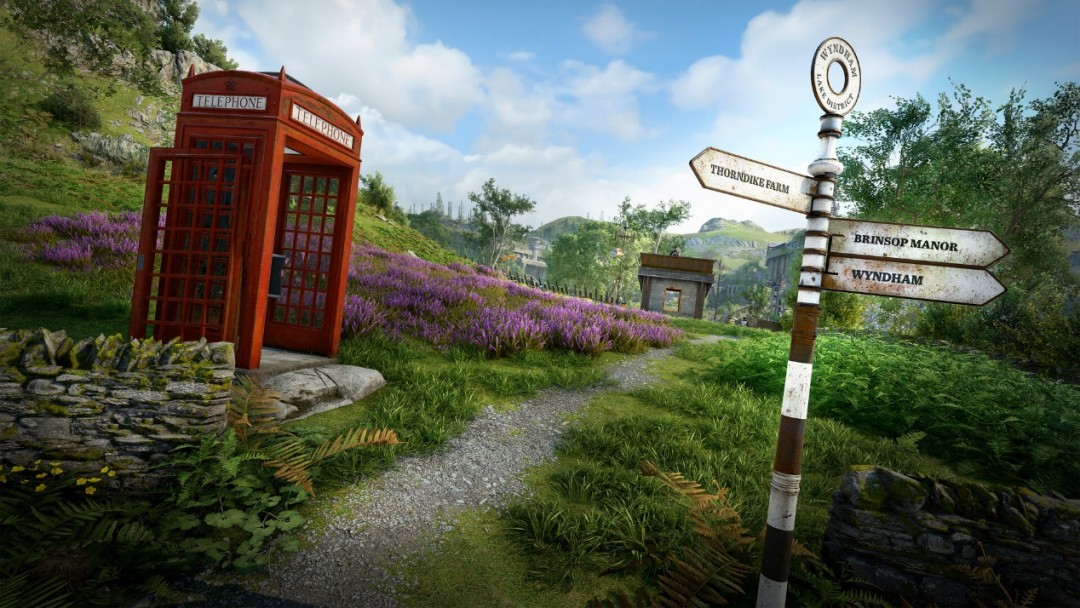
Furthermore, we noticed that traditional nuclear disaster settings are either desert wastelands or steel jungles, but Atomfall chose the picturesque British countryside—here there are lush green fields, and even a quaint English village hidden away. This starkly contrasting nuclear exclusion zone awaits rebirth.
Q: The iconic X-ray kill cam from Sniper Elite has become a classic. Why did Atomfall choose to discard such elements and build a completely new experience from scratch?
A:We repeatedly resisted the urge to directly reuse mechanics from the Sniper Elite series—because doing so would strip this game of its most unique character. In Atomfall, players do not play as precise WWII elite snipers, but as survivors trapped in a mystery. You need to piece together clues, solve puzzles, and struggle forward amidst unknown threats.
However, the two games still share commonalities: they were both created using Rebellion's proprietary Asura engine. Many art assets in Atomfall, like those in the previous Sniper Elite series, were generated directly via the Asura engine's photogrammetry technology. Those iconic British stone walls, and even the pint glasses you see in pubs, are results of our field trips to Cumbria. Our familiarity with the engine ensured development efficiency and injected the sandbox design experience accumulated from the Sniper Elite series into this game—by expanding exploration space and player autonomy, pushing the survival experience to a new height.
Q: The mission design in Atomfall is truly astonishing—missions and NPCs are tightly interwoven through key narrative nodes, a non-linear structure rare even in正统RPGs. Can you reveal the design philosophy behind this system?
A:Interestingly, the inspiration for the game's "Clue System" came from an earlier version of the game that had already been scrapped. That old version used a more traditional, clear-cut mission structure. During testing, we found that the guidance style of traditional missions clashed with the free-form sandbox experience we were aiming for. We wanted to minimize hints about a "correct" or "main" path, allowing players to truly write their own detective stories. Thus, the core question of Atomfall was born: "How do we guide players without dictating their every move?"
After some consideration, we decided to look back at the experiences of the Sniper Elite series—even if there is a general objective in the game, players can gather more intelligence to unlock new ways to complete missions. This aligns perfectly with the layered narrative puzzles of Atomfall. We believe players should not just look for "clues" in the game, but actively seek out their own "objectives."
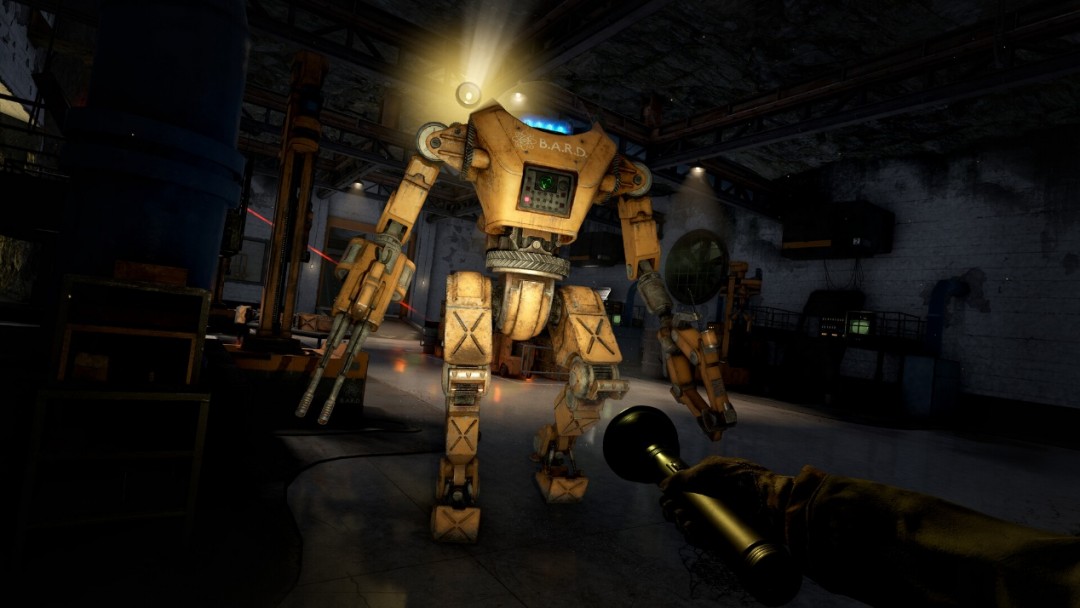
All dialogues, letters, and items contain subtle foreshadowing. Each clue is a puzzle waiting to be solved; it doesn't mark a target location but instead leads you deeper into conspiracy like a spiderweb. Information sources may have ulterior motives—you never know if the clue before you leads to the truth or is a carefully designed trap. This mechanism heightens player alertness and stimulates the desire for "insight" from a gameplay perspective. Conversely, traditional mission modes encourage players to charge straight in, which hinders the generation and maintenance of an "insight" flow state. Therefore, we ultimately decided to use the current mission design in Atomfall.
Choosing this less-traveled path naturally meant facing long-term challenges and difficulties—weaving all the clues in the game, categorized by characters, locations, factions, and more, into a coherent network. Once players grab hold of one thread, they will unknowingly become deeply immersed, gradually approaching the truth buried beneath Windscale.
Q: Some players speculate that Atomfall affected the resource allocation for Sniper Elite: Resistance. Can you briefly explain how the team balanced these two projects?
A:The two projects are developed in parallel by different core teams, so there is no resource contention.
Q: In an era saturated with open-world games, Atomfall's roughly ten-hour main storyline feels refreshingly unique. How did you condense the experience to ensure every minute in the game is meaningful?
A:For a long time, Rebellion has been committed to giving players choice. This is reflected in many ways in Atomfall, including the flexible scope of the story. Although the main storyline may only take ten hours, if you delve into side content and try every possible branch, the gameplay can easily exceed twenty-five hours. In fact, the length of the game entirely depends on the player's specific definition of "completion."
However, overall, we wanted to maintain a strong "detective" atmosphere—which means keeping the scope just right. We hope the playing experience feels like finishing a sci-fi miniseries, allowing players to maintain a steady flow state and remain curious about the suspense.
Q: Although the art style is quite modest, players have generally approved of the game's unified artistic atmosphere. How did you achieve high-definition visuals and make decisions regarding the art style?
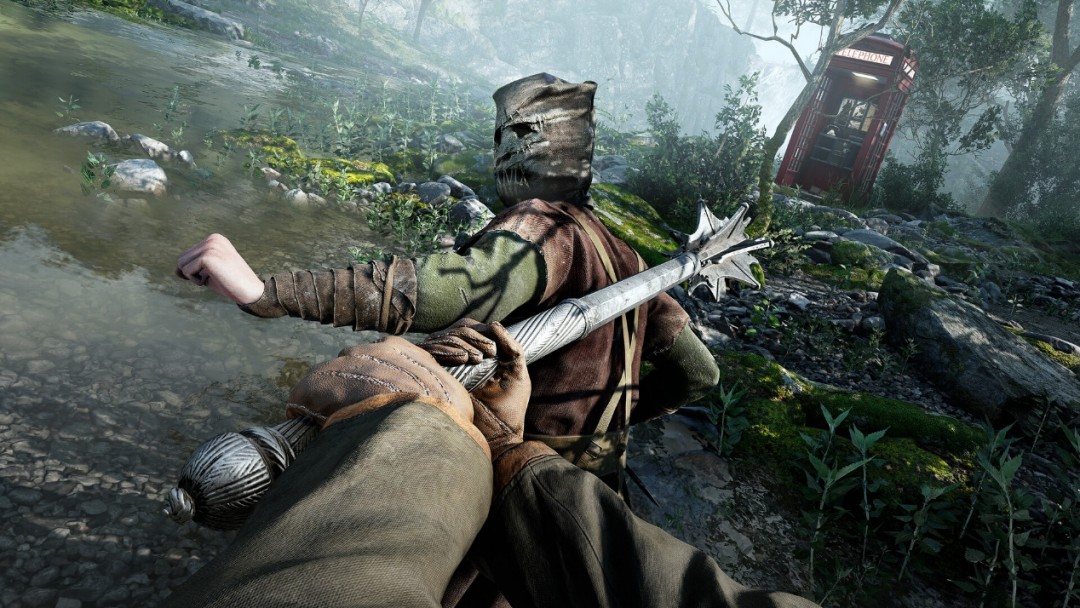
A:The concept of a "sci-fi miniseries" also influenced the game's visual design! Early BBC sci-fi dramas were very grounded, mainly because the BBC had limited budgets, so they had to use real-world locations mixed with various fantasy elements to tell a transcendent story—we hope Atomfall can have a similar atmosphere.
The quarantine zone in the game has been sealed off since the late 1950s, completely cut off from the outside world. So visually, we needed to capture the mid-1950s era characteristics while creating an authentic "British feel." To achieve this, we specifically traveled to Cumbria for photogrammetry scanning. There's a fantastic place in the Cumbrian countryside where many things haven't changed much; numerous buildings and landscape features are living specimens from the 1950s. Through this expedition, we figured out which architectural structures and styles could be directly incorporated into the game scenes.
Regarding how to insert this art style into level design, we wanted to make the quarantine zone a condensed version of Cumbria. Simply put, we gave this place a "theme park" makeover, concentrating and amplifying those iconic details of Northern English countryside. This way, the sandbox area players explore in the game is packed full, which in turn encourages players to constantly make choices, further stimulating their desire to explore. This is particularly crucial—after all, our game isn't just about survival; it also includes plenty of action elements, spiced with a bit of horror.
It is particularly important to note that players can enter Atomfall's storyline from any angle. For this, we need to maintain a high level of map design capable of holding enough clues, eventually forming interconnected and intertwined storylines that gradually guide players to uncover the core mystery. This means we must ensure all content is self-consistent, reasonable, and fits the worldview, while also avoiding fragmentation between the core narrative and other elements. Handling this balance is quite subtle.
Q: Atomfall is not a commercial blockbuster in the traditional sense. Were you ever worried about its market performance? Or is creative freedom more important?
A:One of Rebellion's major advantages is that we are an independent studio, which allows us to prioritize creativity in our development work. This also means that members involved in game production can truly influence the project's direction—whether it's setting, art style, or gameplay design.
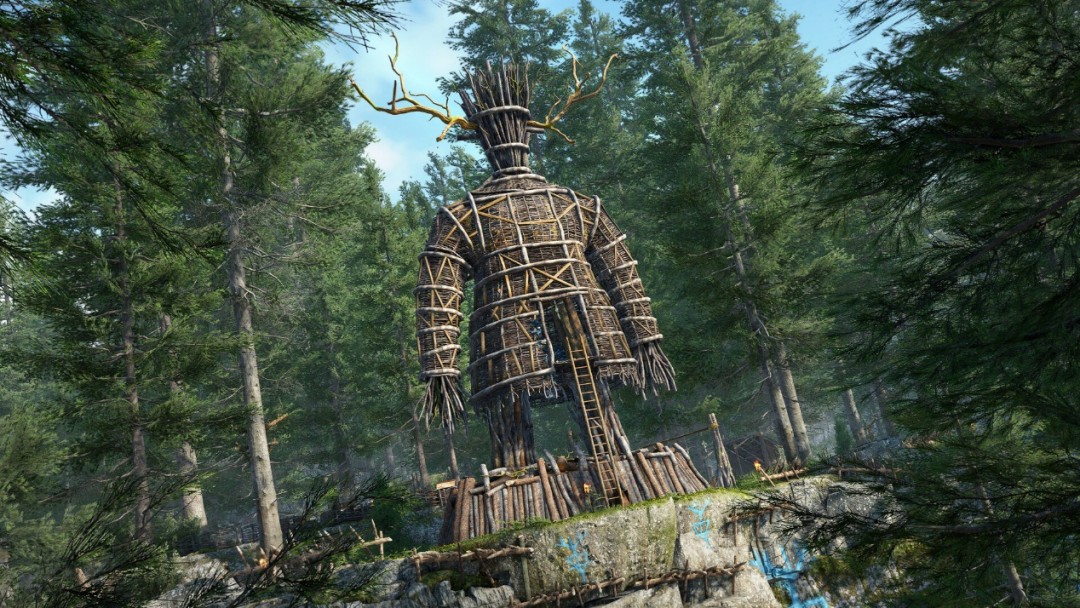
It is precisely this process and environment that allowed us to follow our inspiration and explore new directions. Rebellion has dabbled in a wide range of popular genres, but in the Atomfall project, we chose to delve deeply into the pop culture of the 1950s and 60s. Especially sci-fi works from that period, such as The Day of the Triffids, early episodes of Doctor Who, and The Quatermass Experiment. These works explored themes of paranoia, unease, distrust of government, confusion over urbanization, the disappearance of tradition, and remaining calm in crisis—all of which permeated the world-building of Atomfall, representing a new attempt for us.
We believe that these themes and sources of inspiration, along with adventurous designs like the "no-mission system," strike at the heart of large game studios. Precisely because the project scale is moderate, we were able to innovate experimentally with themes, ultimately exploring unique content.

Q: Can you reveal the current market response to Atomfall?
A:This is Rebellion's most successful launch in its 32-year history—breaking 1.5 million players in the first week, which is nothing short of a miracle for a brand-new IP.
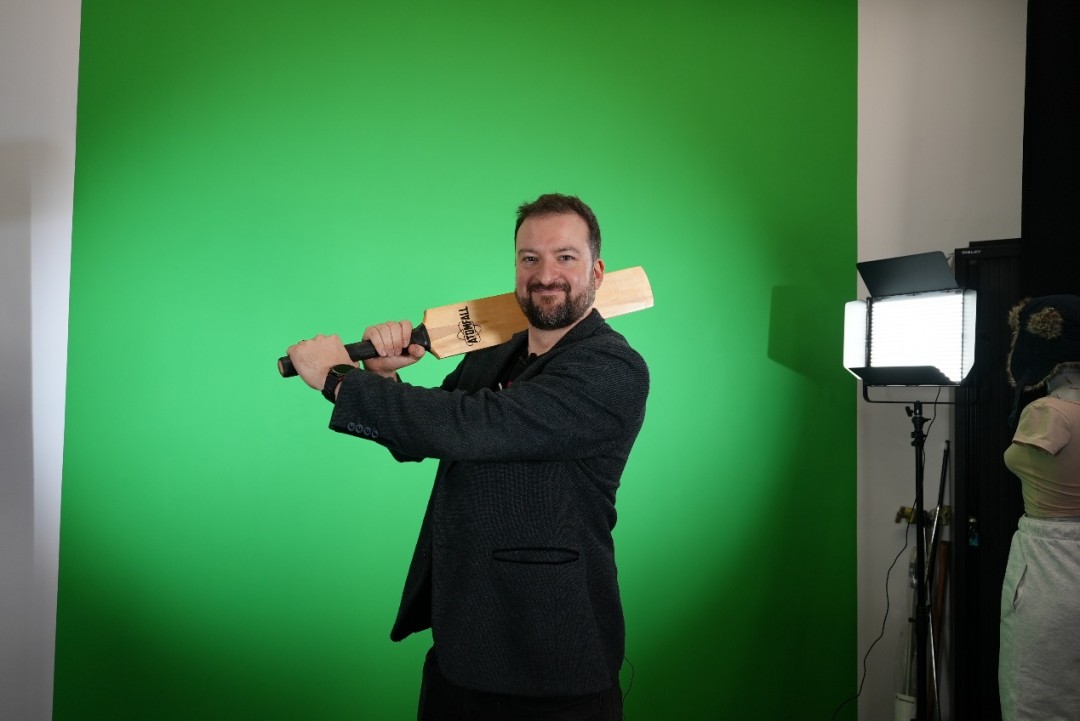
Players have killed over 3.7 million enemies with cricket bats (as seen in Shaun of the Dead), devoured 4 million pies, and drunk 300,000 cups of tea—this is simply too British!
Q: As a player who loves "Eurojank," I particularly cherish creative games that dare to take risks. How do you view the industry's current state of "over-polishing" and "lack of innovation"? Where does Atomfall stand in this context?
A:For the development team, investing time in the polishing phase requires determining game mechanics in advance and can only choose design solutions with clear precedents in other games—this leads to risky inflation of budget and team size. All these factors compress the space for innovation, because the most creative ideas often emerge only when the game framework begins to take shape.
We truly implemented innovative concepts in Atomfall. In the early stages of the project, Atomfall was often compared to similar post-apocalyptic titles—but now, people are gradually realizing that this is a completely different game. We focused on providing players with a detective-suspense experience, unraveling threads within a complex network of clues. Combined with the unique clue system, it ultimately presents a unique texture unprecedented in the genre.
Q: Finally, do you have any words for Chinese players?
A:Thank you everyone for your support, and we hope you enjoy the journey of Atomfall!