

As a player who has been around since the millennium, I inevitably hold some special sentiment for the RTS genre. However, the decline of RTS in recent years is an undeniable fact in the current gaming market. Today's trendsetters prefer quick, straightforward feedback over the slow, methodical maneuvering of traditional strategy games.
Interestingly, this old genre has recently shown signs of revival—there are reboot titles rising from the ashes, spiritual successors with established reputations, and sincere returns by original teams. Whether this leads to an RTS renaissance or not, it seems to prove that history is indeed a circle.
Among the many RTS titles shouldering the burden of revival, Battle Aces might be the most unique one.
Battle Aces is the most rebellious and unconventional real-time strategy game. This is because it radically innovates upon the complex gameplay stereotypes associated with the genre.
If I hadn't experienced it myself, I would have struggled to imagine that an RTS once mocked as merely a "base-building simulator" could actually abandon city construction and choke-point defenses.
The game's most distinct feature is that players see only one base, which handles all functions like production and technology. Consequently, workers are reduced to mere resource gatherers, eliminating the need to build barracks, tech labs, or farms, thus streamlining the repetitive tasks in each match.
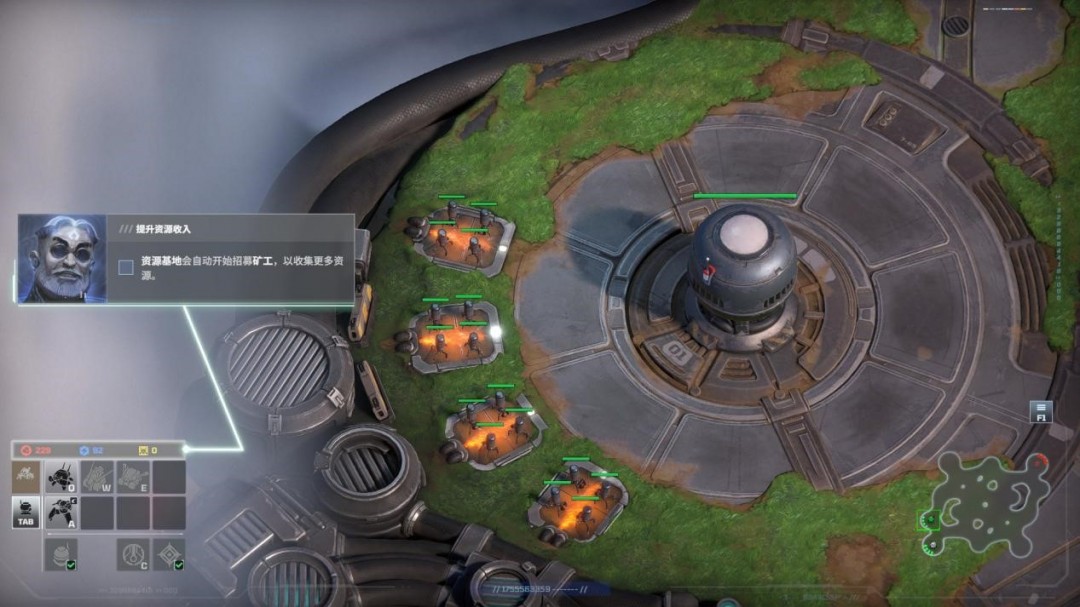
Without population caps and without needing to plan base layouts at the start, some tactical depth may be diluted, but what you gain is a faster pace and crisp, decisive offensive and defensive engagements—from the very first second, players are thrown into tense scouting and combat.
After all, without spending time sending workers to expand supply limits, players only need to continuously produce troops from the base. This preserves the essence of RTS unit counterplay, efficiently directing player focus entirely toward unit composition.
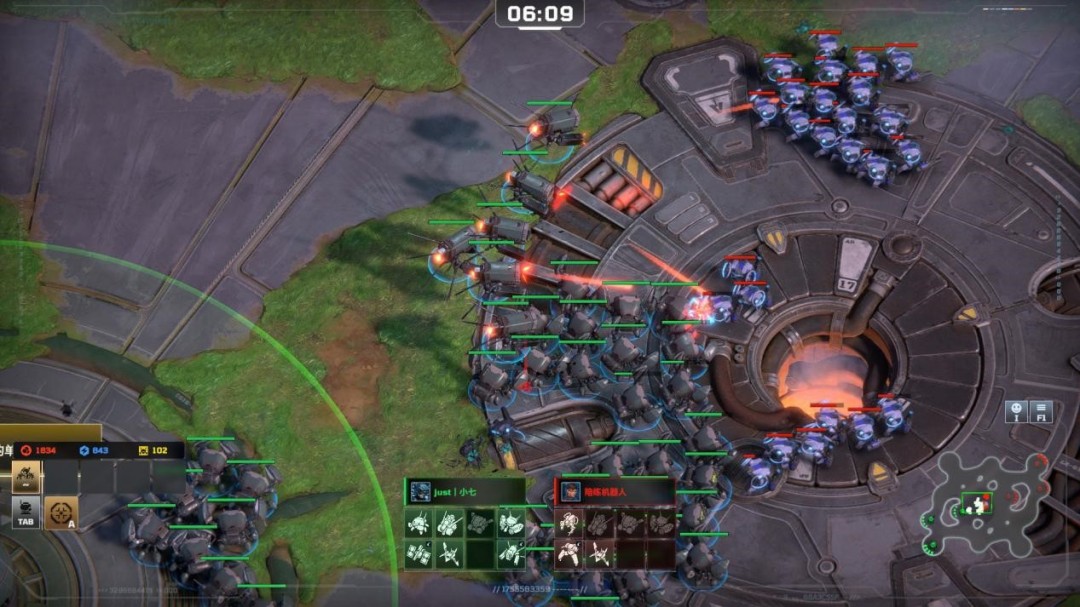
Clearly, Battle Aces aims to adapt RTS to current player habits—by retaining the core gameplay while minimizing repetitive actions, thereby lowering the entry barrier for RTS.
The results are evident. Players no longer need to memorize the optimal base layouts for every spawn point on each map. Each match no longer requires repeating fixed construction routines. Yet, the game retains the multi-tasking and offensive-defensive interplay of RTS, preventing it from becoming some distorted auto-battler.
Rather than simplification, this is specialization—Battle Aces focuses more on the interplay of offense and defense, diluting content redundant to combat. For players who crave action, this hits the sweet spot: less macro-management, more skirmishes and engagements.
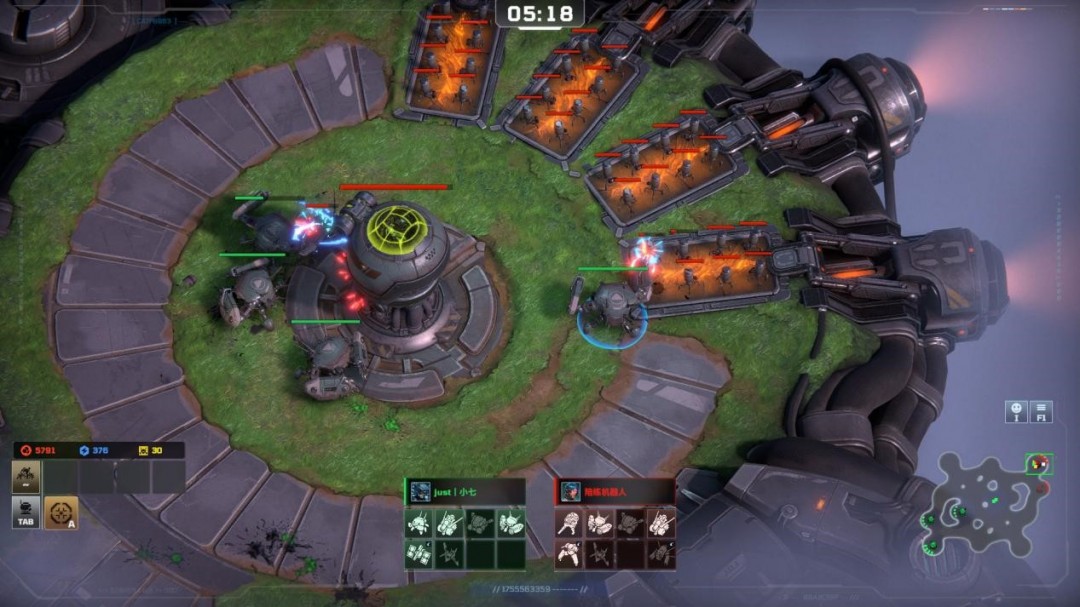
It's worth noting that to uphold this philosophy, Battle Aces sets unit production to instant spawn. As you might expect, this makes Everythinggj in the game change in the blink of an eye.
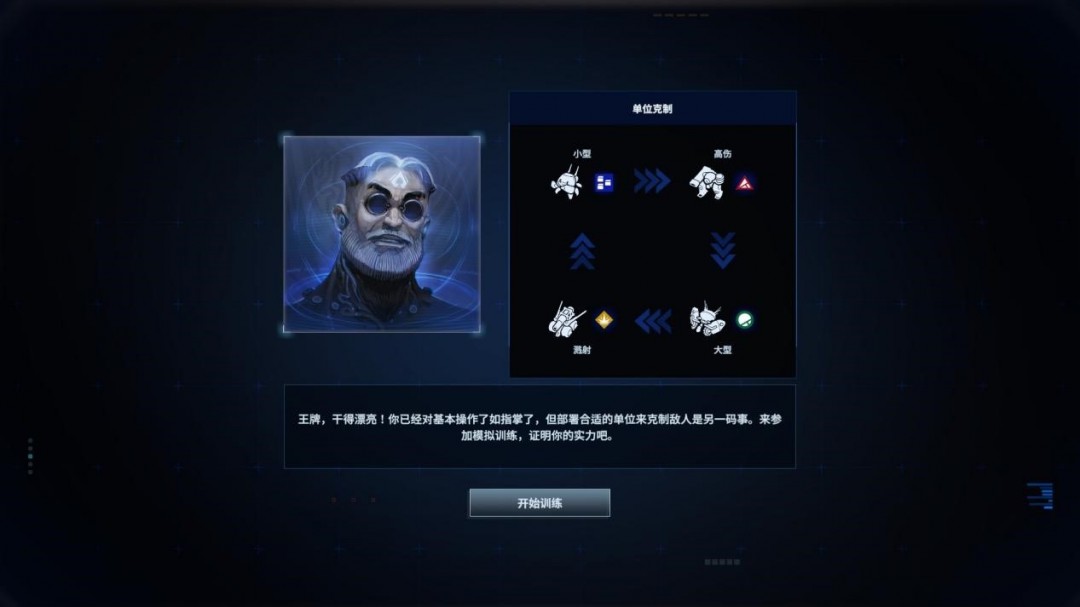
You might be excited when engaging the enemy, thinking you've guessed their unit choice correctly, but as you F2A (select all and attack), you'll suddenly see waves of new units spawning that perfectly counter your forces.
This ensures the tactical system doesn't feel lacking due to the absence of base building. Instead, the ever-changing battlefield demands a more comprehensive strategic overview. What you think is your advantage might be exploited by your opponent, turning you into a victim of their intricate schemes.
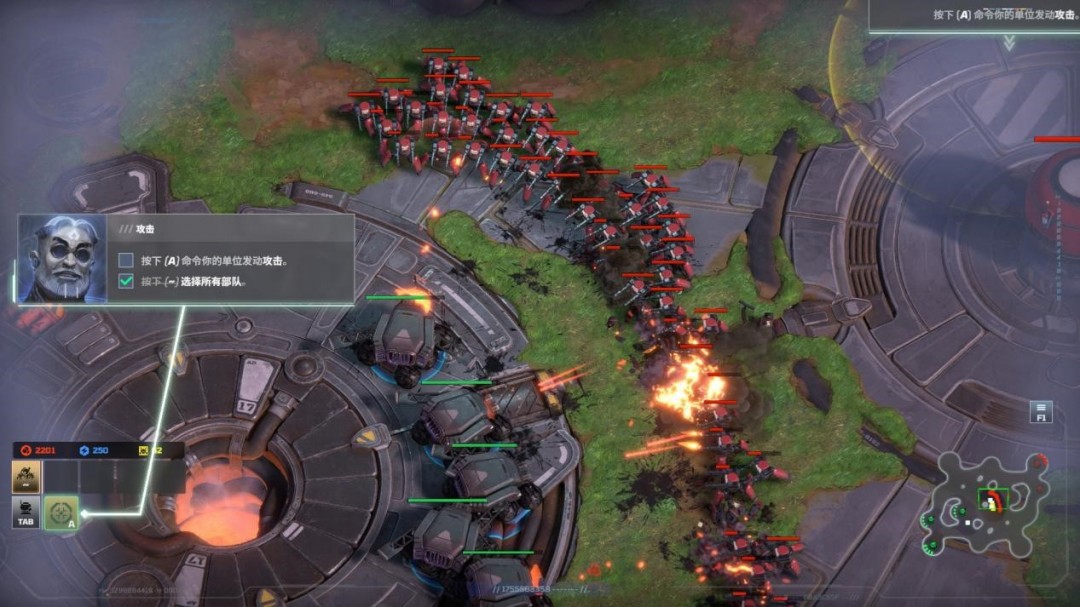
Initially, I thought Battle Aces would feel more like a mobile MOBA—a compromised experience. But after trying it, my view was completely overturned. It offers a brand-new competitive experience with a rhythm entirely different from traditional RTS, feeling both novel and engaging.
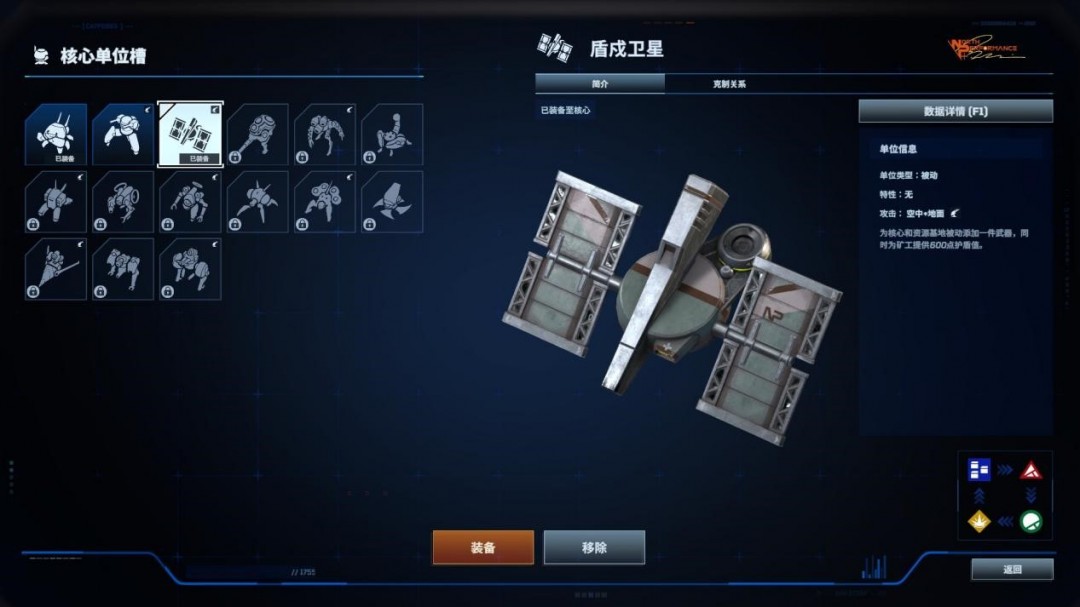
Beyond the fresh feel of each match, the game's builds are unprecedented—there are no fixed factions or races; players can use any unit. However, in each game, players must select eight units to form their lineup, which serves as the core tactical pieces throughout the entire match.
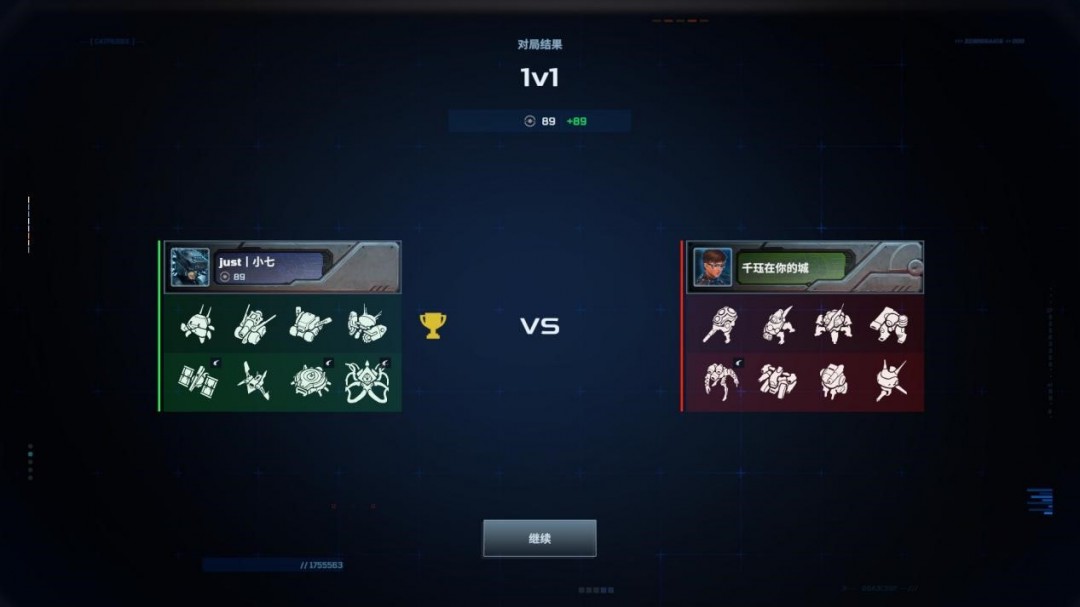
From a macro perspective, this does limit the ceiling of play, making it difficult for players with restricted unit counts to pull off tricks like Zergling rushes or Tower Rushes. However, in actual matches, you'll find the pace becomes more condensed, and the variety of tactical systems may even increase rather than decrease.
In traditional RTS games, Undead players might envy Orc peons' ability to burrow, while Orcs might envy the ease of Undead Acolytes expanding bases. Players divided by factions often compare their weaknesses against others' strengths.
In Battle Aces, you are no longer constrained by race. If you envy the mechanics of other units, you can simply use them yourself. The entire unit pool is open for selection, allowing you to assemble your perfect build.
From this perspective, each player's unique build becomes akin to an independent race. Subtle adjustments in composition reflect individual understanding, allowing every player to be considered a "fifth race."
At the start of the game, you can view your opponent's unit composition via the UI, making plans clearer and ensuring each strategic move is interconnected. This prevents the awkward situation of being overwhelmed due to a single oversight.
On the flip side, having eight slots doesn't stop you from using decoys. You can include one or two bluff units to mislead enemies. For instance, you might pick some high-tier units to make opponents think you're playing a defensive, tech-heavy late-game style, while actually spamming troops and executing an all-in rush with the other six units.
With the unit pool restricted, I unexpectedly found a joy similar to that of Deck-Building Games (DBGs), even becoming obsessed with the loadout screen, racking my brain to construct the perfect build for my tactical system.
This build must not only be resilient against counter-strategies but also balance economic growth, achieving the smoothest tech progression to secure a dominant power spike—the depth of strategic deduction this game offers is truly immense.
Frankly, I thoroughly enjoy the revamped RTS experience offered by Battle Aces; it feels unique with almost no direct competitors.
However, since I joined the game relatively late, my theoretical foundation was far inferior to that of testers who had played for a long time. Matches were often one-sided, which ironically aligns with the stereotypical RTS experience.
Perhaps after the public beta and with optimized matchmaking parameters, Battle Aces will offer an even better match experience. During the closed beta, compared to those seasoned RTS masters, I felt like a lamb walking into a tiger's den.
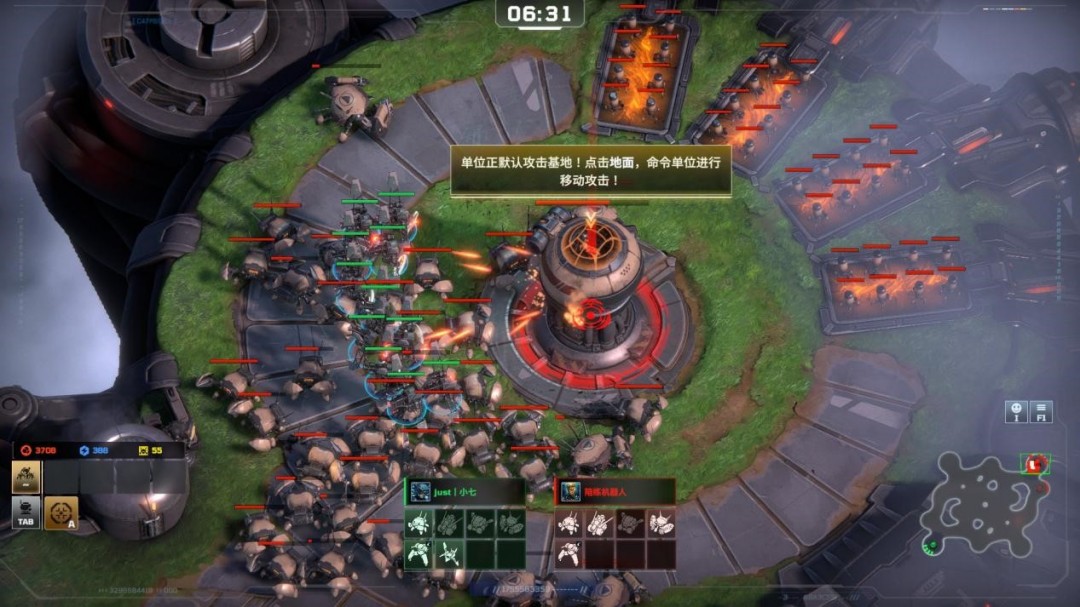
However, this hasn't dampened my desire to practice. RTS has always been a hardcore genre, and facing some setbacks now is just part of the journey toward mastering it later.
What I enjoy most is the vast unit pool Battle Aces provides, allowing free combination without being bound by factions. The game mechanics have been simplified, yet the core fun hasn't diminished at all—it's truly marvelous.
This makes the game equally attractive to RTS veterans and newcomers alike—the former can enjoy its distinctive pace compared to traditional titles, while the latter can immerse themselves in its modern-friendly rhythm. In an era where patience is scarce, Battle Aces might just be one of the ideal forms of RTS.