

As May approaches, the weather is getting hotter.
Especially in the past two days, the harsh sunlight on my commute has roasted me to the point of doubting life itself.

Climbing into the office drenched in sweat, I've already lost half my life force. I really don't want to work anymore.

Although I'm still sitting at my desk, my mind is already thinking about where to go this summer to cool off. When it comes to great summer destinations, the seaside seems like a good choice: sand, sunshine, waves, and the endless blue ocean are all appealing.

However, the holiday crowds are the quickest way to kill the vibe. You finally get time off and head to the beach to connect with nature, only to find it more congested than the morning rush hour? After seeing the picture below, I think staying home and playing games is the better choice for this summer.
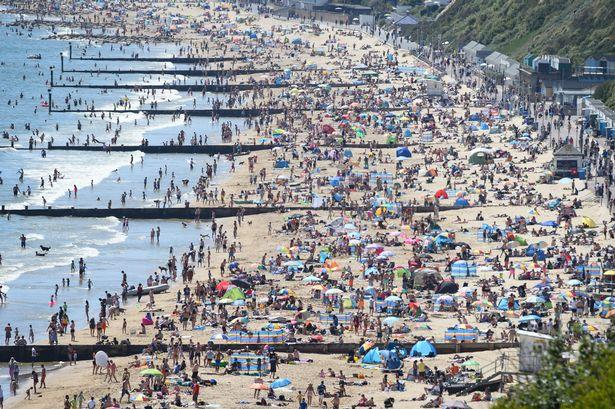
So, is there a way for us to enjoy the fun of playing at the beach during this scorching summer without having to go out and deal with crowds?
Yes, brother. Yes, there is.
In our "getting younger as we play" Game for Peace, you can enjoy the happiness of an island vacation right from your home.
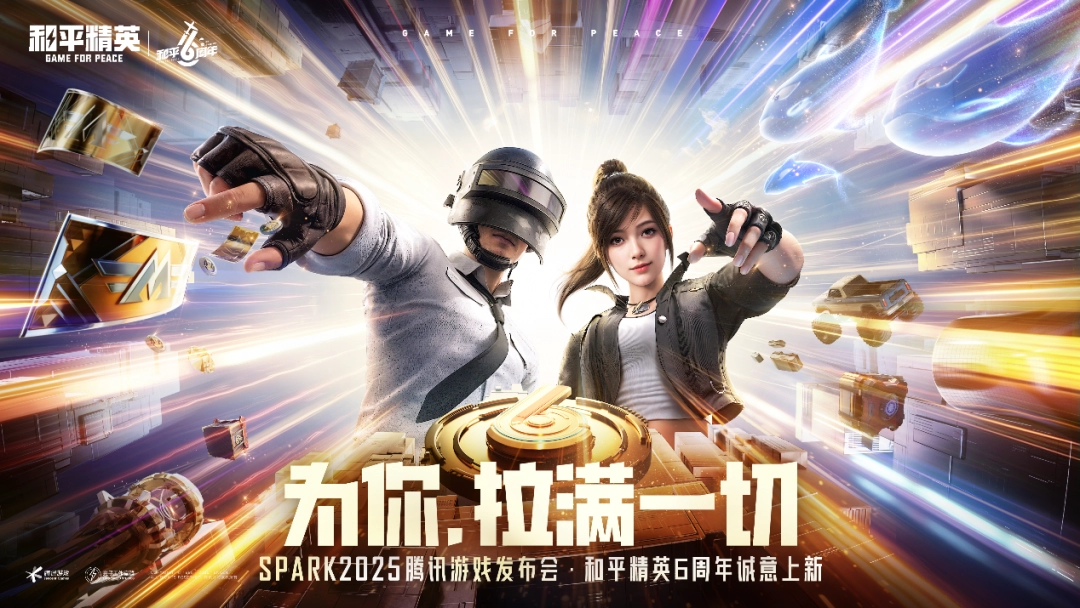
To be honest, after watching the SPARK2025 Tencent Games Press Conference on April 22, I was completely shocked—
Game for Peace, where have you taken me? Is this still "Erangel"?

How did my "PUBG paradise" get "revamped" into a tourist resort?
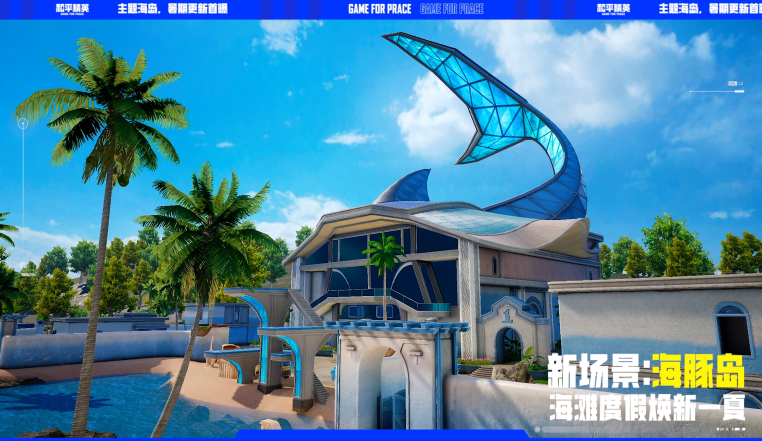
But then I thought, doesn't this perfectly satisfy "two wishes at once"? Now I can truly play games while vacationing on the island.
In the summer update, Game for Peace will launch the "Summer Dolphin Island" themed gameplay, adding the first underwater themed area. It combines tropical beaches with underwater secrets, allowing players to embark on dual land-and-water adventures. Additionally, the summer update offers various new items, giving players more interesting tactical choices, such as using swim rings to slide and jump in the water.
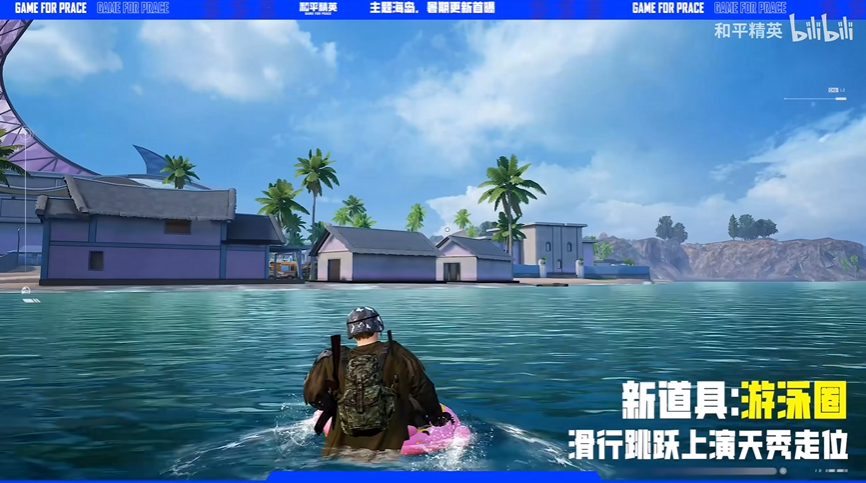
Additionally, the "Metro Royale" mode has added a new gameplay feature called "Surinam Conflict" in this summer update, offering an upgraded PVP experience for every player. Super Body Confrontation has also added a new mentor, "Explosive Cute Rabbit"—her skill design, which allows her to transform into a cute rabbit and continue acting after being eliminated, is highly anticipated.
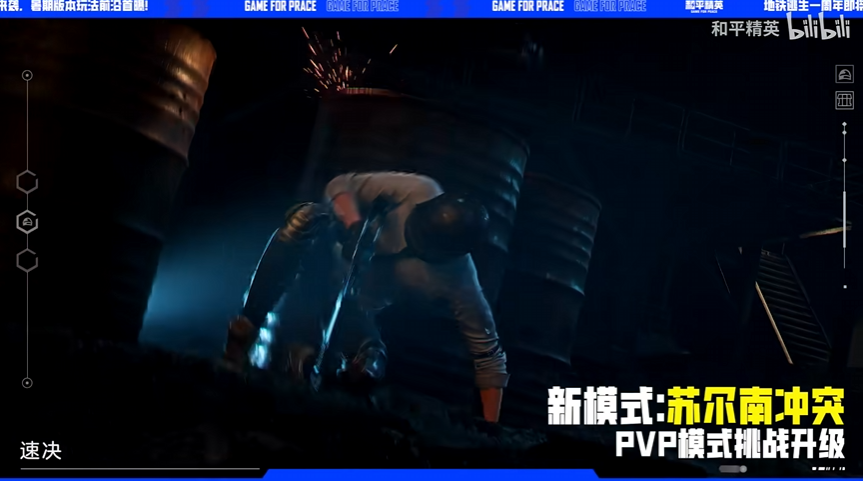
For those unfamiliar with Game for Peace, their impression might still be stuck on the "Battle Royale" gameplay that was hugely popular years ago. But veteran players know that today's Game for Peace is no longer limited to "Battle Royale." Through years of continuous iteration, Game for Peace has become a "shooting综合体" (shooting complex) encompassing many细分 (sub-genres) of shooting gameplay.
How did Game for Peace evolve into today's "hexagon warrior"?
The answer is simple: through "massive content" updates in every version, Game for Peace has continuously provided players with a vast amount of new gameplay and content. For example, the "loot, shoot, extract" gameplay in "Metro Royale" and the "bomb-defusal" gameplay in "Super Body Nuclear Showdown." Even the familiar old mode, "Battle Royale," has gained a fresh experience with "old wine in new bottles" thanks to the addition of new maps and items.
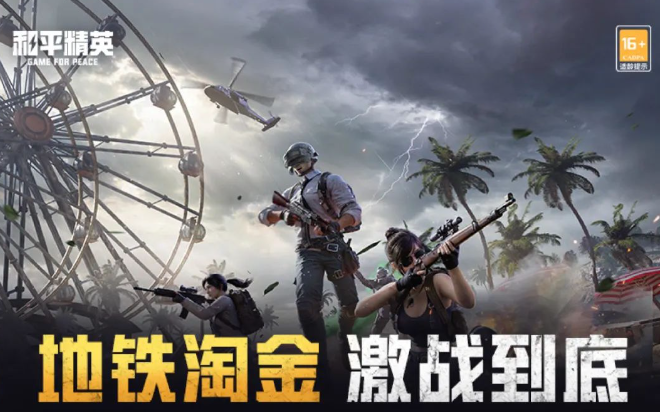
Take the classic Erangel map, for example. In the current version's "Operation Broken Blade," you can have a different gaming experience. Special Forces will engage in a series of hardcore military-style tasks, including stealth, tunnel warfare, intercepting supply convoys, destroying arsenals, and even hijacking planes for thrilling aerial dogfights. Thus, Game for Peace's combat map has expanded to the sky.
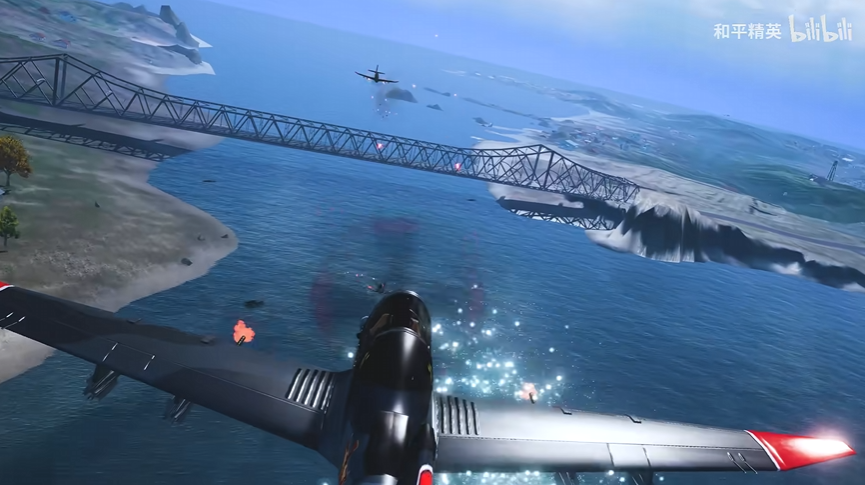
But land and sky are far from the limits of what Game for Peace can reach.
Before the freshness of "Operation Broken Blade" had faded, Game for Peace promptly served players the next "main course"—the upcoming summer update extends the battlefield dimension, which had just been expanded to the sky, down below sea level.
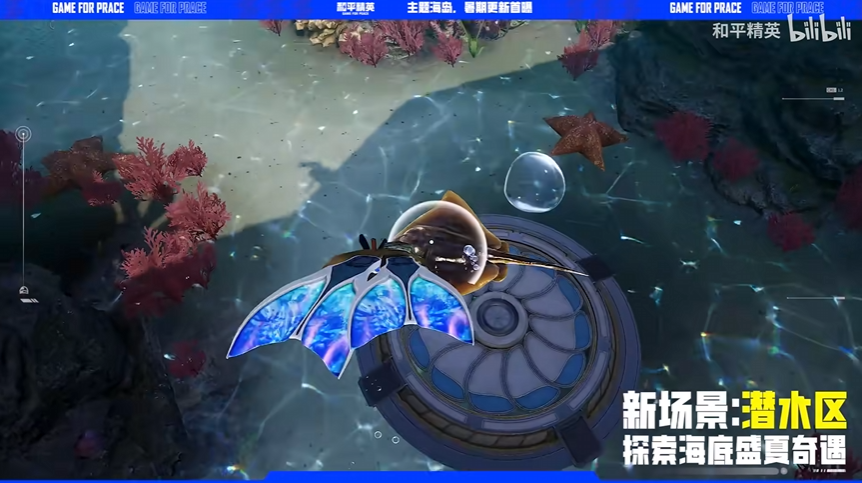
And the newly added vehicle, the "Hammerhead Shark Aircraft," can dive underwater and soar through the sky, directly allowing players to dominate the land, sea, and air battlefield.
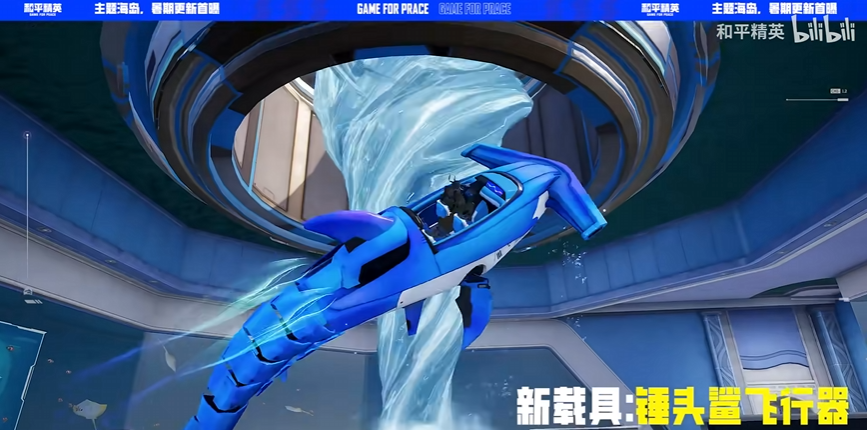
With massive content updates in every version, Game for Peace continues to evolve, bringing players constant freshness and appeal.
However, "massive content" is only one aspect of Game for Peace's success.
After all, we all know that "large quantity" is just a bonus; what truly conquers "diners" is always the taste of the "dish." The "secret recipe" that allows Game for Peace players to "feast" is not just "large quantity," but also "appealing to their taste."
How does Game for Peace manage to keep players satisfied while maintaining such a high volume of updates?
I believe that the official team's ability to understand player needs and their creative planning skills are absolutely key to the game's longevity.
Yes, as the "big brother" in the shooting genre, Game for Peace has not simply been "resting on its laurels." Instead, while ensuring the vitality of the "Battle Royale" gameplay, it continues to add features and actively explore possibilities in other shooting gameplay styles.
For instance, the new "Metro Royale" mode launched last year combines the currently popular "loot, shoot, extract" gameplay, while the recently added "Nuclear Showdown" adopts the classic bomb-defusal mode from shooting games. Game for Peace retains the core fun of these modes while making reasonable improvements to certain mechanics based on user habits.
For example, in the "Metro Royale" mode, players retain normal vision and can rotate their view when searching containers. Backpack space management also follows the pattern from previous "Battle Royale" modes, eliminating the tedious need to "arrange grids."
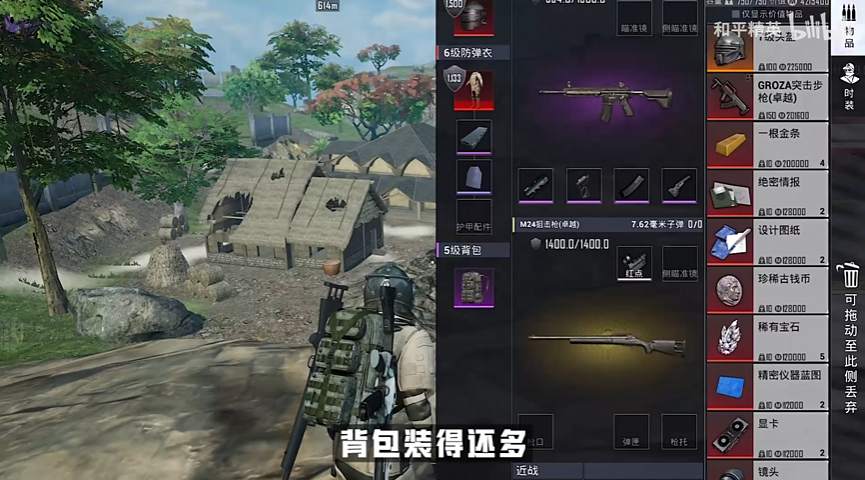
Actually, from the example of "Metro Royale," we can get a glimpse of Game for Peace's approach to developing new gameplay—starting from player needs and experiences, proactively adapting gameplay to fit players, helping them lower the barrier to entry, and quickly skipping the "acclimatization" phase, rather than forcing players to pay a learning cost and spend a lot of time adapting to the gameplay.
Market feedback on the new mode also proves the correctness of this development approach—as a new mode launched just a year ago, "Metro Royale" has very active daily users and community discussion热度 (heat). Official "Metro Royale" funny videos often garner over a million views.
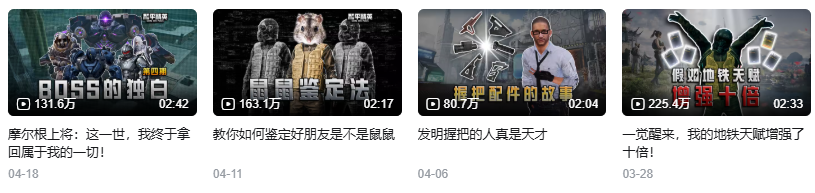
Relying on its insight into player habits and needs, Game for Peace has been able to stride forward in exploring new gameplay, always staying at the forefront of the shooting genre.
But where does this insight come from? It certainly doesn't appear out of thin air.
If you want to satisfy players' "appetites," you must first understand their "tastes." And the way to learn about players' "tastes" is naturally to listen to their voices.
Game optimization and iteration are not always smooth sailing; they often require spiral progress through continuous trial and error. The official Game for Peace team understands this well, which is why they maintain close ties with the player community. If you've noticed the official team's attitude towards version optimizations, you'll surely find that the game is optimized frequently, and the planners pay great attention to player feedback. At the beginning of each optimization announcement video, the officials often display player comments and opinions, even if some voices are sharp, showing no hesitation in presenting them.

Recently, the game launched the "downed shooting" feature on the test server, intending to give players a chance to fight back after being knocked down. However, the counter-attack capability provided to the downed party was too powerful, making it difficult for the knocker-down to finish them off. Therefore, this feature sparked significant discussion in the player community after its release.
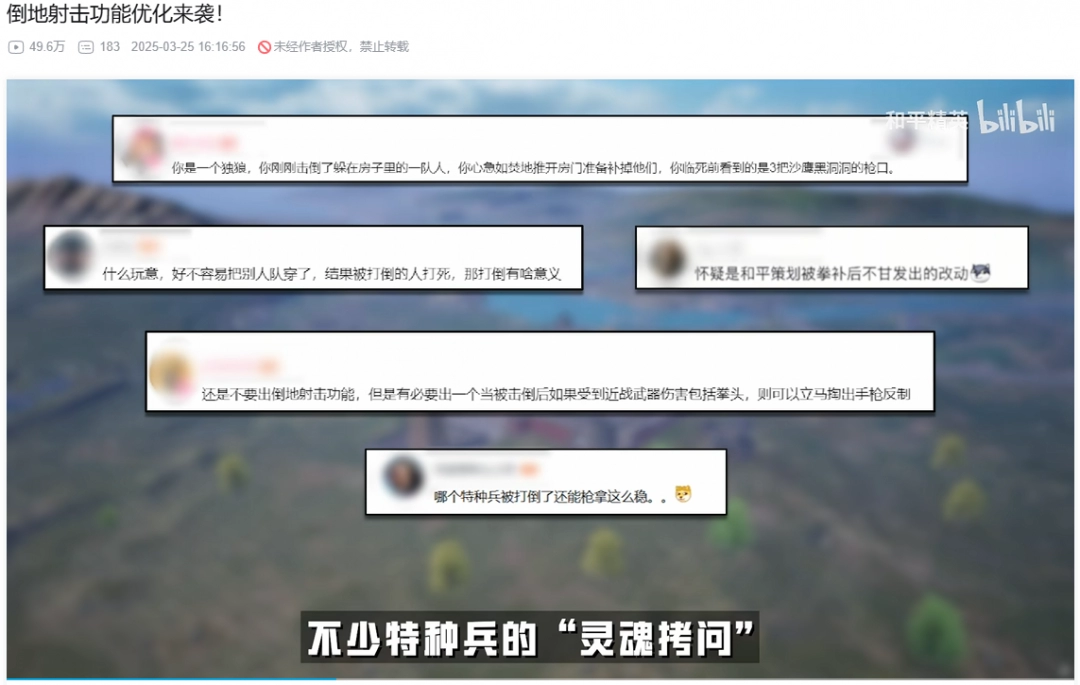
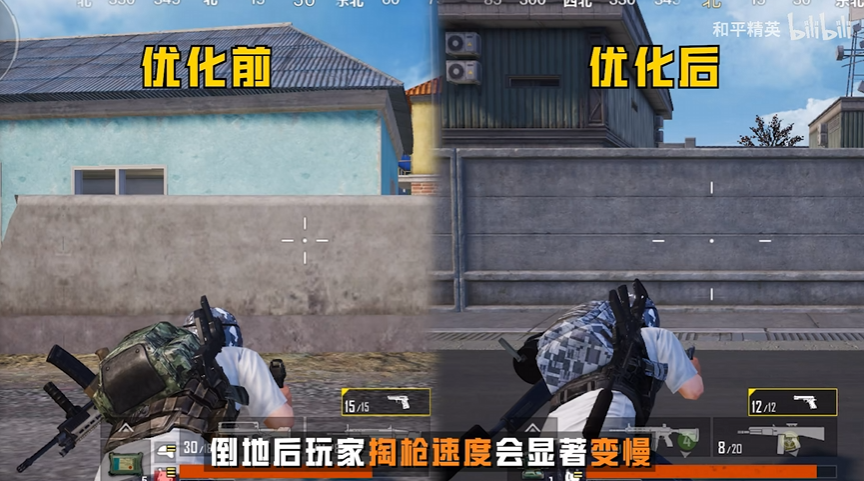
After receiving player feedback, the officials quickly modified the "downed shooting" mechanism by weakening performance and restricting firearms, keeping its counter-attack capability within a reasonable range. This helped maintain a good gaming experience for players on both sides.
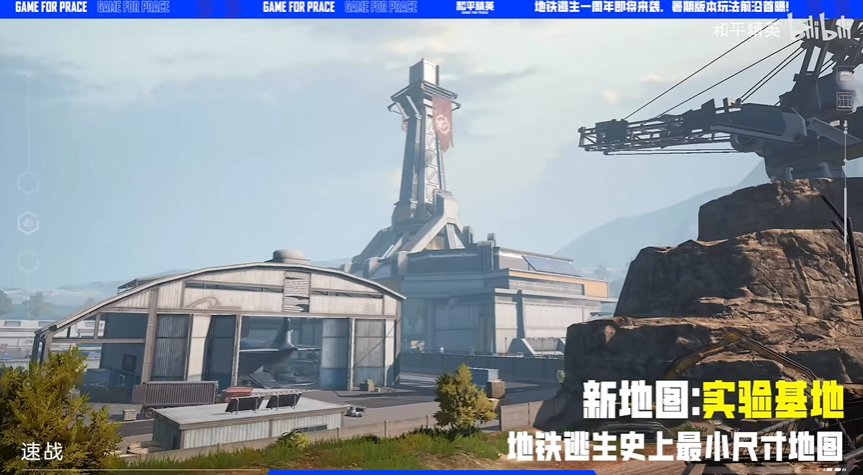
In addition, this summer update also improved the "Metro Royale" mode. In fact, since its launch a year ago, this game mode has undergone countless iterations based on player feedback. This iteration focuses mainly on the map. Previously, due to the large map size, some players who enjoyed "fighting" didn't have a great experience in "Metro Royale": the cost of familiarizing themselves with the map was high, and the frequency of PVP engagements was low, leading to a rather "flat" flow experience during long matches.

However, the small-sized map "Lab" in this summer update satisfies, to some extent, the needs of players who enjoy intense combat. First, the smaller map size significantly reduces the time cost for players to familiarize themselves with the terrain, thereby improving movement efficiency. Moreover, within the limited space, the frequency of encounters between players increases, making skirmishes more frequent.
Additionally, mechanisms like the "Acid Rain Zone," similar to the "Signal Zone," further enhance the unpredictability of the match, making luck part of a player's skill... All these changes reduce the duration of individual matches, providing players with a more intense flow experience, which aligns better with Game for Peace players' expectations for the "Metro Royale" mode.
Even some "old problems" that everyone is accustomed to or has accepted as default were not ignored by the officials.
For example, the "bridge blocking" gameplay on the Erangel map has long been criticized by some players.
Due to the limited space on the bridge surface, battles between "blockers" and "crossers" are often confined to a narrow plane, with few height differences to utilize. Both sides lack space to employ tactics, and strategies become quite "formulaic." Therefore, many players feel that whether "blocking" or "being blocked," the combat feels "boring."
However, in the upcoming summer update, the island bridge will undergo an "expansion"—the bridge will become a "double-decker" structure, with interconnected corridors added to both sides and the bottom.
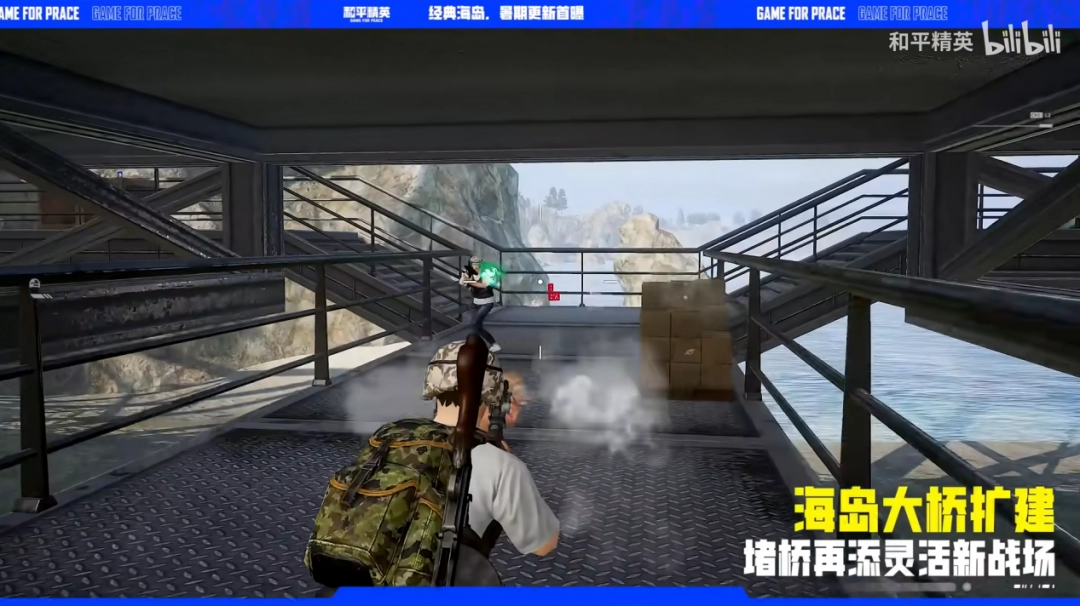
After this "expansion," the combat space on the island bridge will no longer be limited to a single plane. The passages on both sides and underneath can serve as shortcuts for those "crossing the bridge" to bypass the defenses of those "blocking the bridge," or as ambush points for the blockers to hide. This gives both attackers and defenders more tactical choices and a larger space for strategic maneuvering.
This direction of changing combat terrain has also been applied to other areas of the Erangel map. The terrains of the Dock, Military Base, Observatory, and Ruins have also been updated, making the combat space more three-dimensional.
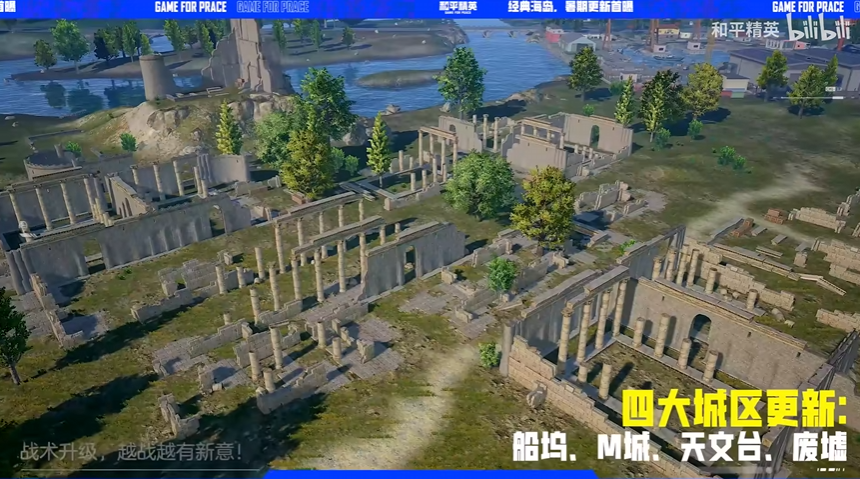
Additionally, the summer update optimized the underlying first-person mode in Game for Peace and remade character animations and gun sound effects, making the overall gaming experience more realistic.
The official team's optimization and adjustment of this "old problem" has also received much affirmation and encouragement from players in the comments section.
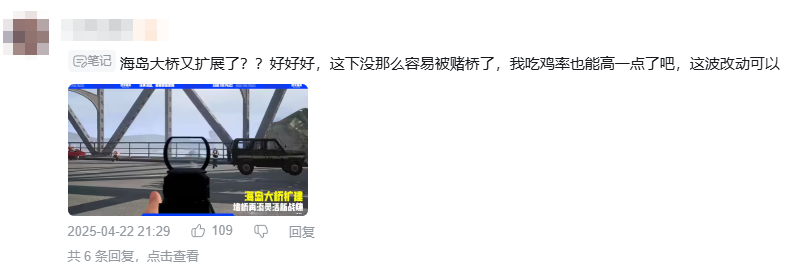
If you look closely at the comments section under the official Game for Peace account, you'll find that the player community is very active in discussing and providing feedback on game changes. Moreover, most of these voices are quite rational. This vibrant atmosphere in the player community is closely linked to the official team's attitude of valuing player feedback—if your voice is never heard, who would want to keep speaking up? Conversely, if players feel their feedback is seriously listened to and actually reflected in game optimizations and iterations, they will naturally be more willing to actively participate in game discussions.

To be honest, it takes courage for Game for Peace to consistently maintain "massive content" updates and continually introduce new gameplay over many years. Perhaps many people have questioned whether Game for Peace's direction of iterating towards a "shooting complex" is correct—after all, investing substantial resources in an unverified direction with unclear returns is like crossing a river by feeling for stones, which could easily result in effort without reward. With that effort, wouldn't it be better to focus on managing their own core area and seek progress steadily?
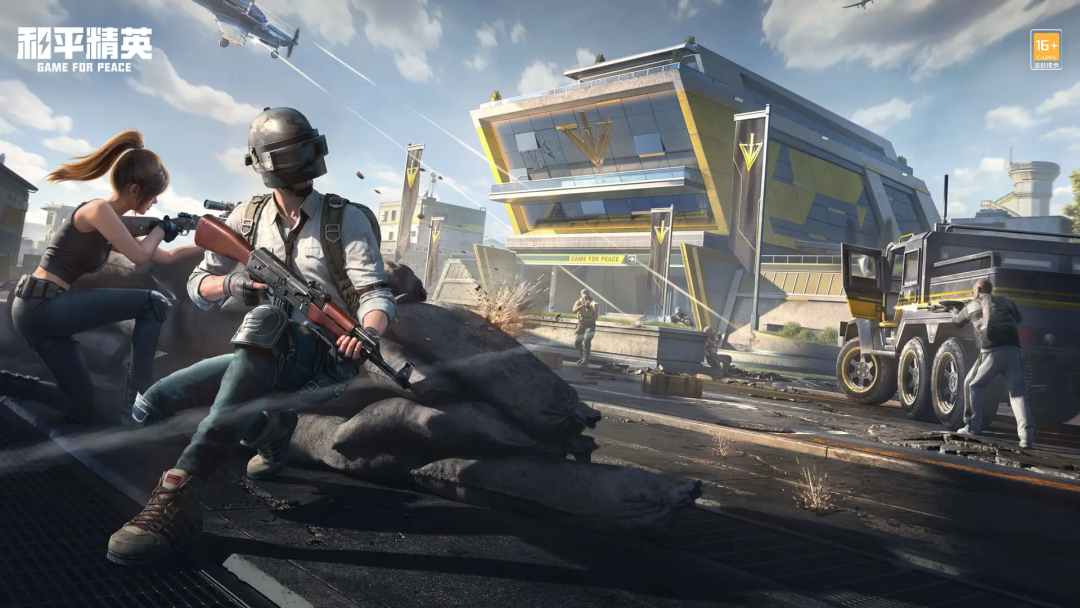
But as a leading game in the shooting genre that has maintained its longevity, Game for Peace naturally has its own keen eye and unique understanding of player needs. This understanding comes not only from the experience accumulated during long-term operations but also from their emphasis on player feedback. It can be said that players' voices have been the guiding beacon for Game for Peace's steady progress over the past six years.
And Game for Peace's emphasis on players has naturally been rewarded by them—the daily active user count exceeding 80 million on New Year's Eve this year is a testament to this mutual commitment between the officials and the players. This heavyweight achievement is enough to silence all doubts.
Perhaps, when it first launched in 2019, no one expected that Game for Peace, labeled as "trendy" and "fast-food," would still maintain such vigorous vitality today. But after witnessing its growth, continuous expansion, and transformation into today's "shooting complex," I believe the future of Game for Peace is worth everyone's anticipation.