

You might not believe it, but the current state of FBC: Firebreak awakened my sorrowful memories of Redfall. Back in 2023, during the May Day holiday, I endured three days of intense "shit-tasting," leaving me utterly disillusioned about Arkane Austin's future.
After sampling FBC: Firebreak for a few hours, that damn sense of déjà vu surged again—Remedy isn't going to follow in Arkane Austin's footsteps, is it?
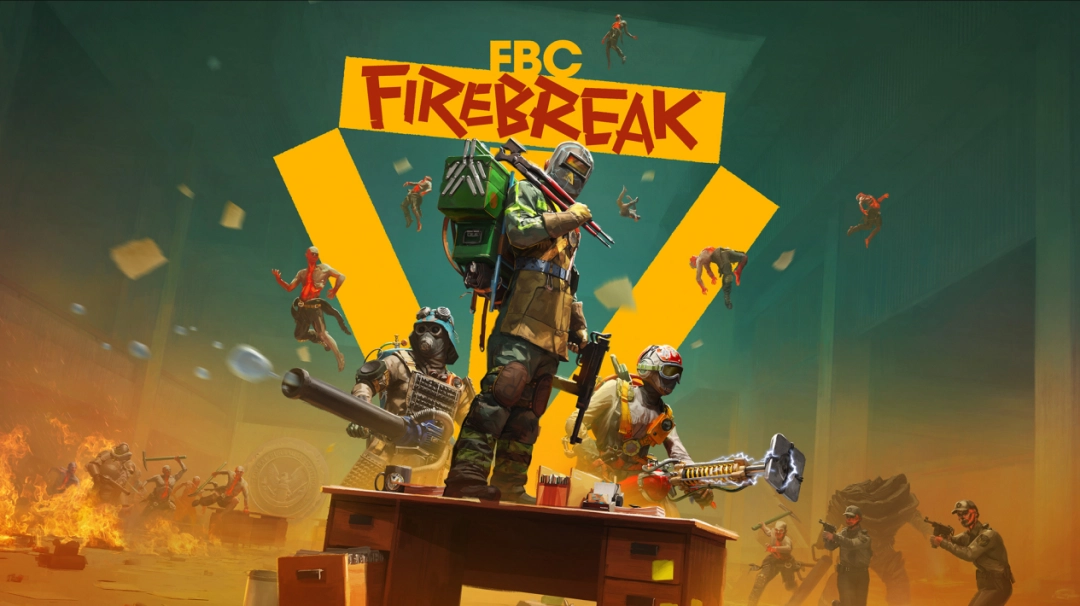
To be precise, as a new Remedy fan who got into the series through Control, my first impression of FBC: Firebreak was quite positive: familiar high-saturation colors, clean and tidy visuals, clear and straightforward UI design, and our old friend Jesse—hey, dealing with these contained entities lingering in the Otherworld of the Oldest House is right up my alley.
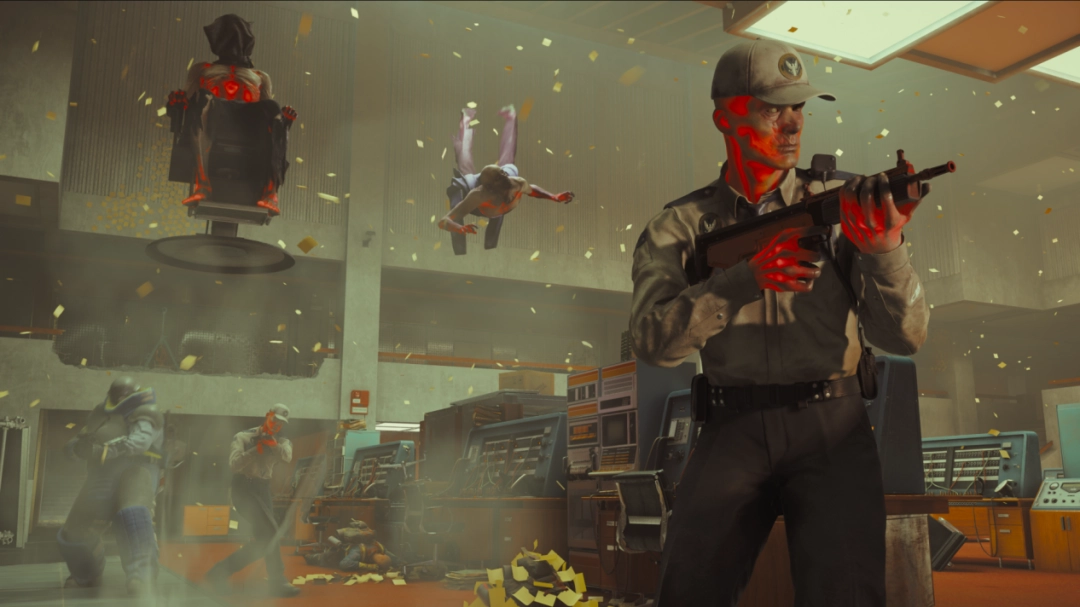
Although this time we no longer play as the red-haired lady, aka the Federal Bureau of Control's (FBC) strongest contained entity and newly appointed Director, but instead embody the chosen trio of hapless firefighters operating within the Oldest House, the Control universe remains. As a powerful organization controlling a massive number of contained entities, the FBC possesses inherent advantages in creation.
Let's set aside the powerful items from the backstory for now. I'm not expecting players, role-playing as low-level employees, to wield Parautilitarian Weapons. However, couldn't Remedy's entire system of Foundation-like contained entities, built since the Alan Wake series, spare even a fraction of its creations to support a sufficiently interesting and fun PvE gameplay loop?
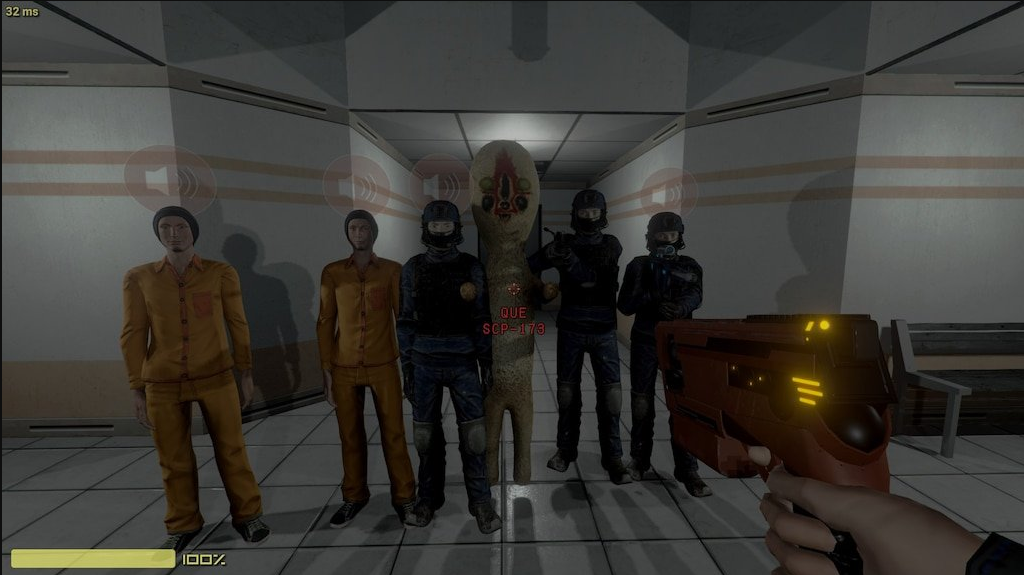
Ah, Secret Laboratory. The memories of chaotic practice sessions mastering the "Human Emperor Step" remain vivid.
Not to mention that the competitive gameplay style of Foundation-like games already has countless pioneers. Titles like SCP: Secret Laboratory or The Backrooms offer numerous examples to draw from, spanning both PvE and PvP. Furthermore, as a derivative work within the Control and Alan Wake universe, FBC: Firebreak had access to a vast amount of reusable assets, making it relatively simple to broaden the game's experience. In short, compared to other Foundation-like games, Firebreak's development costs should have plummeted.
With so much gameplay potential and thematic accumulation, plus the boost from fans of the unified universe and Remedy's reasonably solid technical capabilities, FBC: Firebreak seemed born to succeed.
Yet, the result left everyone dumbfounded.
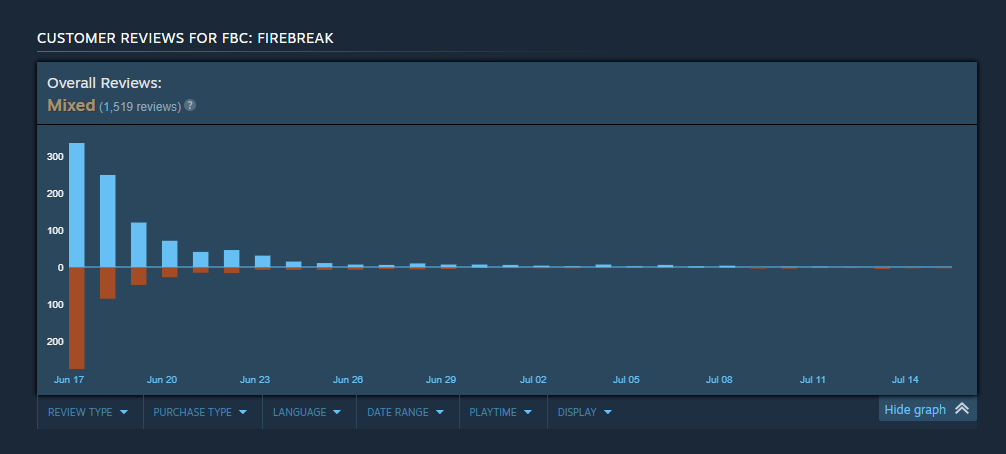
Arkane Austin's Redfall could at least excuse itself by claiming the theme and style severely mismatched the studio's usual design philosophy. But what about PBC: Firebreak? Although the multiplayer PvE horde-style gameplay doesn't seem to fit Remedy's narrative-centric tradition seen in Control and Alan Wake, judging by the high degree of asset reuse and background theme integration in the actual gameplay, it shouldn't have been difficult for Remedy to make PBC: Firebreak well.
But the result is baffling. Judging by the gunplay feel alone, the experience in FBC: Firebreak has significantly declined compared to Control.
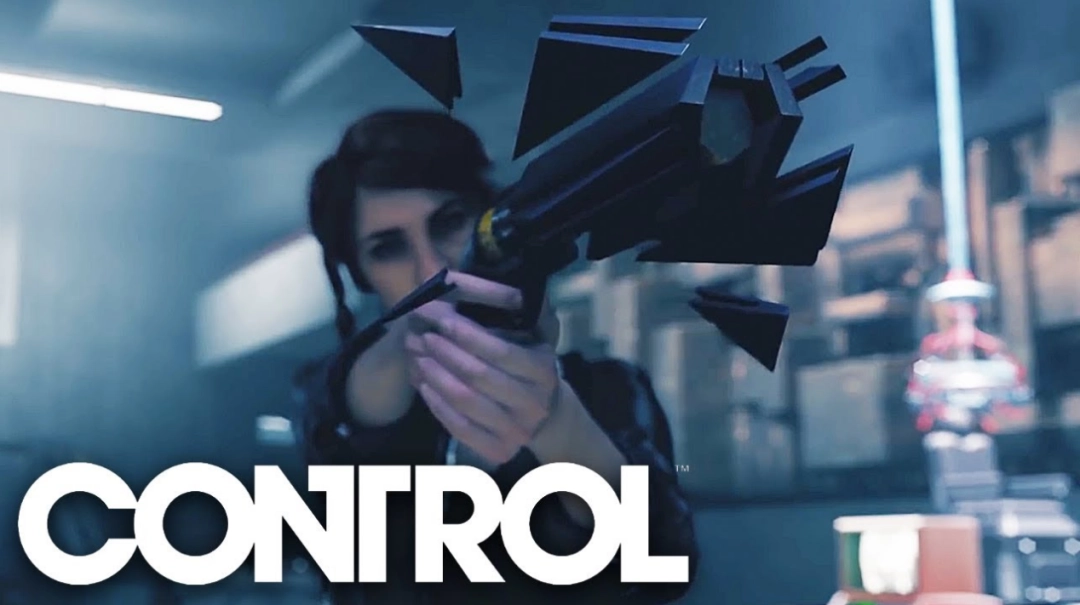
Yes, we know Remedy has never specialized in shooting games, or rather, first-person trendy action shooters like Vermintide, Darktide, or World War Z. However, Control's shooting feedback and feel reached a passable standard. At least while playing as Jesse exploring the Oldest House, I could clearly feel the power and weight of the weapons in my hands and receive feedback from interactions with monsters. Not to mention Control also featured Parautilitarian Weapons, which achieved an excellent standard in both transformation animations and environmental interactions.
Meanwhile, PBC: Firebreak gives off an attitude that can only be described as careless.
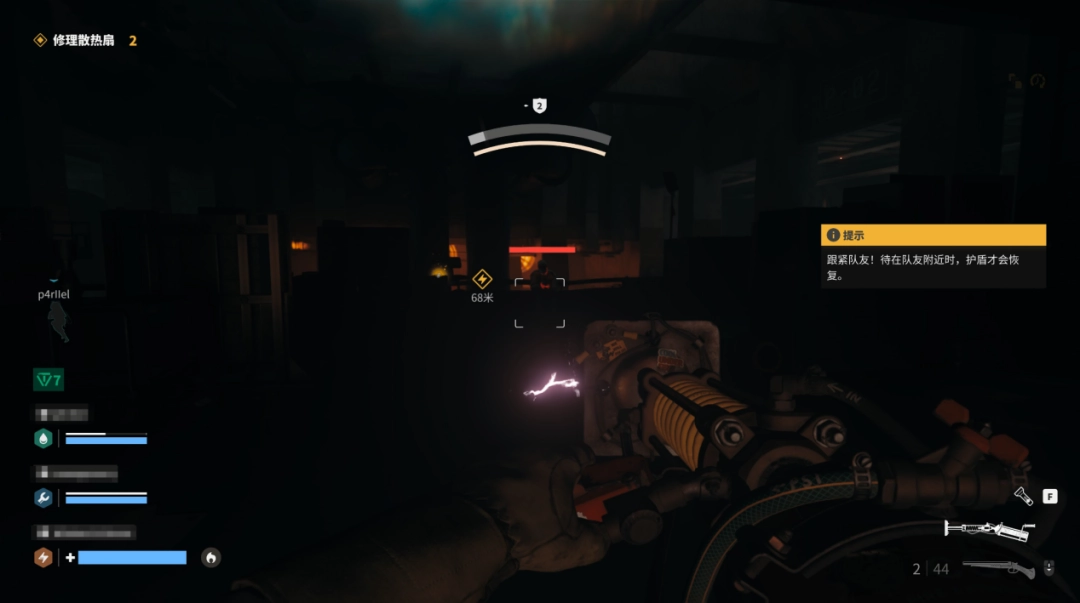
Take the Electrician class's exclusive weapon as an example. Not to mention its pitifully low damage against enemies. While continuously firing at the Hiss, I had no idea if my weapon was actually hitting them. The only difference between the attacking and ready stances might be the mysterious arcs flashing from the muzzle and the angle difference between aiming down sights or not.
If it weren't for Jesse's health bar visibly depleting, I might not have even known whether my taser was working at all.
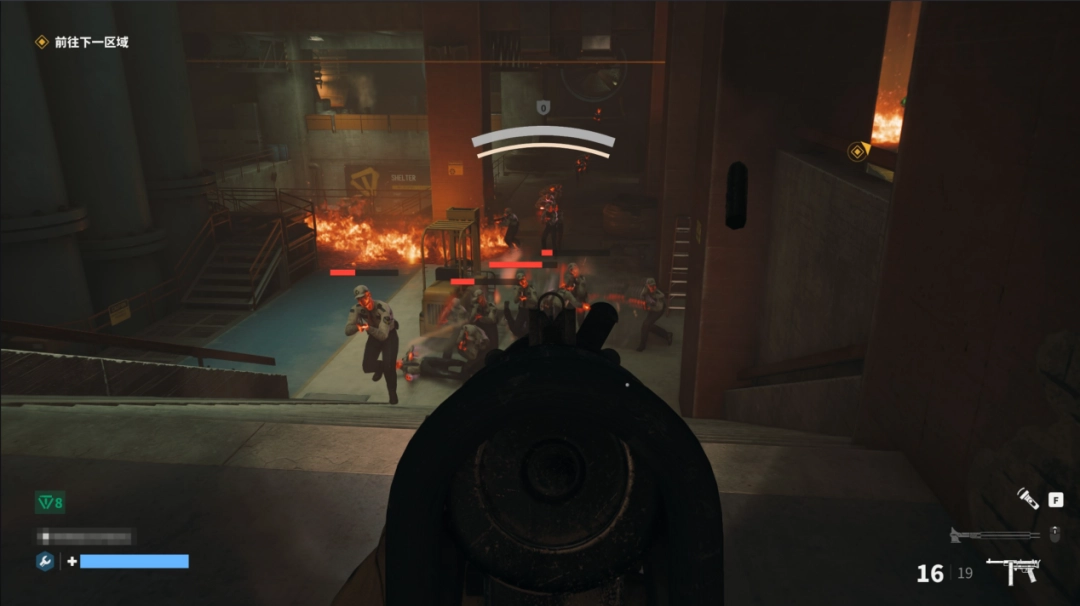
Even more perplexing is that the player's ammunition seems like "painlessly soft" jellybeans against these Hiss. Players feel like kindergarteners playing around with jellybean launchers among friends; continuous shooting only results in the enemy advancing more aggressively and panting as if saying, "Oh, you hit me."
But if you pay attention to the health bars above the Hiss, your weapon damage does indeed have a considerable impact on these contained entities' health status.
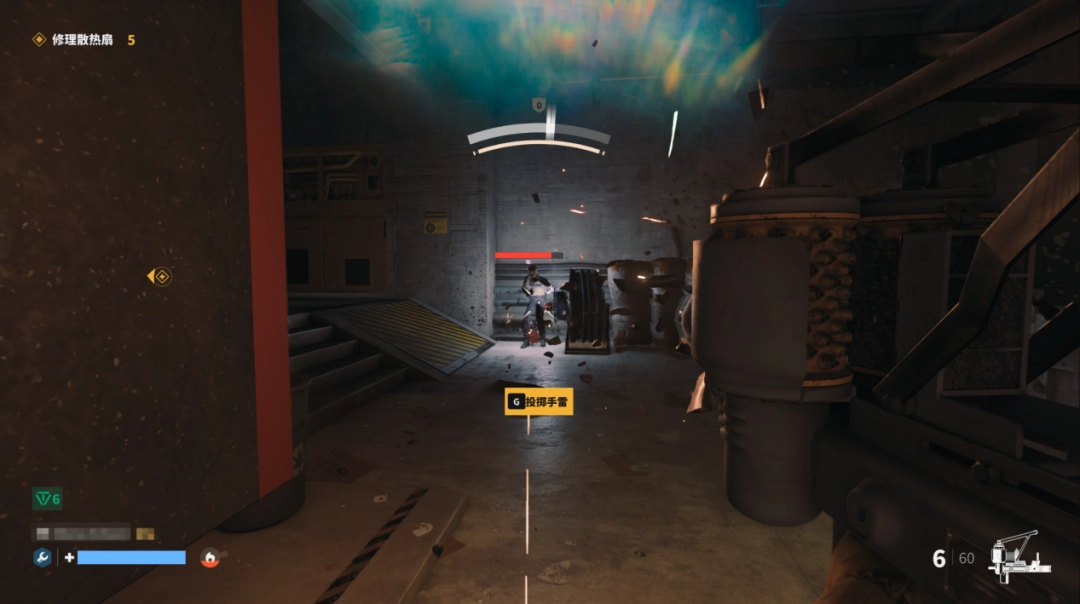
This sense of disconnection makes the feel of FBC: Firebreak best described as fragmented. With almost no shooting feedback or monster interaction, players have zero control over the flow of combat. Let alone the fact that the trio of hapless firefighter protagonists feels no tension or adrenaline rush when facing thousands of Hiss. The player's actual experience is completely that of an outsider watching from behind a computer screen, unable to immerse themselves in the game at all.
Even if Remedy had simply copied the shooting experience from Control next door, it would still be better than the current FBC: Firebreak.
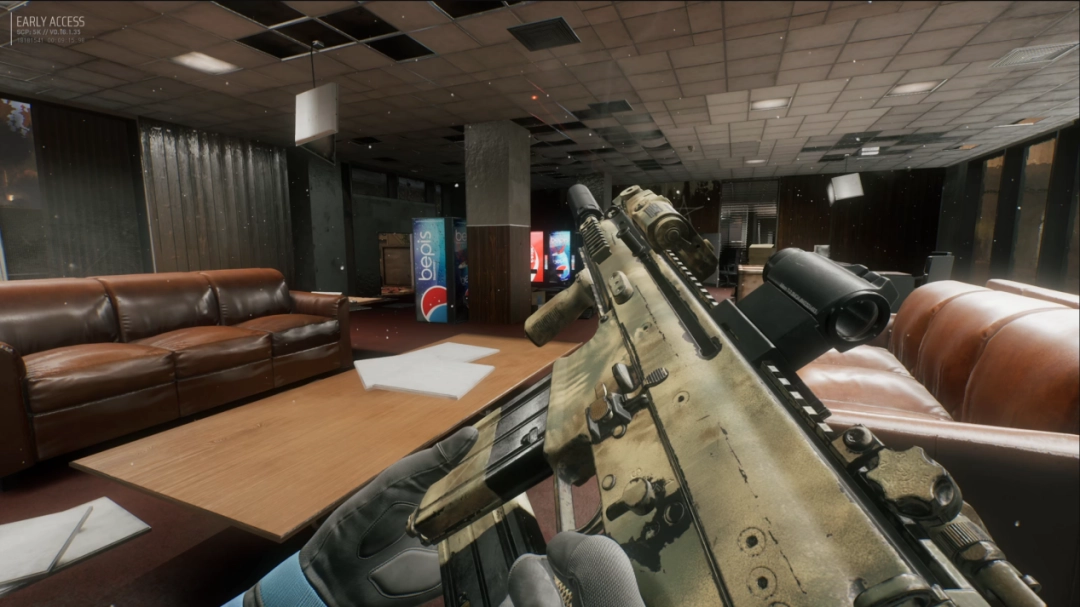
Newcomers from small studios are truly monsters—no reliance on stats, just pure effort and sweat.
This fragmentation can't be brushed off with excuses like "insufficient technical prowess." Take Foundation: 5K, a similar title from roughly the same period, as an example. Its development team went all out—from inspection animations and gun recoil to visual impact, haptic feedback, hit effects, and spatial audio. This small studio delivered heavily, constructing a shooting system centered entirely around the FPS experience that was beautifully crafted, practically the Call of Duty of Foundation-like games.
Even if the game content is as scarce as in FBC: Firebreak, at least the tension is high and shooting feels satisfying. It could pass as a stress-relieving horde shooter. After all, people can understand that a new studio might have limited production capacity.
Speaking of which, you may have noticed my wording—"equally scarce."
Indeed, if poor gun handling and shooting feedback aren't fatal for Remedy's narrative-focused fans, then the tragically scant content volume of FBC: Firebreak is the true culprit that killed the game.
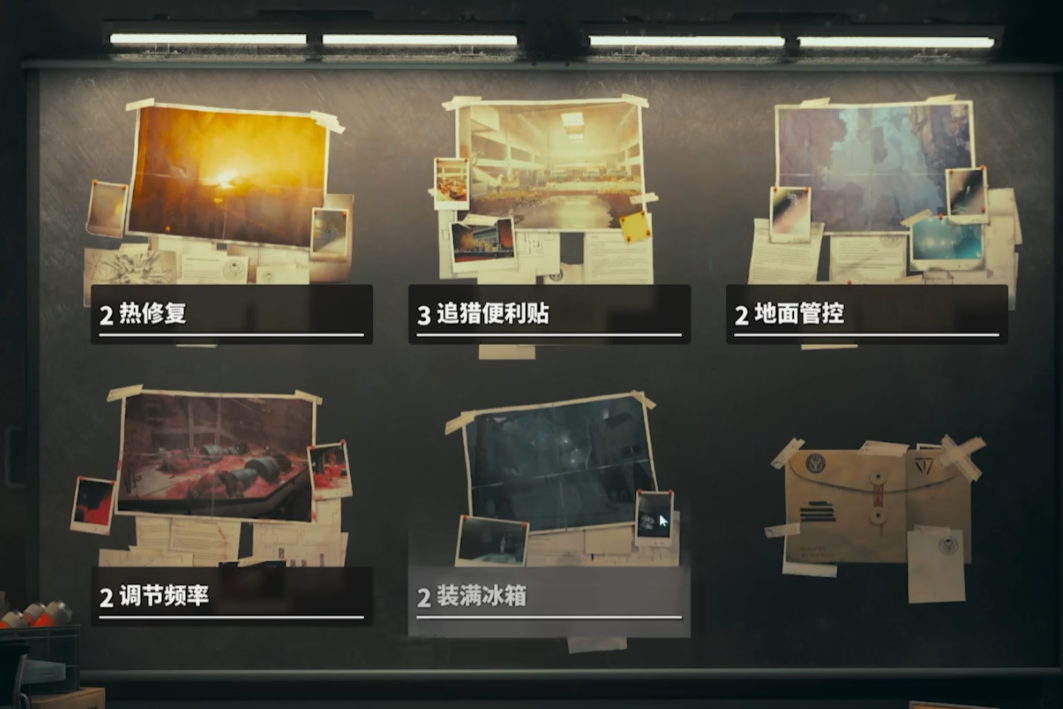
Can you imagine? A PvE game focused on trendy looter-shooter mechanics launched with only five missions and four weapons. Even after layers of updates to this day, players only have six weapons, while the number of missions remains unchanged.
In fact, these five levels were theoretically meant to be a continuous sequence, merely split up by Remedy. You can experience the bulk of FBC: Firebreak in just three to four hours.
Simply put, after overcoming obstacles and enduring hours of feedback-less, even dull and boring combat experiences; after completing what you thought was the "first chapter" consisting of five "tutorial" levels; after unlocking a few "starter weapons" and steeling yourself, thinking you can finally face some different challenges—you realize you've already reached the summit.
"Drawing my sword and looking around in bewilderment" and "I haven't even exerted myself, why did you fall already?" perfectly capture the player's mindset at this moment.
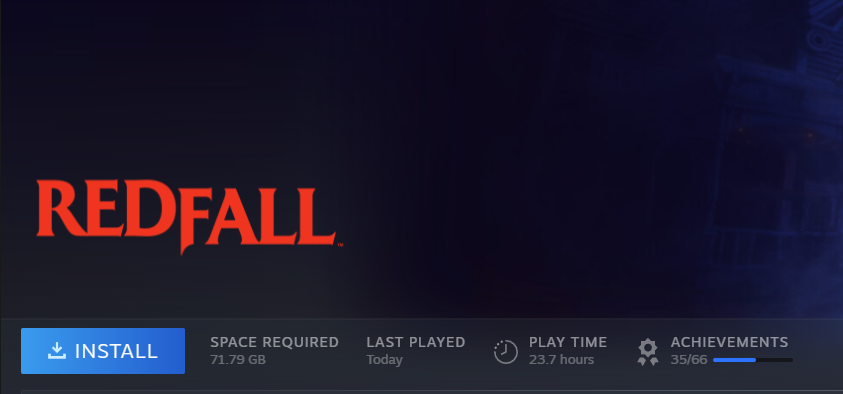
Are you kidding me, Remedy? I endured Redfall for 23 hours!
The resource waste and half-hearted effort in FBC: Firebreak can be described as textbook-level. From the perspective of story background and series derivation, FBC: Firebreak shows no progress and barely includes any Easter eggs; from the standpoint of gameplay and playability, it is dull and sleep-inducing; and from the viewpoint of series fans, the asset reuse reaches a staggering 99%. Apart from the three born-to-be-hapless firefighters, the monsters, UI, environments, and attack animations are directly copied from Control.
The copying isn't even comprehensive; they only grabbed some scraps, unwilling to add even a few more monster types.
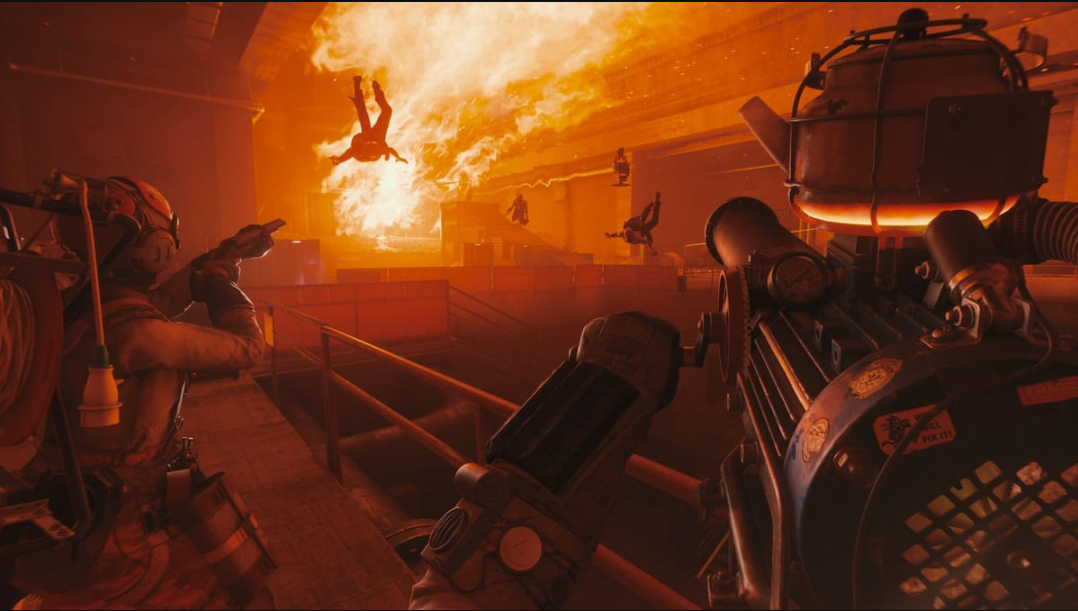
It's a carelessness you notice within ten minutes of playing. It's an all-around insult to your gaming taste and to the creators who poured their hearts into the "Control" and "Alan Wake" universes, if you keep playing.
By the end, I was heartbroken and pale-faced. With such a grand background worldview, such rich narrative and gameplay potential, and such磅礴 community creativity possibilities, how could Remedy just abandon them? Are they really willing to kill the future of FBC: Firebreak and their fans' confidence, turning all these possibilities into mere nourishment for subsequent works?
Killing the goose that lays the golden eggs—why go to such extremes?