

"Sea of people"—this idiom perfectly summarizes my biggest impression of ChinaJoy 2025.
Despite the exhibition area reaching an astonishing 135,000 square meters this year, it still felt somewhat insufficient in the face of 410,000 visits. Every corner of the venue was packed with people; wherever you went, all you could see were rows upon rows of surging heads.

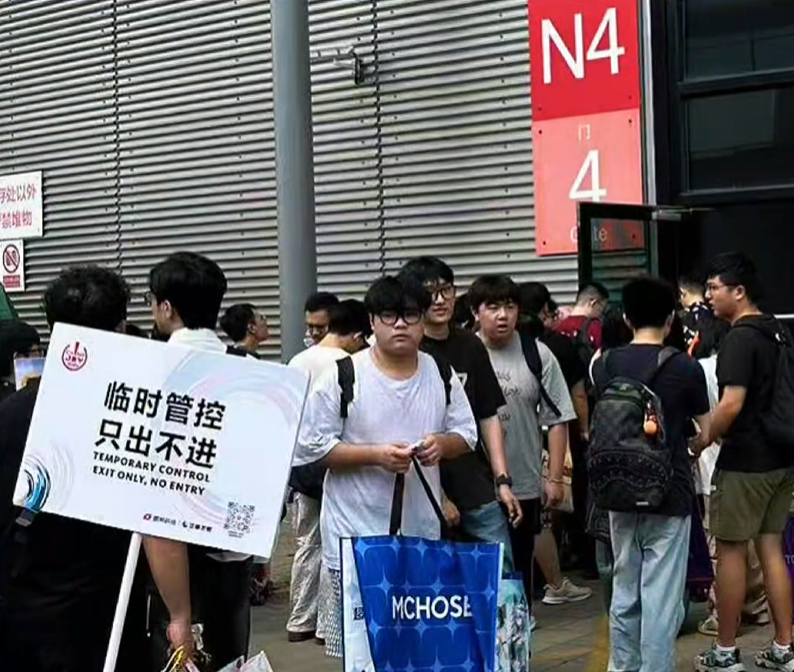
Hall N4, as one of the most popular areas at this year's ChinaJoy, had an even more astonishing crowd density.
Before even officially entering Hall N4, I was startled by the scene at the entrance.
During the days of ChinaJoy, officials implemented crowd control measures in Hall N4 multiple times. Security guards held signs reading "Exit Only," standing firm at various entrances, strictly preventing any spectators from trying to sneak into Hall N4. Despite the "exit only" rule, crowds inside the hall continued to pour out wave after wave, seemingly endless.
The immense popularity of Hall N4 is undoubtedly partly thanks to Dungeon & Fighter: Innovation Century (hereinafter referred to as "DNF").
The massive independent booth created jointly by DNF Mobile, DNF PC, and its standalone IP spin-off Dungeon & Fighter: Kazan (hereinafter referred to as "Kazan") was the absolute focal point of Hall N4. The huge "Ghost Slayer" statue attracted countless visitors to stop, watch, and take photos.
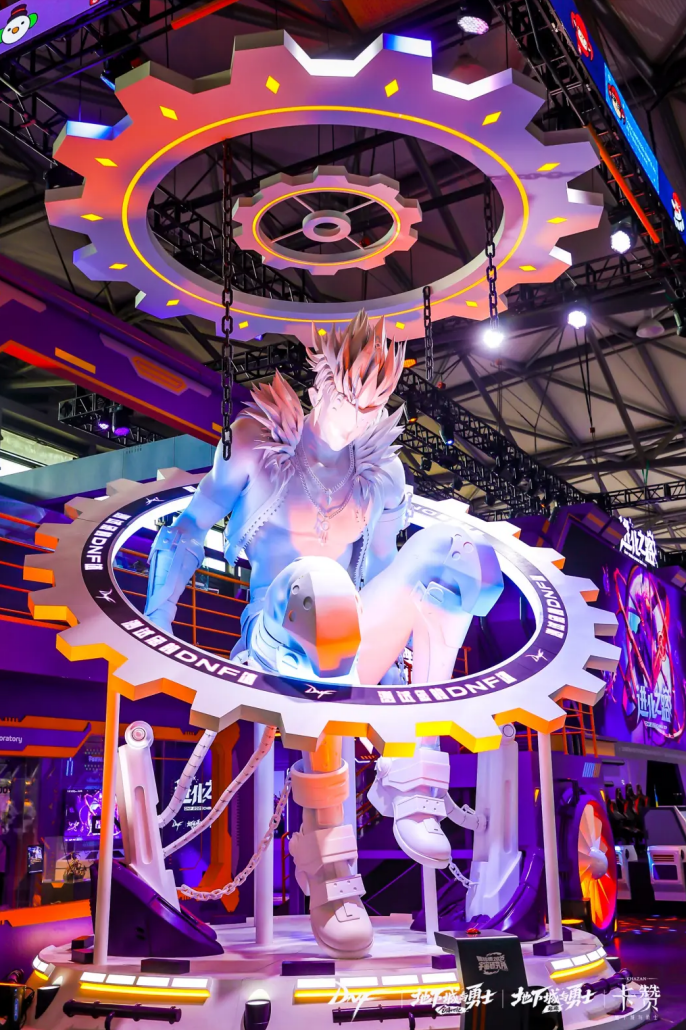
Even though the hall was already packed to the brim, the crowd density near the DNF booth was noticeably higher by an order of magnitude, almost immobile, comparable to the subway during morning rush hour. On the second day of CJ, the appearance of "XuXuBaobao" and the "Manhole Cover Army" further ignited the passion of all players on-site. Eventually, security personnel had to form human walls to restrict the crowd from surging further towards the DNF booth.
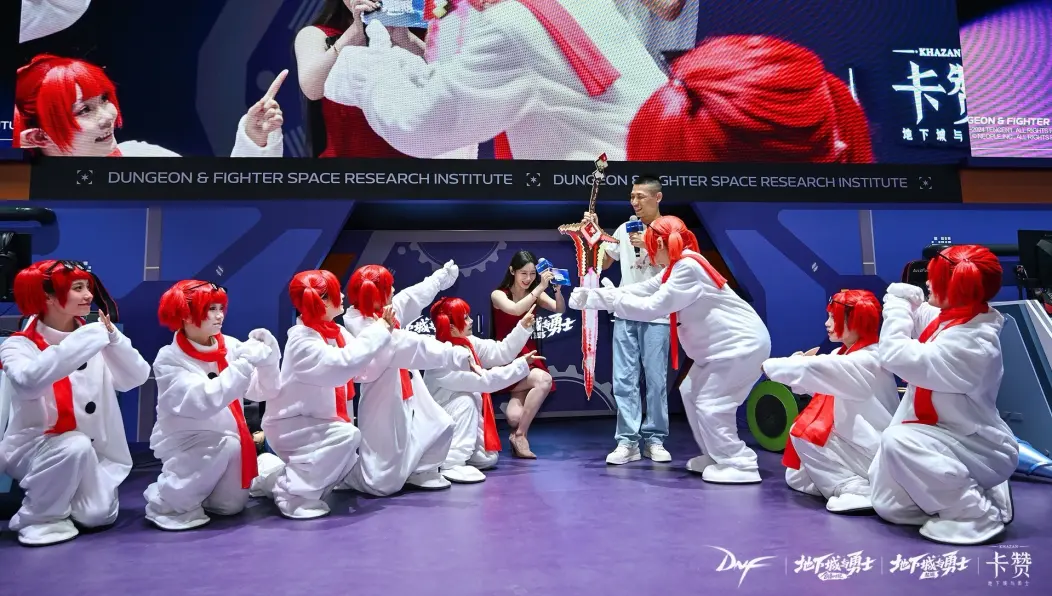
Of course, among the attendees, besides those coming to see cosplayers and streamers like XuXuBaobao, there were many more who came specifically to experience the games.
For instance, long queues had already formed early on for the demo area of the spin-off, Kazan.
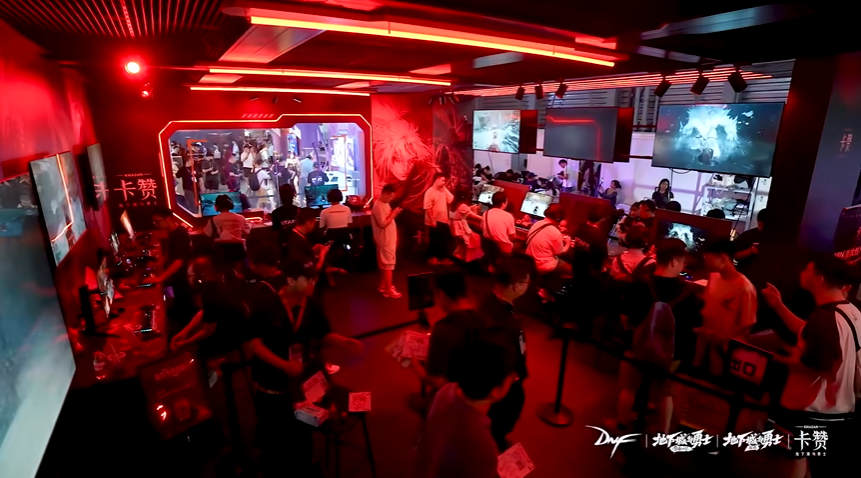
Mentioning "IP spin-offs" might make many players frown. After all, the poor performance of countless IP spin-offs in the past has made the term nearly synonymous with "cash grabs." Everyone expected spin-offs to leverage the IP to reach greater heights, but the result was often a harder fall.
Therefore, when news of Kazan's development first broke, many veteran DNF players worried about the game's quality, fearing that Kazan would rely solely on nostalgia.
But Kazan is clearly not a product relying solely on fan economy. Since its release this March, Kazan has broken everyone's stereotypes about "IP spin-offs" with its own hard strength, earning Very Positive reviews from players on the Steam store.
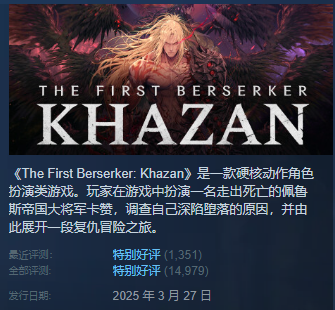
After personally trying it out on-site, I feel that even if Kazan were separated from the "DNF" series and treated as a completely standalone game, it would still be a rare gem of an ARPG.
I think this is also why the DNF officials chose "Kazan" as the protagonist of the first spin-off—"Kazan" had little presence in the original DNF story, serving more as background lore, which gave the development team more freedom to expand. Meanwhile, the more detailed story elements in Kazan effectively complement the DNF worldview. Regarding the specific plot, Kazan's main "revenge" storyline is simple and easy to understand, posing no barrier to comprehension. New players can be drawn in by its emotional tension even without "catching up" on the lore.
Regarding specific gameplay, Kazan also offers an excellent gaming experience.
Although many people tend to classify Kazan as a "Soulslike" due to its high difficulty, clever box-garden level design, and the familiar early-game "turn-based" combat spacing, this is actually inaccurate.
Although Kazan shares many structural similarities with Soulslike games, the actual experience differs significantly from traditional Soulslikes.
Simply put, the game's combat gameplay is entirely built upon "stamina management." Whether running, attacking, or blocking, most actions performed by the player require consuming stamina.
In the early stages of the game, when the character's stamina bar is short, just a few basic attacks or blocks will deplete it. In this situation, naturally, one can only engage in the "turn-based" combat interactions common in "Soulslikes."
However, as the game progresses, the character's stamina bar continuously increases, and various derivative attack moves are unlocked, gradually revealing the full scope of the combat system. At this point, the thrill of combat emerges like a tide, allowing players to execute quite spectacular combat performances through rich derivative actions. It must be said, this strongly captures the flavor of DNF's classic high-speed combos.
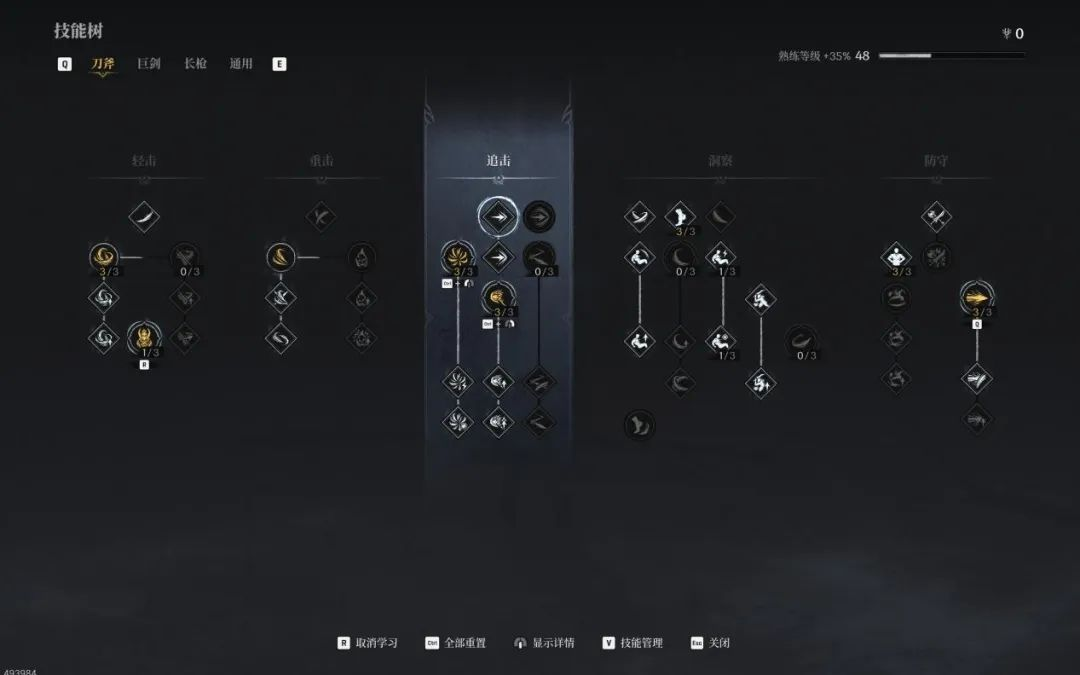
However, achieving "combat satisfaction" comes with certain conditions. This brings us back to "stamina management."
Even in the mid-to-late game, when the player's stamina bar has significantly increased, supporting long combos and extended blocking, it is still far from being something that can be squandered recklessly.
Blocking is powerful and can withstand most enemy attacks, but this doesn't mean players can mindlessly hold down the block button throughout the fight. After all, when a boss finishes a combo and pauses briefly, if your stamina bar has been whittled down to near zero, you naturally won't be able to deal much damage during this window. Furthermore, if you run out of stamina while blocking, you'll enter a long stun state, likely guaranteeing you'll take the enemy's next hit. Only by pressing the block key precisely as each attack lands, triggering a "Perfect Guard," can you reduce your own stamina consumption and simultaneously drain the enemy's stamina.
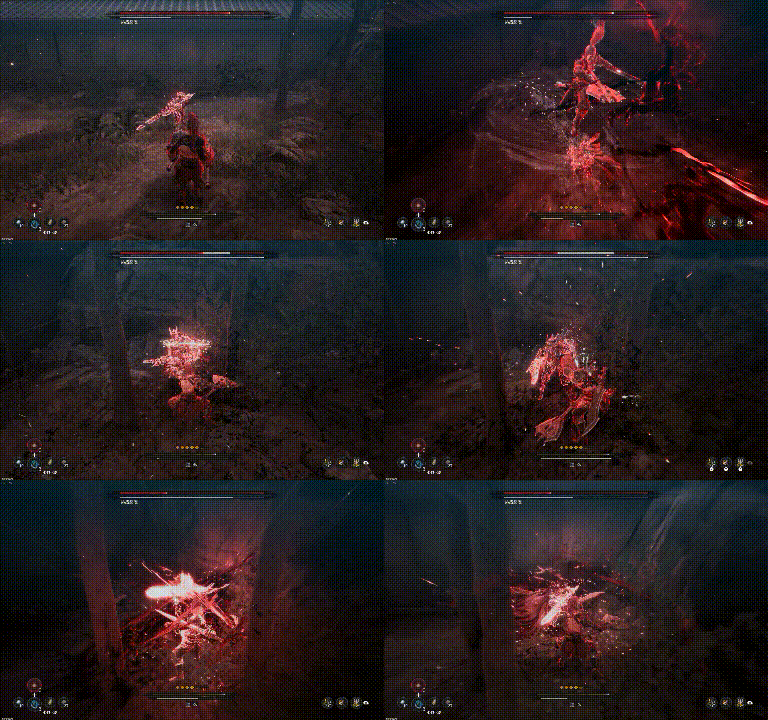
At this point, "stamina management" becomes crucial.
During defense, players need to preserve their own stamina through Perfect Guards and drain the enemy's stamina, then seize the output window during the enemy's stamina-break stun, executing various derivative attacks to unleash flashy, high-speed combos. Additionally, like many action games, Kazan features mechanics similar to "parries" or "deflects," giving players means to counter boss attacks and create damage windows. If handled properly, you can even suppress enemies with continuous attacks, breaking their stamina multiple times in a short period, thereby gaining extended periods for dealing damage.
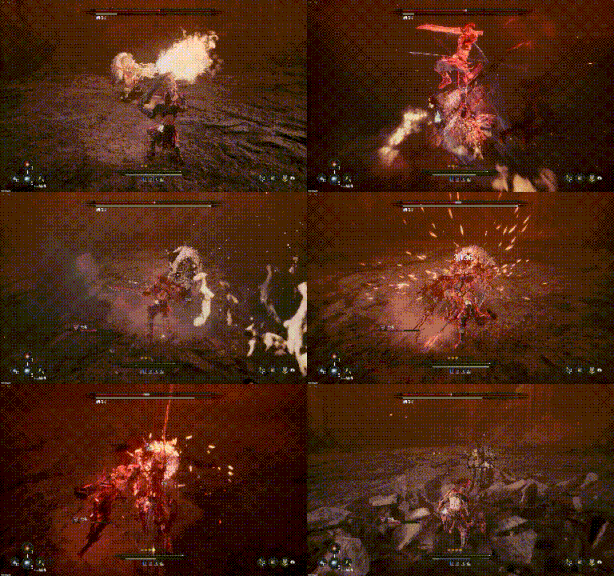
This solid and stable interaction logic greatly raises the ceiling for the game's combat experience.
In terms of equipment builds, Kazan also retains much of the DNF flavor—the game keeps classic PC set combinations and affix progression. Equipping items from the same set provides additional affix buffs, which can be rerolled at NPCs. This means players can easily build sets that suit their combat style. As they progress, players can also experience the satisfaction of numerical growth in the game.
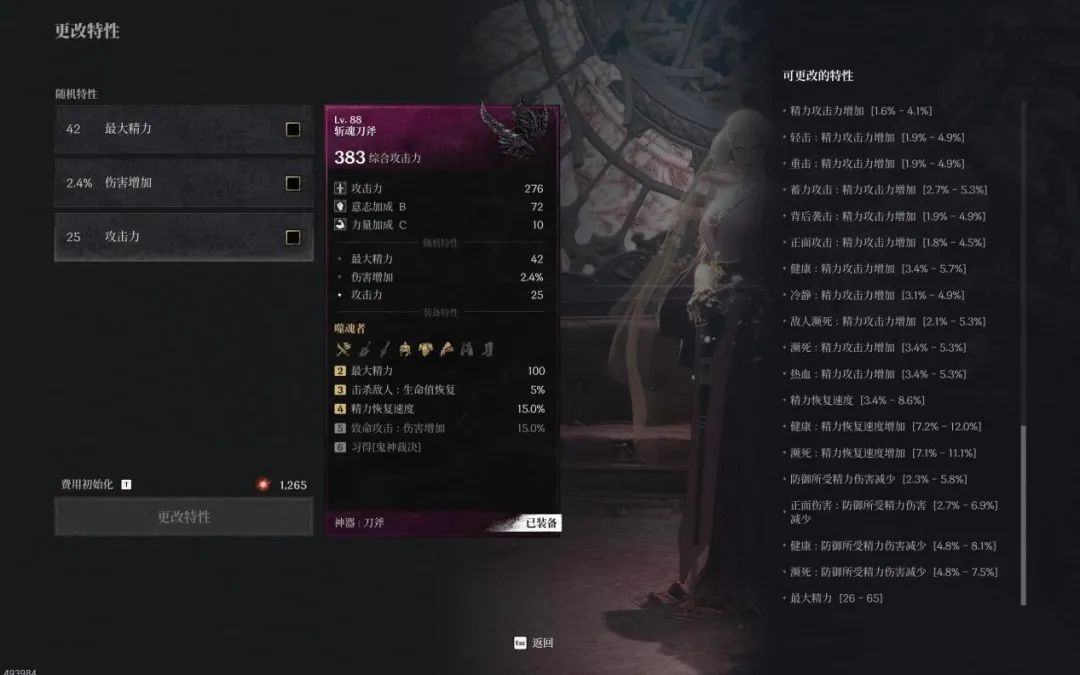
Additionally, Kazan has optimized certain mechanics from Soulslike games, such as "losing souls."
Due to the harsh penalty of "losing souls," many players, when unable to defeat a boss, tend to first grind levels by fighting minor enemies, relying on stat advantages from higher levels to pass; or they abandon interactive combat, using easier, "wheelchair-like" methods to bypass challenges. However, for Kazan, which boasts an excellent combat system, such gameplay feels like a pity.
To let players enjoy the thrill of battling bosses, Kazan has modified the "soul drop" mechanic. When killed by a boss, "souls" are thoughtfully dropped outside the boss room for easy retrieval. Meanwhile, the system grants extra "souls" based on the damage dealt to the boss, allowing players to directly "farm souls" by challenging the boss.
The brilliance of this design lies not only in providing positive feedback even for "failing a boss challenge." More importantly, it prevents exciting boss battles from being wasted due to "stat-checking," dynamically balancing the difficulty for every player. Even if a player ultimately clears the game by "grinding souls" in the boss room and relying on stat increases from leveling up, their character level will be just enough to barely clear the content based on their own skill level.
Speaking of boss battles, the most memorable part of my entire experience was being watched while challenging the "Boss Rush" mode.
Every perfect guard or stylish combo I executed drew quiet cheers from the audience behind me; and when I made mistakes and fell short, synchronized sighs of regret were clearly audible. This atmosphere of real-time interaction made the demo experience exceptionally thrilling and exhilarating.
Finally, as I exited the game with lingering excitement, taking off my headphones, the deafening roar of Hall N4 instantly flooded my ears, pulling me sharply back to reality. Before my eyes were still the surging crowds and dazzling booth lights, but my fingertips seemed to retain the tactile sensation of the controller, and my mind still echoed with the boss's roars and the clang of swords colliding.
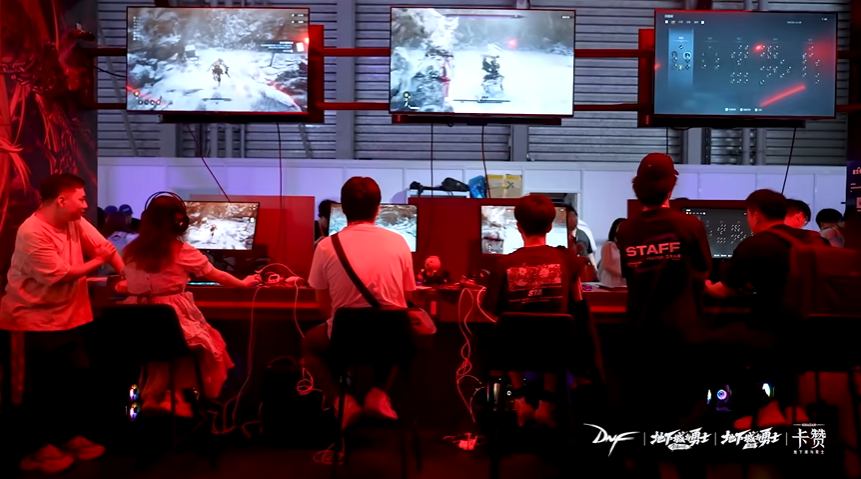
After the demo, I had a conversation with the China region planners and staff of Kazan.
Although they praised me as "one of the best" among today's demo players, having not even defeated the first boss, I knew I had only scratched the surface. I could only perform a few simple, button-mashing "basic combos," far from truly understanding the intricacies of the combat system. The participants in the on-site speedrun competition were the true masters.
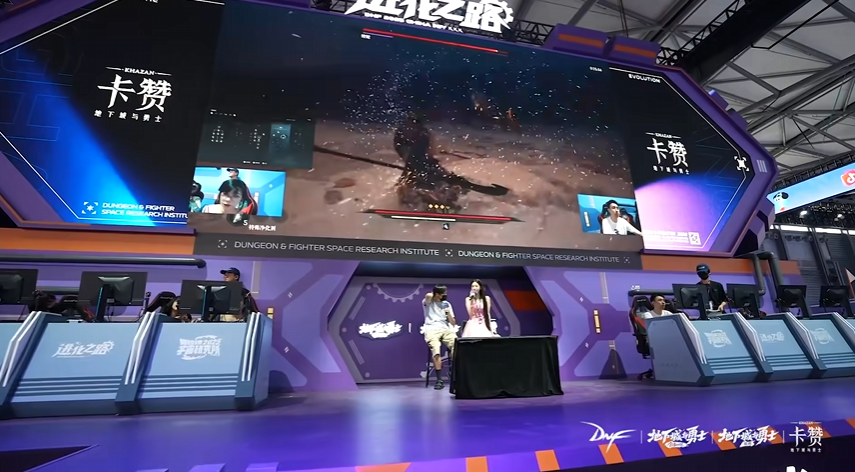
When discussing the "China Region" benefits that everyone cares about most, the staff simply pointed to the area behind me, where two interactive mini-games for the "China Region Price Slash Team" were located. Players on-site could participate in these mini-games, and completing the objectives would help slash the price for the China region and earn a small gift.
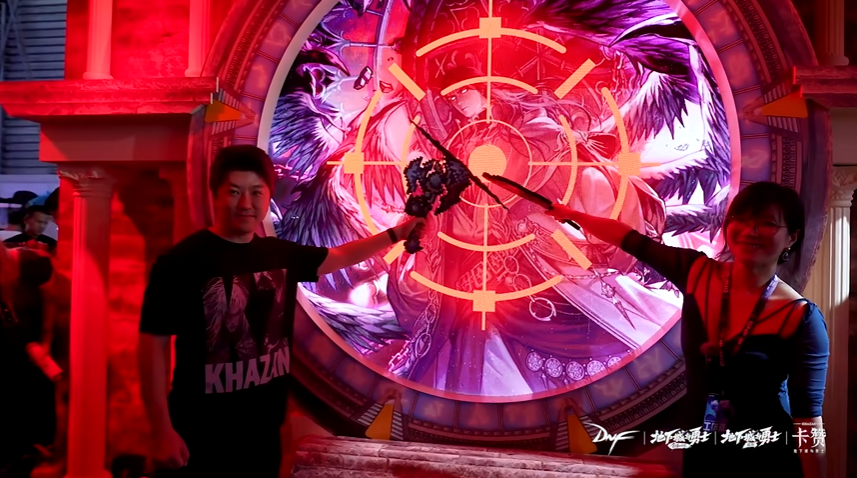
This was almost an explicit hint that the China region price would definitely hold a surprise.
Regarding the Kazan game itself, they stated that there will be more content worth looking forward to in the future. The team is evaluating and developing new modes, and even exclusive appearances tailored to the domestic community culture. However, to preserve the element of surprise, these details are not being disclosed publicly at this time.

Actually, during my Q&A session with the staff, I wanted to ask them one more question: Why are you so committed to the "China Region"?
After all, Kazan has already been released on multiple platforms. Even without a China region version, players could always find ways to play it through various channels.
But in the end, I never asked that question.
It wasn't that I didn't want to ask, but rather that it was unnecessary.
The answer to this question lies in the enthusiastic atmosphere of the booth and in the smiling faces of every player. For domestic players, the "China Region" means more than just an additional version or a lower price. It signifies a promise, a sense of belonging, content and services closer to local culture, a more亲切 (intimate/friendly) gaming community, and demonstrates DNF official's respect and attention towards domestic players.
This is also why players, despite the heat and crowds, still wanted to participate in the DNF and Kazan events. While chatting with the staff, I glanced at the still-long queue behind me, seeing the same excitement and anticipation in the players' eyes that I had felt just minutes before.
Since DNF officially launched in the China region in 2008, Chinese players have been part of every story on the continent of Arad.
Now, the story of Kazan is no exception.
I believe this is precisely the meaning of the "China Region."