
I know, every word in the title sounds absurd.
But what's even more absurd is that all of this is true.
Elon Musk, famously known as the "Lord Protector" and "King Beside the Throne," loves nothing more than posing as a hardcore gamer online, aside from pontificating on the internet. However, his "pro gamer" persona always reeks of artificial inflation.

Last November, he claimed on a podcast to be one of the top Diablo IV players, ranking in the global top 20. When faced with skepticism, he straightforwardly admitted to using boosting services, stating otherwise he couldn't compete with Asian players, leaving everyone bewildered.
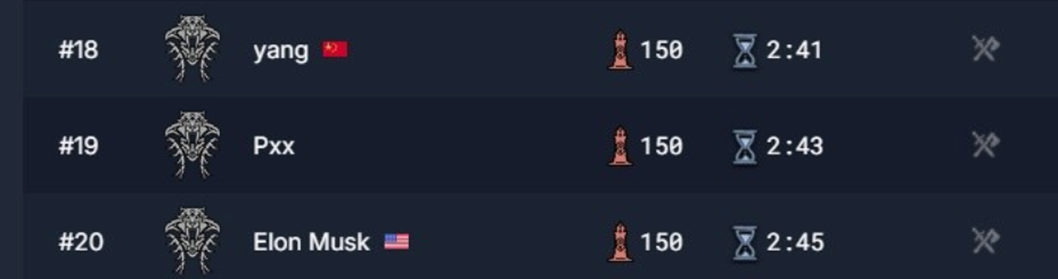
Later, when Path of Exile 2 entered early testing, he began intensely boasting about his gaming prowess, even hinting that his high APM got him banned by the servers. It was hard to tell whether the world's richest man, who shouldn't have had so much time to game, truly understood the game or was just pretending.

Recently, when the new version of Path of Exile 2 launched, he attempted to showcase his company's Starlink performance by streaming Path of Exile 2's Expert difficulty from his private jet, only to expose his true skills.
The Expert difficulty itself is quite challenging, requiring strong mechanical skills and build understanding. Even veteran players would break a sweat, let alone the watered-down "pro gamer Old Ma." As expected, Musk's performance during the stream was remarkably mediocre, as if he had "spent ten minutes fully understanding the game." He took every boss hit, managed resources poorly, and executed skill rotations confusingly, stuck in Act 1 throughout the broadcast, either dying instantly or running out of mana and forced to "kite" enemies.
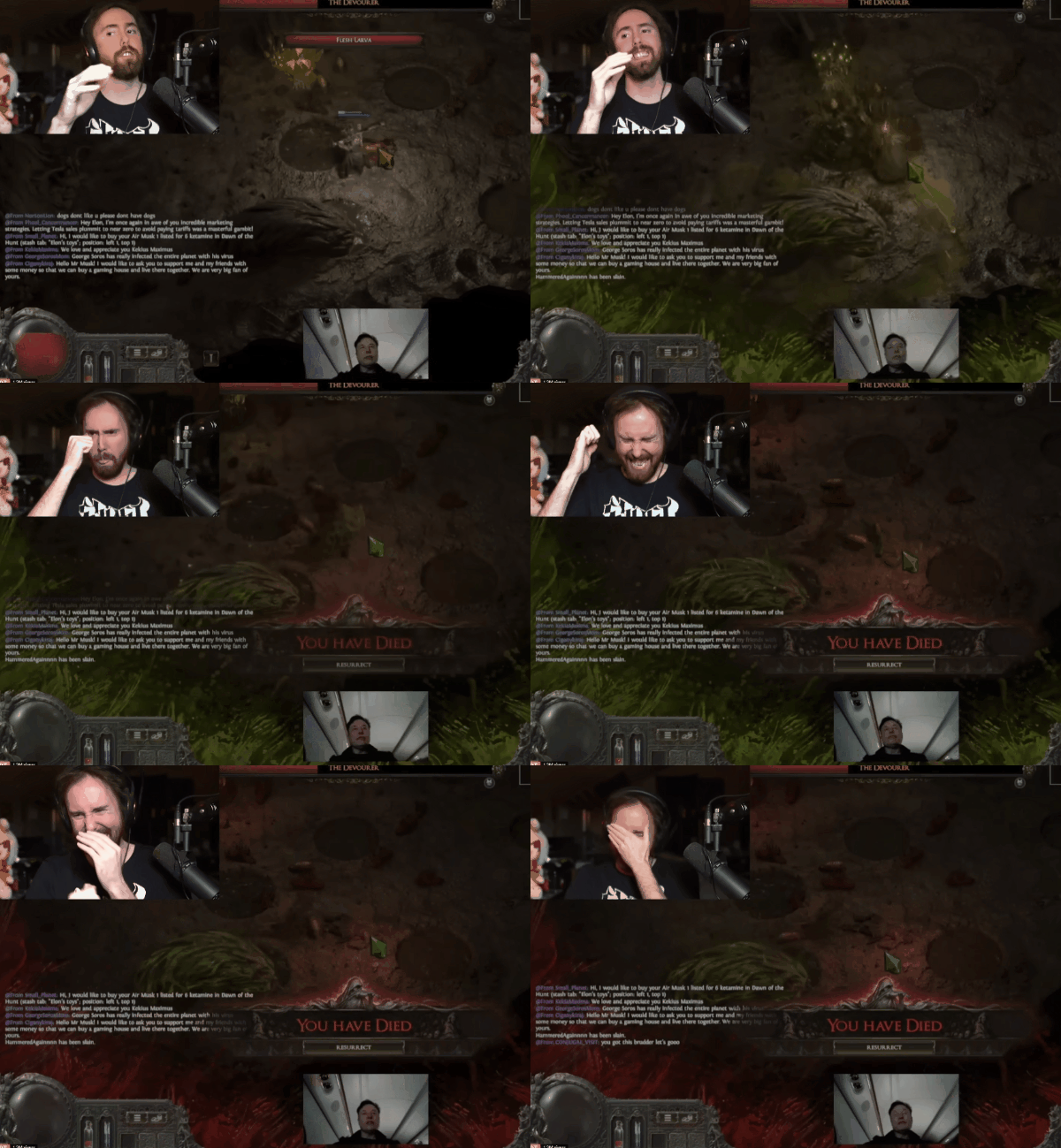
After playing for over an hour, Old Ma fell silent, viewers had emotional breakdowns, and the crowd of streamers watching his broadcast were utterly flustered. The entertainment value was absolutely top-tier.
Ultimately, it relied on Starlink's excellent "upward management" capabilities to cut the internet connection in time, salvaging the livestream disaster.
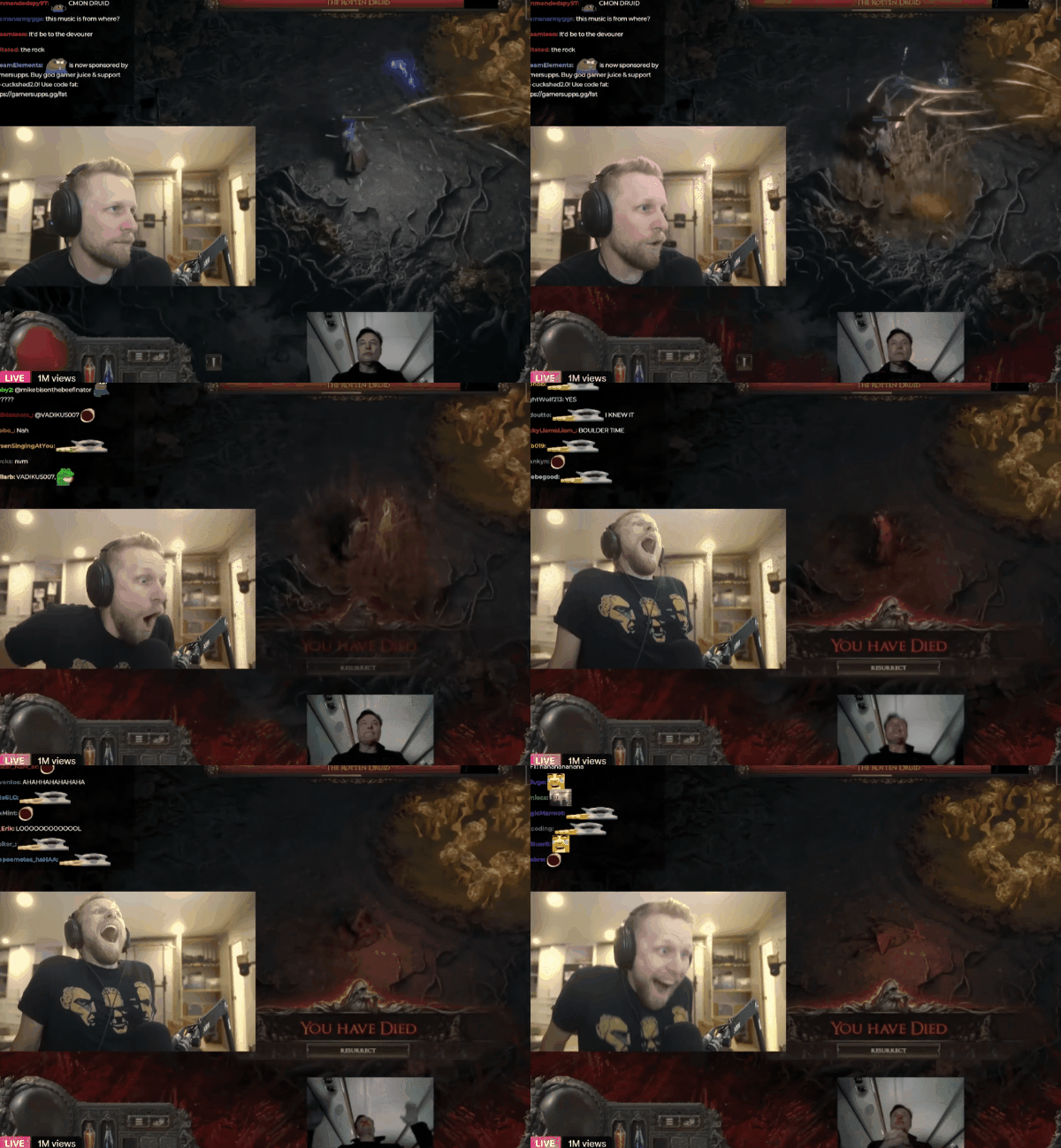
Recalling how Musk frantically urged Grinding Gear Games (hereinafter referred to as GGG, the developer of the Path of Exile series) for updates before the game even launched, showing off his past "top three season" achievements, and immediately labeling the Early Access release as the "love child of Elden Ring and Diablo," one wonders if this counts as being "bad at the game but loving it anyway."
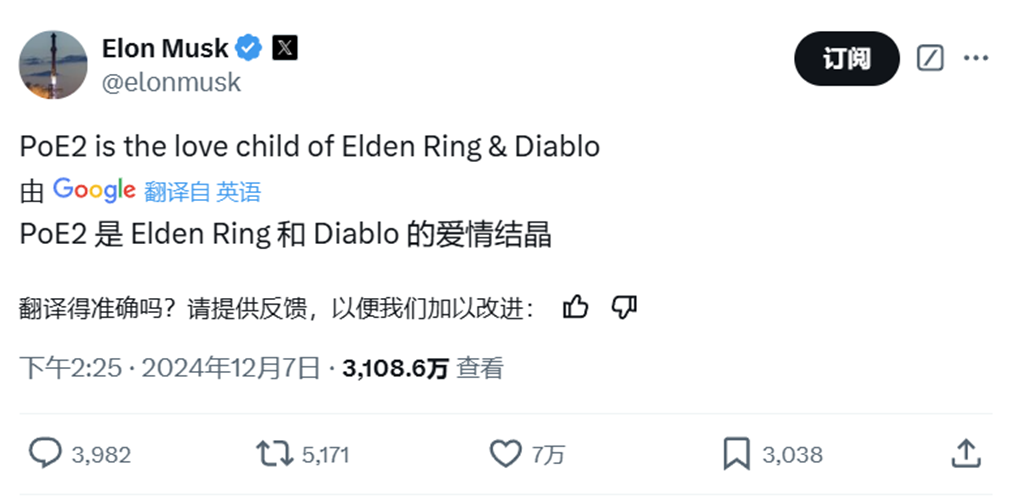
However, we can't blame Musk for trying to brand himself with this game. It's just that Path of Exile 2 has been too significant for the gaming industry over the past year, especially for the "loot-grinding" sector.
You might call my subjective praise boastful, but even by objective metrics, this game has an impressive list of achievements.
After the Early Access launch, Path of Exile 2 dominated Steam's bestseller charts for several weeks. Even during the Steam Winter Sale, its leading position remained largely unshaken. Subsequently, it won multiple awards on Steam for 2024, including Platinum for Best New Release, Platinum for Most Played, and Gold for Top Sellers.
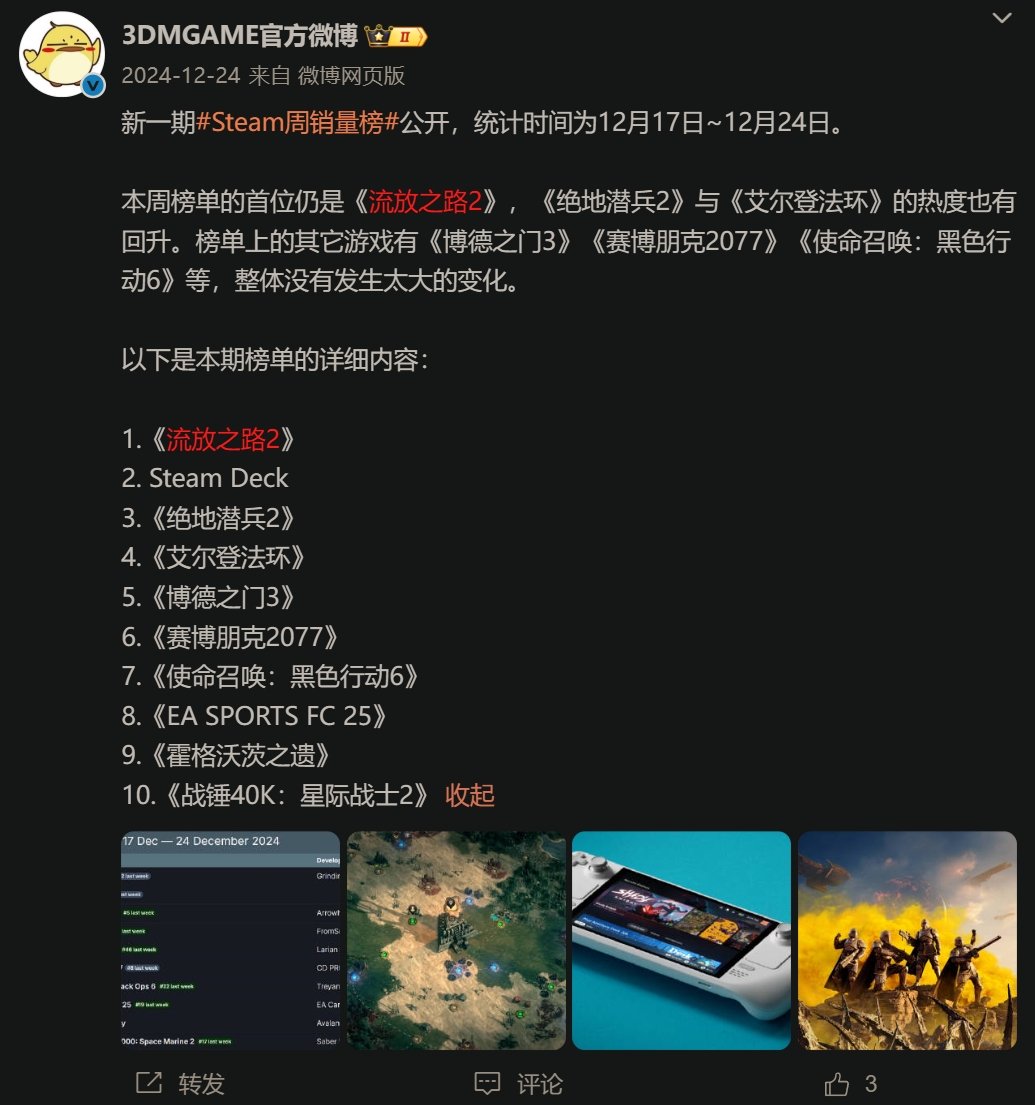
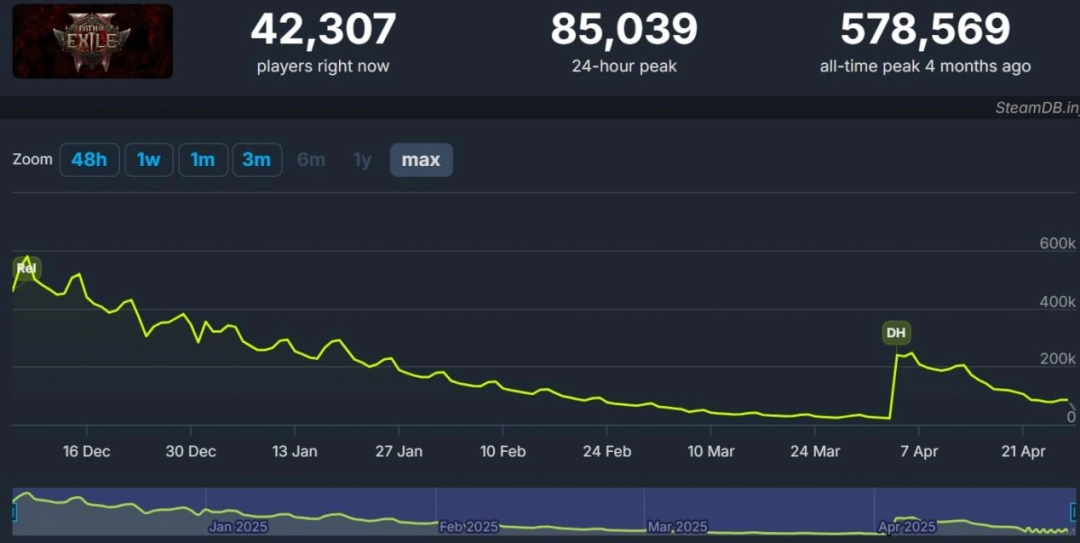
On its release day alone, the game's concurrent player count exceeded 450,000, reaching nearly 580,000 by the third day. It not only became the number one game on Twitch globally but also ranked as the 15th most popular game in Steam's history—
And this was just the gaming frenzy sparked by the "Early Access" phase, with its content still far from complete.
You can gauge just how hot this game is from the abstract spectacle of Elon Musk secretly playing Path of Exile 2 while attending Donald Trump's presidential inauguration.
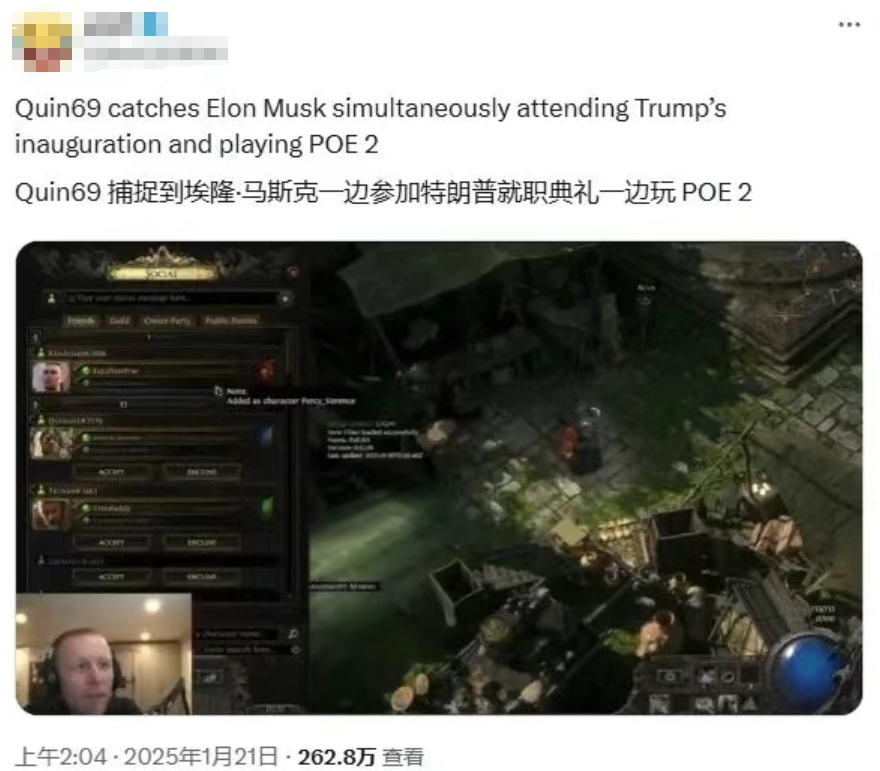
The fact that the world's richest man, who fired most of Twitter's staff after acquiring it, was simultaneously having an emotional breakdown and grinding the game seriously, somewhat explains the reasons behind the game's massive popularity.
For fans of loot-driven games—or "Diablo-like" ARPGs—"Path of Exile" has always been a special series. It returns to the roots that ignited players' passion while making innovative strides that are hard to challenge.
Given that players of loot-driven games often invest hundreds or even thousands of hours, they tend to become somewhat desensitized to superficial presentations in games.

Stunning visual performance? It's nice to have, but as long as it's watchable, it's fine.
Is the thrill of infinitely scaling numbers and one-shotting monsters the goal? It's part of it, but only part. Moreover, they exhausted numerical inflation tactics long ago.
For them, when playing these games into the mid-to-late stages, the evaluation criteria often revert to the most core attribute of any game: playability. This is why many veteran loot-grinding players have rated Diablo IV and even Diablo III poorly.
Regarding "simple, direct, and endless satisfaction," the newer entries in the Diablo series have reached peak perfection, to the point of exhibiting a state of "path dependence."
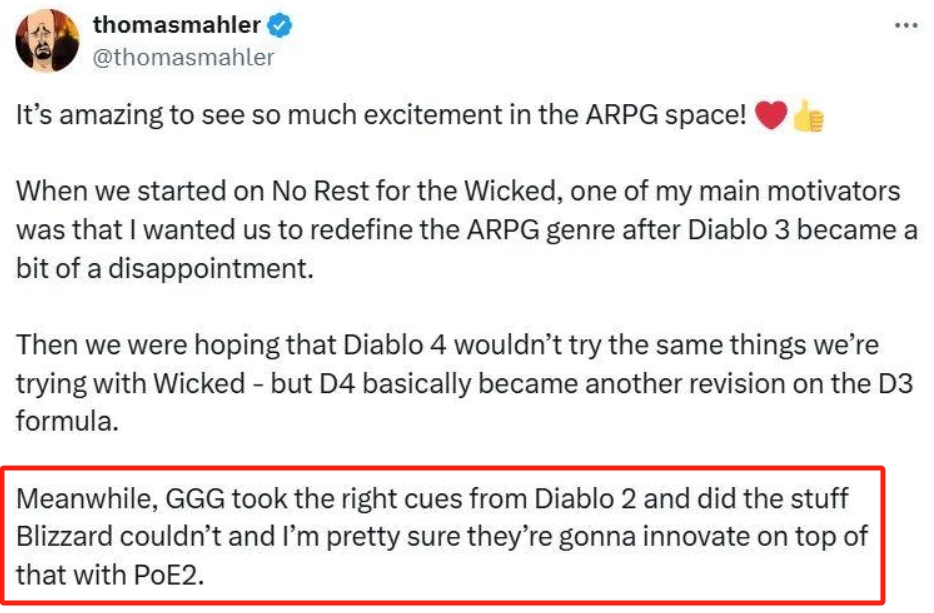
A developer from Moon Studios, creator of the Ori series, stated: "We hope Diablo IV wouldn't try to do the same things as No Rest for the Wicked. But Diablo IV basically became another patch for Diablo III."
Yet, for veteran players who have been playing since Diablo II, these positive feedback loops aren't always what they seek. They prefer to see "infinite possibilities" and rich, deep build customization spaces in games.
Then, they discovered Path of Exile.
It's no exaggeration to say that Path of Exile might be the only "Diablo-like" game in recent years that has reshaped the future development of its genre.
With an almost stubborn attitude, GGG made this work somewhat defy the trend of "mindless loot grinding." They strive to inject more variety and gameplay options into every mechanical detail, allowing players to experience the game's fun to a greater extent.
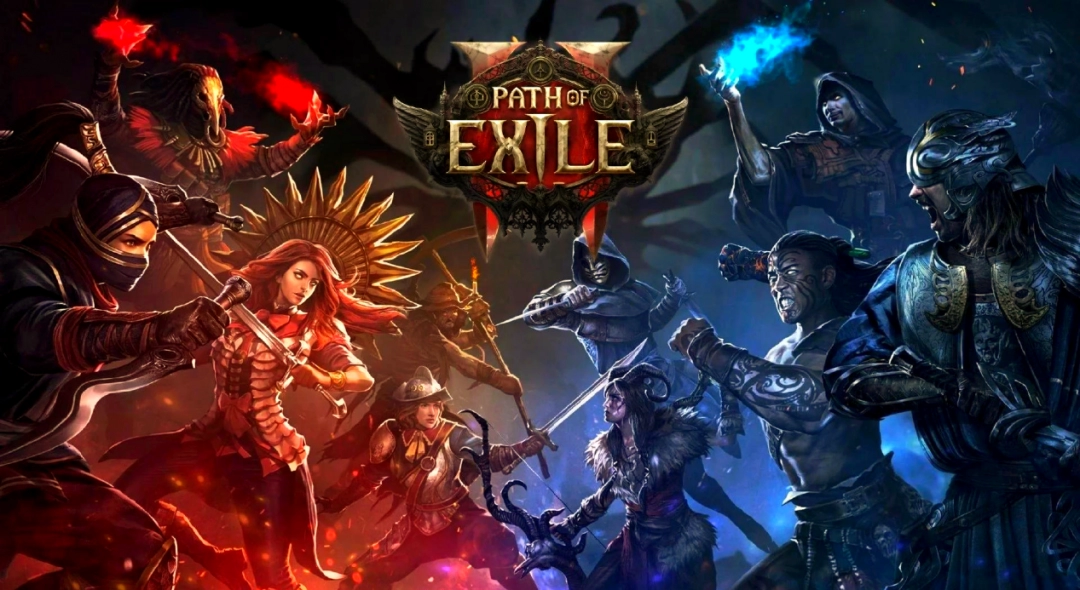
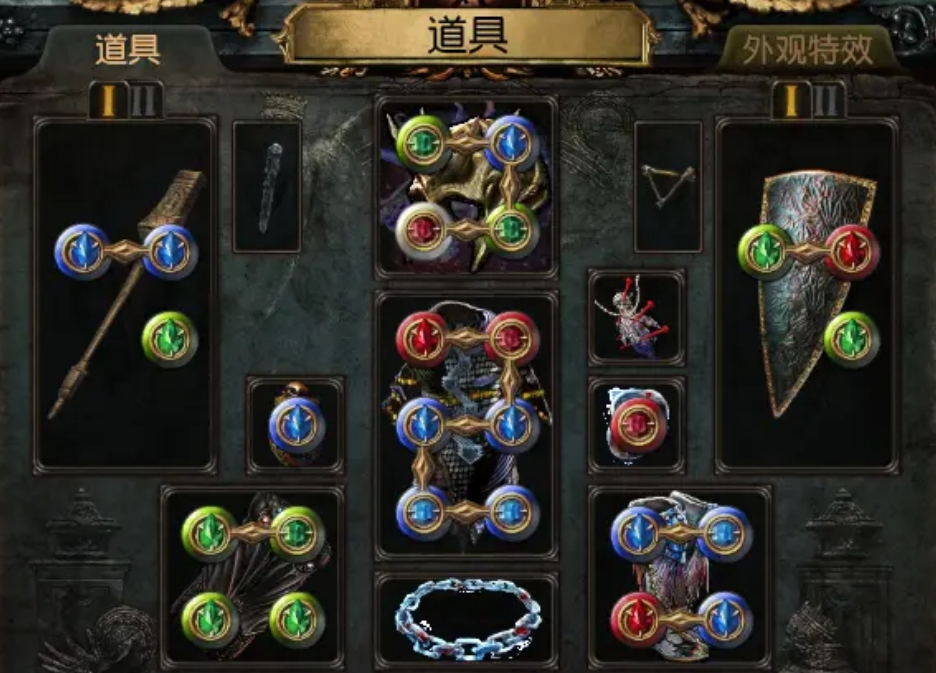
The overwhelming detail and richness of content are the most prominent features of Path of Exile. Each major map has its own unique mechanics, skills change forms based on gem types, and most skills are not class-restricted, allowing Barbarians to wield staves like "mages." Players must explore synergies between core skill groups, equipment, and the passive tree from early on, a process that continues into the late game, keeping the experience fresh.
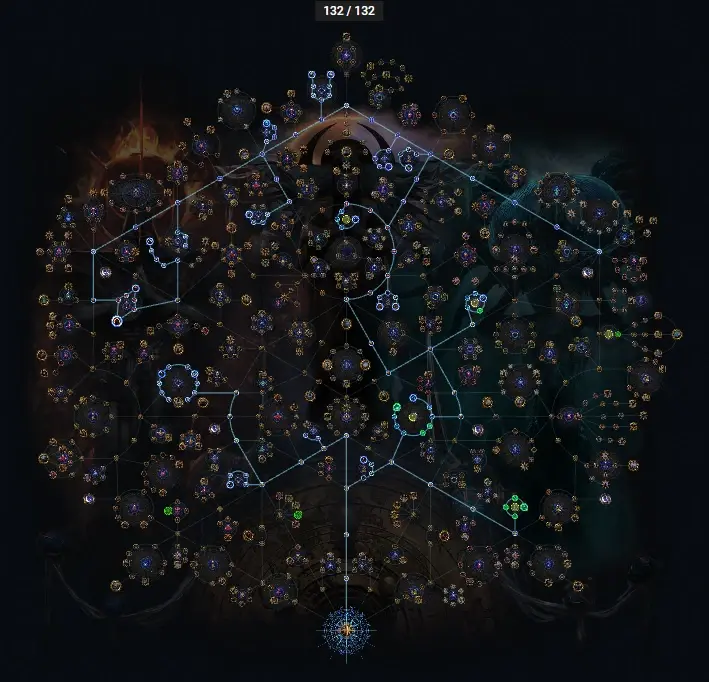
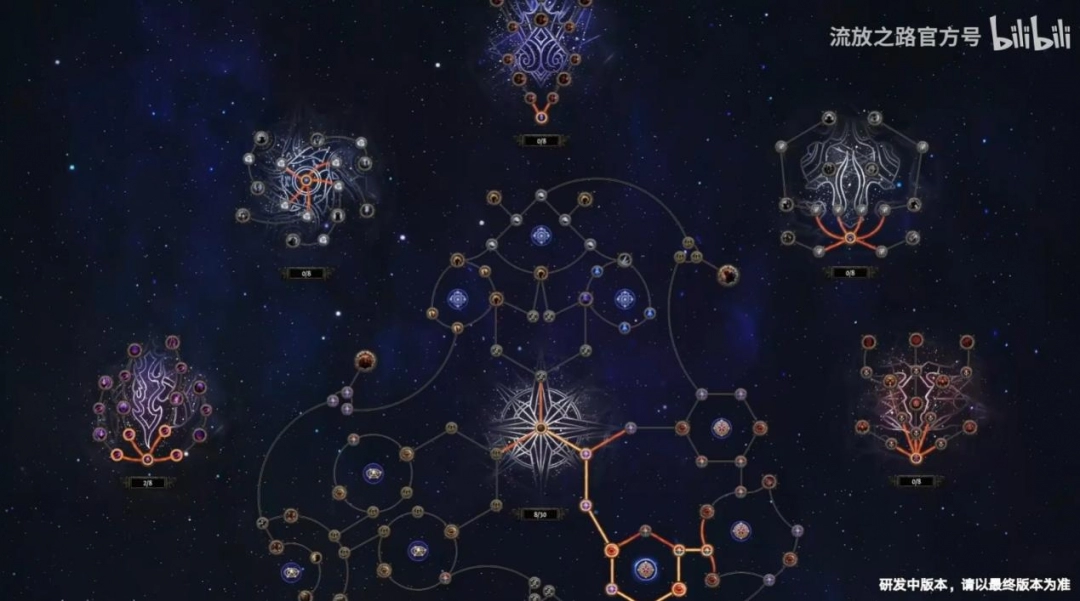
The most exaggerated and famous feature is Path of Exile's vast passive skill tree, resembling a sea of stars. This system pushed character build freedom to the peak of the "Diablo-like" genre. Before its introduction, no loot-driven game had offered a character building system with such breadth, depth, and infinite exploratory space.
Due to this system, Path of Exile became a unique entity among loot-grinding games, to the extent that some subsequent ARPGs should arguably be classified as "Exile-like" rather than traditional "Diablo-like."
Path of Exile 2, which comprehensively inherits the strengths of its predecessor, takes the gameplay experience to a level that could be described as "surpassing the master."
In terms of gameplay form, the most noticeable change in Path of Exile 2 is GGG's emphasis on action combat. Although "Diablo-like" games have always been categorized as ARPGs, their action presentation was often just "functional enough." Action design, enemy design, and player-enemy interaction were not primary focuses, as players typically enjoyed the satisfaction of clearing screens with a single button press once their builds were finalized.
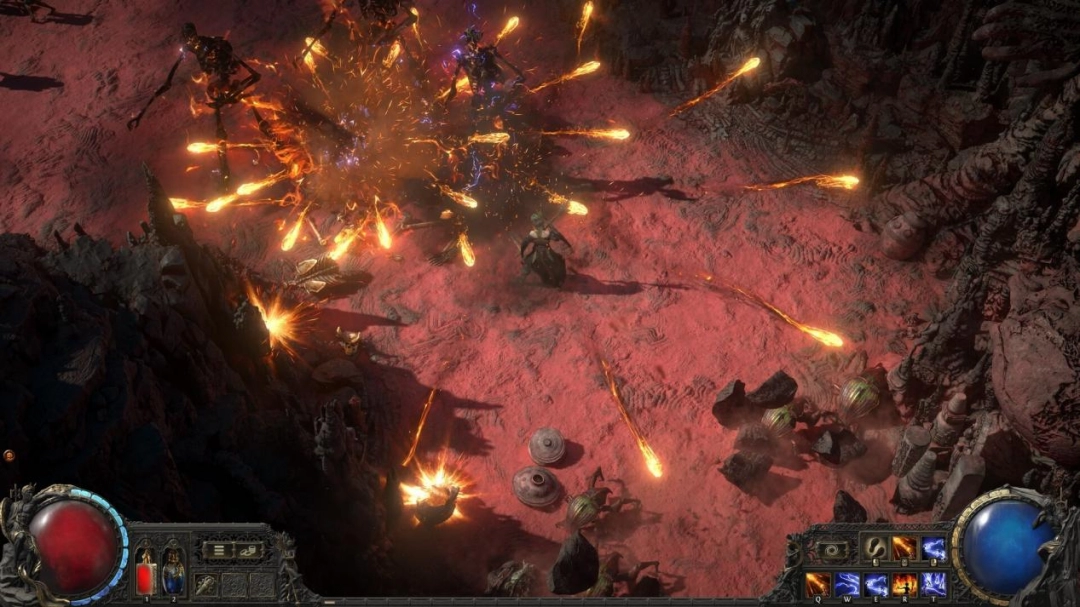
While this experience isn't absent in Path of Exile 2, the action-oriented changes mean the path to "one-button screen clearing" now involves much more "rolling" and "dodging." In the early game, starting from elite enemies, players can no longer rely solely on numerical growth to handle enemy mechanics. Interpreting enemy actions, casting skills at the right moments, and executing proper skill rotations become emphasized experiences. Only after players adapt to this style and gain sufficient understanding of the game's mechanics and build options will the joy of "efficient farming" gradually return. By then, this pleasure will be even sweeter due to the positive feedback loop of "validating builds."
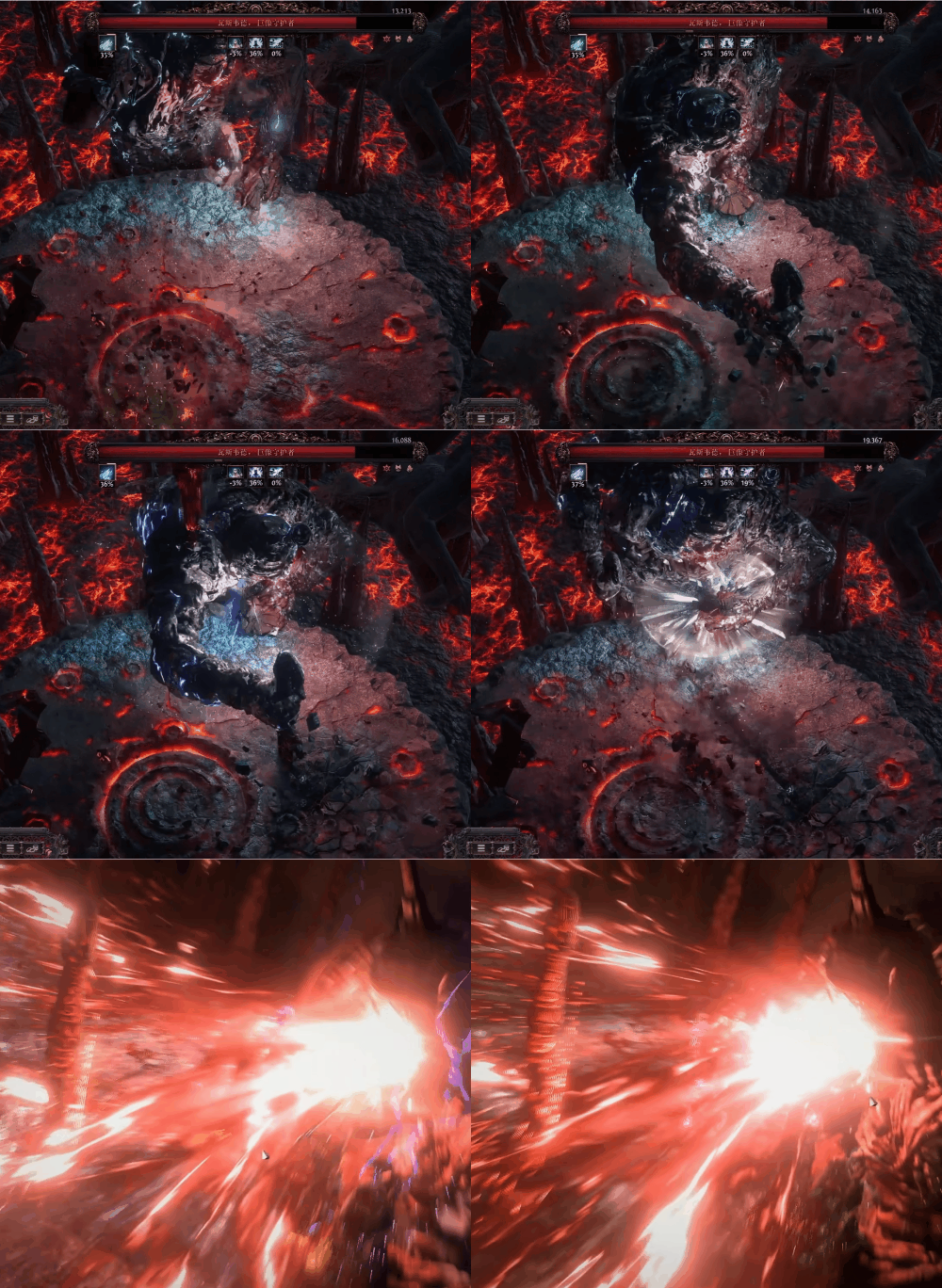
Additionally, synergies between active skills have been strengthened. Boss states fluctuate with debuffs like "Shield Break" and "Elemental Ailments," offering players more strategic options for skill combinations. This, too, is an enhancement of player-enemy interaction resulting from the increased focus on action combat.
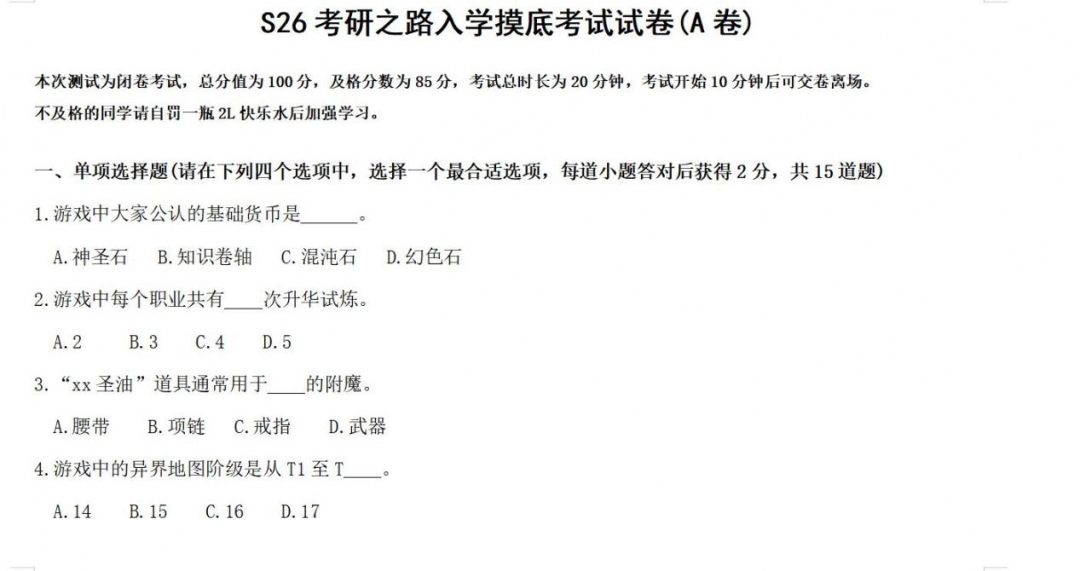
Building upon the core build-crafting experience of its predecessor, this title has also optimized certain aspects of gameplay. In Path of Exile, while designs like the passive skill tree and skill gems vastly expanded build possibilities, they also introduced a significant learning curve—this is precisely why players dubbed Path of Exile the "Postgraduate Entrance Exam Journey."
In Path of Exile 2, the game includes a detailed in-game wiki with comprehensive descriptions for every skill and passive node. Additionally, an introductory guidance system unlocks build suggestions as players level up, providing new players with a smoother leveling experience than its predecessor.
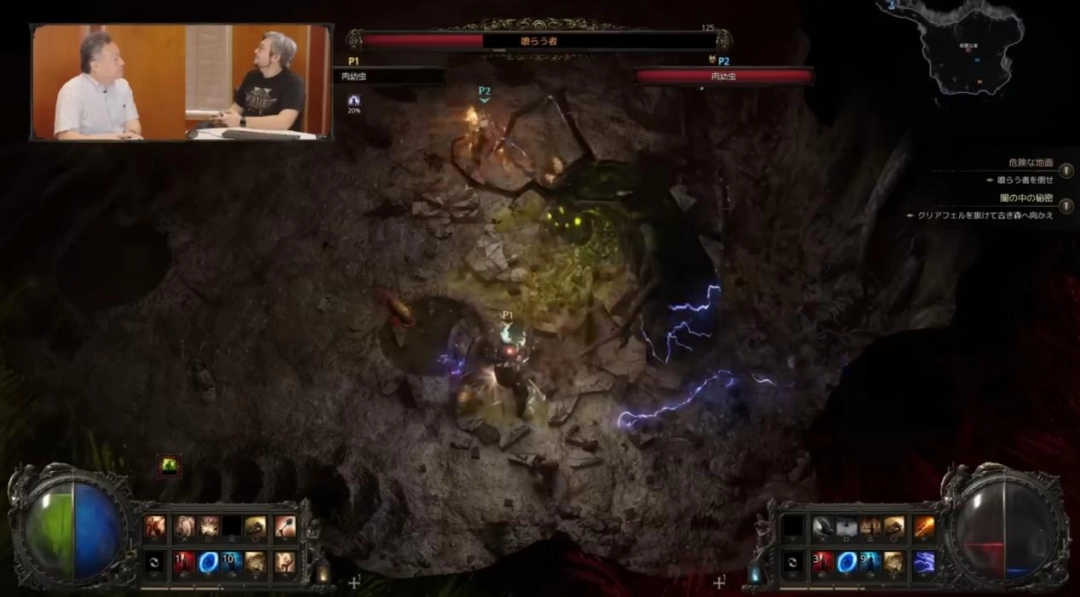
This is why former Sony executive Shuhei Yoshida praised Path of Exile 2 as "a must-play blockbuster of the year for ARPG fans."
From these changes, we can clearly see the gradual evolution of GGG and Path of Exile 2. To put it dramatically, the development path of the "Path of Exile" series is akin to GGG forging its own "Dark Souls" and "Monster Hunter" journey. As long as they continue to iterate and optimize the core experience emphasized since the first Path of Exile, this goal is not distant.
Judging by GGG's operational attitude over the years, they have consistently maintained this approach. In many ways, GGG resembles a team composed of passionate gamers. They enthusiastically respond to player suggestions and spare no effort in trying to "introduce new tricks" with each game update.
In Path of Exile, almost every seasonal update transforms the game into a distinctly different "new game" with the addition of new skill gems, maps, gameplay modes, and mechanics.
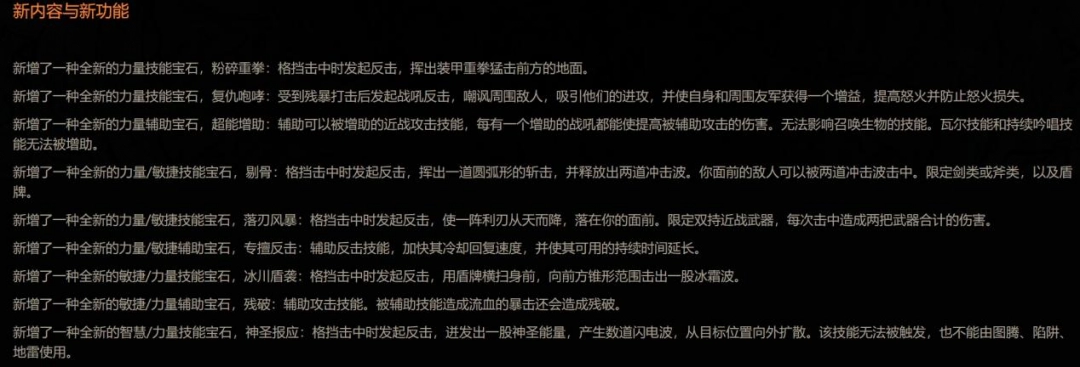
This generosity in content updates carries over into Path of Exile 2. Within just four months of entering Early Access, the developers released a major update featuring new classes, new maps, and other content offering over 20 hours of gameplay.
However, while GGG maintains its habit of continuously releasing new content, we must also acknowledge the obvious issues brought about by Path of Exile 2's significant changes to combat interaction logic.
For loot-driven games that require long hours of play, exploration, and verification, GGG's emphasis on action combat and player-enemy interaction has sparked divided opinions among the community: does it increase the operational burden, or enhance the fun?

Additionally, given the game's "high risk, high reward" loot logic, whether the increased demand for action skills becomes a negative feedback loop when players tackle high-difficulty maps remains to be seen in the long term—not all players are willing to engage in action-based interactions with minions whose speed has been increased by 500% via modifiers.

Meanwhile, restrictions on item drop rates and increased death penalties have also caused some confusion among loot-driven game enthusiasts.
These issues may explain why the player count declined steadily after the initial launch hype, only recovering with the release of the new version.
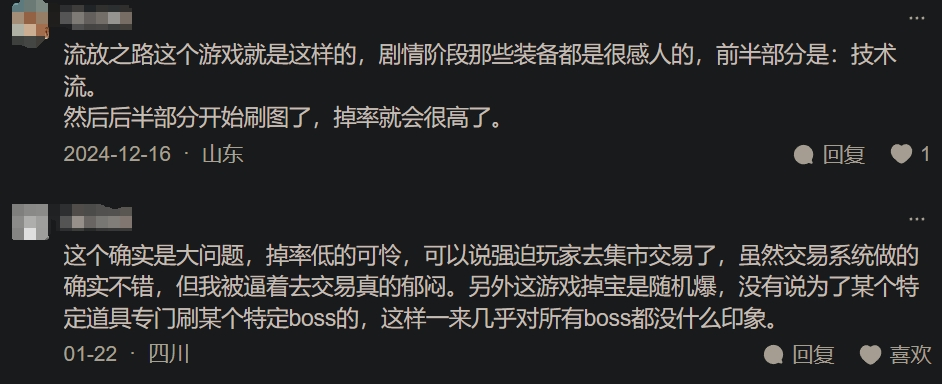
Of course, based on the positive impression left by GGG's past operations, Path of Exile 2 remains a game worthy of high expectations for its long-term development.
This is evident in player feedback after the game received its Chinese license, was officially titled Path of Exile: Descent, and unveiled a new trailer.
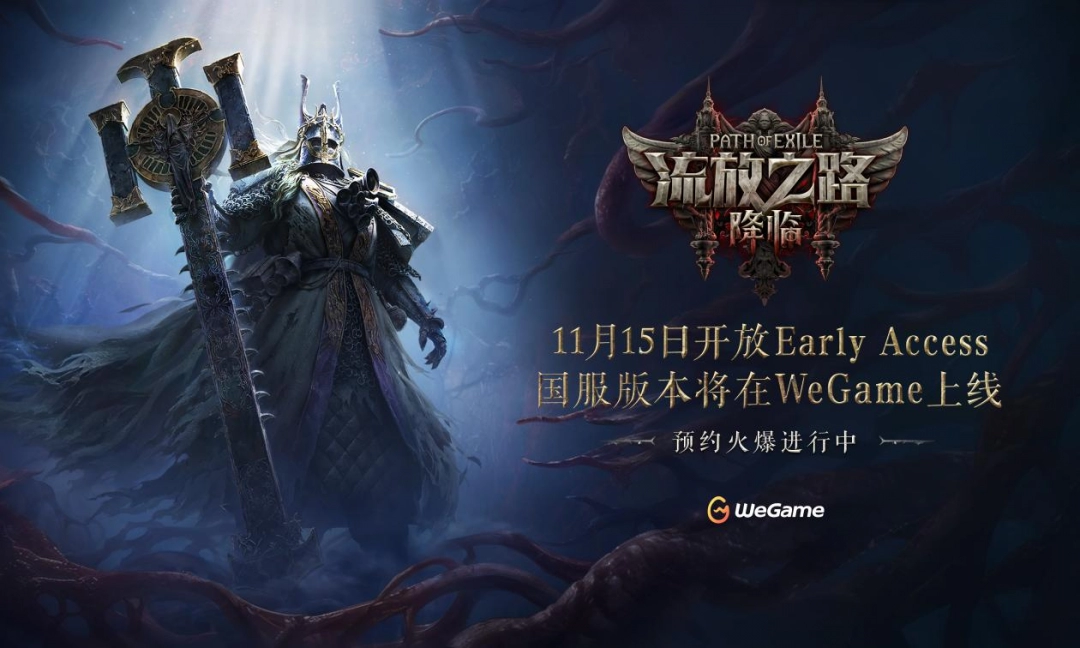
During the previous Tencent Games conference, the new trailer for Path of Exile: Descent showcased several classes in development, including Ranger, Monk, Sorceress, Warrior, Witch, and Mercenary. It also displayed some boss battle effects, the new passive skill tree system, and skill mechanics.
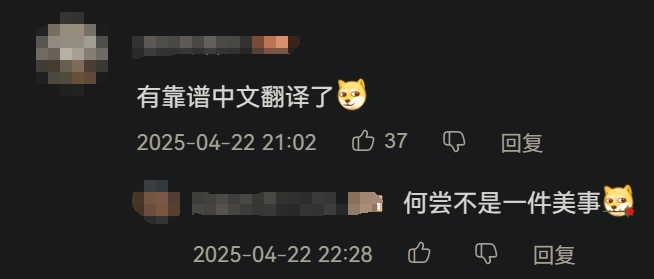
Player reactions beneath this trailer can be described as "enthusiastic." There is anticipation for the game itself, relief that a Chinese server will finally make it easier to play, and many hopes for features like a "China-exclusive trading hall" and "better localized translations."
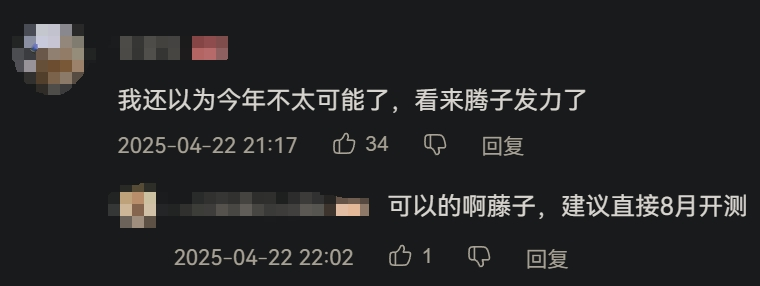
This strong reaction is understandable, stemming from both the game's quality and accumulated environmental sentiments. The launch of the Path of Exile: Descent Chinese server not only brings convenience to domestic players but also benefits from Tencent's conscientious approach in the long-term operation of Path of Exile, contributing jointly to the current wave of anticipation.
In the past, the "Diablo-like" genre had a somewhat "monopolistic" feel. Mentioning "Diablo-like" usually pointed directly to Diablo. However, there have been many excellent titles in this category, such as the Torchlight series from years ago, Titan Quest, and Grim Dawn. Last Epoch also saw a surge in popularity last year. Even Moon Studios, developers of the Ori series, have been attempting their own "Diablo-like" gameplay in their latest title, No Rest for the Wicked.
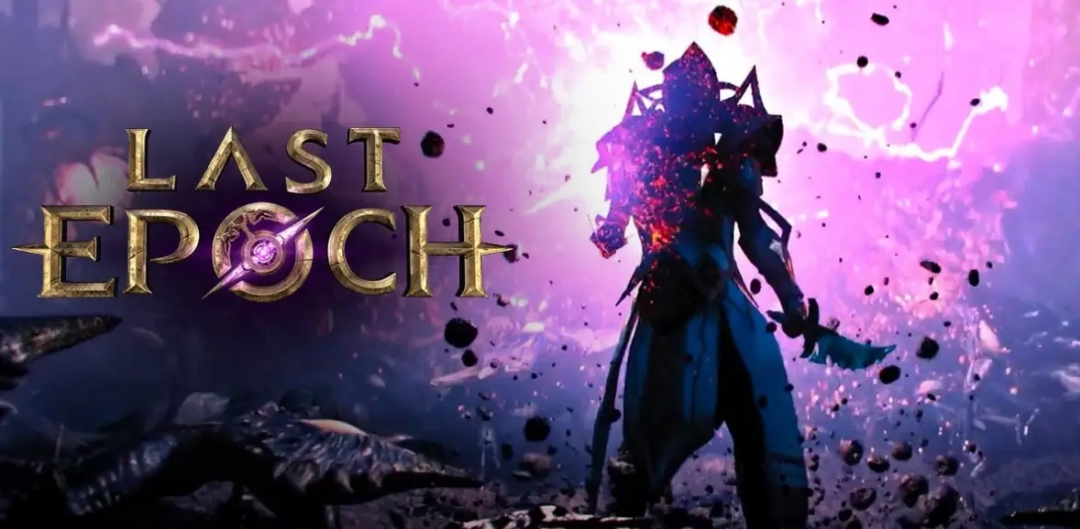
Last Epoch
It must be said, however, that these titles have somewhat been overshadowed by the glory of the Diablo series. Even though games like Titan Quest and Grim Dawn are considered quite famous by some players, you still occasionally see them recommended as "hidden gems."
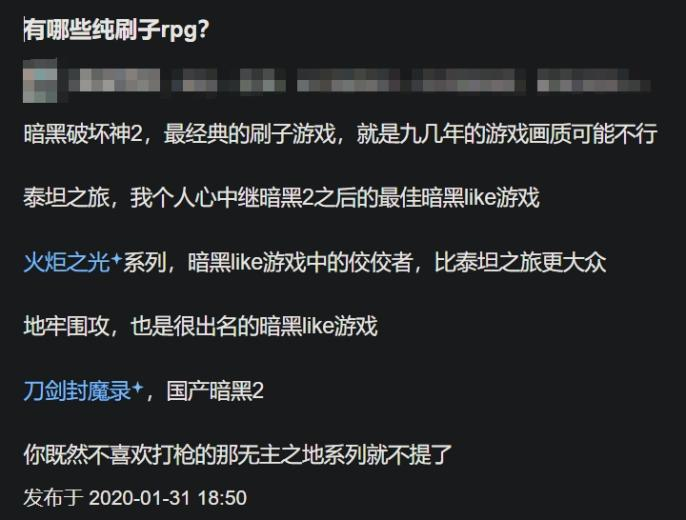
The emergence of the original Path of Exile largely shattered many players' perception that "Diablo-like" meant only "Diablo." This evokes both sentiment and joy—whether good or bad, change invariably brings progress, and the changes brought by Path of Exile are visible to all.
In fact, after Path of Exile emerged and won acclaim with its unique gameplay experience, we've already seen its impact on the "Diablo-like" genre. For over two decades, this category strictly followed the path laid out by Diablo, but Path of Exile acted as a disruptive force, turning the status quo upside down. Its explorations in loot-driven ARPG mechanics have since appeared in many similar titles. The popularity of Last Epoch last year was partly due to its borrowing of unique mechanics from Path of Exile.
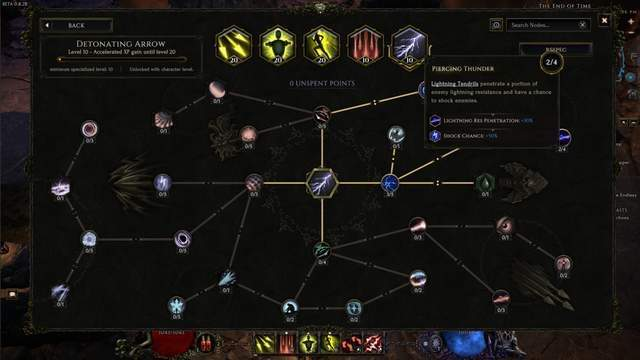
The passive skill tree in Last Epoch
Today, "Path of Exile" has long transcended the label of mere "Diablo clone." Although GGG continues to pay homage to their "white moonlight"—Diablo II—from many perspectives, they have created a work within this genre that boasts equally remarkable influence and has carved out its own unique path.
Now, these fresh changes will continue in Path of Exile 2.
Interestingly, Path of Exile 2, which has attracted the attention of the world's richest man and the President of Sony Interactive Entertainment's Worldwide Studios, is approaching a new milestone: Path of Exile: Descent. The Chinese player base is extremely diverse and large. When this group joins the Path of Exile 2 community, it will inevitably bring many fresh elements.
Clearly, the Chinese server will offer more stable servers, along with improved localization and a better environment for player discussion. As the player community establishes its own ecosystem on the Chinese server, the infinite gameplay freedom inherent in Path of Exile: Descent will fully unleash its potential—
At the very least, Teacher Lian Po is already eager to copy the strategies of top Chinese players.

Boldly imagining, perhaps in the near future, "Exile-like" games will become a distinct genre capable of rivaling, or even surpassing, "Diablo-like" games. Given the increasing lethargy of the "Diablo-like" elder brother, this is not impossible.
Of course, it is still too early to make final judgments on the future of Path of Exile: Descent. But as players, we can still resonate with the words spoken in Chinese by producer Jonathan Rogers in the game trailer—
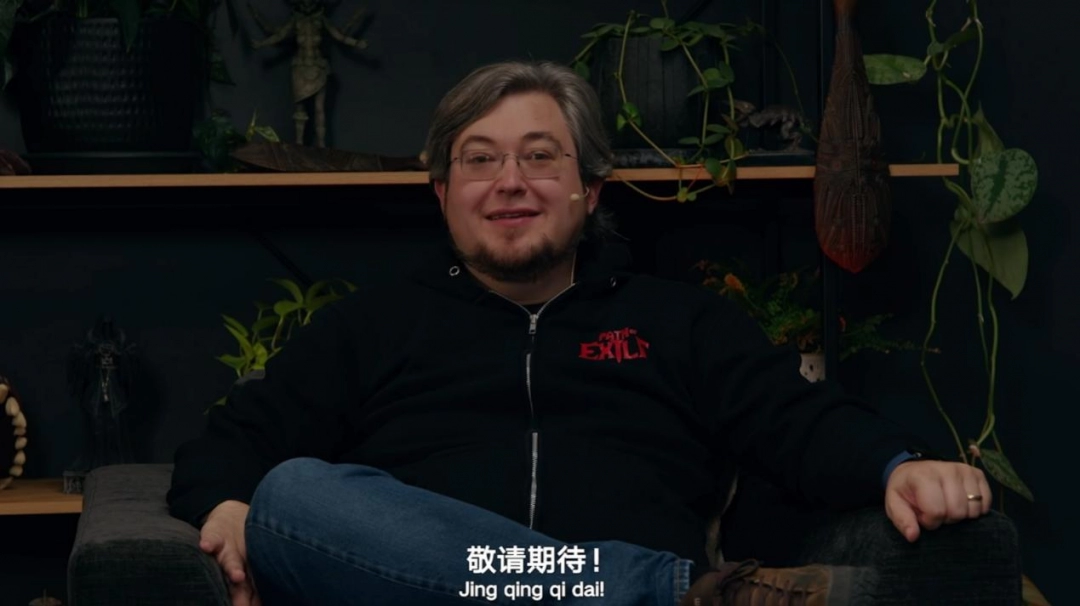
Stay tuned.