

If you've been following GTA-style linear action-adventure games recently, you've probably heard of "MindsEye." This is a AAA-level blockbuster independently developed by Build A Rocket Boy Studios, set to launch on major platforms on June 10th this year.
Although the studio sounds somewhat obscure, its founder's name is absolutely deafening—Leslie Benzies, former producer of the GTA series.
Yes, that's Leslie Benzies, who has been involved in various copyright lawsuits with Rockstar.
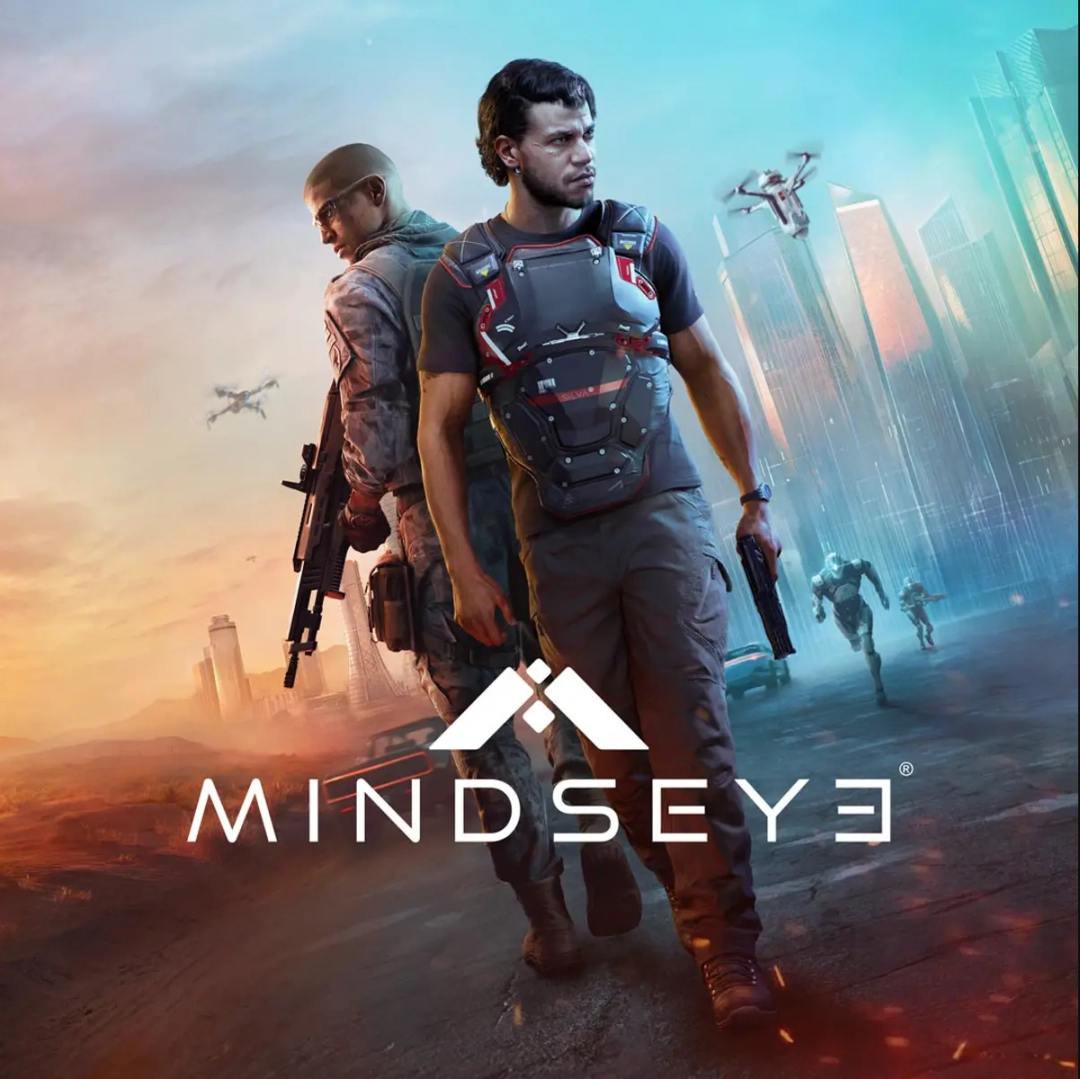
In fact, setting aside the various love-hate relationships between Leslie Benzies and Rockstar, from "San Andreas" to "Vice City" and then to "Manhunt," these famous works are like medals pinned to Leslie Benzies' chest. His expertise in GTA-style sandbox action-adventure games has been fully demonstrated.
So, is Leslie Benzies' first GTA-style masterpiece since leaving Rockstar, "MindsEye," worth looking forward to? My answer is definitely yes. Especially since I recently participated in an online media event hosted by Build A Rocket Boy Studios. I also took the opportunity to chat with Adam, the studio's external communications spokesperson, along with other media representatives.
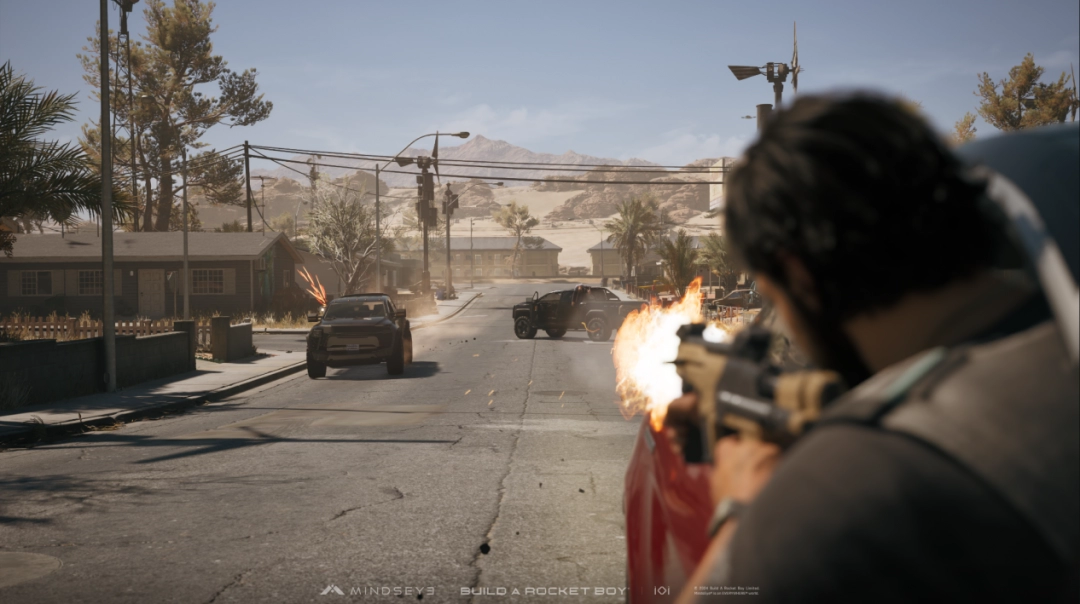
Although I haven't gotten my hands on the actual game version yet, at least from the various scenes in the live demonstration, it certainly has a strong "GTA" flavor.
Q: What was the inspiration behind the creation of "MindsEye"?
A:That's an interesting question. Actually, our inspiration mainly relies on observations of the real world. We observe the behavioral logic and operational patterns of human society, and the strengths and weaknesses of humanity as a whole. We pay close attention to every piece of current news, and we notice every significant progress and change in human science and technology. Then, we began to explore how humans adapt to evolving societies and eras—to be precise, we have embarked on this journey of exploration for quite a long time.
So, when you have these accumulations and look back at the game environment we created, our most straightforward and direct wish is to use these accumulations to create a sufficiently realistic game space that players can immerse themselves in.
And there's a core idea here: we hope "MindsEye" can reflect the world while also allowing players to experience new changes and differences during gameplay.
Finally, I just want to say that although there are many exciting scenes and stimulating action sequences in the game, this doesn't prevent us from telling some heartwarming stories—because we truly hope to share our understanding of humanity through our work. We will try to control the pace well to allow players to resonate with our characters.
I can confidently say that we supported all of the above with a truly great story. We used an existentialist story to explore many real-world issues, and even many "sci-fi ideas" thought of during early development have already been realized in reality.
Q: The fictional city of Redstone in the game blends desert and cyber elements. Was the design of that city influenced by any real-world city?
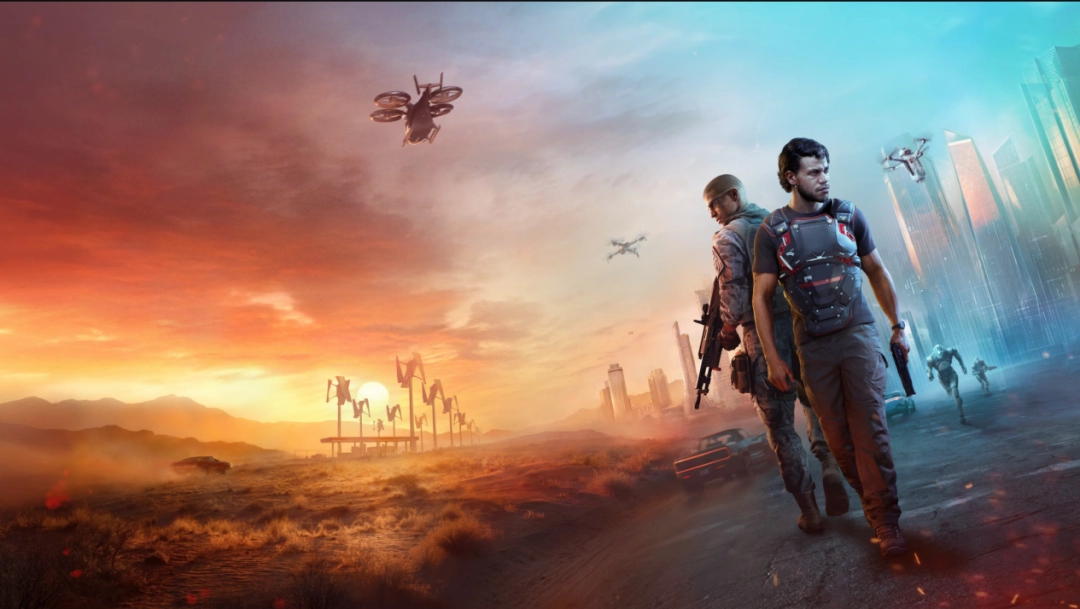
A:When I flew over Redstone City in the demo, I believe many people thought such scenery must be copied from certain famous cities. But I can assure you that Redstone City is a completely fictional desert city.
This is a future city with a very high level of technology, deeply transformed by automation. Many systems such as artificial intelligence, drones, and implants have been realized. At the same time, this technological capital is surrounded by various magnificent and rugged terrains. I personally like this design because this contrast visually enhances the perception of the game world.
Moreover, I think we are trying to explore several themes very relevant to today's world, one of which is our impact on the environment. I believe observing a desert city like Redstone City allows us to explore these themes in more detail.
And in my opinion, the juxtaposition of barren desert landscapes with high-tech central urban areas is quite poetic. I think this gives Redstone City a very unique atmosphere—a cool, steady tension that gives the city a distinct personality. Neon lights and various elements at night create a melancholic atmosphere, with reflective facilities mirroring Everythinggj. But while you observe this city, you also feel that you are being observed by the surrounding environment.
This helps create the atmosphere I hope players can experience—a feeling that is somewhat familiar yet slightly unsettling. This space is solid, immersive, and full of narrative potential.
Q: Why did "MindsEye" choose a linear plot mode instead of following the trend of using the currently more popular sandbox mode to tell stories?
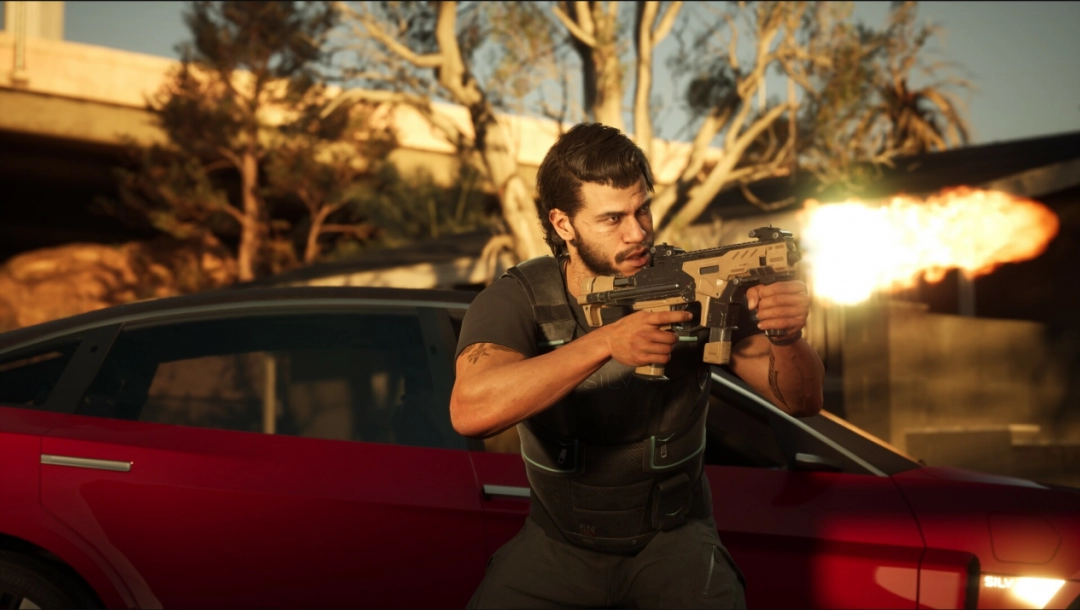
A:That's a good question. "MindsEye" chose linear storytelling entirely because we wanted players to experience a high-quality, carefully designed cinematic narrative experience. It's like being in a highly developed future society and playing as a Hollywood action movie protagonist.
I believe this narrative-driven approach allows us to truly emphasize the emotional depth of the characters. We can truly shape the characters and carefully adjust the performance rhythm. This ensures the story unfolds clearly, and those meaningful details stay effectively in players' minds.
Especially in "MindsEye," even though the entire Redstone City is already a detail-rich, immersive environment with strong exploration drive. I still hope the player's journey remains grounded and driven by the story.
We also hope this game respects players' time. We want players to truly enjoy this story—so we aim to provide a very good game pace, allowing players to truly immerse themselves in experiencing and understanding it.
I believe that during game development, developers face many temptations—such as adding and refining gameplay to significantly increase player playtime. But honestly, a truly well-crafted game must do one thing—respect the player's time.
We hope players will be attracted by interesting content and continuously experience the various gameplay modes we've designed—especially since we have prepared a significant number of NPC side quests to aid narration and broaden gameplay possibilities. At the same time, we have the highly customizable Build Arcadia tool to help players design the gaming experiences they desire.
So, I have very strong confidence in this.

Q: What level of complex interactions does the Build Arcadia tool support? For example, can it be used to create puzzle levels, roguelike dungeons, or even simulation management gameplay?
A:The Build Arcadia creative toolkit has very high potential and can achieve many complex customization functions. But beyond that, what makes our entire studio incredibly proud of Build Arcadia is its high ease of use and versatility.
With the help of our carefully prepared visualization system, any non-professional who knows and loves games can improve the overall gaming experience qualitatively through this kind of content creation.
As for the puzzle-solving, roguelike, or simulation management gameplay you mentioned earlier, we have included them in the Play Arcadia mode. Of course, we also look forward to players using their own experiences to create unique experiences beyond our imagination.
In the future, we will continue to advance the development process of the Build Arcadia toolkit, on one hand to ensure our own internal use, and on the other hand to continuously help community players experience the joy and creativity brought by this game.
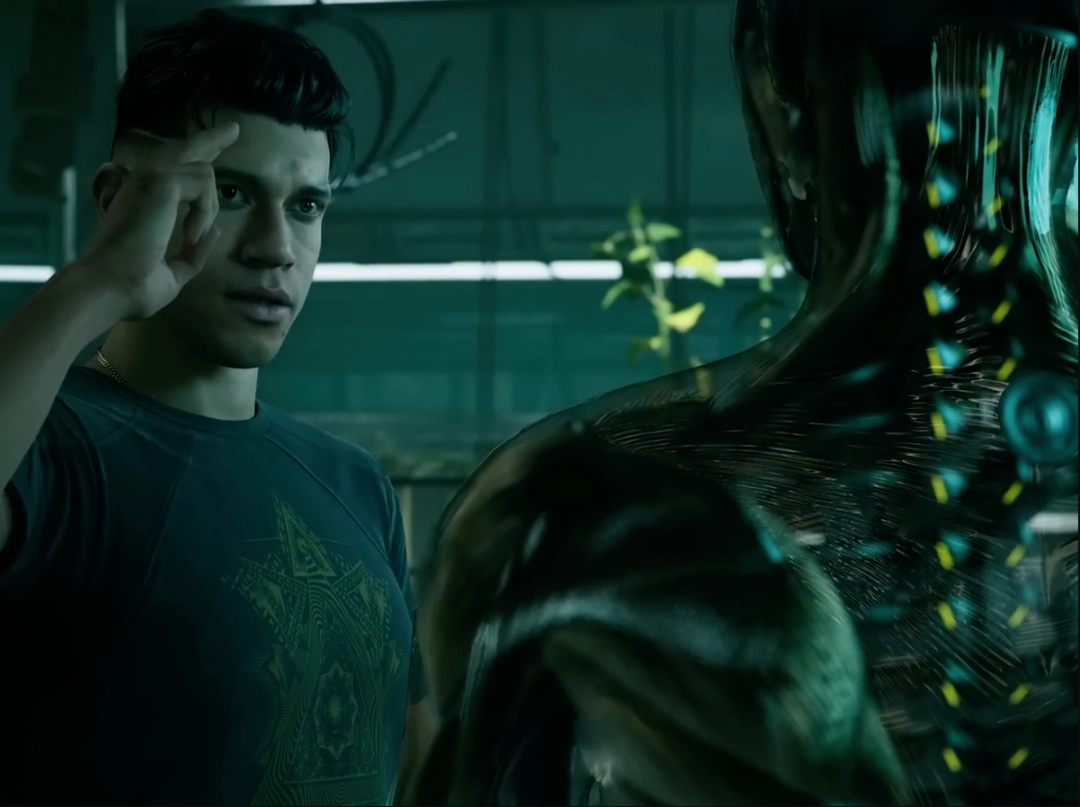
Q: Can the Build Arcadia editor achieve a level of freedom comparable to Roblox?
A:We firmly believe that future high-quality electronic entertainment is jointly built by active communities and development teams. Build Arcadia is an extremely easy-to-use and intuitive tool that allows players to build many different types of experiences—what we truly prioritize is not just the functionality of our tools, but also their ease of use as an absolute core. Moreover, we ourselves are using these tools to build game content within Play Arcadia.
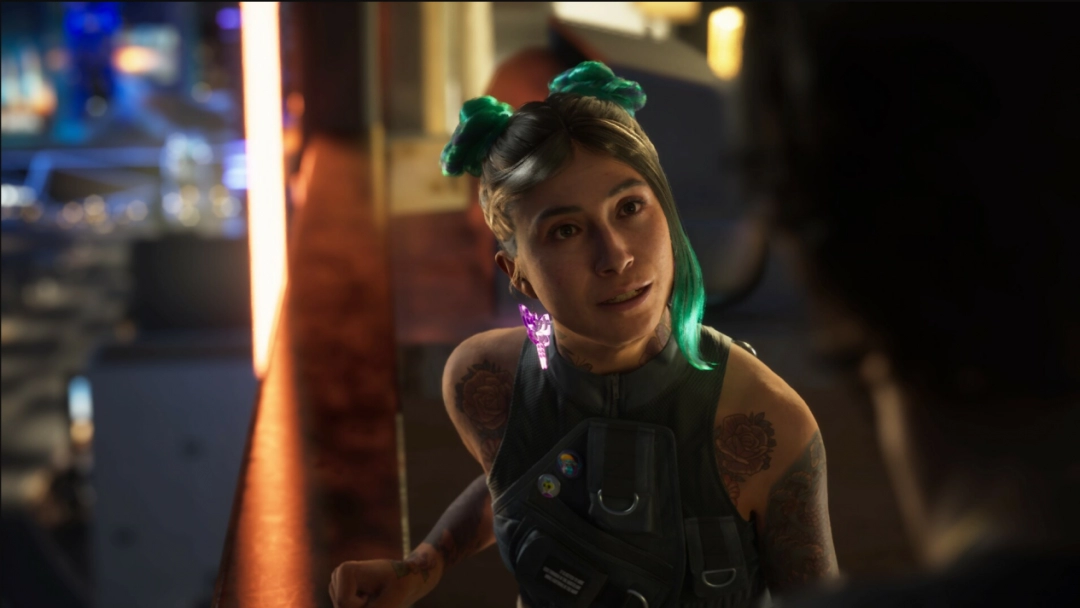
Q: Does Build Arcadia support customization for cutscenes and cinematic performances, or advanced operations like player voiceovers and motion capture?
A:The Build Arcadia tool supports high-level customization of assets like animations and NPC appearances, as well as deep modification of character models and AI logic. Players can integrate various materials to create new animated performances and tell their own unique stories.
We hope Redstone City can become a free stage for players to showcase their imagination and narrative abilities.

Q: "MindsEye" clearly has strong customization attributes, but I'm more curious about the future of this work—for example, will PvP or PvE gameplay modes be available at launch?
A:That's a great question. Actually, we initially focused heavily on providing engaging, cinematic narrative experiences. So, we prepared a complete story for players, and then used Play Arcadia to provide additional narrative support independent of the main storyline. Then, to ensure the game remains replayable, we prepared Build Arcadia to help players construct endless new content.
So, according to our initial plan, multiplayer gameplay will be updated later this year.
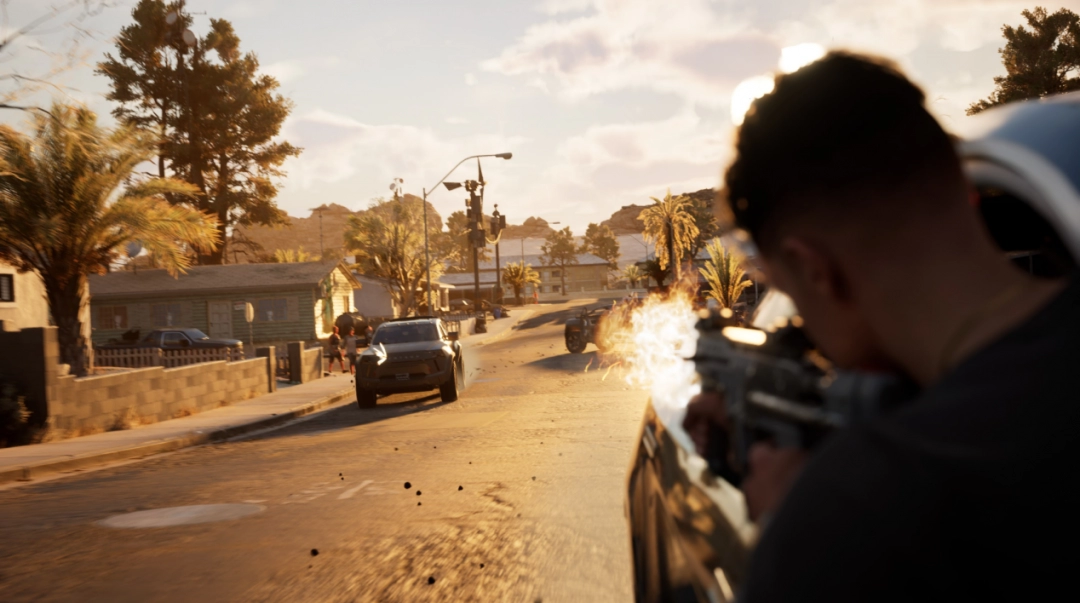
Q: As everyone knows, when playing GTA series games, players often need to fight against tens of thousands of NPC opponents alone, making it hard to have a strong sense of immersion. So in "MindsEye," how do you balance this asymmetrical intensity to achieve a more immersive gaming experience?
A:The AI difficulty management in "MindsEye" is progressive, advancing with the plot and story. As you learn more about the deeper narrative performances, we will gradually increase the strength of enemies. At the same time, the combat environments players need to face will become increasingly complex.
Many enemies might be very difficult to deal with at first, but after you defeat them and confiscate their weapons, the difficulty of engagement gradually decreases.
As the story progresses, the reactivation of the protagonist's "MindsEye" implant will also help him gain allies—such as robots and drones. So, the character himself possesses superhuman attributes. In fact, by the late game, the technology mastered by the protagonist may have turned him into a Superman, capable of wreaking havoc.
Therefore, we are proud that the combat style and experience in the early stages of "MindsEye" are completely different from those in the mid-to-late game. Moreover, in the demo shown earlier, many weapons and implant technologies could not be disclosed, so it was only a glimpse through the fog.
But during actual gameplay, players will find a rich variety of weapons and impressive implant technologies.

Q: Has the game considered any innovations in social features?
A:I believe social gameplay is a very important area and a current focus of our attention and development. We very much hope to bring it into the ecosystem of Build A Rocket Boy Studios' works.
Currently, the experience of "MindsEye" is still linear, but in the future, players can play content in Play Arcadia together, or use the Build Arcadia tool to share new gameplay modes.
Honestly, we don't want to simply copy multiplayer modes from other games, nor do we want players to repeatedly play things that look boring. We hope online cooperative gameplay and story sharing are meaningful. We hope everyone can engage in longer-lasting interactions through cooperation and creation, leading to a qualitative leap in everyone's gaming experience.
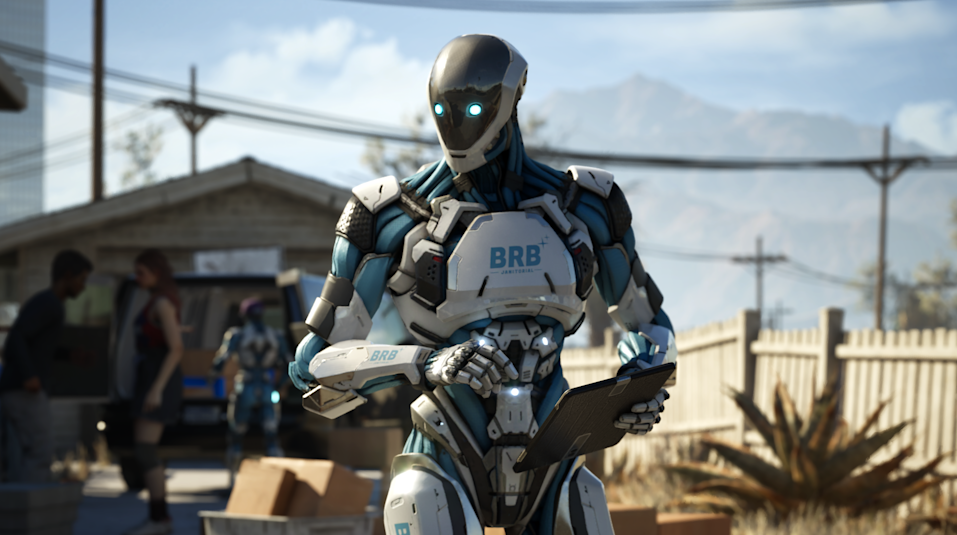
Q: The protagonist reminds me of Lincoln from "Mafia III." "Mafia III" was a pity; too much formulaic gameplay diluted the fun. Will this game's single-player mode also have formulaic elements? Such as repetitive side quests, repetitive outpost clearing, or repetitive map unlocking tasks.
A:The protagonist is played by a talented and seasoned actor—Alex Hernandez. I'm glad he can evoke some memories for you.
I also feel that "maliciously" using formulaic tactics to prolong player engagement is a detestable design. So, we hope that when we create stories, we can design them to be more compact and exciting—just like reading a favorite book or watching a beloved TV series, where you become deeply invested in the entire gaming experience.
Speaking of formulaic gameplay, in "MindsEye," we have prepared many "light moments" that allow players to detach from the main narrative at any time. Players can fully enjoy the side quests we've prepared in various corners of the map.
Many side quests even make many supporting characters in the main story more丰满 (full) and three-dimensional.
For us developers, these small side quests are also great pastimes and supplements. We take the good ideas generated during brainstorming—those that don't quite fit the main narrative rhythm—and put them into these side quests and into Play Arcadia.
This way, players can enjoy many interesting mini-games without affecting the rhythm and overall feel of the main narrative.
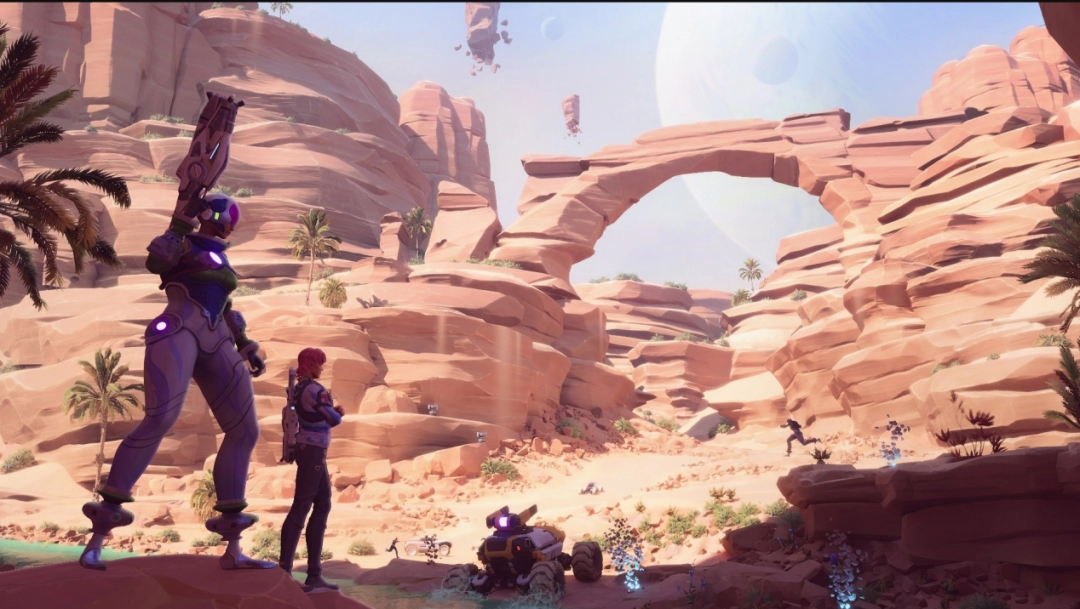
Q: Will the game feature parallel perspectives? Will there be ensemble casts and converging worldlines in the plot?
A:That's an interesting question. "MindsEye" is undoubtedly a game with a linear narrative structure. Our plan is for players to assume the role of Jacob, a retired mercenary, experiencing various storylines in Redstone City and enjoying a near-future sci-fi story.
But as you can see, we have prepared the Play Arcadia feature in the game. You know we will include many "first-person experiences" of main NPCs inside. These characters also expand the immersion of the entire storyline, and as players continue to experience the stories of these minor characters, the overall plotline becomes richer.
So theoretically, our "two-pronged approach" is indeed laying the groundwork for future multi-line narratives.
Also, we believe that so-called "high freedom" is not just about letting players explore the world we've created, but giving them the ability to change or create entirely new worlds. They should have the freedom to change and plan this world, making it what they imagine, or even something beyond what we as developers imagined.
We are really looking forward to embarking on this journey together with our audience.
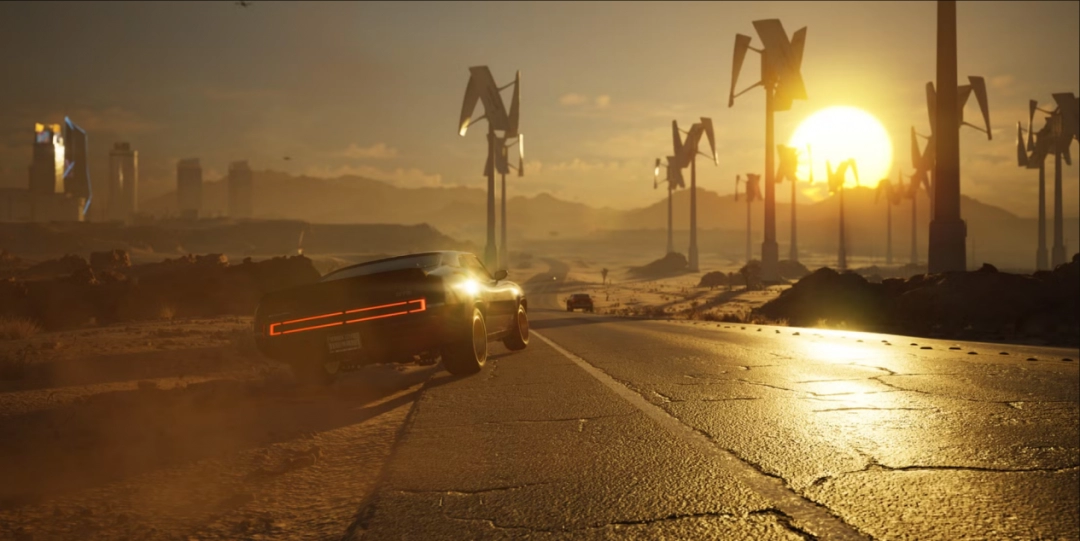
Q: You previously mentioned that "MindsEye" is just the first chapter of the entire "Everywhere" project. Can you reveal more information about "Everywhere"?
A:"MindsEye" is the first chapter of our entire "Everywhere" initiative. Furthermore, we are already working on perfecting the entire "Everywhere" multiverse to design gameplay and experiences such as open sandbox and multiplayer modes.
But in reality, the core story we want to explore deeply hasn't changed—it's still about hope, redemption, and the past and future of civilization.
However, currently, the fit between "MindsEye" and the overall "Everywhere" story is very high—both in terms of plot structure and specific real-world game technologies, providing valuable experiential wealth for our future series development.
Ultimately, we hope to make the multiverse of the entire "Everywhere" series a reality, allowing players to enjoy seamless transitions in story and experience. Players can freely play, build, connect, share, and create within it, shuttling effortlessly between all these wonderful experiences.
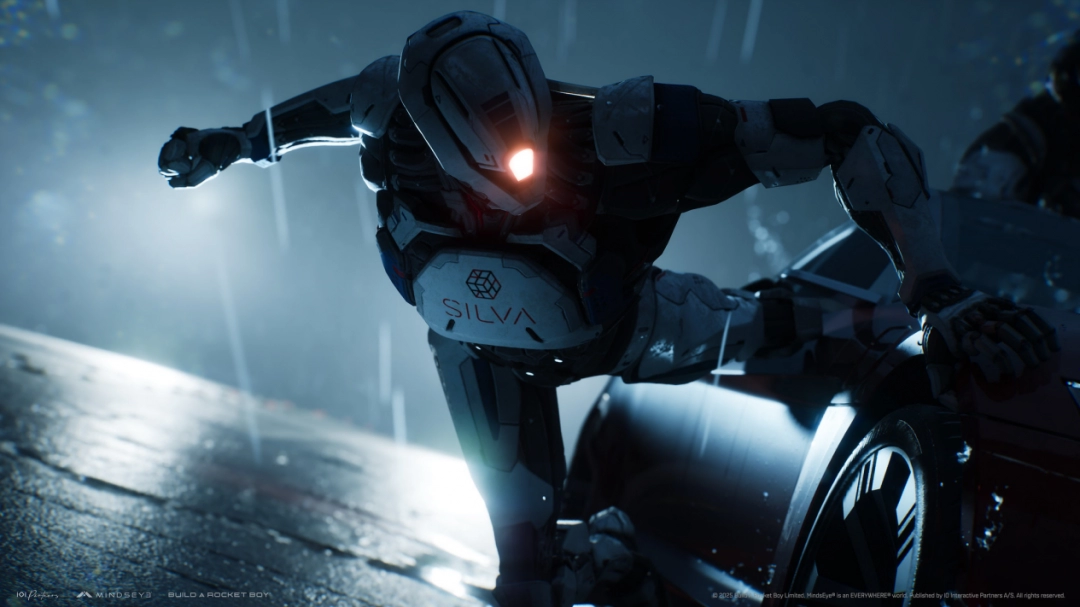
Q: Lastly, is there anything you would like to say to everyone?
A:First of all, thank you very much for participating in our presentation and discussion session, and thank you for the various questions raised just now. I am happy to provide answers to everyone.
Honestly, I am very excited—because my team members and I will soon arrive in China to communicate with you face-to-face and further demonstrate the various possibilities of "MindsEye."