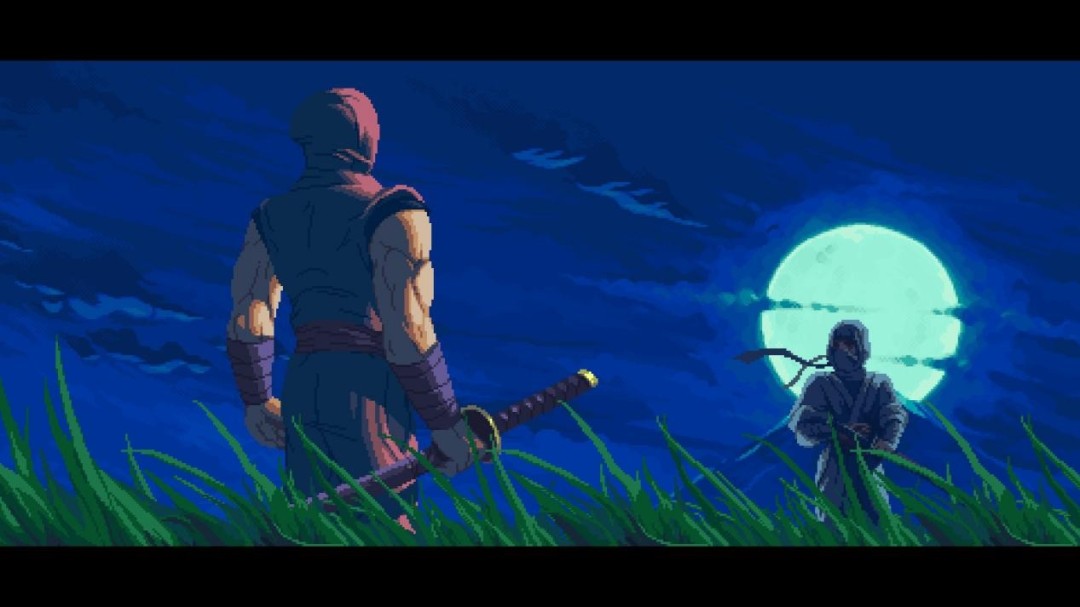
After the release of 3D "Ninja Gaiden," many new-generation fans believed that 3D technology was the future trend of video games and that the digital realm should fully enter the three-dimensional era.
Personally, I don't see image technologies as competitive. Although old and new "Ninja Gaiden" titles differ vastly in artistic form due to their respective eras, each has its own unique advantages, and neither can replace the other.
Ninja Gaiden: Ragebound proves this point: there are still many pixel art enthusiasts in the gaming community who appreciate this classic craft.
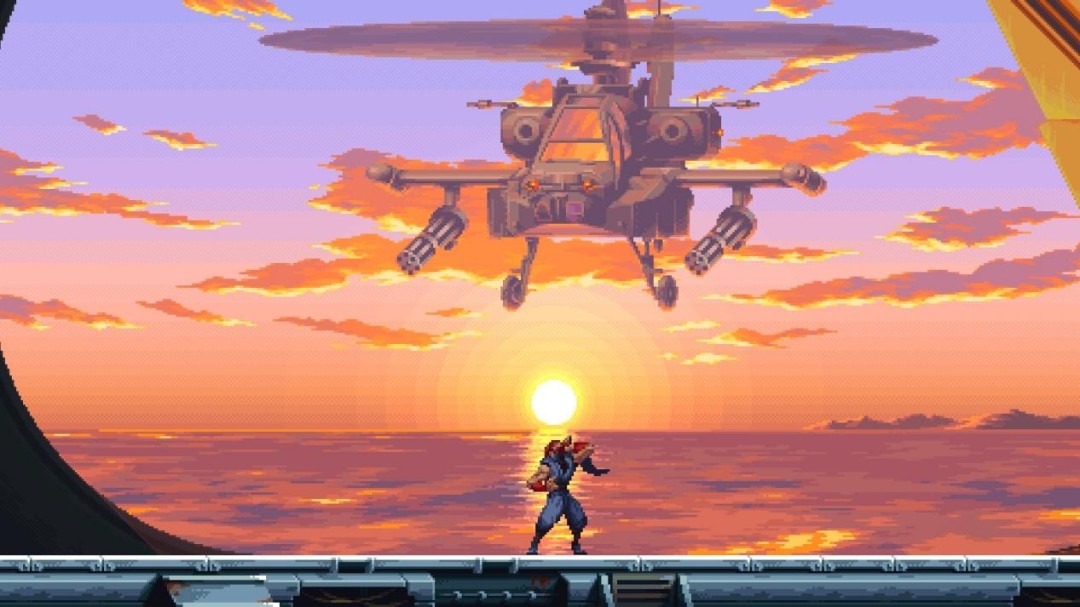
Honestly, the revival of 2D "Ninja Gaiden" was unexpected. As a collaborative work, the development details of Ninja Gaiden: Ragebound certainly deserve attention. What circumstances led The Game Kitchen, known for its "Metroidvania" titles, to partner with Koei Tecmo on this 2D "Ninja Gaiden" sequel continuing from the golden age?
We are honored to have this conversation with The Game Kitchen, who will reveal the little-known development secrets behind Ninja Gaiden: Ragebound.
Q: With Ryu Hayabusa gradually retiring from the scene, the revival of 2D "Ninja Gaiden" is certainly surprising. What opportunity allowed The Game Kitchen, known for Blasphemous and its reputation in "Metroidvania" games, to collaborate with Koei Tecmo?
A:Actually, this is all thanks to our publisher, Dotemu. At the time, they were negotiating with Koei Tecmo to revive the 2D "Ninja Gaiden" series. Impressed by our performance in the "Blasphemous" series, they proactively contacted us to ask if we were interested in taking on the project.
We seized this opportunity without hesitation and carefully prepared a proposal that best showcased our studio's strengths—highlighting The Game Kitchen's three core advantages: top-tier pixel art, deep combat design, and precise, fluid controls. Fortunately, our proposal was well-received, marking the origin of the Ninja Gaiden: Ragebound project.
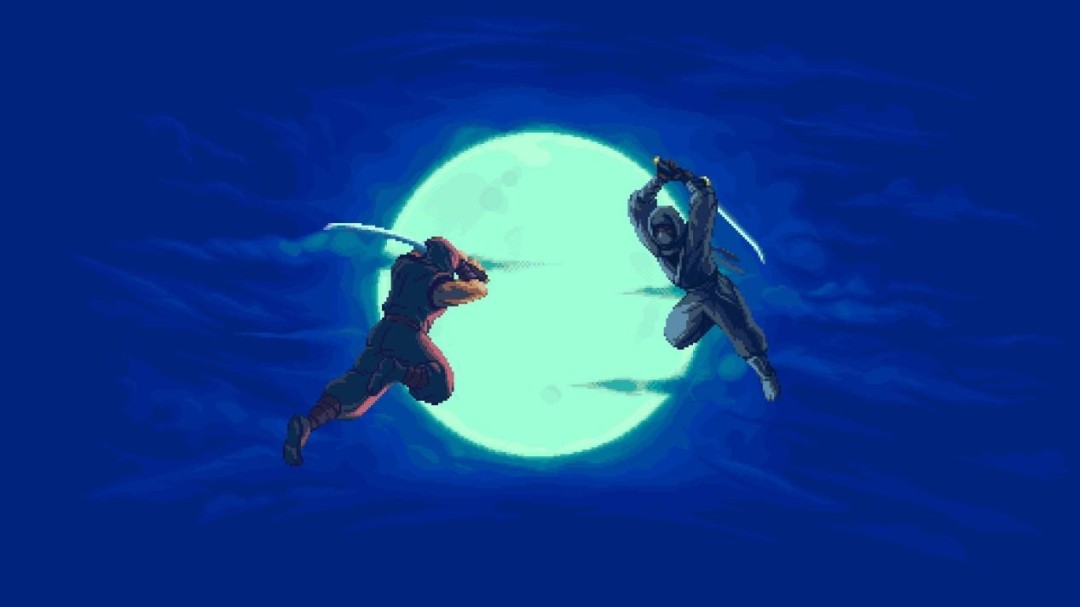
Q: 2D "Ninja Gaiden" was a representative side-scrolling title of the Famicom era, known for its linear levels, while Blasphemous is a masterpiece of the "Metroidvania" genre. I wonder: when developing Ninja Gaiden: Ragebound, was transitioning from a freer level structure to a strict linear structure more difficult or easier in the development process?
A:From the project's inception, we were determined to preserve the gameplay essence of 2D "Ninja Gaiden" in Ninja Gaiden: Ragebound—meaning a return to the traditional level-based structure rather than adopting an interconnected "Metroidvania" world. This design allowed us to focus on polishing each level into a high-density, fast-paced action feast, but it also required immediate controls to consistently deliver surprise and immersion. Therefore, we invested heavily in each level—designing unique events, carefully choreographing enemy encounters, and incorporating cinematic scripted events—to ensure each area offered a distinct experience.
At the same time, we didn't want the levels to feel too linear or predictable. To address this, we incorporated mild non-linear elements, hidden areas, and optional challenges within the levels, ensuring exploration remains rewarding. Our goal was to retain the tight, linear flow of classic titles while adding enough variety and surprises to bring freshness, dynamism, and excitement to each level for modern players.
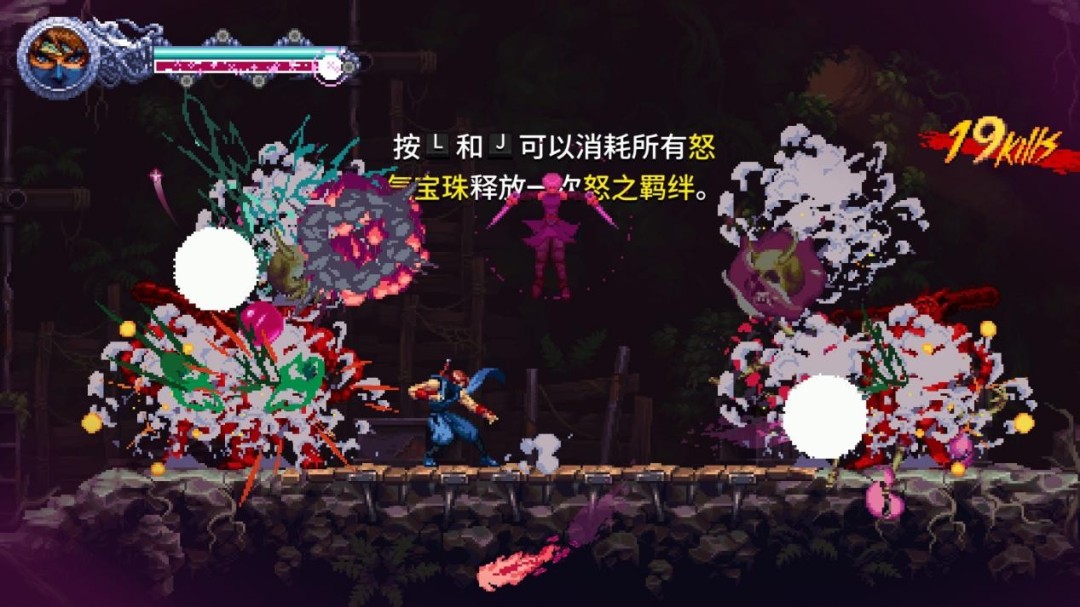
Q: In the Famicom era, 2D "Ninja Gaiden" had a clear storyline, but it contradicted the 3D "Ninja Gaiden" series in many ways. We want to know: what creative freedom did The Game Kitchen have when making the new 2D "Ninja Gaiden"? Were you constrained by the framework of previous works?
A:While developing Ninja Gaiden: Ragebound, we enjoyed considerable creative freedom. However, it's crucial to emphasize that the game's story and characters strictly adhere to the series' established worldview. We treated every detail of the IP with reverence. Fortunately, Koei Tecmo and Team Ninja were deeply involved throughout the collaboration, providing iterative feedback on gameplay design and guidance whenever we had questions about the series timeline, character settings, or previous plotlines.
We indeed asked Koei Tecmo numerous questions during development (the series timeline is very complex!), but as die-hard fans of the series, this was far more than just a job—it was an immersive journey of exploration, allowing us to gain invaluable insights into this legendary universe.
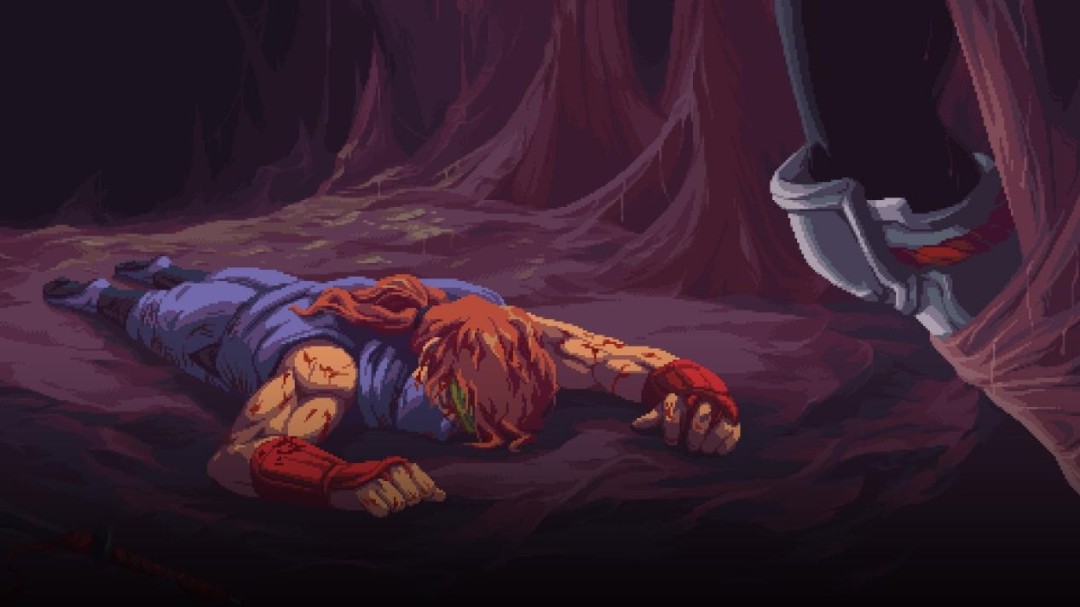
Q: While playing the game, I noticed that the protagonist of the new 2D "Ninja Gaiden" is no longer Ryu Hayabusa, but his disciple Kenji. Could you introduce this young ninja to us?
A:When initially conceptualizing the revival of 2D "Ninja Gaiden," we considered setting the storyline back to the era of the original Famicom game. However, that period marked the beginning of Ryu Hayabusa's legendary journey. As the iconic hero of the series, we hold deep reverence for this character. Therefore, we ultimately decided to introduce a new protagonist connected by bloodline to the Hayabusa clan.
Kenji Mozuku, a young ninja in the Hayabusa Ninja Corps, carries the ancient bloodline of the Mozuku family. Though inexperienced, he strictly adheres to the clan's spiritual creed and harbors a firm determination to grow into a true warrior. Under Ryu Hayabusa's guidance since childhood, Kenji practiced martial arts, aspiring to one day match this legendary ninja in both skill and strength.
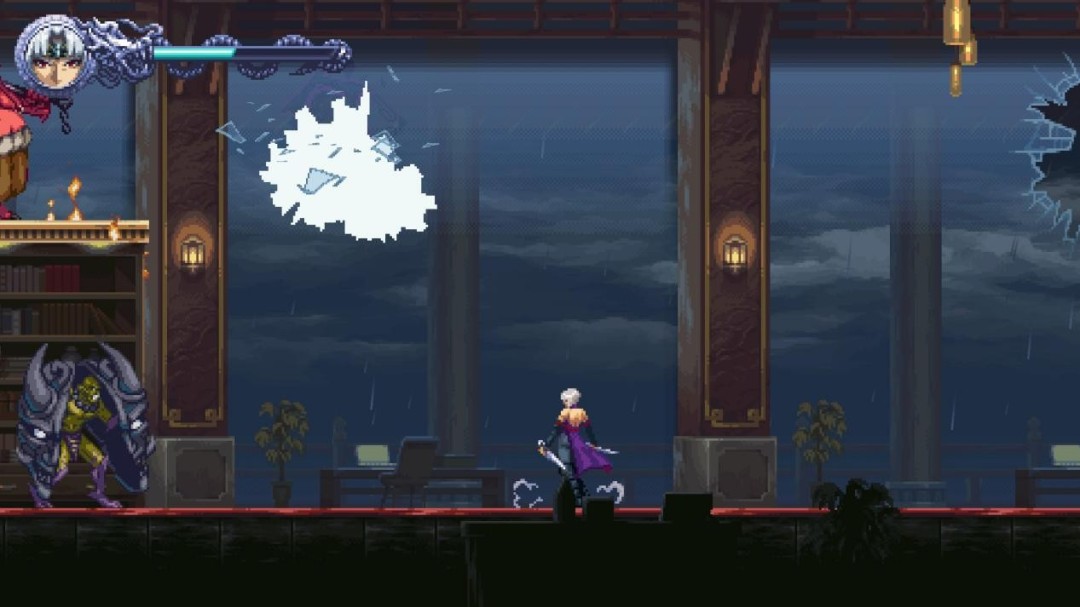
Q: As the game progresses, a second playable character, Kusamori, a female ninja from the Tsuchigumo clan, becomes available. We know the relationship between the Tsuchigumo clan and the Hayabusa Village is quite delicate. What reason led Kenji and Kusamori to stand on the same side?
A:Given the long-standing feud and history of conflict between the two clans, a collaboration between the Hayabusa Ninja and the Tsuchigumo Ninja would have seemed impossible. However, when Kenji and Kusamori fell into a trap set by the Demon Army while on the brink of death, this desperate encounter forced them to break taboos. To survive and protect their clans from the emerging demonic threat, they had to join forces temporarily.
Notably, the two characters' distinctly different combat abilities complement each other beautifully on the battlefield: Kenji's traditional Hayabusa ninjutsu synergizes naturally with Kusamori's swift and elusive ranged techniques. This not only builds dramatic tension narratively but also creates dynamic synergy in gameplay. When the duty to protect their clans outweighs warrior pride, former enemies forge a new chapter of carnage amidst the clash of blades.
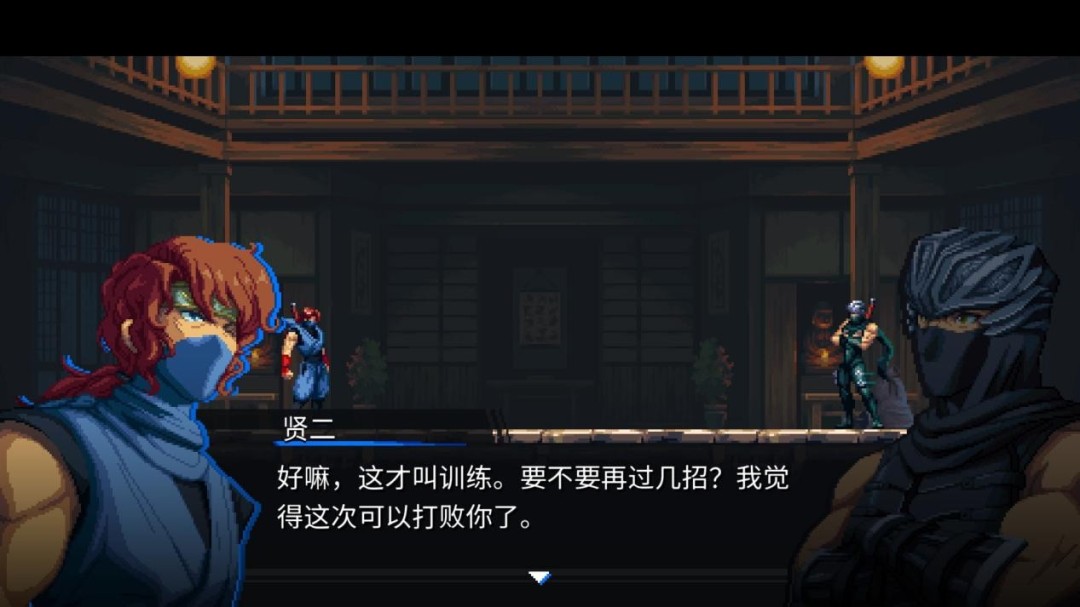
Q: During the game demo, the tutorial level offered a simulated battle against Ryu Hayabusa. I tried several times but couldn't pass the test. Will this challenge appear in the full release? Are there any special rewards for successfully completing it?
A:The purpose of arranging this battle at the start of the game is to let players experience the peak challenges of later levels early on, while feeling the thrill of facing the legendary character Ryu Hayabusa. Regardless of success or failure, the story will progress, but with practice, victory is achievable—yes, winners will receive a special reward. However, no matter the outcome, Ryu Hayabusa will always end the match with his signature move, the "Izuna Drop," as a parting gift... After all, the master must teach his disciple Kenji a proper lesson!
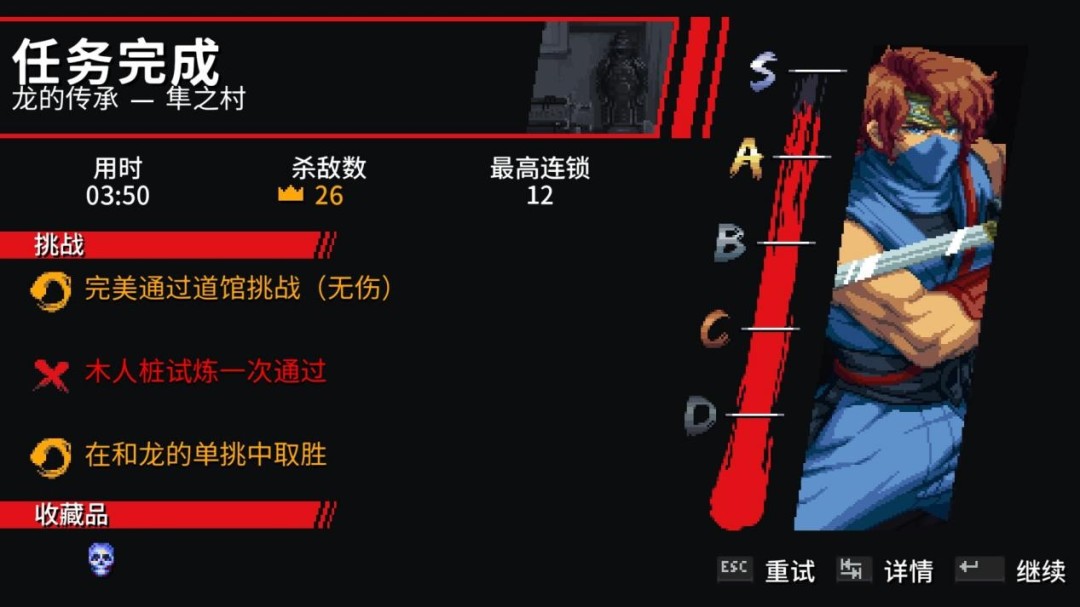
Q: Seriously speaking, it's been a long time since I've experienced a side-scrolling action game with such solid fundamentals. I noticed that the placement of pickups often forms a staircase with enemy positions and projectile trajectories, allowing players to use chain jumps to navigate levels effortlessly. Does this seasoned design experience relate to The Game Kitchen's previous development history?
A:We are deeply grateful for such praise; this recognition means a lot to us as it validates the successful realization of our creative vision. As an independent studio, every development project is a valuable learning experience. From the base game to DLCs and sequels in the "Blasphemous" series, we continuously refined animation fluidity, control responsiveness, visual detail, and code stability. These experiences were fully applied to the development of Ninja Gaiden: Ragebound, contributing to the transformation of its level design, combat feel, and overall polish. This accumulated expertise gives us confidence to face future challenges.
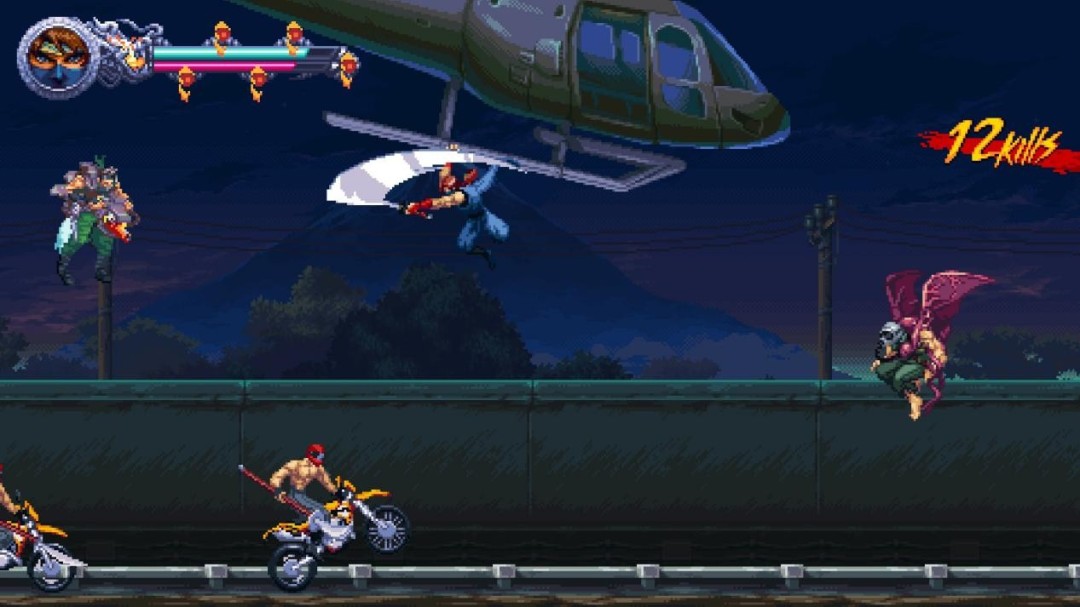
Q: To enrich the combat fun in this side-scroller, Ninja Gaiden: Ragebound introduces a color-based hitting system, allowing skilled players to break through scenes more smoothly. Is this mechanic entirely original, or does it have inspirations?
A:Yes, the "Bloodlust" mechanic is an original system in this game. Its design stems from paying homage to the core experience of the classic 2D Ninja Gaiden—where most enemies could be defeated in one hit, allowing players to maintain high-speed movement throughout levels.
To retain the satisfaction of one-hit kills while adding strategic depth, we introduced the "Bloodlust" mechanic: players can unleash special attacks within a limited time to defeat elite enemies with high health or shield defenses. When facing enemy groups, players must formulate tactical plans in the blink of an eye—planning movement routes and kill priorities while ensuring "Bloodlust" attacks precisely target the most threatening foes. Each encounter has an optimal solution, and players will gradually master the art of turning wit into opportunities for victory during fleeting moments of "Bloodlust."
This mechanic aims to achieve dual design goals: creating engaging dynamics against enemy hordes while adding strategic depth to the combat system. This allows players' quick reactions to be rewarded through careful planning. Of course, all enemies can also be defeated without relying on the "Bloodlust" state; the path to victory lies in the player's hands.
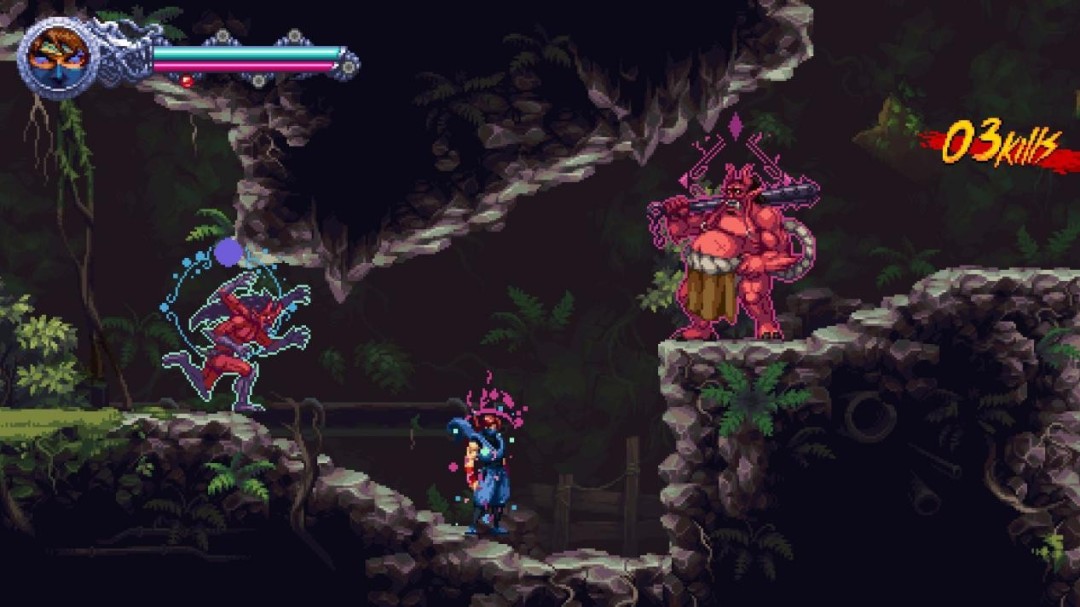
Q: As someone who played the demo, I found the flow of Ninja Gaiden: Ragebound excellent. However, as a linear side-scrolling game, some players might question its replay value. How long is the new 2D "Ninja Gaiden" campaign, and are there multi-playthrough contents?
A:We fully understand players' concerns, so we prepared ample content to ensure a satisfying experience—the main story includes 15 meticulously designed levels and 8 unlockable hidden missions. Based on early testing feedback, completing the main story takes about 6 to 8 hours, while collecting all content takes around 12 hours. Even more excitingly, players who achieve all challenge objectives will receive special in-game rewards, giving the game high replay value. Collectibles and achievements will motivate players to strive for perfect runs!
Additionally, completing the main story unlocks "Hard Mode," where all levels undergo drastic changes—elite troops launch relentless attacks, terrain layouts hide deadly dangers, and lethal traps are interlinked. Deep within this hellish realm, carefully hidden ultimate Easter eggs await discovery!
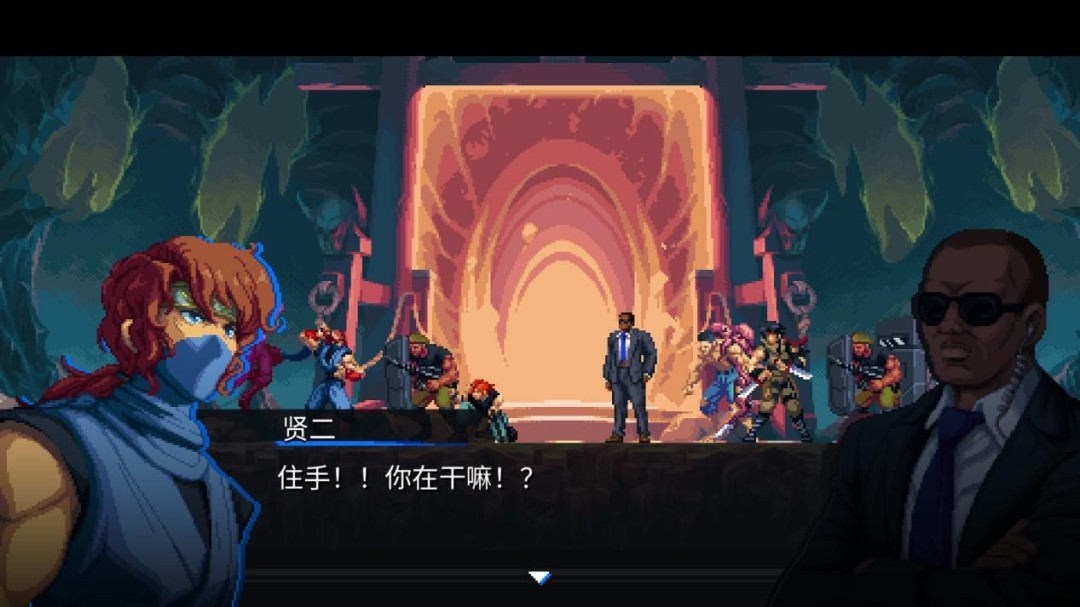
Q: Thank you for your answer. I believe every "Ninja Gaiden" fan is eagerly awaiting the new 2D entry. Many players who have been with the series since the Famicom era are no longer young. As developers of this new title, do you have any message for these veteran gamers who still love video games?
A:On behalf of everyone at The Game Kitchen, we sincerely thank all players for their eager anticipation of this title. As die-hard fans of the "Ninja Gaiden" series, creating this game has been a dream come true for us. We poured our hearts into this work, striving to create a worthy sequel that honors the legend—with utmost respect for the original works and gratitude to the veteran players who have guarded this legacy for decades.
We extend our special thanks to our publisher Dotemu, Koei Tecmo, and the Team Ninja team for their trust and guidance; this collaboration has been an immense honor. To all the players who have grown up with "Ninja Gaiden"—it is your enduring passion that has kept the series alive. We hope Ninja Gaiden: Ragebound not only evokes nostalgic memories but also delivers a fresh new experience.