

Do you know what my favorite thing to do was in elementary school? During lunch breaks, I would squat in the small grove by the school playground or in the long-abandoned long jump sandpit, observing those busy little lives.
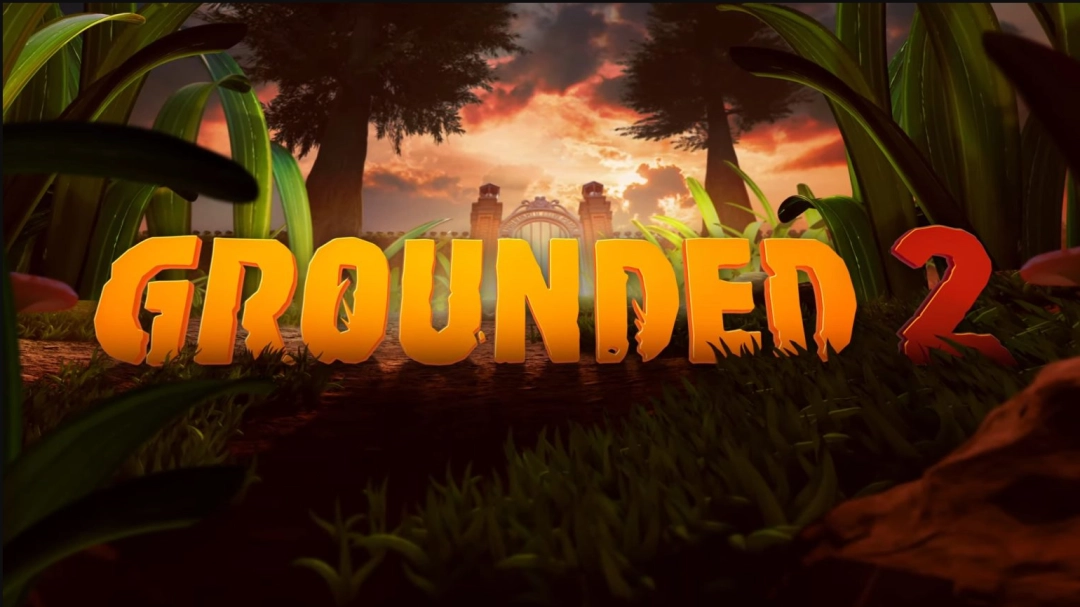
Back then, I would deliberately bring leftover lunch from the school cafeteria and scatter it on the ground to attract ants. Of course, the fate of these observed ants was often less than ideal—a kid's curiosity is often accompanied by ruthlessness and cruelty. When I was in the mood, I would play God bringing forth a flood with heavy rain; when I wasn't, I would drag my sneakers, imagining myself as a creator destroying the earth, mercilessly slaughtering the ant armies.
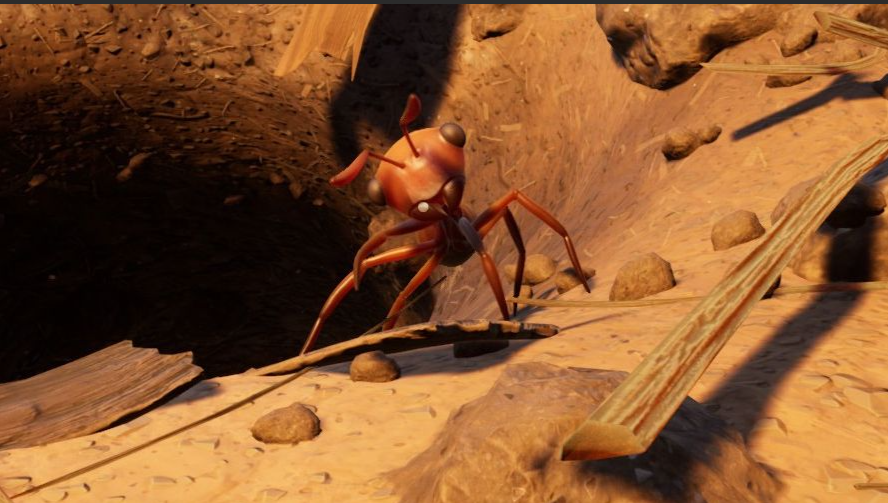
This strange game of observer and observed, destroyer and destroyed, has continued even to recent days, though the size, circumstances, and stature of both parties have undergone earth-shattering changes. That's right—with the help of the well-known developer Obsidian Entertainment, I was shrunk to the size of a grain of rice by ultra-sci-fi technology and thrown into an abandoned shed's backyard infested with insects, fighting for survival.
This time, it's the turn of these cyber-ants to bare their sharp claws and teeth and teach this "fallen god of destruction" a lesson.
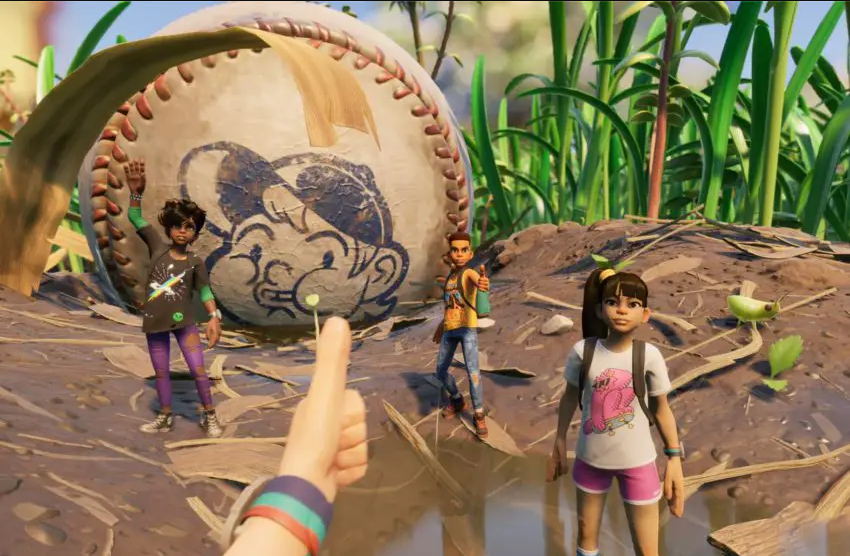
Grounded is absolutely the most childlike and innovative SOC survival game I've played in years. It not only cleverly combines various elements of wilderness survival gameplay, but the developers also integrated a complete class build system, equipment and weapon crafting mechanics, and a streamlined combat mode, collectively constructing an addictive and irresistible experience.
It was like a childhood dream abruptly becoming reality.
And you know what makes this dream even "stranger"? The studio behind these excellent SOC survival games is none other than the famous Obsidian Entertainment. The same Obsidian renowned worldwide for hit RPGs like Fallout: New Vegas, Neverwinter Nights, and Pillars of Eternity.
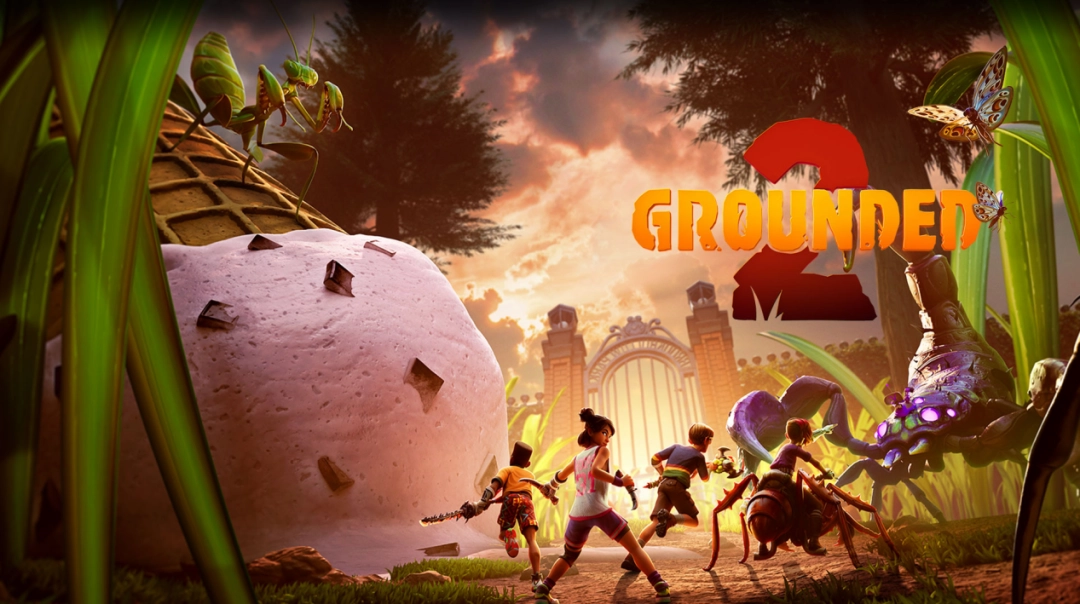
Even more astonishingly, five years after the official release of Grounded, these RPG kings once again set their sights on the long-quiet SOC survival game market and dropped a bombshell—Grounded 2. This left all Obsidian fans jaw-dropped. Honestly, it's hard to figure out Obsidian's game development strategy.
So obviously, when I finally had the chance to sit down with Chris Parker, Game Director of Obsidian Entertainment's Grounded series, and Marcus Morgan, Game Producer, to have a good chat, it was no surprise that I chose to dig deep and vent the confusion I had held back for many years.
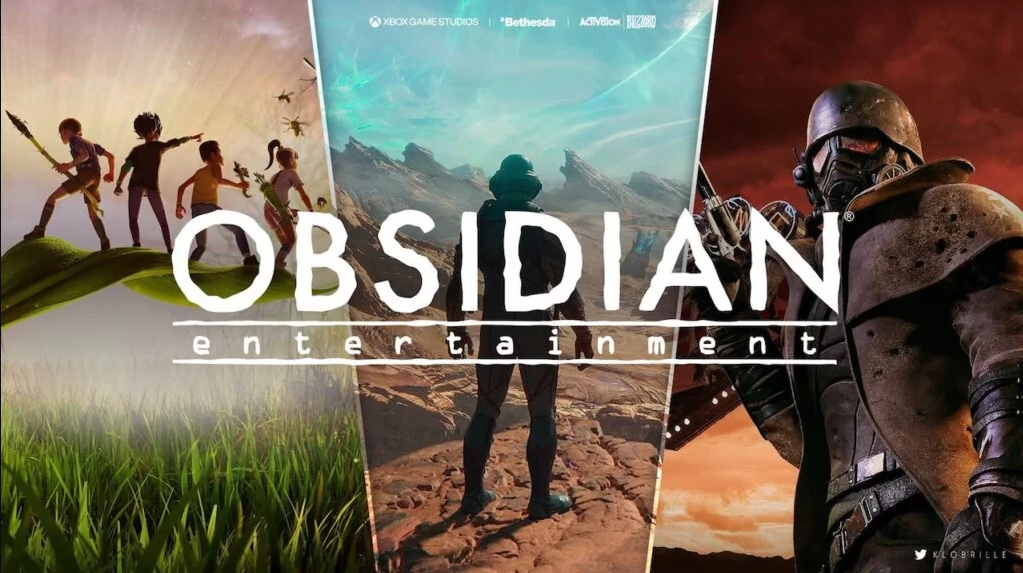
Q: Obsidian Entertainment has always been renowned for its RPGs. Over the decades since the studio's founding, excellent RPGs like Neverwinter Nights, Star Wars: Knights of the Old Republic II – The Sith Lords, Fallout: New Vegas, and Pillars of Eternity have emerged one after another. Your reputation resonates throughout the entire RPG community.
So, what prompted Obsidian Entertainment to decide to make an SOC sandbox survival game that seems worlds apart from the word RPG?
Chris Parker:The development team for the Grounded series largely consists of veterans from the "Deadfire Group"—the senior developers of Pillars of Eternity II. They had been深耕 (deeply engaged) in the field of hardcore asymmetric RPGs for too many years and felt somewhat fatigued. Although they genuinely love the RPG genre, after so many years, they understood the need for something new to relax their nerves.
Obsidian Entertainment is quite open to new ideas and directions. If there are good story arcs or character development paths, we won't hesitate to invest resources in them—after all, these experiences help our RPG expertise tell more interesting stories, right?
Then, Adam, the Game Director of Grounded, and Bobby, the Lead Designer of Grounded, began discussing the possibility of creating a sandbox survival game with strong Obsidian characteristics. This was around 2018 to 2019, when survival games were a very hot topic, and both Adam and Bobby were quite obsessed with this genre.
We gathered for weeks of brainstorming, discussing various possibilities and designs. Until one day, they noticed an old movie from 1997, a classic Hollywood sci-fi comedy where a genius inventor father uses high-tech gadgets to shrink his children, leading to a big adventure in the backyard. I remember it was called Honey, I Shrunk the Kids.
Then, all the developers got excited. Undoubtedly, shrinking down and adventuring in the backyard grass is a common childhood fantasy shared by children worldwide. Moreover, the concept is simple to understand and logically consistent with survival gameplay. So, Obsidian Entertainment assembled a team to attempt creating this game.
This was the catalyst for the birth of Grounded.
Marcus Morgan:Exactly, this concept was practically born for the survival game genre. Think about it: you're shrunk by unknown technology, stumbling around in a backyard that was once familiar yet now strange, fighting insects that you could normally crush with a single finger, struggling to survive. This childhood-dream-like atmosphere can captivate every survival player. I was undoubtedly one of them—accurately speaking, the moment I thought about the possibilities this theme offered, and the urgency of "Wow, it seems no developer has done this before," I immediately threw myself into the development of Grounded.
You're also in the game industry, so you should understand that excitement of "we absolutely can't miss this idea," right?
Another point is that survival games on the market at the time focused more on the concept of "survival," like The Forest and Subnautica. Although they had decent stories, their presence wasn't very strong. So, we thought we should leverage Obsidian Entertainment's years of accumulated "storytelling" experience to create a survival game with our own narrative style, one that offers a completely different experience from most survival games on the market.
As you said, we at Obsidian are quite good at this.
Furthermore, the entire project served as a test, allowing us to experience new design logic, try different story branches and endings, and these branches and experiences generated new application requirements—thus, we had Grounded 2.
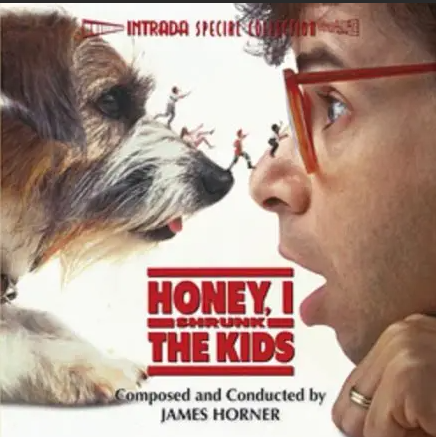
Q: A classic sci-fi movie, a childhood dream, a group of capable and skilled people—and thus, Grounded was born.
Chris Parker:You see, this is the most charming aspect of the Grounded project—it's an experience that we can all easily understand, right? Like when you were a kid walking into a park, squatting down to observe ants on the ground, and wondering: Ants are so busy, gathering so much food, where do they take it all? If I could become super small, could I follow them and take a good look inside the anthill?
This grounded experience will definitely resonate with many players.
Q: Yes, I think what made Grounded so irresistible was that it created a unique gaming experience free from cultural barriers, one that everyone could find exciting and enjoyable. Most importantly, this experience was completely different from the mainstream "hardcore survival-oriented" SOC games available at the time.
But I feel that besides the thematic advantages, didn't Grounded's strong RPG atmosphere also contribute significantly to its success?
Marcus Morgan:Speaking of which, we can't really discuss this without mentioning Adam, the original producer of the series.
Adam spent decades at Obsidian Entertainment, essentially part of the founding group—rumor has it he might have been the first intern hired after Obsidian was established. He was immersed in the studio's strong RPG atmosphere for so long that even when he wanted to create something fresh, he couldn't completely shake off Obsidian's DNA. Even as we began making an SOC sandbox survival game, we unconsciously incorporated many designs familiar to players.
Chris Parker, beside me, is also a senior developer at Obsidian. When we worked together on this game, we unconsciously incorporated many class designs—after all, who doesn't want to be a Ranger or Rogue roaming the seas? Even if the seas are just your own backyard, and the monsters you defeat are merely cockroaches and spiders.
We believe that blending so many new and old elements, combining classics with innovation, can create a differentiated gaming experience that attracts players—ultimately, truly touching their hearts.
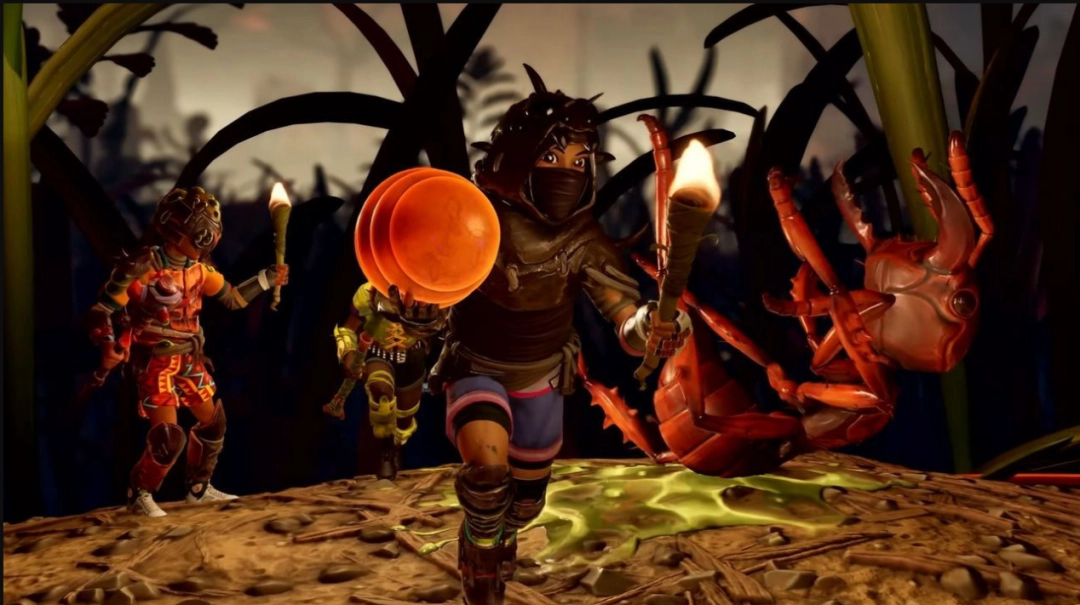
Q: Speaking of classes, we know that in the original Grounded, classes were entirely tied to weapons, armor, and mutations—players could seamlessly switch classes just by changing their gear and mutations.
Has this design carried over into Grounded 2? Will we get even more advanced class build possibilities?
Chris Parker:Our current goal is to maintain the feature of seamless class switching. We believe this better serves the players. For example, if you start the game wanting to be a Heavy Warrior, but after a few hours want to try wielding a staff as a Mage, you can easily satisfy that desire just by changing your gear.
We hope the game maintains infinite possibilities, allowing players to freely try different equipment setups, weapon combinations, and other gameplay styles—especially in single-player mode, where this open design lets players explore various possibilities at their leisure.
Therefore, during the Early Access phase of Grounded 2, we will continue to optimize and refine these aspects.
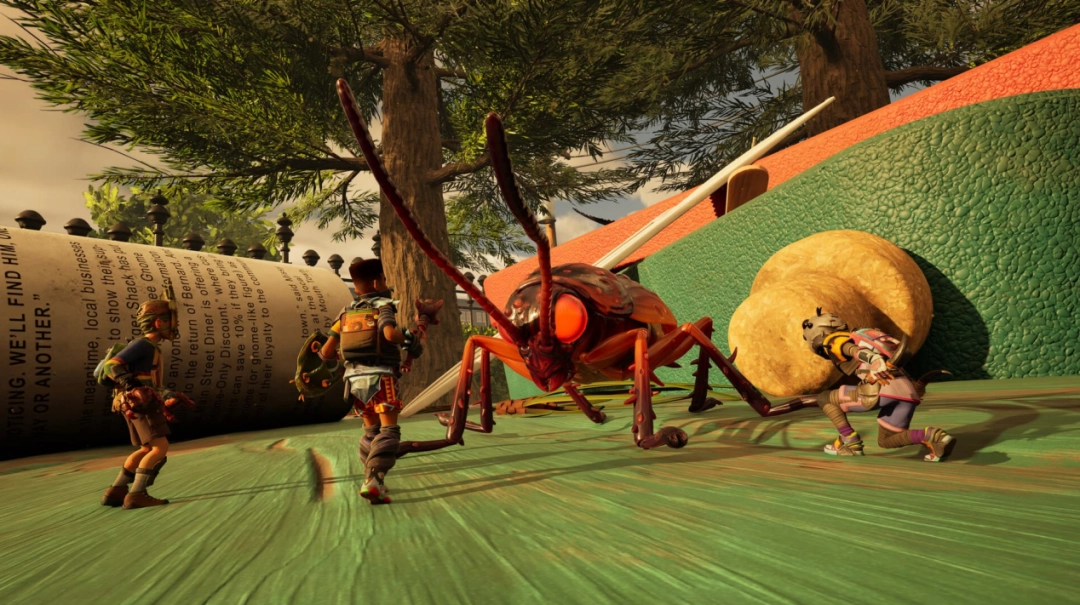
Q: So, in Grounded 2, will we see new classes and new builds?
Marcus Morgan:We have indeed greatly expanded the mutation pool in Grounded 2 to support more class build possibilities. We can confidently say that the number of class build options in Grounded 2 is at least double that of its predecessor. Moreover, we specifically designed many mutations specialized in certain class directions. We won't stick rigidly to every detail, and we look forward to seeing how players brainstorm and use these possibilities to create their own unique playstyles.
In future updates, we will continue to explore more build possibilities and push the boundaries of existing class constructions.
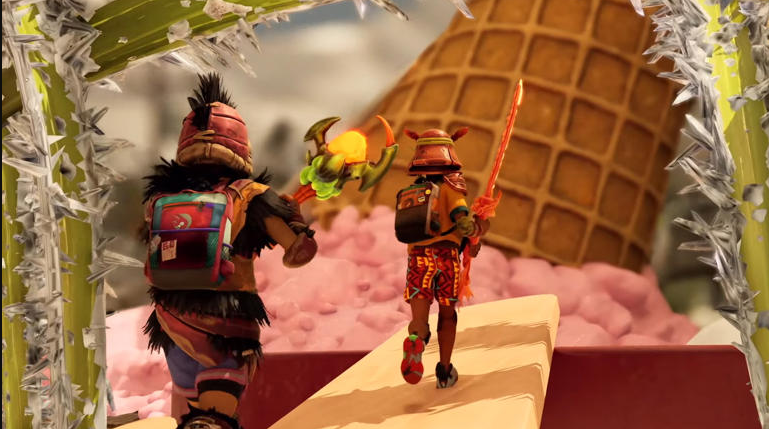
Q: Regarding cooperative gameplay, what are the differences between Grounded 2 and its predecessor? Will we have more multiplayer cooperative experiences?
Chris Parker:Yes, we certainly have many ideas, but at this stage, we are more focused on the existing gameplay mechanics themselves rather than how they might synergize. That said, our flexible class design can definitely deliver a cooperative, team-based gaming experience.
It's like me saying to Marcus, "Hey, let's go take out some bugs." And Marcus says, "No problem, bro, I'll go Ranger, what about you?" I reply, "Then I'll gear up as a Heavy Warrior to create damage opportunities for you."
I believe the cooperative experience in Grounded 2 is definitely not bad.
Marcus Morgan:Exactly. We prefer a "classless" cooperative model—like freely choosing ingredients while cooking. We provide numerous combination possibilities and let players unleash their creativity. After all, their ingenuity is evident; they can discover clever tricks for various element combinations and damage-dealing techniques.
Then, we focus on these builds—just like in Grounded. Afterwards, we start thinking: How can we combine these ideas to create new subclasses that complement each other in multiplayer mode?
We prefer letting certain gameplay elements emerge naturally. We don't want the combat style and gameplay logic to be too rigid. At the same time, we don't want specific designs to disrupt the balance between single-player and multiplayer experiences.
Q: Will we see new characters in future updates for Grounded 2?
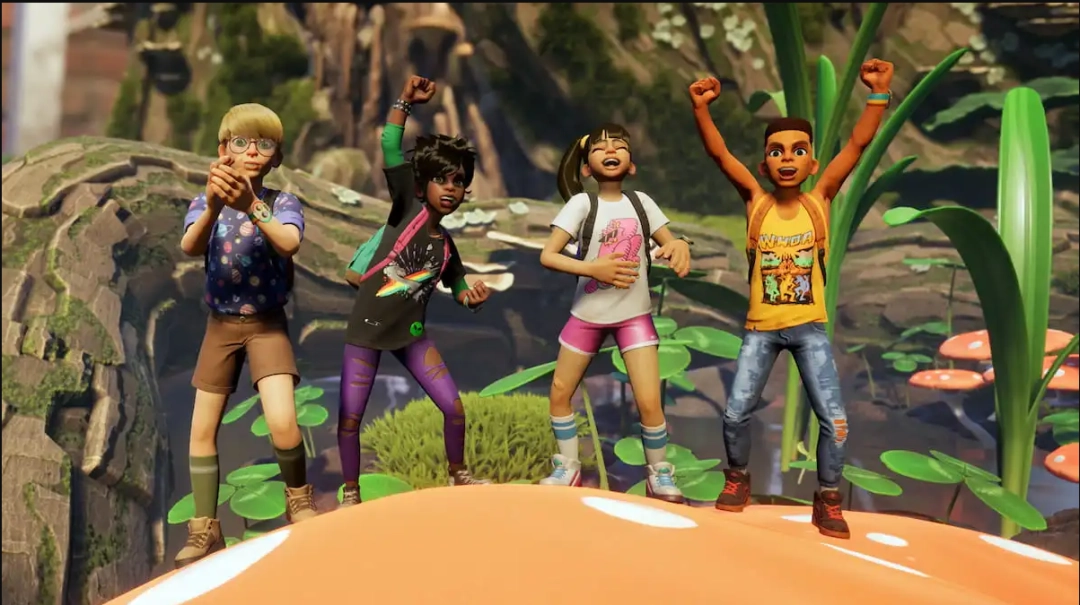
Marcus Morgan:What we can confirm now is that all four characters from the previous game will return—of course, they have grown up considerably. Grounded 2 also introduces many non-player characters. Besides familiar faces like the Burger Man, we have prepared quite a few surprises for players.
We hope to further deepen the diversity and depth of the story, telling more engaging tales. Therefore, the number of playable characters will not change; it will remain the four familiar faces—Max, Willow, Hooper, and Pete.
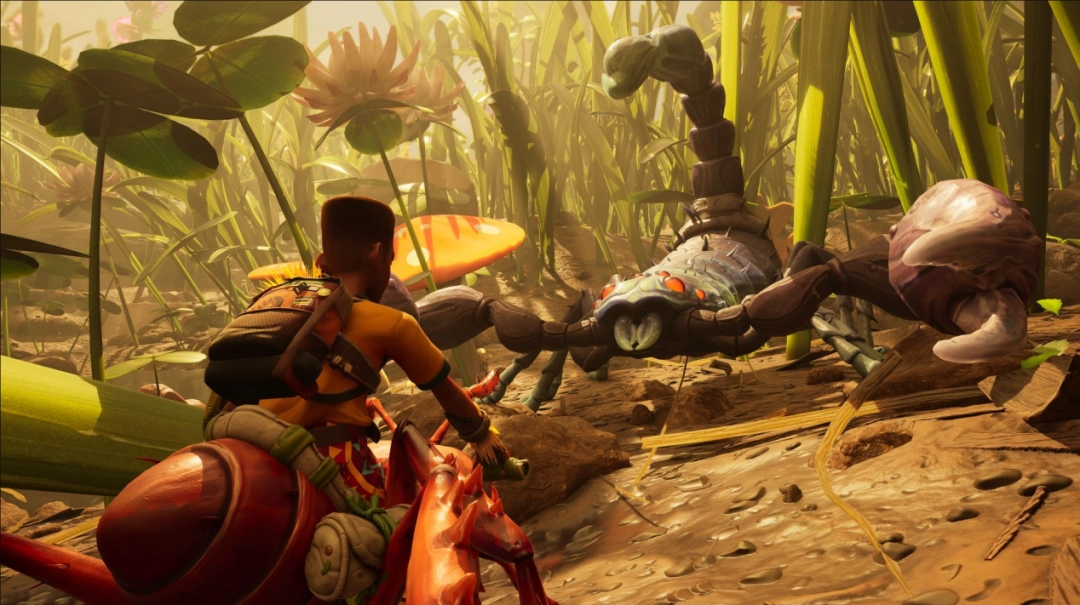
Q: So, if there are no new characters, will the Early Access version have a complete story for players to experience? What kind of ending will the story lead to? A happy reunion, or some other sinister conclusion?
Marcus Morgan:When Grounded 2 launches in Early Access, the amount of story content players can experience will be much greater than in the initial version of Grounded—but we haven't completed the entire story yet.
We are currently working on polishing the first act of the game. This act will have a beginning, middle, and end, and we will ensure the story of the entire first act is substantial. This way, players can have a better experience when they first pick up Grounded 2.
Additionally, during the Early Access phase, we will gradually introduce fragmented world-building elements to support the main narrative and presentation. Once Everythinggj is ready, we will release the rest of the story all at once—we believe this design creates an atmosphere of mystery and exploration, while also fostering a cat-and-mouse dynamic with our community.
Chris Parker:As for the specific plot thread—in the first game, Max, Willow, Hooper, and Pete were just eleven or twelve years old, roughly starting middle school. They were kidnapped by an evil tech company, shrunk, trapped in a backyard, and forced to fight for survival.
It's a great story. It's very refined and concise, and we really liked it. There were many narrative elements that we, as game developers, truly appreciated. So, when we started working on the second installment, these narrative concepts came along with us. Although they remain the protagonists, the characters have aged—by about two or three years. Compared to their previous childish selves, the current group of Max and friends are more like mature and steady teenagers.
Deep down, they still harbor memories from their experiences in the backyard several years ago, while maintaining a deep distrust of factions like Ominent. These complex emotional entanglements will continue to ferment in their minds.
More importantly, they must remember and recall the survival skills and combat instincts that helped them dominate the backyard in the past, breaking out once again from this familiar yet strange microscopic world.
Marcus Morgan:I'd like to add one more point. We received a lot of feedback from the player community, with players generously expressing their love and support for these four characters. Therefore, besides aligning with the story's settings, we deliberately retained these four characters when crafting the story for Grounded 2, keeping some of the familiar and beloved faces that players have known over the past five years.
Q: Speaking of which, we must mention this fact—five years after the birth of Grounded, Grounded 2 is still being released in "Early Access." What considerations led to this decision?
Chris Parker:During the Early Access phase of Grounded, we established a very good interactive relationship with the community—the entire development team maintained continuous communication with the player community, collected a large amount of feedback, seriously responded to player suggestions, and adjusted game content in a timely manner. This two-way communication mechanism not only built a strong and united community but also continuously improved the quality of the game.
In fact, the subsequent success and glory of Grounded are inseparable from the active participation and selfless dedication of these player communities. Moreover, the development team for the Grounded series is small. Although we respond more promptly to community feedback, the smaller number of developers still poses challenges to the game's development progress.
Marcus Morgan:In short, the Early Access model brought success to Grounded, and we learned a lot from this development approach that involves close collaboration with the player community.
Undoubtedly, our goal has always been to create a game that satisfies all players, and we believe Grounded 2 can replicate this success.
Q: Finally, do you have any message for Chinese players?
Marcus Morgan:Did you know? When we analyzed the data, we were deeply impressed by the enthusiasm and scale of Chinese players. Therefore, when we began developing Grounded 2, we immediately prioritized Chinese localization.
Our core goal is to ensure that every Chinese player can freely and smoothly experience the charm of the game.
We also hope that more Chinese players will join the world of Grounded in the future. As we mentioned earlier, this series was born from our shared childhood fantasies, and we hope everyone can happily participate.
Let me secretly tell you something—the story this time is absolutely wonderful.