
Original Column

To be honest, as a game editor, I have some complaints about the recent Xbox Game Studios team—they always launch a "blitzkrieg" on your gaming plans at unexpected moments. The "Ninja Gaiden" announcement in late January was a prime example: after more than a decade of silence, the series suddenly released a teaser for a new title and launched the new engine remake of the classic "Ninja Gaiden II Black" on all major platforms on the same day. This left our editorial team scrambling, happily enjoying the game while urgently adjusting our work schedules.
Original Column 2025-04-29 23:10:49
 Original Column
 2025-04-29 23:10:49

If we're talking about the hottest song recently, I believe it has to be Lan Lao's "Ba Fang Lai Cai."
Original Column 2025-04-29 10:27:06
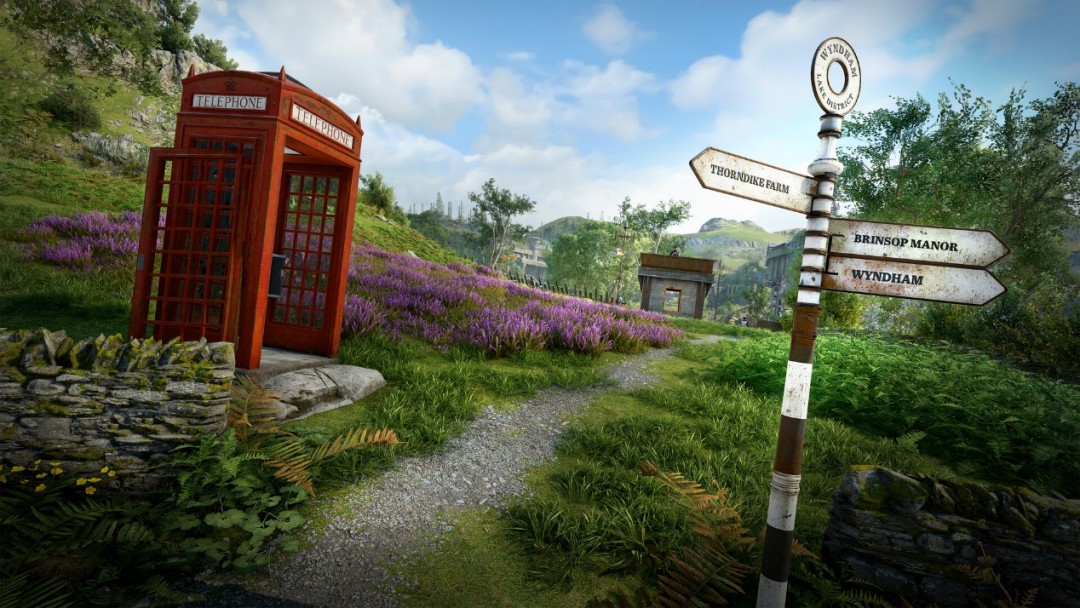
Most people first encounter Rebellion Developments through the Sniper Elite series—to be honest, there aren't many other options, as the studio primarily focuses on Sniper Elite and its spin-off, the Zombie Army series. Occasional new original IPs merely adopt the Zombie Army framework with a different thematic overlay.
Original Column 2025-04-29 09:52:32
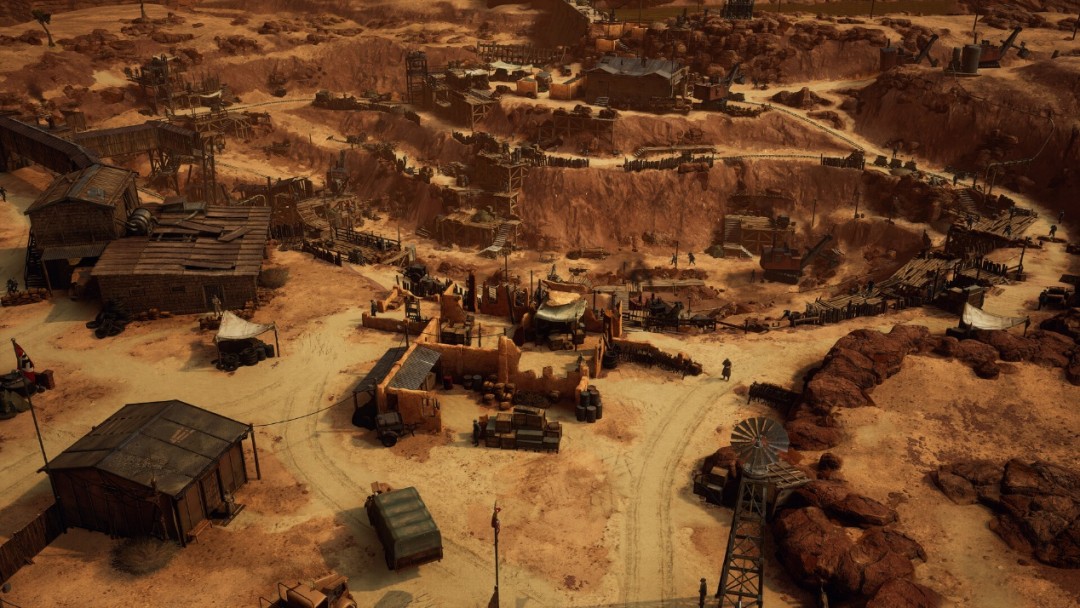
It's time for my favorite segment: reminiscing about the past.
Original Column 2025-04-29 08:16:53
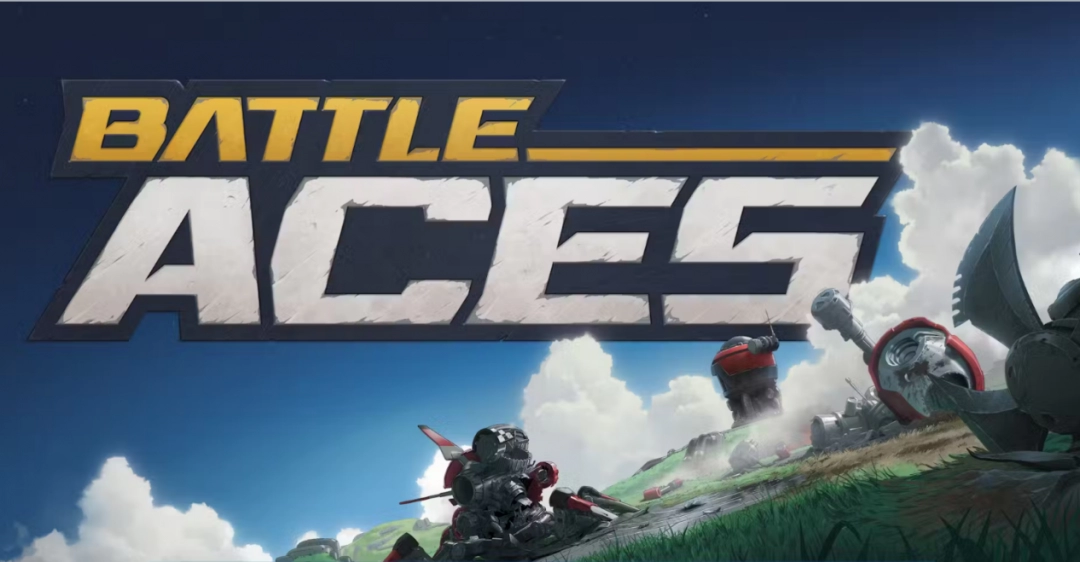
As a player who has grown up since the millennium, you likely hold a special affection for the RTS genre. However, the decline of RTS games in recent years is an undeniable fact in the current gaming market. Today's trendsetters prefer quick and direct game feedback over the methodical strategic maneuvering of traditional RTS titles.
Original Column 2025-04-29 08:15:13
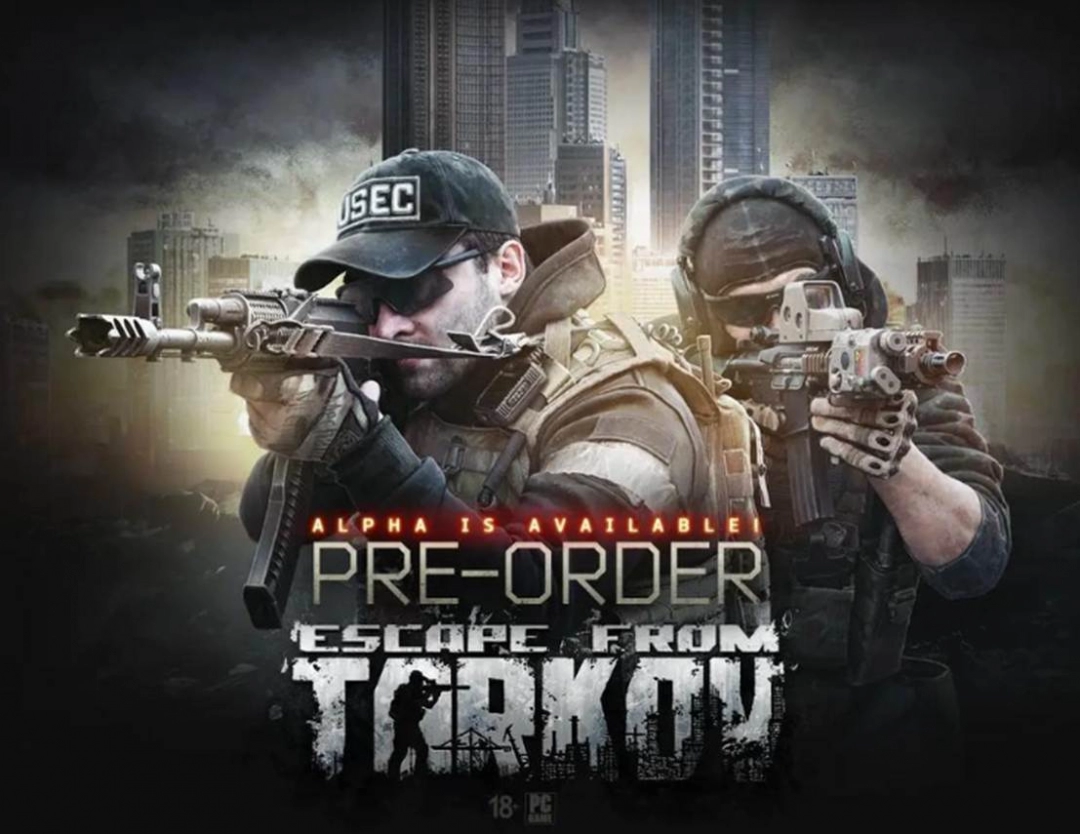
Gamers familiar with the industry know that since the emergence of "Escape from Tarkov," the extraction shooter genre has become one of the hottest game types. Many domestic developers have recognized the potential of this gameplay style. "Arena Breakout: Infinite" officially launched its open beta on PC today, while "Delta Force" reached a new high with over 12 million daily active users. Even "Game for Peace," seemingly unrelated, added extraction shooter mechanics in a recent update. However, most of these extraction shooters haven't broken away from the original "Tarkov-like" framework, essentially making more or less innovative tweaks based on "Escape from Tarkov."
Original Column 2025-04-29 07:10:45

I know, every word in the title seems absurd.
Original Column 2025-04-28 10:45:53

If you ask me what the biggest change in the gaming industry in 2025 is, I'd have to say: I never expected that "Search, Fight, Extract," originally a niche gameplay style, has now become the hottest traffic magnet.
Original Column 2025-04-27 10:49:03

Admit it, if you're a former mischievous kid like me who snuck out of school during elementary lunch breaks to spend your lunch money on arcade games, only to get caught and punished with a leather belt by your parents, you can't help but love beat 'em up games. Whether it's "the first Journey to the West game for young people," "Oriental Legend," or "Warriors of Fate II: Battle of Red Cliffs," where the boss strictly forbade eating buns, or even the Flash mini-game "Dad 'n Me" played secretly on the computer at home to kill time, they all belong to this long-standing genre.
Original Column 2025-04-27 03:01:38

Time flies by, and as you lie in bed, you might not have realized that it's already late April. Looking back on the month, it seems like nothing major happened, and we've just reached the "end." However, with a global population of seven or eight billion, our peace and quiet don't mean everyone else is experiencing the same. Take Thailand, our Asian neighbor, for example—it has just gone through what could be described as a "catastrophe."
Original Column 2025-04-26 10:33:30

In 2009, Haruki Murakami published a book titled "What I Talk About When I Talk About Running," which has since become a household name. This highlights the unique advantage cultural figures enjoy; if it were me trying to go for a run, my colleagues and my lower back would only ask, "What are you thinking about?"
Original Column 2025-04-25 11:25:12

"Journey to the Wild Planet," a lighthearted action RPG that seamlessly blends beating up small animals, mocking mega-corporations, and "collecting" the heritage of alien compatriots, has received widespread acclaim since its launch.
Original Column 2025-04-24 07:45:51

Imagine this scene:
Original Column 2025-04-24 07:45:36